
Public Domain / Wikimedia Commons

SEWilco, CC BY-SA 3.0

Roxiller / iStock via Getty Images

JeniFoto/Shutterstock.com
LauriPatterson / Getty Images
Alexandra Kalashnikova / Shutterstock.com

Vladeep / Shutterstock.com

PongMoji / Shutterstock
Lost_in_the_Midwest / Shutterstock.com
Raeann Davies / Shutterstock.com
Firn / Shutterstock.com
MAKOVSKY ART / Shutterstock.com

Iryna Kalamurza / Shutterstock.com









12 Products That Defined 1990s TV Commercials
Few things capture the wonderfully over-the-top side of 1990s television quite like the products sold through commercials and infomercials. Some promised to cook dinner faster, cut your hair at home, transform your wardrobe, or give you a workout without leaving the living room. Others were ordinary products that became especially memorable because of the way they were advertised on TV.
Not every item on this list carried the literal "As Seen on TV" label, and a few first appeared before the decade began. Still, all became part of the same television-shopping and gadget culture many people associate with the 1990s. Some disappeared years ago, while others are surprisingly still available today. How many do you remember?
Encyclopedia Britannica
Encyclopaedia Britannica was not an "As Seen on TV" gadget, but its advertising was hard to miss in the era before online reference sites became dominant. In fact, Britannica said sales of its printed encyclopedia sets peaked in 1990 at about 120,000 sets in the United States. The company later shifted toward digital products and announced in 2012 that its 2010 edition would be the last printed version of the famous multivolume encyclopedia.
Popeil Automatic Pasta Maker
Ron Popeil launched the Popeil Automatic Pasta Maker in 1993, right in the middle of his hugely successful infomercial era. The machine promised to simplify homemade pasta by mixing and extruding the dough, and Popeil promoted it through television infomercials and QVC appearances. More than 500,000 units were reportedly sold during its early run, making it another memorable entry in Popeil's long line of televised kitchen gadgets.
Ronco Food Dehydrator
Ron Popeil's food dehydrator became one of his biggest infomercial successes around the turn of the 1990s. Popeil used long-form television demonstrations to show viewers how the appliance could dry fruit, vegetables, meat, and other foods at home. Contemporary accounts reported tens of millions of dollars in dehydrator sales by the early 1990s, helping establish Popeil as one of the era's best-known television pitchmen.
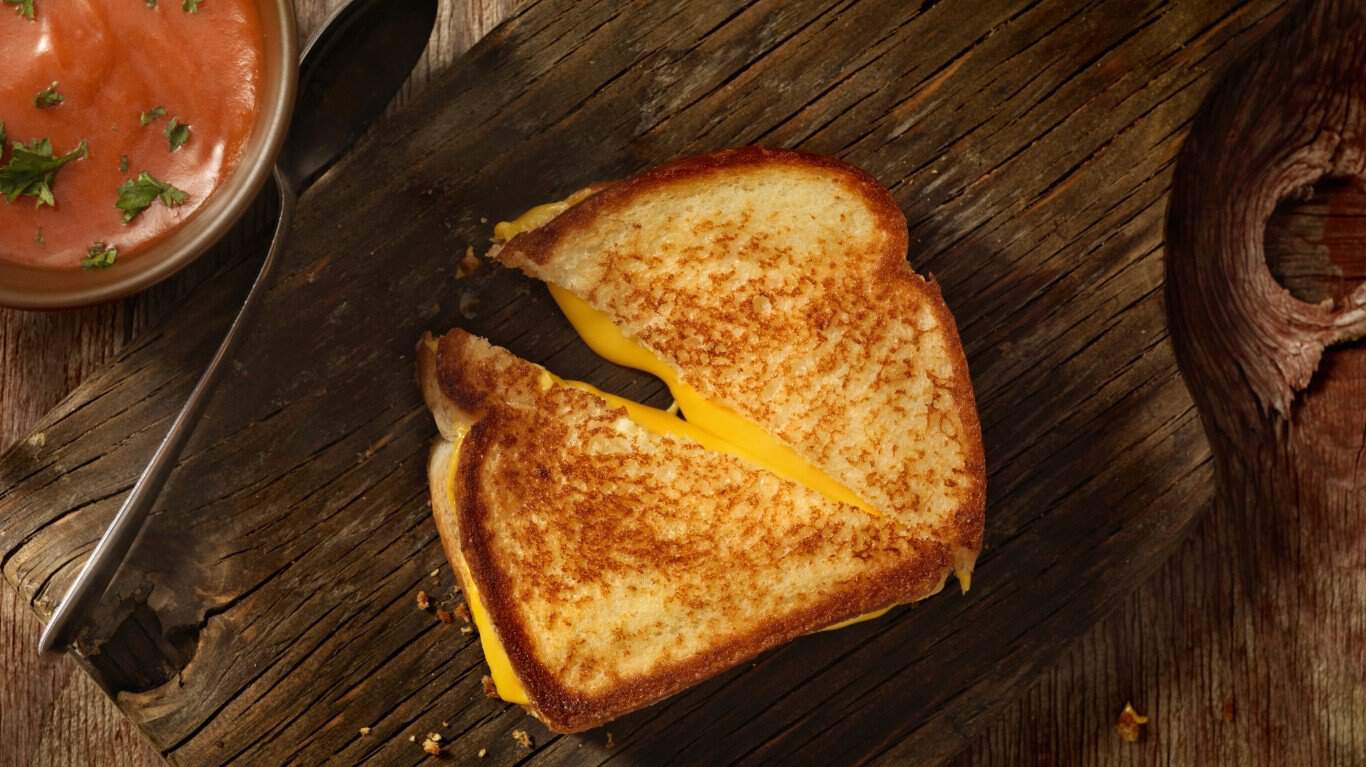
Snackmaster
Cathy Mitchell became one of the most familiar faces of infomercial television, and the Snackmaster helped launch that career. Mitchell has said her first infomercial was for the Snackmaster in 1989. The nonstick sandwich press sealed fillings between two slices of bread, making everything from grilled cheese sandwiches to pizza-style pockets and other quick snacks.
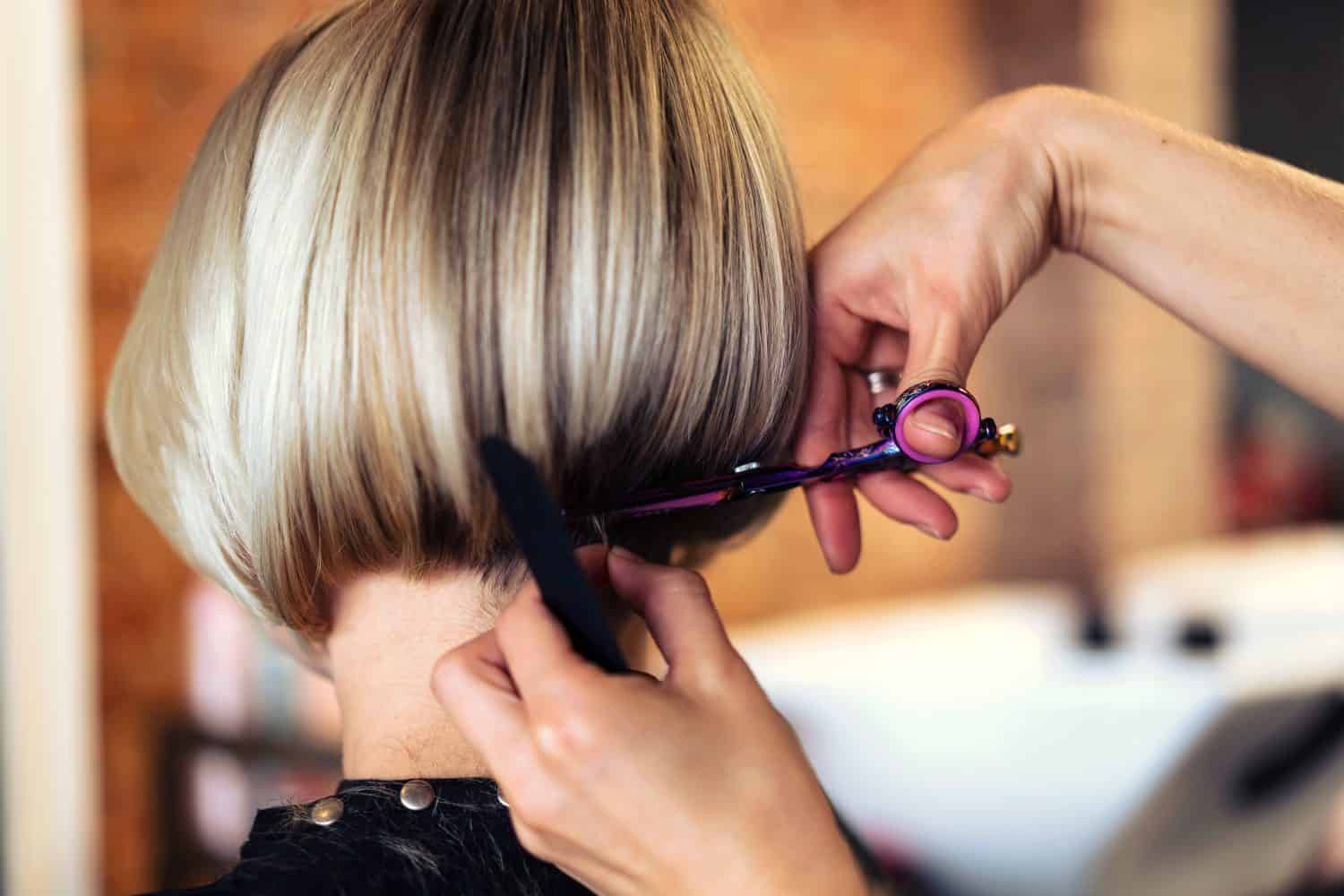
Flowbee
The Flowbee combined an electric hair trimmer with the suction from a household vacuum, creating one of television's most memorable do-it-yourself haircut products. Inventor Rick Hunts says the first Flowbee infomercial aired in 1988, and the device became a household name in the years that followed. It has also outlasted plenty of other infomercial gadgets: Flowbee is still in business and continues to sell its haircutting system today.
The BeDazzler
The BeDazzler let people attach rhinestones and metal studs to clothing and other fabric without sewing them on individually. Versions of the stud-setting concept existed before the 1990s, but the BeDazzler name became closely associated with the decade's love of glittery, decorated clothing. Trademark records show the name was in use in Canada by at least 1993, and the craft gadget continued to be marketed long after the decade ended.
Rainbow Art
Rainbow Art was built around a simple but eye-catching idea: use multiple colors at once to create rainbow-style designs with a single stroke. The system uses interchangeable foam brushes and several colors of paint to produce the effect. Versions of Rainbow Art are still sold today, although reliable documentation establishing exactly when the product first appeared is limited.
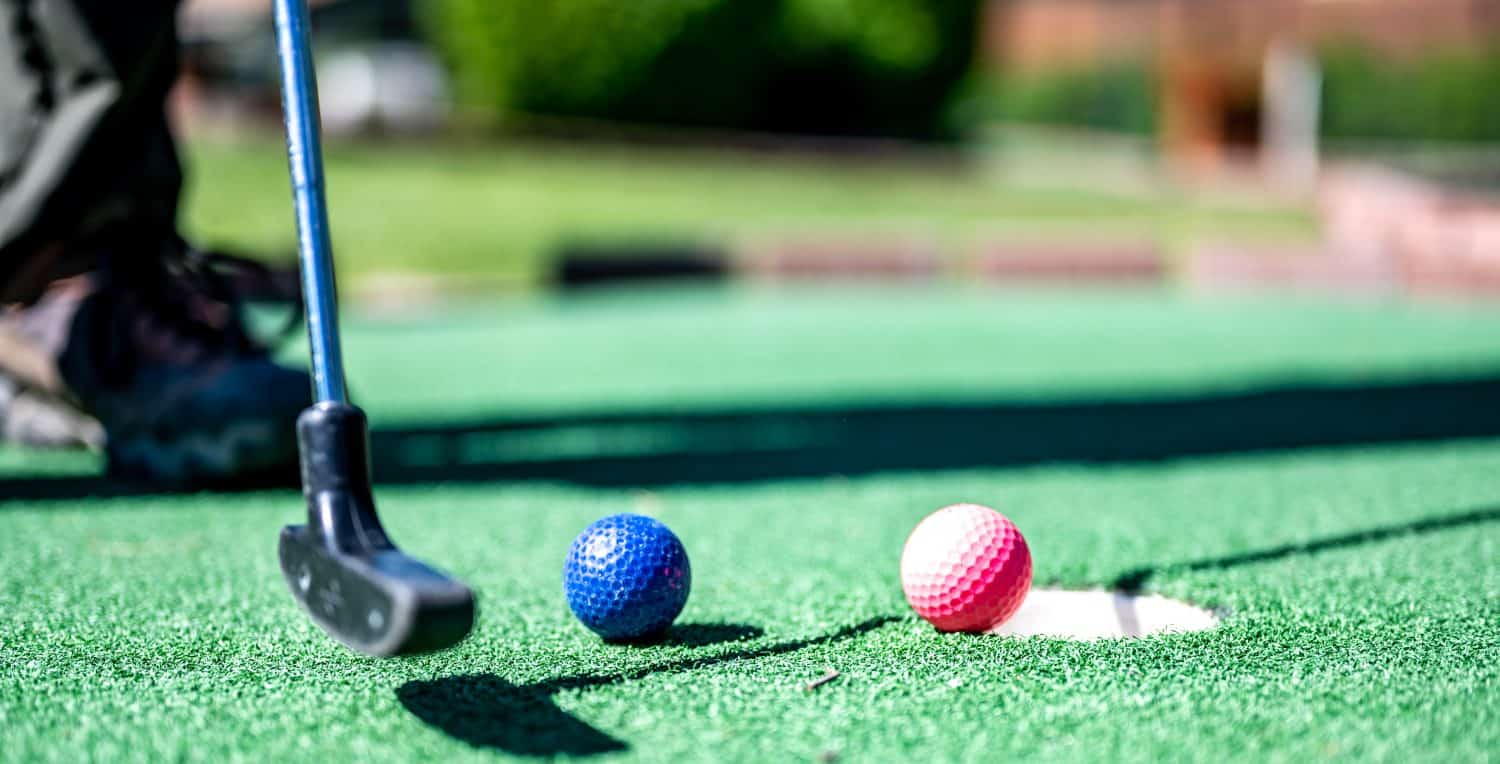
The Potty Putter
The Potty Putter was exactly as ridiculous as its name suggested: a miniature putting green designed to be used while sitting on the toilet. The novelty golf game came with a small green, cup, ball, and shortened putter, turning bathroom time into putting practice. It became one of the more memorable novelty products associated with 1990s television advertising.
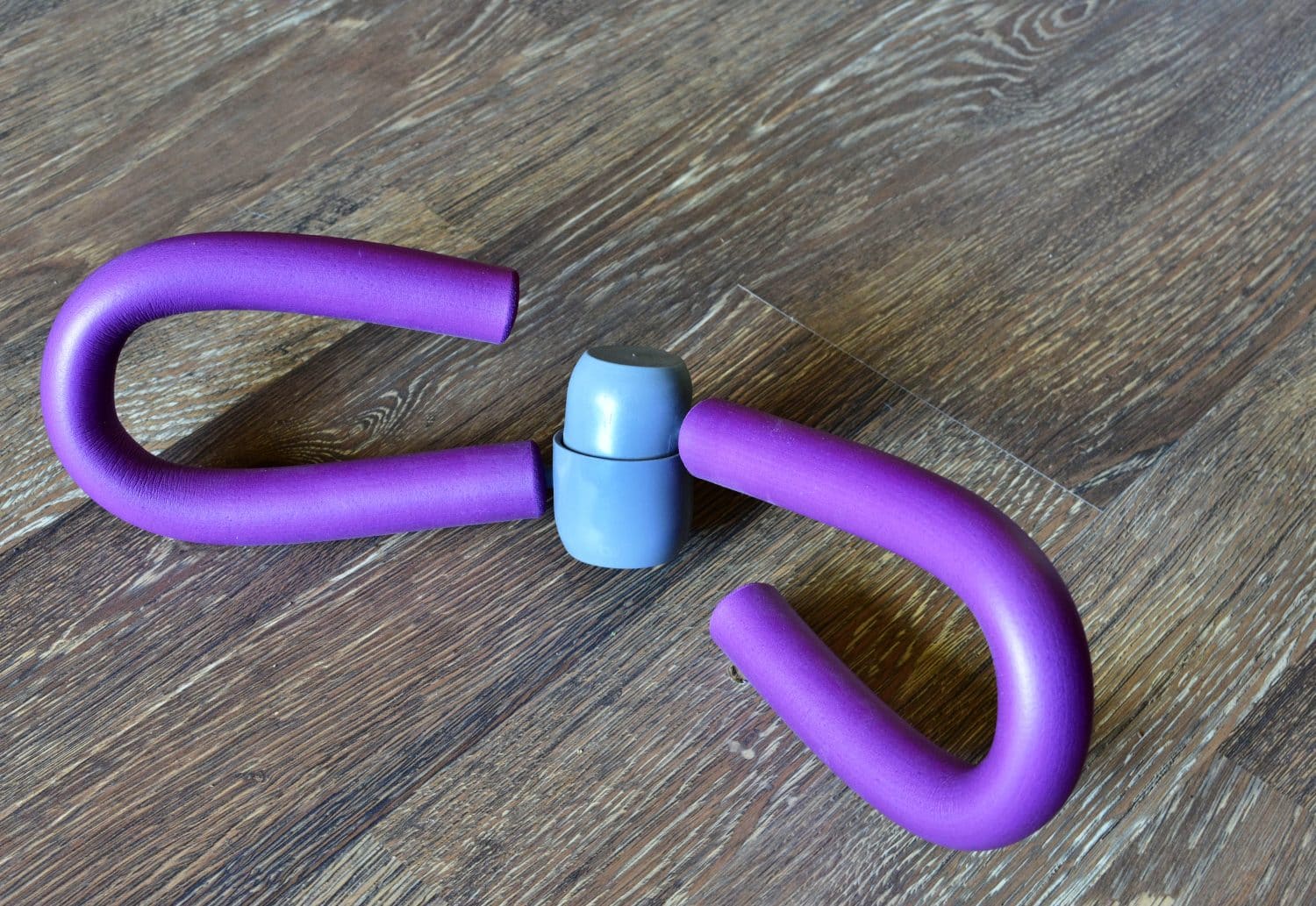
ThighMaster
Few fitness products are more closely associated with 1990s television than the ThighMaster. Suzanne Somers became the product's famous spokesperson, demonstrating the spring-loaded exercise device in TV advertising during the decade. Despite the name, the resistance device can be used for several muscle groups, not just the thighs. The original Suzanne Somers ThighMaster is also still being sold today.
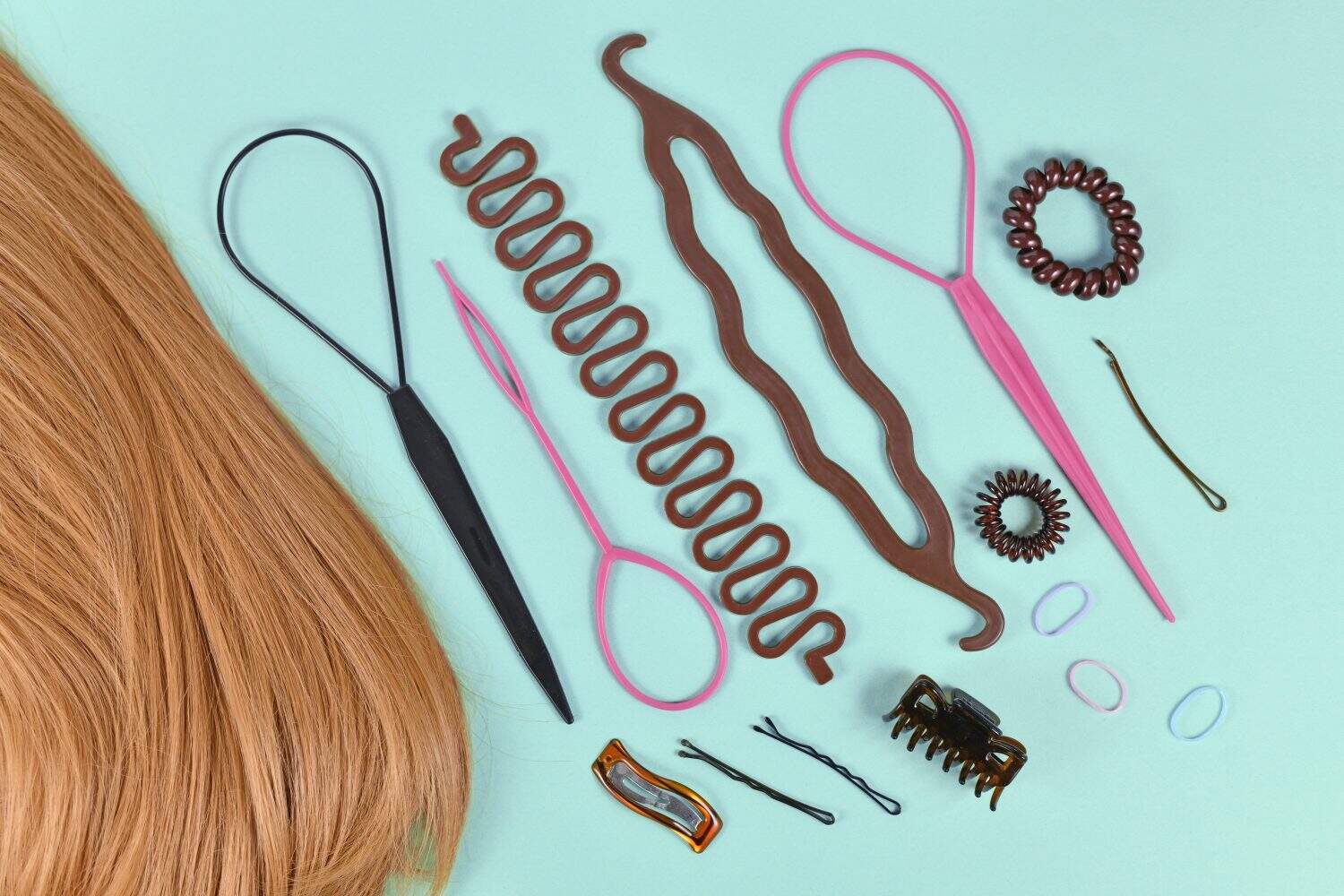
Topsy Tail
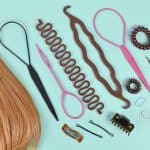
The Topsy Tail really was a 1990s phenomenon. Inventor Tomima Edmark developed prototypes in 1989 and received a patent for the simple loop-shaped hairstyling tool in 1991. It made it easy to flip a ponytail through itself and create more elaborate-looking styles in seconds. According to MIT's Lemelson program, millions of Topsy Tails had already been sold by 1992, and the product eventually generated more than $100 million in revenue.
BaByliss Magic Twist
The BaByliss Magic Twist took another mechanical approach to hairstyling. Users attached two sections of hair to the device, and its rotating hooks twisted the strands before they were combined into a braid-like style. BaByliss documentation confirms how the device worked, though reliable records establishing a precise original release date are difficult to find.
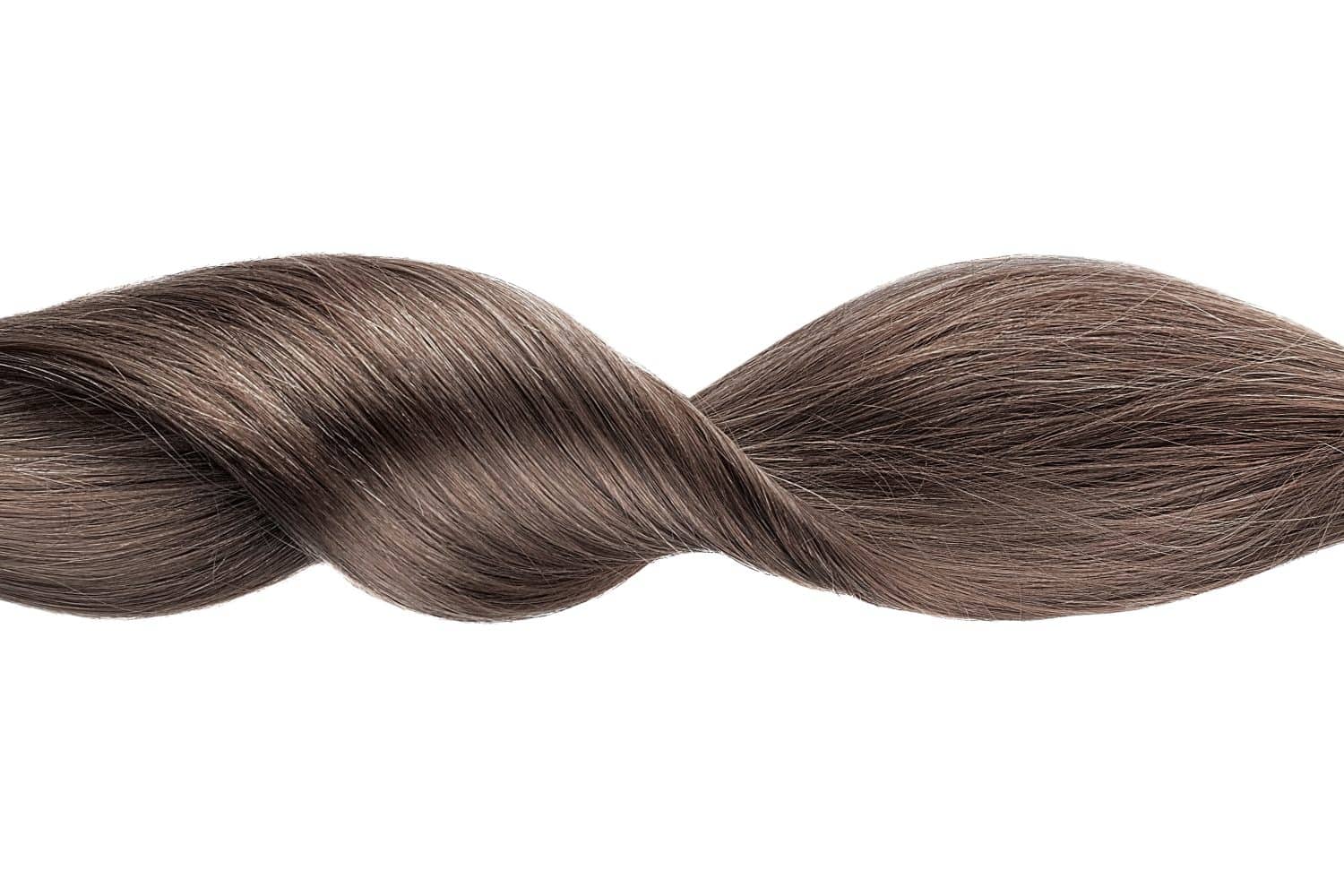
The Hairagami
The Hairagami played on its name by promising an "origami"-like approach to hairstyling. The flexible accessory could be folded, wrapped, and snapped into place to create buns and other updos without a complicated collection of clips and pins. It became another memorable example of the hair-styling gadgets heavily promoted through television demonstrations around this era.