IMDB / Movie Database

2011 Redferns / Redferns via Getty Images
Michael Ochs Archives / Michael Ochs Archives via Getty Images

Christopher Polk / Getty Images Entertainment via Getty Images

Michael Ochs Archives / Michael Ochs Archives via Getty Images
Andrea Raffin/ Shutterstock

Michael Ochs Archives / Michael Ochs Archives via Getty Images

2012 Getty Images / Getty Images Entertainment via Getty Images

2005 Getty Images / Getty Images Entertainment via Getty Images

Michael Ochs Archives / Michael Ochs Archives via Getty Images

2019 Getty Images / Getty Images Entertainment via Getty Images

2018 Getty Images / Getty Images Entertainment via Getty Images
David Redfern / Getty Images
Fin Costello / Redferns / Getty Images

Gareth Cattermole / Getty Images Entertainment via Getty Images

Michael Ochs Archives / Michael Ochs Archives via Getty Images

2022 Getty Images / Getty Images Entertainment via Getty Images

Michael Ochs Archives / Michael Ochs Archives via Getty Images

2004 Getty Images / Hulton Archive via Getty Images

Michael Ochs Archives / Michael Ochs Archives via Getty Images

2020 Getty Images / Getty Images Entertainment via Getty Images
Central Press / Getty Images

2007 Getty Images / Getty Images Entertainment via Getty Images

Redferns / Redferns via Getty Images

Michael Ochs Archives / Michael Ochs Archives via Getty Images

2021 Getty Images / Getty Images Entertainment via Getty Images



25 Once-Banned Songs That Seem Surprisingly Tame Today
Music has always had a way of making people uncomfortable. A song can capture a cultural shift, challenge authority, push against social norms, or simply say something that certain people are not ready to hear. That is part of what makes music so powerful, and also part of what has made it such a frequent target for censorship.
Over the years, plenty of songs have been pulled from radio, banned by broadcasters, criticized by religious groups, or treated like public threats because of their lyrics, subject matter, political associations, or music videos. Some bans were tied to sex and religion. Others came from war, tragedy, drug references, or even rumors that grew larger than the songs themselves.
Looking back now, many of these controversies feel almost strange. A song that once sparked outrage may sound harmless today, especially compared with what now plays freely on radio, streaming services, and social media. In some cases, the very thing that made the song controversial is what helped turn it into a classic.
Here are 25 once-banned songs that seem surprisingly tame today. Some were genuinely provocative for their time, while others were victims of panic, politics, or changing cultural standards. Either way, they show how much the line between “controversial” and “mainstream” has shifted over the years.
Van Morrison - "Brown Eyed Girl" (1967)
Originally titled "Brown Skin Girl," this classic song's title was changed to make it more radio-friendly. Though it sees constant plays on classic rock stations now, at the time many stations banned it for allusions to "love-making."
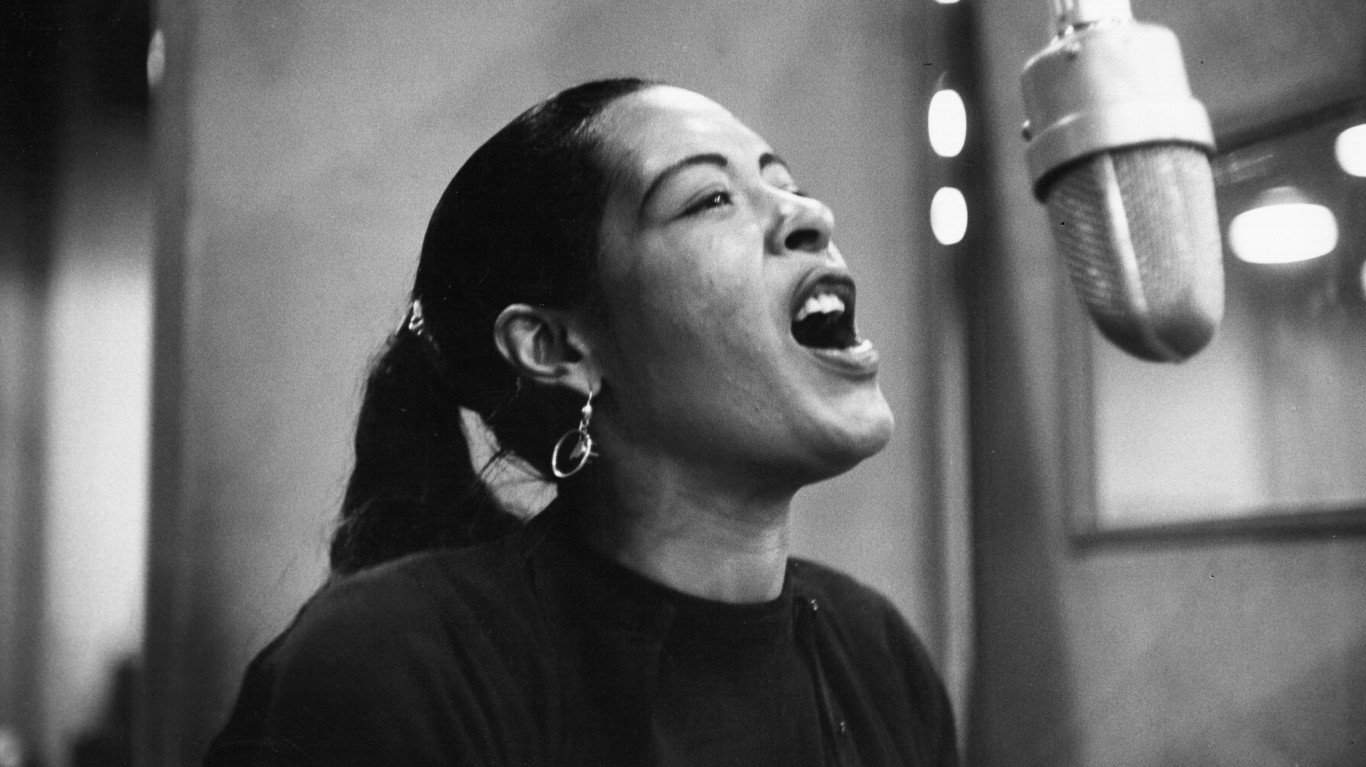
Billie Holiday - "Strange Fruit" (1939)
Released during the Jim Crow Era in the United States, "Strange Fruit's" depiction of a lynching generated real controversy. It was banned on radio stations across the country, even if its poignant, horrifying lyrics were something the country needed to hear.
Lady Gaga - "LoveGame" (2009)
It was a hit in nightclubs, but Lady Gaga's not-so-subtle allusions to intimacy caused "LoveGame" to be banned from radio stations rather quickly. Lady Gaga thought it deserved a second chance on the airwaves, but admitted the allusion was quite blatant.
The Who - "My Generation" (1965)
Unlike other songs on this list, The Who's smash hit "My Generation" was not banned for explicit lyrics. Instead, stations like the BBC banned the song because of singer Roger Daltrey's stuttering delivery which could be interpreted as offensive to people with stutters.
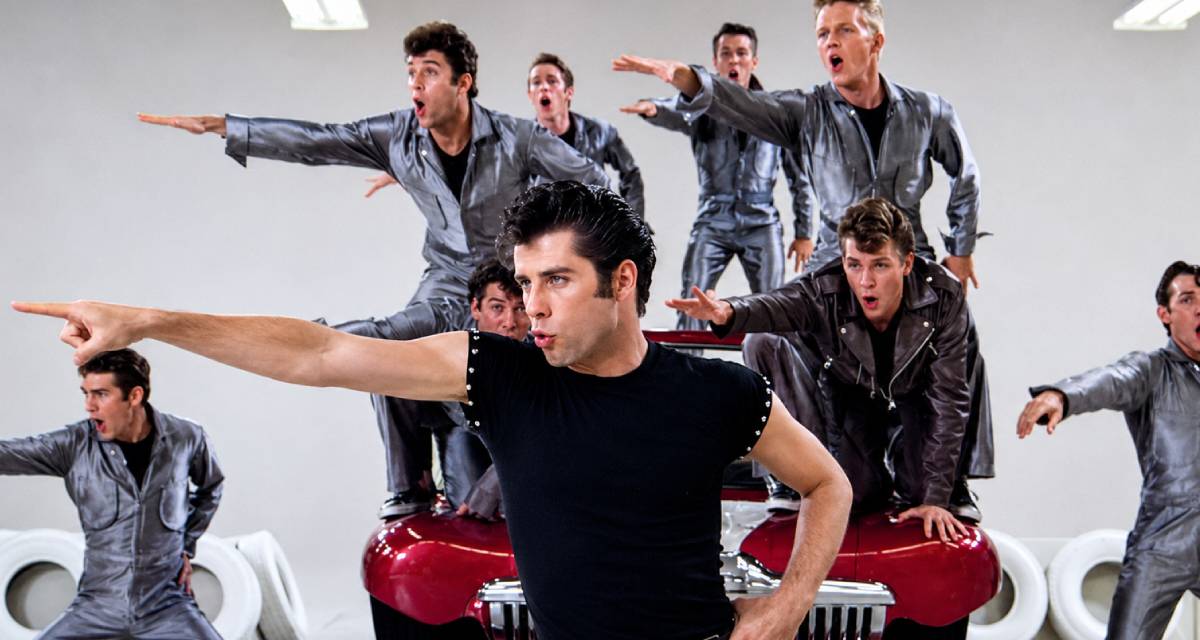
John Travolta - "Greased Lightning" (1978)
The film "Grease" was a massive hit, but even it couldn't avoid the censorship of the period. John Travolta's track "Greased Lightning" contained a swear word. Several radio stations scrambled that line in particular.
The Shirelles - "Will You Still Love Me Tomorrow" (1960)
"Will You Still Love Me Tomorrow" describes an intimate encounter with a man. It became the first number-one song by a black female band and quickly grew into a classic. Even though it sold over a million copies, the song's allusions to intimate relations were too much for some early '60s radio stations.
Tom Petty - "You Don't Know How It Feels" (1994)
You would think that a song released in the 1990s would fly under the censorship radars. Tom Petty's classic track, however, mentioned drug use. This was a no-no for MTV, which scrambled the word "joint" from its broadcast of the song.
The Game - "Red Nation" (2011)
With the advent of drill music, gang life is omnipresent in the current hip-hop/rap landscape. Yet, The Game's depiction of that life in his 2011 song "Red Nation" saw quick banning. In response, The Game hoped more of his songs were banned from radio because they did so well on the internet.
Rod Stewart - "Sailing" (1972)
After Britain invaded and recaptured the Southern Falkland Islands in 1982, the country went hard on banning any song related to maritime activities. Rod Stewart's rather innocuous song "Sailing" from a decade before was one such victim.
Loretta Lynn - "The Pill" (1975)
When country star Loretta Lynn released her hit single "The Pill" in 1972, the world had not fully acclimated to the idea of female birth control. As such, radio stations banned it and preachers denounced it.
M.I.A. - "Paper Planes" (2007)
Over time, radio stations and television networks loosened their restrictions on songs, but not completely. M.I.A.'s 2007 global hit "Paper Planes" was censored on both MTV and "Late Night with David Letterman" for its gunshot sound effects.
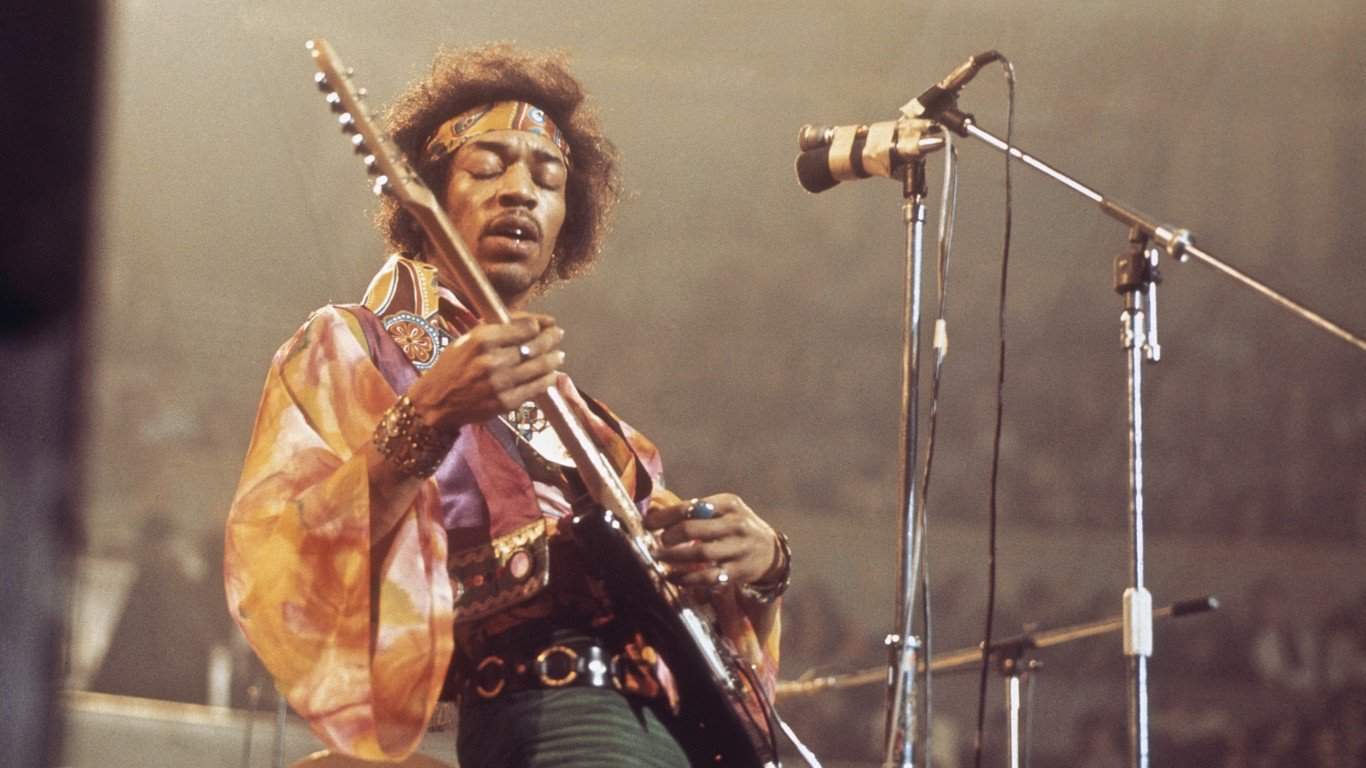
Jimi Hendrix - "Hey Joe" (1966)
Though it's a classic rock standard, Jimi Hendrix's "Hey Joe" endured some controversy over the years. Hendrix earned the ire of BBC producers when he abruptly switched from "Hey Joe" to Cream's "Sunshine of Your Love" mid-performance. The producers quickly pulled him off the air and banned his group from its airwaves.
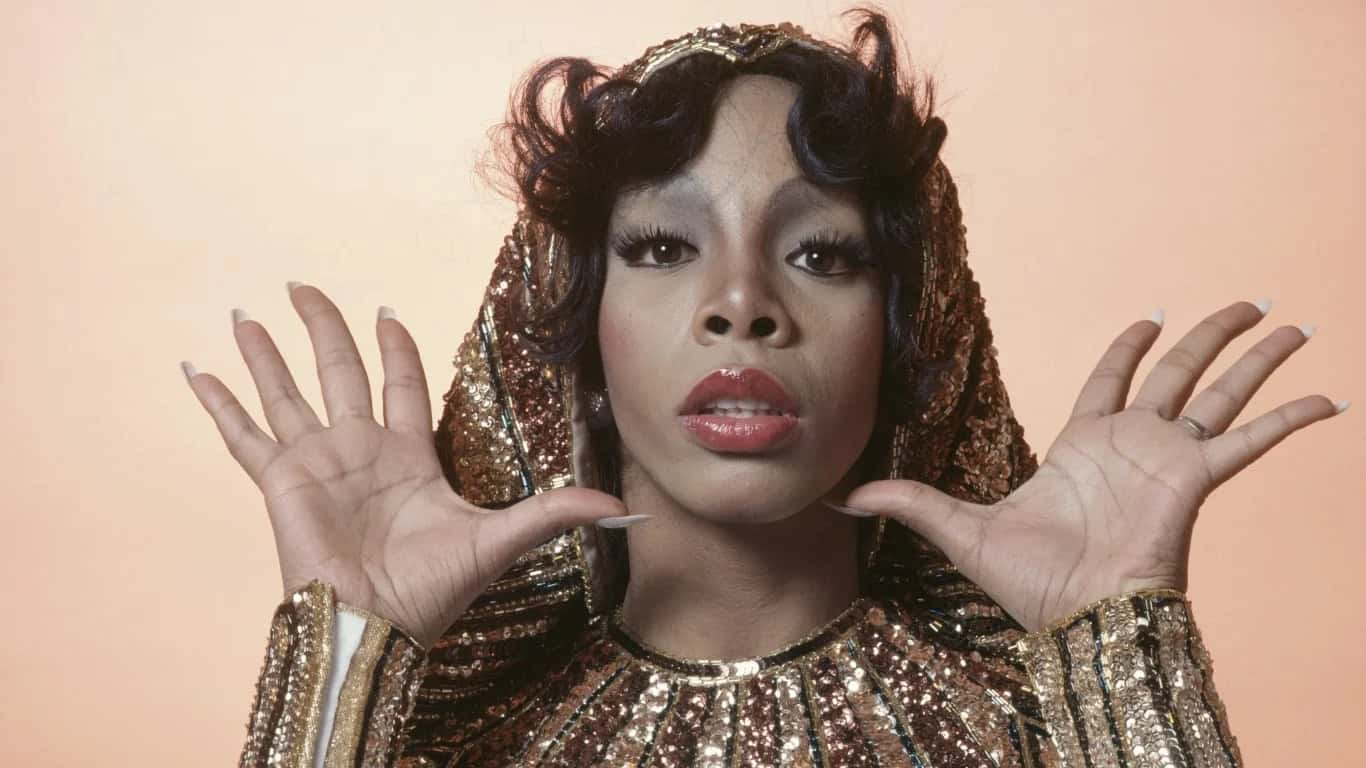
Donna Summer - "Love to Love You Baby" (1975)
It quickly became a disco anthem, but Donna Summer's "Love to Love You Baby" tested radio station censorship rules. Besides its blatant, rather graphic allusions to intimacy, the song also featured inappropriate sounds and imagery. BBC banned the song rather quickly.
Adele - "Rolling in the Deep" (2010)
Though a pop darling of the highest order, even Adele wasn't safe from radio banning. Her hit single "Rolling in the Deep" featured words enunciated in a way that suggested swearing. Even if that wasn't the case, she made sure to change the suspect words completely for televised performances.
The Beach Boys - "God Only Knows" (1966)
Though they were considered squeaky clean during their meteoric rise to fame, The Beach Boys faced accusations of blasphemy for using the word God in "God Only Knows." The song was banned for this taboo in more conservative, religious states.
Robin Thicke - "Blurred Lines" (2013)
It became increasingly hard to get banned in the 21st century, but Robin Thicke's "Blurred Lines" managed the feat. Not only was its video pulled from YouTube for nudity, but several UK universities banned it on campus for misogynistic lyrics.
Phil Collins - "In the Air Tonight" (1981)
Much like the Rod Stewart track "Sailing," Phil Collins' innocent song "In the Air Tonight" was banned on two separate occasions. First, the BBC banned it in 1991 for an incredibly tenuous connection to the Persian Gulf War. Later, Clear Channel Communications banned it in the aftermath of 9/11.
The Kinks - "Lola" (1970)
It seems like The Kinks sought controversy with their gender-bending track "Lola." The band got their wish, but not in the way they expected. BBC banned the song for the word "Coca-Cola," which violated its policy against explicit product placement. Remarkably, The Kinks lead singer Ray Davies interrupted the band's US tour to return to England and rerecord the offending word as "cherry cola."
The Bangles - "Walk Like an Egyptian" (1986)
Though it was a relatively innocent song, The Bangles' huge hit "Walk Like an Egyptian" was banned twice. The BBC banned it in 1991 and Clear Channel Communications followed suit a decade later to avoid offending people from the Middle East.
Olivia Newton-John - "Physical" (1981)
Olivia Newton-John's "Physical" was a massive hit but it contained some spicy allusions, however mild. Plus, its music video featured a shot of two men holding hands. In response, several radio stations banned it and MTV censored the video.
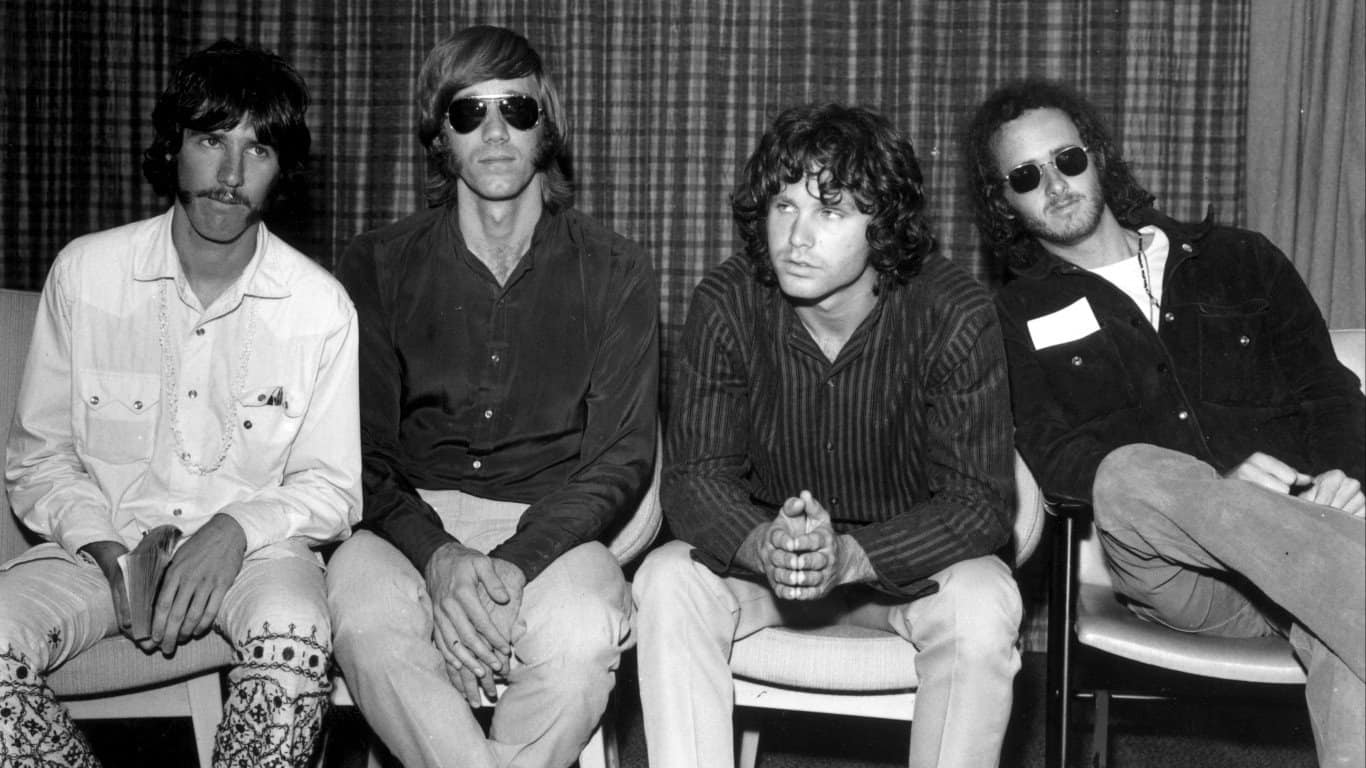
The Doors - "Light My Fire" (1967)
The Doors and lead singer Jim Morrisson, in particular, were no strangers to controversy. The band was blacklisted from "The Ed Sullivan Show" in 1967 for failing to change a drug-referencing lyric during a live performance of "Light My Fire." Decades later, the song was banned again during the BBC's massive Gulf War sweep.
Rage Against the Machine - "Take the Power Back" (1992)
Rage Against the Machine gained prominence for courting controversy with its revolutionary lyrics. The song "Take the Power Back" was banned by the Tucson, Arizona Unified School District 20 years after its release because a history teacher used it in a Mexican-American history class.
Frankie Goes to Hollywood - "Relax" (1983)
Sometimes, a banning is just what a group needs to make it to the top. Take "Relax" by Frankie Goes to Hollywood, for example. Radio 1 disc jockey Mike Read in the UK refused to play it because he took offense to the lyrics and album cover. This had the opposite effect, however, as the song quickly catapulted to the top of the charts.
The Sex Pistols - "God Save the Queen" (1977)
Pioneering punk band The Sex Pistols made a career out of controversy. Take one of its first big hits, "God Save the Queen." It was quickly banned for its blasphemous critique of the British monarchy. Despite efforts to block it, the single topped the charts and cemented the band's rebellious reputation.
Madonna - "Like a Prayer" (1989)
One of the most controversial once-banned songs is "Like a Prayer" by Madonna. Its blasphemous imagery and lyrics resulted in global bans, condemnations from religious groups, and a canceled advertisement from Pepsi.