
Terry Wyatt / Getty Images Entertainment via Getty Images
Christopher Polk / Getty Images
little-pete / BY-ND 2.0
Brett Jordan / BY 2.0
Christopher Polk / Getty Images Entertainment via Getty Images
Courtesy of Music Video Distributors (MVD)
RB / Redferns via Getty Images
juhansonin / BY 2.0
roland / CC0 1.0

celebrityabc / BY-SA 2.0
Michael Ochs Archives / Michael Ochs Archives via Getty Images
Brothers Le / BY 2.0
beatles maniac11 / BY 2.0

Matthew Eisman / Getty Images Entertainment via Getty Images
Al Pereira / Michael Ochs Archives via Getty Images
Jeff Kravitz / FilmMagic / Getty Images









15 Popular Songs That Became Victims of Their Own Popularity
There is a special kind of musical burnout reserved for songs you actually liked in the beginning. A track comes out, immediately clicks, and for a while you are perfectly happy to hear it again. Then again. Then again.
Before long, it is following you everywhere. The radio plays it every hour. It turns up in grocery stores, commercials, sports arenas, weddings, bars, movie trailers, and somebody's aggressively cheerful party playlist. Eventually, the opening few seconds are enough to make you reach for the skip button.
That does not mean these are bad songs. Quite the opposite. Most became overplayed because people loved them so much in the first place. Huge hits have a way of escaping the album or era they came from and becoming permanent pieces of background noise.
Some of these songs have been following listeners around for decades. Others managed to wear out their welcome remarkably fast. Either way, they all crossed that strange line between "I love this song" and "please, anything but this again."
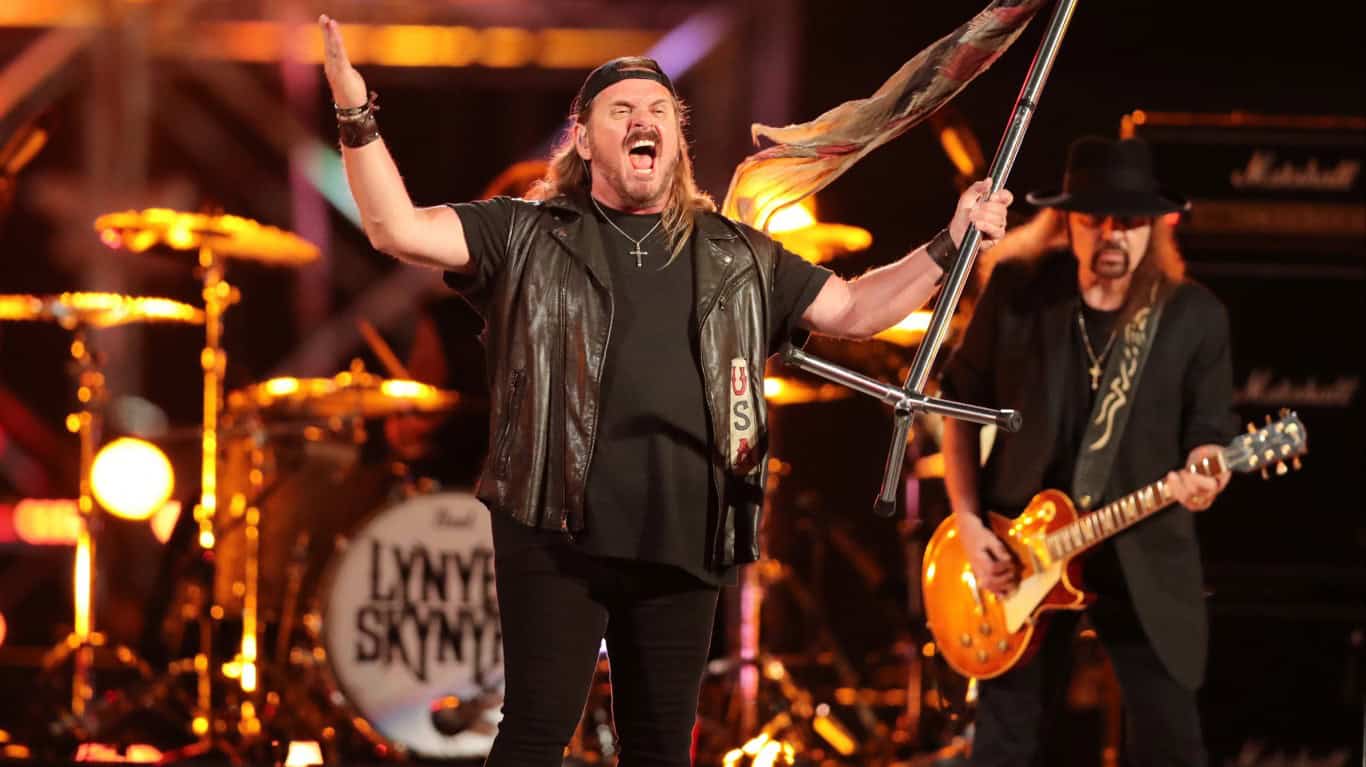
"Sweet Home Alabama" by Lynyrd Skynyrd (1974)
Lynyrd Skynyrd wrote "Sweet Home Alabama" as a sharp, witty response to Neil Young's criticism of the South, and it ended up being their defining song, which just adds another layer of irony. "Sweet Home Alabama" is a succinct, three-minute piece of rock music with a memorable guitar riff.
The song has become synonymous with the entirety of the American South in movies, TV, ads, and even stadium shows, at which point it became more than just a song but almost a regional stereotype. Southerners, in particular, feel ambivalent about it. Being turned into a punchline does that.
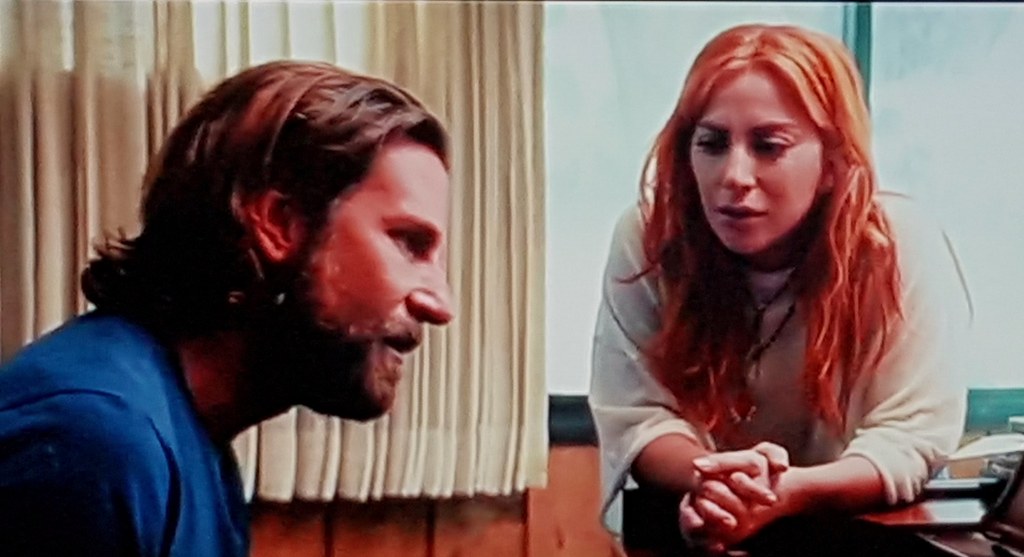
"Shallow" by Lady Gaga & Bradley Cooper (2018)
"Shallow" was a genuine surprise when A Star is Born came out. It was evident that the connection between Cooper and Gaga was authentic. The rawness of the recording at the studio was reflected in the film, and the awards that the song received were all well-deserved. However, award season lasted for about nine months, late-night TV shows aired the video multiple times, and suddenly, the song was used as background for everything on social media. Overexposure killed this one faster than most.
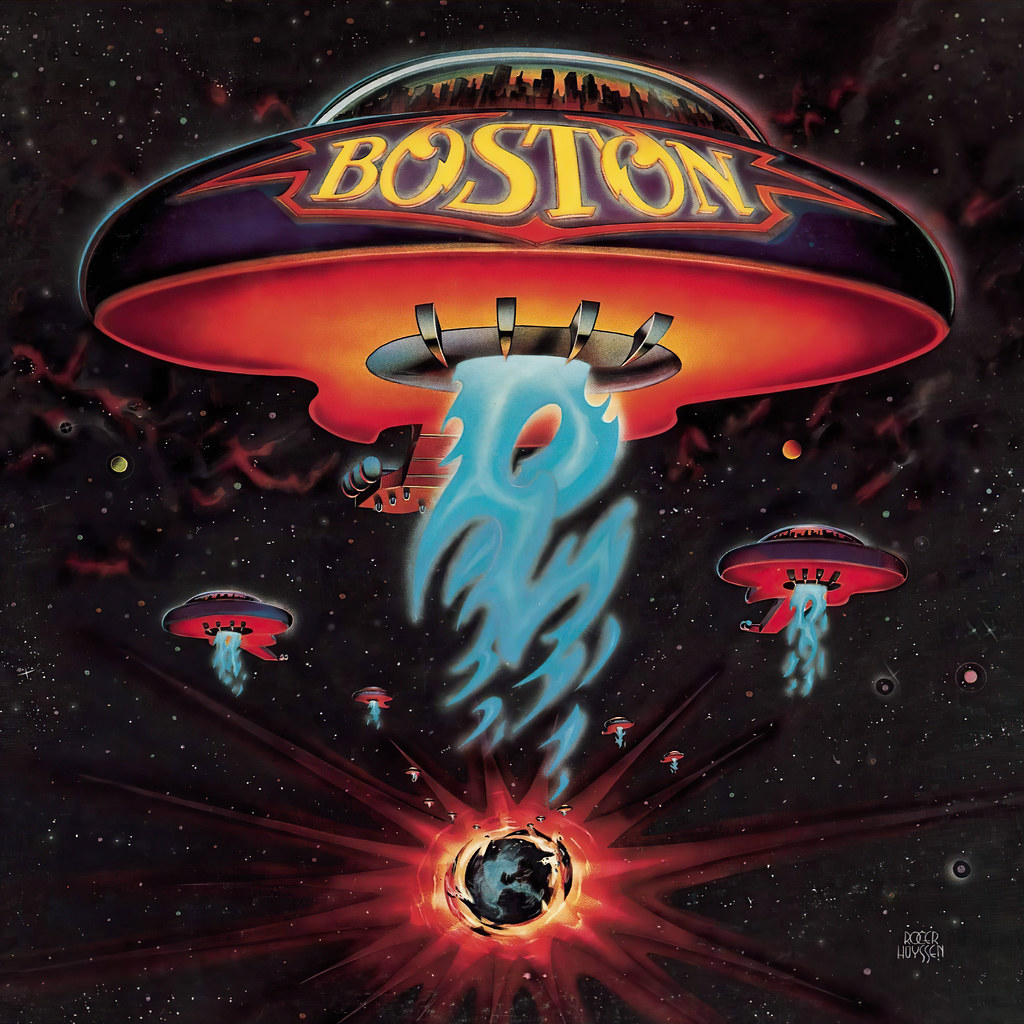
"More Than a Feeling" by Boston (1976)
Boston's debut single is one of the finest examples of technical perfection in 70s rock classics. Amazing harmonies, excellent guitar, and top-notch production. It was so good that radio stations felt they could play it nonstop throughout the day without anyone objecting. That was exactly what happened. Decades of overexposure have turned a great song into a meaningless experience.
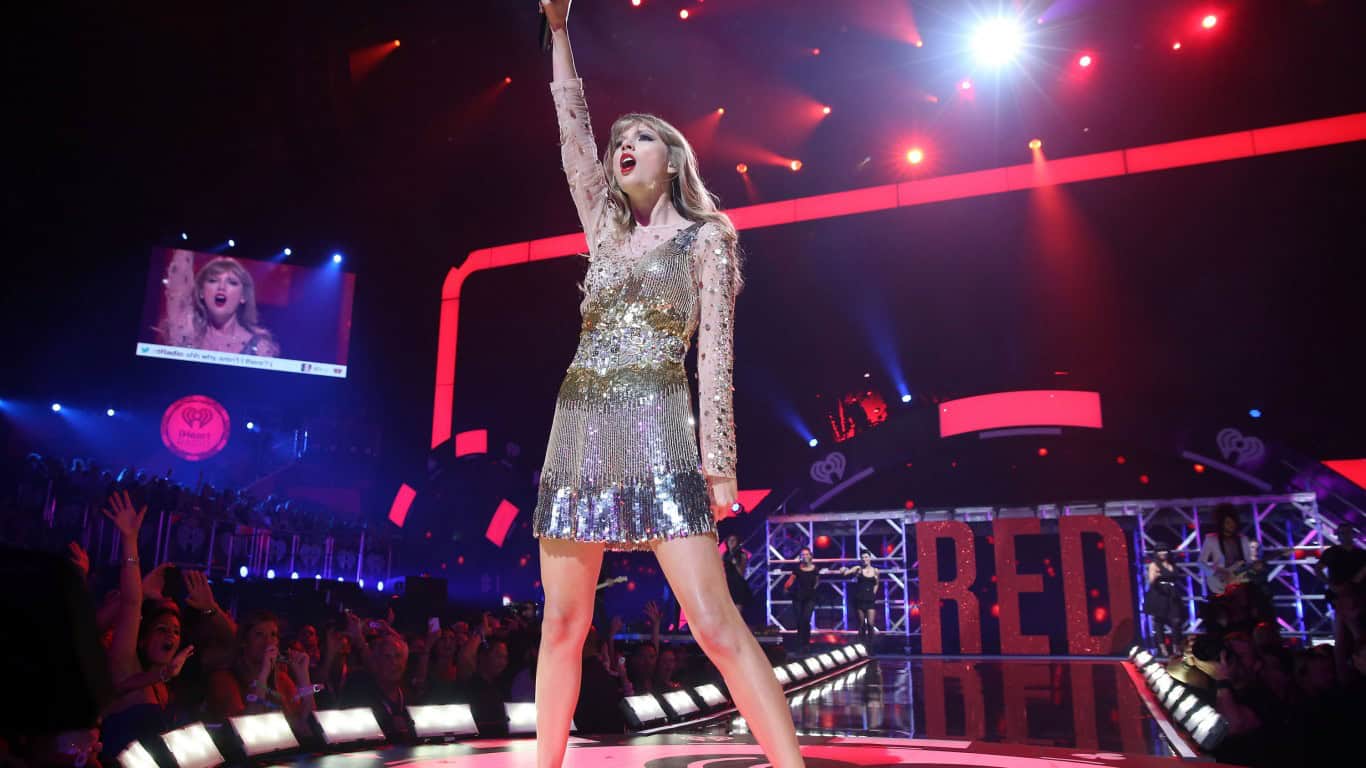
"Shake It Off" by Taylor Swift (2014)
There's nothing wrong with 'Shake It Off' as a pop song. But after months of it being absolutely everywhere, the message starts to feel a little preachy by the 200th listen. It's difficult to shake off whatever we’re supposed to shake off when the song about shaking something off becomes impossible to shake off. Self-proclaimed Swifties themselves have said that it got old fast. This is an unusual admission from an extremely loyal fanbase.
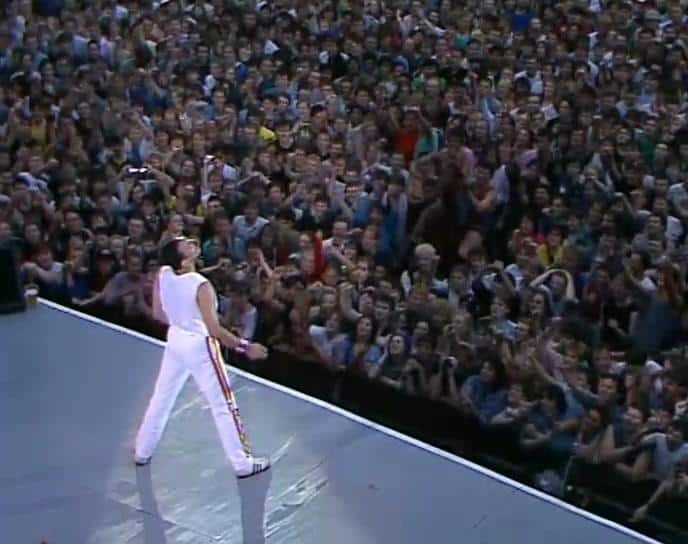
"Bohemian Rhapsody" by Queen (1975)
"Bohemian Rhapsody" is one of the most creative rock songs ever written. Nearly six minutes long, no repeating chorus, genres that change mid-way through, and a falsetto that defies human limits. It made its way into popular culture all over again when "Wayne's World" head-banged along with it back in 1992, and then it happened again in 2018 with the biopic movie.
The issue is not the song itself. It’s the way that mainstream radio stations and music algorithms have used it for anything and everything because of how universally accepted it is. We get it, it’s a great song. Play something else.
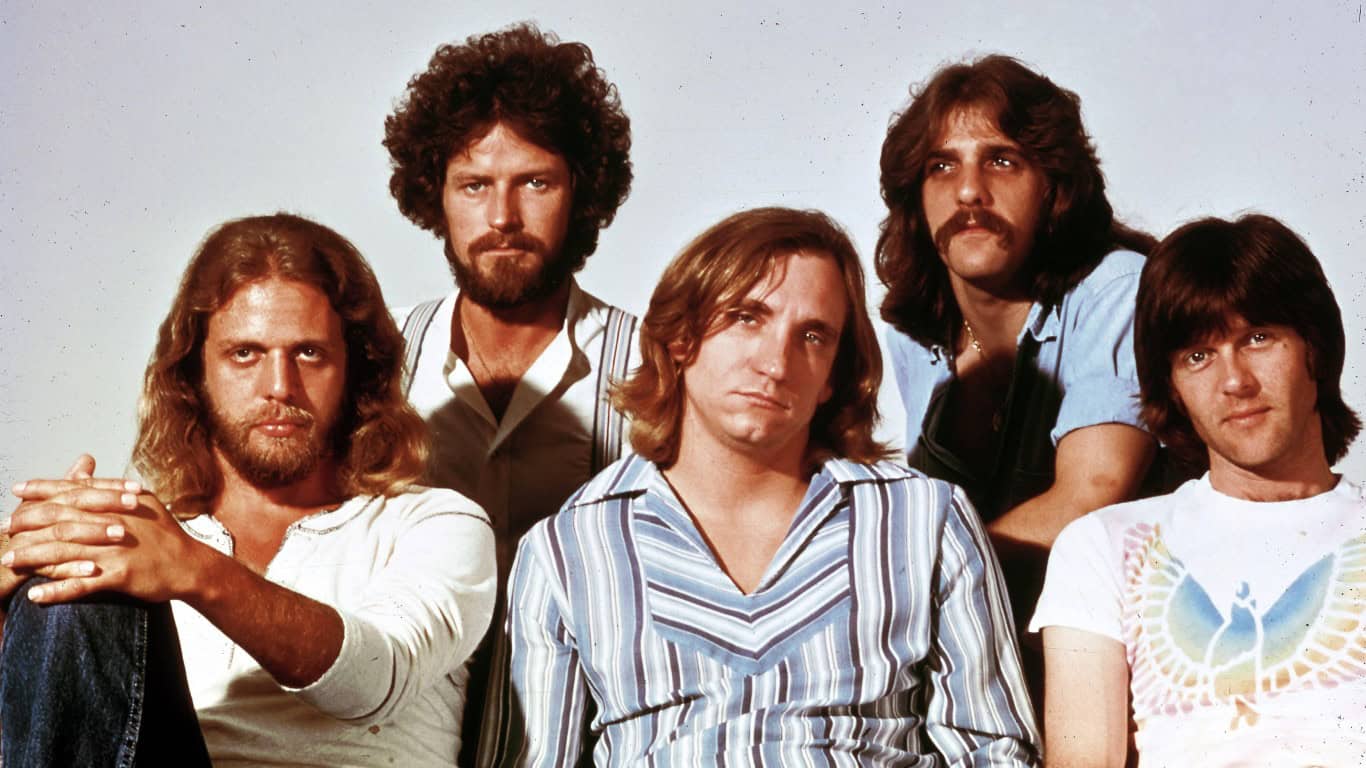
"Hotel California" by The Eagles (1977)
"Hotel California" has been on Classic Rock Radio stations so much that one could think they are contractually obligated to play it at least five times a day since 1977. The song deserves some play time. It’s great music. It’s eerie, complex, and features one of the most memorable guitar outros in rock history.
Don Henley himself described the song as being “about the underside of the American Dream." But 47 years of non-stop playing have turned a dark, edgy song into ubiquitous background music you're forced to listen to while waiting at the dentist.
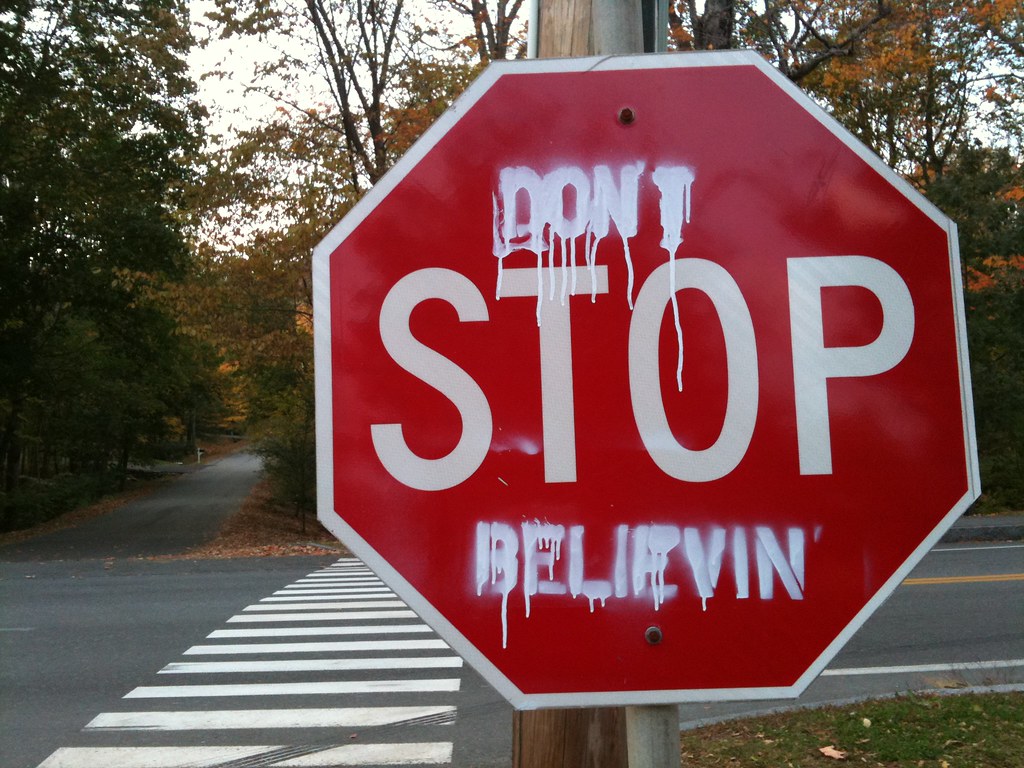
"Don't Stop Believin'" by Journey (1981)
When "Don't Stop Believin'" hit the airwaves, it had a cinematic quality that made it a classic working-class tune. But in 2007, the finale episode of The Sopranos took things to a whole other level. The tune was revived, and it got so popular that it simply could not be escaped. This song was everywhere. From sold-out sports arenas to half-empty karaoke nights on the bad side of town.
The issue is that when a song like this becomes an anthem for everyone, it stops working as a song, and by the time a whole new generation was discovering it, the people who grew up with it were quietly changing the station.
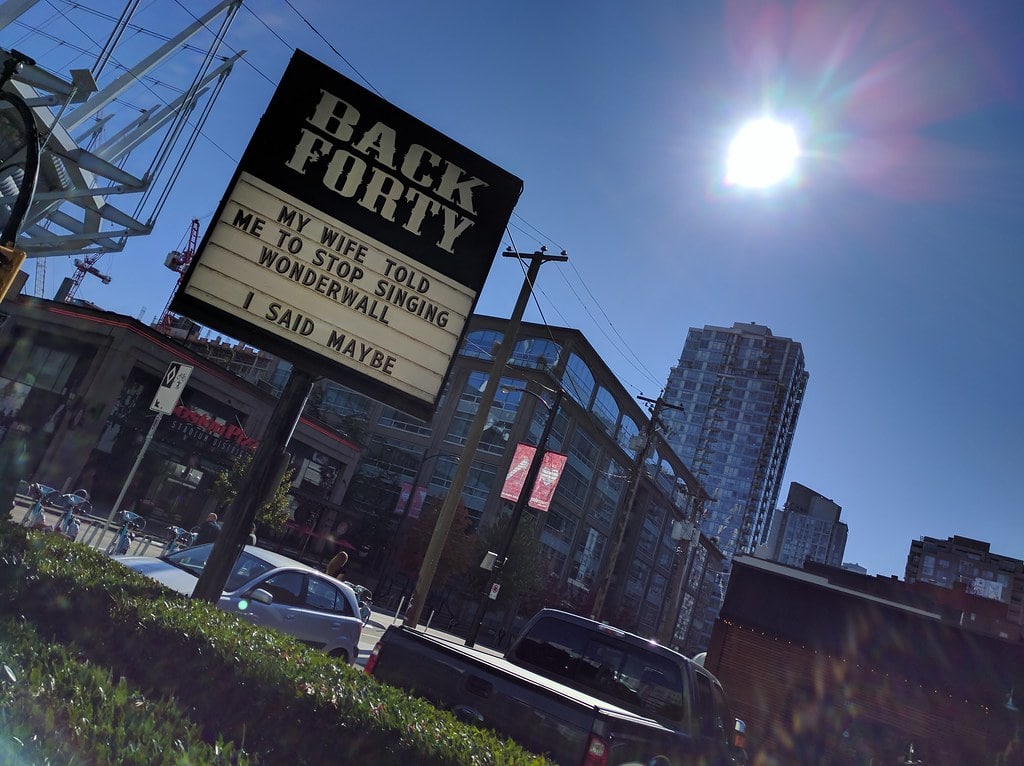
"Wonderwall" by Oasis (1995)
"Wonderwall" was considered one of the most iconic rock songs of the '90s. Liam Gallagher's delivery was raw, and the song had a very basic chord structure that made it easy for anyone with a guitar to learn. And oh boy did they learn. "Wonderwall" became synonymous with open mic nights or dorm-room serenades after 1995. The original song was still great, it's just hard to appreciate it without remembering all those horrible versions of it.
"My Heart Will Go On" by Celine Dion (1997)
This song was everywhere in 1997 and 1998. The Titanic was an epic movie, and the song fit the mood perfectly. But then months passed, then years, then decades. The song refuses to go away. Years of omnipresent radio play, award-show renditions, and department store speakers have turned this song into a bland romantic cliché.
Actress Kate Winslet, who starred in the film, has been quoted as saying that she feels physically sick when she hears it. Yes, there was apparently room for Jack on that door, but there's no room for this song in our lives anymore.
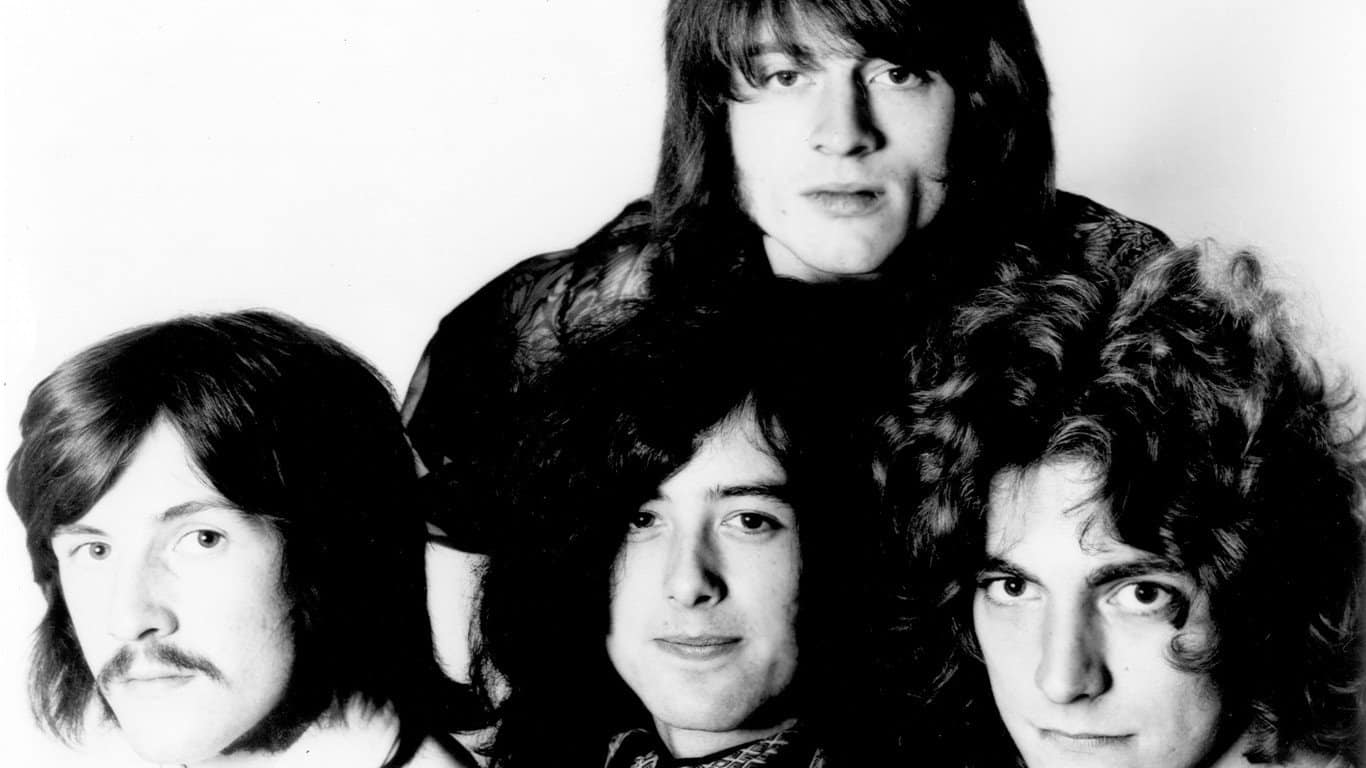
"Stairway to Heaven" by Led Zeppelin (1971)
There was a joke from Wayne’s World in 1992, where a guitar shop posted a sign banning the song’s opening riff. Guitar store employees had been dreading this particular riff for over two decades by then, and some shops even posted signs afterward as a nod to the film. Of course, "Stairway to Heaven" is one of the greatest pieces of rock music in history. But the song has been played so many times, in so many settings, that listening to it now feels more like a formality than anything resembling fun.
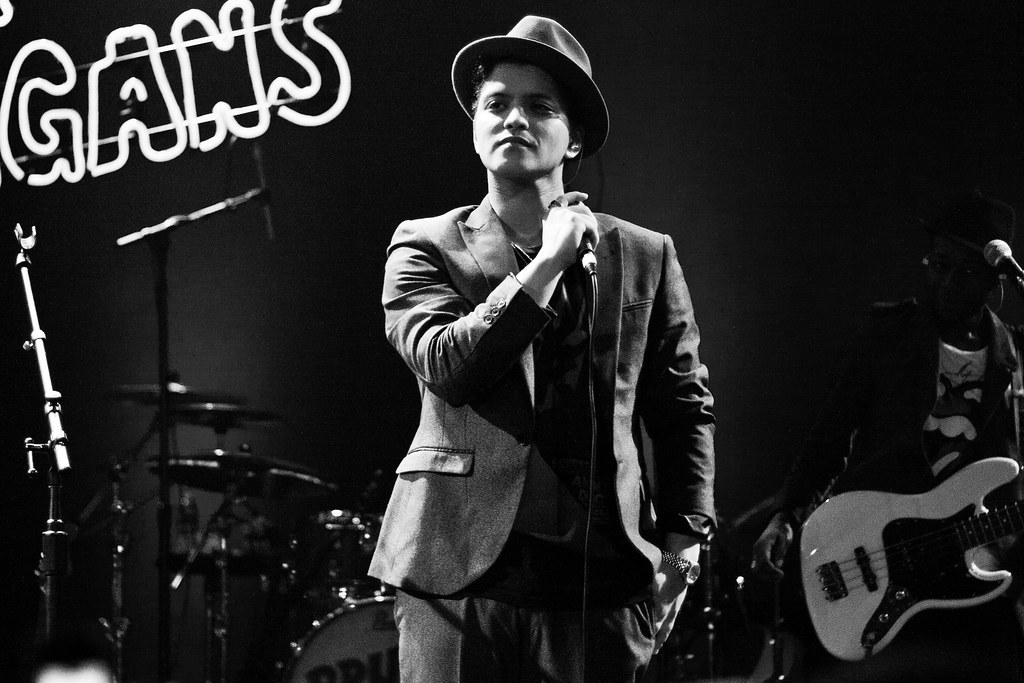
"Uptown Funk" by Mark Ronson ft. Bruno Mars (2014)
When "Uptown Funk" was released, it was hard not to love it. Great groove, great throwback production, and Bruno Mars doing what he does best. The song became an instant hit, and then it went on to be played at every wedding, every gym, every corporate gathering, and any sporting event for the next three years. While being a great song in its own right, because "Uptown Funk" is written specifically to make you want to get up and dance, event organizers played it so much that the effect wore off entirely. Nowadays, the most it gets out of people is a reluctant foot tap.
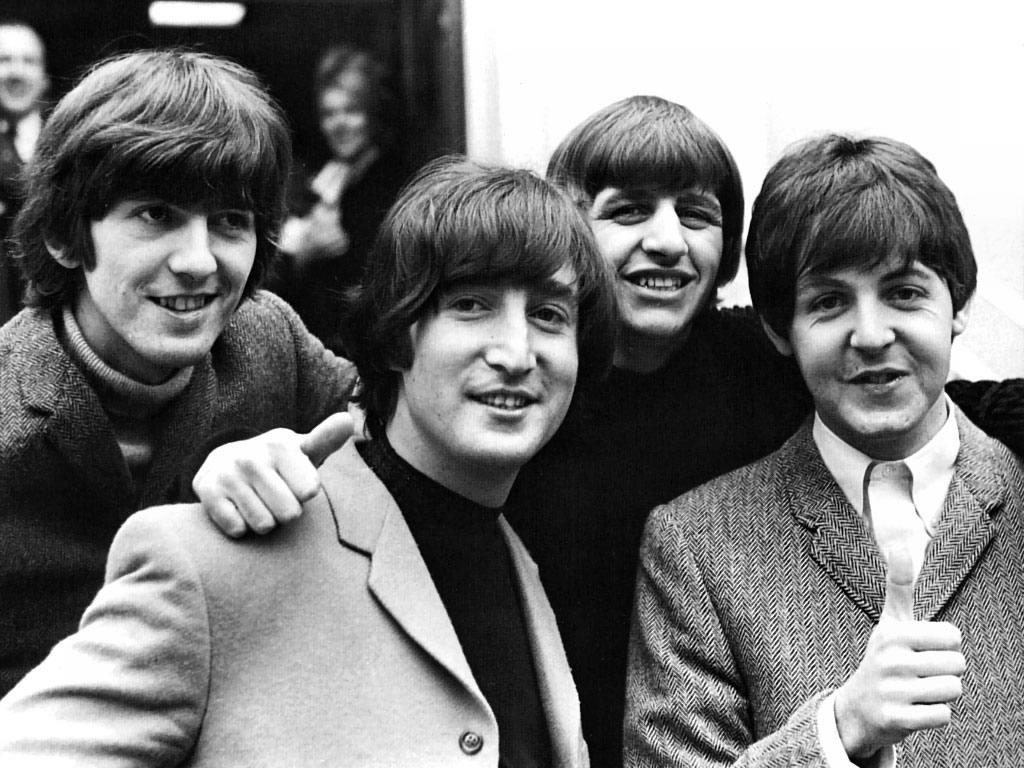
"Hey Jude" by The Beatles (1968)
This one doesn’t get as much airtime as it did back then. It’s an eight-minute song, so whenever a classic rock station spins it, it’s a commitment. The "na-na-na" outro alone is almost four minutes long. According to Paul McCartney, that was intentional.
Hey Jude" hit number one in 11 countries and became one of the best-selling singles in history. It has also made multiple generations instantly and involuntarily sing along by the end of the first verse. It’s not that people can’t stand the song. The issue is that anyone who knows it gets bored midway through it.
"Ice Ice Baby" by Vanilla Ice (1990)
Everyone loved "Ice Ice Baby" back then, and anyone who says they didn’t is probably lying due to how badly the song aged. It was the first hip-hop single to top the Billboard chart, and it had an unforgettable hook that was impossible to get out of your head.
Vanilla Ice had that exact sort of over-the-top confidence that felt right during the 90s pop era. Then people started looking closer. His backstory turned out to be fabricated, and the bassline stolen from Queen earned him a lawsuit. Confidence started looking like fraud, and 'Ice Ice Baby' became part of the 90s nostalgia joke.
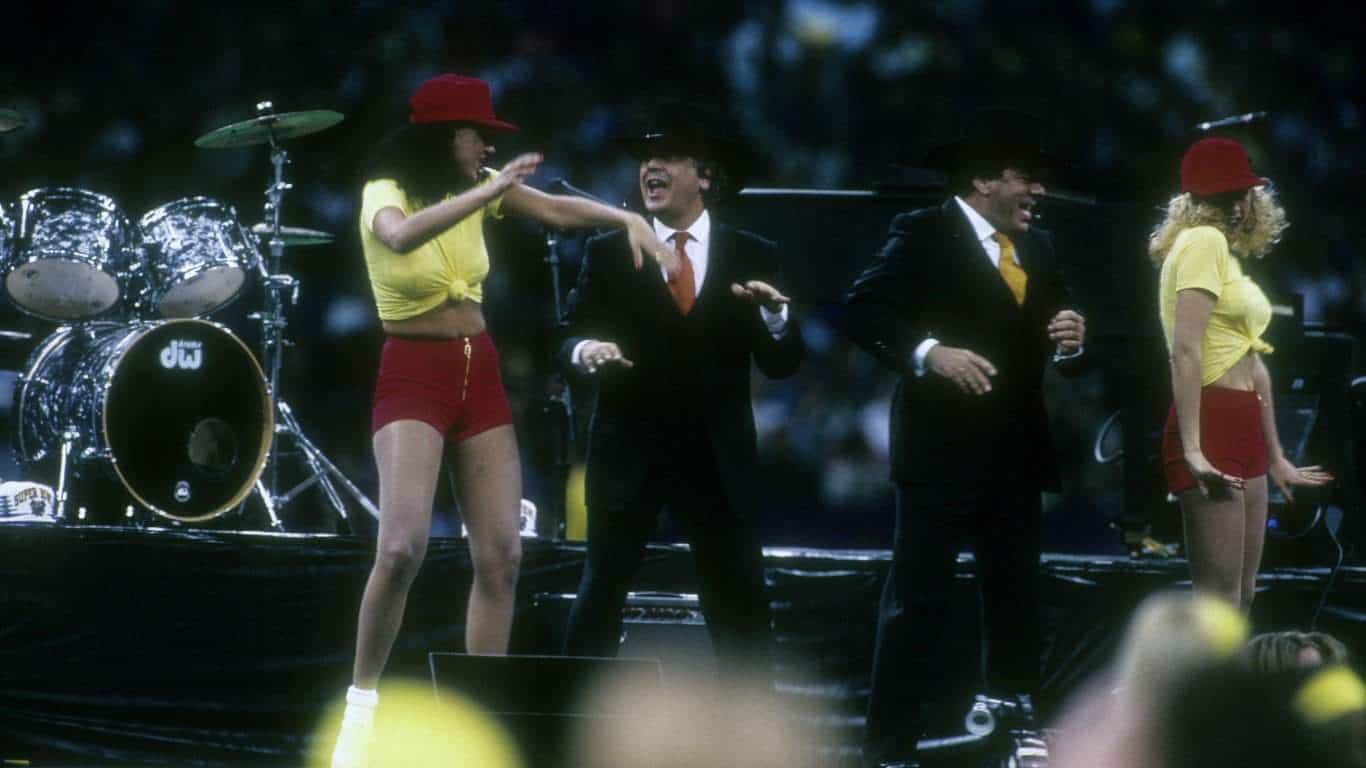
"Macarena" by Los Del Rio (1995)
"Macarena" came to the US in 1995, where it remained unstoppable, reaching number one in the summer of 1996 and staying there for 14 consecutive weeks. Weddings, school dances, sports games, and political meetings. No function was safe from this song. If there were an audience and a sound system, then chances are the song would be played at least once.
The dancing routine made it worse. As if hearing the repetitive chorus wasn’t enough, you’d actually have to suffer through the amateur “performances.” Today "Macarena" can be instantly recognized by most Americans over 35. There are only two types of people in the world. Those who gladly dance the Macarena and those who sweat profusely at the thought of doing so.
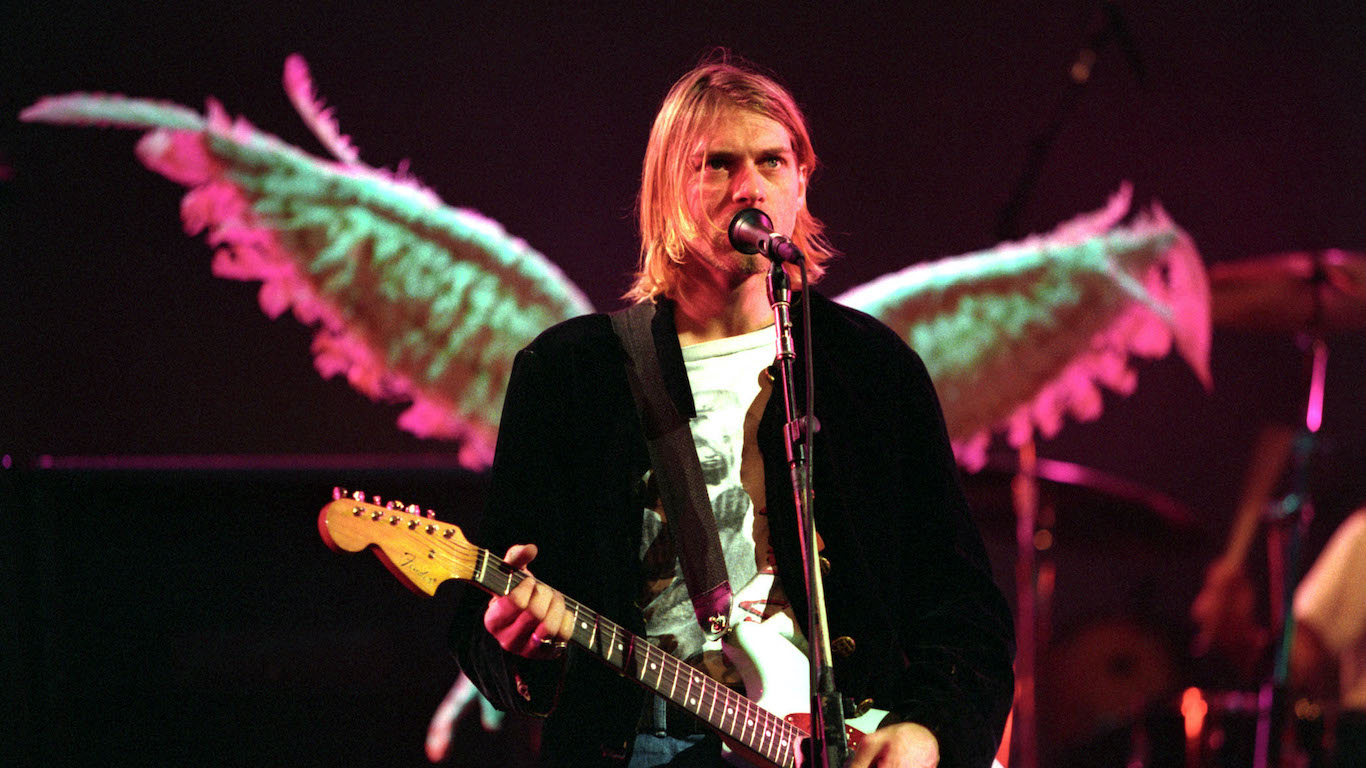
"Smells Like Teen Spirit" by Nirvana (1991)
According to Kurt Cobain, he couldn’t stand "Smells Like Teen Spirit" even before Nirvana finished the tour for their album "Nevermind," and it is easy to see why he felt that way. It was meant to be a minor-key attack against mainstream rock, but it turned into the ultimate mainstream rock song of the decade. No documentary film about the 90s can be complete without it. Cobain knew what he was doing, and the irony of his creation being the ultimate establishment song was not lost on him. He was simply not entertained.