Jeff Kravitz / FilmMagic / Getty Images
Raph_PH / Wikimedia Commons
P.B. Rage / Wikimedia Commons

Nesnad / Wikimedia Commons
Public Domain / Wikimedia Commons

Jason Persse / Wikimedia Commons

Krists Luhaers / Wikimedia Commons

Steve Krysak / Wikimedia Commons

chrisweger / Wikimedia Commons
Public Domain / Wikimedia Commons

CityFeedback / Wikimedia Commons
Public Domain / Wikimedia Commons

Q-music / Wikimedia Commons

Michael Borkson / Wikimedia Commons
Cindy Funk / WIkimedia Commons
Raph_PH / Wikimedia Commons
chrisweger / Wikimedia Commons

User:Wooblz! / Wikimedia Commons

Public Domain / Wikimedia Commons

wonker / Wikimedia Commons
Danazar / Wikimedia Commons


















20 Famous Songs Their Artists Had Very Mixed Feelings About
A massive hit can change an artist's life. It can launch a career, fill arenas, dominate radio, and become the song thousands of people wait all night to hear. The strange part is that the musician who made it may eventually have a very different relationship with the same track.
Sometimes an artist genuinely grows to dislike a song. Sometimes they are simply exhausted from playing it, uncomfortable with what it came to represent, or frustrated that one three-minute recording overshadows decades of other work. A few songs on this list created even stranger situations, including hits that artists never expected to succeed, recordings altered without their knowledge, and songs tied permanently to painful moments.
Here, 24/7 Tempo takes a closer look at famous songs their own artists developed complicated relationships with:
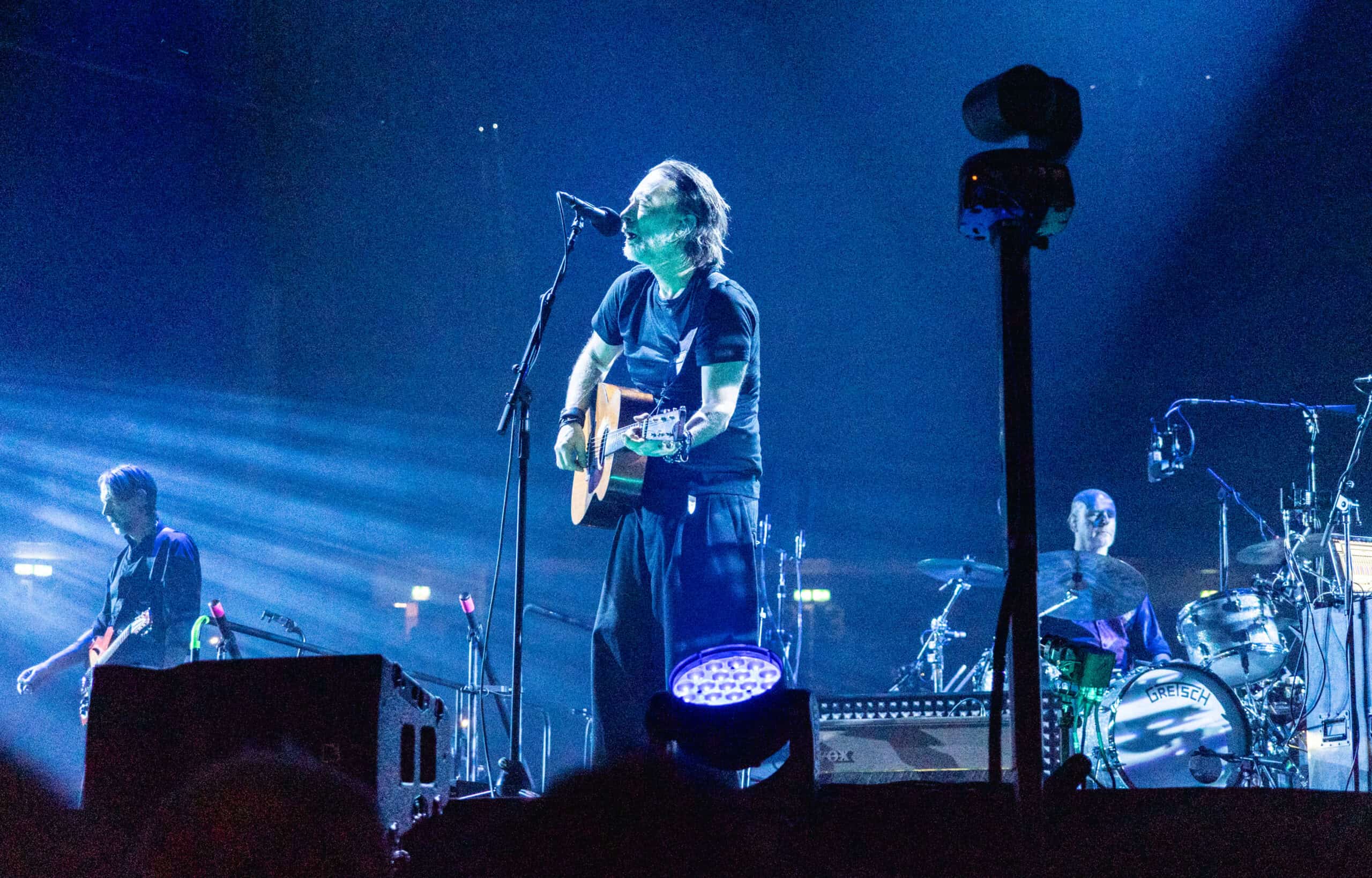
Creep - Radiohead
Why it became famous: Radiohead's early breakthrough introduced the band to an international audience and became one of the defining alternative-rock songs of the 1990s.
Why it got complicated: Thom Yorke and the band grew weary of being defined by a song that increasingly sounded unlike the music they wanted to make.
Radiohead released “Creep” in 1992, and after a slow start it became the band's international breakthrough the following year. That success quickly became something of a trap. Radiohead's music grew far more experimental, while audiences continued treating “Creep” as the song that defined them. Yorke became visibly weary of the association, and the band went through long stretches when it was rarely performed live. They have brought it back at various points, so saying Radiohead simply “hates” the song goes too far. The relationship is better described as decades of ambivalence toward the hit they could never completely escape.
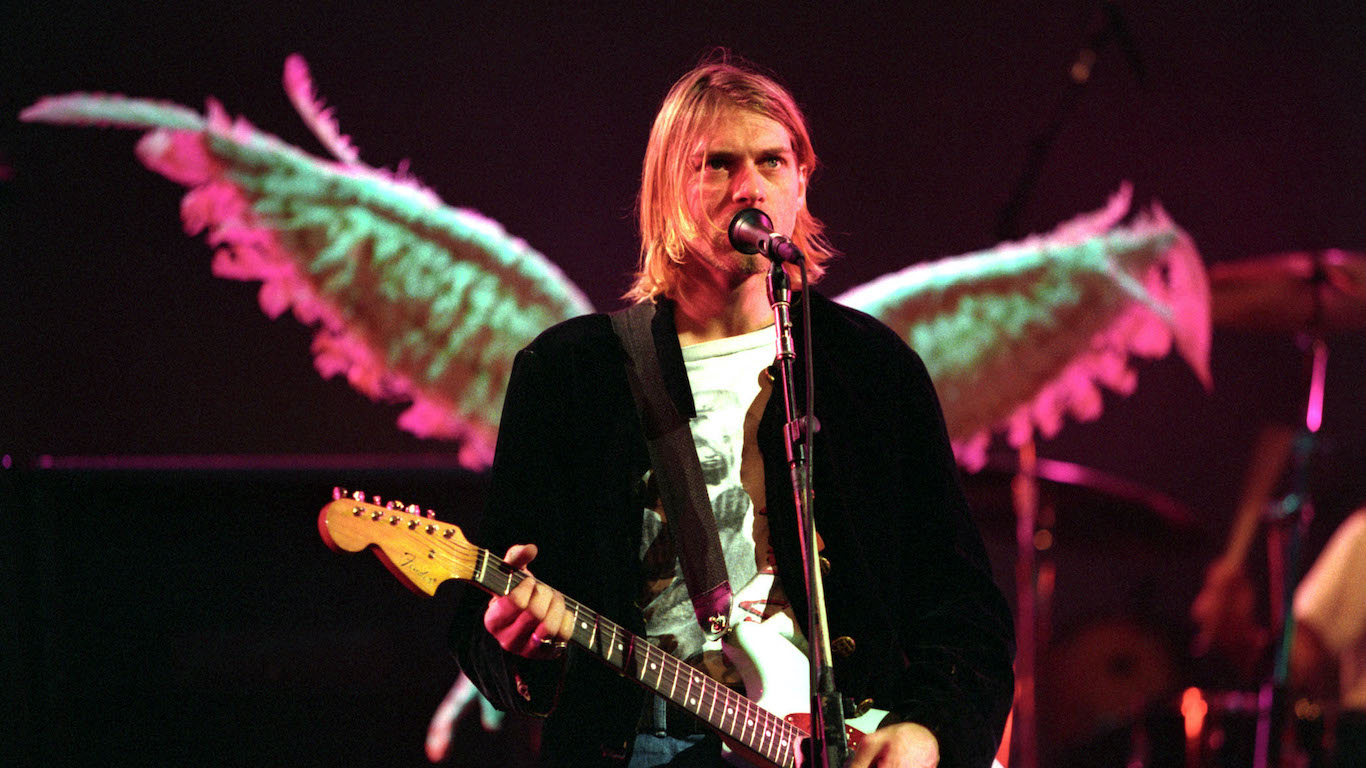
Smells Like Teen Spirit - Nirvana
Why it became famous: The 1991 single helped propel Nevermind and Nirvana into the mainstream and became inseparable from the explosion of grunge.
Why it got complicated: Kurt Cobain became deeply tired of the attention surrounding the song and sometimes hated having to perform it.
Kurt Cobain was unusually candid about this one. In a 1994 interview with Rolling Stone, he said he still liked playing “Smells Like Teen Spirit” in principle but found it “almost an embarrassment” because audiences had focused on it so heavily. On a bad night, he said, he could barely get through it and wanted to put down his guitar and walk away. Cobain also argued that Nirvana had written other songs that were every bit as good. The problem was not that he suddenly thought “Teen Spirit” was terrible. It was that one song had become so enormous that it threatened to swallow everything around it.
Wonderwall - Oasis
Why it became famous: Released in 1995, “Wonderwall” became one of Oasis's signature songs and one of the most recognizable recordings of the Britpop era.
Why it got complicated: Noel Gallagher once became so frustrated with the way Oasis performed it live that he thought he never wanted to play it again.
The story is more specific than Noel Gallagher simply hating “Wonderwall.” Gallagher has recalled despising the way Oasis performed it during one tour because he was playing the song on electric guitar, the tempo felt wrong, and the arrangement never clicked for him. By the end of the tour, he remembered thinking that he never wanted to play it again. Years later, he found a version he preferred by performing it acoustically and continued including it in solo shows. So the problem was not necessarily the song itself. For a while, Gallagher simply couldn't stand what it had become onstage.
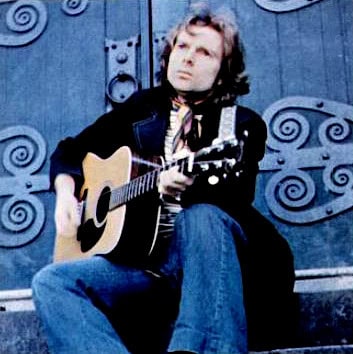
Brown Eyed Girl - Van Morrison
Why it became famous: The 1967 single became Van Morrison's first major solo hit and remains one of the songs most closely associated with him.
Why it got complicated: Morrison's bitterness has centered less on the song than on the record deal surrounding it and the money he says he never received.
There is not strong evidence that Van Morrison hates “Brown Eyed Girl” as a composition. His grievance is more interesting. Morrison recorded it during sessions produced by Bert Berns, and the business arrangements surrounding those recordings became a lasting source of resentment. In a 2008 interview with the Los Angeles Times, Morrison called “Brown Eyed Girl” “The Money Song” because, as he put it, other people got the money while he got none. He also pushed back against treating the track as lightweight pop, arguing that his original recording had more musical depth than people gave it credit for.
Pumped Up Kicks - Foster the People
Why it became famous: Its breezy indie-pop sound made it a major crossover hit even though its lyrics dealt with a deeply disturbing subject.
Why it got complicated: Mark Foster later considered retiring the song because of the pain its subject matter could evoke for people affected by gun violence.
“Pumped Up Kicks” is built around an intentional contradiction: bright, catchy music paired with lyrics from the perspective of a troubled young person contemplating violence. Mark Foster has said he wrote it to raise awareness and start a conversation about gun violence. Years later, that same subject made performing it more difficult. In 2019, Foster said he was seriously considering retiring the song because it could act as a painful trigger for people with personal experience of shootings. The band had already left it out of a 2017 performance held one day after the Las Vegas mass shooting.
Royals - Lorde
Why it became famous: The minimalist 2013 breakout cut sharply against the glossy excess of much contemporary pop and made Lorde an international star while she was still a teenager.
Why it got complicated: Lorde later became brutally critical of the recording itself, even while acknowledging that somehow the finished version worked.
Lorde has not simply disowned “Royals,” but she has certainly roasted it. Looking back at the song after hearing countless covers, she said the melodies sounded terrible outside the context of her original recording and compared its sound to a ringtone from a 2006 Nokia. She called aspects of it “disastrous” and “awful,” before immediately admitting that something about the version she released simply worked. That is a pretty good summary of an artist hearing the rough edges of something she created as a teenager while everyone else still hears the breakthrough that changed her career.
Party in the U.S.A. - Miley Cyrus
Why it became famous: The 2009 single became one of Miley Cyrus's signature early hits and helped bridge her Disney-era fame and mainstream pop career.
Why it got complicated: Cyrus did not write the song and said from the beginning that it was not really her style of music.
Cyrus was unusually straightforward about “Party in the U.S.A.” in 2009. She said she had never even heard a Jay-Z song despite the lyric mentioning him, because she did not write the track. She also called it “not even my style of music” and said she had not expected it to become so popular. Years later, she jokingly said she hated the song even as she acknowledged that audiences loved it. Her relationship with it has softened considerably, and she has continued performing and celebrating it. Still, few signature hits have ever felt quite so disconnected from the person singing them at the moment of release.
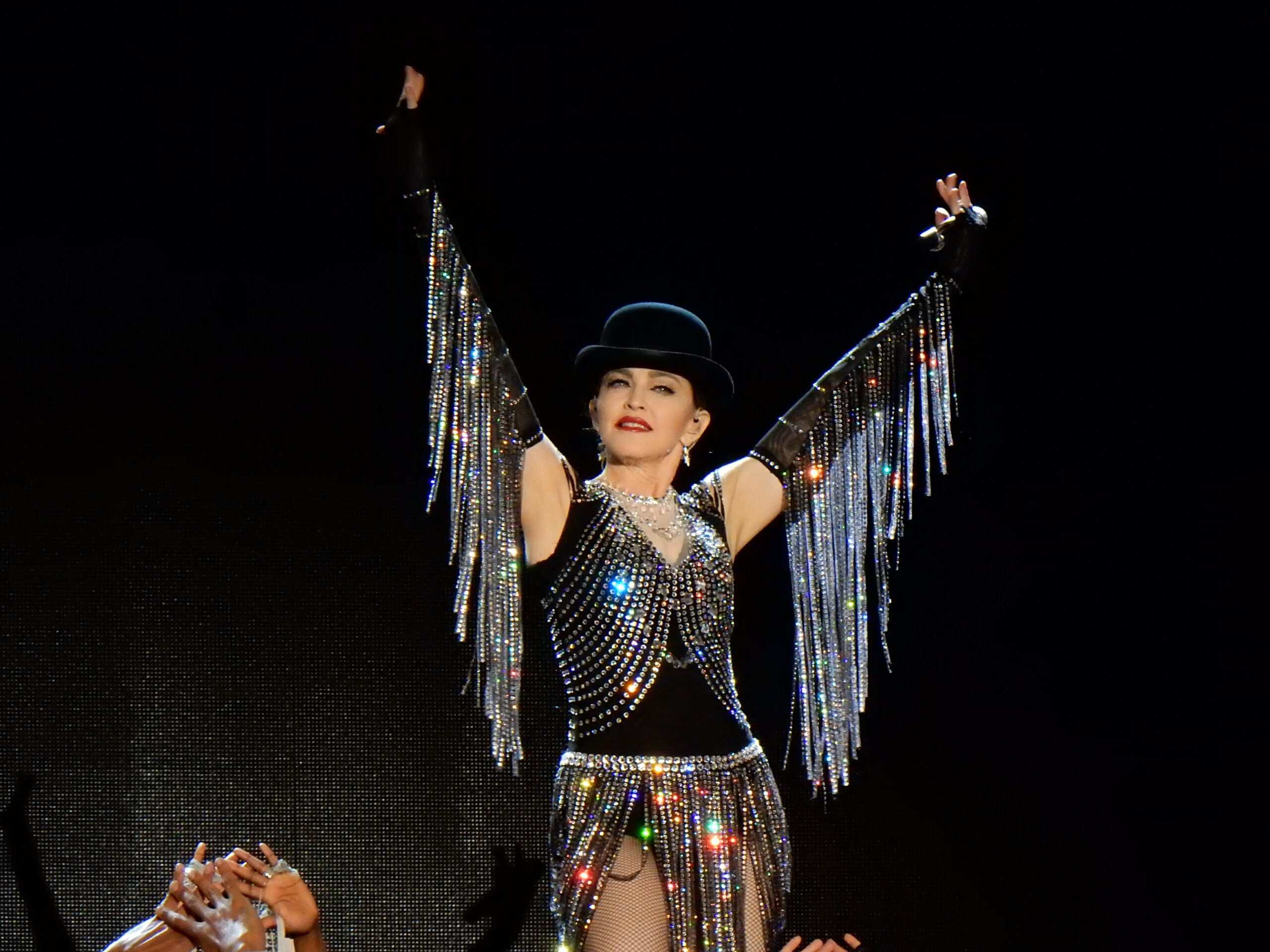
Like a Virgin - Madonna
Why it became famous: The 1984 single became one of the defining songs of Madonna's early superstardom and one of the most recognizable recordings of her career.
Why it got complicated: Decades later, Madonna admitted she had become thoroughly tired of singing some of her earliest hits.
By 2008, Madonna had performed “Like a Virgin” enough times to make her feelings pretty clear. In a radio interview, she said she was not sure she could ever sing “Holiday” or “Like a Virgin” again unless somebody paid her something like $30 million. That was not a permanent retirement announcement. Madonna has since revisited “Like a Virgin” in live performances and repeatedly reinvented the song's arrangement. But the comment captured a familiar problem for veteran artists: the audience may experience a beloved song a few times in a lifetime, while the performer has to live with it for decades.
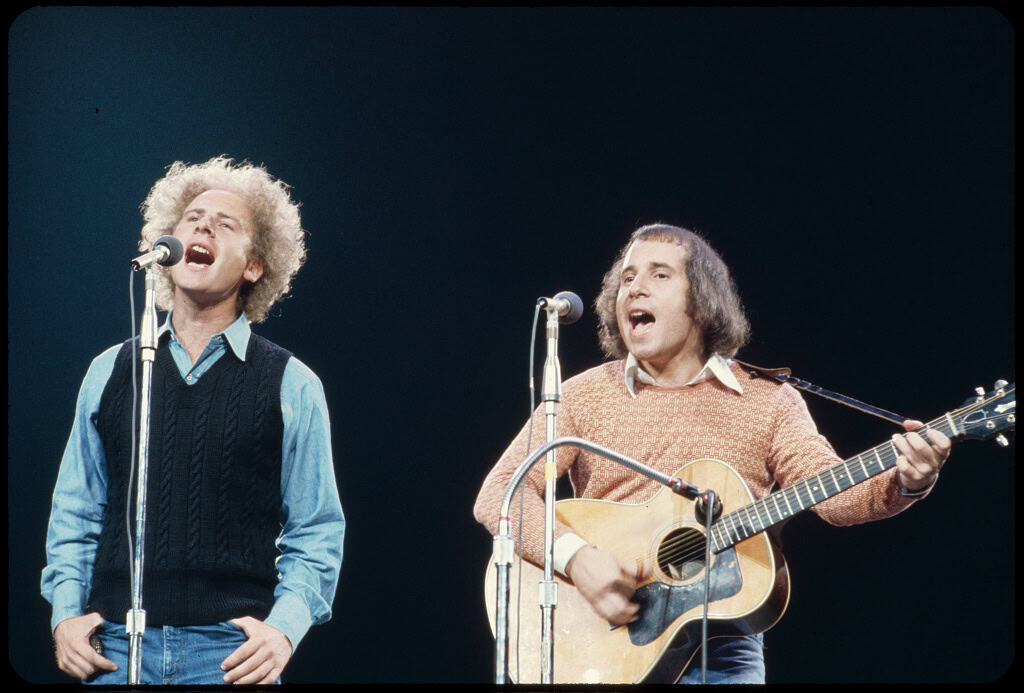
The Sound of Silence - Simon & Garfunkel
Why it became famous: An electric remix of the duo's earlier acoustic recording unexpectedly turned the song into a No. 1 hit and helped reunite Simon & Garfunkel.
Why it got complicated: The version that made them stars was created by producer Tom Wilson without either artist's knowledge.
“The Sound of Silence” does not belong on a list of songs Simon & Garfunkel hated, but its history is strange enough to earn a place here. Their original acoustic version appeared on the commercially unsuccessful 1964 album Wednesday Morning, 3 A.M.. After radio interest began growing, producer Tom Wilson added electric guitar, bass, and drums to the existing recording without consulting Paul Simon or Art Garfunkel. That new version was released in 1965 and reached No. 1. The unauthorized makeover helped resurrect the duo's career, meaning one of their defining records became a hit before they even knew what had been done to it.
Shiny Happy People - R.E.M.
Why it became famous: The bright 1991 single, featuring Kate Pierson of the B-52s, became one of R.E.M.'s biggest mainstream pop hits.
Why it got complicated: Michael Stipe spent years distancing himself from the relentlessly cheerful song and joking about having to defend it.
Few R.E.M. songs sound less like the brooding band many listeners picture than “Shiny Happy People.” Michael Stipe has spent years acknowledging that disconnect. Looking back on Out of Time in 2016, he joked that he had already made his excuses for the song repeatedly and would take those excuses all the way to The Hague. Yet even that relationship is not pure hatred. In the same conversation, he ultimately defended it as a good song. That leaves “Shiny Happy People” in a peculiar position: one of the band's biggest hits, one of its most mocked recordings, and a song its own singer has spent decades alternately apologizing for and defending.
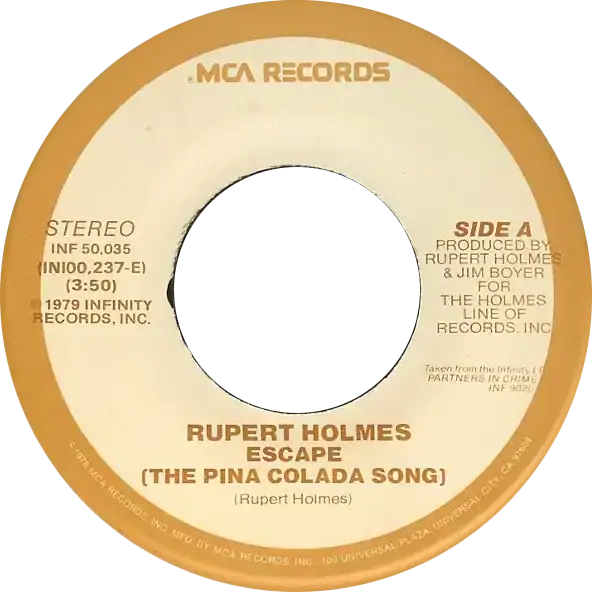
Escape (The Piña Colada Song) - Rupert Holmes
Why it became famous: The 1979 story-song topped the U.S. chart and became so closely associated with its tropical hook that most people know it simply as “The Piña Colada Song.”
Why it got complicated: Holmes became permanently associated with a novelty-like nickname and a drink he does not even enjoy.
Rupert Holmes has had a much broader career as a songwriter, playwright, novelist, and composer, but one song keeps following him around. There is little evidence that Holmes actually hates “Escape” itself. What he has said, quite amusingly, is that he hates piña coladas, comparing the drink to a rather unpleasant combination of ingredients. He has also spent decades being introduced through the song despite accomplishments far beyond pop radio. It is less a story of an artist despising his hit than one of a clever song becoming such a durable cultural shorthand that it can overshadow almost everything else on the résumé.
You're Beautiful - James Blunt
Why it became famous: The 2005 ballad became an international No. 1 hit and turned James Blunt into a global star.
Why it got complicated: Blunt said relentless promotion caused the song to be “force-fed” to listeners until it became annoying.
Few artists have handled backlash against a giant hit with more humor than James Blunt. He has acknowledged that “You're Beautiful” became so overplayed that it annoyed people, including him, and complained that its marketing left audiences with an inaccurately solemn picture of his personality. There is another misconception he enjoys correcting: the song is not the sweeping romantic fantasy many listeners assume. Blunt has explained that it came from seeing an ex-girlfriend with another man on the London Underground while he was high. That makes the narrator considerably less dreamy than two decades of wedding playlists might suggest.
We Built This City - Starship
Why it became famous: Starship's 1985 single became a major commercial hit and one of the most instantly recognizable pop-rock songs of the decade.
Why it got complicated: Grace Slick eventually became one of the song's harshest critics.
Unlike some of the softer examples on this list, there is no need to hedge Grace Slick's opinion. She later called “We Built This City” awful and described her Starship years in deeply unflattering terms. Slick has said she disliked performing songs written largely by outside hitmakers and mocked the title's central premise. Other members of Starship remember the period much more fondly, and Mickey Thomas has continued performing the song for enthusiastic audiences. That split makes its legacy almost perfect: a huge hit routinely attacked by critics, despised by one of its most famous singers, and still loved loudly enough to remain onstage decades later.
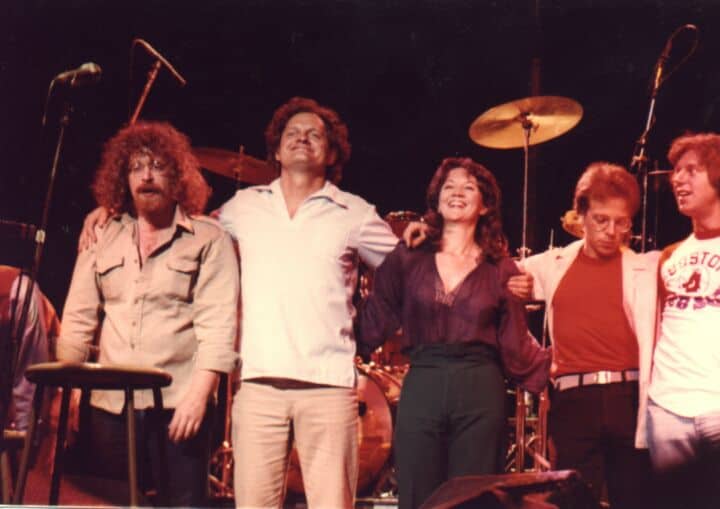
Cat's in the Cradle - Harry Chapin
Why it became famous: The 1974 story-song became Harry Chapin's only No. 1 single and one of the most enduring recordings about parents, children, and lost time.
Why it got complicated: Chapin did not hate the song. He said its warning about fatherhood frightened him because it was becoming personal.
The original claim that Chapin resented “Cat's in the Cradle” because it overshadowed his catalog is difficult to substantiate. The documented story is more poignant. The lyrics began with a poem by his wife, Sandy Chapin, inspired partly by the relationship between her first husband and his father. After Harry became a father himself, the story took on another dimension. Chapin acknowledged that the song reflected concerns about his own relationship with his son Josh and reportedly said, “Frankly, this song scares me to death.” His complicated feeling was not embarrassment over the hit. It was recognition that its warning could become his own life.
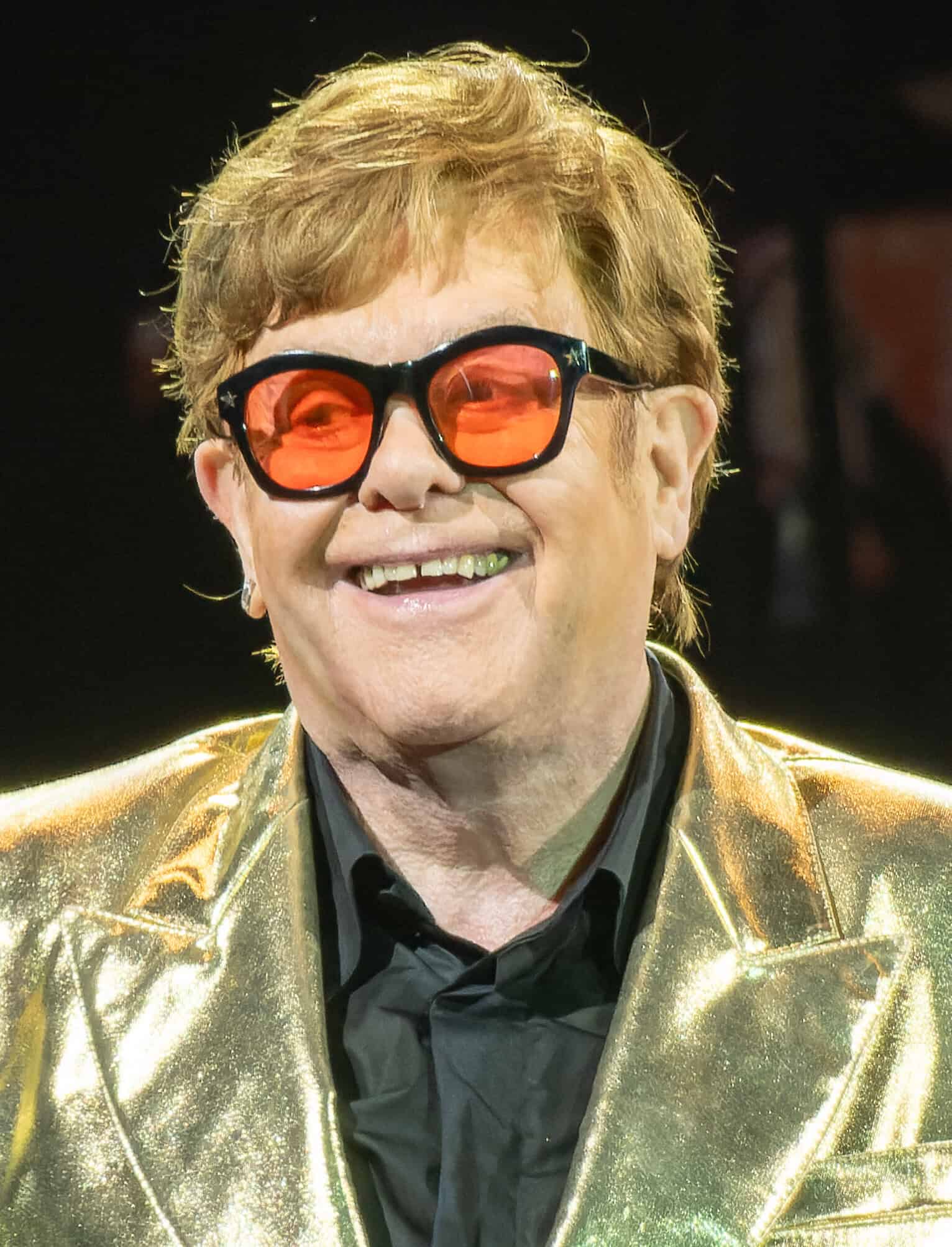
Candle in the Wind 1997 - Elton John
Why it became famous: Bernie Taupin rewrote the 1973 song's lyrics after the death of Diana, Princess of Wales, and Elton John's 1997 recording became one of the most commercially successful singles in history.
Why it got complicated: The Diana version was created for an intensely personal moment of mourning and was never treated like an ordinary addition to John's concert catalog.
Elton John performed the rewritten “Candle in the Wind” at Diana's funeral in Westminster Abbey on September 6, 1997. The recording that followed became an extraordinary worldwide success, but John did not turn the Diana lyrics into a concert staple. The funeral performance remained singular, while later shows continued using the original Marilyn Monroe version when the song appeared at all. That makes this less a case of an artist disliking a hit than understanding that one particular version belonged to a specific death, a specific friendship, and a moment of public grief that could not simply be recreated night after night.
American Life - Madonna
Why it became famous: The politically charged 2003 title track arrived during one of the most controversial periods of Madonna's career.
Why it got complicated: Madonna later described the entire American Life period as unusually angry, political, and intense rather than simply saying she hated the song.
“American Life” is another case where the original “artist hated her hit” framing was too simple. Madonna's criticism was directed more broadly at the headspace behind the album. Looking back in 2005, she described herself as angry and deeply political during the project, particularly over the Iraq War and the Bush administration, and said the experience had become too intense. Her next album, Confessions on a Dance Floor, deliberately moved toward escapism and dance music. She did not erase “American Life” from her history, but it represents a period she was ready to leave behind almost immediately afterward.
All the Small Things - Blink-182
Why it became famous: The 1999 single became Blink-182's biggest crossover hit and helped push pop-punk squarely into mainstream pop culture.
Why it got complicated: Travis Barker has admitted that the band can cringe when it comes time to play the song yet again.
“All the Small Things” is exactly the kind of song fans expect at every Blink-182 concert, which is both a blessing and a very long-term obligation. Asked about the track in 2015, Travis Barker sighed before admitting that he, Mark Hoppus, and Tom DeLonge cringed when they had to play it. His explanation was not that the song was bad. It was simply their most familiar song and one they had heard and performed an absurd number of times. Barker also immediately acknowledged the other side of the equation: when fans buy a ticket to see a band, they usually want the famous songs.
Kiss From a Rose - Seal
Why it became famous: The song found a much larger audience after appearing in connection with Batman Forever and went on to win major Grammy Awards.
Why it got complicated: Seal originally thought the song was bad enough that he did not even want it on the album.
This is one of the clearest cases of an artist being spectacularly wrong about his own song. Seal wrote “Kiss From a Rose” years before recording it and initially thought so little of the demo that he tossed the tape aside. When producer Trevor Horn later convinced him to record it, Seal still disliked the result and persuaded Horn to remove it from the album before eventually changing his mind. The song initially struggled as a single, then received a huge second life after director Joel Schumacher used it in Batman Forever. Seal has joked that he owes an enormous part of his career to the song he once thought was “crap.”
Song 2 - Blur
Why it became famous: The two-minute blast of distorted guitars and its unmistakable “woo-hoo” hook became Blur's biggest breakthrough in the United States.
Why it got complicated: The band originally approached the song as a joke on its record company, only to watch the joke become one of its defining recordings.
“Song 2” was not really designed as Blur's grand statement to America. Graham Coxon has explained that the band deliberately pushed the track toward an exaggerated, noisy sound and presented it to the record company almost as a joke, expecting executives to balk. Instead, the label loved it. The song became Blur's biggest U.S. hit and eventually a staple of sporting events, commercials, movies, and video games. There is little evidence that Blur actually hated the song. The irony is better: a deliberately blunt, almost throwaway experiment became the song millions of Americans know from a band whose catalog sounds very different.
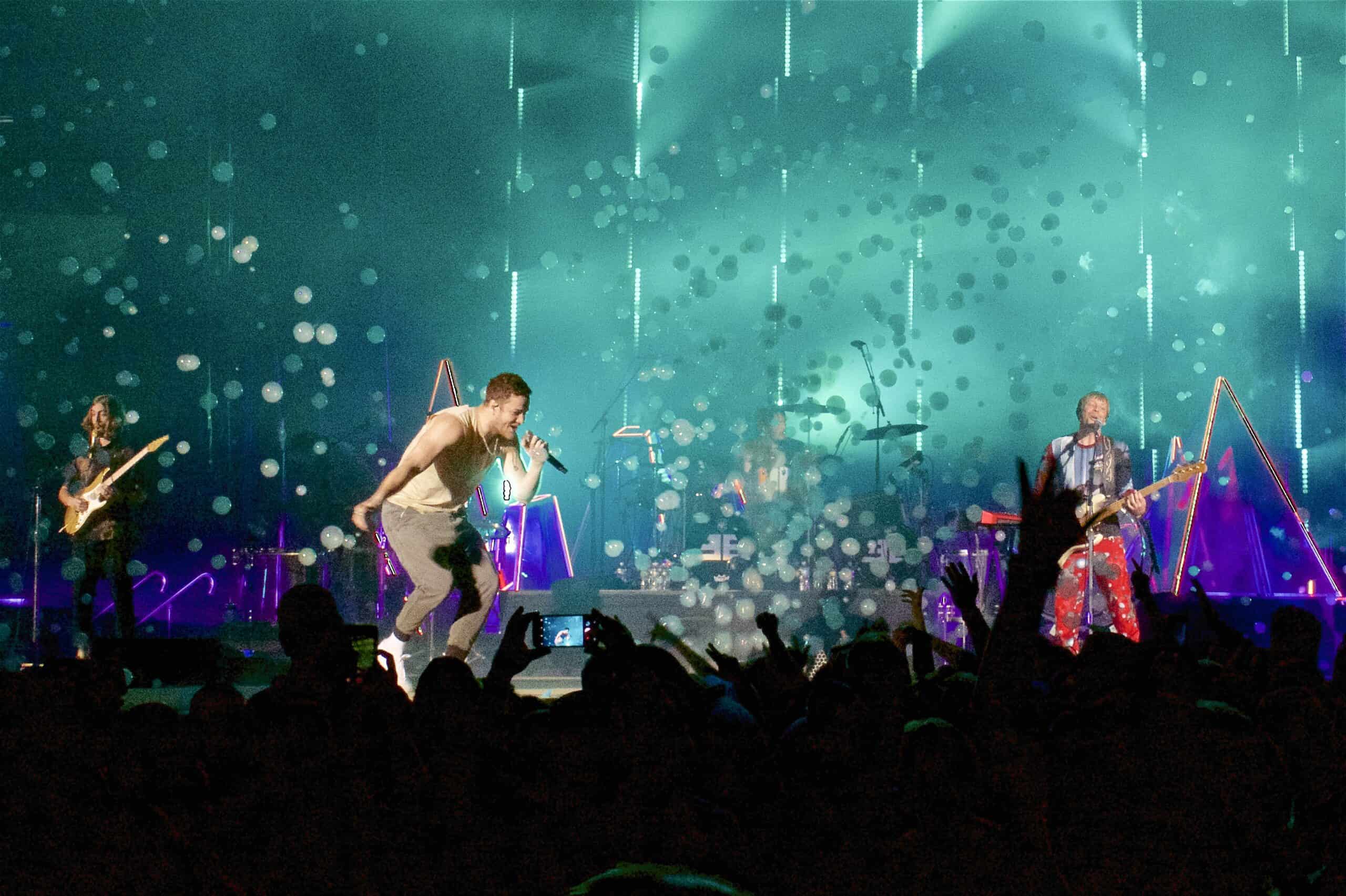
Radioactive - Imagine Dragons
Why it became famous: “Radioactive” became Imagine Dragons' first Top 5 hit in the United States and won the band's first Grammy Award.
Why it got complicated: Dan Reynolds eventually called it his least favorite Imagine Dragons song to perform live, largely because of how demanding and overfamiliar it had become.
Imagine Dragons was once told “Radioactive” was too strange and heavy for Top 40 radio. Instead, it became a monster hit. The band initially said it had not burned out on the song, but a decade of touring eventually changed the calculation. Reynolds later called it probably his least favorite song to perform because the vocal sits high in his range, usually arrives near the end of the show, and has been performed an enormous number of times. Even then, he made a point of saying he would keep singing it because fans paid to hear the songs they love. Fatigue, yes. Contempt, no.