
Kevin Winter / Getty Images Entertainment via Getty Images
m anima from San Jose, USA, CC BY 2.0

Tnarik Innael / BY-SA 2.0

Evan Agostini / Getty Images Entertainment via Getty Images
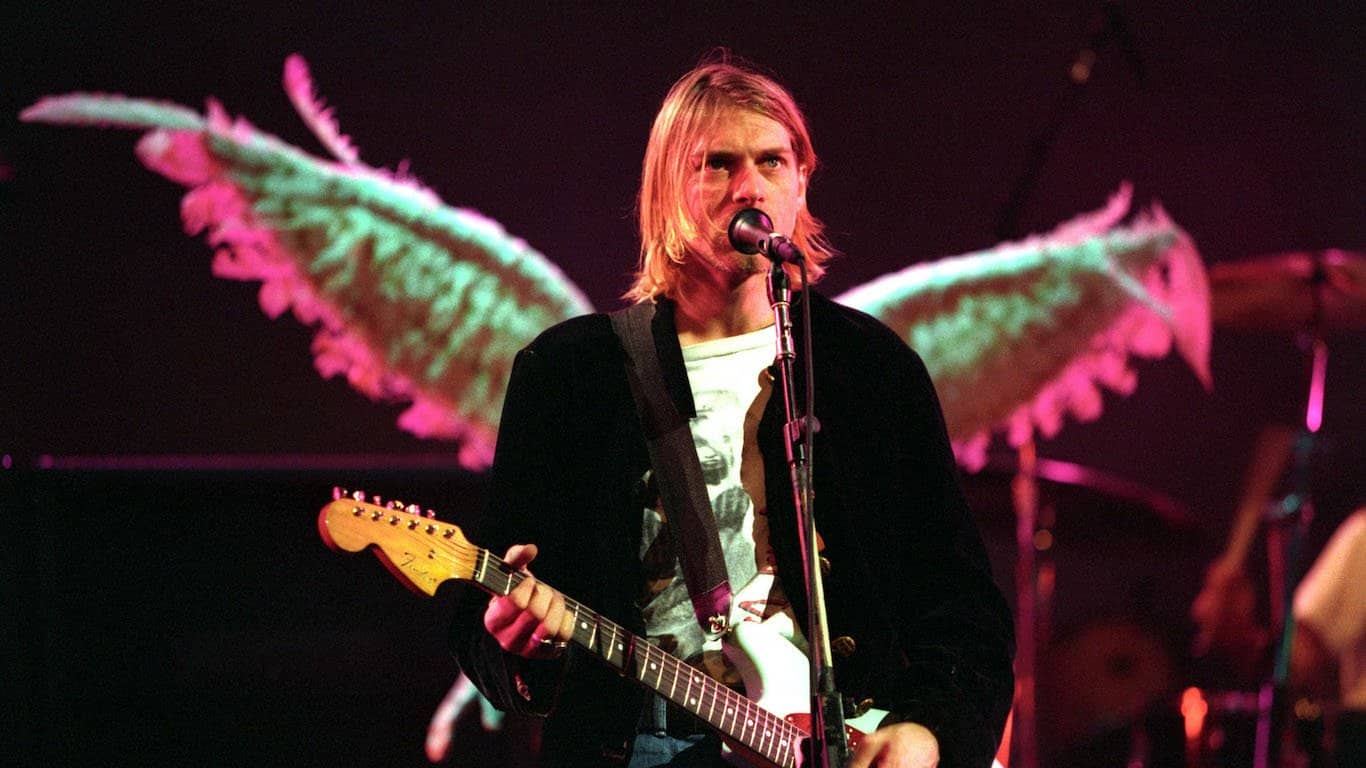
Photo by Jeff Kravitz / FilmMagic / Getty Images
Kevin Winter / Getty Images
BulsaraAndDeacon, Public domain, via Wikimedia Commons
Manfred Werner / Tsui / BY-SA 3.0

Klaus Hiltscher / BY-SA 2.0
aresauburn™ / BY-SA 2.0

Nordiske Mediedager / BY-SA 2.0
Michael Borkson / BY 2.0

Dimitrios Kambouris / Getty Images






12 'Joke Songs' That Wound Up Becoming Chart Topping Hits
Hit songs do not always begin with someone confidently announcing that they have written a hit. Some start as jokes, throwaway riffs, improvised lyrics, satire, or ideas the artists themselves barely took seriously. A few were not jokes at all, but their titles or hooks came from one. Somehow, those unlikely beginnings turned into songs millions of people knew.
24/7 Tempo looked back at 12 hits with unusually funny, accidental, or unexpected origin stories, using artist interviews, chart records, and music-industry sources. Some really did begin as jokes. Others grew out of a random comment or casual jam session. The common thread is that none of them followed the neat, carefully planned path you might expect from a major hit.
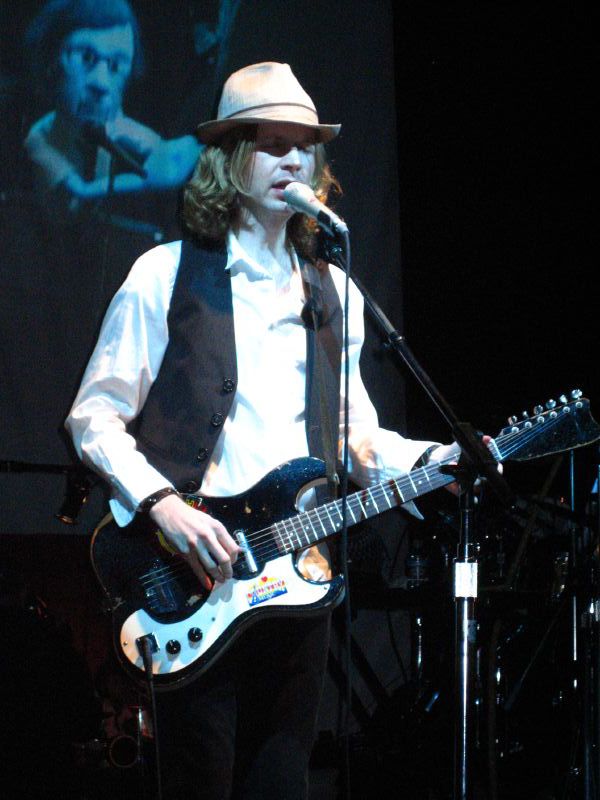
"Loser" (1993)
- Artist: Beck
"Loser" came together during a spontaneous recording session with producer Carl Stephenson. Beck improvised much of the vocal, and when he heard the playback, he thought his attempt at rapping sounded terrible. That self-criticism helped inspire the song's famous loser refrain. The basic track was largely finished in about six and a half hours. After its major-label re-release, "Loser" reached No. 10 on the U.S. Billboard Hot 100 in 1994.
“Surfin’ Bird”
- Artist: The Trashmen
"Surfin' Bird" was less an accidental original than a wild mashup that took on a life of its own. The Trashmen combined two songs by the Rivingtons, "Papa-Oom-Mow-Mow" and "The Bird's the Word," into a frantic live number and then recorded it. The Rivingtons' members ultimately received the songwriting credit. Released in 1963, the Trashmen's version reached No. 4 on the Billboard Hot 100.
"(You Gotta) Fight for Your Right (To Party!)"
- Artist: The Beastie Boys
The Beastie Boys really did begin this one as a goof. Adam Yauch later explained that the group was satirizing hard-rock party anthems and expected the song to sit somewhere on the album rather than define it. The joke got away from them. "(You Gotta) Fight for Your Right (To Party!)" reached No. 7 on the Billboard Hot 100 in 1987, becoming the Beastie Boys' only Top 10 hit on that chart.
"Smells Like Teen Spirit"
"Smells Like Teen Spirit" was not written as a joke, but its title absolutely came from one. Bikini Kill's Kathleen Hanna has said she drunkenly wrote "Kurt smells like Teen Spirit" on Kurt Cobain's wall after she and Tobi Vail had been joking about Teen Spirit deodorant. Cobain did not initially realize it was a product reference and later called Hanna to ask if he could use the phrase in a song. Nirvana's single went on to reach No. 6 on the Billboard Hot 100.
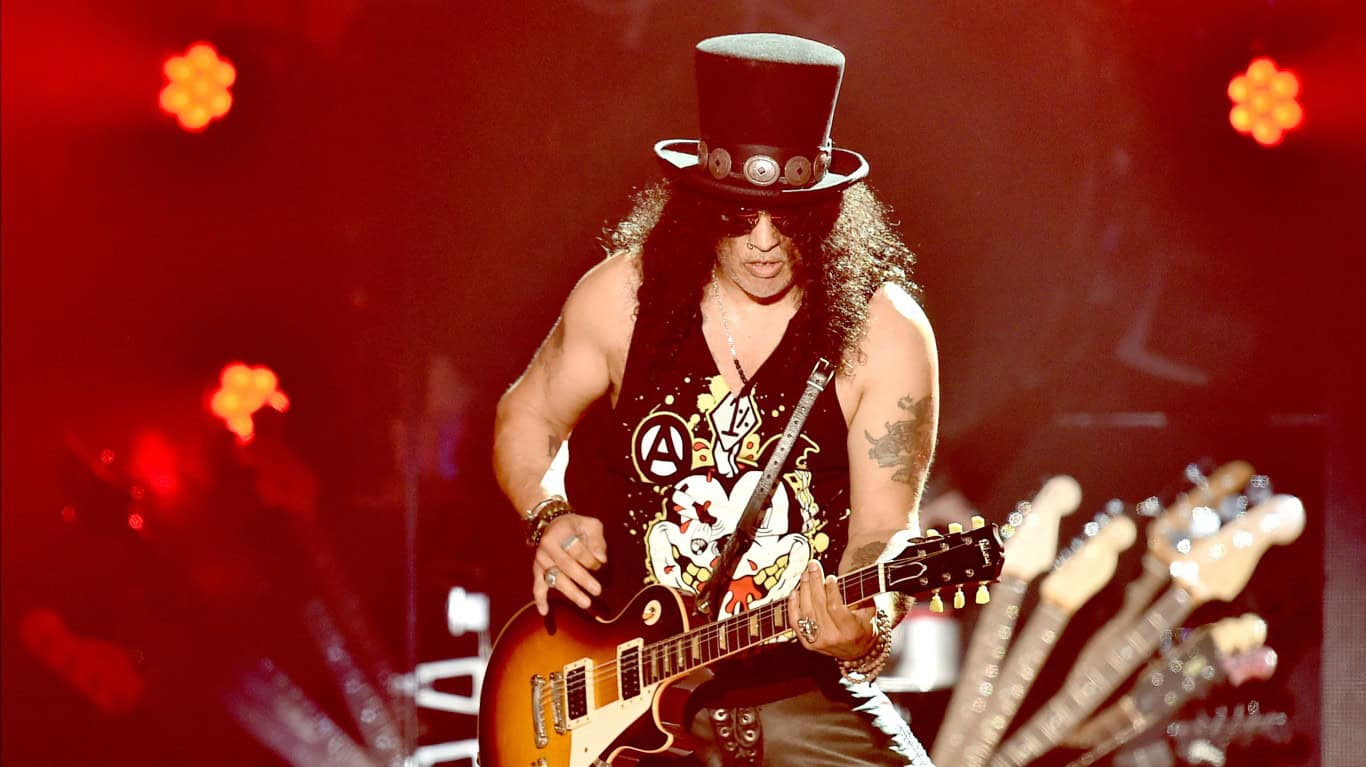
"Sweet Child O' Mine"
- Artist: Guns N' Roses
The famous opening to "Sweet Child O' Mine" grew out of Slash casually playing around with a riff at the house where Guns N' Roses was staying. Slash has specifically pushed back on the often-repeated story that it was simply a warm-up exercise. He described it as a fun riff he stumbled onto, and the rest of the band began building around it. What started casually became Guns N' Roses' only No. 1 hit on the U.S. Billboard Hot 100.
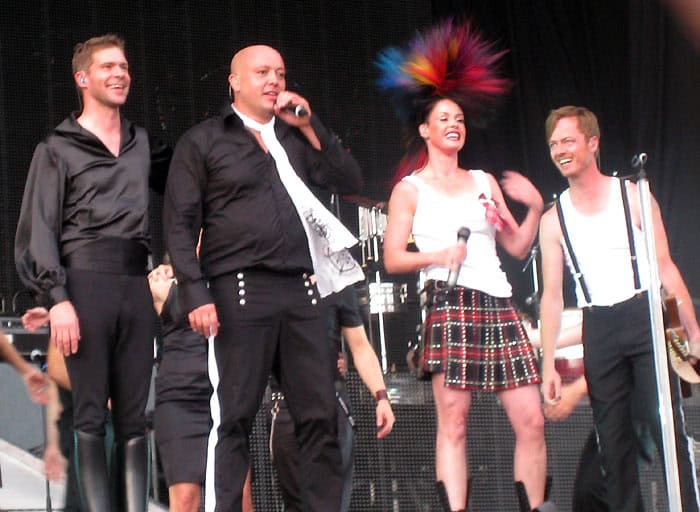
"Barbie Girl"
- Artist: Aqua
Aqua's "Barbie Girl" grew from an idea songwriter Søren Rasted had after seeing a kitsch-art exhibition that featured Barbie dolls. The group explicitly framed the song as social commentary, and Mattel later sued over its use of the Barbie name before losing the case. The song became a worldwide smash, spending four weeks at No. 1 in the United Kingdom and reaching No. 7 on the U.S. Billboard Hot 100. It did not hit No. 1 in the United States.
"I'm Too Sexy"
- Artist: Right Said Fred
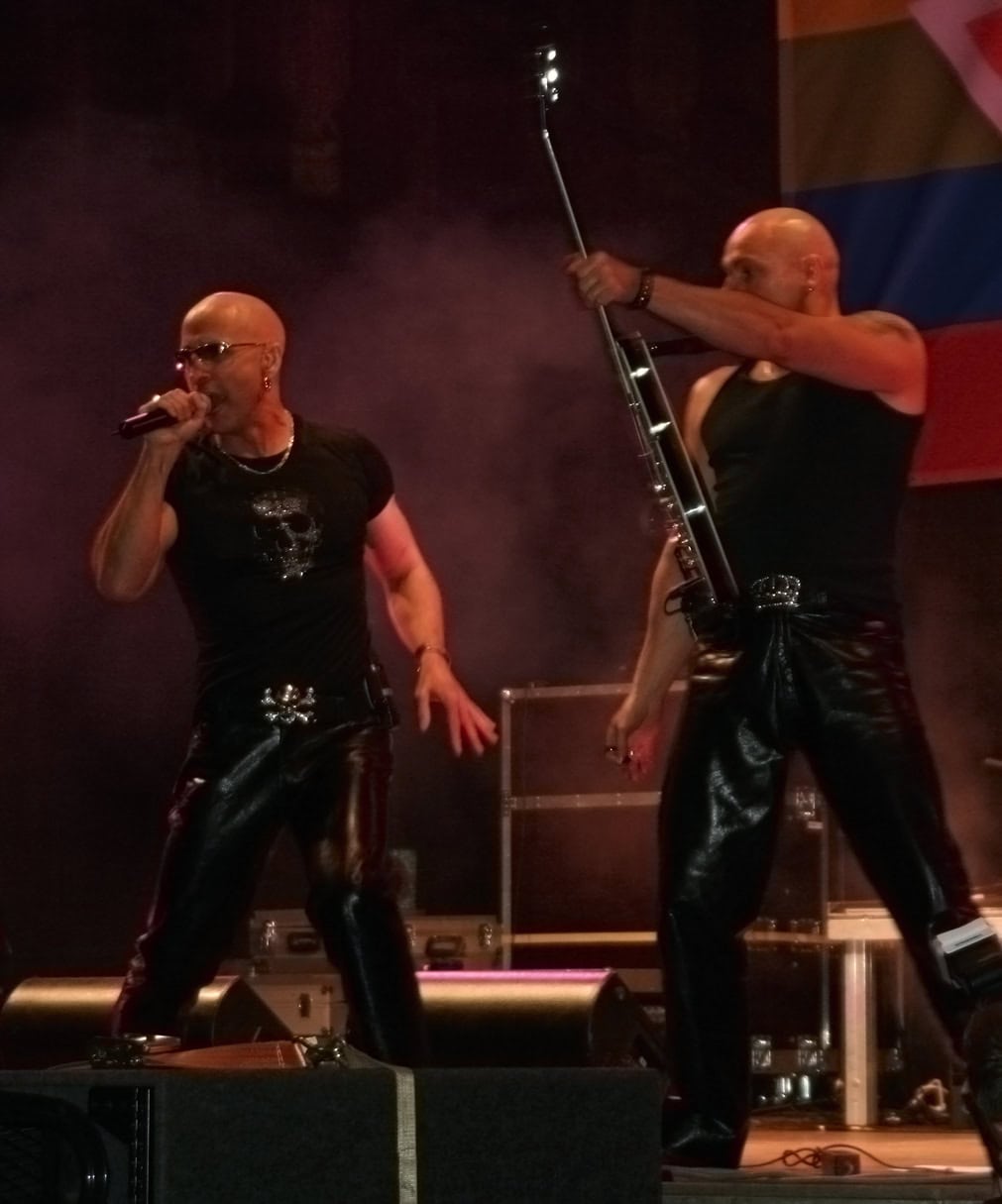
"I'm Too Sexy" began with Richard Fairbrass standing shirtless in front of a mirror during a hot studio session and joking that he was too sexy for his shirt. The Fairbrass brothers were running a London gym at the time and drew on the narcissism and posing they saw around them, particularly during the supermodel era. Labels repeatedly rejected the song before it caught on. It eventually reached No. 1 in the United States and numerous other countries, while peaking at No. 2 in the United Kingdom.
“Werewolves of London”
- Artist: Warren Zevon
This one really did begin as a joke. After seeing the 1935 film Werewolf of London, Phil Everly suggested that Warren Zevon turn the title into a song and dance craze. Zevon, Waddy Wachtel, and LeRoy Marinell reportedly wrote the song in about 15 minutes and initially did not take it seriously. "Werewolves of London" eventually became Zevon's only U.S. Top 40 hit, reaching No. 21 on the Billboard Hot 100 in 1978.
"Christine Sixteen"
- Artist: Kiss
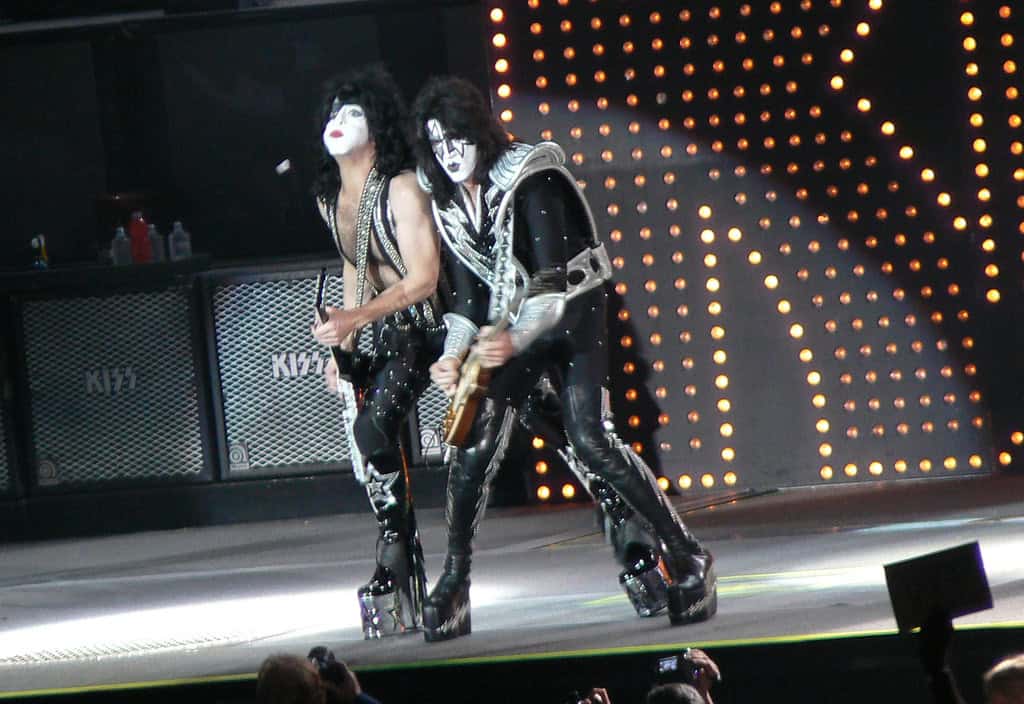
"Christine Sixteen" came out of Gene Simmons and Paul Stanley teasing each other about their songwriting habits. Simmons later recalled mocking Stanley for writing songs about girls and blurting out the phrase "Christine Sixteen." He liked the title enough to go home and turn it into a song. The finished track, written from the perspective of an adult man fixated on a 16-year-old girl, has long drawn criticism for its subject matter. It still became a substantial hit for Kiss, reaching No. 25 on the Billboard Hot 100 in 1977.
“The Fox (What Does the Fox Say?)”
- Artist: Ylvis
Norwegian comedy duo Ylvis set out to make something deliberately ridiculous to promote their television show. Working with production team Stargate, the brothers paired a polished electronic track with increasingly absurd guesses about the sound a fox makes. They expected a joke, not an international pop hit. The 2013 video went viral almost immediately, and "The Fox (What Does the Fox Say?)" climbed all the way to No. 6 on the U.S. Billboard Hot 100.
“My Ding-A-Ling”
- Artist: Chuck Berry
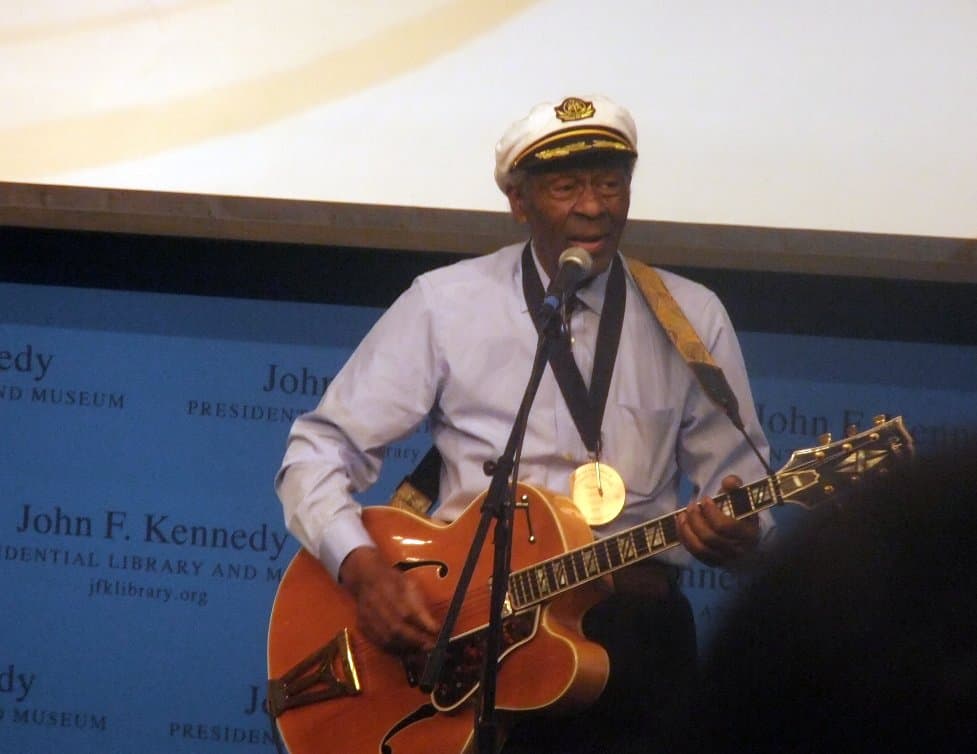
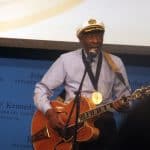
Chuck Berry did not originate "My Ding-A-Ling." Dave Bartholomew recorded the novelty song in 1952, and Berry later reworked it before recording the version that became a hit live at the Lanchester Arts Festival in Coventry, England, in 1972. The audience-participation performance became Berry's only No. 1 single on both the U.S. Billboard Hot 100 and the U.K. singles chart.
“All About That Bass"
- Artist: Meghan Trainor
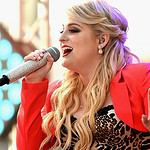
Meghan Trainor and producer Kevin Kadish wrote "All About That Bass" in about 40 minutes, not three days. Trainor later said the two were laughing as they wrote it and assumed nobody would want to record the song. That prediction aged badly. Trainor released it as her debut single in 2014, and it spent eight consecutive weeks at No. 1 on the U.S. Billboard Hot 100 while also topping charts in the United Kingdom, Australia, Canada, and numerous other countries.