New Africa / Shutterstock.com

Solphoto / Shutterstock.com
Jayne Fincher/Princess Diana Archive/Getty Images

Courtesy of JNCO Jeans

recollections.com

Wikipedia

New Africa / Shutterstock.com

Emma Benitez / BY 2.0

Dániel Bagó / BY-SA 2.0

Nicole.c.s.y93 / BY-SA 4.0

apr77 / BY-SA 2.0

limegreeen9 / BY-ND 2.0

The Wu's Photo Land / BY 2.0

Bekathwia / BY-SA 2.0

Tobyotter / BY 2.0

Youtube


15 Most Outrageous Fashion Trends of The Last 100 Years
Fashion is a wild ride, but sometimes it straight-up swerves off the road into “what were we thinking?” territory. From towering platform shoes in the disco era to jeans so wide you could camp inside them (looking at you, JNCOs), the past century is full of trends that had their moment in the spotlight and left us with photos we pretend don’t exist.
Take the bullet bra, for example. Somebody, somewhere, decided that women needed cones strapped to their chests. Or how about facekinis, yes, literal full-face masks worn to the beach to avoid tanning. There’s a level of commitment to the bit that’s honestly kind of admirable.
You’ve got codpieces that screamed “look at me,” hobble skirts that didn’t let you walk more than six inches at a time, and shoulder pads so massive you could probably use them to move furniture. Then there’s clowncore and LED eyelashes, proving that Gen Z is keeping the torch of absurd fashion lit and blinking in RGB.
Some trends made statements. Others made no sense. But whether the goal was rebellion, elegance, or just straight-up chaos, each of these fashion choices defined its moment and left the rest of us wondering how it ever caught on.
So buckle up. You’re about to scroll through some of the weirdest, boldest, and most “why tho?” fashion trends to ever grace a runway, a sidewalk, or a school hallway.
Zoot Suits
Zoot suits featured exaggeratedly wide-legged, high-waisted, tight-cuffed trousers and long coats with wide lapels and padded shoulders. Popular in the 1940s, especially among African American, Latino, and Filipino communities in urban centers like Harlem and Los Angeles, the suits became cultural symbols of rebellion. The trend was particularly popular among the 'Pachuco' subculture. It became infamous after the Zoot Suit Riots of 1943.
Shoulder Pads
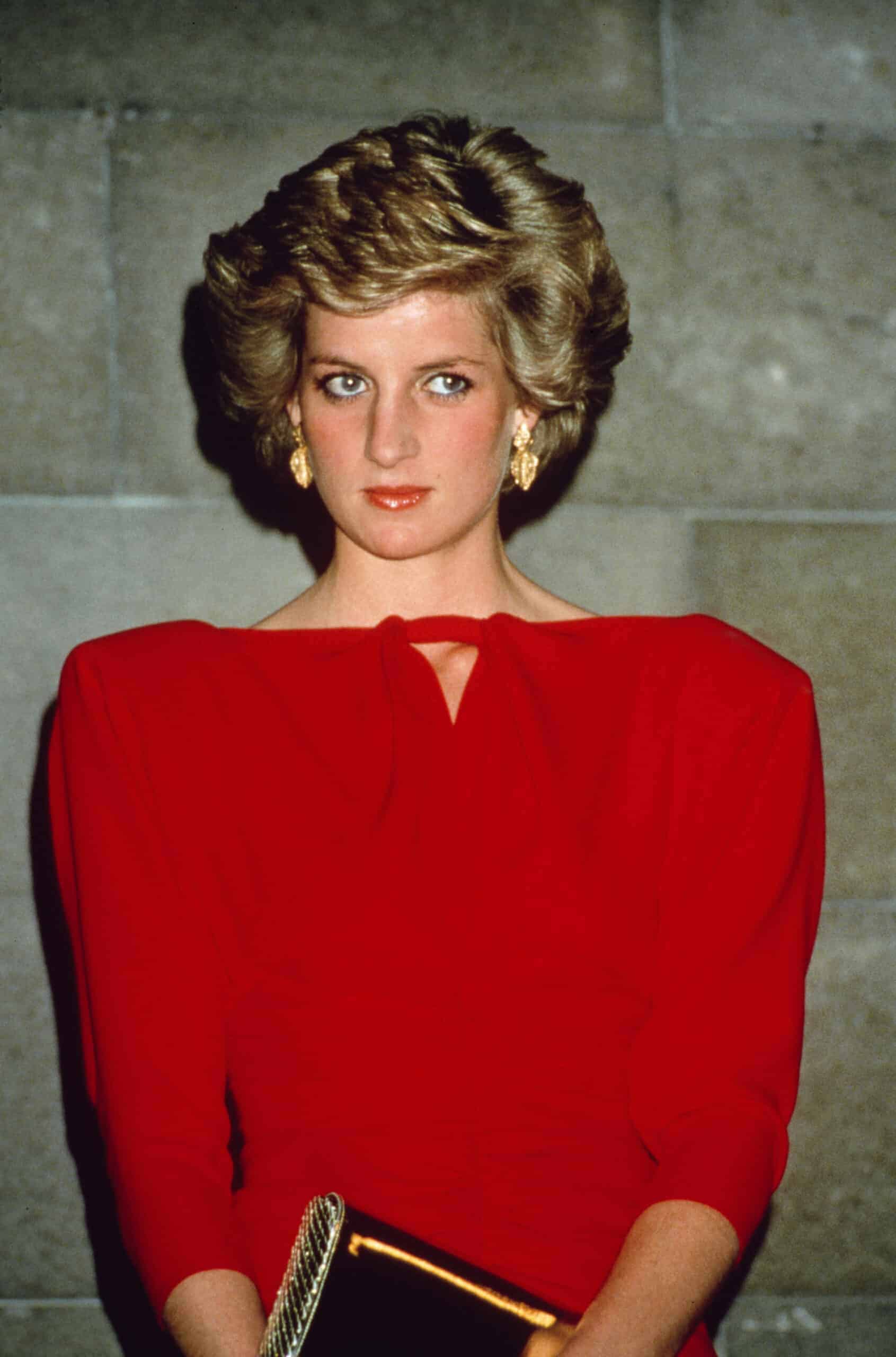
Shoulder pads were a dominant feature in 1980s fashion, giving women’s blazers and dresses a boxy, powerful silhouette. The style symbolized empowerment during a time when women were increasingly entering the corporate world. Celebrities like Joan Collins helped popularize the look. The trend was widespread in Western countries among career-focused women.
JNCO Jeans
These ultra-wide-legged jeans became a staple of 1990s teen fashion, particularly among skaters, ravers, and rebellious youth. Originating in California, JNCOs often had leg openings wider than the wearer's waist and featured bold logos and designs. The jeans were a rejection of conventional slim silhouettes. They became a cultural icon of ‘90s streetwear excess.
Paper Dresses
In the 1960s, disposable paper dresses became a quirky fad inspired by the space age and mass production culture. Originally used as a marketing gimmick by a paper company, they quickly became trendy for their novelty and affordability. Mostly worn by young women during the mod era. The trend faded due to impracticality and environmental concerns.
Hobble Skirts
Popular in the 1910s, hobble skirts were extremely narrow at the ankles, restricting the wearer’s stride. The trend was embraced by upper-class women influenced by Parisian couture. It was both a fashion statement and a symbol of status—mobility was not a concern for the elite. However, it was criticized for its impracticality and risk of injury.
Platform Shoes
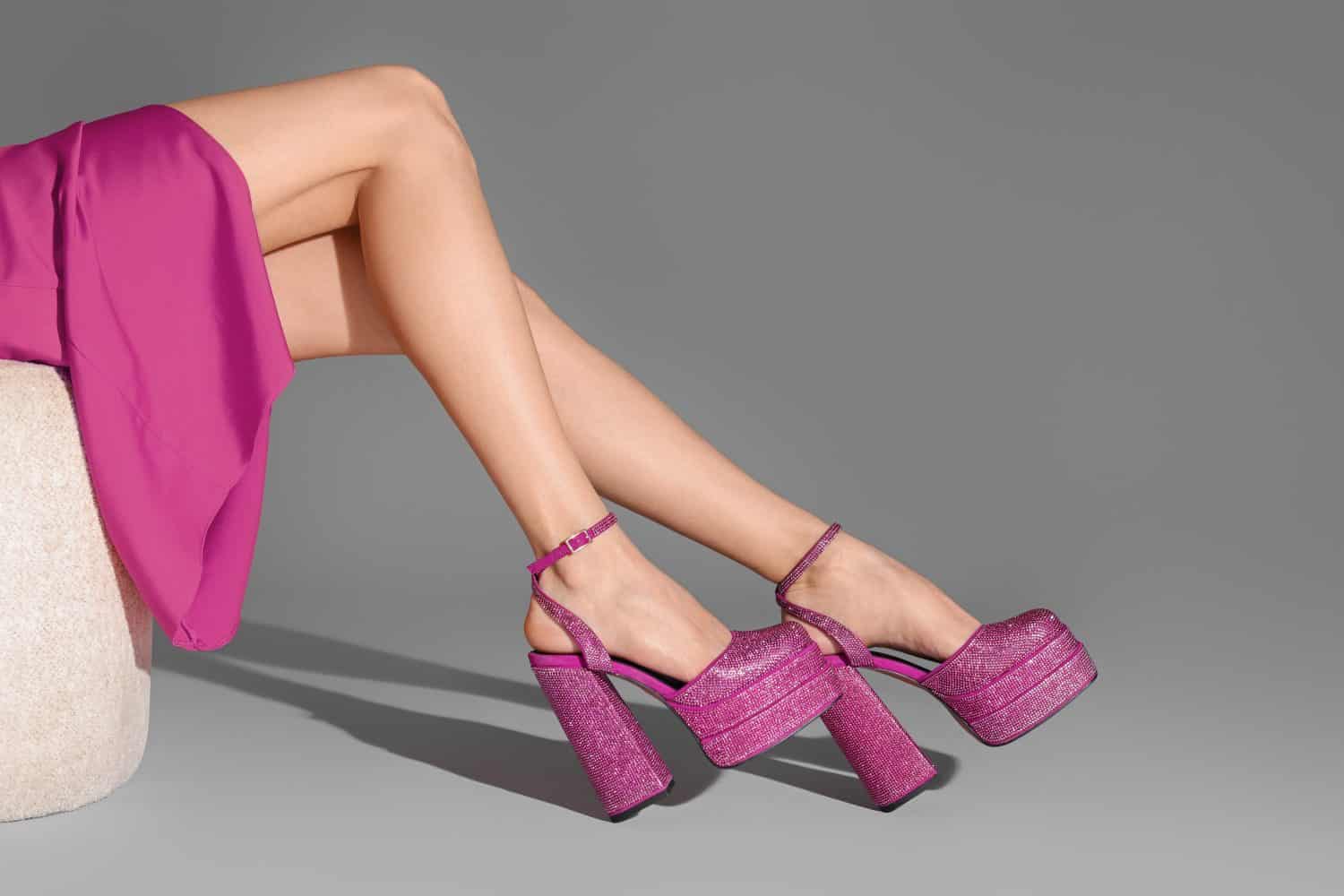
Platform shoes reached their peak in the 1970s disco era, with soles sometimes over 4 inches thick. First appearing in 1930s fashion, they were revived and embraced by glam rockers, clubgoers, and later, pop stars. Both men and women wore them to make a bold, eccentric statement. The trend remains a symbol of retro excess.
Bullet Bras
These pointed, cone-shaped bras became popular in the 1940s and 1950s, worn under sweaters for a dramatic silhouette. The trend was made iconic by stars like Marilyn Monroe and Jane Russell. It reflected post-war femininity and the rise of structured undergarments. The look was both fashionable and controversial.
Low-Rise Jeans
Low-rise jeans became a defining look of the late 1990s and early 2000s, often worn several inches below the waist. The trend originated in youth and pop culture circles, popularized by celebrities like Britney Spears and Paris Hilton. Critics noted its impracticality and lack of comfort. The trend was eventually replaced by high-waisted styles.
Crinoline Cages
In the mid-19th century, women wore crinoline cages—hoop skirts made of steel or whalebone—to give dresses massive volume. These understructures were worn by upper- and middle-class women to signify wealth and elegance. Although seen as beautiful, they were cumbersome and dangerous—sometimes catching fire or trapping wearers in narrow spaces.
Clown Core
Clowncore is a modern subculture and fashion trend inspired by clown aesthetics, featuring exaggerated colors, oversized garments, and playful patterns. Rising in popularity in the late 2010s and early 2020s via TikTok and Instagram, it’s popular among Gen Z and queer fashion communities. It's both whimsical and subversive. The trend challenges fashion norms with intentional absurdity.
Codpieces
Codpieces were a Renaissance fashion feature designed to accentuate and cover the male groin, often elaborately padded and decorated. Worn by European aristocracy in the 15th and 16th centuries, they symbolized masculinity and virility. Kings and noblemen like Henry VIII famously sported them. The trend eventually faded into satire and ridicule.
Facekinis
Invented in China in the early 2010s, facekinis are fabric masks that cover the entire head, leaving only the eyes, nose, and mouth exposed. Popular among middle-aged Chinese women, they are worn to protect against sunburn and jellyfish stings. Often seen at beaches in Qingdao. The trend gained international attention for its surreal appearance.
LED Eyelashes
LED eyelashes are wearable tech accessories that light up using tiny embedded LEDs, often synced with head movements. Popular at tech festivals and raves in the 2010s, they are worn primarily by younger adults in cosplay and nightlife scenes. They represent the fusion of fashion and technology. The look is eye-catching—literally.
Sagging Pants
Sagging involves wearing pants significantly below the waist, exposing underwear. The trend originated in U.S. prisons and was adopted by hip-hop culture in the 1990s. It became a controversial fashion statement among urban youth. Cities even attempted to ban it due to perceived indecency.
Hair Horns
Hair horns, achieved by styling or sculpting hair into horn-like shapes, were popular during certain punk and goth subcultures. Emerging in the 1980s and revived in alternative fashion circles on social media, the trend is often theatrical and confrontational. Typically worn by artists or those in fringe communities. It’s fashion as self-expression—unapologetically weird.