Pool / Getty Images

Joe Robbins / Getty Images
TMZ
Ronald Martinez / Getty Images
TMZ
Thearon W. Henderson / Getty Images
TMZ

carlballou / iStock via Getty Images
Getty Images / Getty Images News via Getty Images

Public Domain / Wikimedia Commons
Rick Stewart / Getty Images
Handout / Getty Images
Jim McIsaac / Getty Images

Tony Duffy / Getty Images

Brian Bahr / Getty Images

Harry How / Getty Images
Tom Pidgeon / Getty Images

Elsa / Getty Images

Larry French / Getty Images
Jared Wickerham / Getty Images
Al Bello / Getty Images

Getty Images
Jeff Gross / Getty Images
Pool / Getty Images

Dave Kaup / Getty Images




24 Professional Athletes Who Broke the Law and Did Time
Professional athletes can become some of the most famous people in the world, but success on the field does not protect them from serious legal trouble. Over the years, prominent players from football, baseball, basketball, hockey, and other sports have ended up behind bars for crimes ranging from fraud and drug offenses to impaired driving, assault, sexual violence, and murder.
Some never returned to their sport. Others served their sentences and later resumed their careers or rebuilt their lives. This list focuses on athletes who were convicted and spent time in prison, based on court records, government documents, league records, and contemporary reporting.
Pete Rose
Rose retired as Major League Baseball's all-time hits leader with 4,256. In 1989, he agreed to placement on MLB's permanently ineligible list following an investigation into his betting on baseball. The following year, Rose pleaded guilty to federal tax charges involving income he had failed to report from activities including memorabilia sales and gambling, and he served five months in prison. Rose died in September 2024 at age 83. In May 2025, MLB adopted a policy that permanent ineligibility ends at death, removing Rose and other deceased individuals from the ineligible list. The decision made Rose eligible to be considered for the Baseball Hall of Fame, though it did not guarantee his appearance on a ballot or his induction.
Darren Sharper
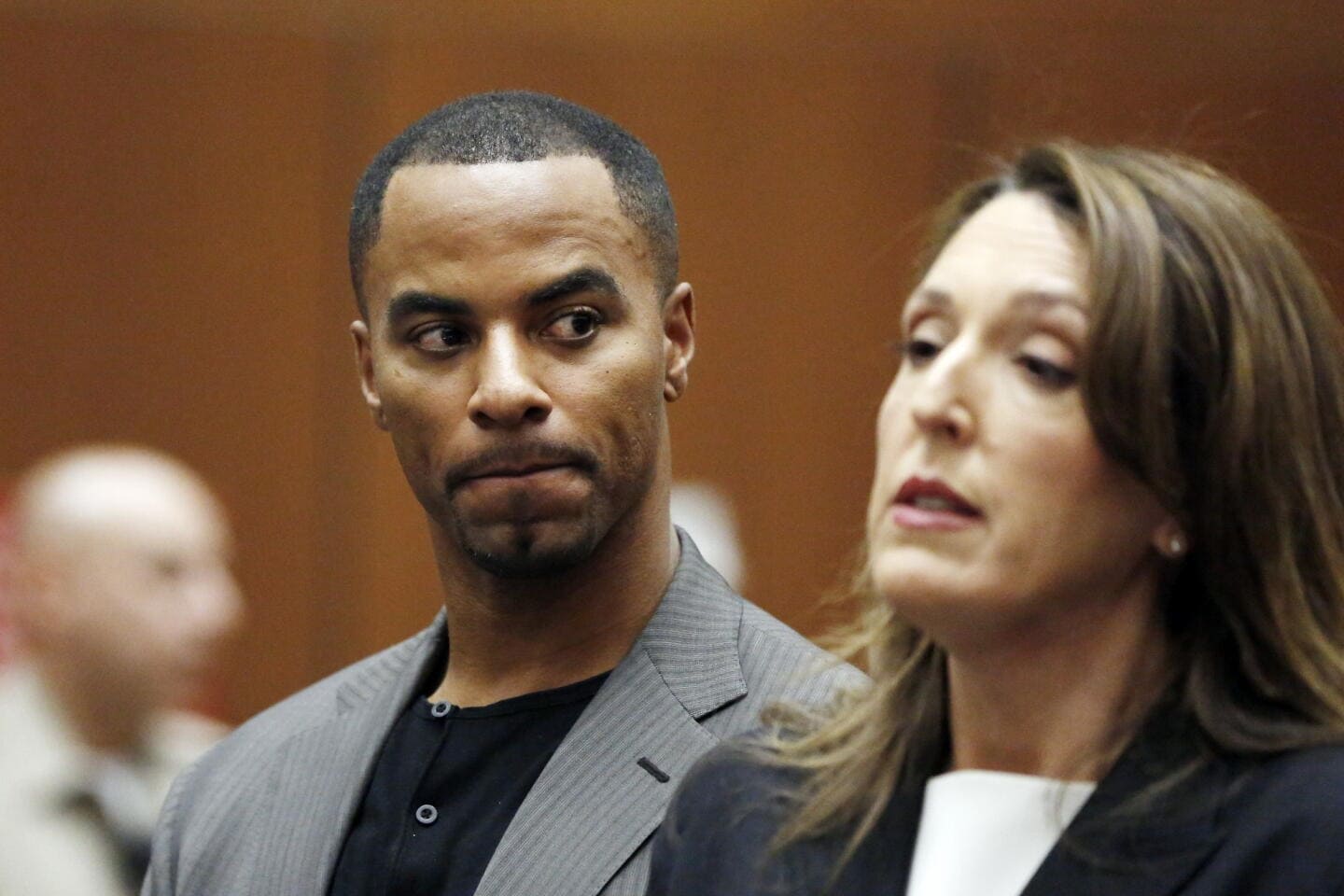
Sharper was a five-time Pro Bowl safety and a member of the New Orleans Saints team that won Super Bowl XLIV. His post-football life took a devastating turn when women in several states accused him of drugging and sexually assaulting them. As part of a multistate resolution, Sharper pleaded guilty to crimes in Louisiana, Arizona, California, and Nevada. In federal court in Louisiana, he admitted conspiring to distribute prescription sedatives with the intent to commit rape and was sentenced in 2016 to 220 months, or more than 18 years, in prison.
Matt Bush
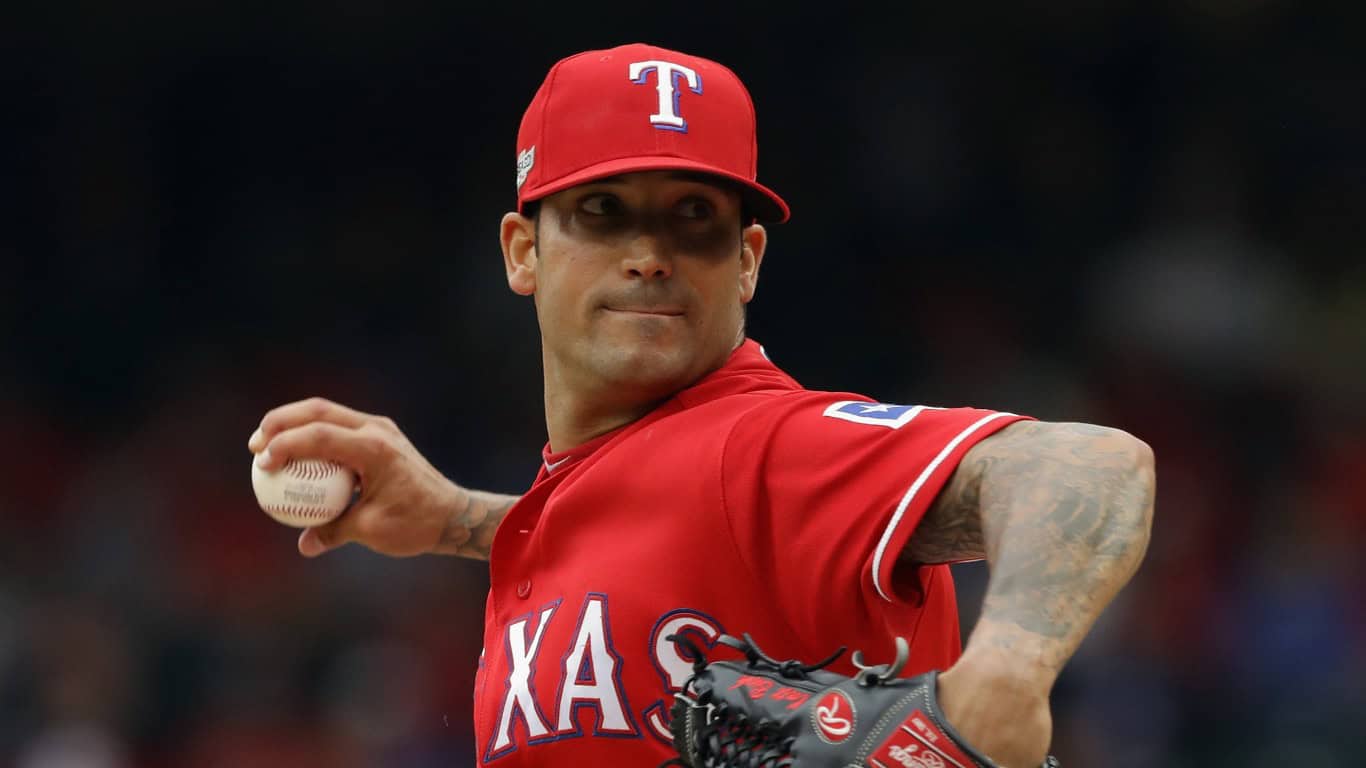
Bush was selected first overall by the San Diego Padres in the 2004 MLB Draft, but alcohol-related incidents repeatedly disrupted his career. In March 2012, while in the Tampa Bay Rays organization, he struck a 72-year-old motorcyclist while driving under the influence and fled the scene. Bush accepted a plea agreement and was sentenced that December to 51 months in prison. After his release in 2015, he resumed training, signed a minor-league contract with the Texas Rangers, and eventually reached the majors as a pitcher in 2016.
Henry Ruggs III
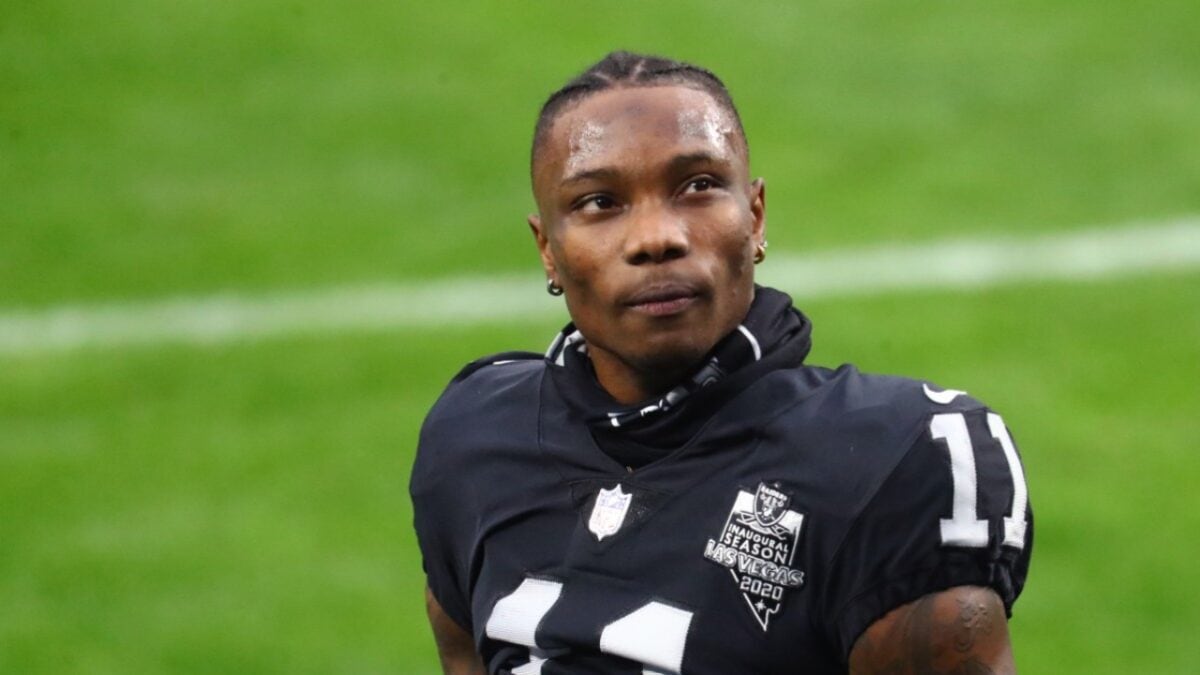
Ruggs was a first-round pick of the Las Vegas Raiders in 2020. In November 2021, while driving drunk at extremely high speed in Las Vegas, he crashed his Corvette into a vehicle driven by 23-year-old Tina Tintor. Tintor and her dog died in the resulting fire. Ruggs pleaded guilty to felony DUI resulting in death and misdemeanor vehicular manslaughter. In August 2023, he was sentenced to three to 10 years in Nevada state prison.
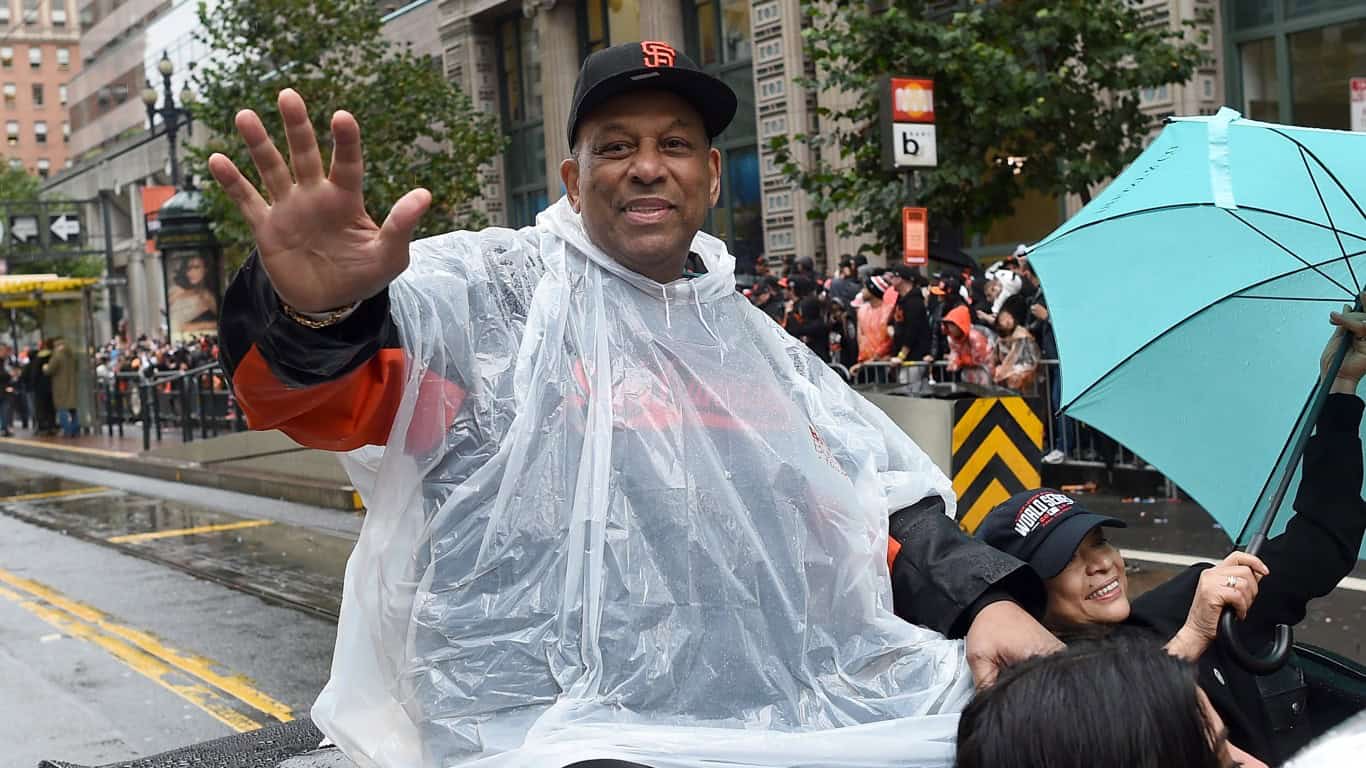
Orlando Cepeda
A year after his major-league career ended, former National League MVP Orlando Cepeda was arrested in Puerto Rico after authorities found a large quantity of marijuana in his possession. He was convicted and received a five-year prison sentence, though he was released after serving about 10 months. Cepeda later rebuilt his public reputation and was elected to the Baseball Hall of Fame by the Veterans Committee in 1999. He died in June 2024 at age 86.
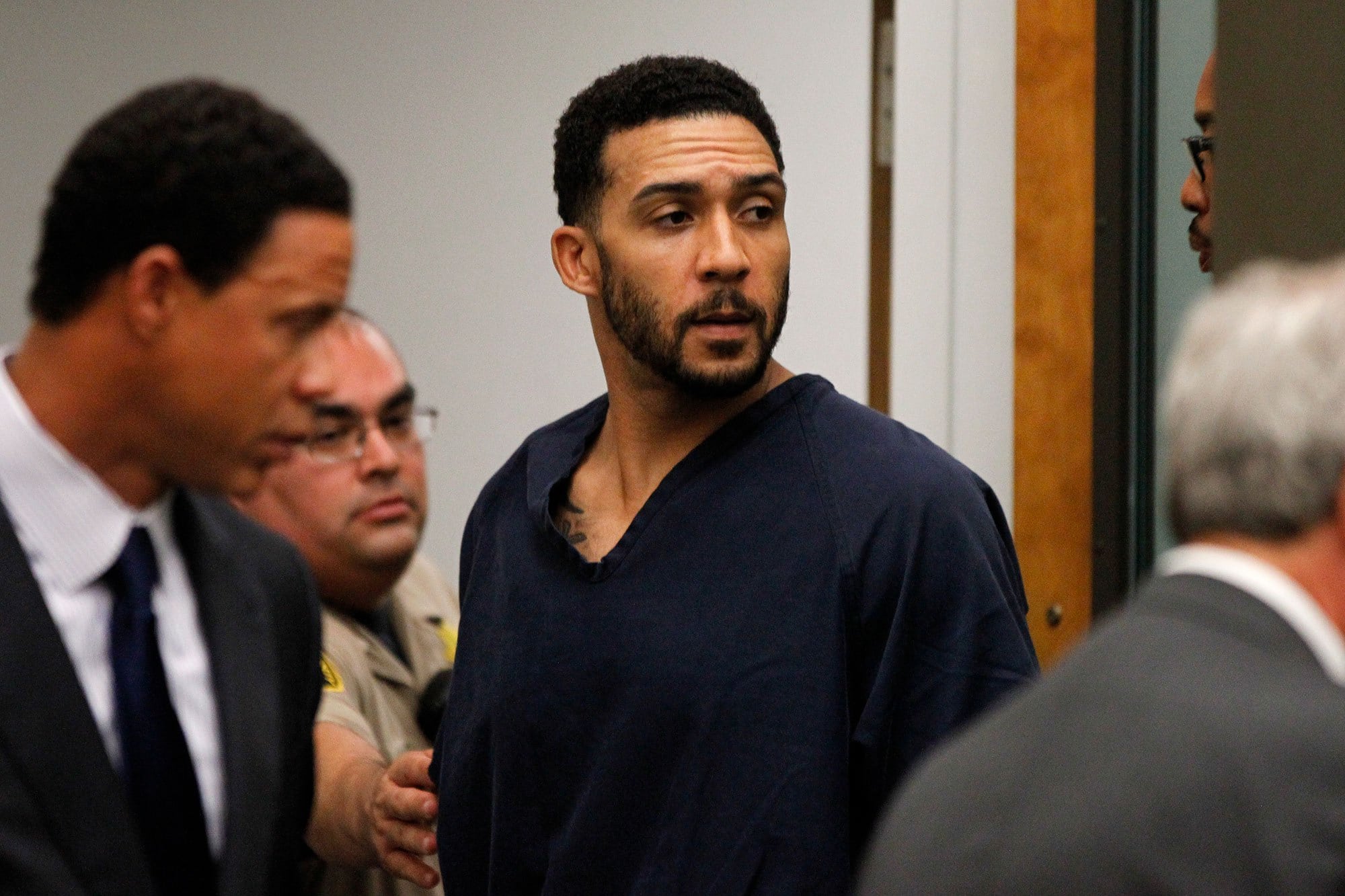
Kellen Winslow II
Winslow, a former first-round draft pick and Pro Bowl tight end, was accused of sexual crimes involving multiple women in Southern California. A jury convicted him in 2019 of rape, indecent exposure, and another sexual offense, and he later pleaded guilty to additional charges involving two other women. In March 2021, Winslow was sentenced to 14 years in state prison and ordered to register as a sex offender for life.
Randall Woodfield
Woodfield never played a regular-season NFL game. The Green Bay Packers selected the Portland State receiver in the 17th round of the 1974 NFL Draft but released him during training camp. Years later, he became known as the "I-5 Killer" or "I-5 Bandit" after a series of violent crimes along the Interstate 5 corridor. In 1981, Woodfield was convicted of murder, attempted murder, and sodomy and received life in prison plus 90 years. Another conviction later added decades to the sentence. Authorities have linked or suspected Woodfield in additional killings and attacks, but estimates of his total number of victims vary and many of those crimes never resulted in convictions.
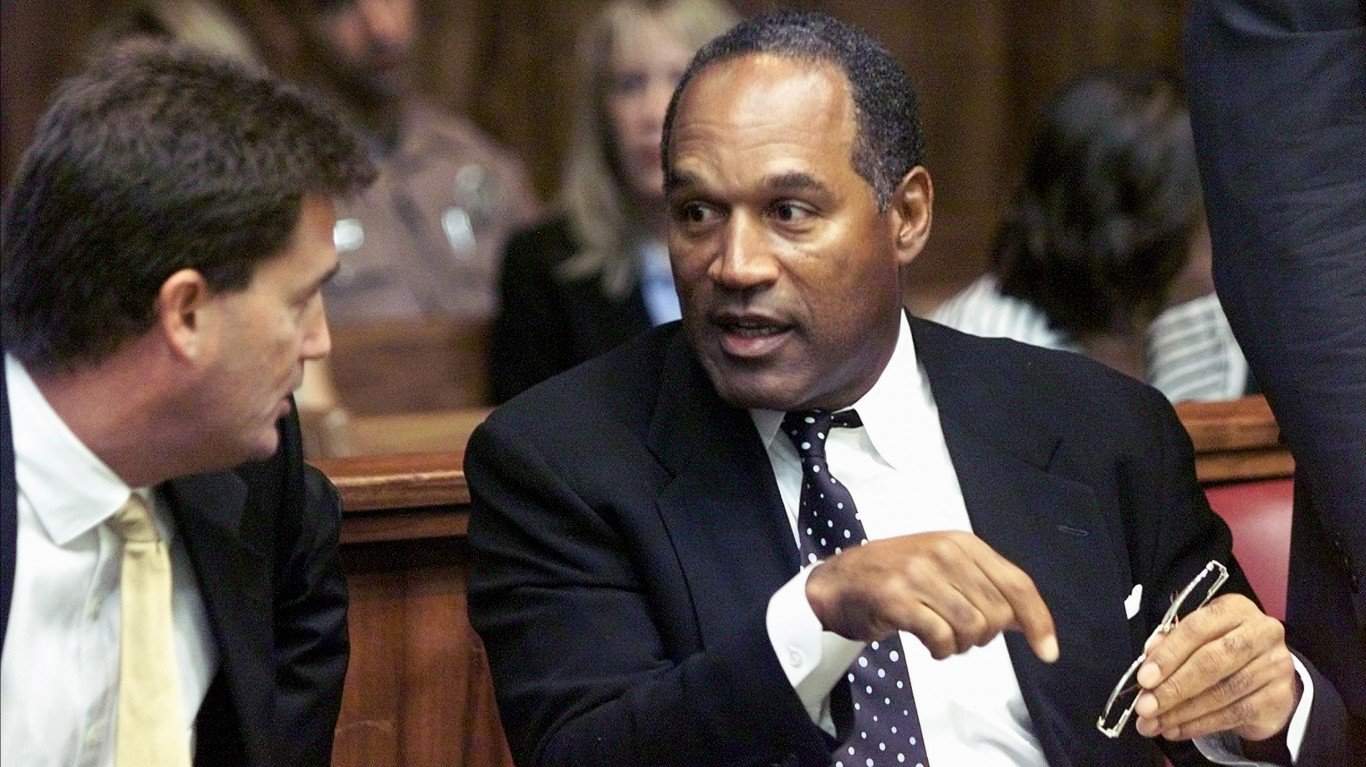
OJ Simpson
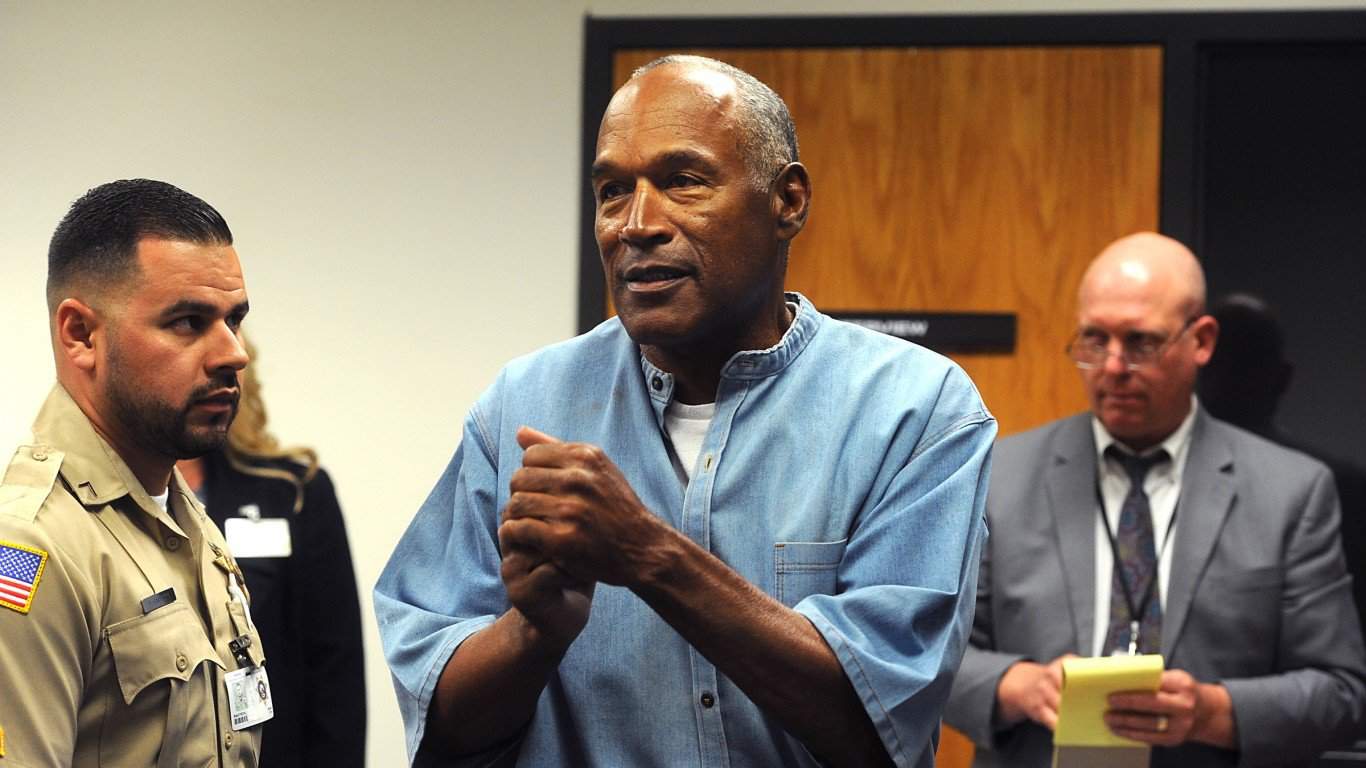
Simpson was acquitted in 1995 of the murders of Nicole Brown Simpson and Ronald Goldman, although a civil jury later found him liable for their wrongful deaths. More than a decade later, Simpson and several other men confronted sports-memorabilia dealers in a Las Vegas hotel room over items Simpson said belonged to him. He was convicted in 2008 of armed robbery, kidnapping, and other charges and received an aggregate sentence carrying a minimum of nine years and a maximum of 33. Simpson was released on parole in 2017. He died in April 2024 at age 76 after having prostate cancer.
Billy Cannon
Cannon won the 1959 Heisman Trophy at LSU and was selected first overall by the Los Angeles Rams in the 1960 NFL Draft, but he chose the rival American Football League and signed with the Houston Oilers. After retiring from football, Cannon became an orthodontist. In 1983, he pleaded guilty for his role in a scheme involving millions of dollars in counterfeit $100 bills and received a five-year federal prison sentence. Cannon was released in 1986 after serving about three years.
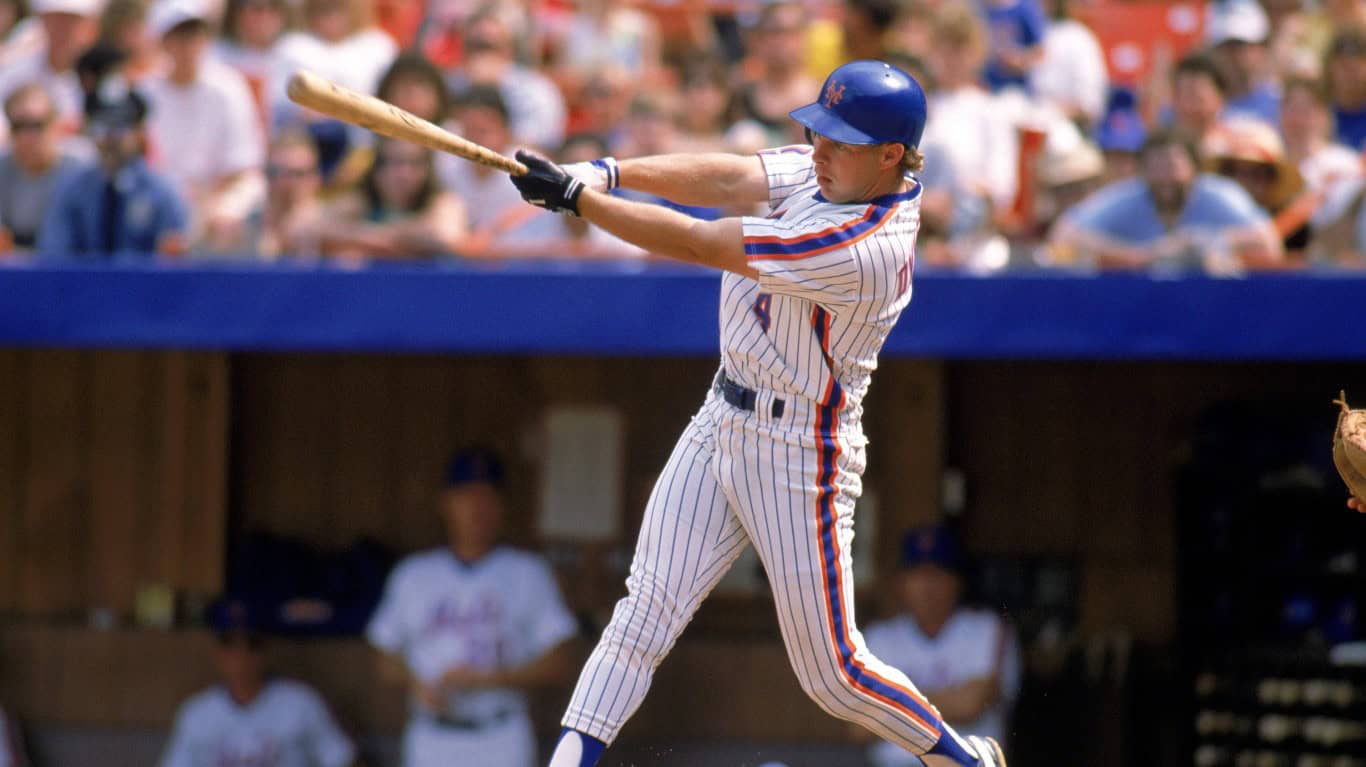
Lenny Dykstra
Dykstra's legal problems resulted in several separate criminal cases. In 2012, he was sentenced to three years in California state prison after pleading no contest in a scheme involving high-end automobiles obtained through fraudulent financial information. He later received an additional 6½-month federal sentence after pleading guilty to bankruptcy fraud, concealment of assets, and money laundering. In another case involving women who answered Craigslist housekeeping ads, Dykstra pleaded no contest to misdemeanor lewd conduct and assault with a deadly weapon and received nine months in jail.
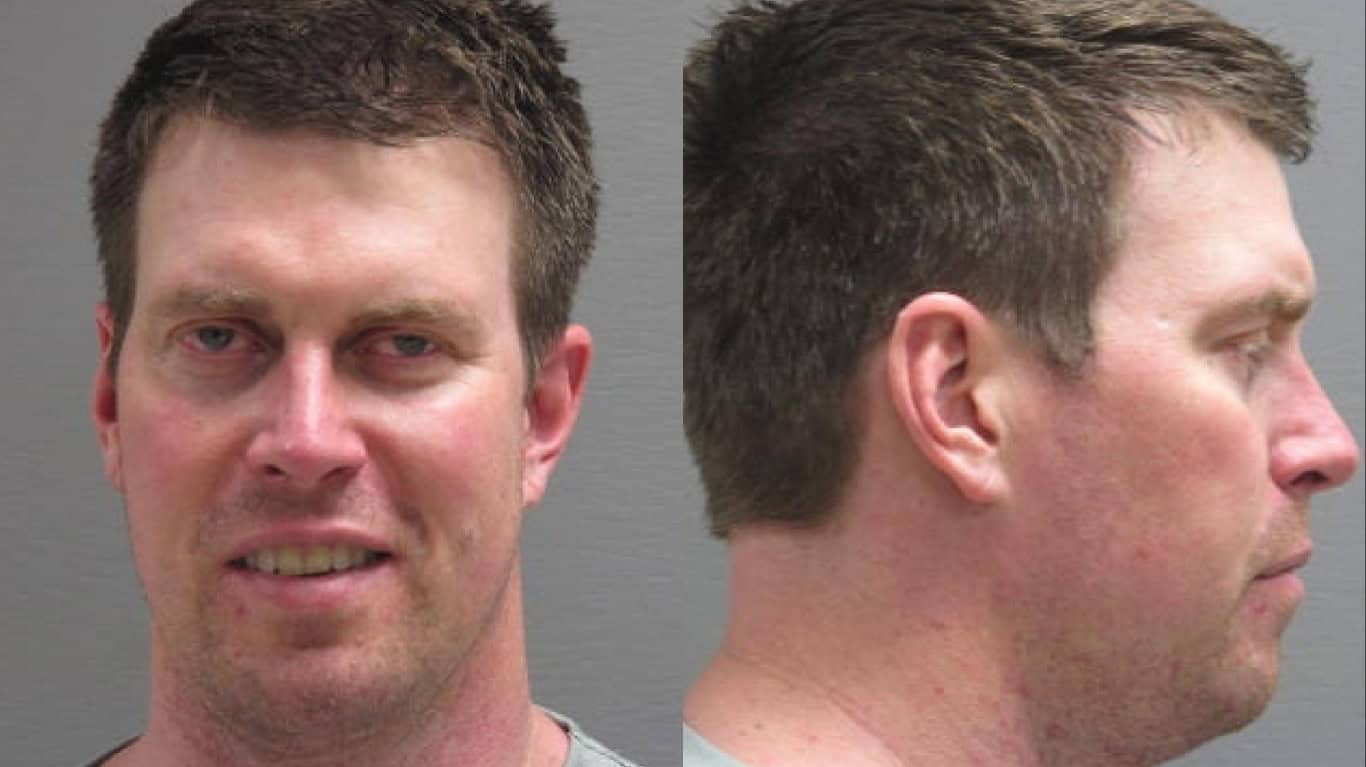
Ryan Leaf
Leaf was selected second overall in the 1998 NFL Draft, immediately after Peyton Manning, but his NFL career lasted only a few seasons. After football, Leaf developed an addiction to prescription painkillers and accumulated criminal cases in Texas and Montana. In 2012, he pleaded guilty in Montana to felony burglary and criminal possession of a dangerous drug. His sentence initially called for secure drug treatment rather than traditional prison, but in January 2013 the Montana Department of Corrections transferred him to state prison after he violated treatment-program rules and threatened a staff member.
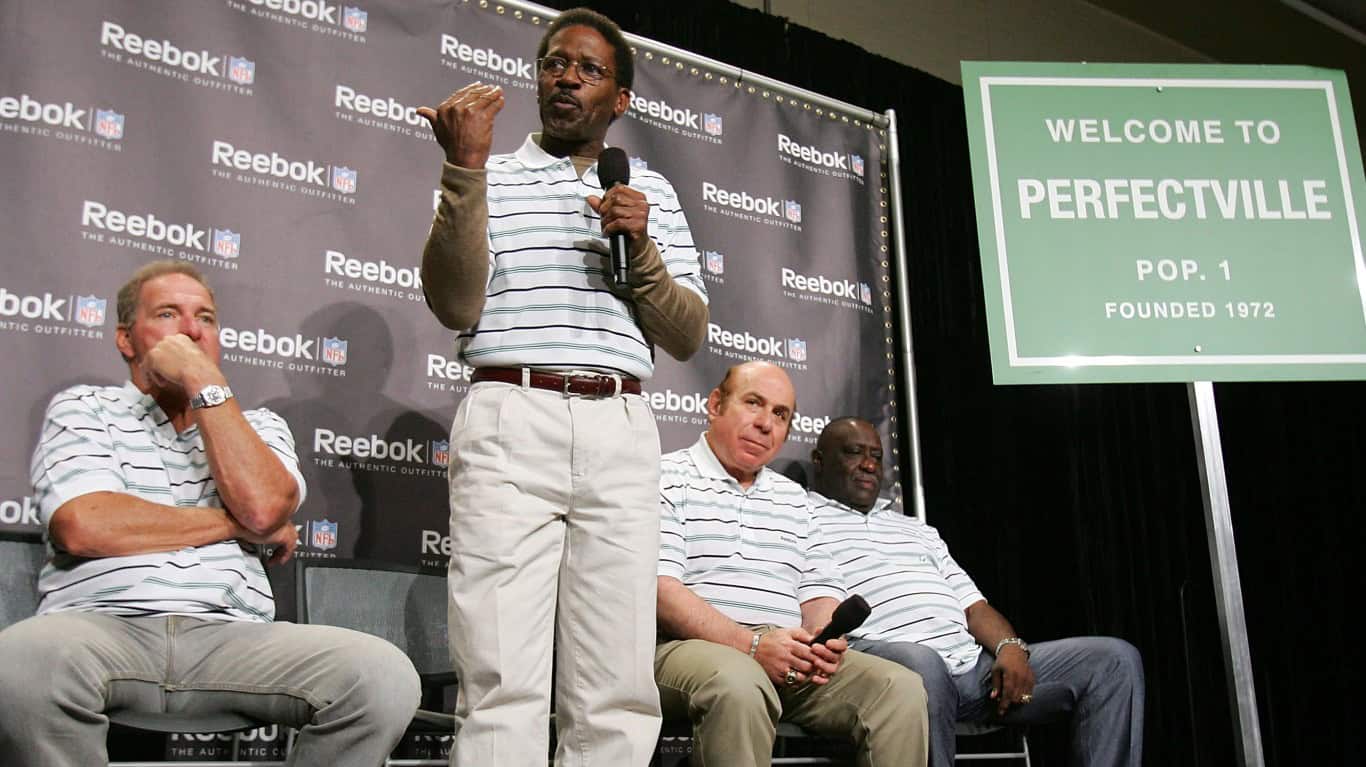
Mercury Morris
Morris was a key member of the undefeated 1972 Miami Dolphins and won two Super Bowls with the franchise. He was arrested in 1982 and convicted on cocaine-related charges, receiving a 20-year prison sentence. After Morris had spent about three years in state prison, the Florida Supreme Court granted him a new trial in 1986. He subsequently pleaded no contest to a cocaine charge, received credit for time already served, and was released. Morris died in September 2024 at age 77.
Art Schlichter
Schlichter was the fourth overall pick in the 1982 NFL Draft, when the Colts were still based in Baltimore, but a gambling addiction quickly derailed his career. Decades later, he admitted running a fraudulent sports-ticket investment scheme that cost dozens of victims more than $2 million. He pleaded guilty to state charges including theft and engaging in a pattern of corrupt activity and to federal charges of wire fraud, bank fraud, and filing a false income tax return. He received a 127-month federal sentence that ran concurrently with a 10-year Ohio sentence. After his 2021 release, Schlichter again ran into legal trouble and pleaded guilty to cocaine possession in 2023, receiving probation.
Rae Carruth
Carruth was a first-round pick of the Carolina Panthers. In November 1999, Cherica Adams, who was pregnant with Carruth's child, was shot four times while driving in Charlotte, North Carolina. Prosecutors said Carruth helped arrange the attack in an effort to avoid financial responsibility for the child. Adams died about a month later. Her son, Chancellor Lee Adams, survived but suffered permanent brain damage and cerebral palsy after being born prematurely. Carruth was convicted in 2001 of conspiracy to commit murder, shooting into occupied property, and attempting to destroy an unborn child. He was released in 2018 after serving more than 18 years.
Craig MacTavish
In January 1984, MacTavish, then with the Boston Bruins, was involved in a drunken-driving crash in Peabody, Massachusetts, that killed 26-year-old Kim Radley. He pleaded guilty to vehicular homicide and was sentenced to one year in jail, causing him to miss the 1984-85 NHL season. After his release, MacTavish signed with the Edmonton Oilers and rebuilt his career. He went on to win three Stanley Cups with Edmonton and another with the New York Rangers.
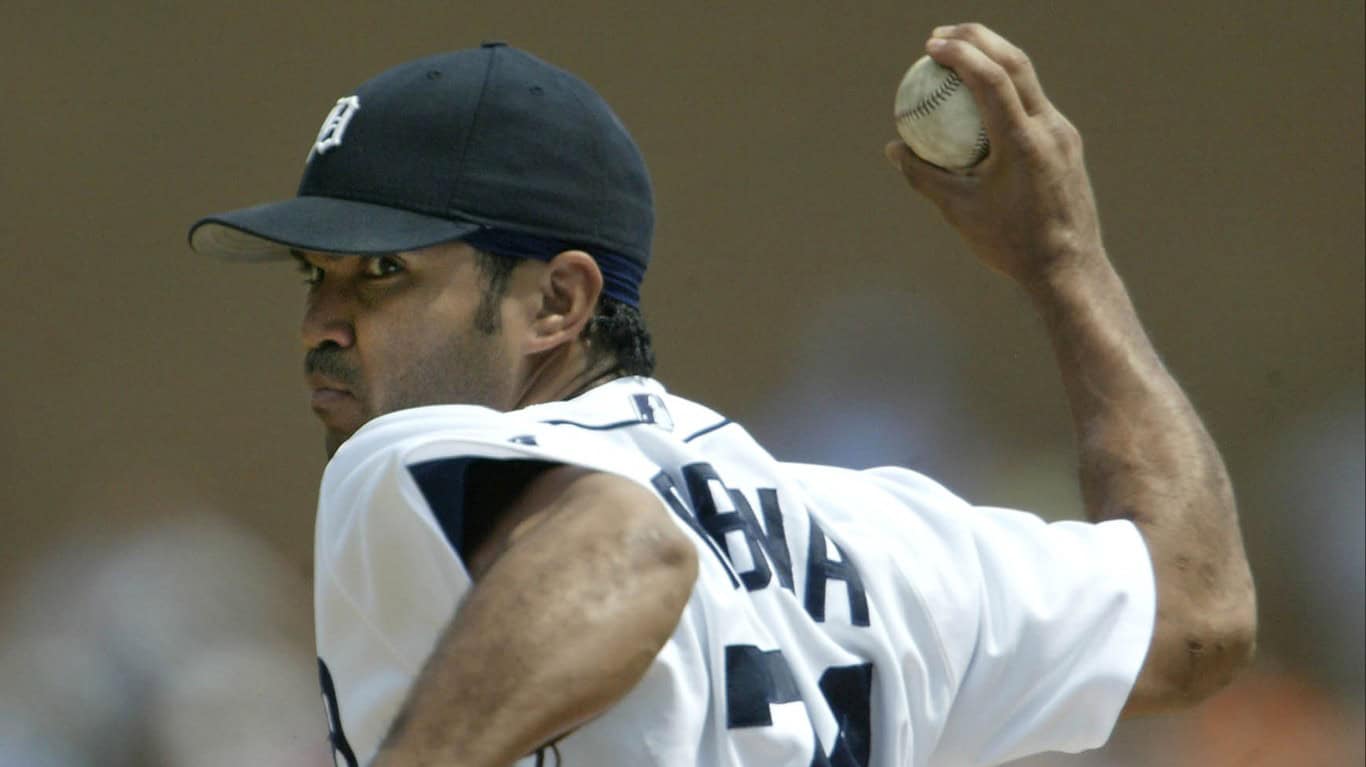
Ugueth Urbina
Urbina was a successful major-league relief pitcher who made two All-Star teams and won the 2003 World Series with the Florida Marlins. His career ended after his 2005 arrest in Venezuela. Workers on Urbina's ranch accused him and other men of attacking them with machetes and gasoline during a confrontation. A Venezuelan court convicted Urbina of attempted murder and sentenced him to 14 years in prison. He was released in 2012 after serving roughly half of the sentence.
Patrick Cote
Former NHL player Patrick Côté was questioned by police in Quebec in 2014 after he was found with a vehicle that had been reported stolen. During the investigation, he admitted robbing two banks in the Montreal area. Côté pleaded guilty to two counts of armed robbery and received a 30-month prison sentence. It was not his first legal problem: he had previously faced drug and weapons-related charges, including a 2002 case in New York involving roughly 30 pounds of marijuana.
Michael Vick
In 2007, federal investigators uncovered a dog-fighting operation known as Bad Newz Kennels at property owned by Vick in Virginia. Vick admitted financing the operation and participating in activities connected to the dog-fighting conspiracy. He pleaded guilty to a federal conspiracy charge and was sentenced to 23 months in prison. After completing his sentence, Vick returned to the NFL in 2009 with the Philadelphia Eagles and went on to play several more seasons.
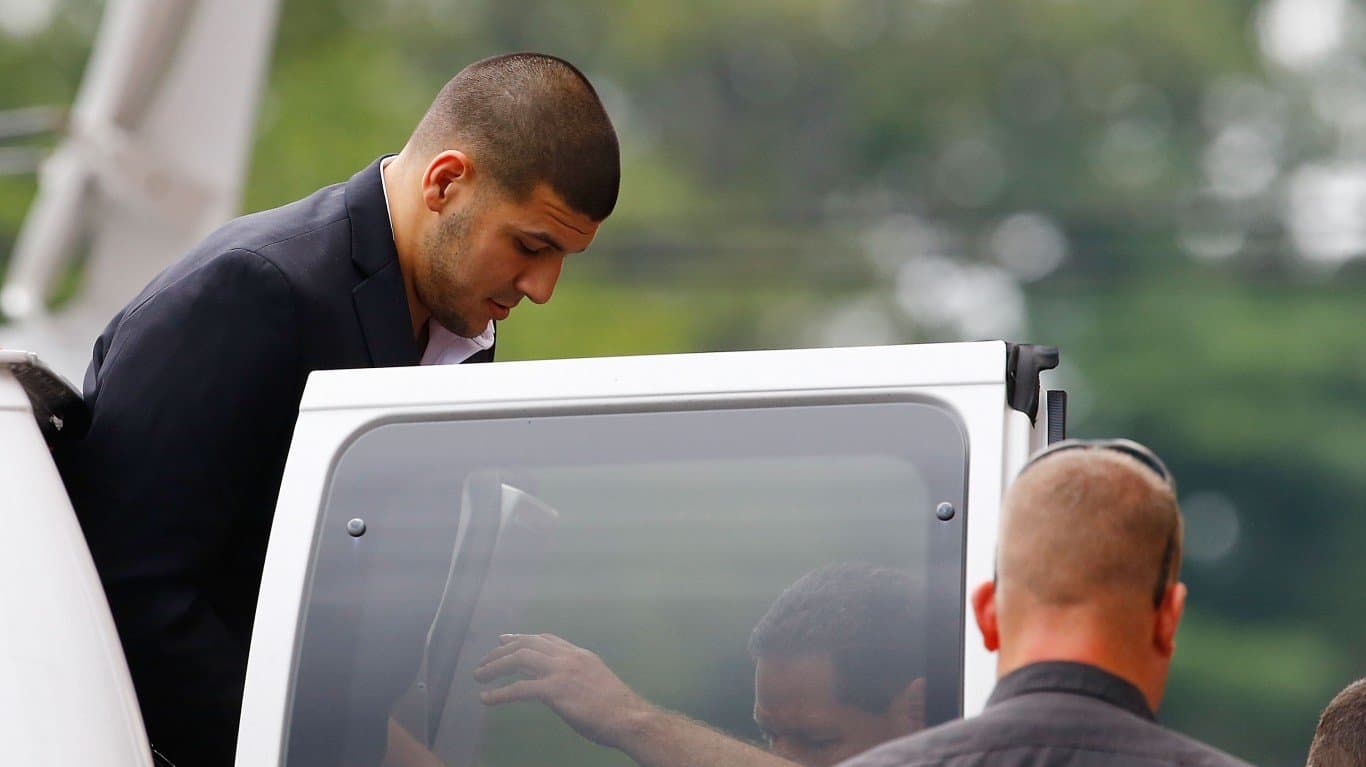
Aaron Hernandez
Hernandez was convicted in 2015 of murdering Odin Lloyd and sentenced to life in prison without the possibility of parole. He died by suicide in prison in April 2017 while his direct appeal was pending. A Massachusetts judge initially vacated his conviction under a doctrine then applied when defendants died before completing an appeal, but the state's highest court rejected that doctrine in 2019 and reversed the order vacating his convictions. The court directed that the record note that Hernandez had been convicted but died before his appeal could be decided.
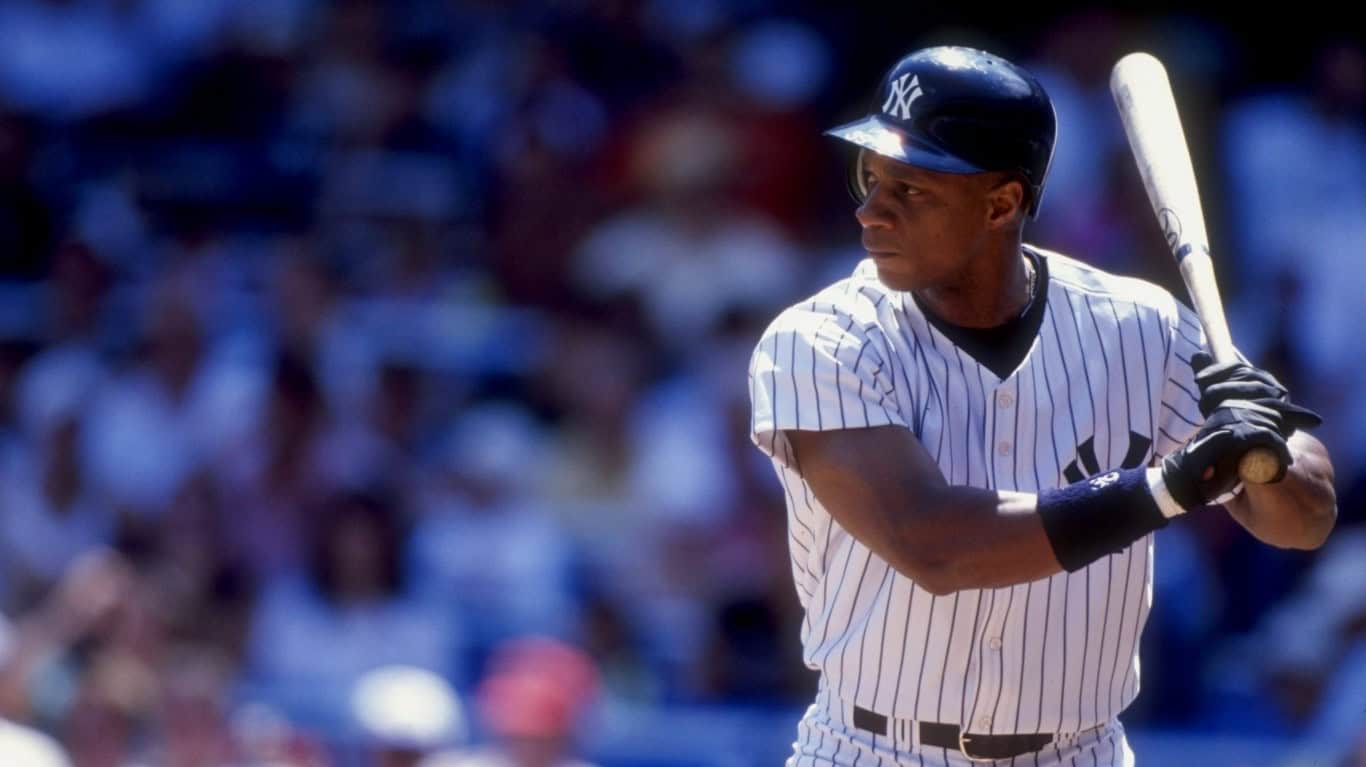
Darryl Strawberry
In 1999, Strawberry was arrested in Tampa after soliciting an undercover police officer for sex, and police found cocaine in his wallet. He received probation and treatment but repeatedly violated the terms of his supervision. In 2002, a judge imposed an 18-month prison sentence for those violations. Strawberry ultimately served about 11 months before his release. In the years since, he has spoken publicly about addiction, recovery, and his efforts to help others struggling with substance use.
Vida Blue
Blue was one of baseball's premier pitchers of the 1970s, winning both the American League Cy Young Award and MVP in 1971 and helping the Oakland A's win three consecutive World Series championships. In 1983, Blue and several former Kansas City Royals teammates became caught up in a federal cocaine investigation. Blue pleaded guilty to cocaine possession and received a one-year sentence, with all but 90 days suspended, along with a $5,000 fine. Blue never reached the Baseball Hall of Fame despite an accomplished career, though there is no definitive way to attribute Hall voters' decisions to a single episode. He died in May 2023 at age 73.
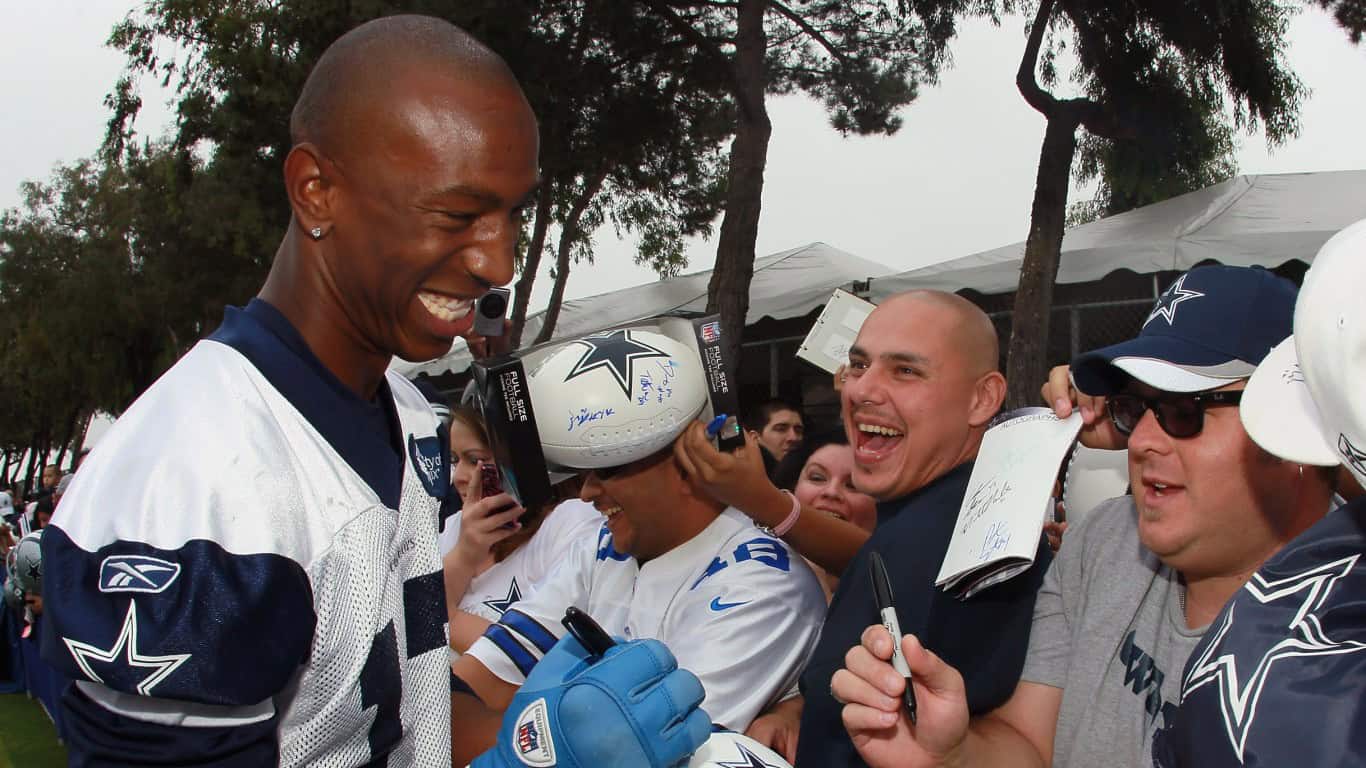
Sam Hurd
Hurd was playing wide receiver for the Chicago Bears when federal agents arrested him in December 2011. Prosecutors said he was involved in efforts to acquire and distribute large quantities of cocaine and marijuana. Hurd eventually pleaded guilty to conspiracy to possess controlled substances with intent to distribute. In 2013, a federal judge sentenced him to 15 years in prison.
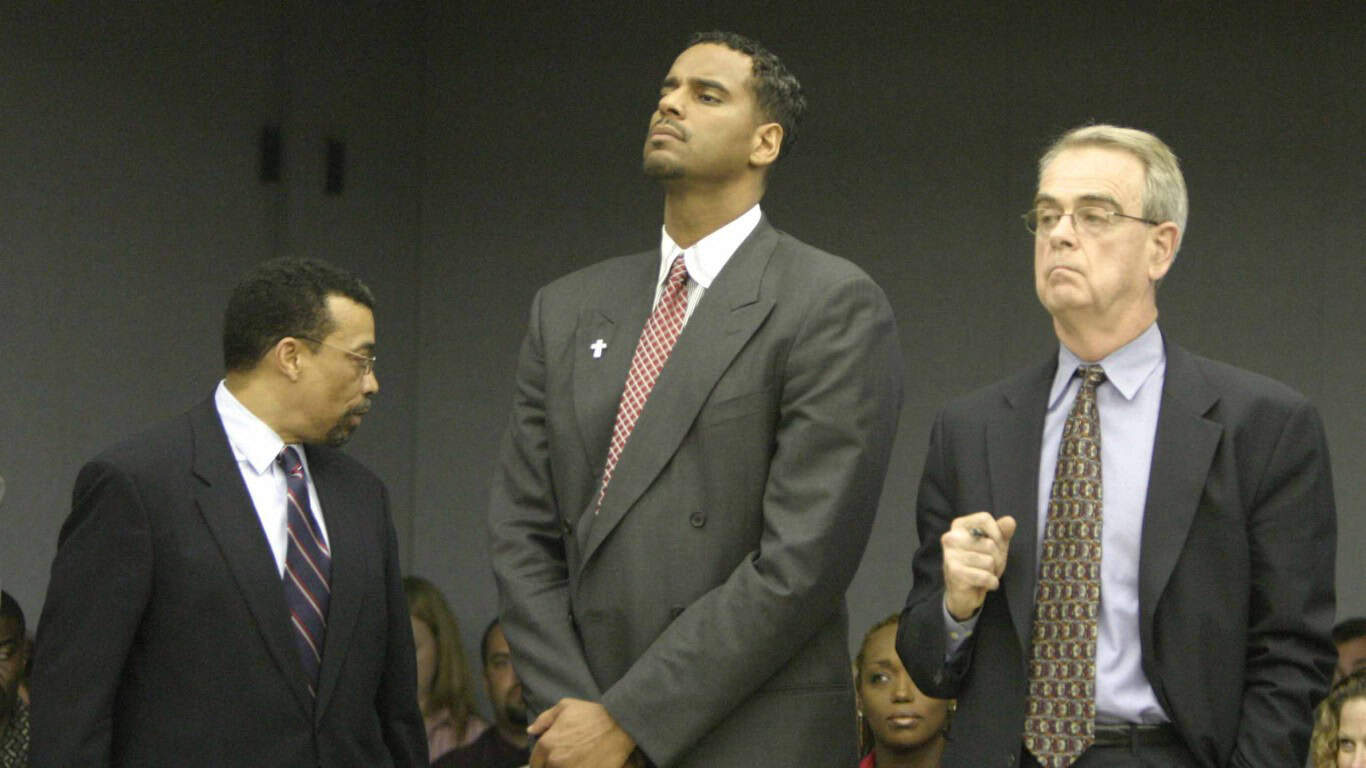
Jayson Williams
Williams was an NBA All-Star whose playing career had already been cut short by a serious leg injury when a fatal shooting occurred at his New Jersey home in 2002. Williams was handling a shotgun when it discharged and killed limousine driver Costas "Gus" Christofi. A jury later convicted Williams of four offenses related to an attempt to cover up the shooting, and in 2010 he pleaded guilty to aggravated assault. He received concurrent sentences, including a five-year prison term. Williams also served time in New York following a separate drunken-driving case.
Esteban Loaiza
Loaiza spent 14 seasons in Major League Baseball, pitched for eight teams, and was selected to two All-Star Games. In 2018, he admitted taking possession of a vehicle he knew contained 20 kilograms, or about 44 pounds, of cocaine and moving the drugs to another vehicle at a rented townhouse in Imperial Beach, California. He pleaded guilty to possession of cocaine with intent to distribute and was sentenced in 2019 to three years in federal prison.