Sports corruption is not a modern invention. According to the ancient Greek writer Pausanias, boxer Eupolus of Thessaly bribed three opponents at the 98th Olympiad in 388 B.C., the earliest recorded bribery case at the Games. More than two millennia later, Lance Armstrong lost his seven Tour de France titles and received a lifetime ban after an extensive doping investigation. The equipment changed. The temptation did not.
Money runs through many of these scandals. Athletes have taken payments to manipulate games, referees have sold inside information, and officials have traded influence for bribes and kickbacks. In other cases, the prize was a medal, a championship, or the right to host one of the world’s biggest sporting events.
This 24/7 Tempo list covers some of the most notorious cases involving bribery, match-fixing, and betting. Some ended in criminal convictions or formal disciplinary findings. Others—most notably Argentina’s 1978 World Cup match against Peru—remain serious allegations rather than proven fixes. That distinction matters, even when the story has been repeated for decades.
Here are some of the biggest corruption scandals in sports history.
Pete Rose’s betting scandal

- Sport: Baseball
A Major League Baseball investigation found extensive evidence that Pete Rose bet on baseball in 1985, 1986, and 1987, including Cincinnati Reds games while he managed the team. In August 1989, Rose agreed to be placed on baseball’s permanently ineligible list. He denied betting on baseball for years before acknowledging in 2004 that he had bet on Reds games as their manager.
Rose died on Sept. 30, 2024. In May 2025, MLB Commissioner Rob Manfred ruled that permanent ineligibility ends when a person dies, removing Rose and 16 other deceased players from the list. The National Baseball Hall of Fame subsequently said Rose could be considered for election, although he was not automatically admitted. His earliest possible consideration by the Classic Baseball Era Committee is for the Hall’s 2028 class.
Argentina’s controversial 6-0 win over Peru

- Sport: Soccer
Argentina entered its June 21, 1978, World Cup match against Peru knowing it needed to win by at least four goals to advance ahead of Brazil. It won 6-0, reached the final, and defeated the Netherlands 3-1 after extra time to claim its first World Cup title. The required margin, the lopsided result, and Argentina’s military dictatorship immediately gave the match a cloud it has never quite escaped.
Peruvian goalkeeper Ramón Quiroga was born in Argentina, which only fed the suspicion, but he denied accepting a payoff. Later allegations ranged from bribed players to pressure and financial deals between the Argentine and Peruvian governments. No official investigation has produced conclusive evidence that the match was fixed, however. It remains one of soccer’s most persistent controversies, not an established case of match-fixing.
Hansie Cronje’s payoffs

- Sport: Cricket
The scandal around South African cricket captain Hansie Cronje broke in April 2000, when Delhi police disclosed recorded conversations involving Cronje and a bookmaker. Cronje initially denied the allegations, then admitted accepting money and gifts from bookmakers. South Africa’s King Commission found that he had received payments, supplied information, and approached teammates about influencing matches.
Cronje received a lifetime ban from playing or coaching top-level cricket, a penalty later upheld in court. He died in a plane crash in South Africa in 2002. The scandal exposed how vulnerable international cricket had become to illegal betting and helped drive the creation and expansion of the International Cricket Council’s anti-corruption operation.
Olympique de Marseille’s bribery scandal

- Sport: Soccer
On May 20, 1993, Olympique de Marseille defeated Valenciennes 1-0 in a French league match. Marseille officials had offered money to Valenciennes players to take it easy and avoid injuring Marseille players before the Champions League final six days later. Valenciennes defender Jacques Glassmann refused the offer and reported it.
Marseille went on to defeat AC Milan and become the first French club to win Europe’s top club competition. Once the domestic bribery scheme came to light, the French Football Federation stripped Marseille of its 1992-93 league title. UEFA barred the club from defending its Champions League title and from playing in the European Super Cup, while FIFA excluded it from the Intercontinental Cup. Marseille was later relegated to France’s second division.
The club was allowed to retain its 1993 Champions League title because the proven bribery involved a French league match, not the European final. Former club president Bernard Tapie was convicted of corruption and witness tampering in the case. One manipulated domestic game managed to poison an otherwise historic season.
CCNY’s point-shaving scandal
- Sport: College Basketball
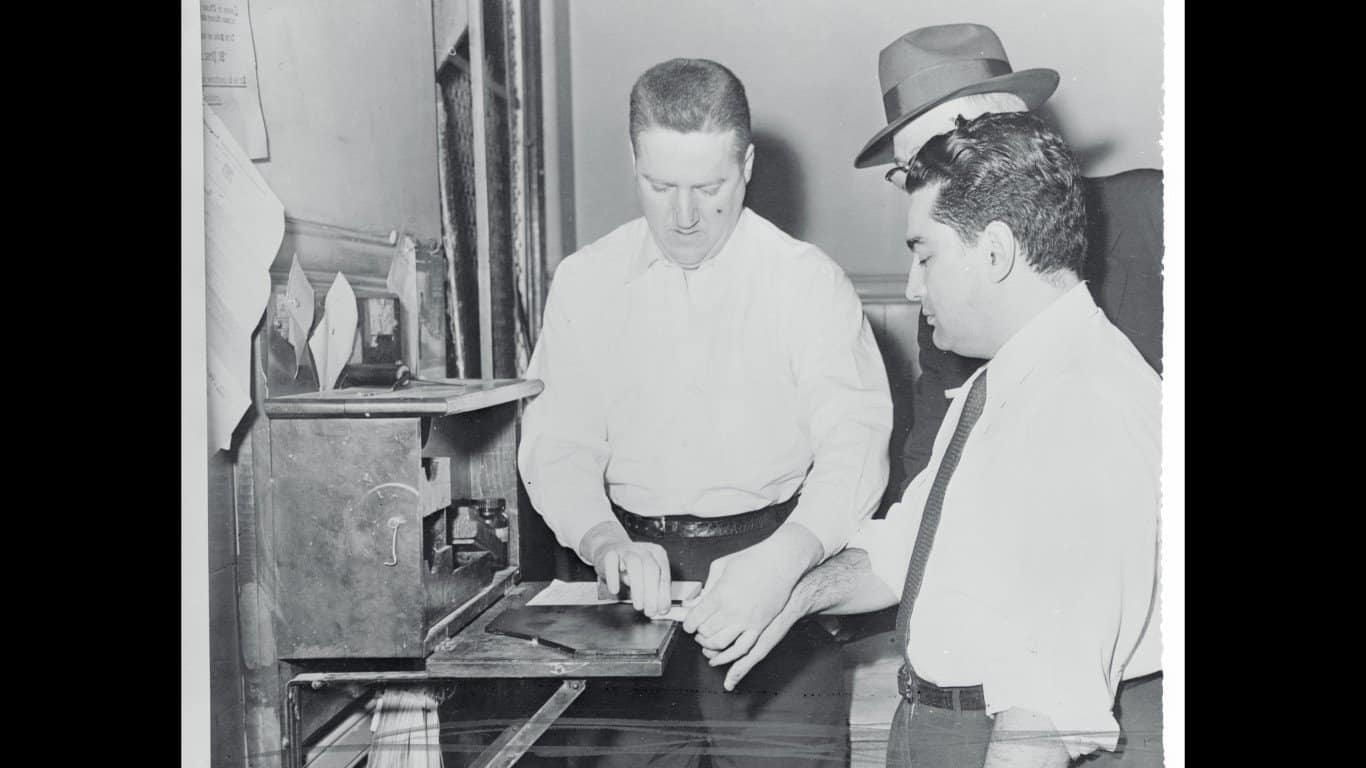
The City College of New York remains the only men’s basketball program to win the NCAA Tournament and National Invitation Tournament in the same year, completing both runs in 1950. The celebration did not last. In 1951, authorities uncovered a sprawling point-shaving operation involving players who accepted money to manipulate scoring margins without necessarily losing the games.
The wider scandal began to unravel after Manhattan College player Junius Kellogg reported a gambler’s attempt to recruit him. Investigators eventually linked CCNY players to gamblers who paid them to keep games within predetermined point spreads. Several games from CCNY’s championship era had been manipulated, even though the team’s NCAA and NIT tournament victories were not stripped.
NCAA historical accounts describe 32 players from seven schools as being implicated in the manipulation of at least 86 games between 1947 and 1950. The schools included CCNY, Long Island University, New York University, Manhattan, Bradley, Toledo, and Kentucky. The scandal badly damaged several prominent programs and helped shift college basketball’s center of gravity away from Madison Square Garden.
Tim Donaghy’s insider bets
- Sport: Basketball
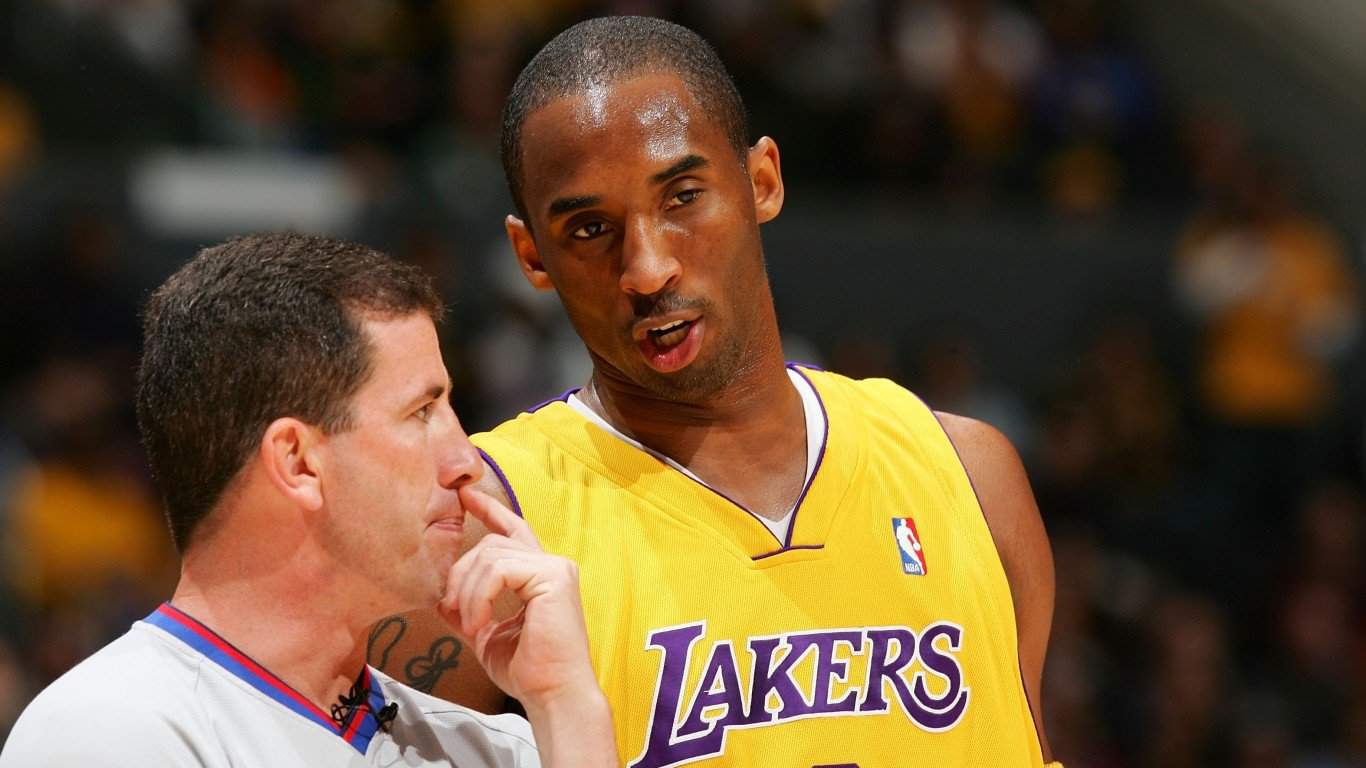
Former NBA referee Tim Donaghy admitted betting on NBA games, including games he officiated. Beginning in late 2006, he also received cash for giving two associates betting recommendations based on nonpublic information available to him as a referee, including officiating assignments, player injuries, and relationships between referees and team personnel.
Donaghy pleaded guilty in August 2007 to conspiracy to commit wire fraud and conspiracy to transmit gambling information. A federal judge sentenced him in 2008 to 15 months in prison. An independent investigation commissioned by the NBA later led the league to strengthen its officiating, monitoring, and game-integrity programs.
Swapping horses for profit

- Sport: Horse racing
Racehorse veterinarian Mark Gerard arranged the purchase of two similar-looking horses from Uruguay. Cinzano was a highly regarded winner valued at $150,000. Lebon, purchased for $450, had struggled badly. After the horses arrived at Gerard’s Long Island farm in 1977, Gerard reported that Cinzano had suffered fatal injuries and had been euthanized.
The surviving horse was entered at Belmont Park under Lebon’s name on Sept. 23, 1977. Listed at odds of 57-1 after a poor previous start in North America, “Lebon” won by four lengths. Gerard collected roughly $77,000 from the betting pool. The horse was later identified as Cinzano; it was Lebon that had died at the farm.
Suspicions raised by people familiar with the two Uruguayan horses exposed the switch. Gerard was convicted on two counts involving fraudulent entries and practices in horse racing, and New York’s highest court upheld the conviction in 1980. It was an elaborate plan, although apparently not elaborate enough to account for people recognizing the horse.
Spain’s Paralympic basketball fraud
- Sport: Paralympics
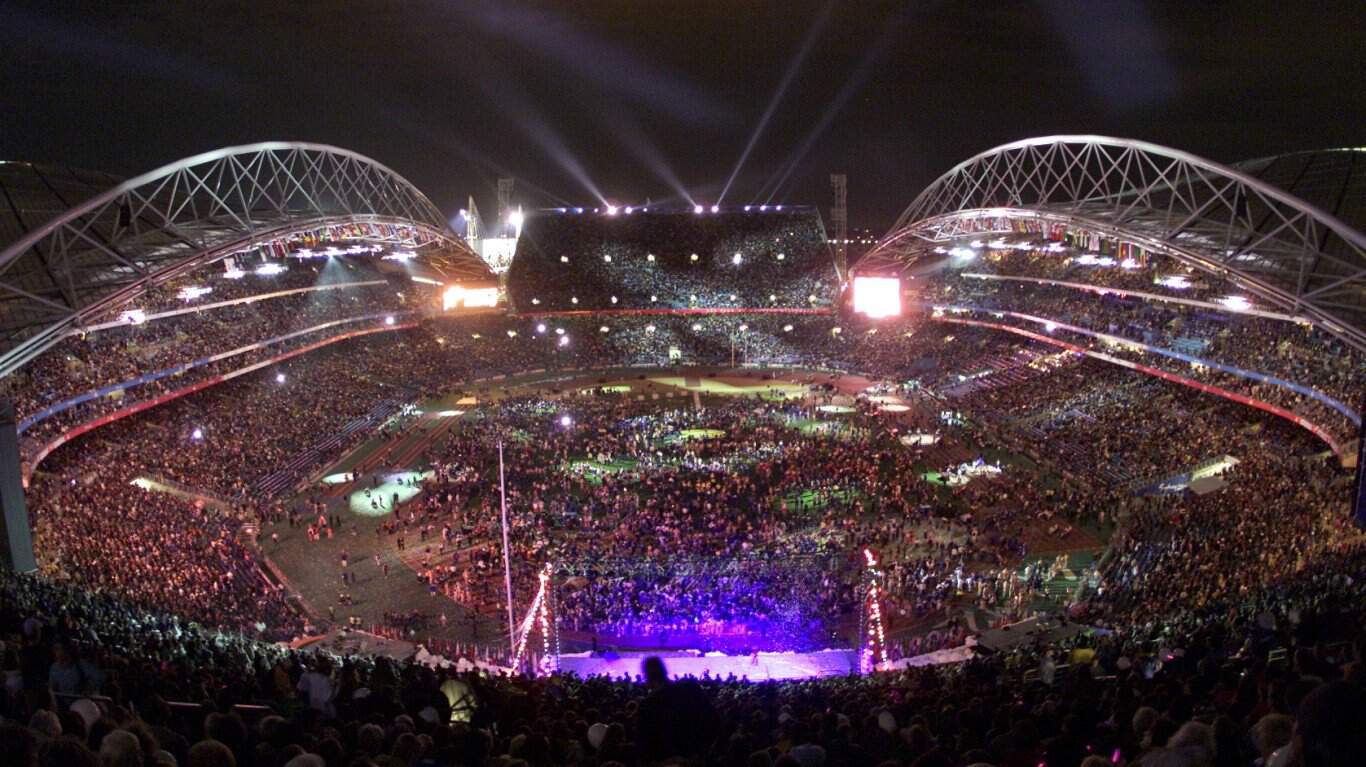
Spain won the Basketball ID tournament for athletes with intellectual impairments at the 2000 Sydney Paralympics. The team was later disqualified after an investigation found that 10 of its 12 players did not have qualifying intellectual impairments. Carlos Ribagorda, a player and undercover journalist, helped expose the scheme after reporting that most team members had not undergone proper eligibility testing.
Spain returned the gold medals. In 2013, former Spanish federation president Fernando Martín Vicente was convicted of fraud, fined 5,400 euros, and ordered to repay more than 142,000 euros in government subsidies. Athletes with intellectual impairments were excluded from the 2004 and 2008 Paralympics while organizers developed a more reliable classification system. They returned in athletics, swimming, and table tennis at the 2012 London Games.
The Black Sox World Series fix

- Sport: Baseball
Eight Chicago White Sox players were accused of conspiring with gamblers to throw the 1919 World Series against the Cincinnati Reds. First baseman Chick Gandil was among the central organizers, while pitchers Eddie Cicotte and Lefty Williams, shortstop Swede Risberg, outfielder Happy Felsch, and several teammates became tied to the scheme. The degree to which every accused player participated—particularly Buck Weaver and “Shoeless” Joe Jackson—has remained a subject of debate.
Cincinnati won the best-of-nine series five games to three. The fix did not become public until nearly a year later, when a broader investigation into gambling in baseball reached the World Series. The eight players went to trial in 1921 and were acquitted, but the courtroom verdict did not settle the matter for Major League Baseball.
Commissioner Kenesaw Mountain Landis banned all eight players for life. Under MLB’s May 2025 policy ending permanent ineligibility upon death, the players are no longer on the active ineligible list, but the Black Sox scandal remains the defining cautionary tale behind baseball’s strict rules against gambling.
The IPL’s 2013 spot-fixing scandal

- Sport: Cricket
In May 2013, Indian police arrested Rajasthan Royals players S. Sreesanth, Ajit Chandila, and Ankeet Chavan over allegations of spot-fixing in the Indian Premier League. Unlike fixing the final result, spot-fixing involves manipulating a particular event within a match—such as deliberately bowling a no-ball or conceding a set number of runs in an over—on which gamblers can place wagers.
Separate betting investigations reached Gurunath Meiyappan, who was found to be a Chennai Super Kings team official, and Rajasthan Royals co-owner Raj Kundra. Players and officials received cricket sanctions, although the related criminal cases produced different outcomes. A court-appointed committee later suspended both the Chennai Super Kings and Rajasthan Royals franchises from the IPL for the 2016 and 2017 seasons.
Salt Lake City’s Olympic bid scandal
- Sport: Olympic Games
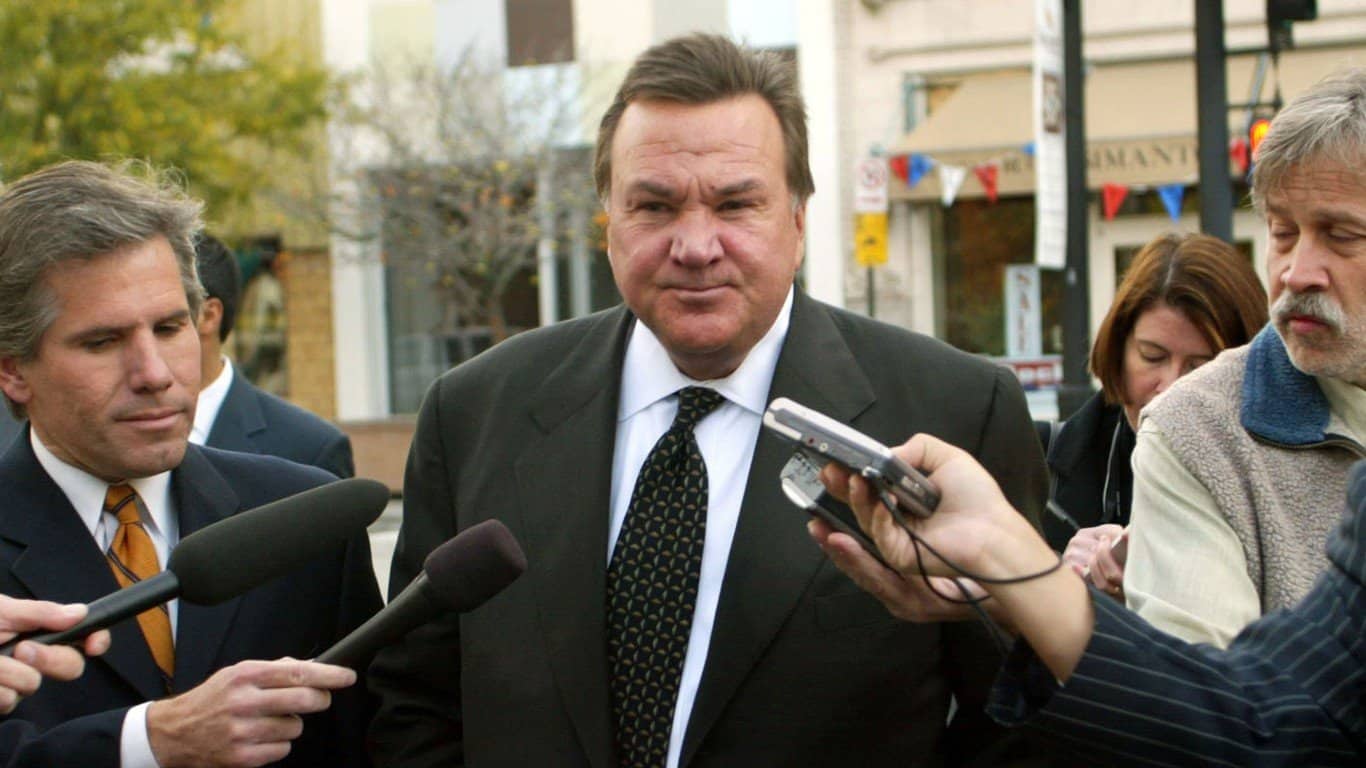
The scandal surrounding Salt Lake City’s successful bid for the 2002 Winter Olympics broke in 1998. Investigations found that bid organizers had provided International Olympic Committee members and their relatives with gifts, travel, scholarships, medical care, jobs, and other financial benefits while seeking their votes.
Several IOC members were expelled or resigned, but Salt Lake City retained the Games after the organizing committee was restructured. The scandal pushed the IOC to tighten rules governing gifts and host-city campaigns, revise its membership practices, and make other changes to a bidding system that had operated with remarkably little sunlight.
World Cup host votes under suspicion

- Sport: Soccer
FIFA awarded the 2018 and 2022 World Cups to Russia and Qatar in December 2010. A 2020 U.S. federal indictment alleged that several FIFA executive committee members were offered or received bribes in exchange for votes connected to the two bids. The allegations included millions of dollars promised or paid for support, although neither host selection was rescinded.
Qatar’s tournament also drew controversy over extreme heat, migrant-worker conditions, and the country’s human rights record. The World Cup was ultimately moved from its traditional midyear window and played from Nov. 20 through Dec. 18, 2022. Those concerns were serious, but they were separate from the criminal allegations surrounding the host vote.
The U.S. Justice Department’s broader FIFA case began publicly in 2015, when prosecutors charged soccer officials and sports-marketing executives in a racketeering scheme involving more than $150 million in alleged bribes and kickbacks. That prosecution largely concerned media and marketing rights rather than the Russia and Qatar votes, though together the investigations exposed a culture in which FIFA business and personal enrichment had become far too comfortable with one another.
The New Orleans Saints’ bounty program

- Sport: American Football
The NFL concluded that the New Orleans Saints operated an improper pay-for-performance and bounty program during the 2009, 2010, and 2011 seasons. Run primarily by defensive coordinator Gregg Williams, the program offered cash rewards for plays that forced opponents from games, including so-called “knockouts” and “cart-offs.” The league also found that Saints personnel tried to conceal the program during its investigation.
The NFL fined the Saints $500,000 and took away second-round draft picks in 2012 and 2013. Williams was suspended indefinitely before being reinstated in 2013, and head coach Sean Payton was suspended for the entire 2012 season. Four players also received suspensions, including a season-long penalty for Jonathan Vilma, but former Commissioner Paul Tagliabue later vacated all of the player discipline on appeal while affirming key findings against three of them.
A USC coach takes money to steer players

- Sport: College Basketball
The University of Southern California had already received major NCAA sanctions in 2010 for violations involving its football, men’s basketball, and women’s tennis programs. In September 2017, the school’s basketball program came under scrutiny again when federal prosecutors charged assistant coach Tony Bland as part of a nationwide college basketball corruption investigation.
Bland admitted accepting a $4,100 cash bribe in exchange for using his influence to steer USC players toward certain financial advisers and business managers after they turned professional. He pleaded guilty to conspiracy to commit bribery in January 2019 and received two years of probation and 100 hours of community service.
In 2021, the NCAA placed USC’s men’s basketball program on two years of probation and fined the school $5,000 plus 1% of the program’s budget. The broader federal investigation produced charges against college coaches, financial advisers, agents, apparel-company representatives, and other figures operating around Division I basketball.
Boston College shaves points
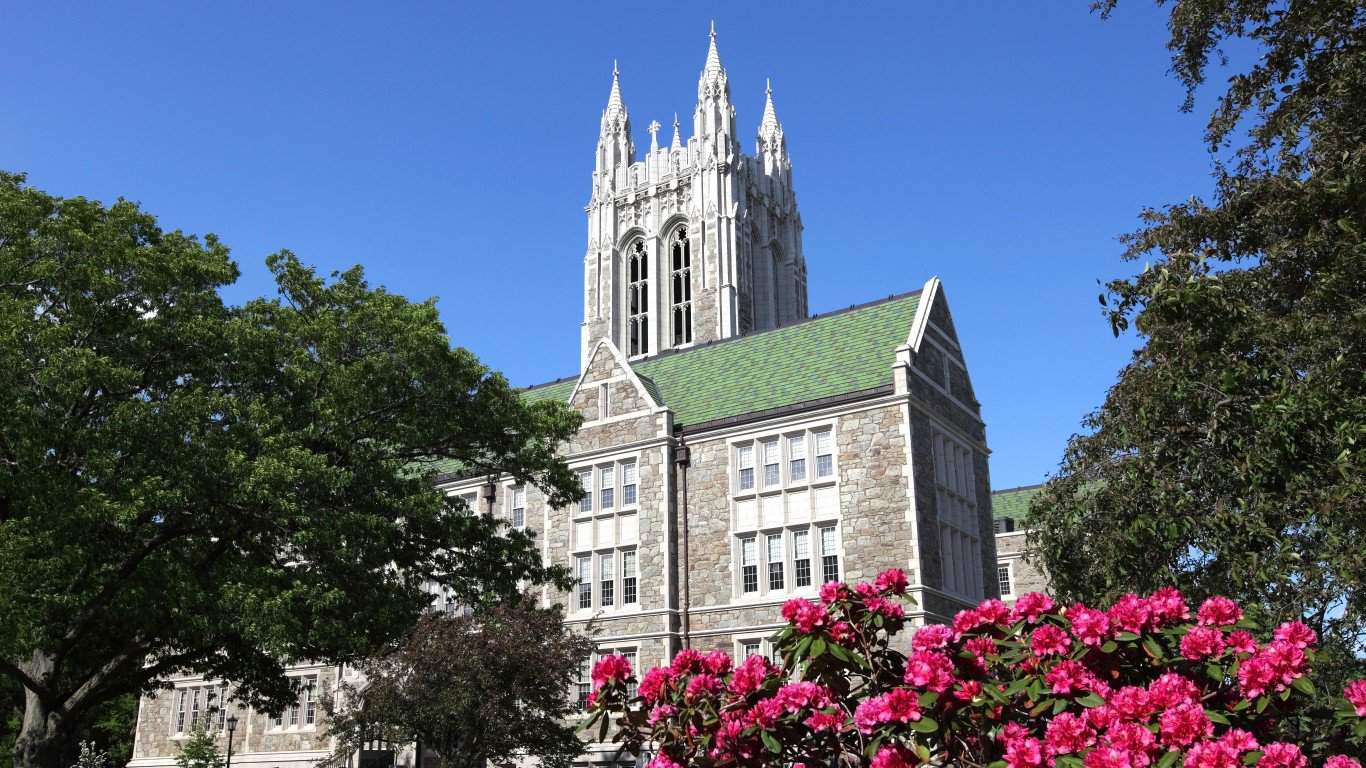
- Sport: College Basketball
During the 1978-79 season, gamblers recruited Boston College players to manipulate the point spreads in several games. The plan did not always require the Eagles to lose. Players could still win while keeping the margin small enough for the gamblers’ preferred bets to pay off. Federal prosecutors ultimately accused the group of trying to fix the spreads in six games.
Brothers Rocco and Anthony Perla helped devise the scheme and recruited Boston College forward Rick Kuhn. The operation later involved organized-crime figures Henry Hill and James Burke. Hill’s life story would become the basis for “Goodfellas,” with Ray Liotta playing him in Martin Scorsese’s 1990 film. Five defendants were convicted in 1981, and Kuhn initially received a 10-year federal prison sentence.
Michigan’s Ed Martin scandal

- Sport: College Basketball
Michigan won the 1989 NCAA men’s basketball championship and reached the title game again in 1992 and 1993. Years later, investigators uncovered extensive financial ties between several Michigan players and Ed Martin, a longtime booster whose money came from an illegal gambling operation.
Martin provided a total of $616,000 in loans to Chris Webber, Robert Traylor, Maurice Taylor, and Louis Bullock. Webber was part of Michigan’s celebrated “Fab Five,” the group of freshmen that reached consecutive national championship games in 1992 and 1993.
Martin pleaded guilty to federal charges connected to his gambling and money-laundering operation but died before sentencing. Michigan vacated its 1992 Final Four appearance, its 1992-93 season, and the seasons from 1995-96 through 1998-99. The university removed banners from its arena, repaid roughly $450,000 in postseason revenue, and imposed other penalties. The NCAA added four years of probation and scholarship reductions.
Webber was indicted on perjury and obstruction charges after denying his financial relationship with Martin before a federal grand jury. He later pleaded guilty to the lesser charge of criminal contempt, avoiding prison. He was ordered to pay a $100,000 fine and complete 300 hours of community service.
Stephen Lee’s match-fixing case

- Sport: Snooker (similar to pool)
Stephen Lee reached No. 5 in the world snooker rankings before betting patterns around his matches drew scrutiny. A police and Gambling Commission investigation ended without criminal charges, but the World Professional Billiards and Snooker Association pursued its own disciplinary case. In 2013, an independent panel found Lee guilty of influencing the outcome or conduct of seven matches played between 2008 and 2009.
The WPBSA said more than £111,000 had been wagered on the matches, producing winnings of more than £97,000 for the bettors involved. Lee received a 12-year suspension calculated from Oct. 12, 2012, and his appeals failed in 2014. The suspension ran through Oct. 12, 2024, effectively consuming what remained of his professional career.