
John A. Anderson/Shutterstock.com
heathbrandon / BY-SA 2.0

Valentina Suarez/iStock via Getty Images

Maxiphoto / iStock via Getty Images

f9photos/iStock via Getty Images
mattk1979 / BY-SA 2.0

Koldunov / Getty Images
Lisic / Shutterstock.com

FGorgun / iStock via Getty Images






Beach Hazards Most Tourists Never Think About
The beach is synonymous with sunshine, waves, and relaxation. And while most people are aware of jellyfish drifting in the surf and potentially oversized waves, many beach-related injuries and emergencies come from hazards that visitors never consider. Some beach goers worry about sharks, but the real dangers are often less dramatic and much more common. Natural elements, wildlife, weather, and even the sand itself can lead to dangerous conditions. Here are eight beach hazards that tourists frequently don’t see coming.
Rip Currents
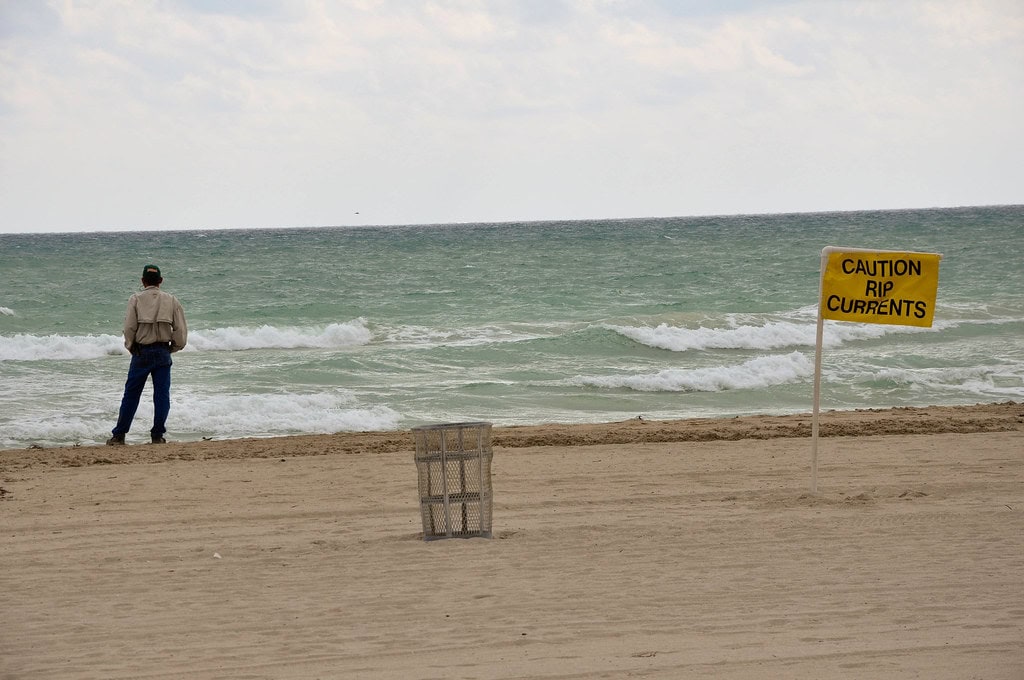
Large waves that knock people down are noticeable from the shore, so people understand when waves are too strong to swim. But rip currents are entirely different, and they rank among the deadliest hazards at beaches around the world. These powerful channels of water run perpendicular to the coastline, and they can pull swimmers away from shore with astonishing speed. By the time a victim realizes they are caught in a rip current, they may be several yards from land. Seeing the great distance, many people instinctually try to swim directly back to the beach. But rip currents are surprisingly strong and victims become exhausted. The safest bet is usually to swim parallel to the shore until free from the powerful stream leading out to sea. Even armed with this knowledge, it’s important to understand that even strong swimmers can find themselves in trouble when caught in a rip current.
Hidden Drop-Offs
Some beaches have underwater ledges where the bottom suddenly drops away. A person wading in waist-deep water can unexpectedly step into much deeper water. The shock is often jarring and panic-inducing, especially for poor swimmers who thought they were merely wading into the shallows. Waves can make falling into these drop-offs even more dangerous, as unexpected waders try to navigate back to stable ground. It’s important to avoid assuming you know the area; these drop-off locations can change from day to day as currents, tides, and storms reshape the shoreline.
Lightning
Many beachgoers pay attention to rain. After all, it’s no fun lounging on the sand in the middle of a downpour. But most people underestimate the danger of lightning. You might think you have another half hour or so before the rain hits, but as storms move in, lightning can strike long before the first raindrops begin to fall. Because beaches are wide-open areas, there is little shelter. A thunderstorm several miles away can still produce dangerous strikes, as lightning is capable of traveling far from a storm. This is why lifeguards often clear beaches long before rain arrives, even when the sun is still peeking out from behind the clouds. Every summer, there are cases of vacationers being struck by lightning after waiting too long to leave the coast.
Hot Sand
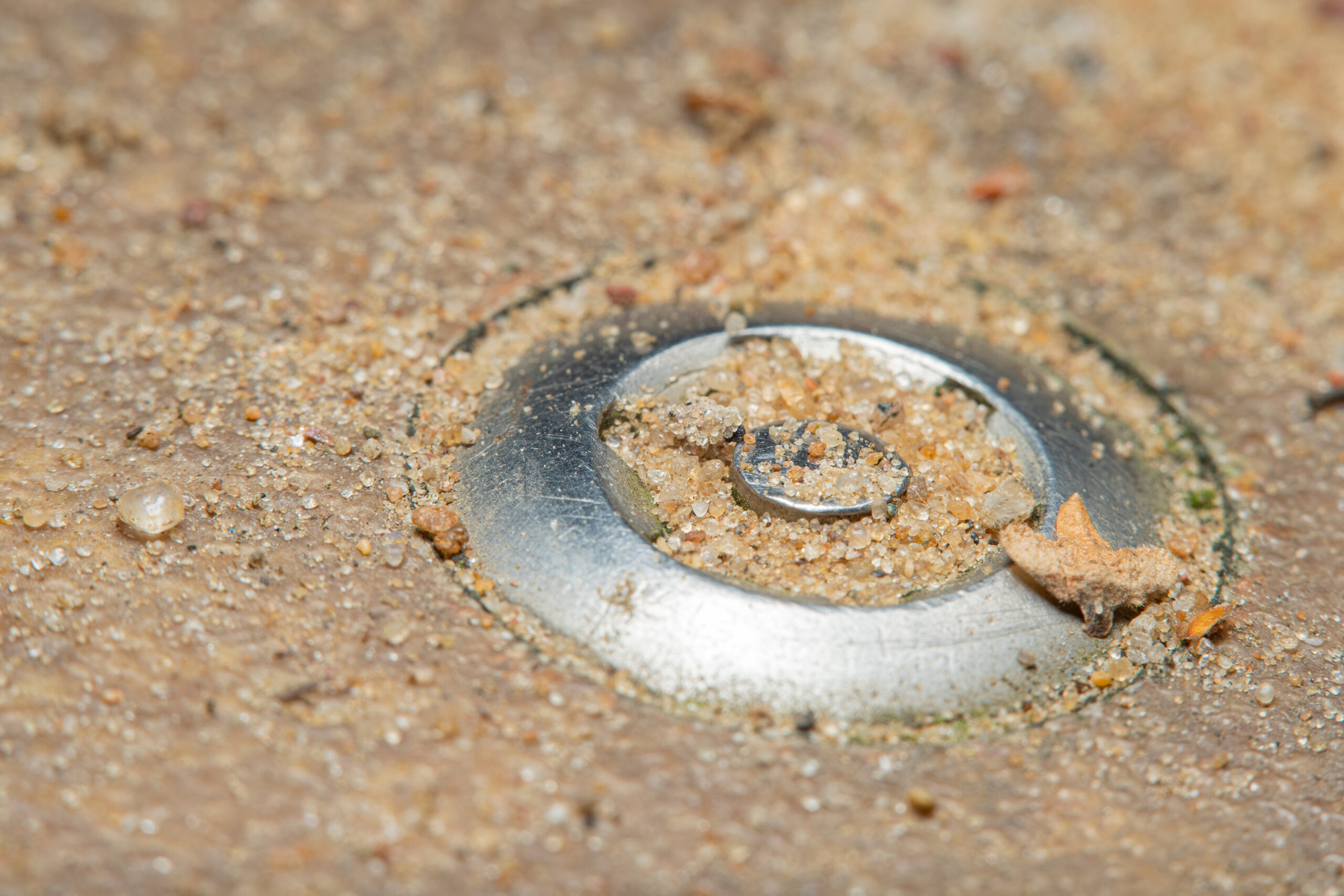
Despite its light reflecting color, sand can become surprisingly hot under the constant rays of direct sunlight. Experienced beachgoers have likely kicked off their flip flops before realizing their mistake. On some summer days, surface sand temperatures can exceed 120 degrees Fahrenheit. Excited children and pets are most at risk, as they may be too eager to reach the water, running onto the beach in bare feet. When sand is scorching hot, burns can occur in a matter of seconds. Sometimes the sand heats up while tourists are taking a dip. They only realize the danger after stepping out of the water.
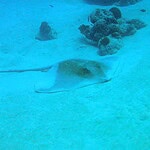
Stingrays
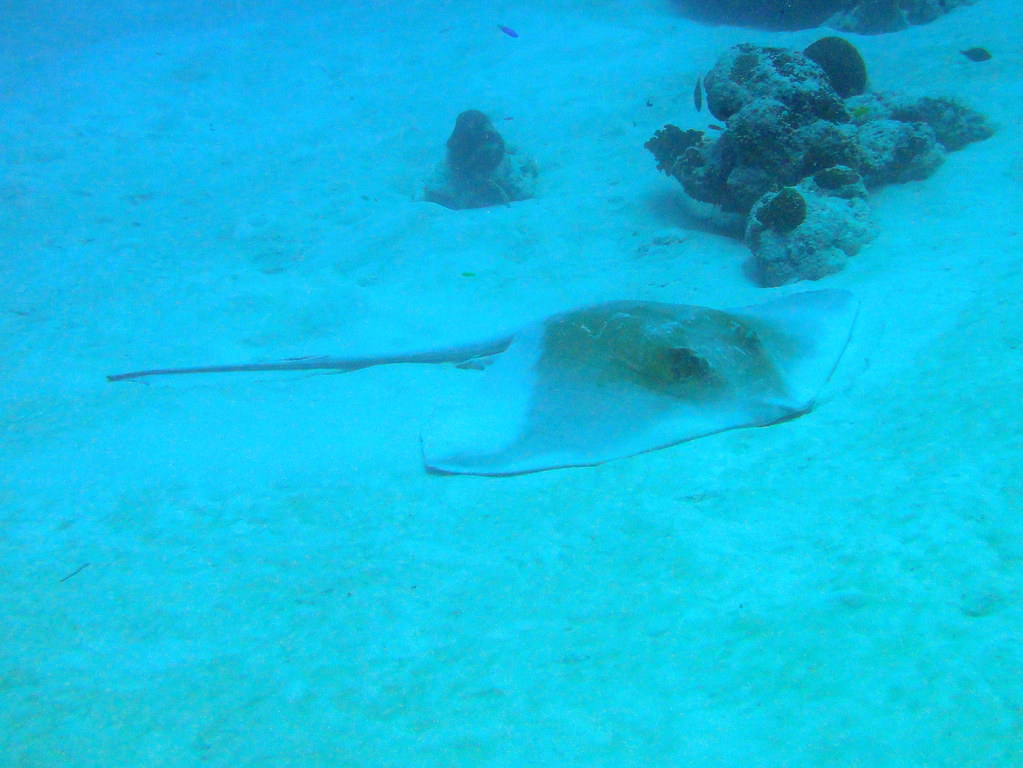
Stingrays often rest buried in shallow coastal waters. Their positioning makes it easy for waders and Swimmers to accidentally step on them without realizing they are there. Startled stingrays don’t know the difference between a harmless human and a predator; they react to sudden contact defensively. The venomous barb on their tails causes a painful sting that will ruin any trip to the beach. locals are privy to the “stingray shuffle," where people slide their feet while entering the water rather than taking steps. The motion helps warn stingrays of approaching humans, reducing risk of surprise encounter
Dehydration
Many tourists assume they are staying hydrated when they aren’t. The cooling effect of coastal breezes and the refreshing ocean water mask how much fluid the body is losing. However, sun exposure, sweating profusely, high temperatures, and physical activity can quickly lead to dehydration. Symptoms such as headaches, dizziness, and fatigue may come on gradually. Vacationers might just assume they’ve had one too many pina coladas. The effects of dehydration can be severe and, in extreme cases, even fatal.
Buried Objects in the Sand
Sandy beaches hide a plethora of objects, some of which can be quite sharp. It is not uncommon for broken shells, sharp rocks, fishing hooks, and even shards of glass to be buried just beneath the sand. Storms and tides can uncover new risks day to day. Because the beach is synonymous with bare feet, injuries often occur when people run shoeless across the sand. Children digging in the sand for fun may also come across sharp objects. Wearing water shoes and advising kiddos can provide extra protection.
Unexpected Wildlife
Many beaches are home to way more wildlife than tourists realize. We mostly focus on the potentially harmful marine animals, like jellyfish and sharks. Many of us fail to consider critters outside the water, like sea lice, biting flies, fire ants. Even aggressive seagulls can create problems. Some are just slightly annoying, while others can genuinely cause injury in the form of bites or stings. Respecting wildlife, using environmentally friendly bug spray, and avoiding feeding animals helps reduce negative encounters.