












The Dam Failure That Unleashed 20 Million Tons of Water in Minutes
The United States has more than 90,000 dams, many of which play a critical role in flood control, water supply, and energy production. While most are carefully engineered and regularly monitored, they are still classified by risk level based on what could happen if something goes wrong. In recent years, aging infrastructure and extreme weather have increased concerns about the safety of some of these structures.
A "high hazard" dam doesn't mean it is likely to fail. Instead, it means that if it did fail, the consequences could be severe, including potential loss of life and widespread property damage. Understanding how these dams are classified helps put into perspective just how serious a major failure can be. Here's a closer look at one of the most significant dam failures and the impact it had.
Are all dams successful?
Over the course of American history, hundreds of dams have failed. Numerous people have died as a result of these failures, which also caused significant property and environmental damage. The risk of fatal dam failures increases as the nation's dams deteriorate and its population rises. In this article, you will find learn about the most devastating dam failure in the United States. We will also discuss the triggers of the dam failure and the aftermath of this tragic incident.
The Most Devastating Dam Failure in the United States
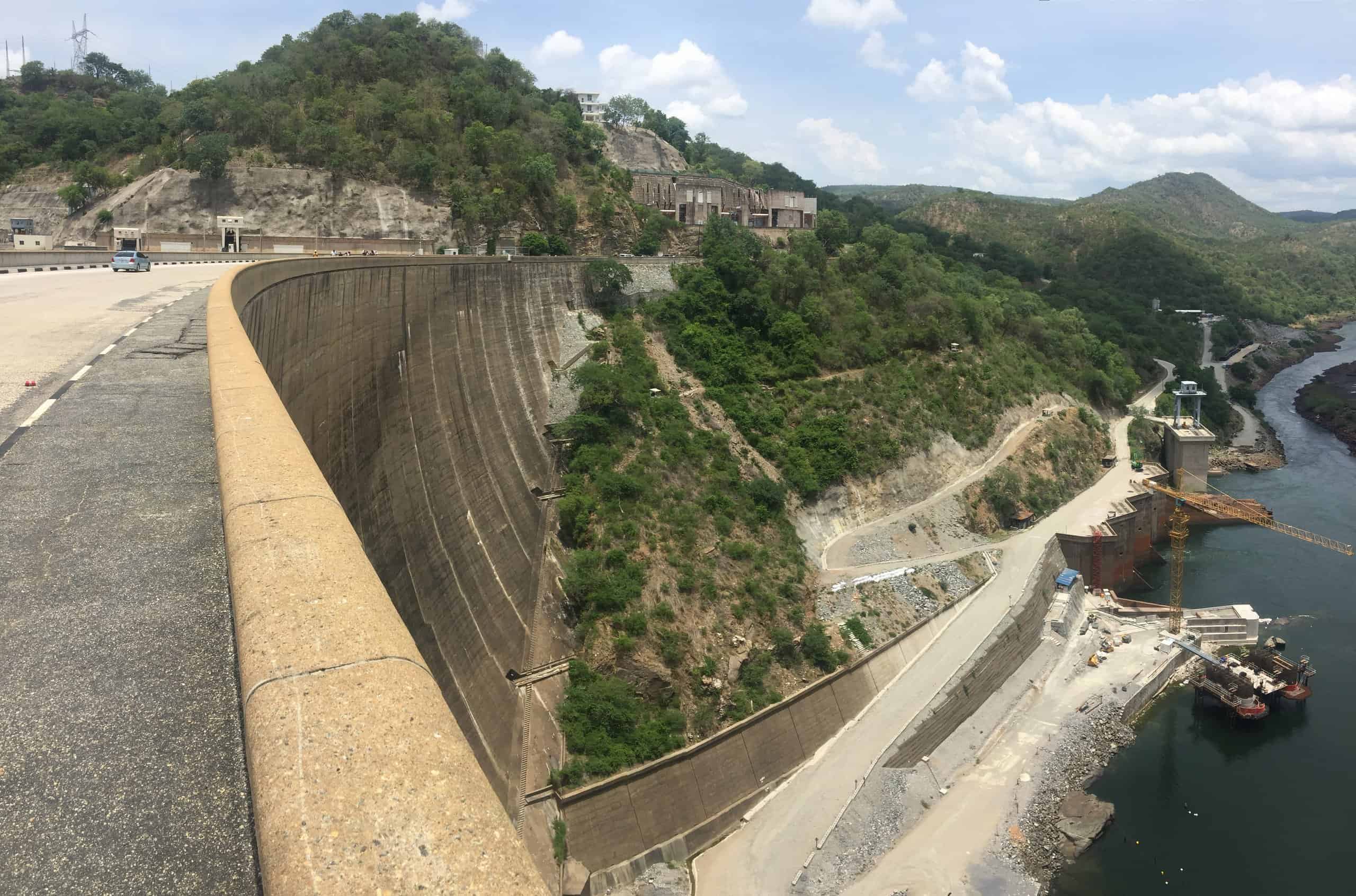
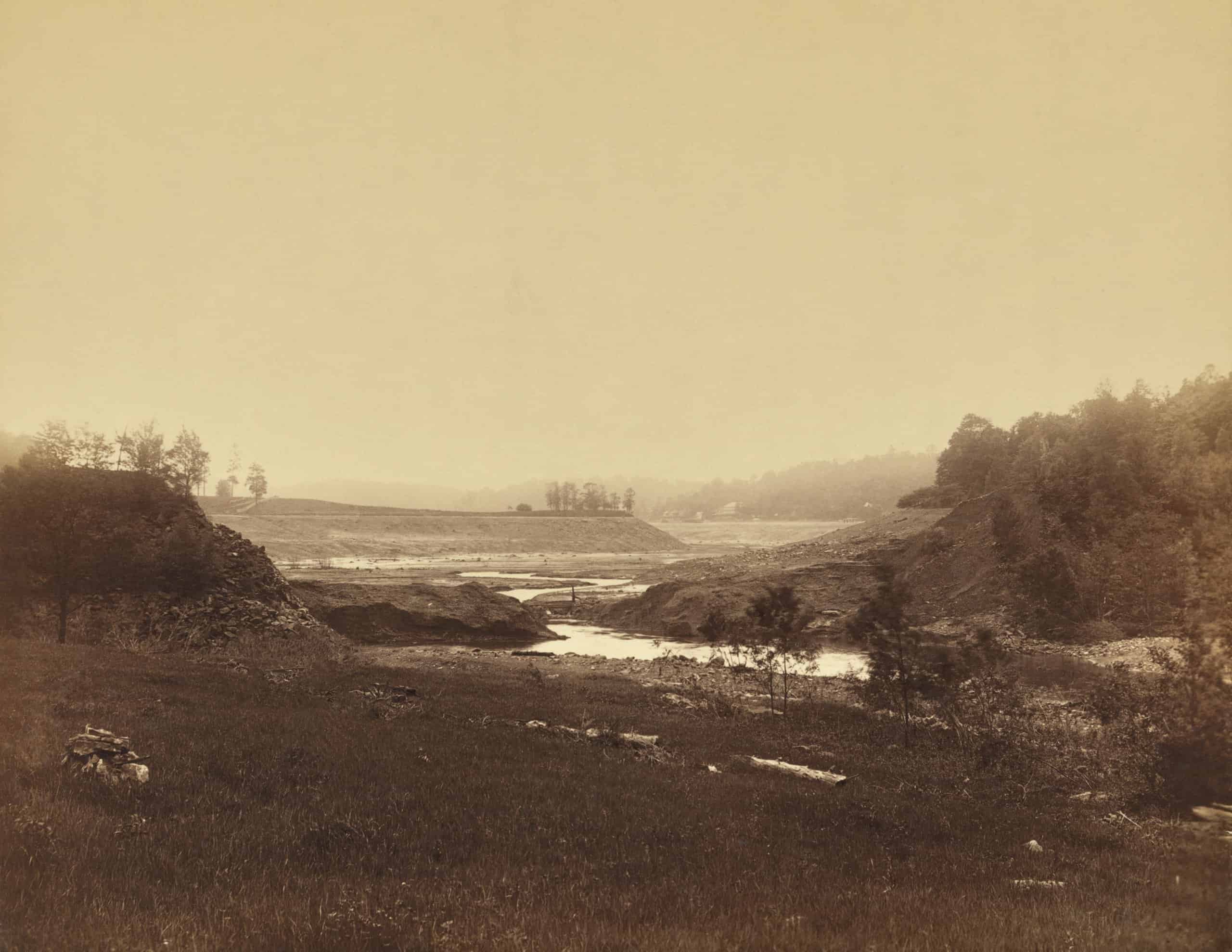
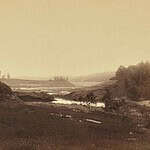
The failure of the South Fork Dam, which affected Johnstown, is currently regarded as the worst dam failure in U.S. history. About eight miles to the east of Johnstown, Pennsylvania, was where the South Fork Dam, a rock and earthen dam, was built. The dam was initially constructed in 1852 with the primary objective of serving as a water source for a canal. The dam was around 918 feet in length, 72 feet in height, 10 feet in width at its crest, and 220 feet in width at its base.
The Most Devastating Dam Failure in the United States (Cont.)
The South Fork Fishing and Hunting Club began in 1881, and between that time and 1889, the dam periodically leaked. However, mud and straw were primarily used to patch things up. Because the dam was close to a thriving community in western Pennsylvania called Johnstown, there were fears that if the dam ever did give way, the town would suffer greatly.
The Most Devastating Dam Failure in the United States (Cont.)
The inhabitants of the dam were also concerned for their safety, and a concerned citizen went as far as personally inspecting the dam and sending a letter highlighting all its flaws to the club. However, his concerns were dismissed.
In May 1889, severe rains started nonstop, and it was at this point the management of the club realized the dam was in danger of giving way. However, because the people of Johnstown had experienced a lot of false alarms, they did not believe the news from the club's management
The Most Devastating Dam Failure in the United States (Cont.)
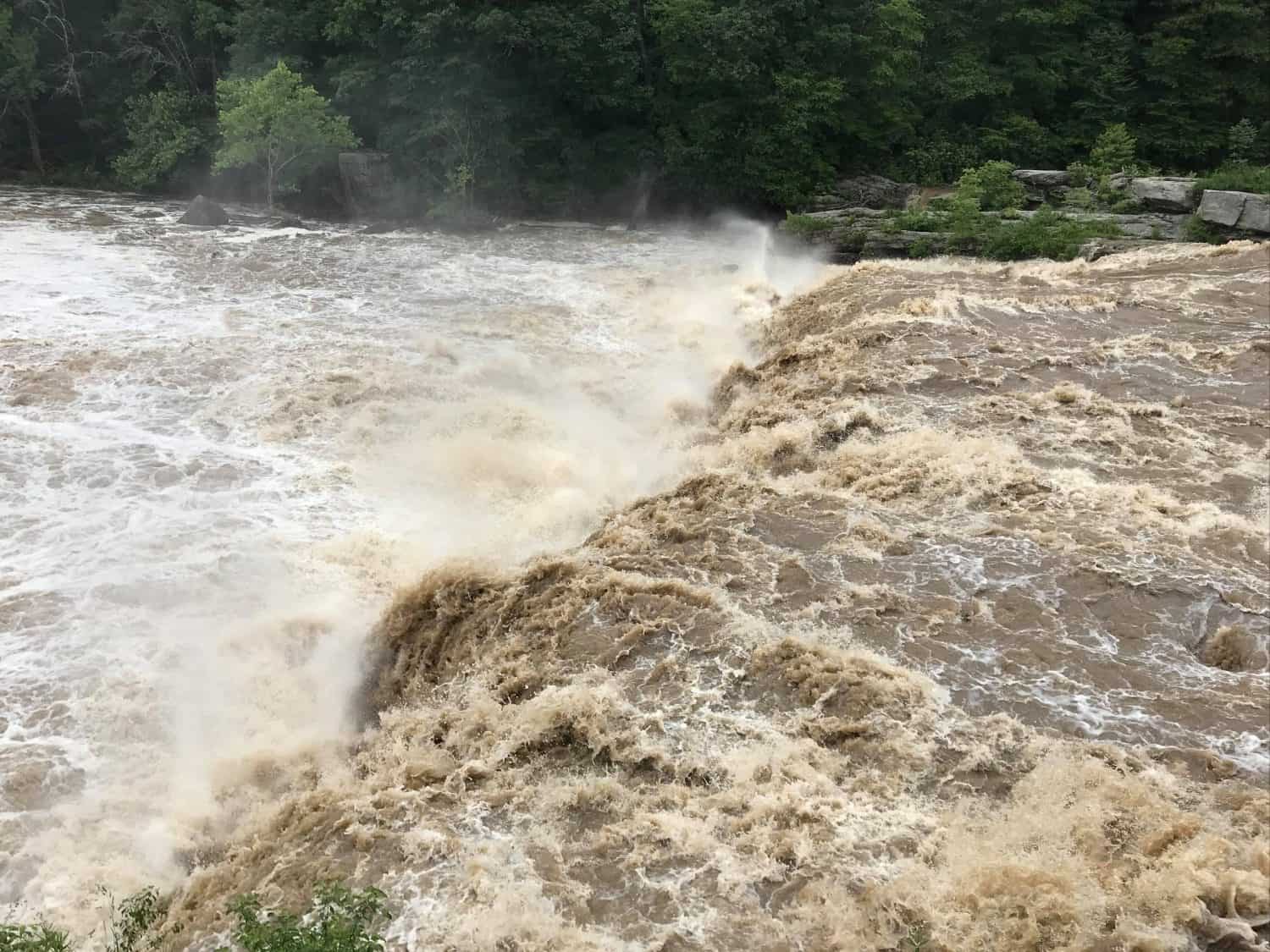
The water gradually went over the dam, and it gave way. On Friday, May 31, 1889, around the afternoon, the water crashed down, and over 20 million tons of water carrying sand and debris flowed into the town. The water flowed into the city and flattened most buildings, killing over 2,200 people, causing the loss of 1,600 homes, and causing over $17 million in property damage.
The Most Devastating Dam Failure in the United States (Cont.)
The flood flattened everything as the mass plowed into the city until it was stopped at the other end of the settlement by a massive stone bridge. The stone bridge was sturdy but caused its own calamity. The water backed up over the city, and as a result, caused water to flow back into the city. Then, a fire started and spread across the entire pile of properties that were already flattened by the flood.
What Caused the South Fork Dam Failure?
Generally, to date, the South Fork Fishing and Hunting Club is seen as the cause of the dam's failure. The owners of the club madechanges to the dam for the enjoyment of their private members.
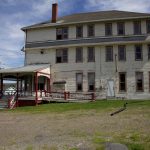
Although the club regularly maintained the dam, they still made some risky changes. To prevent the pricey fish from eluding capture, fish screens were constructed across the spillway. The club owners also removed a small portion of the dam, lowering it to allow more than one carriage to travel the path to the clubhouse, leaving the dam only a few feet above the spillway.
What Caused the South Fork Dam Failure? (Cont.)
Rustic cottages were also erected close to the relief pipes and valves that managed the water level and spill-off from the original dam. The club never erected the drainage pipes again, preventing the reservoir from being drained. Because of all these modifications and some more, the leaks from the dam became worse.
What Caused the South Fork Dam Failure? (Cont.)
Apart from several modifications, the club management also ignored warnings from concerned citizens of Johnstown. Daniel Morrell, one of Johnstown's most well-known civic leaders, even had the dam inspected and wrote to the club pointing out significant faults, including the lack of a proper water outflow, but his objections were simply rejected.
What Caused the South Fork Dam Failure? (Cont.)
South Fork, Mineral Point, Woodvale, and East Conemaugh were utterly destroyed by the torrent of 4.8 billion gallons of water (a little over20 million tons) anddebris in just 10 minutes. The mass of wreckage was a wave 45 feet tall, over a half mile wide, and moving at 40 miles per hour by the time the roaring waters hit Johnstown.
Where Is Johnstown Located on a Map?
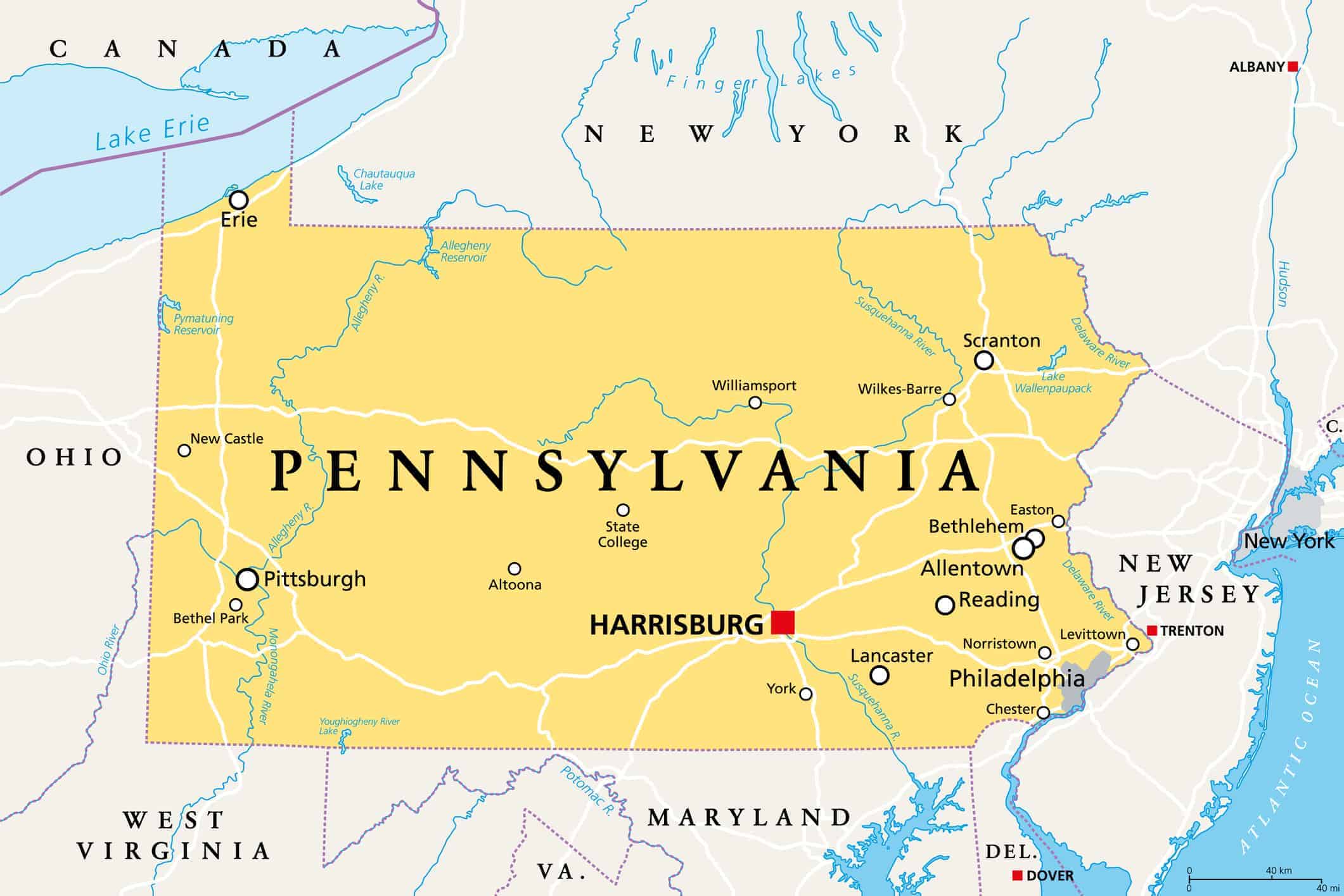
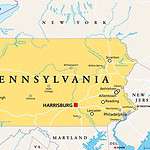
Johnstown, Pennsylvania is located 57 miles east of Pittsburgh and is the principal city of the Johnstown metropolitan area, which includes Cambria County. The Johnstown Flood Museum offers visitors an opportunity to view artifacts, photos, and information concerning the devastating flood of 1889.
The image featured at the top of this post is ©CMS Photography/Shutterstock.com.