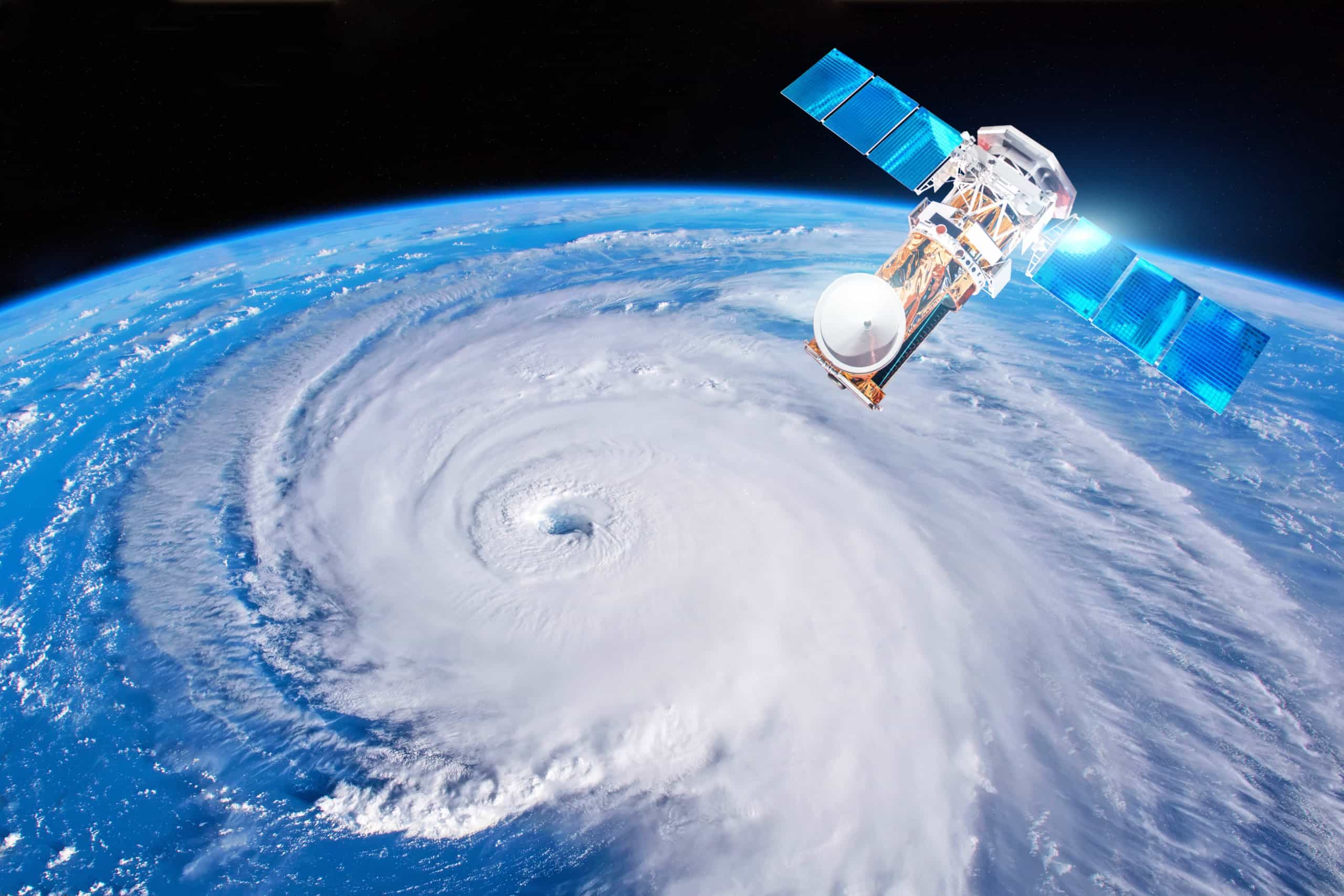
Hurricanes remain among nature’s most destructive storms, capable of bringing torrential rain, dangerous flooding, storm surge, tornadoes, and winds strong enough to seriously damage homes and entire communities. Modern forecasting gives people far more warning than they once had, but hurricane tracks and intensity can still change, sometimes significantly, as a storm approaches. That makes preparing before a hurricane arrives one of the most important things anyone in a vulnerable area can do.
The 2026 Atlantic hurricane season has been relatively quiet so far. As of Aug. 12, Tropical Storm Cristobal became the third named storm of the season, following Arthur and Bertha, and none had reached hurricane strength. NOAA also lowered its expectations for the season in an Aug. 6 update, giving 2026 a 75% chance of finishing below normal. The agency now expects seven to 13 named storms, two to six hurricanes, and up to two major hurricanes. The Atlantic hurricane season runs through Nov. 30, however, and NOAA notes that most activity typically occurs during August, September, and October.
A quieter forecast is no reason to let your guard down. A single hurricane or tropical storm can cause a disaster regardless of how active the overall season turns out to be. To create this list of hurricane survival tips, 24/7 Tempo reviewed safety recommendations from the National Weather Service, NOAA, the American Red Cross, the Centers for Disease Control and Prevention, and the U.S. Department of Agriculture.
Prepare for the Hurricane Ahead of Time
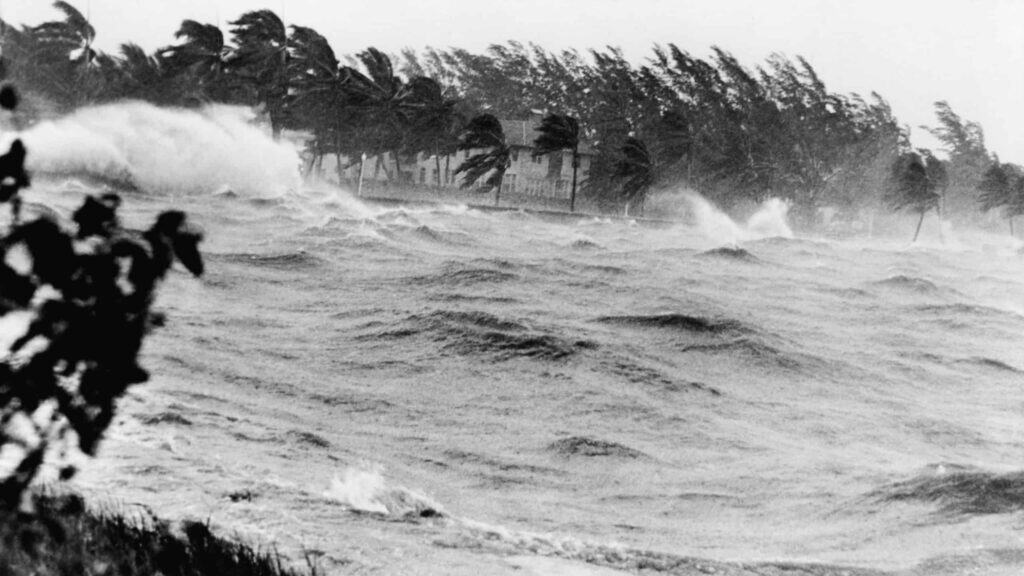
The best time to prepare for a hurricane is long before one is bearing down on your community. Once a storm is close, stores can become crowded, supplies may disappear quickly, gas stations can develop long lines, and outdoor preparations can become dangerous as the wind increases.
Start by finding out whether your home is in a hurricane evacuation or storm-surge zone. Create a family emergency plan that covers where you will go, how you will get there, and how family members will contact each other if separated. The National Weather Service also recommends checking emergency equipment, reviewing insurance coverage, and understanding local hurricane watches and warnings before the season begins.
If a storm is approaching, secure loose outdoor objects and protect windows before conditions deteriorate. Permanent storm shutters offer strong protection, while the National Weather Service recommends properly fitted 5/8-inch exterior-grade or marine plywood as an alternative for covering windows.
Keep Your Emergency Plan and Kit Handy
An emergency kit should contain more than a flashlight and a few batteries. You may lose electricity, running water, internet access, or the ability to reach a grocery store for an extended period after a major storm.
The American Red Cross recommends keeping at least one gallon of water per person per day, with a three-day supply available for evacuation and a two-week supply for staying at home. A kit should also include nonperishable food, flashlights, extra batteries, a battery-powered or hand-crank radio, first-aid supplies, medications, phone chargers, copies of important documents, cash, and anything needed by children, older adults, people with disabilities, or pets.
Keep a smaller “go kit” ready if you might need to evacuate. Important documents such as identification, insurance information, prescriptions, and medical records should be protected from water and easy to take with you. Keeping your vehicle fueled as a storm approaches can also make a major difference if an evacuation order is issued.
Evacuate When Officials Tell You To
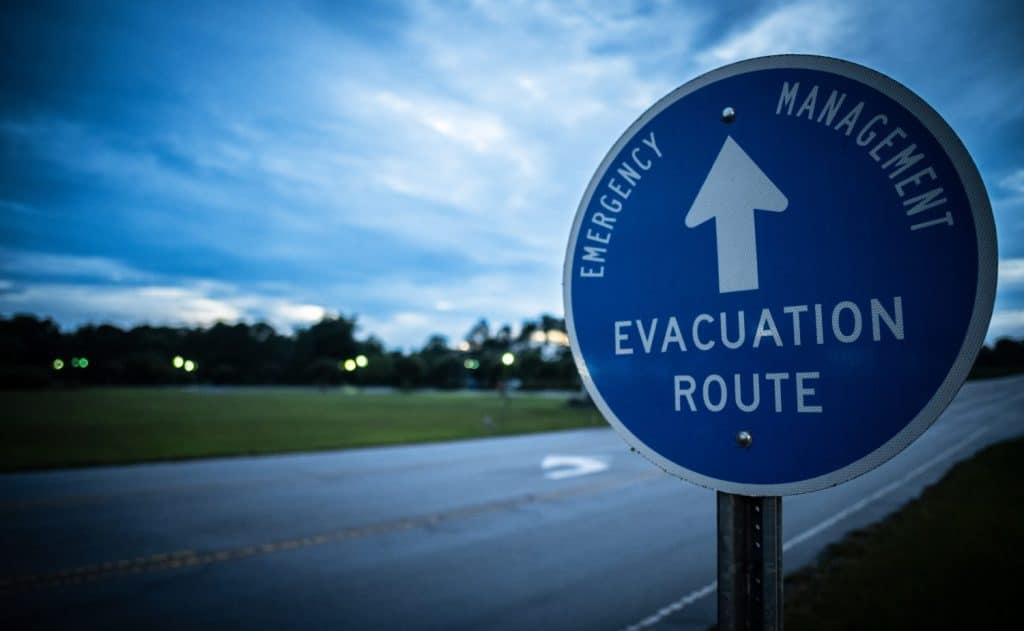
Not every hurricane requires every resident in its path to evacuate. Officials typically issue evacuation orders according to risks such as storm surge, flooding, and expected conditions in particular communities. If authorities tell you to leave, however, don’t wait until conditions deteriorate.
The National Weather Service recommends leaving immediately when ordered and allowing enough time to reach a safe location before tropical-storm-force winds arrive. Waiting until the last minute can leave you dealing with heavy traffic, flooded roads, falling debris, closed bridges, or conditions that are simply too dangerous for travel.
Know in advance where you could stay. Depending on your circumstances, that might be with friends or relatives outside the affected area, at a hotel, or at an emergency shelter. Mobile homes, manufactured homes, trailers, and RVs should not be considered safe shelter from tropical-storm or hurricane-force winds.
Stay Indoors in a Safe Area
If officials have not ordered you to evacuate and it is safe to remain at home, stay indoors once hurricane conditions begin. Don’t go outside to see how strong the wind is or to check damage while the storm is still underway.
The National Weather Service recommends taking shelter in a small interior room, closet, or hallway, with as many walls as possible between you and the outdoors. Stay away from windows, skylights, and glass doors.
The safest location can depend on the hazards where you live. The American Red Cross recommends a small, interior, windowless room in a sturdy building on the lowest level that is not likely to flood. If your location is vulnerable to flooding, you should have a plan for moving to higher ground before floodwaters reach you.
Keep Away From the Windows
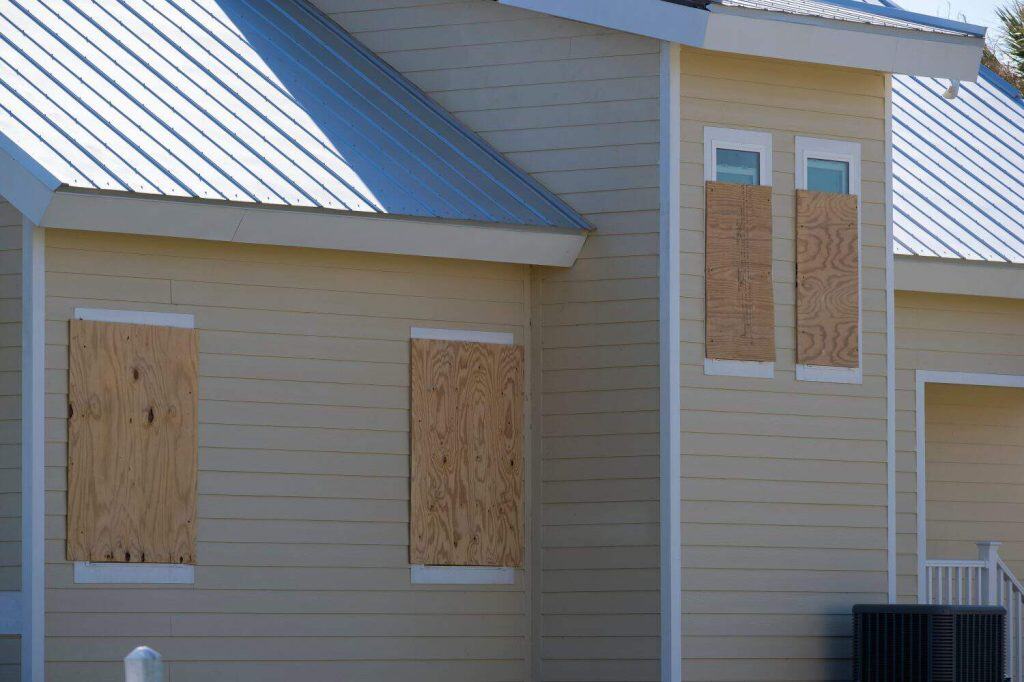
It can be tempting to look outside when a hurricane arrives, but windows are one of the last places you want to be during extreme winds. Flying branches, roof materials, signs, and other debris can break glass and send dangerous fragments into a home.
Stay away from windows even if they have been covered before the storm. The National Weather Service specifically advises sheltering away from windows, skylights, and glass doors during hurricane conditions.
Window protection should also be handled before the storm arrives. Once tropical-storm-force winds begin, going outside to install plywood, move patio furniture, or make other last-minute fixes can put you in unnecessary danger.
Get Alerts for News and Emergency Updates
Weather conditions and evacuation instructions can change quickly during a hurricane, so staying informed is essential. Follow alerts from local emergency-management agencies and the National Weather Service, and pay attention to instructions from local officials rather than relying solely on social media posts or forecasts you saw hours earlier.
Charge phones and other devices before the storm arrives. A portable power bank can help keep a phone working during an outage, but a battery-powered or hand-crank radio is also useful if cell service or internet access goes down.
The National Weather Service recommends monitoring local government and emergency-management information, NOAA Weather Radio, television, radio, and official weather sources for the latest storm information. The Red Cross also recommends including a radio, extra batteries, phone chargers, and emergency contact information in your disaster kit.
Stay Away From Floodwater
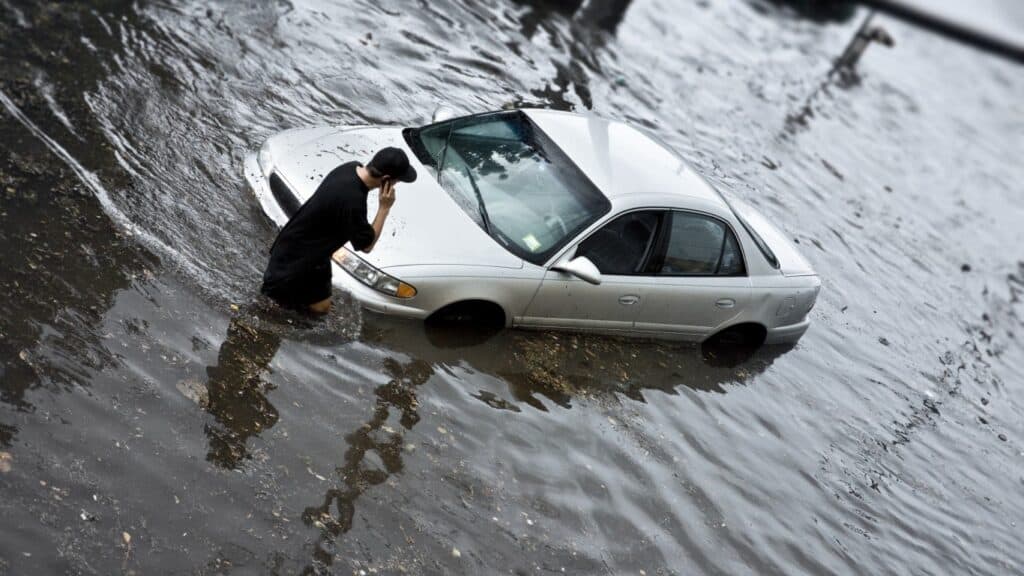
Wind may get much of the attention during a hurricane, but flooding can be every bit as dangerous. Never assume water covering a road or walkway is shallow enough to cross safely.
Just six inches of fast-moving water can knock an adult off their feet. About 12 inches can carry away a small car, while roughly 18 to 24 inches can sweep away many larger vehicles. Water can also conceal washed-out pavement, sharp objects, downed power lines, sewage, and other hazards.
Never walk, swim, or drive through floodwater. If you encounter a flooded roadway, turn around and find another route. Flood depths and currents can change rapidly, and it is nearly impossible to judge the condition of the road underneath simply by looking at the surface.
Keep the Fridge and Freezer Closed
A prolonged power outage can turn the food in your refrigerator into another post-storm problem. If the electricity goes out, keep the refrigerator and freezer doors closed as much as possible.
According to the USDA, an unopened refrigerator will generally keep food safely cold for about four hours. A full freezer can maintain a safe temperature for roughly 48 hours, while a half-full freezer will generally remain cold for about 24 hours if the door stays shut.
If an outage lasts longer, refrigerated perishable foods such as meat, poultry, seafood, milk, eggs, soft cheeses, deli items, and leftovers may need to be moved to a cooler with ice or discarded. Food that has been above 40 degrees Fahrenheit for two hours or longer should be thrown away. Never taste food to determine whether it is safe.
Never Operate Your Generator Indoors
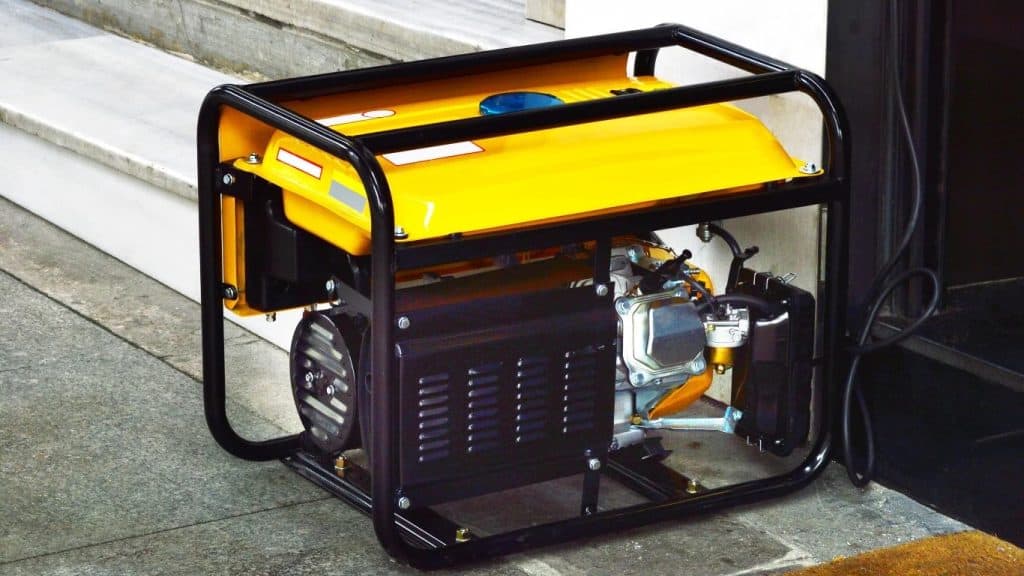
A portable generator can make a long power outage much more manageable, but using one incorrectly can be deadly. Generators produce carbon monoxide, an odorless and colorless gas that can cause sudden illness or death.
Never run a portable generator inside a house, basement, garage, or other enclosed space, even if doors or windows are open. The CDC recommends operating generators outdoors and more than 20 feet from windows, doors, and vents. Homes using generators should also have working battery-powered or battery-backup carbon monoxide detectors.
Keep generators dry and follow the manufacturer’s instructions. If anyone begins feeling dizzy, weak, nauseated, or otherwise ill while a generator is operating, move to fresh air immediately and seek emergency assistance.
Don’t Be Fooled by the Eye of the Storm
One of the strangest parts of a hurricane can occur when its eye moves overhead. Winds may suddenly decrease, and conditions can become surprisingly calm, giving the impression that the storm has ended.
It hasn’t.
The eye is the relatively calm center of a hurricane. The strongest winds and heaviest rain are typically found around the eyewall surrounding it. If the eye passes directly over your location, that temporary calm can end quickly as the opposite side of the storm arrives.
Stay indoors and remain in your safe location. The National Weather Service warns that after the eye passes, winds can rapidly return to hurricane force, this time blowing from the opposite direction. Wait until local authorities say the storm has passed and conditions are safe before venturing outside.