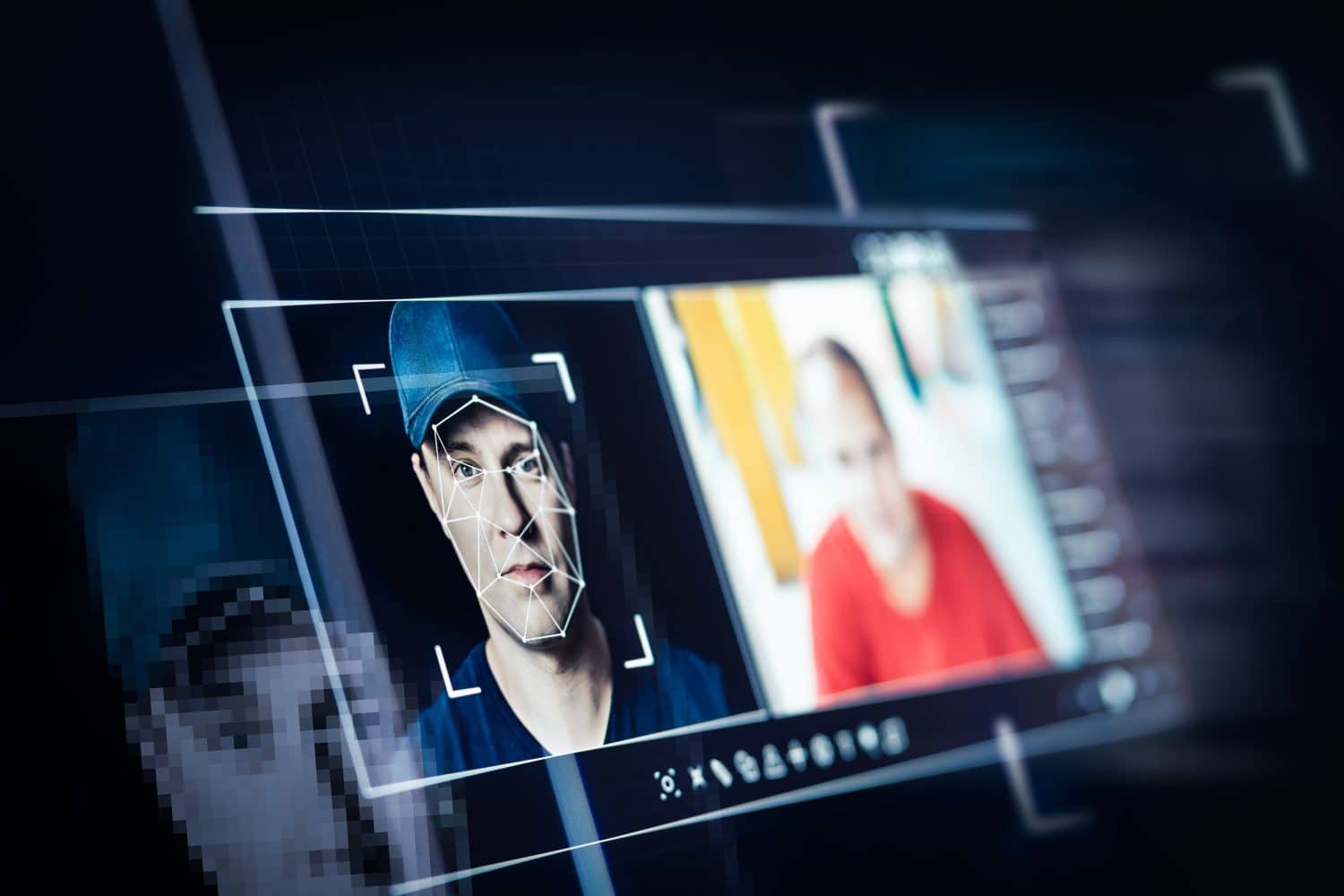
Tero Vesalainen / Shutterstock.com
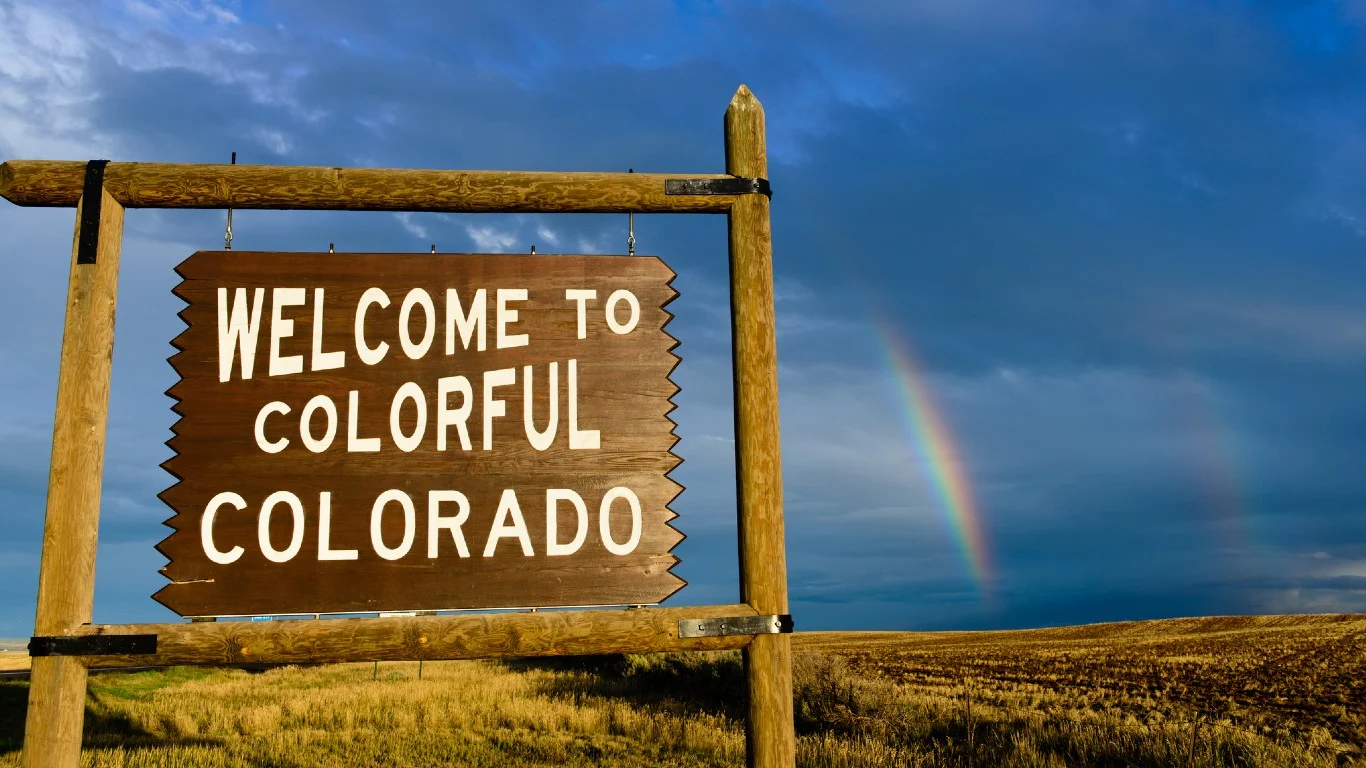
WhitneyLewisPhotography / Getty Images
Markue/Shutterstock.com

Marcio Jose Bastos Silva/ Shutterstock
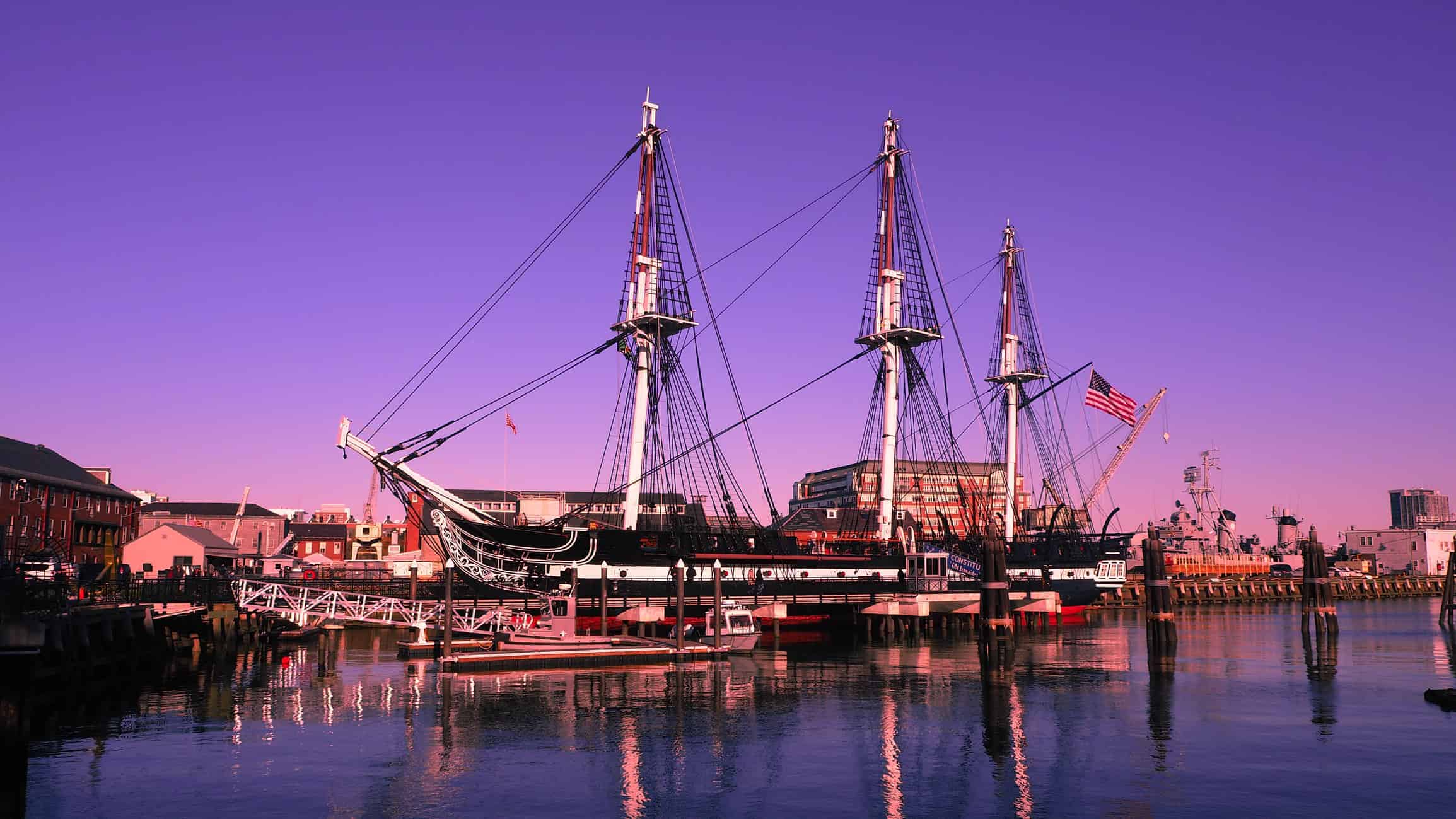
Benyapha soomhirun/ via Getty Images
Rudy Balasko / Shutterstock.com
Sean Pavone/iStock via Getty Images
Tobin Akehurst / Shutterstock.com
Sean Pavone / Shutterstock.com

BCFC
BOB WESTON / iStock via Getty Images
Jon Bilous / Shutterstock.com

AUDREY SCRIPP/iStock via Getty Images
okimo / iStock via Getty Images
Willyam Bradberry/Shutterstock.com

halbergman / E+ via Getty Images
SkyguardLLC / Shutterstock.com

Juancat/Shutterstock
Belyay/iStock.com
TZIDO SUN/ Shutterstock
Ultima_Gaina/iStock via Getty Images
Sean Pavone/Shutterstock
Sean Pavone/iStock.com






















11 States Most Curious About Deepfake Technology
Remember when seeing was believing? Artificial intelligence has made that a whole lot more complicated. Today, a convincing video can show someone saying words they never spoke, while an AI-generated recording can sound remarkably like a friend or family member. These creations are known as deepfakes, and separating the real from the artificial isn't always easy.
Deepfakes aren't automatically malicious. The technology can be used for entertainment, creative projects, and visual effects. The trouble begins when someone uses it to impersonate another person, spread misinformation, or create images without someone's consent. Scammers can even use short audio clips to imitate familiar voices during fake emergency calls, according to the Federal Trade Commission.
So where were Americans paying the most attention? Video-editing company Kapwing examined Google search activity across the United States using data through December 2024. Researchers measured searches for the term "deepfake" per million internet users, allowing states of different sizes to be compared more fairly. The results revealed some interesting geographic differences.
There's an important distinction here: searching for deepfakes doesn't necessarily mean someone fears the technology. They might be researching a scam, reading about artificial intelligence, or simply curious about a viral video. These rankings represent a historical snapshot of search interest, not a current measure of public fear or deepfake crime. Still, with lawmakers continuing to address synthetic media and new federal protections taking effect in 2026, the subject is more relevant than ever.
#11 Colorado
Colorado rounds out our expanded list with 221 Google searches for "deepfake" per million internet users. That's enough to put the state just outside the original top 10 in Kapwing's research. Of course, someone looking up the term could be curious about anything from AI-generated celebrity videos to increasingly convincing online scams. The search data doesn't tell us exactly what motivated those searches, but it offers a snapshot of public interest as the technology was becoming more familiar.
Colorado (continued)
Colorado has since taken action on one particularly troubling use of artificial intelligence. In 2025, lawmakers enacted Senate Bill 288, addressing certain nonconsensual intimate digital depictions and providing civil remedies for people harmed by them. The law recognizes that a fabricated image can still cause very real damage. That's worth remembering whenever something shocking appears in your feed. An image doesn't have to document a real event to hurt the person depicted in it.
#10 Massachusetts
Massachusetts takes the tenth spot with 229 deepfake searches per million internet users. The most unsettling thing about this technology might be how little effort it can take to make an ordinary person appear to do something they never did. A convincing fake doesn't have to involve a movie star or politician. A personal photograph, a recorded voice, or a social media video could become material for someone trying to impersonate or embarrass another person.
Massachusetts (continued)
Massachusetts already has legal protections addressing certain digitally fabricated intimate images. The state's criminal harassment statute includes specified circumstances involving the harmful distribution of intimate visual material created through digitization. In August 2025, the state's attorney general also joined other state attorneys general in calling for stronger protections against nonconsensual deepfake imagery. It's a reminder that the debate has moved far beyond whether a fake video looks realistic. The bigger question is what happens to the people whose identities are misused.
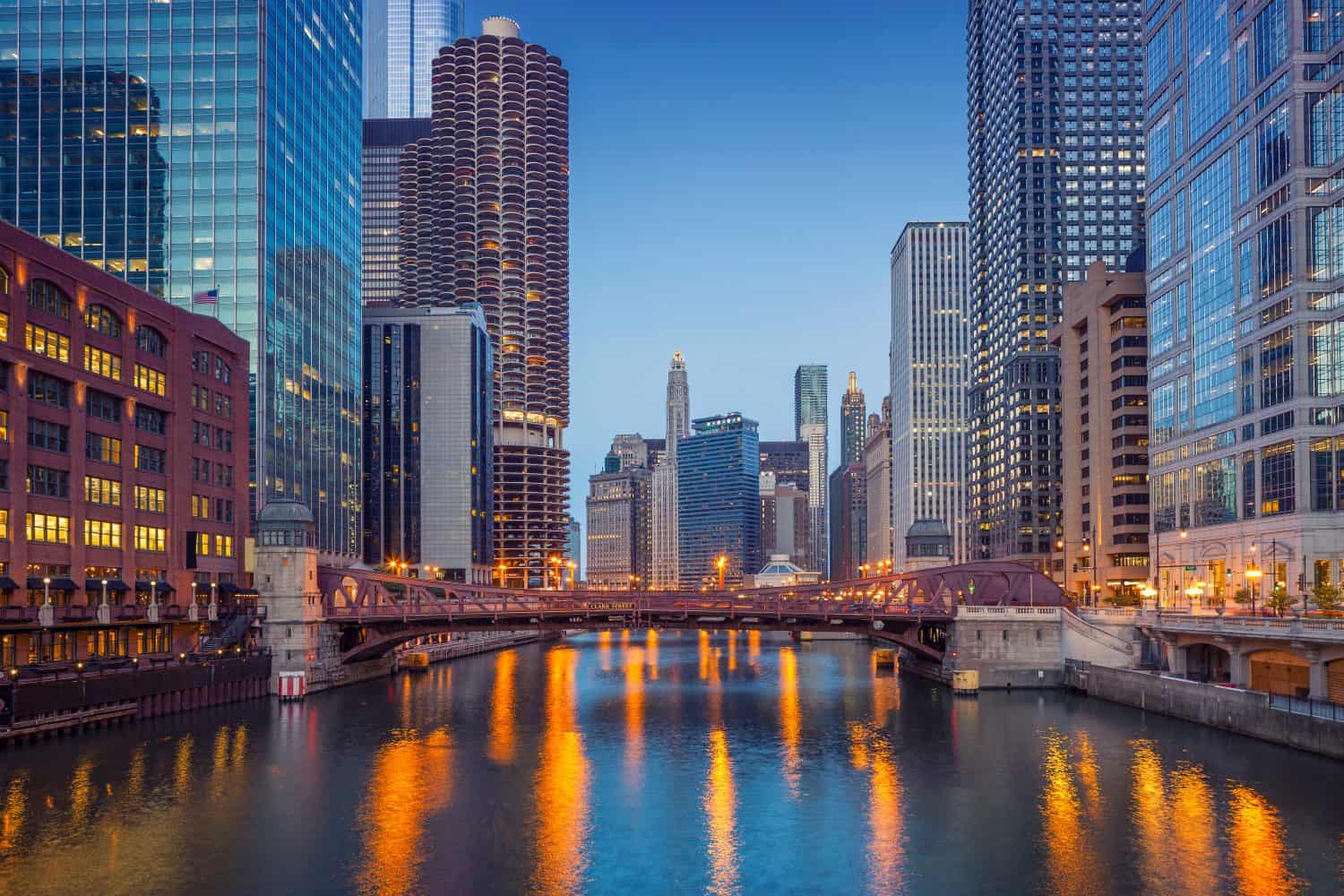
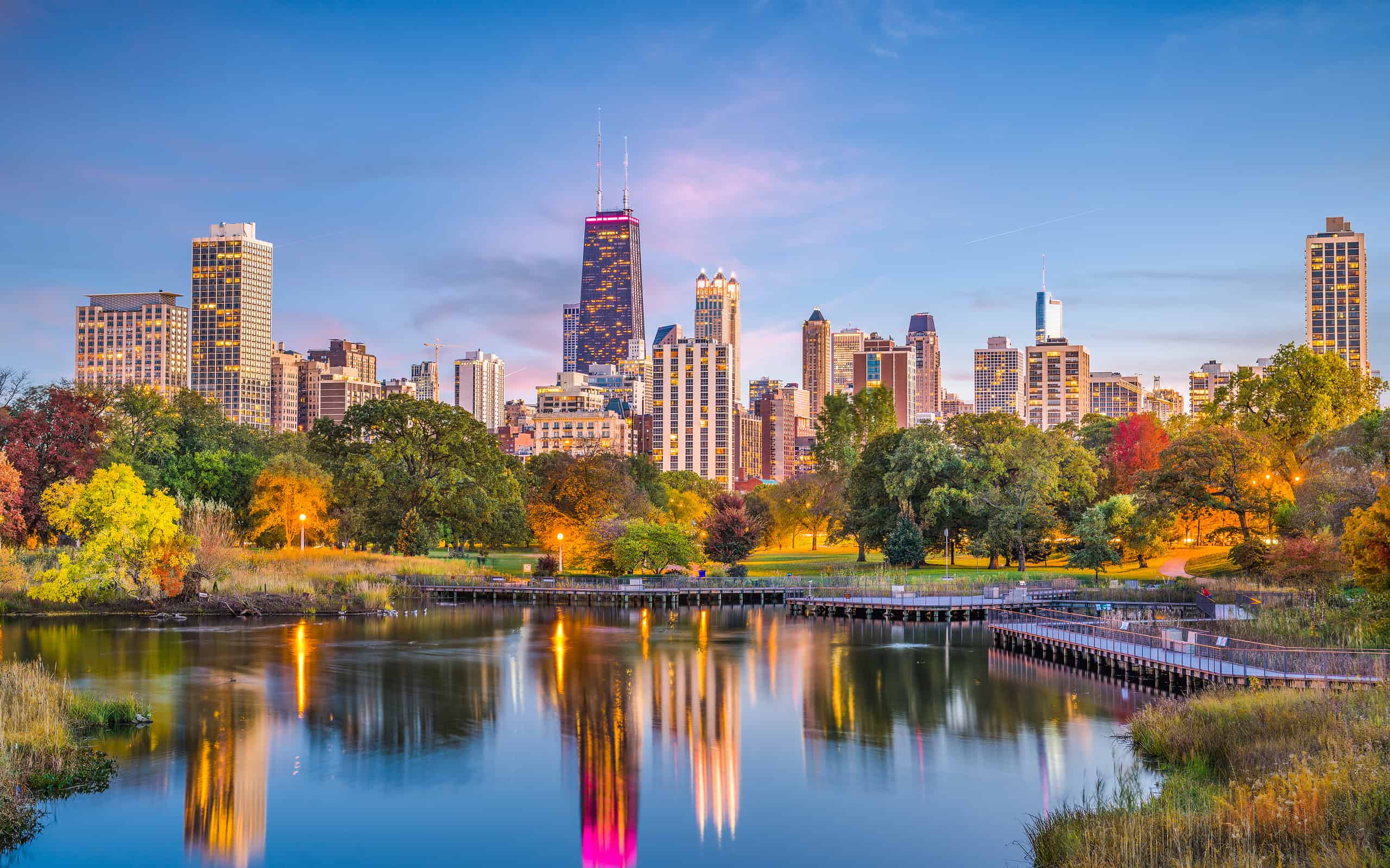
#9 Illinois
Illinois lands in ninth place with 231 searches per million internet users. Think about how quickly an outrageous video can spread online, especially when it appears to show a familiar public figure saying something controversial. Before anyone has time to question whether the recording is authentic, thousands of people may have seen or shared it. Deepfake technology adds another complication to an internet where misleading edits and out-of-context clips were already common.
Illinois (continued)
Illinois lawmakers have considered proposals addressing AI-generated political advertising and deceptive election-related media. One example is Senate Bill 2996, introduced in 2026 to require disclosures on certain political advertisements created substantially with artificial intelligence. The proposal had not become law as of this update. Regardless of legislation, viewers can protect themselves by checking whether credible news organizations or original recordings support a surprising clip before sharing it.
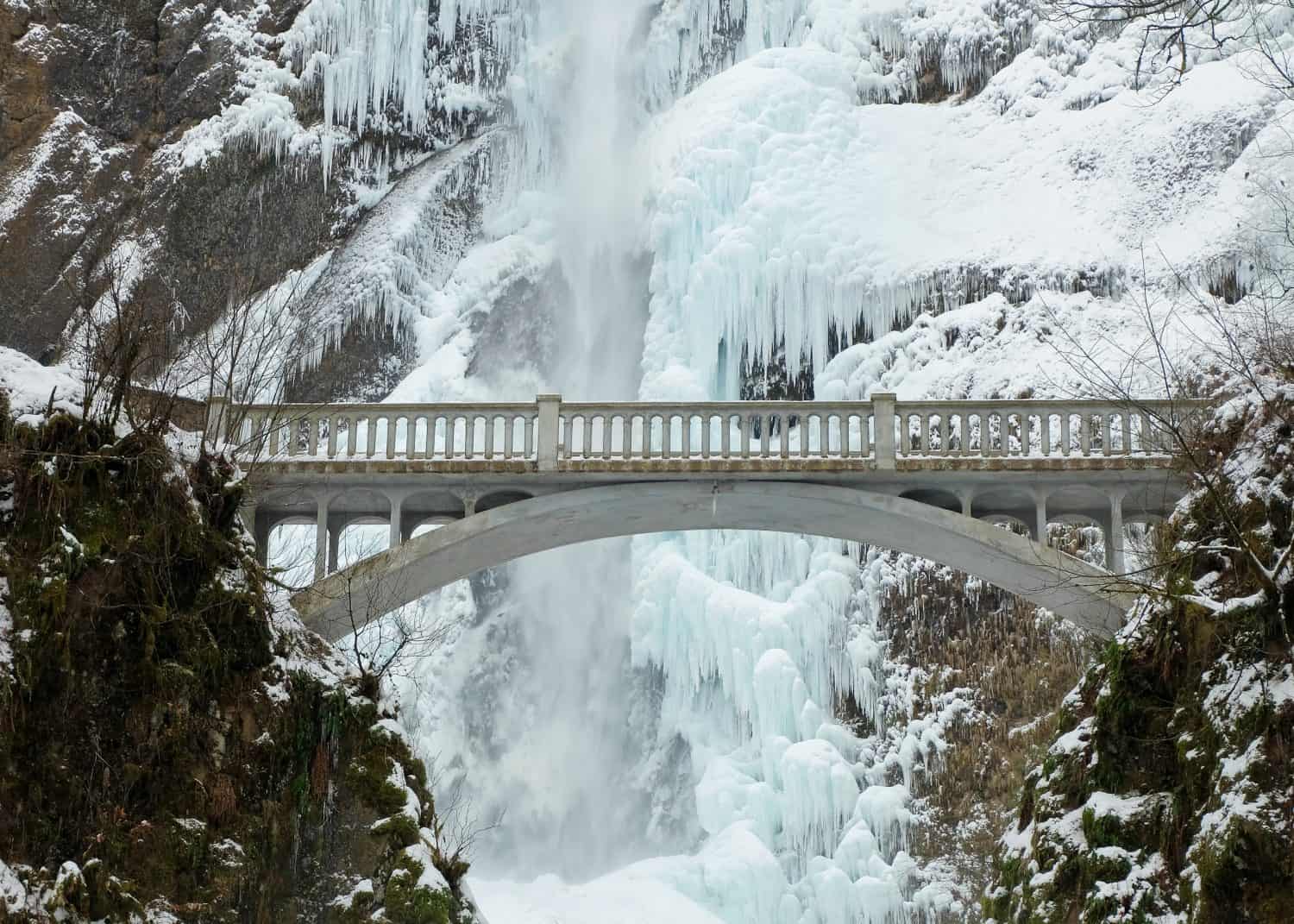
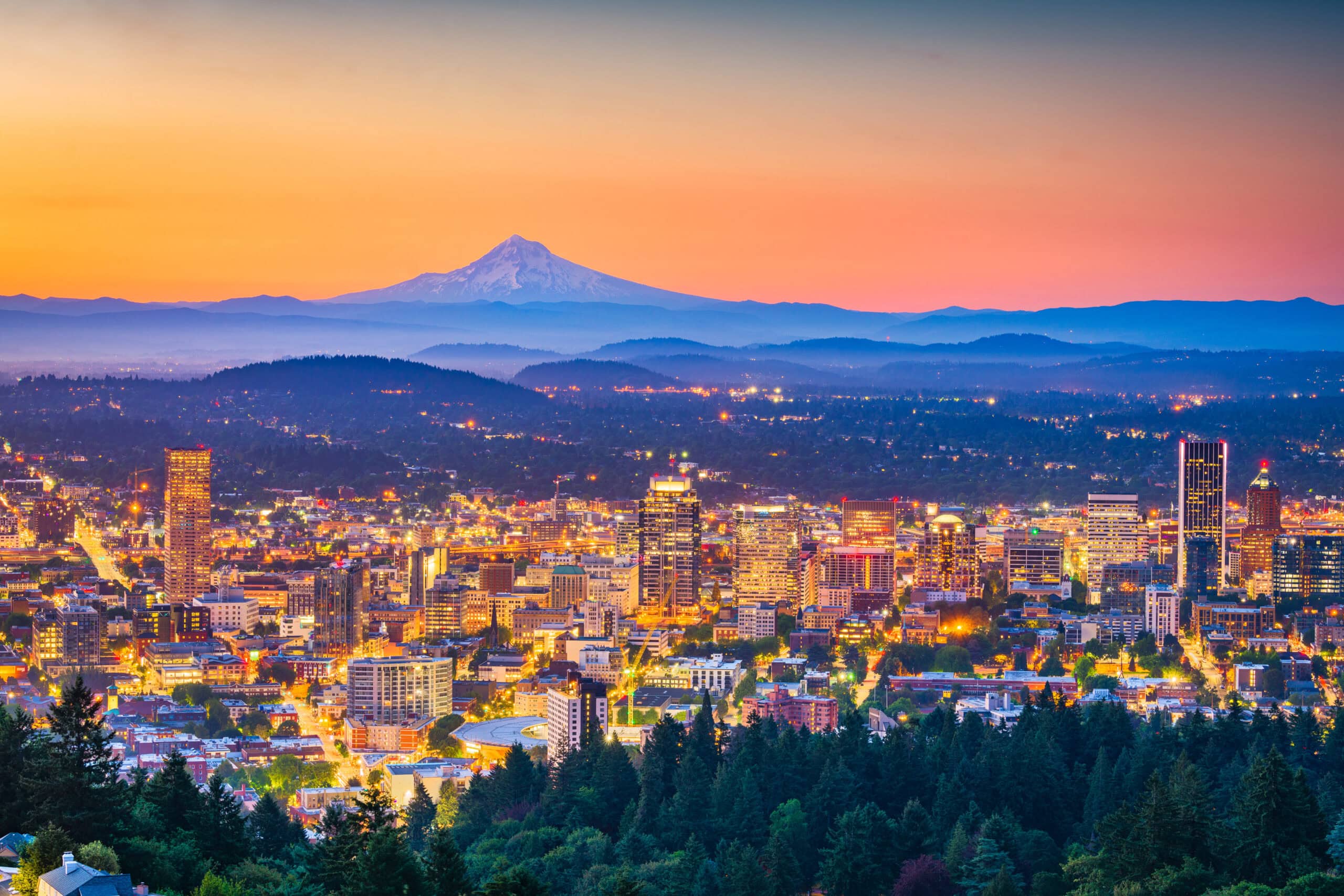
#8 Oregon
Oregon places eighth with 236 searches per million internet users. The danger of deepfakes goes beyond viral videos or fake celebrity endorsements. One of the most disturbing applications involves creating realistic but fabricated intimate images of people who never agreed to participate. Victims can face harassment, embarrassment, and lasting reputational damage, even when everyone eventually learns the images were generated by a computer.
Oregon (continued)
Oregon expanded its legal response in 2025 with House Bill 2299, which updated the state's unlawful dissemination of intimate images law to include certain digitally created, manipulated, or altered depictions. Federal protections have expanded, too. Under the TAKE IT DOWN Act, covered online platforms must provide a reporting process and remove qualifying nonconsensual intimate images, including digital forgeries, within 48 hours of a valid request. The challenge is no longer limited to identifying a fake. It also involves helping victims stop its spread.
#7 Arizona
Arizona is the new addition to this slideshow, coming in seventh with 256 searches for "deepfake" per million internet users. It's easy to understand why people might want to know more about a technology capable of making convincing fake photographs, videos, and audio recordings. Imagine seeing a recording of a political candidate making a shocking announcement, only to discover that the words, voice, or entire scene were artificially created. That's the kind of possibility that makes verifying online information increasingly important.
Arizona (continued)
Arizona addressed political deepfakes through legislation enacted in 2024. The state's rules cover certain deceptive synthetic-media messages involving candidates near elections and include requirements for conspicuous disclosures. Those protections don't mean every AI-generated political image is automatically illegal. Context, intent, and the applicable requirements matter. For everyday internet users, the practical lesson is simpler: a realistic recording is not proof that the event actually happened, particularly when the content arrives without a trustworthy original source.
#6 New Jersey
New Jersey ranks sixth with 258 searches per million internet users, narrowly ahead of Arizona. Deepfake technology introduces an unsettling possibility: someone can appear in a recording that never actually happened. Depending on how the material is used, the consequences could involve damaged relationships, lost money, or a person's professional reputation. It's especially troubling when manipulated media is used to support a scam or make a false accusation appear believable.
New Jersey (continued)
In April 2025, New Jersey approved legislation establishing criminal and civil penalties for certain deceptive audio or visual media connected to criminal wrongdoing. The law does not treat every digital alteration as a crime, and it includes protections for uses such as recognizable satire, commentary, and news reporting. That distinction matters. Artificial intelligence can be a legitimate creative tool, but using someone's likeness to commit fraud or other offenses is another matter entirely.
#5 Hawaii
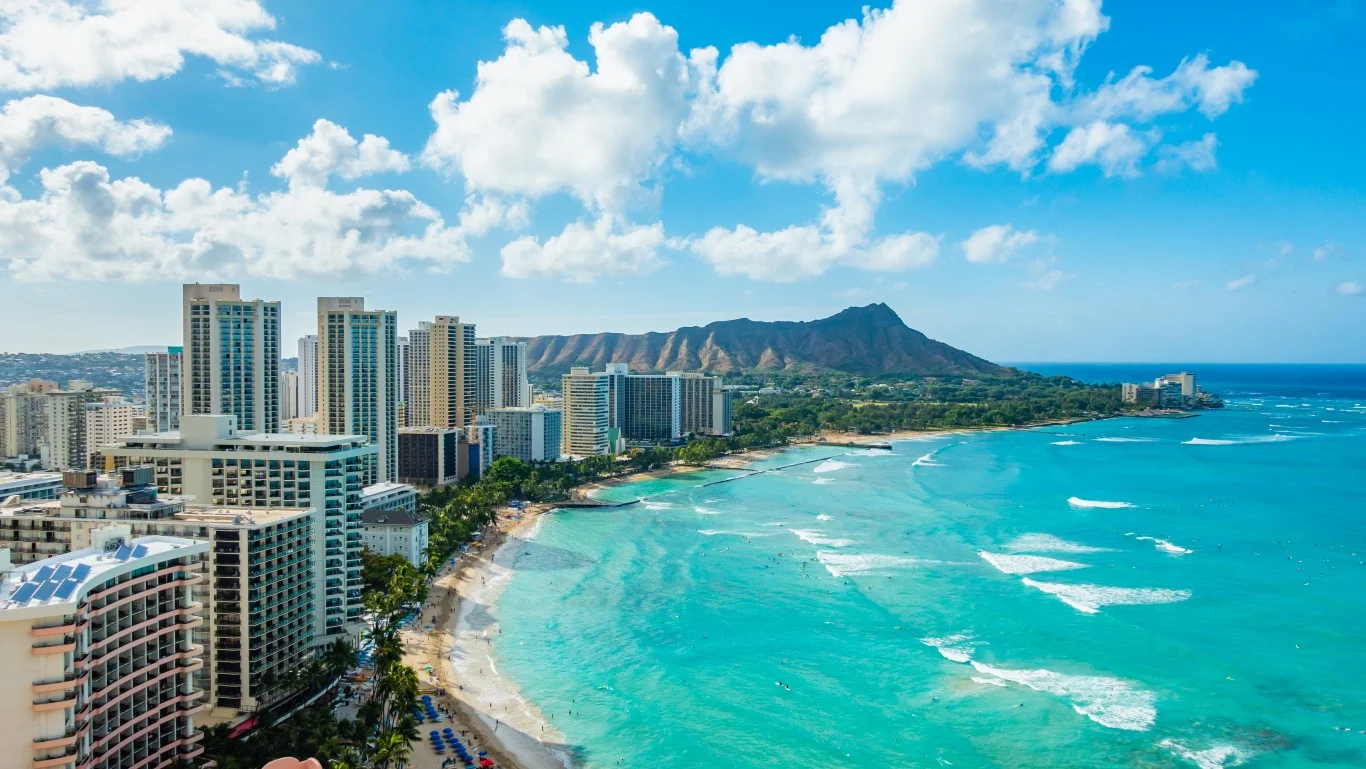
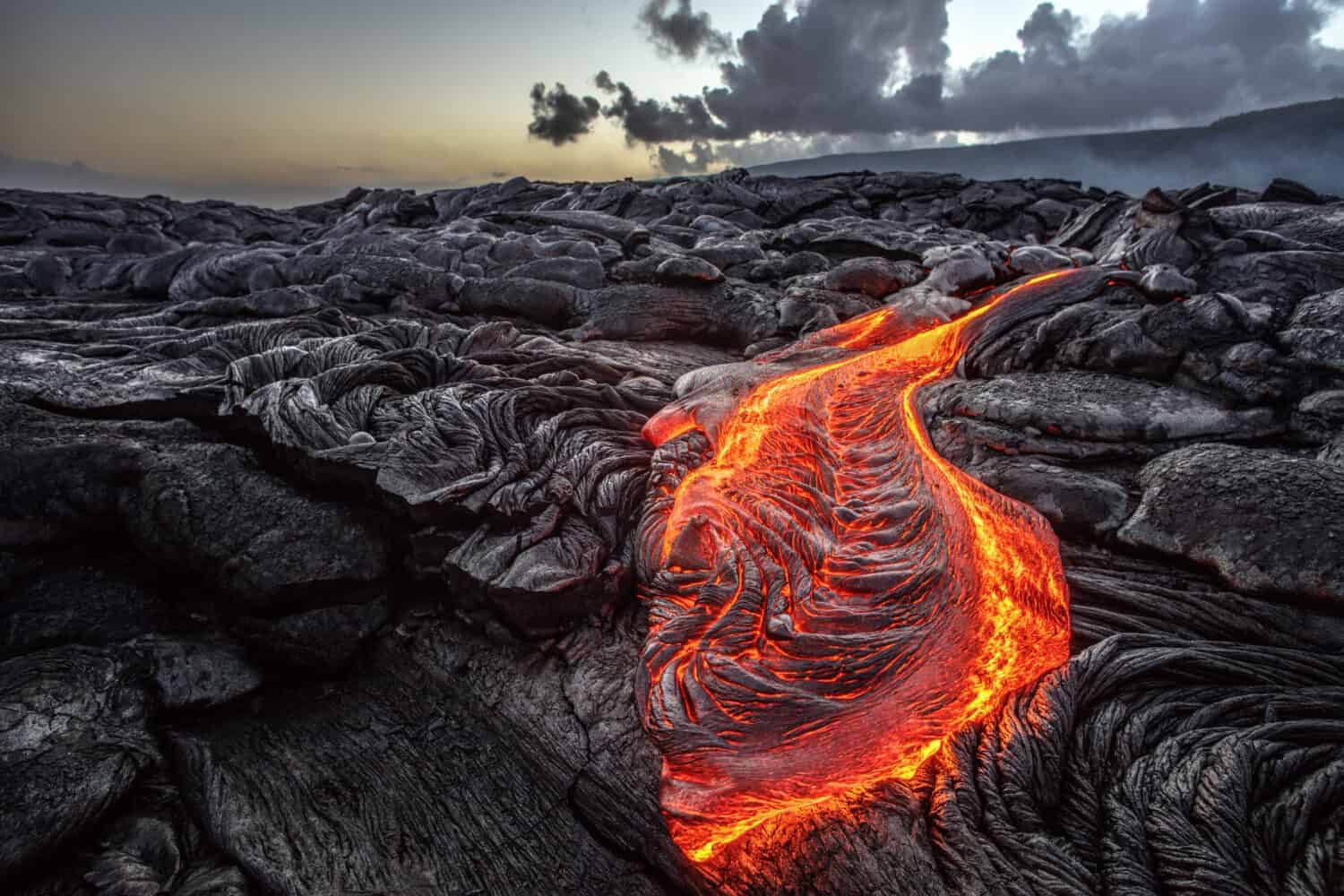
Hawaii takes fifth place with 272 searches per million internet users. While the state may be better known for its beaches and volcanic landscapes than artificial intelligence, the risks associated with fabricated media don't stop at the mainland. A deceptive recording can reach voters, friends, family members, and coworkers anywhere people use social media. And once a convincing fake begins circulating, correcting the record can be much harder than spreading the original claim.
Hawaii (continued)
Hawaii enacted Act 191 in 2024, addressing the distribution of certain materially deceptive media connected to elections. The measure provides restrictions, exceptions, and disclosure requirements intended to address misleading synthetic content. Of course, laws alone cannot guarantee that every fake video will be caught before someone sees it. A good habit is to look for the full original recording and independent confirmation before trusting a dramatic clip, especially one designed to provoke an immediate emotional reaction.
#4 Washington
Washington ranks fourth with 307 searches per million internet users. Deepfake technology raises a particularly difficult question for people who rely on videos and recordings to understand current events: what happens when the evidence itself can be convincingly manufactured? A clip might seem to show someone making a public statement, admitting wrongdoing, or endorsing an idea they have never supported. Even when the fabrication is eventually exposed, the original impression can be difficult to undo.
Washington (continued)
Washington has established legal remedies involving certain synthetic media used in electioneering communications. Under Chapter 29B.35 of the Revised Code of Washington, candidates may seek relief in specified circumstances involving manipulated images, audio, or videos, with disclosure provisions and other legal defenses. The state is one example of how governments are trying to balance protection from deceptive content with legitimate expression. For viewers, the safest approach is still to verify the source rather than assume a convincing video tells the whole story.
#3 California
California comes in third with 311 searches per million internet users. Home to Hollywood and Silicon Valley, the state has plenty of reasons to be interested in technology capable of recreating familiar faces and voices. For actors, musicians, and other performers, digital replicas bring complicated questions about permission, compensation, and ownership of their likenesses. For everyone else, the same tools raise concerns about identity theft, online deception, and fabricated content that appears authentic.
California (continued)
Those concerns haven't disappeared. A 2026 Carnegie California survey found that 51% of Californians were very concerned about deepfakes and other AI-generated content influencing elections. California has also pursued legislation addressing political deepfakes and performers' digital replicas, although some election-related restrictions have faced constitutional challenges and subsequent amendments. The underlying issue is complicated: protecting people from deception while preserving legitimate artistic expression, criticism, and political speech.
#2 New York
New York takes second place with 337 searches per million internet users. In a state associated with finance, entertainment, and media, the ability to imitate someone convincingly introduces concerns that go well beyond amusing internet videos. An AI-generated voice could be used in an impersonation scam, while a fabricated recording of a public figure might create confusion before anyone has established whether it's genuine. The more realistic these creations become, the less reliable appearance and sound are as proof of authenticity.
New York (continued)
New York has taken steps to address the use of digital replicas in entertainment-related contracts. Under Section 5-302 of its General Obligations Law, certain contractual provisions allowing the use of a performer's digital replica may be unenforceable when specified protections aren't met. For ordinary consumers, the danger can be more immediate. If someone calls sounding exactly like a loved one and urgently demands money, the FTC recommends independently contacting that person through a known phone number before sending anything.
#1 Nevada
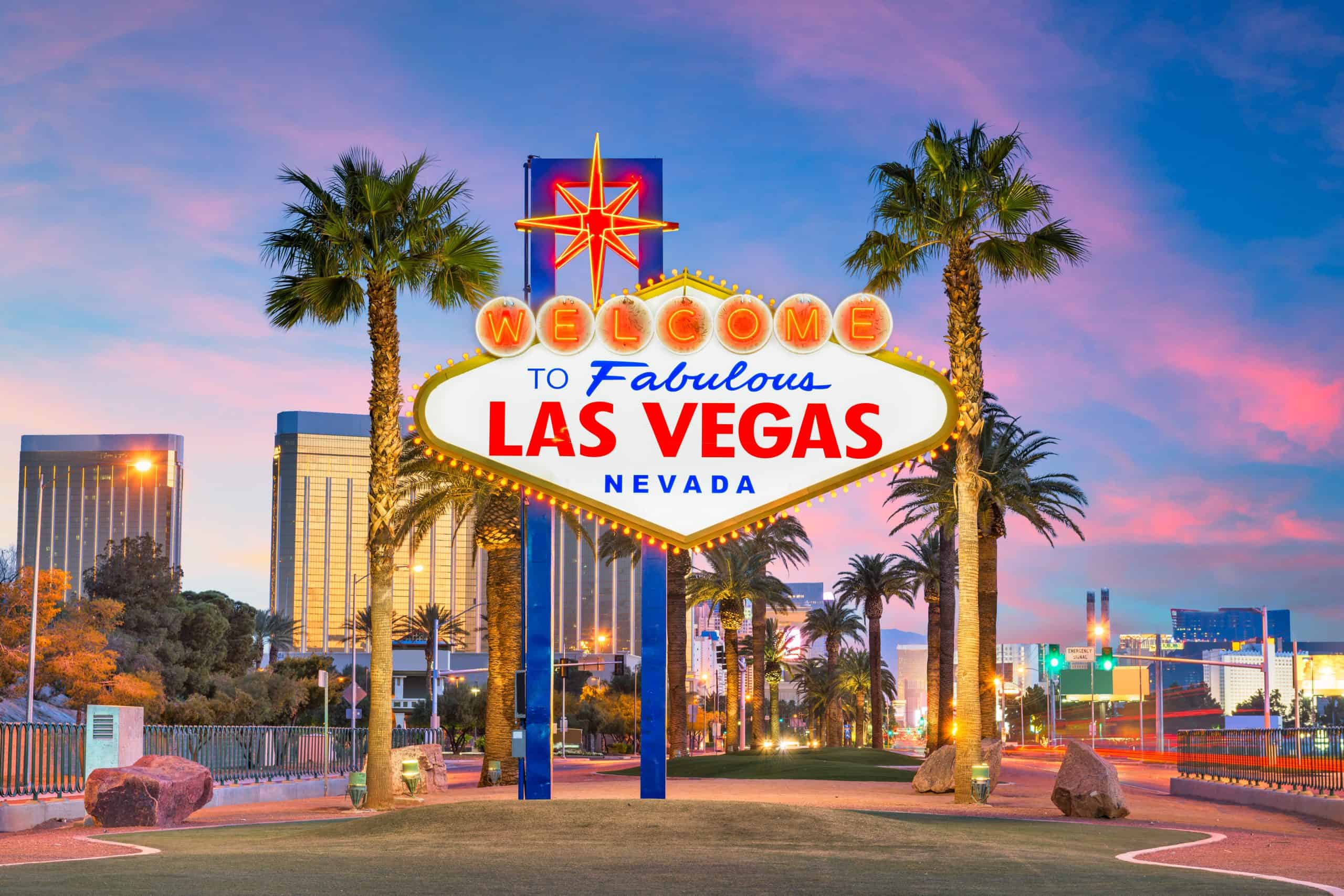
Nevada tops the list with 407 Google searches for "deepfake" per million internet users. That put the state comfortably ahead of second-place New York in Kapwing's December 2024 search data. The result doesn't prove Nevada residents were the most frightened by artificial intelligence, but it does show unusually high search interest relative to the state's internet-using population. And when you consider how easily a fabricated video or familiar-sounding voice can create confusion, there's certainly plenty for people to investigate.
Nevada (continued)
Nevada has also updated its approach to synthetic media. Legislation enacted in 2025 established disclosure requirements for certain AI-generated or manipulated political communications, with the election-related provisions taking effect in 2026. But no single law can eliminate every misuse of this technology. Across the country, the smartest habit remains the same: treat surprising recordings with a little healthy skepticism, check their origins, and remember that someone appearing on a screen doesn't necessarily mean they were ever there.