AI-generated videos are now so realistic that many of us find it increasingly difficult to tell what is real and what is fake. Tons of viewers (and definitely a lot of our parents) are being fooled by them. These videos seem to be everywhere, and they include a wide range of content, from fake celebrity clips to completely artificial “news” footage to false depictions of animals interacting in unnatural ways. Fortunately, these videos often still contain subtle clues and strange details that give them away. By learning to spot things like visual glitches, odd movement, and eerily perfect faces, viewers can become much better at identifying when a video was created by artificial intelligence.
Hands, teeth, or eyes look unnatural

One of the easiest ways to spot AI-generated videos is by closely examining hands, teeth, and eyes. If you check the comments under these video posts, you’ll often find people asking, “why does he have seven fingers?” AI systems often struggle with specific anatomical details, leading to extra digits, fused hands, distorted teeth, or uneven eyes. These issues may be subtle, but if you look for problems with proportions, symmetry, or finger count, you may spot an error. When it comes to eyes, blinking patterns and slight movements can also look oddly timed.
Text and logos are distorted

If the video includes any writing, like product labels or street signs, pay close attention. AI-generated videos frequently contain garbled or nonsensical text. Things like clothing logos may appear almost correct at first glance but reveal misspelled or unreadable words upon closer inspection. This happens because many AI systems imitate the appearance of text rather than creating language accurately.
Faces are overly smooth

AI-generated people often look unusually flawless. Skin can look excessively smooth, with almost no pores. It can also appear overly uniform in color, lacking any nuance or even subtle imperfections. This is true even when depicting older people with wrinkles; the wrinkles themselves are too “perfect”. This creates a slightly artificial appearance. While beauty filters can create similar results, AI-generated faces often push perfection even further.
Shadows and reflections don’t match

Lighting mistakes are another common clue that the video you’re amazed by may be AI. Shadows may point in different directions, reflections may not match surrounding objects, or lighting may appear completely even or uniform. Reflective surfaces like mirrors and glass are especially difficult for AI systems to generate consistently. Viewers paying careful attention can often spot these inconsistencies that would not occur in real life.
Background objects warp or morph
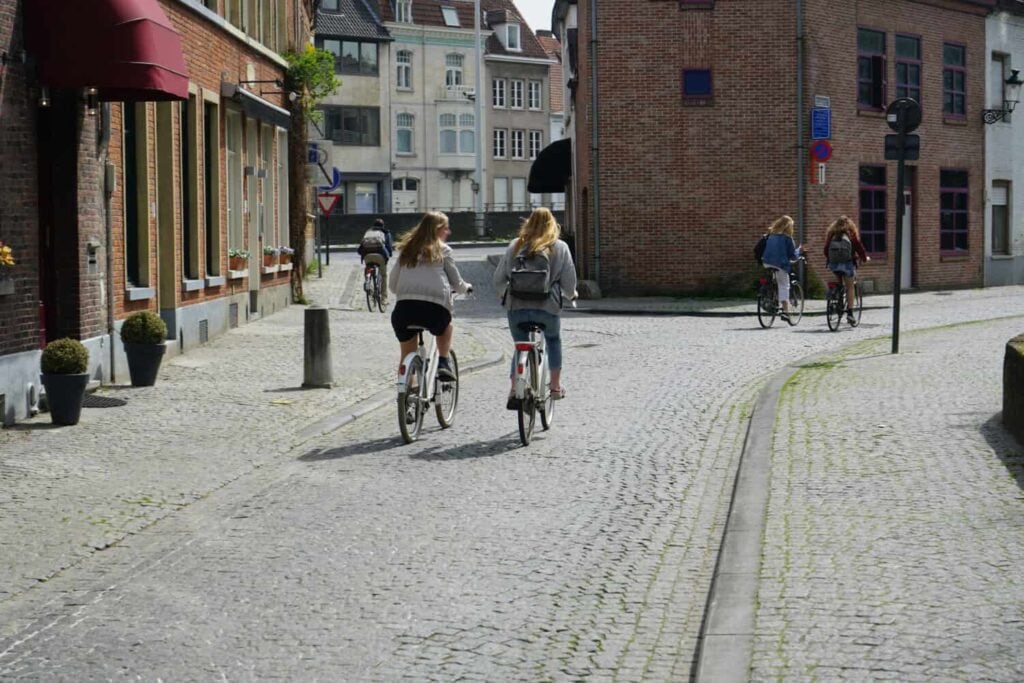
AI-generated videos are seemingly so preoccupied with generating the main subject that they forget about the background. Look for buildings, crowds, or furniture that subtly melt together, fade out, or lose their structure. Objects in the distance may even change shape entirely between frames. Because we are focused on the foreground, these distortions are often less noticeable at first watch. They become glaringly obvious when zooming in or pausing the footage.
Small features change or disappear

In AI-generated videos, small details may change unexpectedly from frame to frame. Earrings may disappear, a fingertip may lengthen, or shirt patterns may shift. These continuity problems occur because AI systems are not great at maintaining object consistency throughout a moving scene. Watching for these subtleties can help you spot manipulated footage.
Movements seem a bit unnatural

AI-generated videos sometimes contain movement that feels “wrong”, robotic, or impossibly fluid. Though you can’t always put your finger on it, body movements and facial expressions simply don’t align with natural human motion. Lip-syncing can also become slightly delayed. Sometimes, when someone off camera is speaking, the person in the video will move their lips. Check for motion irregularities.
Hair blends into clothing

For some reason, hair remains surprisingly difficult for many AI systems to render. Individual strands may blur together, creating something akin to “hat hair.” Hair may also blend into surrounding objects like clothing or backgrounds, almost like a poorly done green screen. Edges around people or objects can also appear smeared into the background. These visual mistakes are especially noticeable around textured hair, like curls.
There’s just something “off”

Many AI videos simply don’t look right. You may not be able to point to one specific thing, but you know it’s fake. This is generally the clue that seems apparent to younger generations, while completely fooling older, less tech-savvy viewers. These videos create a strange feeling that something is just “off”. Facial expressions, lighting, motion, or proportions may add up to create an eerie feel. This unsettling effect is commonly known as the “uncanny valley.”
The content seems too bizarre to be real
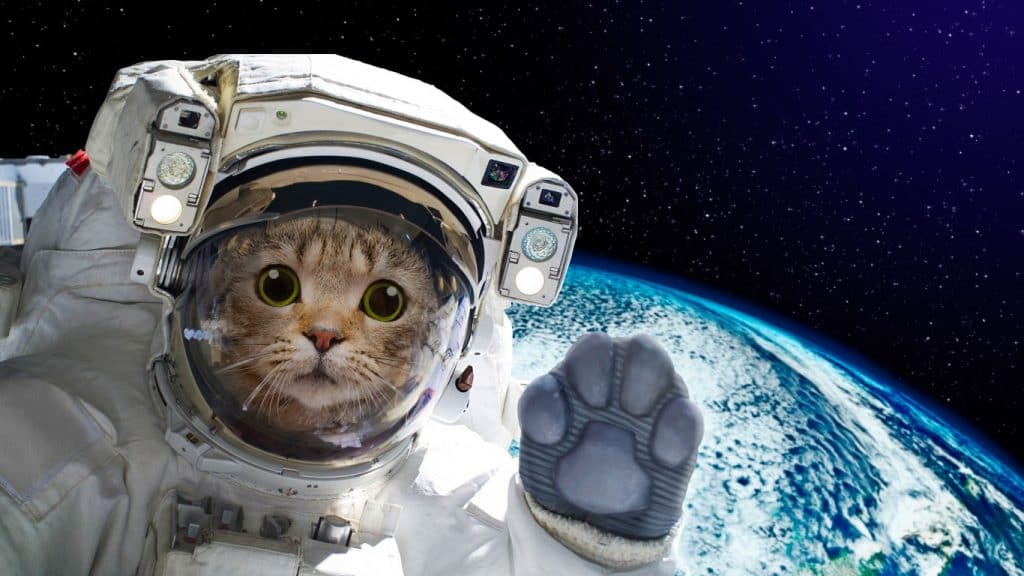
Can you believe that alligator is letting a child ride on its head!? No, and you shouldn’t either. Incredible things happen every day, but if the video you’re watching seems too crazy to be true, it probably is. It seems Facebook and other social media sites are filled with extreme animal-related videos of wild predators behaving in an unnaturally docile manner, or small house cats leaping into frame to save an elderly woman from a charging elephant.