
Some famous quotations are repeated so often that almost nobody stops to ask whether the words are accurate. They appear on posters, in speeches, across social media, and in movies until the familiar version feels unquestionably real. Yet many have been shortened, polished, mistranslated, or attached to a famous person who never said them. A memorable line naturally carries more weight when it is credited to Einstein, Lincoln, Churchill, or Shakespeare, even when the historical evidence points elsewhere. Some mistakes began as harmless paraphrases, while others developed through decades of repetition. These 15 quotations prove that the true stories behind our favorite sayings are often more surprising than the words we remember.
Einstein’s Most Shared Quote Came From a Rehab Pamphlet
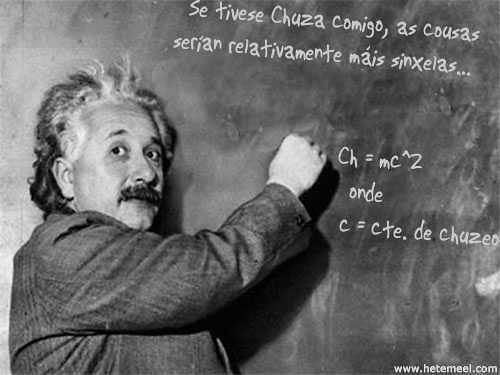
“The definition of insanity is doing the same thing over and over again and expecting different results.”
Albert Einstein is routinely credited with this sharp definition of insanity, but researchers have found no evidence that the physicist ever said or wrote it. Versions of the line began appearing in addiction-recovery literature during the early 1980s, including material connected with Narcotics Anonymous. It soon migrated into self-help books, business seminars, and motivational speeches, where Einstein’s name gave it an air of scientific authority. The attribution probably survived because the statement sounds clever, logical, and suitably rebellious. Einstein produced many memorable observations about imagination, knowledge, and human behavior, but this enormously popular quotation does not appear to be one of them.
Nobody Says This Line in Casablanca
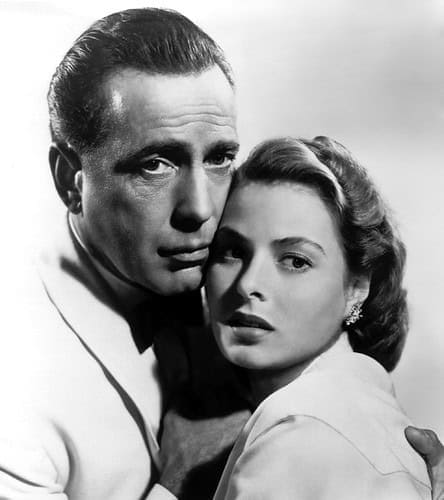
“Play it again, Sam.”
It may be the most recognizable line associated with Casablanca, yet nobody says those four words in the 1942 film. Ingrid Bergman’s Ilsa asks the pianist, “Play it once, Sam, for old times’ sake,” and then tells him, “Play it, Sam. Play ‘As Time Goes By.’” Humphrey Bogart’s Rick later demands, “You played it for her, you can play it for me!” Popular memory compressed those exchanges into the cleaner and more repeatable “Play it again, Sam.” The mistaken version gained additional staying power through later books, stage productions, comedy routines, and Woody Allen’s play and film of the same name. It now sounds more authentic than the dialogue audiences actually heard.
Marie Antoinette and the Cake She Never Mentioned

“Let them eat cake.”
Marie Antoinette supposedly dismissed starving French peasants with “Let them eat cake,” making the queen a lasting symbol of royal indifference. There is no reliable evidence that she said it. A similar story appears in Jean-Jacques Rousseau’s Confessions, which he drafted when Marie Antoinette was still a child living in Austria. Rousseau attributed the remark only to “a great princess,” not to the future queen of France. The French wording also refers to brioche, a rich bread, rather than ordinary cake. The line was connected to Marie Antoinette years after her death, when it fit the popular image of a sheltered and extravagant monarch. Its usefulness as political mythology helped the false attribution outlive the facts.
Leo Durocher Said Something Less Catchy
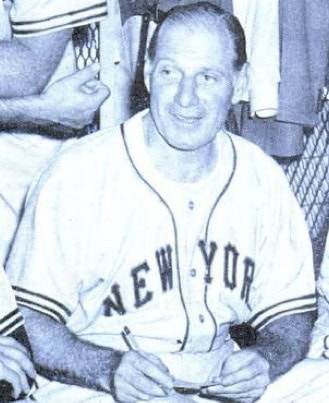
“Nice guys finish last.”
Baseball manager Leo Durocher is remembered for declaring that “nice guys finish last,” but his original remark was longer, more specific, and aimed at a rival team. While talking with reporters in 1946, the fiery Brooklyn Dodgers manager pointed toward the New York Giants and described their players as nice guys who were sitting in seventh place. In an eight-team league, that did not even put the Giants last. Newspaper accounts and later retellings steadily tightened his comments until they became a universal statement about kindness and competition. Durocher eventually embraced the famous wording and even used it as the title of his autobiography. What began as dugout trash talk became a lasting rule about life and ambition.
Sherlock Holmes Never Said It
“Elementary, my dear Watson.”
“Elementary, my dear Watson” sounds inseparable from Sherlock Holmes, but the phrase never appears in Arthur Conan Doyle’s four Holmes novels or 56 short stories. Holmes does use “elementary” while explaining a deduction, and he addresses his companion as “my dear Watson” on other occasions. Doyle simply never joined the expressions into the famous line. Variations appeared outside the stories and were reinforced by stage, radio, and film adaptations that needed a quick way to signal Holmes’s brilliance. Repetition did the rest. The phrase became such an efficient summary of the detective’s personality that audiences accepted it as authentic dialogue, even though it was created by the character’s wider cultural afterlife.
Machiavelli Never Wrote His Most Famous Line
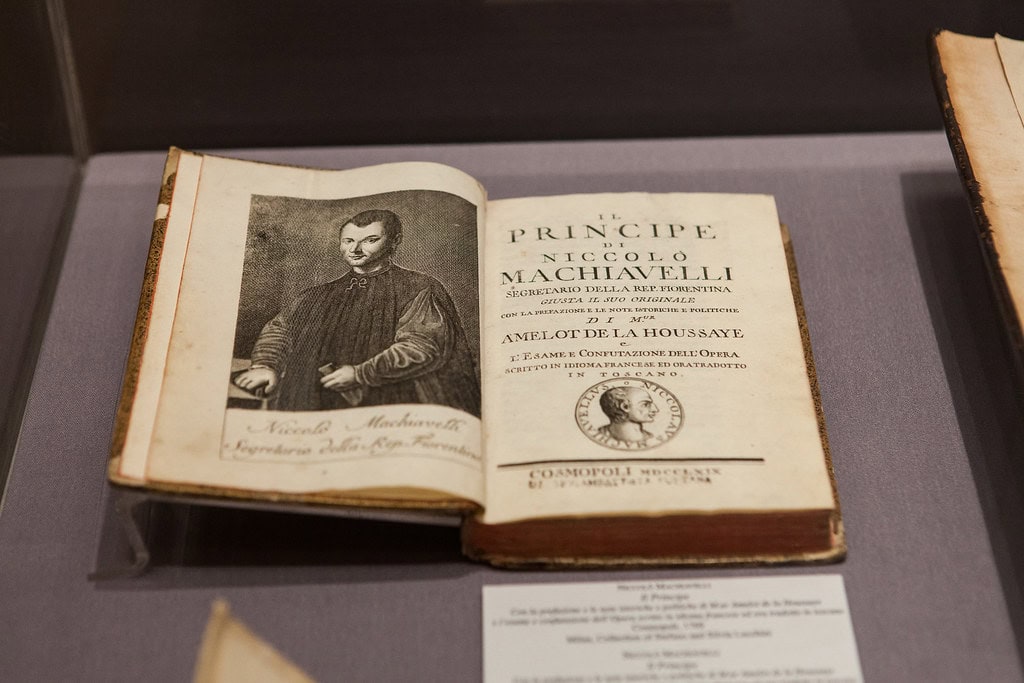
“The ends justify the means.”
Niccolò Machiavelli’s name has become so closely linked to ruthless political calculation that “the ends justify the means” feels like a direct quotation from The Prince. Those exact words do not appear in the book. Machiavelli did argue that rulers may sometimes need to use deception, force, or cruelty to preserve the state, but his ideas are more complicated than the slogan suggests. Later readers condensed those arguments into a moral formula and eventually treated the summary as his own sentence. That shortcut helped create the modern meaning of “Machiavellian,” while flattening a work concerned with power, stability, reputation, necessity, and political survival into six memorable words its author never actually wrote.
Churchill Used a Different Word
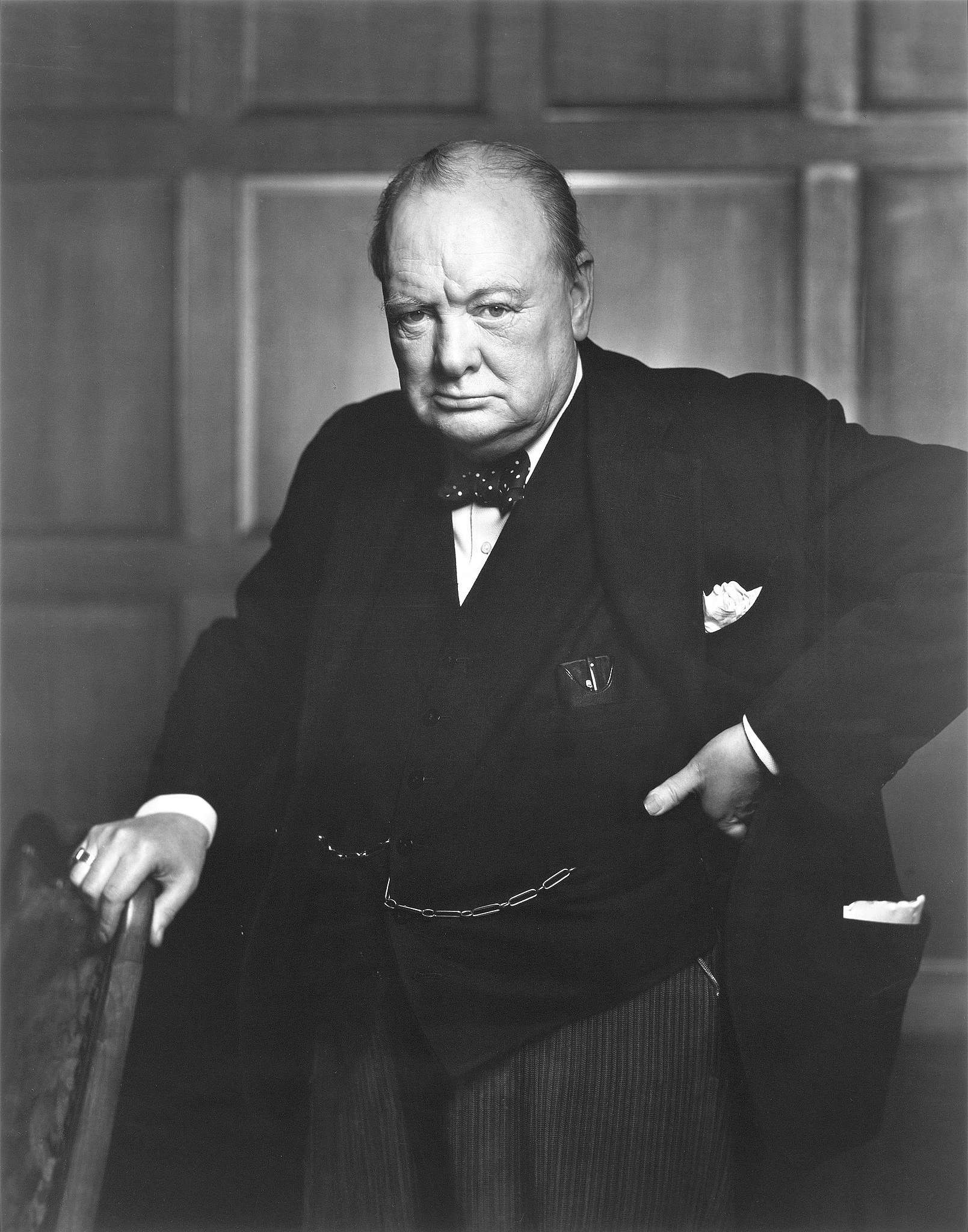
“Never, never, never give up.”
Winston Churchill’s supposed command to “never, never, never give up” captures his wartime image, but it alters the language and meaning of his 1941 address at Harrow School. Churchill repeatedly told the students to “never give in,” adding that they should yield only to “convictions of honour and good sense.” The difference matters. “Never give up” sounds like a broad motivational slogan encouraging endless persistence, while “never give in” was a warning against surrendering one’s principles or resolve under pressure. Later retellings removed the qualifications and replaced one key word, producing a shorter line suited to posters and commencement speeches.
A Historian Wrote the Well-Behaved Women Line
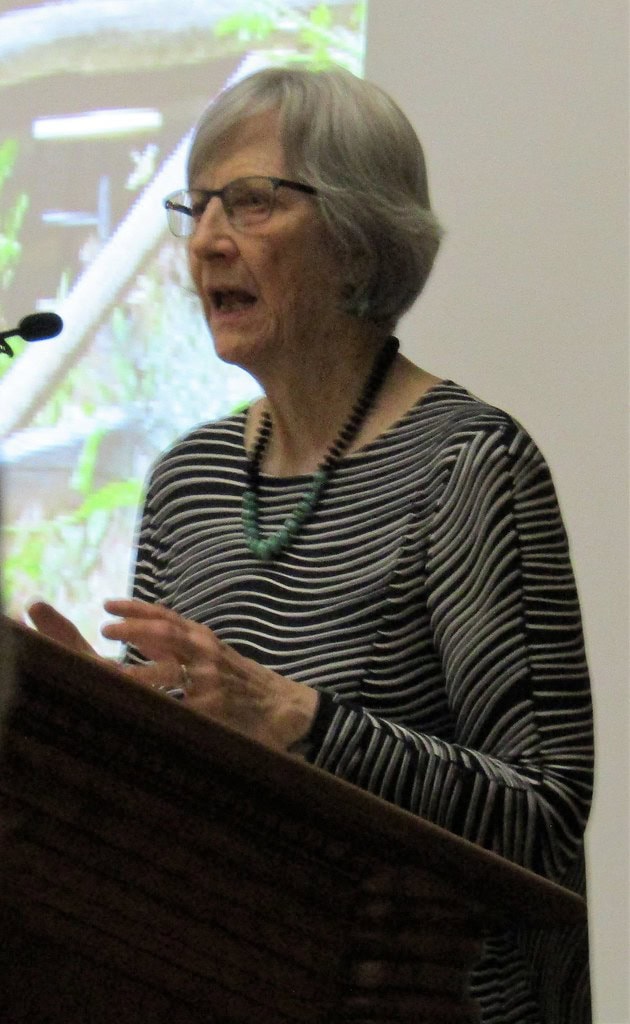
“Well-behaved women seldom make history.”
This line is often credited to Marilyn Monroe, Eleanor Roosevelt, or another famous woman known for challenging convention. Its actual author is historian Laurel Thatcher Ulrich, who wrote it in a 1976 academic article about ordinary women remembered in Puritan funeral sermons. Ulrich was not urging women to behave badly. She was observing that women who followed society’s rules and lived outside public controversy were often overlooked by historians. Removed from that context, the sentence took on a new life as a rebellious slogan printed on shirts, mugs, bumper stickers, and signs. Ulrich later embraced the discussion it inspired, but the popular interpretation is much bolder and more celebratory than her original scholarly point.
Gandhi’s Most Famous Quote Is a Paraphrase
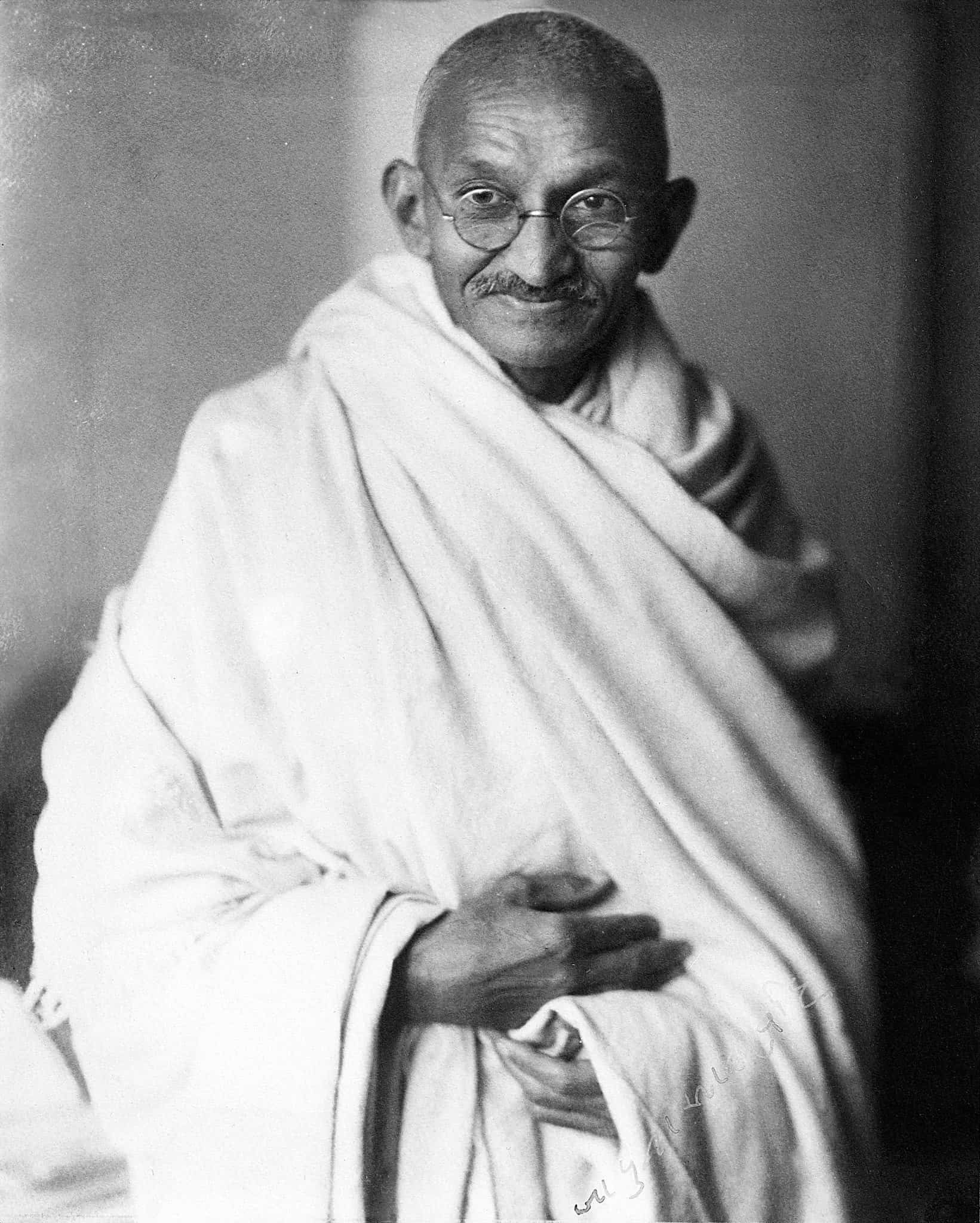
“Be the change you wish to see in the world.”
“Be the change you wish to see in the world” is printed on countless posters and attributed directly to Mahatma Gandhi, but no record shows him using those words. The phrase appears to be a polished paraphrase of a broader idea he expressed about changing ourselves and how personal transformation can influence the world around us. Gandhi’s actual discussions were more nuanced, connecting individual conduct with relationships, social systems, and collective responsibility. The modern version reduces that argument to a compact piece of inspirational advice. It captures part of his philosophy, which explains why the attribution feels convincing, but it should not be presented as a verbatim quotation from his speeches or writing.
Nobody Can Find This in Burke’s Writing
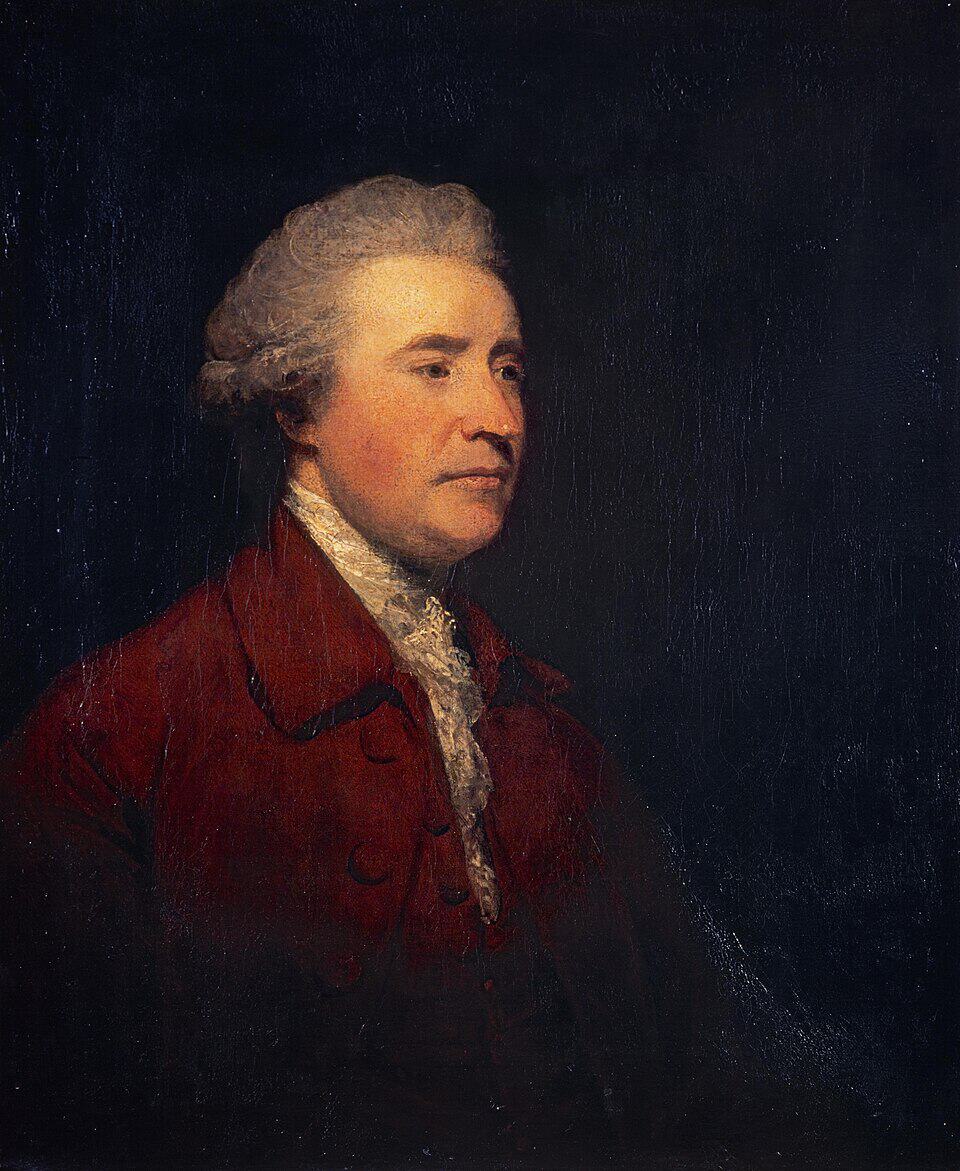
“The only thing necessary for the triumph of evil is for good men to do nothing.”
Edmund Burke is routinely credited with this warning about evil triumphing when good men remain passive. Historians and quotation researchers have searched his letters and published works without finding those words. Burke did express related ideas about the responsibilities of honorable people and the danger posed by organized wrongdoing, which may explain why the attribution sounded believable. The familiar sentence emerged later and circulated in several forms before becoming attached to his name. Films, political speeches and public-service campaigns then repeated it as settled fact. The message remains powerful, but calling it a direct Burke quotation gives certainty to an origin that researchers have never been able to establish.
Voltaire Never Said This
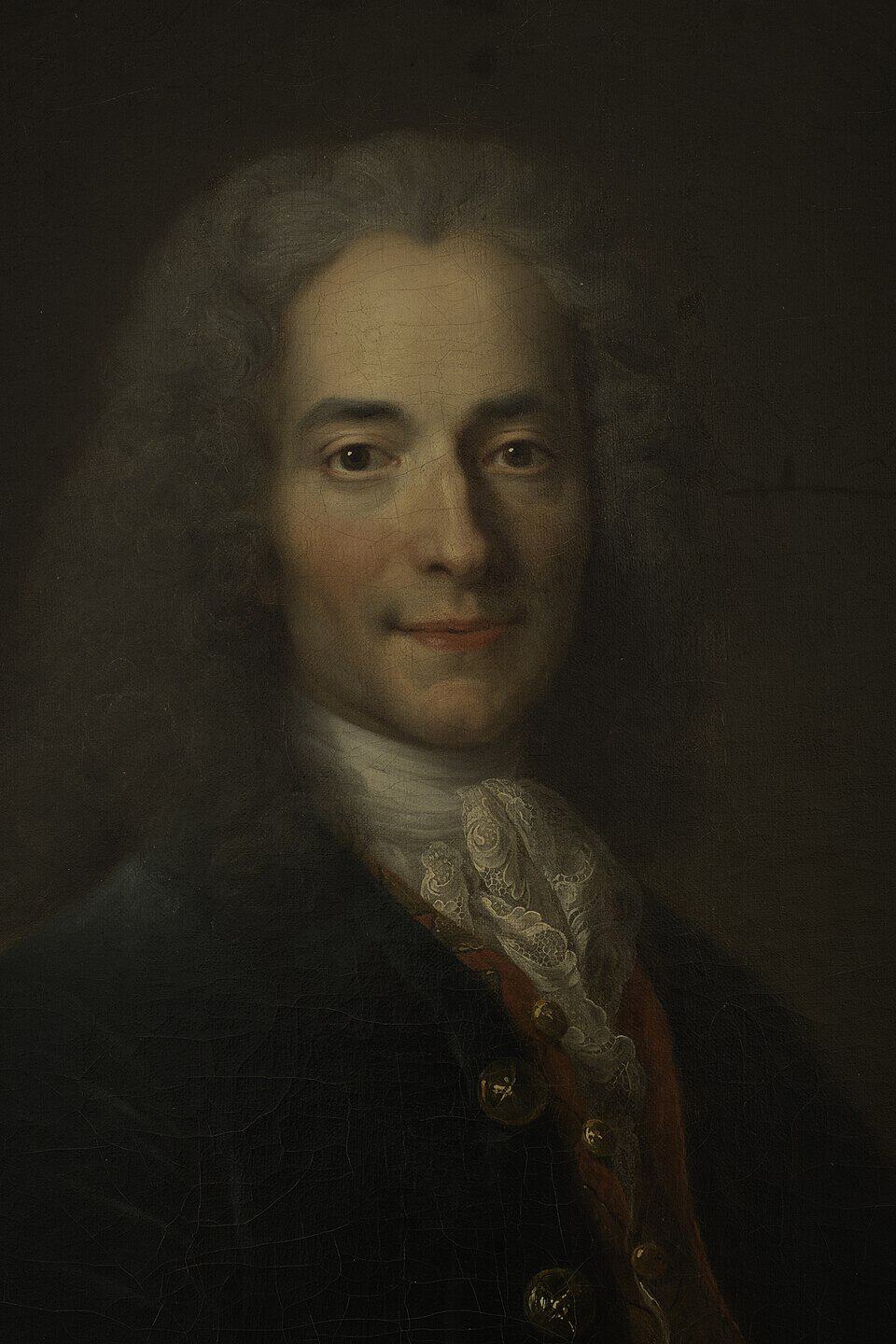
“I disapprove of what you say, but I will defend to the death your right to say it.”
This celebrated defense of free speech is often attributed to Voltaire, yet the French philosopher never wrote or spoke the sentence. Writer Evelyn Beatrice Hall created it for her 1906 book The Friends of Voltaire. Hall was summarizing Voltaire’s attitude toward the controversial writings of another thinker, not quoting him directly. The line was so elegant and so compatible with Voltaire’s reputation for opposing censorship that readers began treating it as his words. Hall later clarified that the words were hers, but the correction never caught up with the quotation’s popularity. It remains a striking summary of an ideal associated with Voltaire, even though its phrasing belongs to a biographer writing more than a century later.
Lincoln Probably Never Said This Either
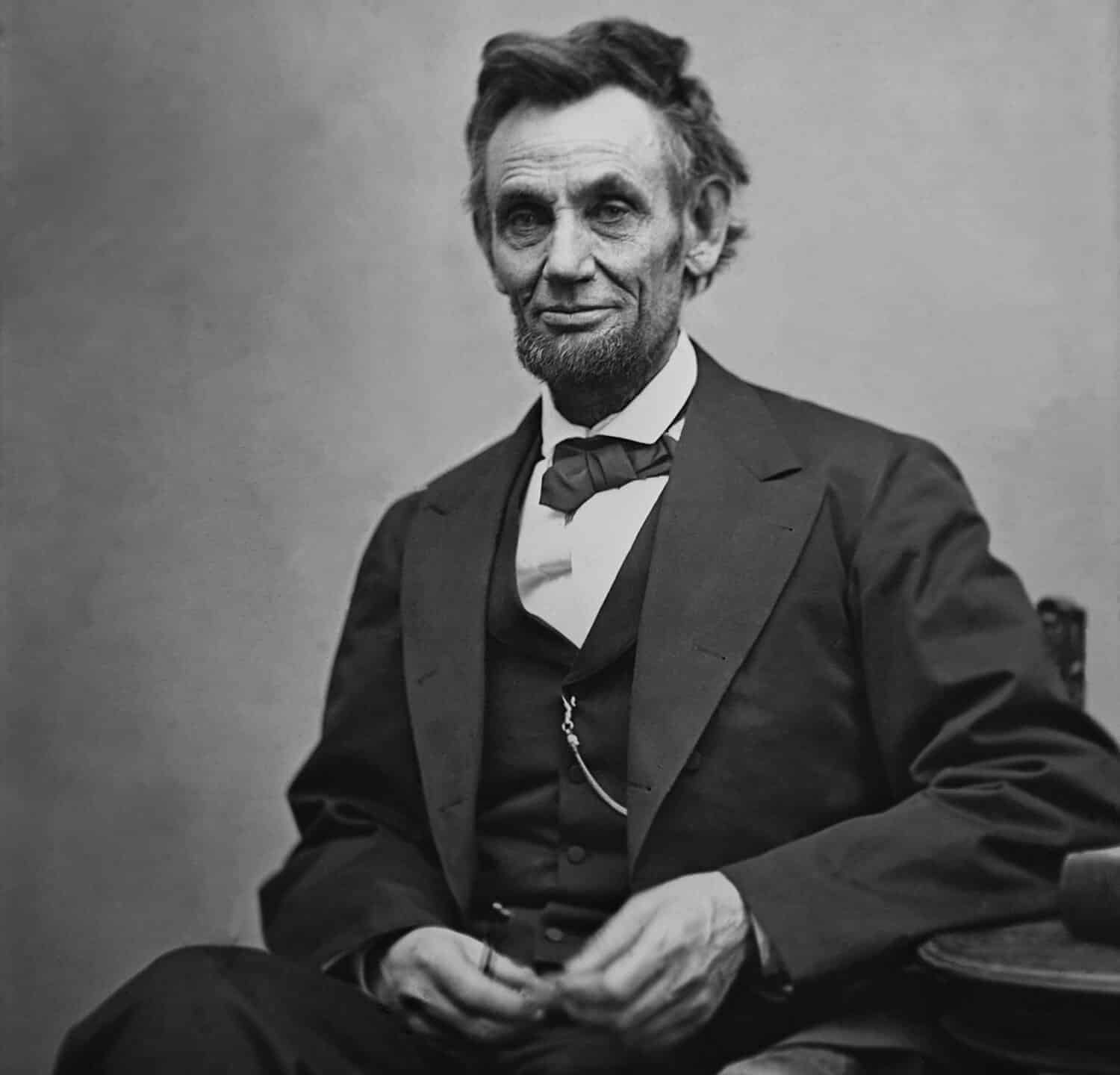
“You can fool all the people some of the time, and some of the people all the time, but you cannot fool all the people all the time.”
Abraham Lincoln is commonly credited with this warning about the limits of deception, but the evidence connecting it to him is weak. The line was attributed to Lincoln years after his death, often in accounts of an 1858 speech for which no contemporary transcript preserves the words. Different versions circulated in politics, advertising, and newspapers before the quotation settled into its familiar form. Attaching Lincoln’s name gave the saying authority and helped it spread even faster. Historians have not found it in his surviving writings or securely documented speeches, so the safest conclusion is that the authorship remains unproven. Like many Lincoln quotations, it sounds exactly like something people want him to have said.
Ali’s Corner Man Wrote the Butterfly Line
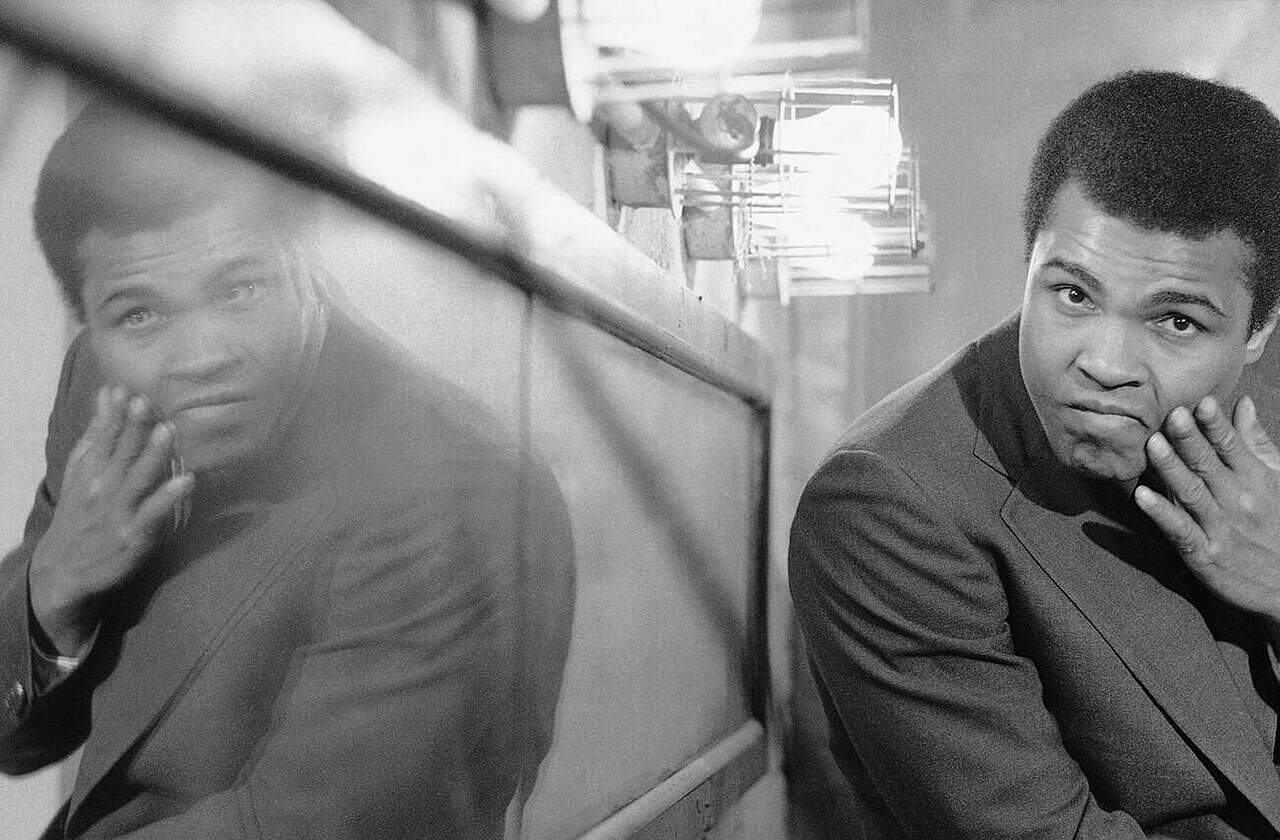
“Float like a butterfly, sting like a bee.”
Muhammad Ali made “Float like a butterfly, sting like a bee” famous while promoting his 1964 fight against Sonny Liston, but the phrase is generally credited to Drew “Bundini” Brown, one of the voices in the boxer’s corner. Brown helped develop the rhymes and rhythmic chants that Ali delivered with unmatched timing, turning prefight publicity into performance art. Because Ali repeated the line so often and embodied it perfectly with his speed and punching power, audiences naturally assumed he had written it. Their partnership blurred the boundary between author and performer. Ali supplied the stage and unforgettable delivery, while Brown contributed language that became one of the most enduring slogans in sports history.
The Bible Says Wolf, Not Lion

“The lion shall lie down with the lamb.”
The peaceful image of a lion lying beside a lamb is frequently described as a Bible verse, but that exact pairing does not appear in Isaiah 11:6. Depending on the translation, the passage begins by saying that the wolf will live or dwell with the lamb. It continues with a leopard and young goat, a calf and lion, and a child leading the animals. Lions are present in the larger scene, but the famous one-to-one pairing substitutes a lion for the wolf and compresses several images into one. Religious art, sermons, hymns, and political speeches likely helped the simplified version take hold. The misquotation preserves the prophecy’s theme of peace among former predators and prey, but not its actual wording.
Napoleon Probably Didn’t Say This One
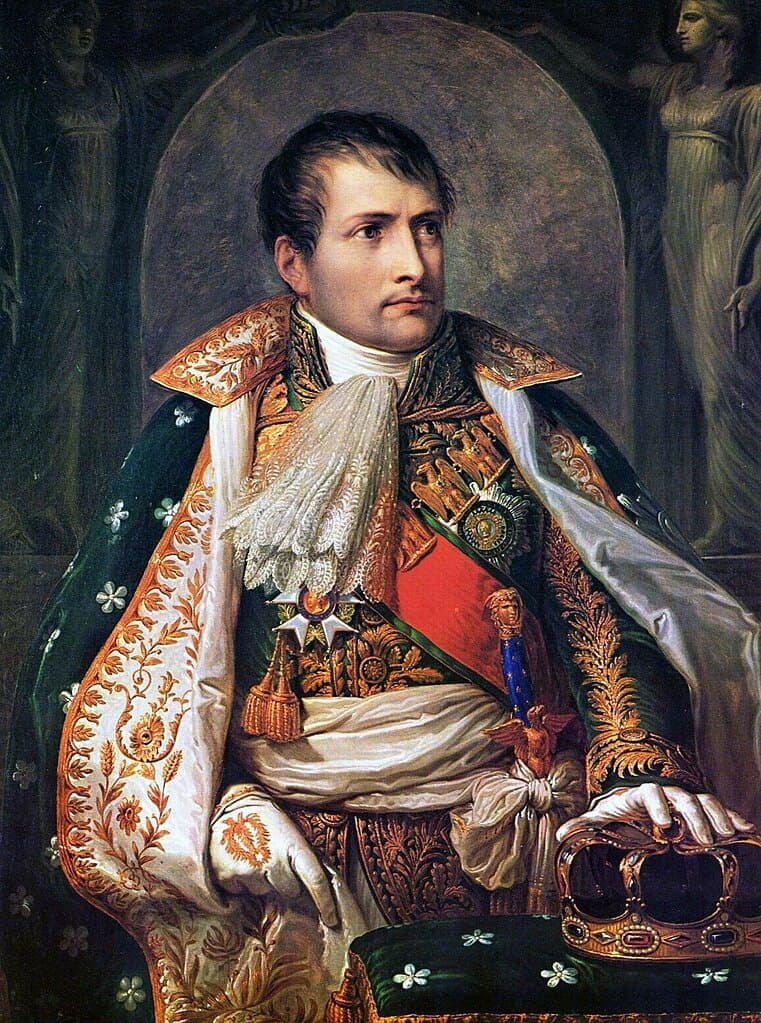
“If you want a thing done well, do it yourself.”
“If you want a thing done well, do it yourself” is often placed in Napoleon Bonaparte’s mouth because it suits the popular image of a brilliant commander impatient with incompetent subordinates. The problem is that researchers have not located the line in his documented speeches, correspondence, or recorded conversations. Similar advice circulated in English and other languages independently of Napoleon, making it more likely that an old proverb was attached to a famous leader after the fact. He certainly valued efficiency and took personal control of military and political planning, so the quotation feels plausible. That perfect fit may be the very reason the attribution endured despite the absence of convincing evidence.