
Courtesy of Twentieth Century Fox

Courtesy of Universal Pictures
Courtesy of Twentieth Century Fox
Courtesy of Twentieth Century Fox

San Francisco Police Department
Courtesy of Walt Disney Studios Motion Pictures
Courtesy of Twentieth Century Fox

Courtesy of Focus Features

Courtesy of Warner Bros.
Courtesy of Universal Pictures

Courtesy of Constantin Film Verleih








10 Historical Movies That Get the Details Right
A convincing historical movie can make the past feel close enough to touch. The clothes look right, the settings feel lived-in, and the people on screen face decisions that helped shape the world we know. Of course, a period costume and a dramatic speech don't automatically make something historically accurate. Hollywood has a long history of rearranging timelines, inventing conversations, and occasionally putting words in famous people's mouths.
Still, some filmmakers do their homework. They consult historians, study primary accounts, recreate the tools and settings of another era, and build their stories around events that really happened. Others tell fictional stories in historically convincing worlds. Both approaches can produce excellent films, provided we remember that even an impressively researched drama isn't a documentary.
These 10 movies stand out for their attention to real events, firsthand accounts, or authentic period detail. We also point out where each takes liberties, because knowing the difference makes the movies more interesting, not less. This isn't a ranking of the most accurate films ever made. It's a selection of historical dramas worth watching with both an appreciation for the craft and a healthy curiosity about the facts.
"Apollo 13" (1995)
Ron Howard's space drama follows one of NASA's most remarkable real-life emergencies. Tom Hanks plays astronaut Jim Lovell, with Bill Paxton and Kevin Bacon as Fred Haise and Jack Swigert. In April 1970, an oxygen-tank failure forced the Apollo 13 crew to abandon its Moon landing and use the lunar module as a lifeboat. The movie pays close attention to the spacecraft, Mission Control, and the teamwork required to bring the astronauts home. NASA transcripts helped shape the production, but a couple of famous lines are Hollywood inventions. The astronauts actually reported that they'd had a problem, rather than using the movie's familiar present-tense wording, and flight director Gene Kranz never delivered the film's 'Failure is not an option' speech. The mission's extraordinary outcome, however, needed no embellishment.
"Master and Commander: The Far Side of the World" (2003)
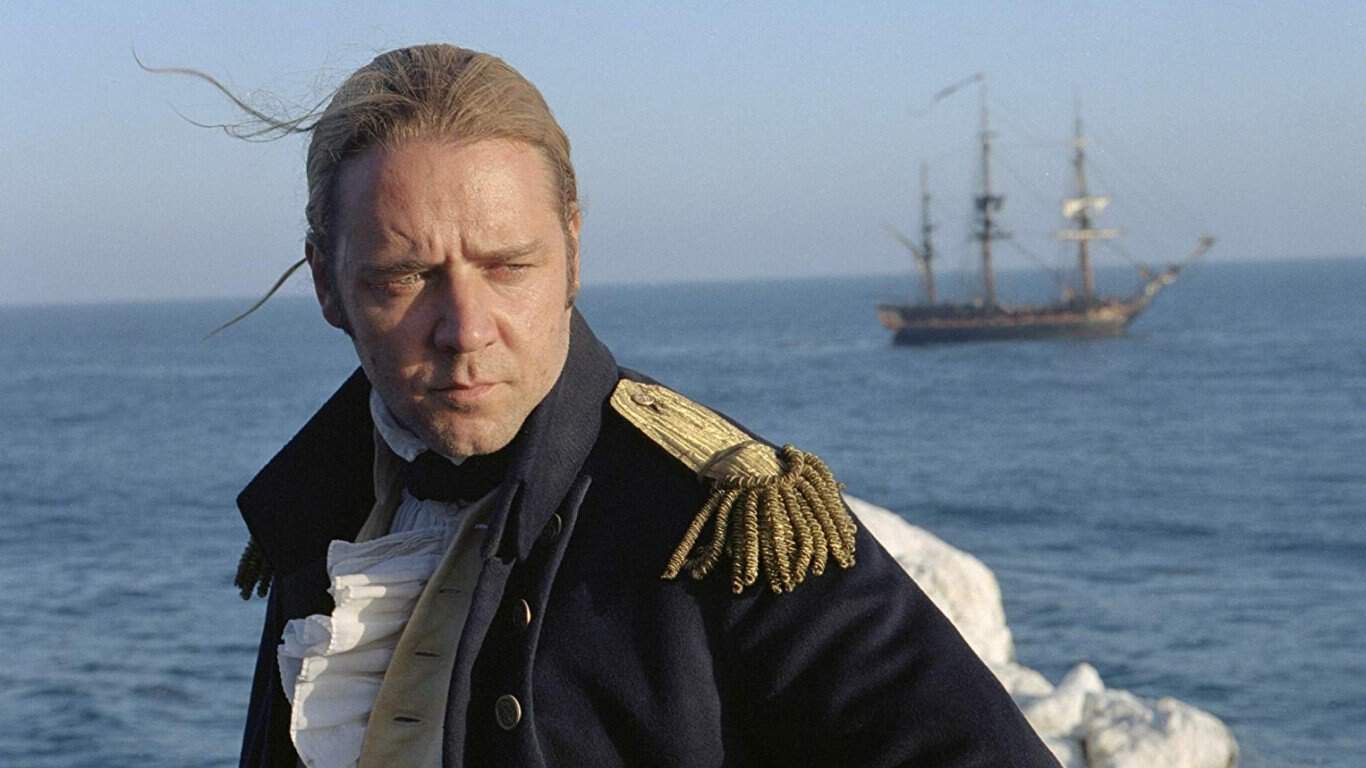
Peter Weir's seafaring drama gets a remarkable amount right about the physical world of Britain's Royal Navy during the Napoleonic Wars. Russell Crowe stars as Captain Jack Aubrey, with Paul Bettany as ship's surgeon Stephen Maturin. The creaking timber, crowded quarters, uniforms, medical treatment, gunnery drills, and brutal demands of life at sea feel convincingly lived-in. That authenticity comes from extensive research and Patrick O'Brian's richly detailed naval novels. Here's the important catch, though: Aubrey and Maturin are fictional characters, and the pursuit of the French vessel Acheron is not a documented historical mission. The filmmakers also altered elements of the books' setting and antagonist. Consider this a convincing portrait of how sailors lived and fought, not a movie about a particular voyage that actually took place.
"12 Years a Slave" (2013)
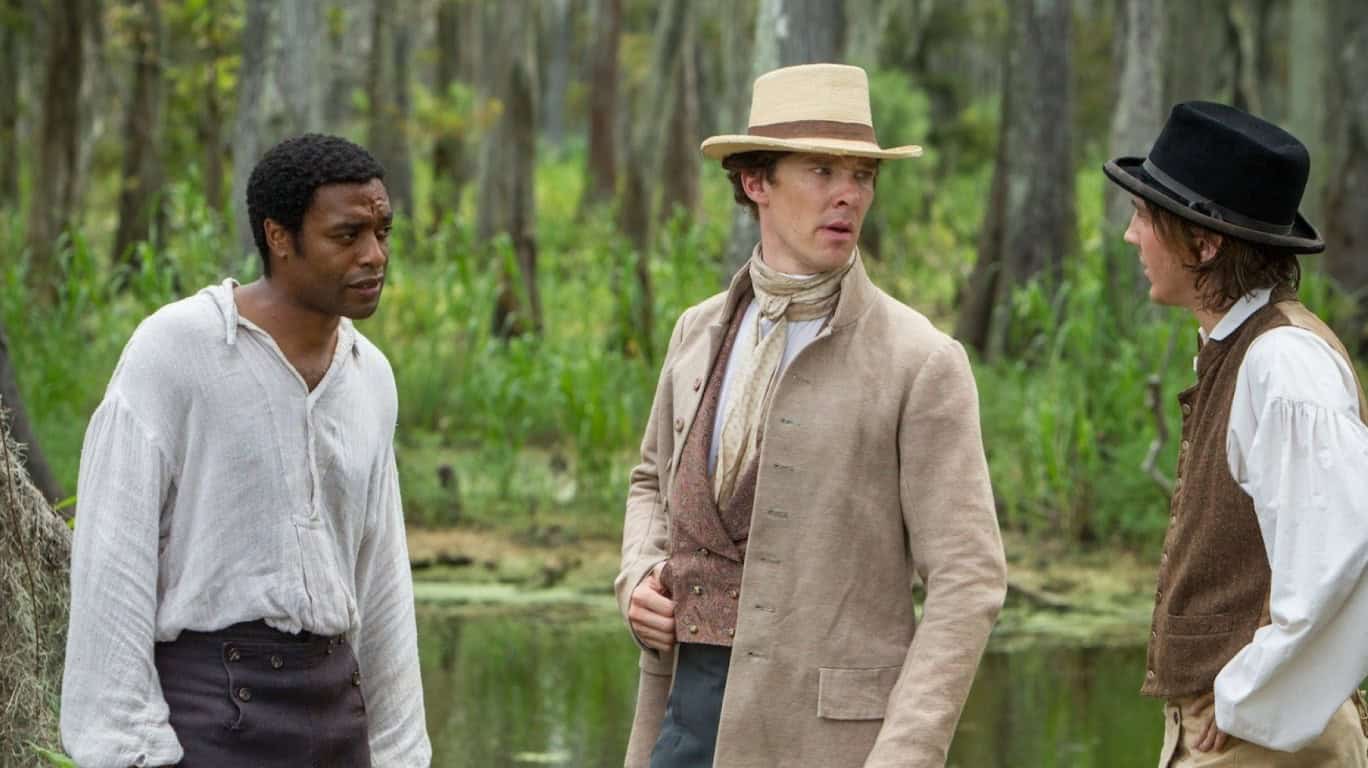
Steve McQueen's film tells the documented story of Solomon Northup, a free Black musician from New York who was kidnapped in 1841 and enslaved in Louisiana for 12 years. Chiwetel Ejiofor portrays Northup, with Lupita Nyong'o as Patsey and Michael Fassbender as enslaver Edwin Epps. The movie is grounded in Northup's 1853 memoir, which historians have examined alongside other records of slavery in the antebellum South. Much of the cruelty and exploitation portrayed on screen has a direct basis in his account. Naturally, a film cannot include every experience or person described in a lengthy memoir, and some scenes are shaped for drama. But the central story and its indictment of slavery are not cinematic inventions. Its realism comes from taking a survivor's testimony seriously.
"Zodiac" (2007)
David Fincher's meticulous crime thriller recreates the fear and frustration surrounding the Zodiac killings in Northern California during the late 1960s and early 1970s. Jake Gyllenhaal plays newspaper cartoonist Robert Graysmith, whose fascination with the case became the basis for books about the unidentified killer. Mark Ruffalo portrays investigator Dave Toschi, while Robert Downey Jr. plays journalist Paul Avery. The film is especially convincing when it follows the investigation's dead ends, conflicting evidence, and obsessive attention to detail. But convincing isn't the same as conclusive. The screenplay largely follows Graysmith's perspective and gives considerable weight to suspect Arthur Leigh Allen, whose guilt was never established. The killer's identity remains unconfirmed, and some of the movie's encounters and relationships were dramatized. It's a careful recreation of an investigation, not a solved case.
"Lincoln" (2012)
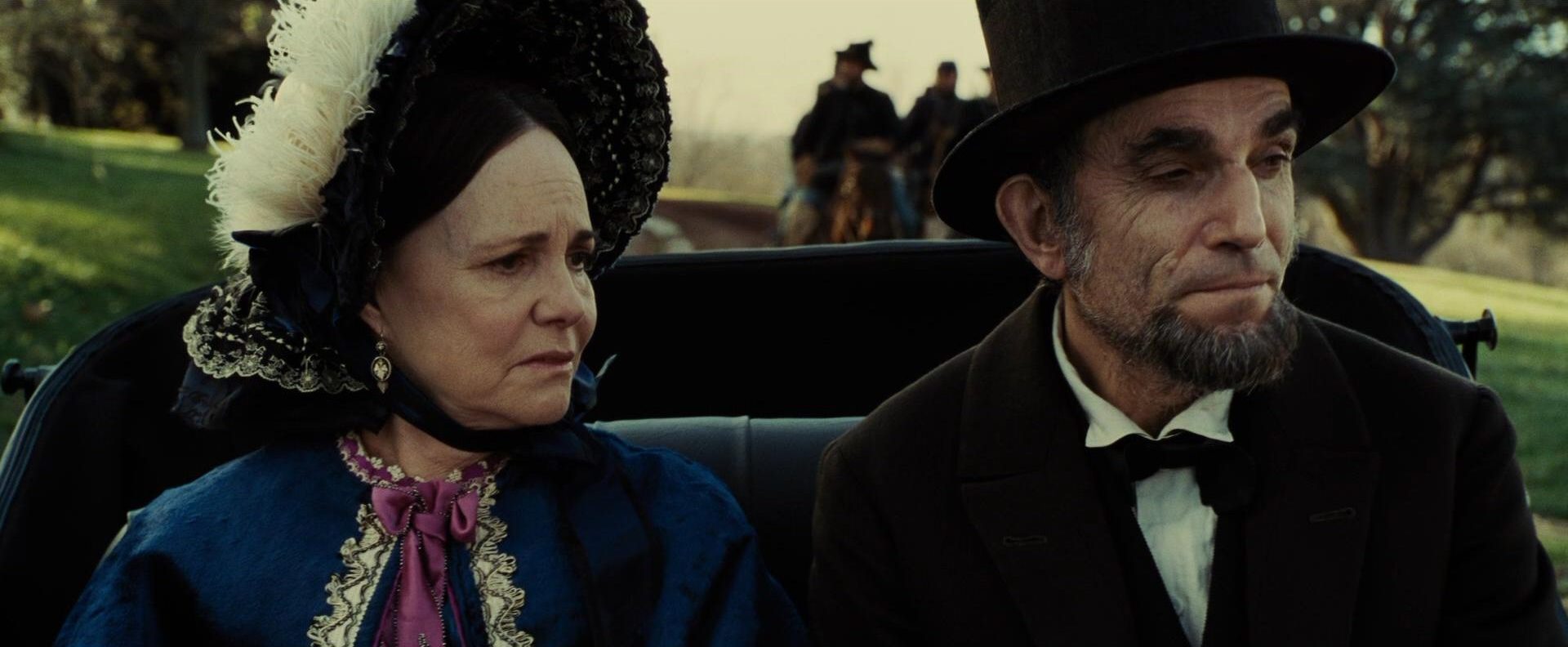
Steven Spielberg's film concentrates on a relatively brief period in Abraham Lincoln's presidency: the political battle to secure House passage of the 13th Amendment in January 1865. Daniel Day-Lewis captures a president who could be warm and funny while also being a shrewd, determined politician. Sally Field plays Mary Todd Lincoln, and Tommy Lee Jones portrays abolitionist congressman Thaddeus Stevens. The central struggle, vote-counting, and behind-the-scenes bargaining are rooted in the historical record. But the film does take liberties. Most notably, it incorrectly shows two Connecticut representatives opposing the amendment; in reality, all four voted in favor. Some private conversations and dramatic confrontations are also reconstructed rather than documented word for word. Even so, the movie provides a thoughtful look at the difficult politics behind a defining constitutional change.
"Tora! Tora! Tora!" (1970)
This ambitious Pearl Harbor film tells the story of December 7, 1941, from both the American and Japanese perspectives. Directed by Richard Fleischer, Toshio Masuda, and Kinji Fukasaku, it follows the planning, intelligence failures, and military decisions surrounding the attack rather than inventing a conventional love story. Historians have praised much of its overall reconstruction, and its attention to procedures and chronology remains impressive. Still, it isn't a perfect historical record. Some aircraft and ships used in filming were substitutes for the originals, and the famous closing remark attributed to Admiral Isoroku Yamamoto about awakening a sleeping giant has never been verified as something he actually said. That's an important distinction: The broader events are history, but one of the movie's most memorable lines appears to belong to Hollywood.
"The Pianist" (2002)
Adrien Brody portrays Wladyslaw Szpilman, the Polish Jewish musician who survived Nazi occupation in Warsaw. Roman Polanski based the film on Szpilman's published recollections, following his family's confinement in the Warsaw Ghetto, their separation, and his desperate efforts to stay alive in the devastated city. Its spare, often harrowing approach gives events room to speak for themselves instead of constantly forcing a dramatic flourish. The story draws on an eyewitness account, and Polanski's own childhood experiences during the war informed his reconstruction of the period. Nevertheless, it remains an adaptation. Some supporting characters are changed or combined, and events are compressed to fit a feature film. The historical backdrop and Szpilman's survival are real; the movie is an interpretation of that experience, not a substitute for the memoir or historical record.
"Malcolm X" (1992)
Spike Lee's sweeping biography follows Malcolm X from his early years and imprisonment through his religious and political transformation, departure from the Nation of Islam, and assassination in 1965. Denzel Washington gives a powerful lead performance alongside Angela Bassett as Betty Shabazz. The movie draws heavily on The Autobiography of Malcolm X, developed with writer Alex Haley, as well as the broader history of the civil rights era. It captures major milestones in Malcolm's life and the evolution of his public thinking. Still, an autobiography offers one perspective, and a three-hour film necessarily selects, combines, and dramatizes events. Scholars continue to debate some interpretations of Malcolm's life and legacy. Lee's film is a substantial historical portrait, but it shouldn't be treated as the final word on its subject.
"Schindler’s List" (1993)
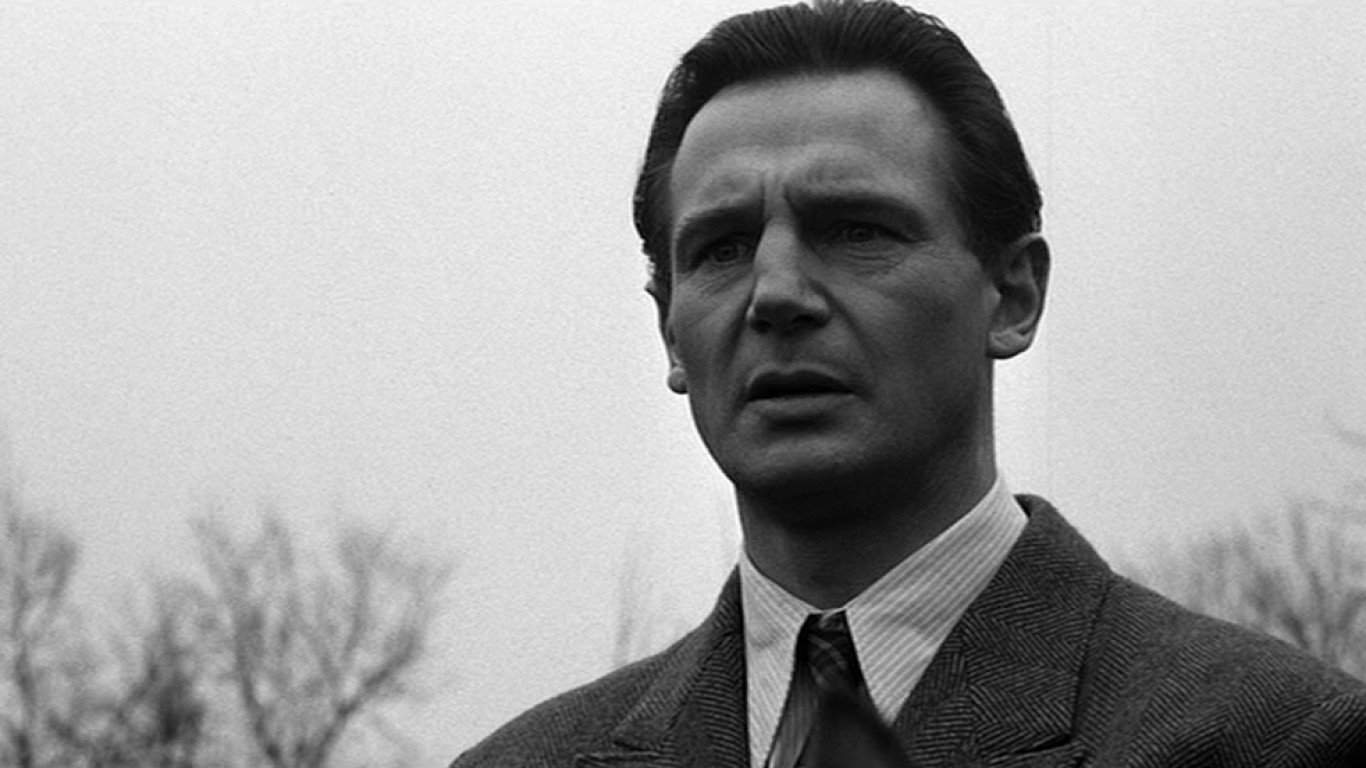
Steven Spielberg's Holocaust drama centers on Oskar Schindler, the German businessman who helped protect more than a thousand Jewish people from Nazi persecution and murder. Liam Neeson plays Schindler, with Ben Kingsley as Itzhak Stern and Ralph Fiennes as camp commandant Amon Goeth. The story draws from Thomas Keneally's book and survivor testimony, and its portrayal of Nazi brutality is grounded in devastating historical realities. But one famous element needs context: Schindler did not personally write a single definitive rescue list, as viewers might assume from the title. Multiple transfer lists existed, and a prisoner clerk named Marcel Goldberg prepared them. The movie also simplifies some relationships and events. Schindler's rescue efforts were real; Spielberg's account is a powerful interpretation rather than a documentary reconstruction.
"Downfall" (2004)
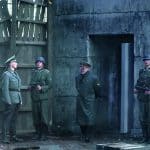
Oliver Hirschbiegel's German-language drama depicts the final collapse of the Nazi regime in Berlin in 1945. Bruno Ganz plays Adolf Hitler, while Alexandra Maria Lara portrays his secretary Traudl Junge. The film draws on Junge's recollections and the historical research of Joachim Fest, paying close attention to the bunker setting, personalities, and increasingly desperate atmosphere as Soviet forces closed in. Its production design and performances have been widely praised for their realism. Still, nobody recorded every private conversation in the bunker, and the movie reconstructs dialogue and individual moments from imperfect accounts. Some characters and outside-bunker storylines also combine or dramatize experiences. The result is a disturbing historical drama about the regime's final days, not a literal transcript of what happened underground.