Youtube
jphaikyo / BY 2.0
Grandville, Public domain, via Wikimedia Commons
sludgegulper / BY-SA 2.0
Peter Rivera / BY 2.0
Dana Beveridge / BY 2.0
Kjsmith47 / iStock via Getty Images

keulefm3 / CC0 1.0
IronGargoyle / BY-SA 3.0

Christophe95, CC BY-SA 4.0
abandondedexplorers.com / BY 2.0


10 Bizarre Theme Parks Someone Actually Thought Were a Good Idea
Theme parks are designed to spark joy, thrill visitors, and create unforgettable memories. Even a single day spent wandering through rides and attractions can feel magical. That’s why it can be so unsettling when a park closes its gates and its once-colorful attractions are left to deteriorate. Abandonment isn't the only thing that can make a theme park feel eerie, either. Strange designs, unusual histories, weathered animatronics, and the sight of nature reclaiming places once packed with visitors can all turn something cheerful into something surprisingly creepy.
There is no official category for "unsettling theme parks," so the selections here are necessarily subjective. Some became famous through photographs of abandoned rides and crumbling buildings, while others simply have unusual attractions or histories that give them an uncanny atmosphere. A few of these former parks have since been demolished or are being redeveloped, while others survive in altered forms. Click through the slideshow to explore some of the strangest and eeriest theme parks and former amusement parks around the world.
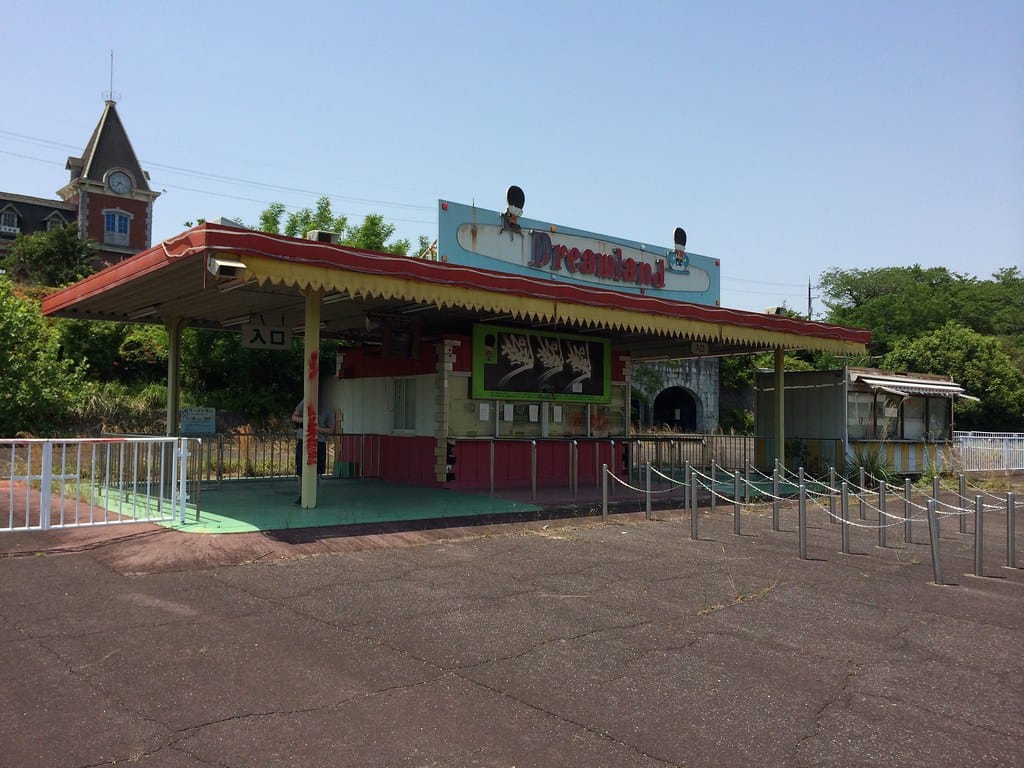
Nara Dreamland
Nara Dreamland was a theme park in Nara, Japan, that was heavily inspired by Disneyland in California but was not affiliated with Disney. It opened in 1961 and closed on Aug. 31, 2006. For roughly a decade afterward, its castle, roller coasters, monorail, and other attractions sat abandoned, making the site a favorite subject for urban-exploration photography. Demolition began in October 2016 and was completed in late 2017, so the eerie park seen in these photographs no longer exists.
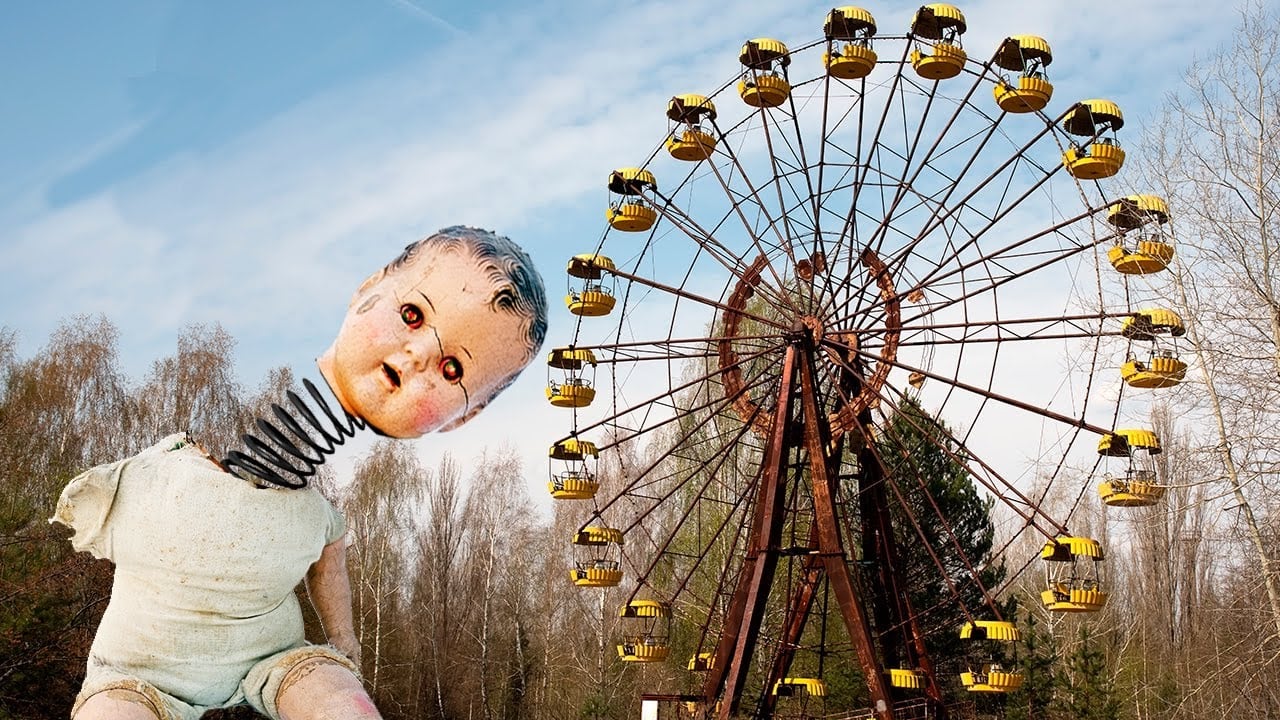
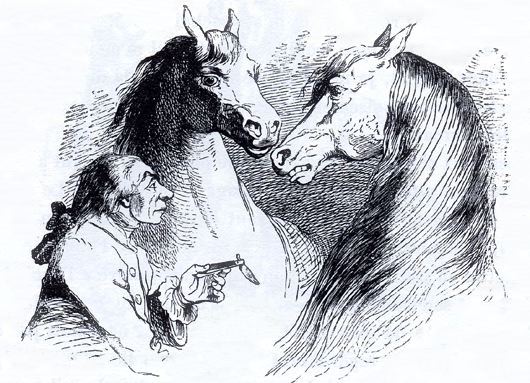
Gulliver’s Kingdom
Fuji Gulliver's Kingdom opened in 1997 in Yamanashi Prefecture near Mount Fuji. Its most memorable attraction was an enormous 45-meter, or roughly 148-foot, figure of Gulliver stretched across the ground as if he had been tied down by the tiny inhabitants of Lilliput in Jonathan Swift's novel. The park survived only until October 2001, when it closed after the collapse of a major creditor helped bring down the company operating it. The property was later sold and the abandoned park was eventually demolished.
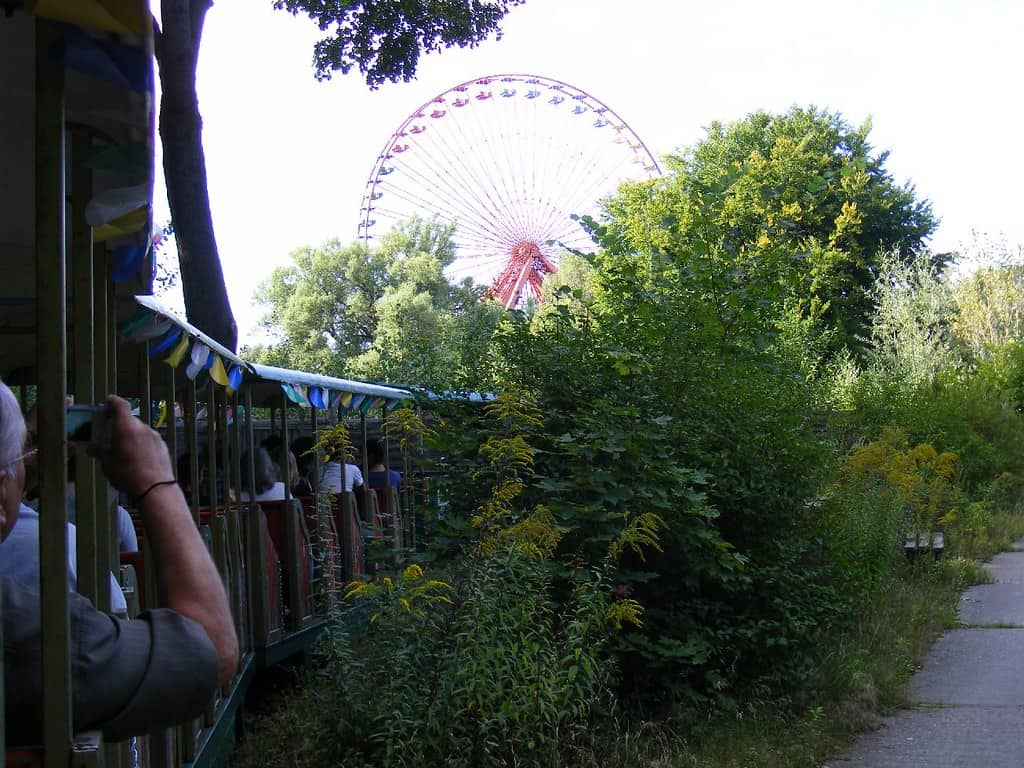
Spreepark
Berlin's Spreepark began in 1969 as Kulturpark Plänterwald, the only permanent amusement park in East Germany. After German reunification, it reopened under private management as Spreepark in 1992 but shut down after the 2001 season when the operator became insolvent. Former operator Norbert Witte later made headlines after attempting to smuggle 167 kilograms of cocaine from Peru to Germany hidden inside an amusement ride; he was sentenced to seven years in prison in 2004. The abandoned park is now undergoing a city-backed transformation into a public space centered on art, culture, and nature. Parts of the site have already reopened, with the remaining sections currently expected to follow by 2027.
Dinosaur World
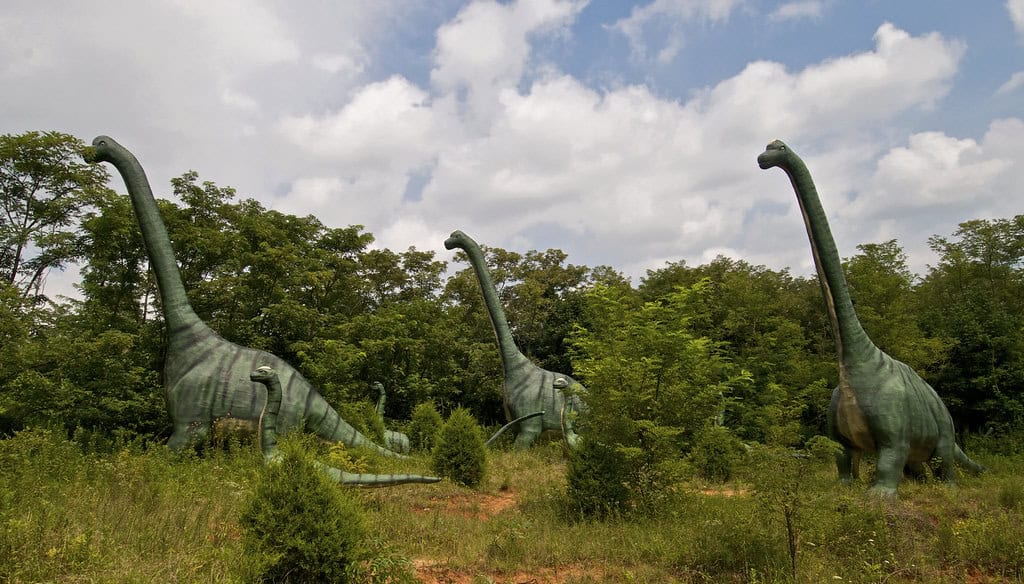
Dinosaur World isn't abandoned at all. The family attraction currently operates locations in Plant City, Florida; Cave City, Kentucky; and Glen Rose, Texas. Rather than relying on major roller coasters, the parks are built around hundreds of life-size dinosaur models displayed in outdoor settings, along with fossil-dig activities, playgrounds, exhibits, and other family attractions. Whether the dinosaurs are fascinating or a little unnerving is entirely subjective, but walking through the woods and suddenly coming face-to-face with a giant prehistoric replica can certainly create an unusual theme-park atmosphere.
Chippewa Lake Park
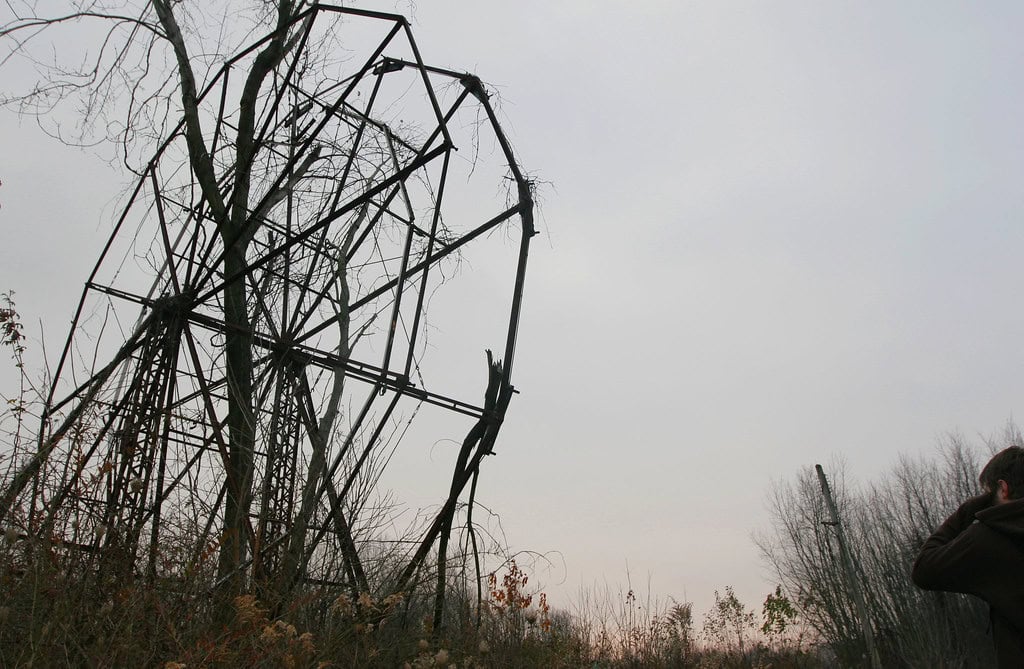
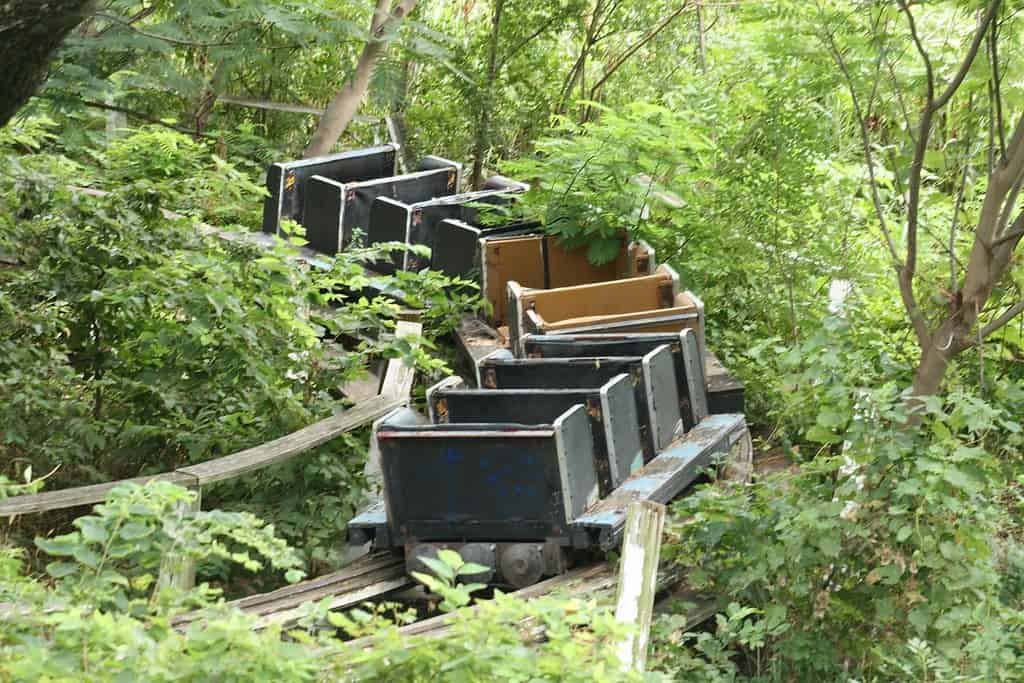
Chippewa Lake Park in Ohio traces its amusement-park history to 1878, when the lakeside destination was known as Andrew's Pleasure Grounds. It eventually grew into a major regional attraction with roller coasters, a Ferris wheel, dancing, boating, and other entertainment before closing after the 1978 season. Many rides and structures were initially left behind, and decades of vegetation growing around the abandoned attractions produced some famously eerie photographs. Most of the old rides were eventually removed, and the Medina County Park District acquired the former amusement-park property in 2020. On May 15, 2026, part of the property reopened to the public as the Tumble Bug Trailhead, although the section containing the old Ferris wheel remains closed while future phases are planned.
Western Village
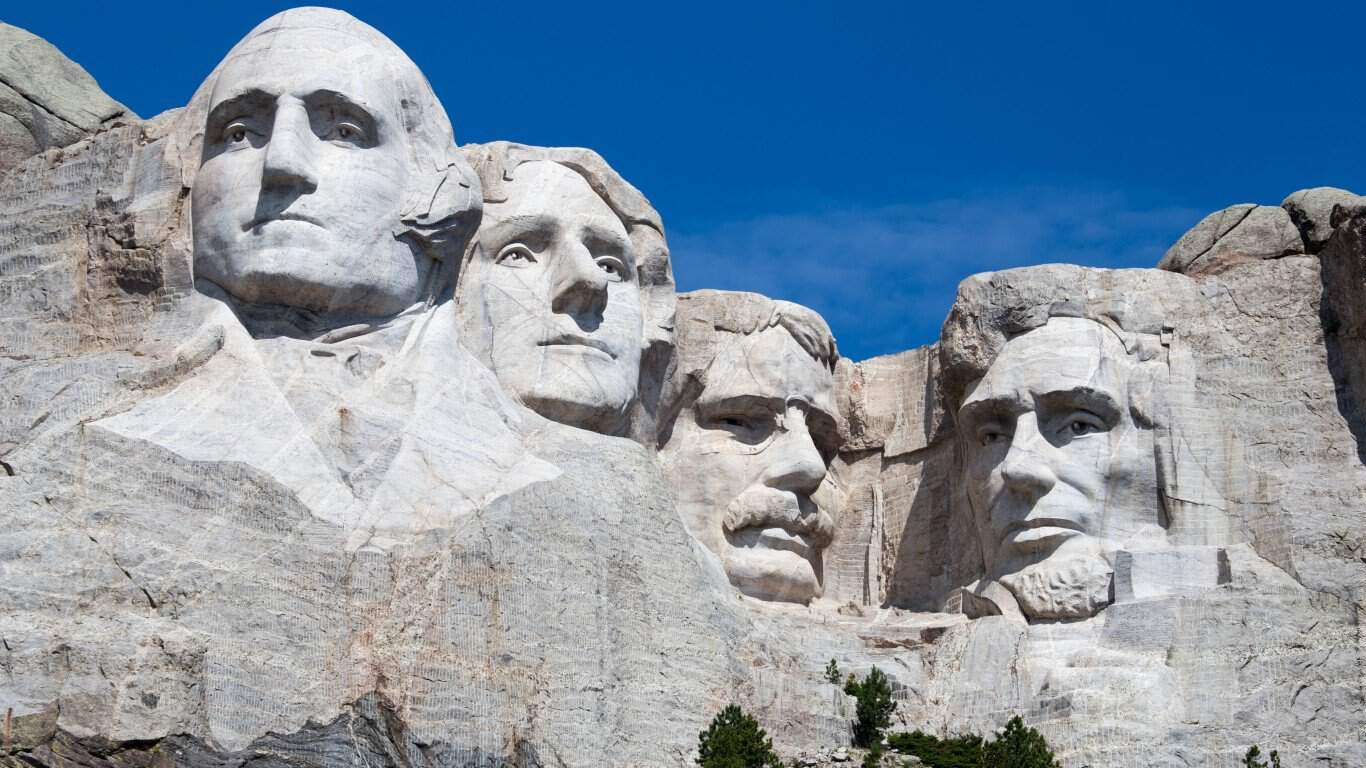
Western Village near Nikko, Japan, grew out of a western-themed attraction whose roots date to the 1970s. The park recreated an American Old West town with saloons, a sheriff's office, cowboy figures and animatronics, and even a replica of Mount Rushmore. It stopped operating in the mid-2000s and was closed for good by 2007. Much of the unusual Western scenery remained behind afterward, including deteriorating buildings and figures that made the deserted park look like an abandoned movie set. The property is not an operating tourist attraction, and entering abandoned areas without permission can constitute trespassing.
Taman Festival Bali
Taman Festival Bali was an ambitious entertainment complex in the Padang Galak area of Denpasar. The project opened at least partially in the late 1990s, but construction was never fully completed and the venture collapsed around 1999 to 2000 amid financial problems associated with the Asian financial crisis. Plans and attractions included performance spaces, a 3D theater, an artificial volcano, a zoo area, and amusement rides. The abandoned complex later became known for crumbling structures, heavy vegetation, and walls covered in graffiti and murals, giving the unfinished park a dramatically different appearance from what its developers originally envisioned.
Geauga Lake Amusement Park
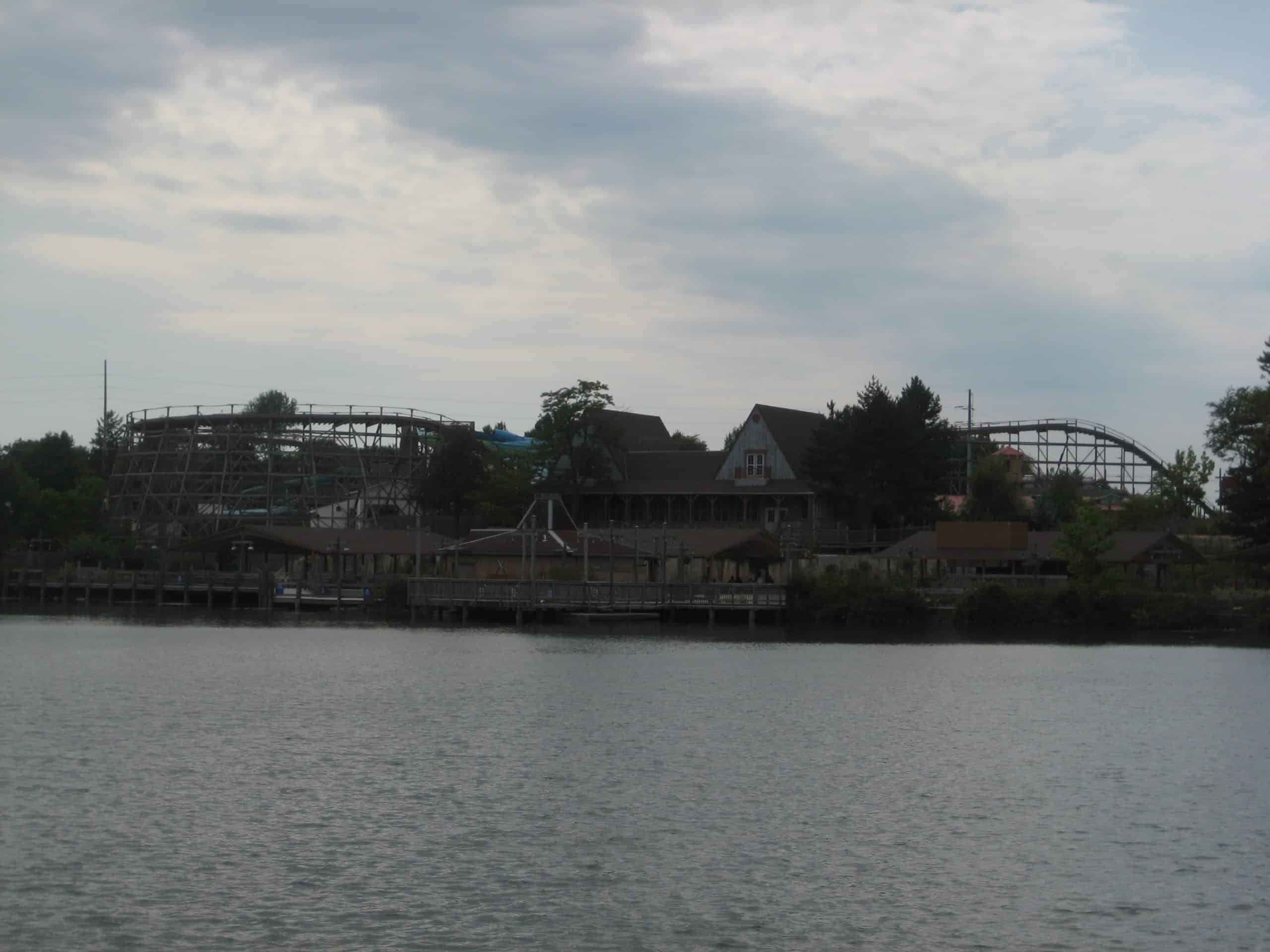
Geauga Lake in northeastern Ohio began as a recreation destination in 1887 and grew into a major amusement park. Its later history included several dramatic transformations: it became Six Flags Ohio in 2000, merged with neighboring SeaWorld Ohio as Six Flags Worlds of Adventure in 2001, and was acquired by Cedar Fair in 2004. The amusement-park side operated for the last time on Sept. 16, 2007, and Cedar Fair announced its permanent closure five days later. The adjacent water park continued operating as Wildwater Kingdom through 2016. Many of Geauga Lake's rides were removed, relocated, or sold after the amusement park closed, but photographs of its deteriorating attractions helped give the former park an eerie afterlife.
Hồ Thuỷ Tiên
Hồ Thuỷ Tiên near Huế, Vietnam, became internationally famous for the ruins of a water park that began operating in 2004 but ultimately failed as a tourism project. For years, its deteriorating attractions and enormous dragon structure drew attention from photographers and travelers. The provincial government reclaimed the project site in 2017, and redevelopment has continued in stages. By 2026, Huế authorities were managing the area as Hồ Thuỷ Tiên Park, maintaining it for residents and visitors and using the grounds for community events while planning a broader multipurpose cultural park. Its days as a completely abandoned water park are over, although remnants of its unusual past remain part of the site's identity.
Joyland Amusement Park
Joyland's permanent South Hillside location opened in Wichita, Kansas, on May 30, 1949, and grew into the city's largest amusement park. Financial difficulties, aging infrastructure, and deterioration led to its closure in 2004. A new operator briefly reopened the park in 2006, but the revival did not last. In the years that followed, vandalism, theft, fires, and weather took a heavy toll on attractions such as the wooden roller coaster and Wacky Shack. The abandoned park was eventually dismantled, and Joyland is no longer standing, although several pieces of its history have been preserved elsewhere in Wichita.