Khosrork / iStock via Getty Images
Sebastiano del Piombo, Public domain, via Wikimedia Commons
ipressthis / PDM 1.0
After Jean-Baptiste André Gautier-Dagoty, Public domain, via Wikimedia Commons
Reddavebatcave / Shutterstock.com
fran001 / Flickr
archer10 (Dennis) / BY-SA 2.0

Jaclyn Vernace/Shutterstock.com
Fernando Cortes/Shutterstock.com
Godfrey Kneller, Public domain, via Wikimedia Commons

LightField Studios / Shutterstock.com




6 History ‘Facts’ You Learned in School That Aren’t Actually True
History is worth knowing at any age, but some of the “facts” many of us grew up hearing are a lot closer to good storytelling than good history. Christopher Columbus did not sail west to prove the Earth was round. Napoleon was not an unusually tiny man whose height somehow fueled his ambitions. And there is no reliable evidence that Marie Antoinette ever told starving French peasants to “let them eat cake.”
That does not necessarily mean your history teacher was trying to pull one over on you. Complicated events tend to get compressed into stories that are easier to teach, remember, and repeat. Do that for a few generations and the simplified version can become more familiar than the evidence behind it.
Some of these myths were also helped along by propaganda, popular books, art, theater, and later pop culture. Once a historical story becomes familiar enough, getting rid of it can be surprisingly difficult. Here are six famous history “facts” that do not hold up nearly as well once you dig into the record.
Columbus and the Flat Earth
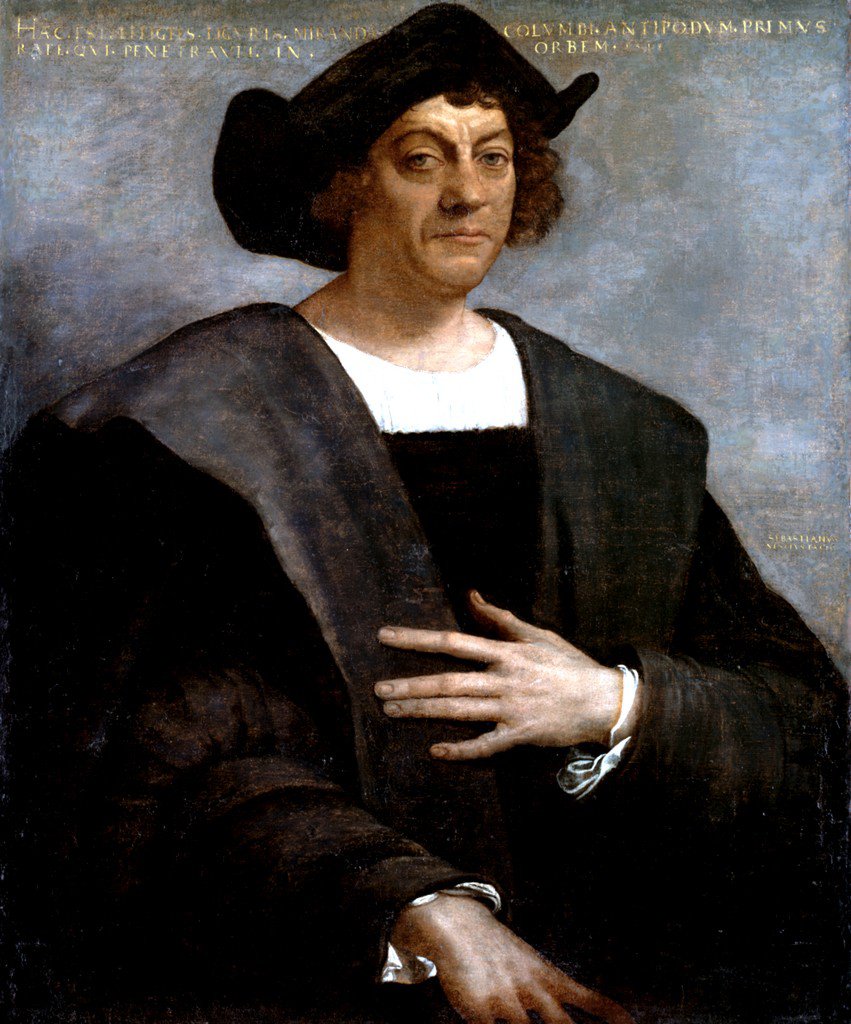
One of the most persistent stories about Christopher Columbus says his 1492 voyage was a daring attempt to prove the Earth was round while stubborn European scholars insisted it was flat. It makes Columbus look like a lone scientific thinker standing up to an entire continent. It also is not what happened.
Educated Europeans had understood that the Earth was spherical for centuries. The idea went back to antiquity, and the Greek scholar Eratosthenes famously calculated the Earth's circumference in the third century BCE by comparing the angle of sunlight at two locations in Egypt.
Columbus (continued)
The exact modern conversion of his result depends on the length of the ancient unit he used, but the important part here is pretty clear: people were studying the size of a spherical Earth long before Columbus was born.
The real argument over Columbus' plan was about distance, not whether he would fall off the planet. Columbus seriously underestimated how far a ship would have to travel west from Europe to reach Asia. His critics had good reason to think the proposed voyage was dangerously long. What Columbus did not know was that the Americas stood in the way. The familiar flat-Earth showdown was popularized centuries later, with Washington Irving's 1828 biography of Columbus helping turn it into one of history's most durable myths.
Let Them Eat Cake
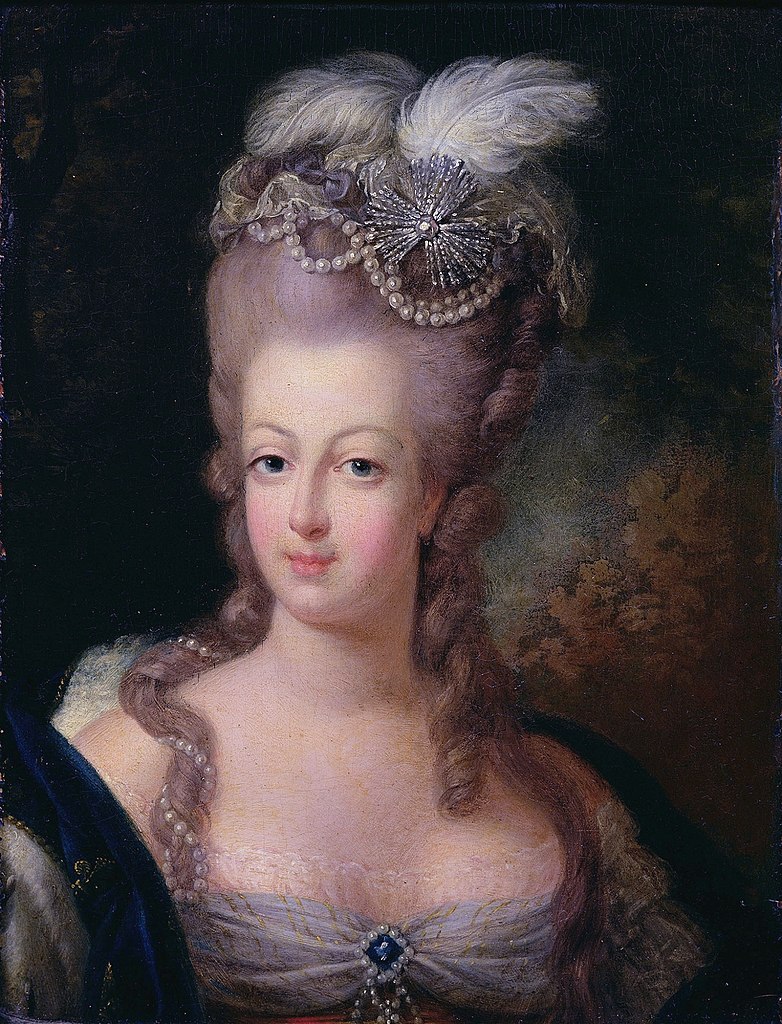
Few quotes are more closely tied to a historical figure than Marie Antoinette's supposed response to hungry French subjects who could not afford bread: “Let them eat cake.” The line has become shorthand for an out-of-touch monarchy oblivious to the suffering around it. There is just one fairly major problem. There is no reliable evidence that Marie Antoinette said it.
A version of the line appeared in Jean-Jacques Rousseau's Confessions, where he attributed the remark “Qu'ils mangent de la brioche,” roughly “Let them eat brioche,” to an unnamed “great princess.”
Marie Antoinette (continued)
Rousseau was writing that portion of the work around 1766, when Marie Antoinette was only about 10 or 11 years old and still living in Austria. She would not marry the future Louis XVI and move to France until 1770.
None of that means life at Versailles was modest or that the French monarchy was somehow disconnected from the enormous economic problems facing the country. But Marie Antoinette's surviving correspondence does not fit neatly with the famous quote either. During the bread-price unrest of 1775, she wrote to her mother about the hardships facing the French people and said the royal family was all the more obligated to work for their happiness. Somewhere along the way, the older brioche story became attached to the queen, and the myth proved much harder to kill than Marie Antoinette's actual words were to remember.
Napoleon's Short Man Complex
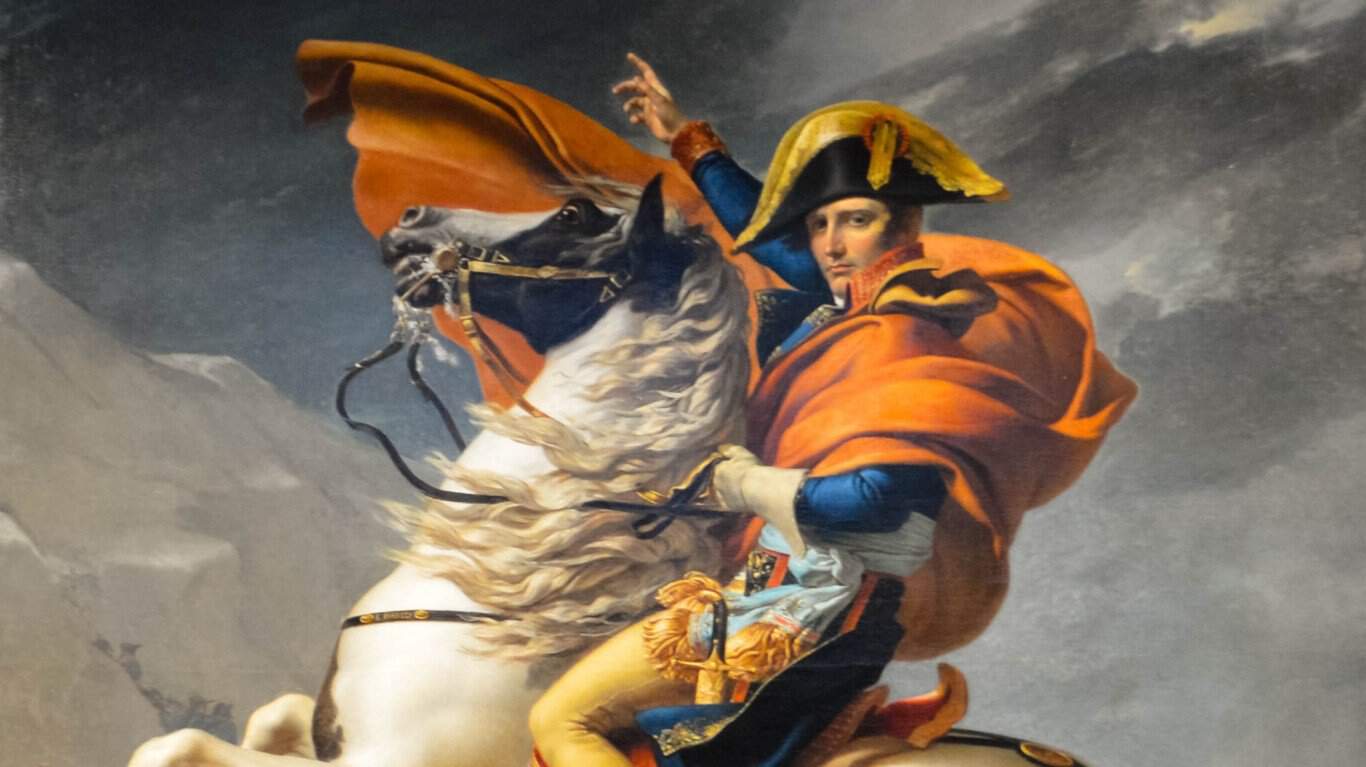
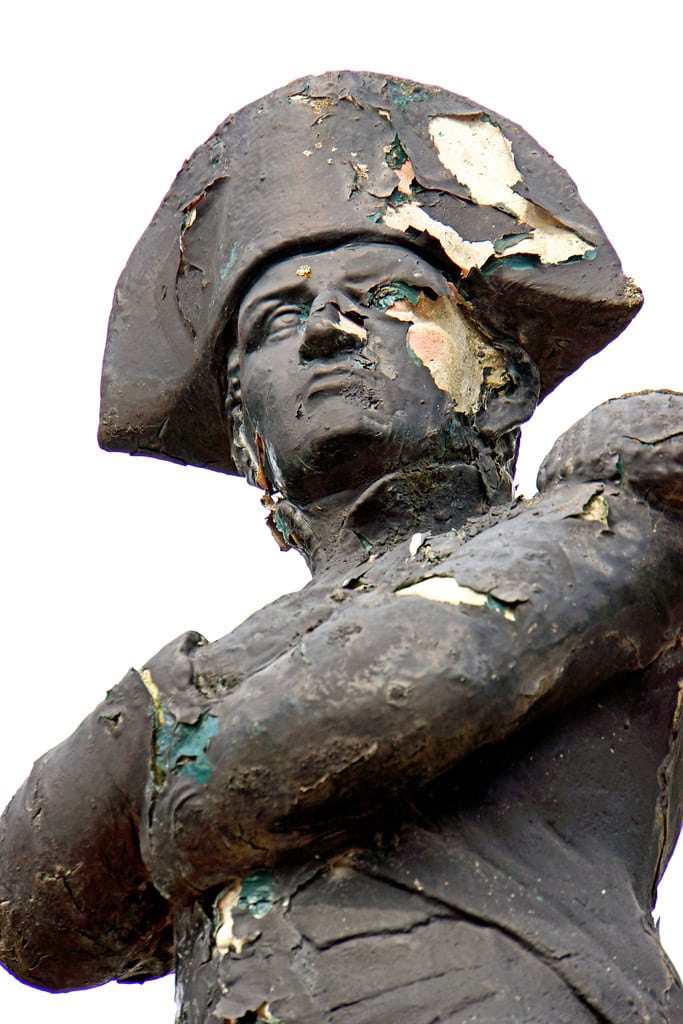
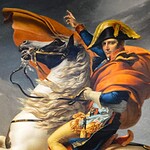
Napoleon Bonaparte became so closely associated with being short and aggressive that his name eventually became attached to the popular idea of a “Napoleon complex,” the stereotype that a shorter man might compensate for his height through aggression, ambition, or domineering behavior. Whatever you think of the psychology behind that idea, Napoleon himself is a shaky mascot for it.
A measurement recorded after Napoleon's death put him at 5 French feet, 2 inches, and 3 lines. Because the old French foot was longer than the English foot, that works out to about 1.686 meters, or roughly 5 feet 6 1/2 inches in modern U.S. measurements.
Napoleon (continued)
That put him around average height, and possibly somewhat above average, for a French man of his era.
British propaganda helped the smaller-than-life version of Napoleon stick. Caricaturists repeatedly portrayed him as a tiny, furious figure, with James Gillray and others turning “Little Boney” into a recognizable enemy for British audiences during the Napoleonic Wars. Napoleon certainly had enormous ambitions, but there is no need to invent a height complex to explain them. The supposedly tiny emperor was not especially tiny at all.
Burn the Witch
Mention the Salem witch trials and it is easy to picture accused women being dragged into a public square and burned at the stake. It is one of the most familiar images associated with witch hunts. It also did not happen during the Salem trials.
Nineteen men and women convicted during the 1692 Salem witch trials were executed by hanging. Giles Corey suffered a different and particularly brutal death. After refusing to enter a plea, the 81-year-old farmer was pressed beneath heavy stones in an attempt to force him to submit to the court. He died on September 19, 1692. Other accused people died while imprisoned.
The confusion comes partly from European witch persecutions, where burning was used in some jurisdictions. The English legal tradition followed in Massachusetts treated witchcraft differently, and Salem's condemned prisoners were not burned at the stake. The reality of the trials was horrific enough without adding an execution method that was never used there.
Horned Vikings
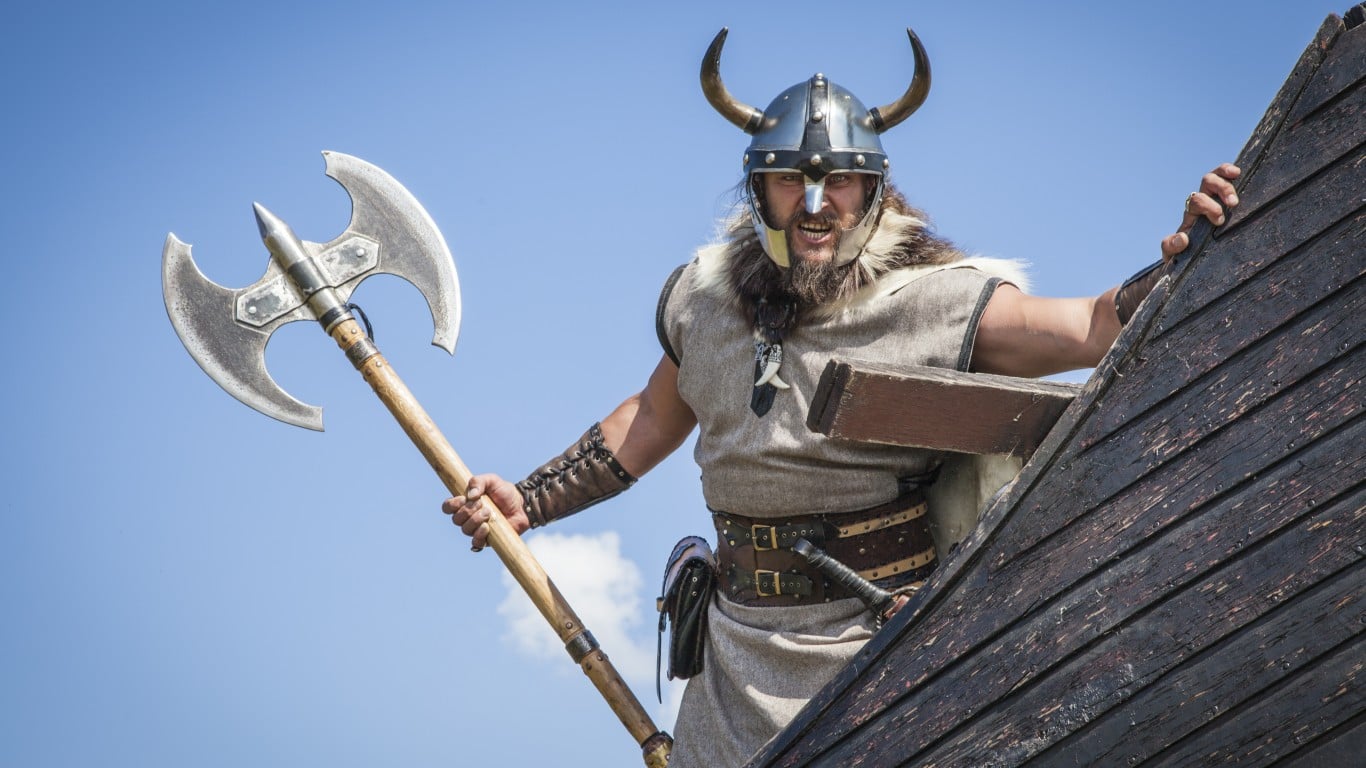
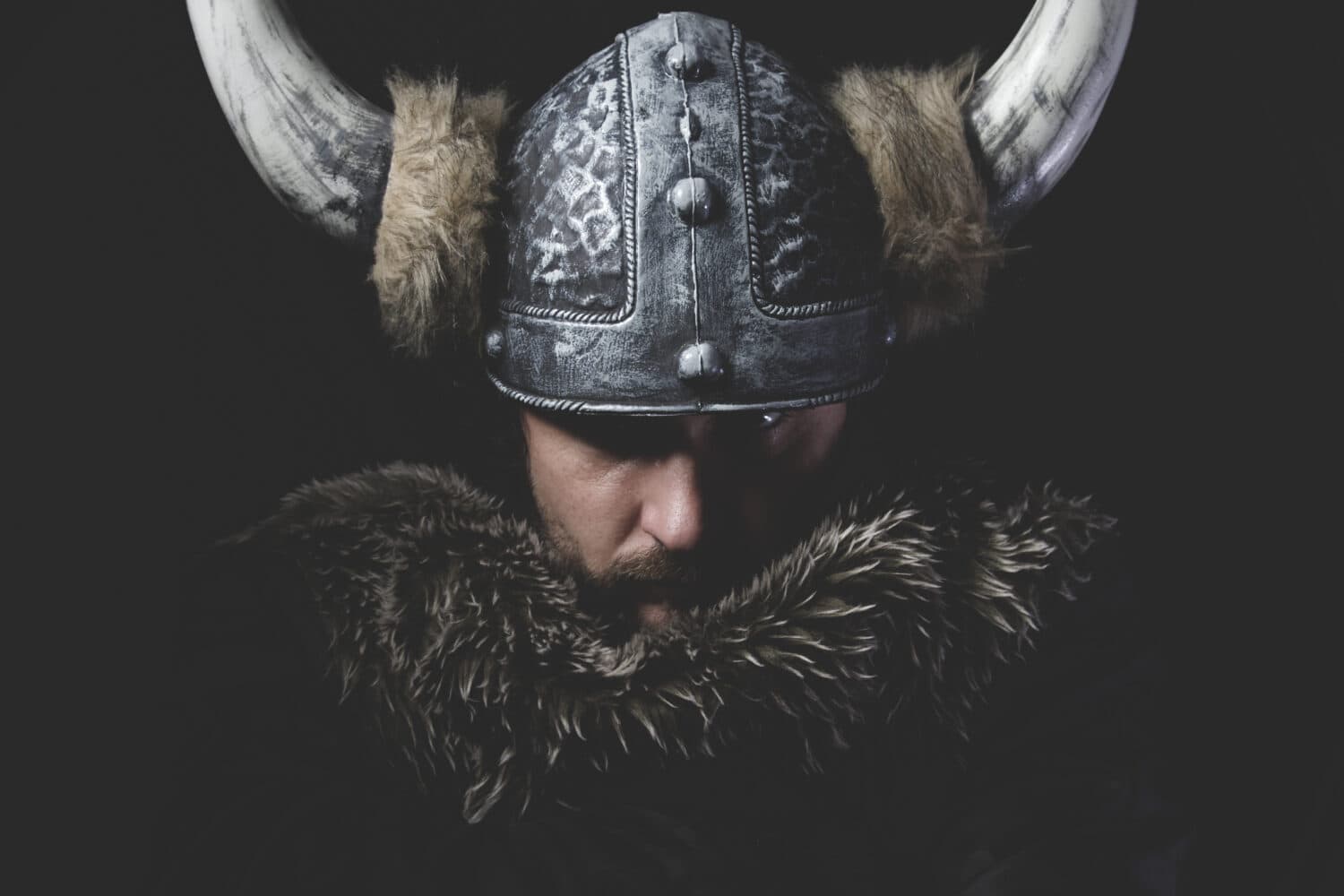
Give someone five seconds to draw a Viking and there is a good chance the helmet gets a pair of giant horns. The image has been used everywhere from sports logos to cartoons, advertisements, and Halloween costumes. As a picture of an ordinary Viking warrior heading into battle, though, it does not have much archaeological evidence behind it.
The only nearly complete helmet recovered from the Viking Age, the Gjermundbu helmet discovered in Norway, has no horns. No horned Viking battle helmet has been found, and contemporary written sources do not describe Viking warriors wearing them. There are a few Viking-period images showing horned figures, so saying that no Viking ever wore any kind of horned headgear would go too far. Historians have suggested such images may have represented ceremonial, ritual, or symbolic headgear rather than normal battlefield equipment.
The Viking we recognize today owes a lot to 19th-century romantic art and theater. Costume designer Carl Emil Doepler famously used horned helmets for characters in the 1876 Bayreuth production of Richard Wagner's Der Ring des Nibelungen. The look spread through European art and popular culture until horns became visual shorthand for Vikings. Apparently all it takes to rewrite a thousand years of fashion is one really memorable costume department.
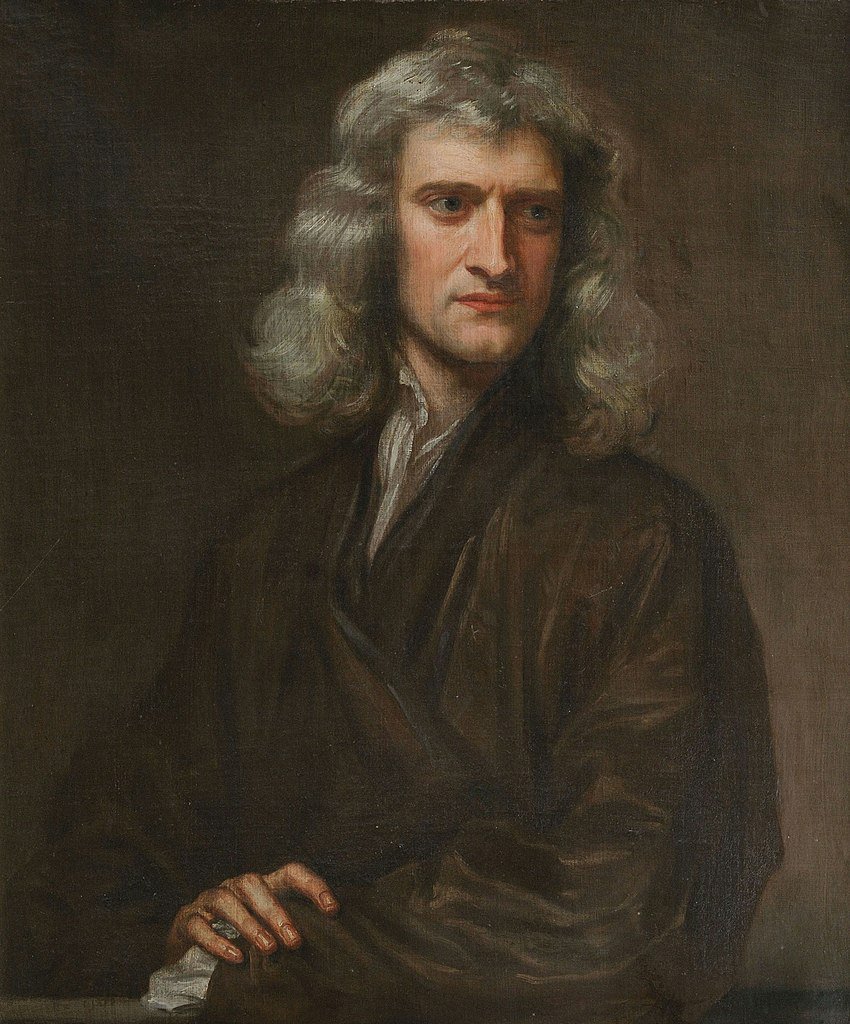
Isaac Newton's Falling Apple
The Isaac Newton story is a little different from the others because there really does appear to have been an apple. The exaggerated part is the familiar scene in which one drops directly onto Newton's head and, in a single cartoon-worthy moment, causes him to discover gravity.
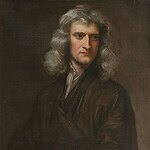
Newton himself told the apple story late in life to his friend William Stukeley. In Stukeley's 1752 memoir, Newton recalled that the idea of gravitation came to mind after watching an apple fall while he sat in a contemplative mood. Another account connected to Newton likewise placed him musing in a garden at his family's home in Lincolnshire. Neither account has an apple bouncing off his skull.
More importantly, the falling apple did not instantly hand Newton a finished theory of universal gravitation. The anecdote describes a line of thought: Why did the apple always fall toward the ground, and how far might the same attractive force extend? Historians have noted that Newton may have polished the story while recounting it decades later, but the basic falling-apple episode has far more historical support than the head-smacking version most of us know.
Conclusion
It is not hard to see why these stories survive. History is messy, full of context, uncertainty, changing sources, and details that do not always fit neatly into a memorable sentence. Myths are cleaner. Columbus versus the flat-Earthers, Napoleon overcompensating for his height, and Newton getting smacked with an apple all make great stories. The real history is usually more complicated, but it is also a lot more interesting once you start pulling at the threads.