
Michael Jordan’s words about competition, preparation and failure have been repeated nearly as often as his greatest plays. But the internet has also attached many unsourced sayings to him. This collection includes only quotations traceable to Jordan’s books, recorded interviews, speeches, press conferences, advertising work or contemporaneous reporting.
These remarks span his playing career and retirement, touching on effort, teamwork, focus and what it means to keep trying. The wording has been checked against the strongest available source, and duplicate or unsupported attributions have been removed.
“I’m not out there sweating for three hours every day just to find out what it feels like to sweat.”

Effort is most useful when it serves a clear purpose. Instead of treating long hours as an achievement by themselves, define the skill or result you are training for, choose a way to measure progress, and adjust when repetition is no longer improving performance.
“There is no such thing as a perfect basketball player, and I don’t believe there is only one greatest player either.”

Perfection is a poor target because every player works within a different era, role and set of conditions. A more useful goal is growth: study people who excel, borrow what fits, and keep refining your own approach without needing to declare one person flawless.
“My father used to say that it’s never too late to do anything you wanted to do. And he said, ‘You never know what you can accomplish until you try.’”
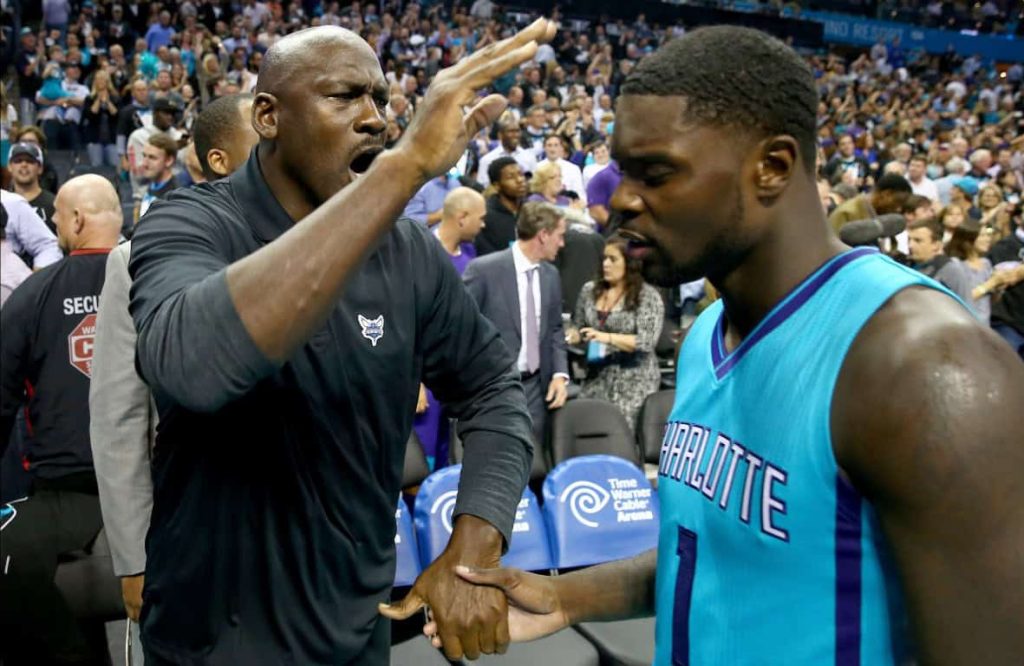
Jordan shared this advice while speaking about his father, James Jordan, and the effect his death had on him. The words matter because they do not promise that every attempt will work; they argue that possibility remains open until a person actually tries. Applied practically, the lesson is to separate a real deadline from an imagined one. A career change, a new skill or a difficult conversation may feel overdue simply because it did not happen on the first expected timetable. Begin with one action small enough to take now: make the call, submit the application, schedule the lesson or write the first page. Then judge the idea by what happens, not by the fear that it should have happened earlier. Jordan’s phrasing also preserves the source of the lesson. He was not claiming the thought as his invention, but passing along advice from a parent whose influence continued after his death.
“I built my talents on the shoulders of someone else’s talent.”
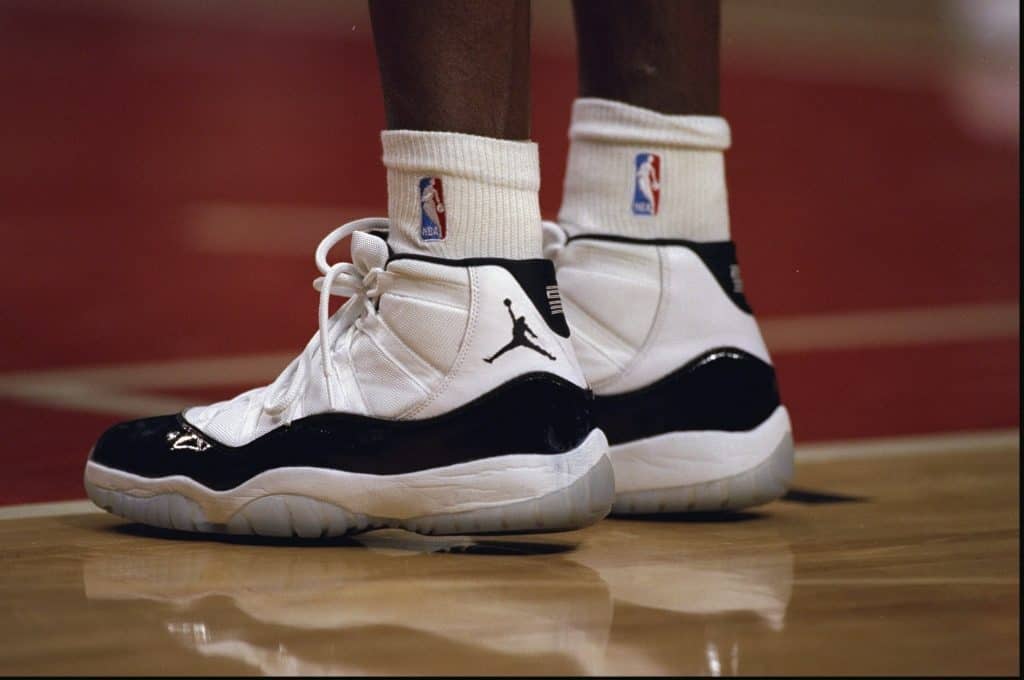
Jordan’s wording turns achievement into a relay rather than a solo performance. In practice, identify the teachers, colleagues and predecessors whose work made yours possible. Giving them credit does not diminish your talent; it shows how knowledge is carried forward and improved.
“I want to wake up every day and do whatever comes in my mind, and not feel pressure or obligations to do anything else in my life.”

This is less a promise to avoid responsibility than a picture of personal freedom. To move toward it, notice which obligations are necessary and which exist only from habit or outside expectations. Protecting even a small block of unscheduled time can restore choice and curiosity.
“The game is my wife. It demands loyalty and responsibility, and it gives me back fulfillment and peace.”
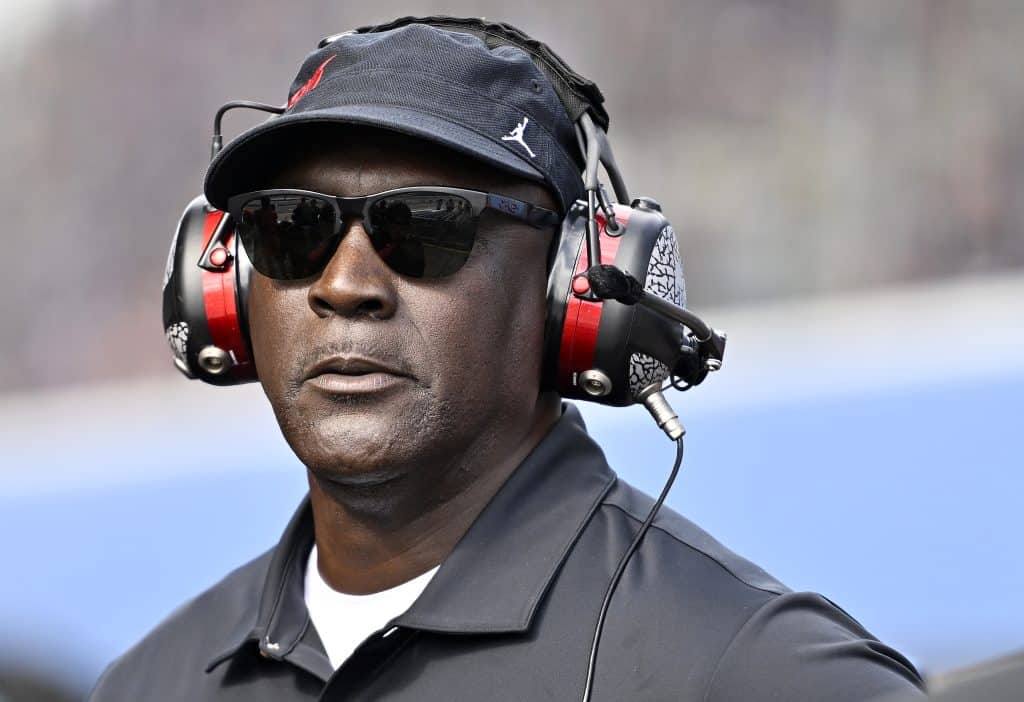
The comparison is intense, but its central idea is reciprocity: lasting fulfillment asks for commitment in return. The practical question is whether your most important pursuit receives dependable attention, not just bursts of enthusiasm when circumstances are easy.
“I want to be the bridge to the next generation.”

A bridge carries knowledge in both directions: it respects what came before while helping someone else move farther. Mentoring can be as simple as explaining an unwritten rule, sharing a useful introduction or giving a younger colleague room to make a meaningful decision.
“If you do the work, you get rewarded. There are no shortcuts in life.”

Shortcuts often hide the part of a process that creates durable skill. Break a large objective into repeatable work you can complete each week, then track whether that work produces improvement. Rewards may arrive unevenly, but a sound process gives progress somewhere to accumulate.
“My heroes are and were my parents. I can’t see having anyone else as my heroes.”

Public figures are not the only models worth studying. The people closest to us often demonstrate character through ordinary, repeated choices that never make headlines. Consider which habits you inherited from family, which ones you value, and which you want to pass on.
“Winning isn’t always championships.”
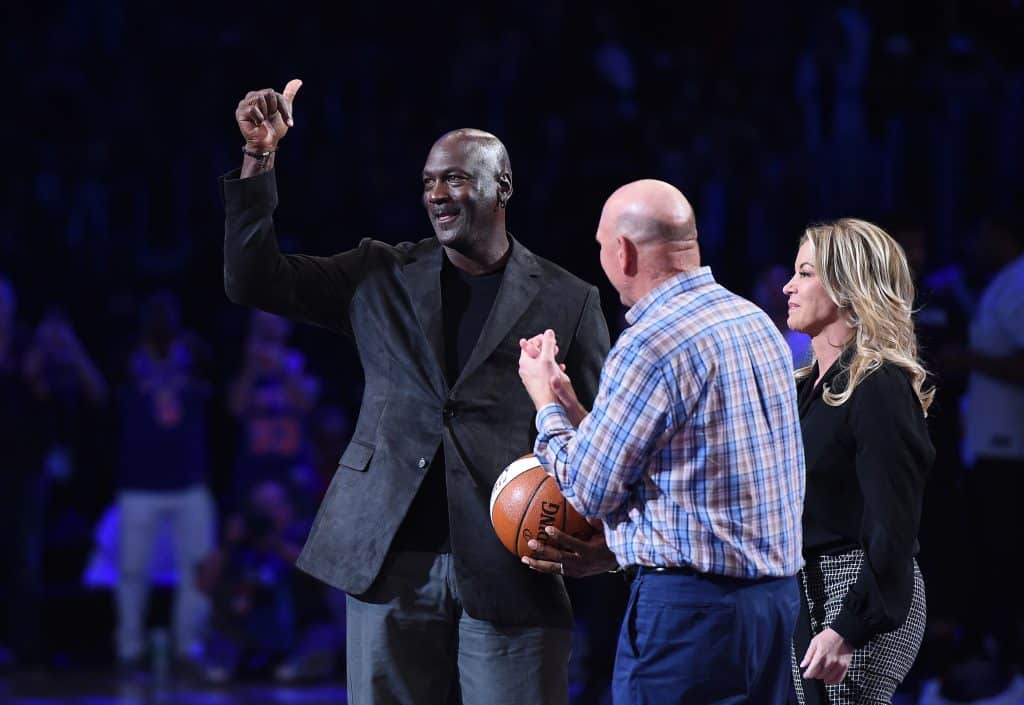
Championships are clear results, but they are not the only evidence that effort mattered. Helping a teammate improve, rebuilding a struggling group or teaching someone to trust their ability can also be a win. Define success broadly enough to recognize progress before the trophy arrives.
“When I lose the sense of motivation and the sense to prove something as a basketball player, it’s time for me to move away from the game of basketball.”
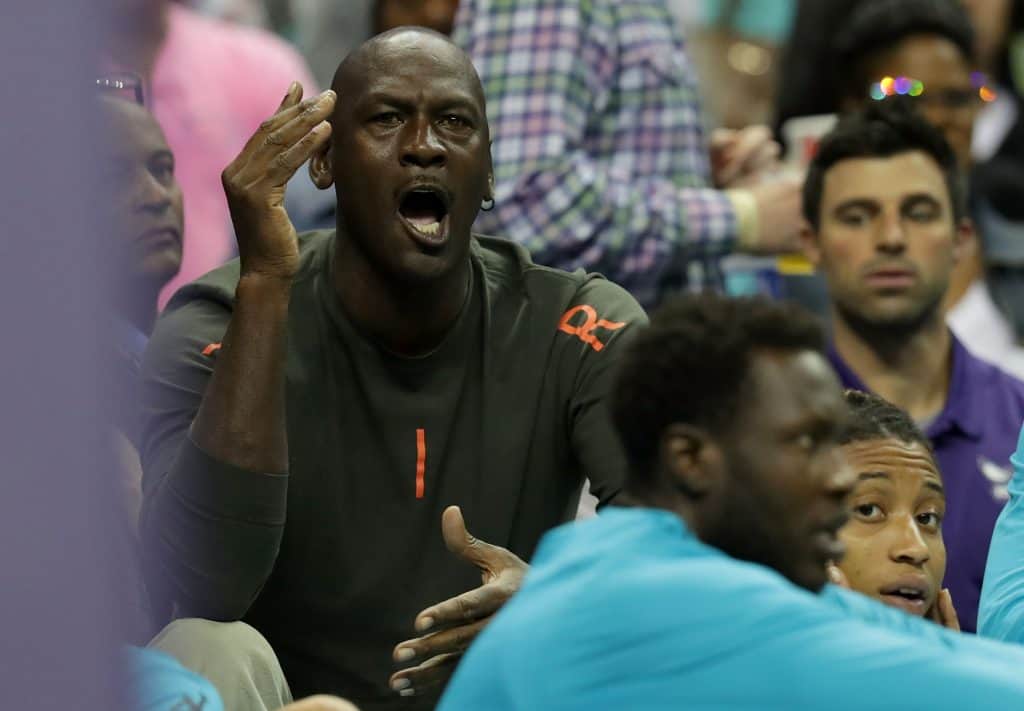
Jordan made this remark at his first retirement announcement in 1993, when he explained that his motivation and need to prove himself as a basketball player had faded. The statement offers a more demanding test than simply asking whether a job is still comfortable. It asks whether the inner reason for doing the work remains alive. A useful review can separate temporary fatigue from a deeper change: take genuine rest, identify what once made the challenge meaningful, and see whether curiosity returns. If it does not, leaving may be an act of honesty rather than defeat. Jordan’s own story adds an important qualification. He later returned to basketball, showing that a sincere decision made at one moment does not have to become a permanent rule. Motivation can change, circumstances can change, and a person can reconsider without pretending the earlier choice was false.
“You have competition every day because you set such high standards for yourself that you have to go out every day and live up to that.”

High standards can create daily competition without requiring a rival. Choose a benchmark that reflects your best work, then compare today’s preparation with that standard. The aim is not constant self-criticism, but a clear signal when effort, focus or execution begins to drift.
“I know fear is an obstacle for some people, but it’s an illusion to me. … Failure always made me try harder the next time.”
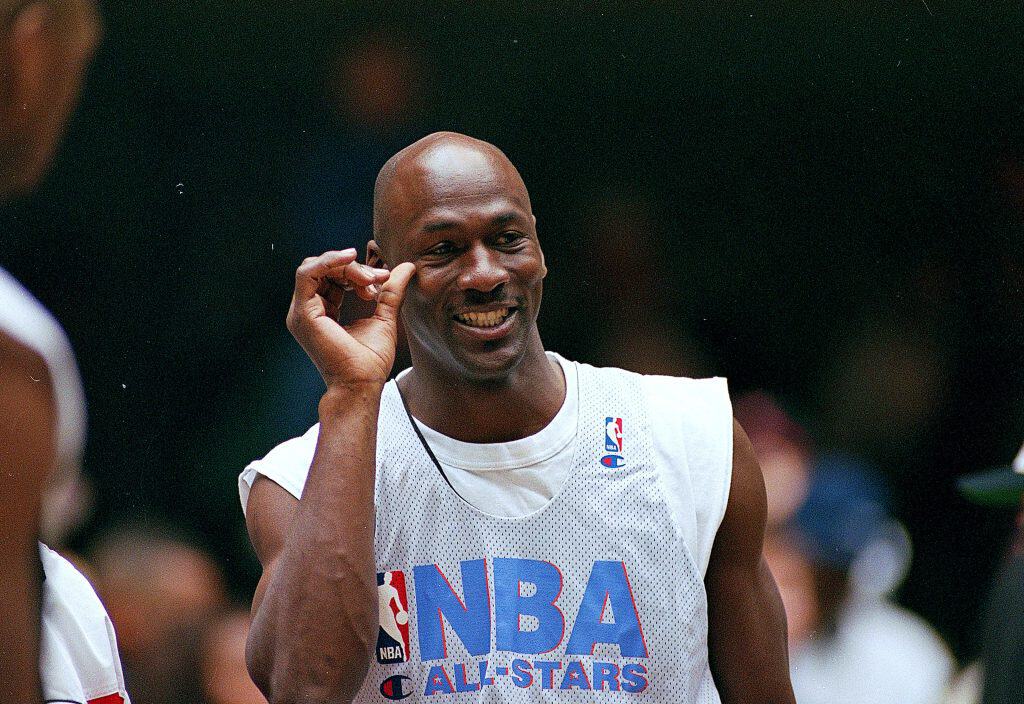
Fear often feels like proof that a task is unsafe or beyond us, even when it is only uncertainty speaking loudly. Treat a setback as information: name what failed, change one part of the approach and try again. The next attempt should be wiser, not merely more forceful.
“I never looked at the consequences of missing a big shot. Why? Because when you think about the consequences, you always think of a negative result.”
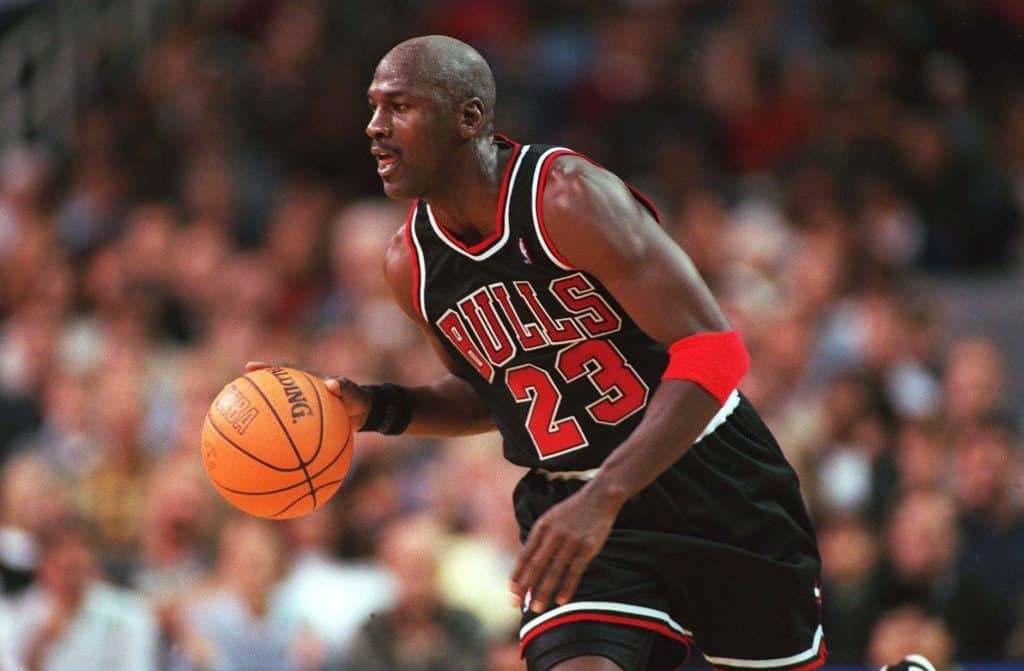
Thinking only about the cost of failure can make a person cautious at the moment decisiveness is needed. Prepare for consequences before the pressure arrives, then return attention to the action itself. In a difficult moment, focus on the next controllable move rather than the verdict.
“I realized that if I was going to achieve anything in life, I had to be aggressive. I had to get out there and go for it.”

Aggressive here need not mean reckless or hostile. It can mean acting before perfect confidence arrives: volunteering, making the proposal or asking directly for an opportunity. Pair initiative with preparation so that going for it becomes a considered risk rather than an empty gesture.
“I believe greatness is an evolutionary process that changes and evolves era to era.”

Jordan places greatness in a chain of influence across generations. Standards change as people study earlier achievements and build beyond them. In any field, honoring predecessors should be the beginning of learning, not a reason to freeze their methods or stop asking what can improve.
“The minute you get away from fundamentals—whether it’s proper technique, work ethic, or mental preparation—the bottom can fall out of your game, your schoolwork, your job, whatever you’re doing.”

Fundamentals are the quiet systems that keep performance stable under pressure. When results slip, return to the basics before chasing a dramatic fix: check technique, preparation, rest and follow-through. Small neglected habits often explain more than a supposed lack of talent.
“Well, I mean, we all fly. Once you leave the ground, you fly. Some people fly longer than others.”

Jordan’s metaphor acknowledges a shared act while leaving room for different abilities and outcomes. Comparison is most useful when it reveals a technique to learn, not when it erases your own progress. Measure how well you use your time in the air, however long it lasts.
“If it turns out my best isn’t good enough, then at least I’ll never be able to look back and say I was too afraid to try.”
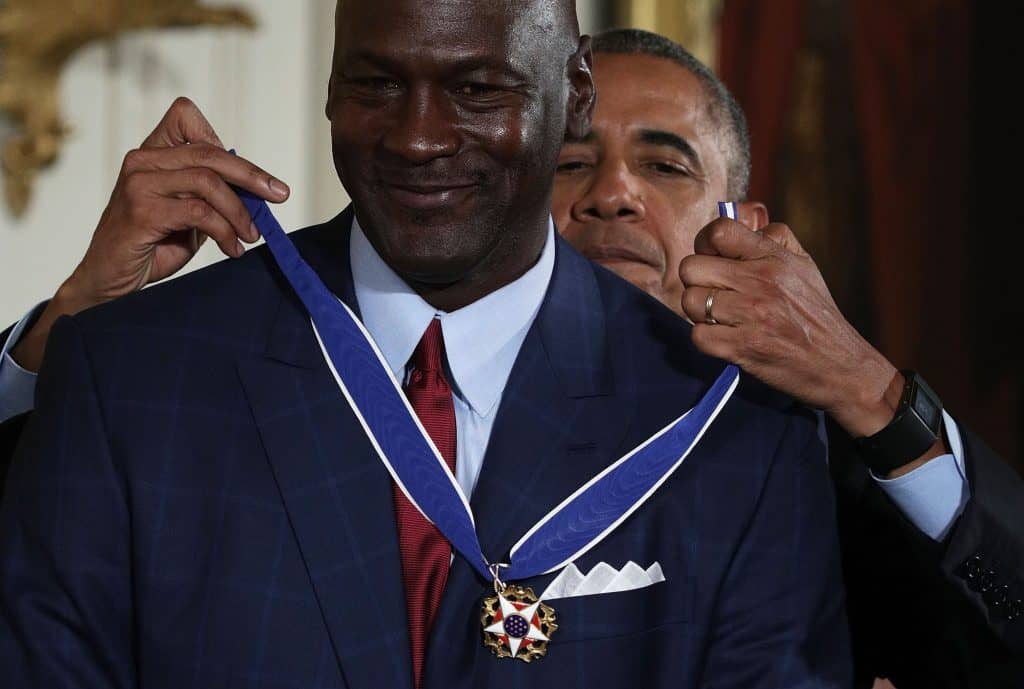
This is a useful standard for decisions with uncertain outcomes: success is not guaranteed, but a wholehearted attempt can prevent a different regret. Before declining a challenge, ask whether the obstacle is a real limit or the discomfort of being seen trying and possibly falling short.
“Talent wins games, but teamwork and intelligence win championships.”

Individual talent can decide a moment, but sustained success depends on coordination and judgment. Make responsibilities clear, share information early and value the teammate who improves everyone else’s work. A group becomes stronger when ability is connected rather than collected.
“I’ve missed more than 9,000 shots in my career. I’ve lost almost 300 games. Twenty-six times, I’ve been trusted to take the game-winning shot and missed. I’ve failed over and over and over again in my life. And that is why I succeed.”

These lines became famous through a 1997 Nike advertisement in which Jordan narrated a list of missed shots, lost games and failed attempts. Their force comes from putting failure inside the record of success instead of treating it as an embarrassing exception. The practical application is not to celebrate mistakes for their own sake, but to keep them in proportion. Track attempts as well as outcomes, especially in work where rejection is common. A salesperson can record useful conversations, a writer can count finished submissions and an athlete can measure disciplined practice. After a miss, review the decision and execution while the details are fresh, choose one adjustment and return to the work. Failure becomes productive only when it supplies information or strengthens the ability to continue. The ad’s final turn works because success is presented as the result of repeated recovery, not a life without losses.
“I’ve never lost a game; I just ran out of time.”

The line is playful, but it also reframes a result without denying that time expired. After a loss, wording can shape what happens next. Describe the outcome accurately, separate it from your identity and identify what remains usable, whether that is experience, preparation or resolve.
“If you’re trying to achieve, there will be roadblocks. I’ve had them; everybody has had them. But obstacles don’t have to stop you. If you run into a wall, don’t turn around and give up. Figure out how to climb it, go through it, or work around it.”

Roadblocks do not all require the same response. Some yield to persistence, others to a new route, added skill or help from someone with a different view. Before abandoning a goal, list three possible paths around the obstacle and test the least costly one. Flexibility can be a form of perseverance.
“My attitude is that if you push me towards something that you think is a weakness, then I will turn that perceived weakness into a strength.”

Turning weakness into strength begins with an honest diagnosis, not simple defiance. If criticism identifies a real gap, build a practice plan around it and seek feedback that can show improvement. The goal is to make a limitation less exploitable, not to pretend it never existed.
“I can accept failure. Everyone fails at something. But I can’t accept not trying.”

Acceptance here is not resignation. It is the willingness to risk an imperfect result while keeping effort within your control. When a task matters, define what a serious attempt requires, complete those actions and evaluate honestly. Not trying removes even the chance to learn.
“One day you might look up and see me playing the game at 50. Oh, don’t laugh. Never say never. Because limits, like fears, are often just an illusion.”
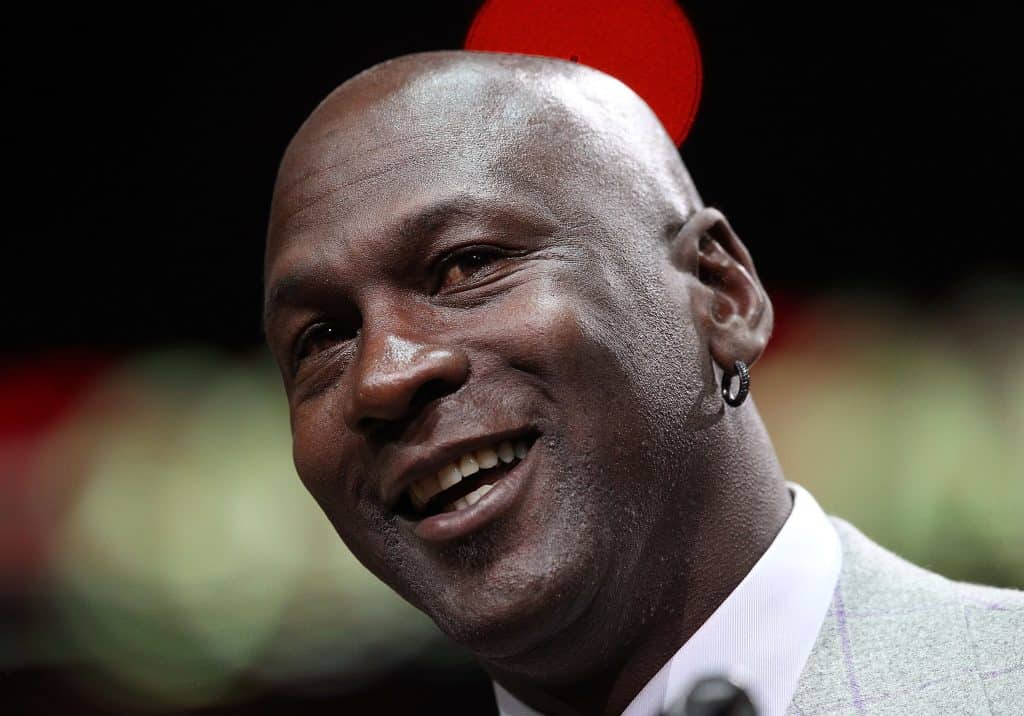
Jordan ended his 2009 Basketball Hall of Fame speech with this teasing suggestion that he might still play at 50, drawing laughter before turning to his point about limits and fear. The moment works because humor lowers the temperature around an audacious idea. In practical terms, a limit should be examined before it is obeyed. Some limits are physical, ethical or fixed by circumstance and deserve respect. Others are assumptions inherited from age, convention or an earlier failure. Test the difference with evidence: try a smaller version, seek expert guidance, measure the result and revise the goal if necessary. “Never say never” is not a command to ignore reality. It is a reminder not to let an untested fear impersonate reality. Even when the original ambition proves unreachable, the experiment may reveal a nearby possibility that caution would have hidden.
“I’ve always believed that if you put in the work, the results will come.”
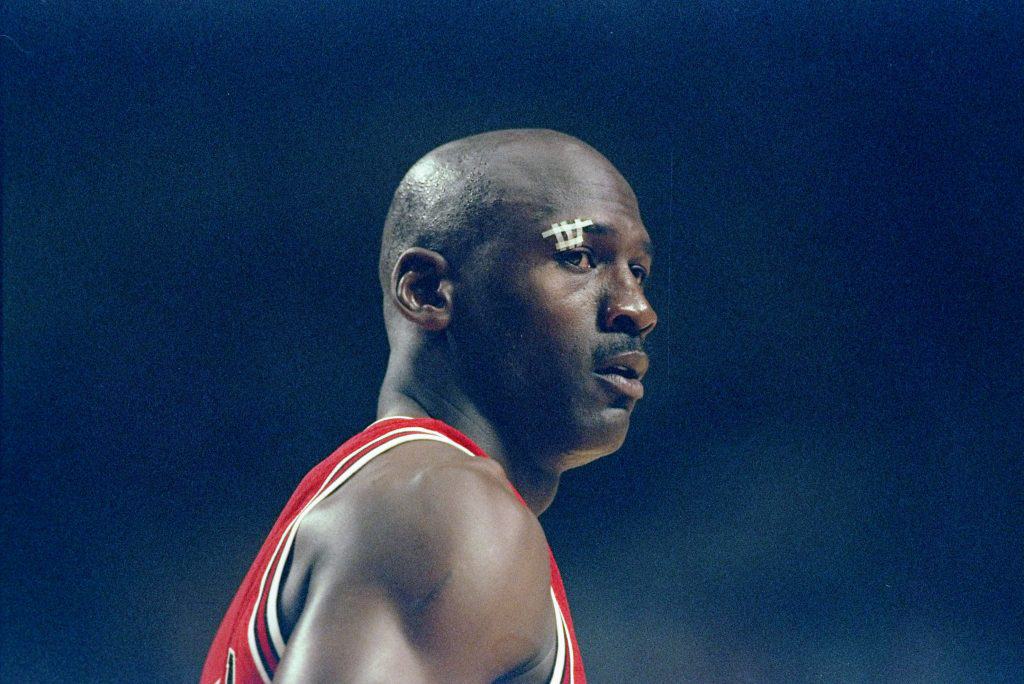
Results rarely arrive on the same schedule as the work that produces them. Build routines that can survive a quiet stretch without immediate praise or payoff. At regular intervals, review the evidence, improve the method and continue only if the effort is still moving toward the intended result.
“It’s heavy duty to try to do everything and please everybody. My job was to go out there and play the game of basketball as best I can. People may not agree with that. I can’t live with everyone’s impression of what I should or what I shouldn’t do.”
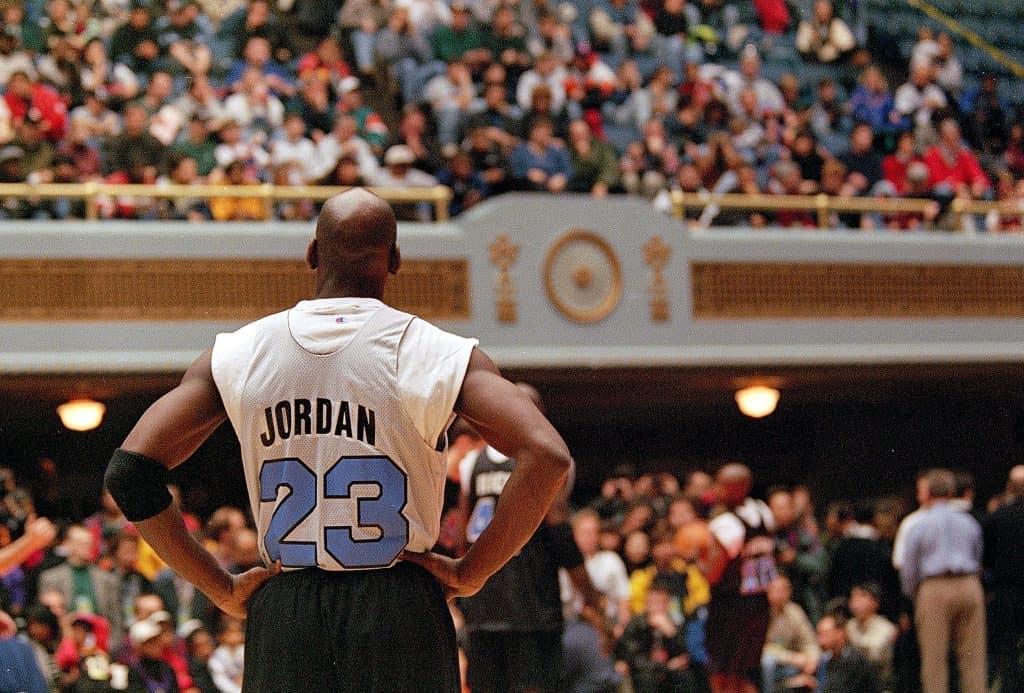
Jordan was describing the pressure of trying to satisfy everyone’s idea of how he should behave. A practical boundary is to define the responsibilities that genuinely belong to your role, do them well and listen for useful criticism. Universal approval is not a workable performance standard.
“I hope that it’s given the millions of people that I’ve touched the optimism and the desire to achieve their goals through hard work, perseverance, and positive attitude.”
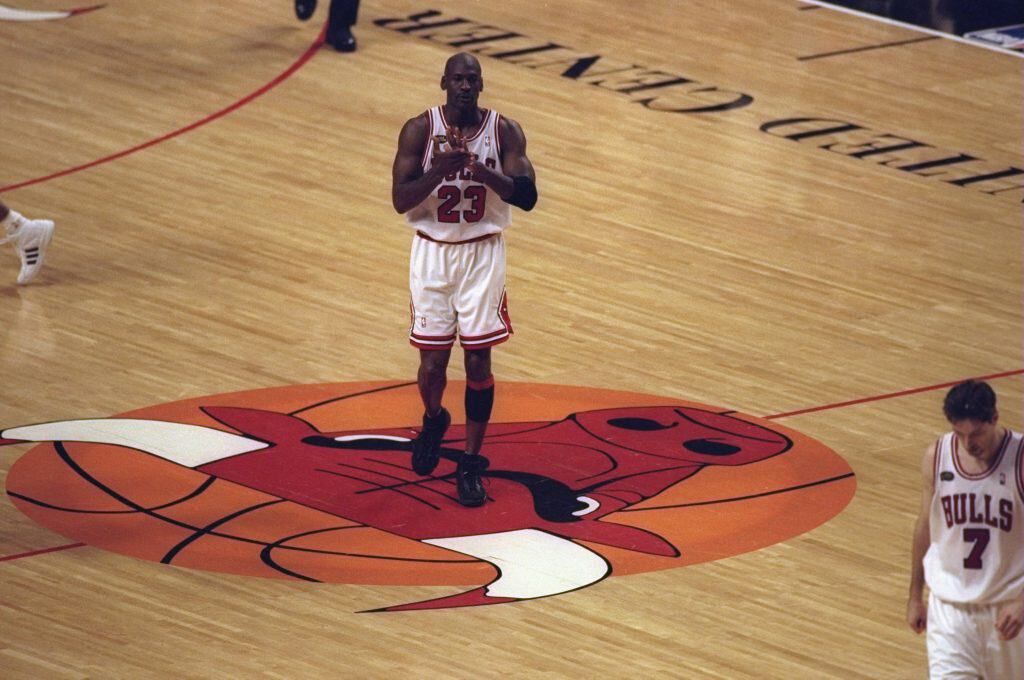
This closing thought shifts attention from personal achievement to what achievement can encourage in others. Influence becomes useful when it helps people pursue their own goals. Share the process behind a success—including the work and setbacks—so inspiration offers a path, not just an image.