Every sports fan loves a good underdog story. There is something special about watching an overlooked athlete, an outmatched team, or a seemingly impossible challenger defy expectations and pull off a victory nobody saw coming. Sometimes it happens in a matter of seconds. Other times, an entire season unfolds before the world realizes something extraordinary is taking place.
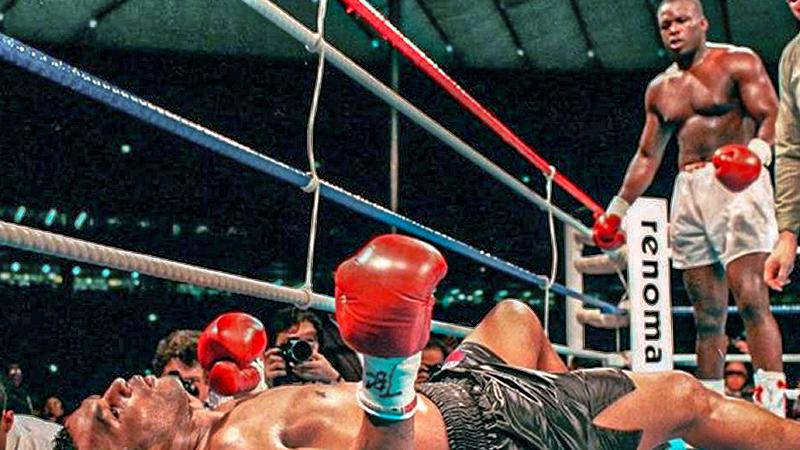
Sports history is filled with these moments. A little-known American runner stunned the world’s best at the Olympics. A college hockey team defeated the seemingly unbeatable Soviet Union. A heavyweight boxer knocked out Mike Tyson when oddsmakers barely gave him a chance. And a soccer club facing 5,000-to-1 odds somehow became champion of England.
What makes these victories memorable isn’t simply that the favorites lost. It’s how the underdogs overcame enormous disadvantages, years of expectations, and sometimes the greatest competitors their sports had ever seen. From Olympic miracles to unforgettable championships, these 10 victories remind us why the games are played in the first place.
To revisit these remarkable moments, 24/7 Tempo reviewed historical records and reporting from the Olympic Games, NCAA, NFL, Premier League, and other established sports organizations. These stories are presented chronologically rather than as a definitive ranking.
Fanny Blankers-Koen Defies Expectations at the 1948 Olympics

At the 1948 Summer Olympics in London, Dutch sprinter Fanny Blankers-Koen faced a different kind of challenge. At 30 years old and the mother of two children, she was considered past her athletic prime by some observers. Women athletes also faced considerable social pressure at the time, particularly when they were married and raising families. But Blankers-Koen was hardly an inexperienced competitor. She had already established herself as an accomplished runner and held several world records.
What happened in London made her one of the greatest athletes of her generation. Blankers-Koen won four gold medals, claiming victories in the 100 meters, 200 meters, 80-meter hurdles, and 4 × 100-meter relay. Her remarkable performance earned her the nickname the “Flying Housewife,” a reflection of the era’s attitudes toward women in sports. Rather than letting those expectations limit her, she demonstrated that motherhood and age didn’t automatically end an athletic career. Her four-gold performance remains one of the defining achievements in Olympic track and field history.
Emil Zátopek Wins the First Marathon He Ever Runs in 1952

By the time Emil Zátopek arrived at the 1952 Olympics in Helsinki, he was already one of the world’s greatest distance runners. The Czechoslovakian athlete won gold medals in the 5,000-meter and 10,000-meter races, accomplishments that would have made his trip memorable enough. But instead of stopping there, Zátopek decided to enter the marathon, an event he had never competed in before.
Britain’s Jim Peters entered the race as the favorite after setting a world-best marathon time earlier that year. Zátopek, meanwhile, was attempting a 26.2-mile race for the first time. During the event, he famously asked Peters about the pace, and the two exchanged remarks before Zátopek eventually moved ahead. Peters withdrew from the race, while Zátopek continued toward an extraordinary victory in 2 hours, 23 minutes, and 3.2 seconds. He became the first and remains the only athlete to win the 5,000 meters, 10,000 meters, and marathon at a single Olympic Games. His achievement was especially remarkable because his marathon victory came on his very first attempt at the distance.
Billy Mills Stuns the World at the 1964 Tokyo Olympics

Of all the remarkable underdog victories in Olympic history, few are as unlikely as Billy Mills’ stunning performance at the 1964 Summer Games in Tokyo. The American distance runner was virtually unknown outside track and field circles, and almost nobody expected him to challenge the world’s best in the men’s 10,000-meter race. Yet after 25 grueling laps around the track, Mills delivered one of the most electrifying finishes the Olympics had ever seen.
Mills grew up on the Pine Ridge Indian Reservation in South Dakota and is a member of the Oglala Lakota Nation. His mother died when he was eight, and his father passed away four years later. Running became an important part of his life, eventually helping him earn an athletic scholarship to the University of Kansas. He became a three-time All-American in cross-country before joining the United States Marine Corps, where he continued training and qualified for the 1964 Olympic team.
Despite his accomplishments, Mills entered the Tokyo Games as a major outsider. His personal-best time was nearly a minute slower than that of Australian world record holder Ron Clarke, the heavy favorite. Mills was also dealing with blood sugar issues associated with Type 2 diabetes, which affected his training and racing. Simply keeping pace with the world’s elite runners would have been an accomplishment. Winning seemed almost unimaginable.

As the race unfolded on October 14, 1964, Clarke set a demanding pace. Mills managed to stay with the leaders, which also included Tunisia’s Mohammed Gammoudi, an accomplished international runner. By the final lap, the competition had become a three-man battle. Clarke, Gammoudi, and Mills fought for position as the crowd watched an increasingly dramatic finish. At one point, Mills was forced wide as the runners maneuvered around one another, and Gammoudi surged ahead.
With only the final straightaway remaining, it appeared Mills would have to settle for a minor medal, if he could hold on at all. Instead, the American unleashed an extraordinary sprint. He passed Clarke and Gammoudi in the closing meters, crossing the finish line first in 28 minutes, 24.4 seconds. The time set an Olympic record and improved his personal best by nearly 50 seconds.

Mills became the first American to win Olympic gold in the men’s 10,000 meters, an achievement no other American man has matched. The victory also made him a national hero and an inspiration to generations of Native American athletes. Rather than allowing the moment to define the rest of his life, Mills used his newfound recognition to help others. He later co-founded Running Strong for American Indian Youth, an organization that supports Native American communities through programs addressing education, health, and other needs.
His contributions earned additional recognition, including the Presidential Citizens Medal and the NCAA’s Theodore Roosevelt Award. More than six decades after that unforgettable finish in Tokyo, Mills’ victory remains one of the most remarkable examples of an athlete defying expectations on the world’s biggest stage.
The Miracle on Ice: Team USA Defeats the Soviet Union in 1980
Few sporting events have captured the imagination of an entire nation quite like the 1980 Winter Olympics hockey game between the United States and the Soviet Union. The Soviet team had dominated international hockey for years, winning four consecutive Olympic gold medals entering the Lake Placid Games. Its roster featured experienced players who competed together at an elite level. The Americans, by comparison, were a relatively young group of mostly college players assembled and coached by Herb Brooks.
The difference between the two teams seemed enormous. Only weeks before the Olympics, the Soviets had beaten the Americans 10-3 in an exhibition game at Madison Square Garden. Few observers believed the United States could seriously challenge such an established powerhouse. Yet when the teams met on February 22, 1980, the Americans refused to be intimidated.
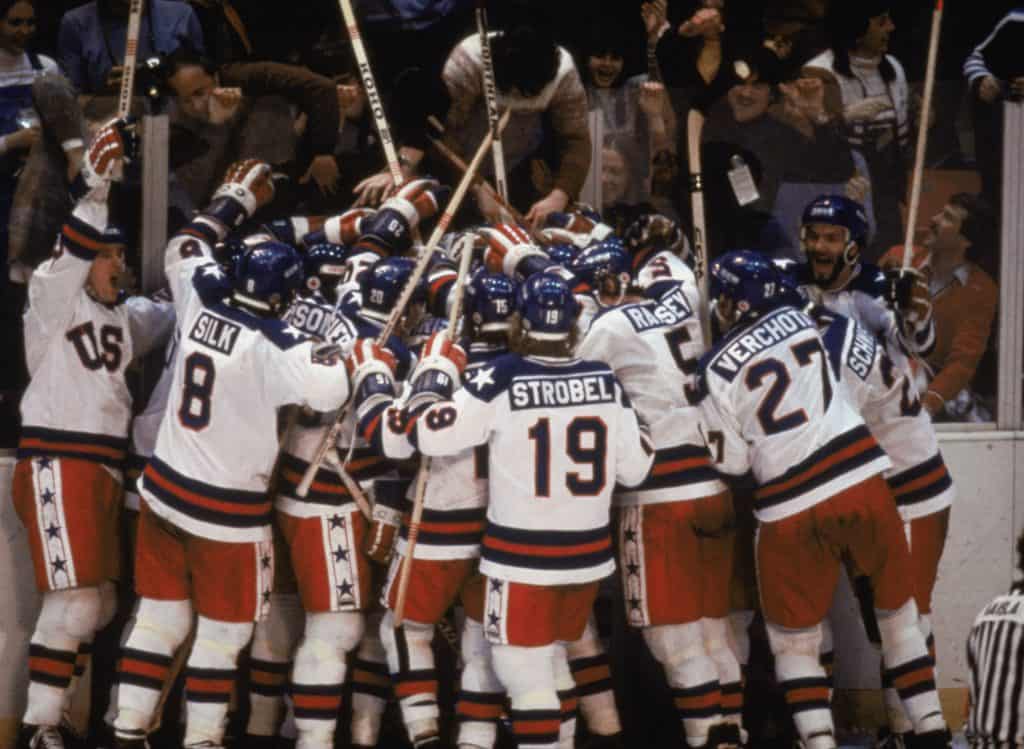
The Soviets controlled much of the action, but Team USA continued finding ways to stay close. Goaltender Jim Craig delivered an outstanding performance, repeatedly turning away dangerous scoring opportunities. The Americans entered the third period trailing 3-2 before Mark Johnson tied the game. Then, with approximately 10 minutes remaining, captain Mike Eruzione scored to give the United States a 4-3 lead.
What followed was one of the longest and most memorable final stretches in American sports history. The Soviets desperately attempted to tie the score, but Craig and the American defense held firm. As the final seconds disappeared, broadcaster Al Michaels delivered his famous call asking viewers whether they believed in miracles. The United States had done the seemingly impossible, defeating the Soviet Union 4-3.
Contrary to a common misconception, the victory did not immediately secure the gold medal. The Americans still needed to defeat Finland, which they accomplished two days later with a 4-2 victory. The result gave the United States Olympic gold and turned the young hockey team into a national sensation. More than four decades later, the Miracle on Ice remains one of the most celebrated upsets in sports history.
Villanova Shocks Georgetown in the 1985 NCAA Championship
College basketball’s March Madness tournament is practically built around the possibility of a surprise, but the 1985 championship game delivered one of the biggest in NCAA history. Georgetown entered the final as the defending national champion, led by superstar center Patrick Ewing and legendary coach John Thompson. The Hoyas had already beaten Villanova twice during the regular season and were widely expected to claim another championship.
Villanova, meanwhile, entered the tournament as a No. 8 seed, making its path to the championship particularly unlikely. Coach Rollie Massimino’s Wildcats had survived a series of demanding tournament games and were hardly considered favorites against Georgetown. Yet on April 1, 1985, Villanova produced an almost unbelievably efficient offensive performance. The Wildcats made 22 of their 28 field-goal attempts, shooting 78.6%, and defeated Georgetown 66-64.

The victory remains one of the defining moments in college basketball history. Villanova became the lowest-seeded team to win the men’s NCAA tournament, a distinction that still illustrates just how improbable its championship run was. Sometimes an underdog doesn’t need a last-second miracle. Sometimes it simply plays the game of its life when everything is on the line.
Buster Douglas Knocks Out Mike Tyson in 1990
By February 1990, Mike Tyson seemed practically unbeatable. The heavyweight boxing champion had won all 37 of his professional fights, with 33 victories coming by knockout. Known for his explosive punches, intimidating presence, and ability to end fights almost as soon as they began, Tyson was considered the most feared boxer in the world. His upcoming fight against James “Buster” Douglas in Tokyo was widely viewed as little more than a formality.
Douglas was a talented heavyweight, but almost nobody expected him to survive against Tyson, much less win. One Las Vegas sportsbook offered odds of 42-to-1 against Douglas. Many others didn’t bother posting a line at all. Tyson’s reputation had become so overwhelming that boxing fans were already looking ahead to a potential showdown with Evander Holyfield.
But Douglas had other plans. From the opening rounds, he used his height, reach, and effective jab to keep Tyson at a distance. Instead of looking intimidated, Douglas repeatedly landed clean punches and controlled long stretches of the fight. Tyson struggled to find his usual rhythm, although he managed to knock Douglas down with a powerful uppercut in the eighth round. The challenger beat the count and returned to his feet, keeping his championship hopes alive.
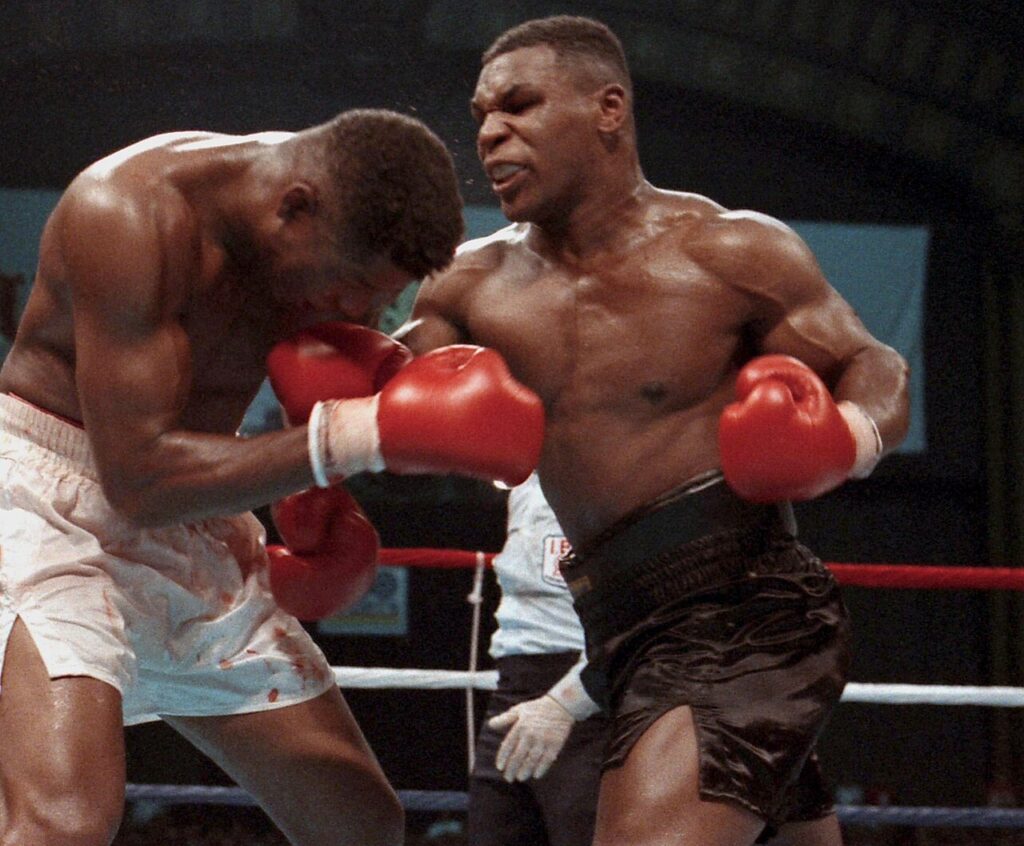
Then came the moment that stunned the boxing world. In the 10th round, Douglas landed a devastating combination that sent Tyson crashing to the canvas. The champion attempted to rise, but he couldn’t beat the referee’s count. Douglas had won by knockout, handing Tyson the first defeat of his professional career and claiming the undisputed heavyweight championship.
The result was almost impossible to believe. A fighter given virtually no chance had defeated one of the sport’s most dominant champions, and he had done it convincingly. Douglas lost the title to Holyfield later that year, but his victory over Tyson remains one of boxing’s greatest upsets. It also provided one of sports history’s clearest reminders that no athlete, regardless of reputation or record, is truly unbeatable.
Rulon Gardner Defeats an Unbeatable Wrestling Legend in 2000
At the 2000 Summer Olympics in Sydney, American wrestler Rulon Gardner faced what appeared to be an impossible assignment. His opponent in the Greco-Roman super heavyweight final was Russia’s Aleksandr Karelin, a three-time Olympic gold medalist who had not lost an international match in approximately 13 years. Karelin was widely regarded as one of the greatest wrestlers in history, and another Olympic championship seemed all but guaranteed.
Gardner had never won an NCAA championship or a world championship medal, making him an unlikely candidate to end such an extraordinary winning streak. But the American matched Karelin’s strength and refused to give ground. During a tightly contested match, Karelin lost his grip during a clinch, resulting in the decisive point for Gardner under the rules in use at the time. Gardner maintained that slim advantage and won 1-0, stunning spectators who had expected to witness Karelin’s fourth Olympic gold medal.
The upset immediately earned comparisons to the Miracle on Ice and became known as the “Miracle on the Mat.” It remains one of the most remarkable victories in Olympic wrestling history, demonstrating how even the most dominant individual athlete can be defeated when an overlooked challenger rises to the occasion.
Great Britain Upsets Team USA in the 2004 Olympic Relay

The United States entered the men’s 4 × 100-meter relay final at the 2004 Athens Olympics with a lineup packed with sprinting talent. The American team included Olympic champions Justin Gatlin, Shawn Crawford, and Maurice Greene, making it the clear favorite for gold. Great Britain had a talented squad of its own, but defeating the Americans would require an exceptionally clean race.
That’s exactly what happened. Britain’s Jason Gardener, Darren Campbell, Marlon Devonish, and Mark Lewis-Francis executed their baton exchanges with impressive precision. The Americans, meanwhile, lost valuable time through imperfect handoffs. As the final leg unfolded, Greene rapidly closed the gap on Lewis-Francis, setting up a dramatic finish. But the British runner held on, crossing the line in 38.07 seconds, just one-hundredth of a second ahead of the United States.
It was Britain’s first Olympic gold in the men’s sprint relay since 1912. For the Americans, the silver medal was a painful reminder that raw speed alone doesn’t guarantee victory in a relay. Perfect teamwork can be just as important, especially when the difference between gold and silver is almost impossible to see with the naked eye.
The New York Giants End the Patriots’ Perfect Season in 2008
The New England Patriots entered Super Bowl XLII with an opportunity to accomplish something extraordinary. Led by quarterback Tom Brady and coach Bill Belichick, the Patriots had won all 16 of their regular-season games before adding two more victories in the playoffs. Their explosive offense, featuring wide receiver Randy Moss, had overwhelmed opponents throughout the season. One more win would give New England a perfect 19-0 record and an undefeated championship season.
Standing in their way were the New York Giants, a wild-card team that had finished the regular season with a 10-6 record. Although New York had played the Patriots closely late in the season, New England entered the Super Bowl as a substantial favorite. The Giants would need an exceptional performance, particularly from their defense, to have any hope of slowing Brady and the Patriots’ powerful offense.
Instead of the high-scoring game many expected, the Super Bowl became a defensive battle. The Giants consistently pressured Brady, disrupting New England’s rhythm and keeping the score close. With less than three minutes remaining, however, Brady connected with Moss for a touchdown that gave the Patriots a 14-10 lead. New England appeared to be closing in on the perfect season it had chased for months.
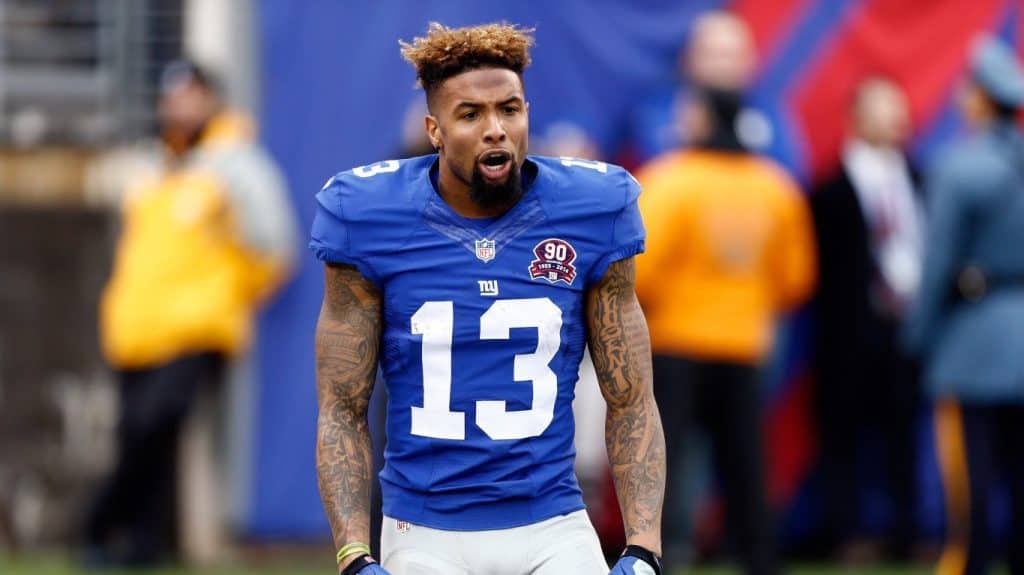
Then came one of the most memorable plays in NFL history. On third down during New York’s final drive, quarterback Eli Manning escaped what looked like a certain sack and launched a desperate pass downfield. Receiver David Tyree leaped for the ball and somehow pinned it against his helmet while Patriots defender Rodney Harrison tried to break up the play. The improbable 32-yard reception kept the Giants’ drive alive.
Moments later, Manning connected with Plaxico Burress for the winning touchdown. The Giants defeated the Patriots 17-14, ending New England’s hopes of an undefeated championship. The victory remains one of the biggest Super Bowl surprises ever, while Tyree’s unforgettable helmet catch became a defining image of the NFL’s greatest postseason moments.
Leicester City Wins the Premier League at 5,000-to-1 Odds in 2016
Most underdog stories unfold over a single game or tournament. Leicester City’s incredible 2015-16 Premier League championship was different. The English soccer club had to defy expectations for an entire season, competing against some of the wealthiest and most successful teams in the world. Before the season began, bookmakers offered odds of 5,000-to-1 against Leicester winning the league title, reflecting just how unlikely the achievement seemed.
Only a few months earlier, Leicester had been fighting to avoid relegation from England’s top division. The club survived with a remarkable late-season improvement, but few expected anything beyond another difficult campaign. When manager Claudio Ranieri took charge in the summer of 2015, the immediate goal was simply to remain competitive against much stronger opponents.
Instead, Leicester began winning. Striker Jamie Vardy emerged as one of the league’s most dangerous goal scorers, while midfielder Riyad Mahrez delivered a series of impressive performances. N’Golo Kanté helped control the midfield, and goalkeeper Kasper Schmeichel provided stability at the back. The team’s combination of disciplined defending, quick counterattacks, and remarkable confidence produced results that stunned the soccer world.
As the season progressed, the expected collapse never arrived. While established powers including Manchester City, Chelsea, Manchester United, and Arsenal struggled with inconsistent results, Leicester kept collecting points. By spring 2016, what had initially seemed like a temporary surprise had become a genuine championship challenge.
On May 2, 2016, Leicester officially secured the Premier League title after Tottenham Hotspur failed to defeat Chelsea. The club finished the season with 81 points, 10 ahead of second-place Arsenal, losing only three of its 38 league matches. It was Leicester’s first top-flight English championship, achieved against odds that had seemed practically impossible just nine months earlier.
The victory became an international sensation and one of the greatest underdog accomplishments in professional sports history. Unlike a single upset in which a favorite simply has a bad day, Leicester had to sustain its improbable success over an entire league season. That makes its championship one of the clearest examples of what can happen when teamwork, talent, and belief come together at exactly the right time.
Why These Underdog Victories Still Matter
What connects these remarkable stories isn’t simply that the expected winner lost. Each underdog faced a different kind of challenge, whether it was an overwhelming favorite, a physical disadvantage, years of tradition, or the pressure of performing on the world’s biggest stage. Some succeeded through exceptional preparation and teamwork. Others delivered the performance of a lifetime when it mattered most.
Perhaps no story captures that spirit better than Billy Mills’ extraordinary sprint in Tokyo. With only a few seconds remaining, he transformed what appeared to be an impossible challenge into an unforgettable Olympic victory. Yet the Miracle on Ice, Buster Douglas’ knockout of Mike Tyson, and Leicester City’s championship demonstrate that the same unpredictability extends across the entire sporting world.
Favorites may have the better records, more experience, and higher expectations, but none of those advantages guarantees victory. That uncertainty is what makes sports worth watching.