Everett Collection / Shutterstock.com

Public domain / Wikimedia Commons
Public domain / Wikimedia Commons
U.S. National Archives and Records Administration / Wikimedia Commons
Hulton Archive / Hulton Archive via Getty Images
Everett Collection / Shutterstock.com
Public domain / Library of Congress
Public domain / Library of Congress
Public domain / Wikimedia Commons
ESB Basic / Shutterstock.com
Everett Collection / Shutterstock.com
David Smart / Shutterstock.com
usnationalarchives / Flickr / Public Domain
Public domain / National Archives
Public domain / Library of Congress
Public domain / Wikimedia Commons
Public domain / Wikimedia Commons
Public domain / National Parks Gallery
Public domain / Wikimedia Commons




Throughout history, people have been known to skew what happened at actual events, elaborating or altering the facts to give a distorted version of what actually took place or the reasons behind it. One of the best-known altered versions of the truth is the tale of the Trojan Horse that first came about in Homer's "The Odyssey". Here it tells how Greek soldiers were able to defeat, and take the city of Troy by hiding in a giant horse left as a gift or offering to the goddess Athena.
Many believe this telling of events to be based on fact but most, if not all, historians have said time and time again that it is most likely a fable, although the city of Troy is an actual place. Just like the taking of Troy, the American Civil War has many popular misconceptions that continue to perpetuate certain beliefs. Some are harmless tales, and while strange, they don't do much to alter the facts, but much of the misleading information tends to harm our ability to learn the truth of the battles our nation endured.
The stories might also vary depending on which side you're talking to, much like the current conflicts still being waged. From the Russo-Ukrainian War to the Israel-Hamas War, each side has a different take on how things came to be, and how events are taking place but it is essential to identify and dispel harmful myths about our history that may prevent us from moving forward and creating a more equitable future for all people.
To determine this list, 24/7 Tempo uncovered the common myths about the American Civil War, then consulted other published lists and online discussions to see which misconceptions were the most prevalent. Once identified, we began researching the truth behind those misconceptions. We consulted multiple primary and secondary sources as well as scholarly opinions from historians and professors who studied the Civil War.
Due to the destruction of Confederate documentation after the war, it's often difficult to paint a complete picture of the Confederacy from primary sources alone, which led us to use several primary sources from the Union regarding the Confederacy, which admittedly may contain an unconscious (or conscious) bias. (Also Read: This Is the State With the Most Civil War Deaths: All States, Ranked)
Black people, both free and enslaved, fought for the Confederacy
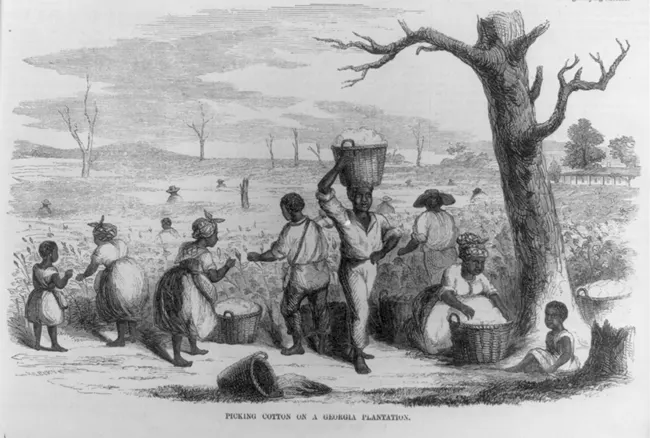
This may be skewed somewhat because although black men were prohibited by the Confederacy from enlisting until 1865, which was three months before the defeat of the South, many of them were forced by their masters to follow them into battlezones, or were required to work behind the scenes as cooks, manual laborers, and teamsters. Black men were not viewed as soldiers by the Confederacy and was viewed as an impossibility, both legally and culturally, to accept them in combat roles.
Truth: Black men were enlisted
Following the passing of the bill allowing Black soldiers to serve in the Confederate army, several thousand Black men were enlisted, or drafted but this still did not prevent the eventual fall of the Confederacy.
The Union went to war to end slavery
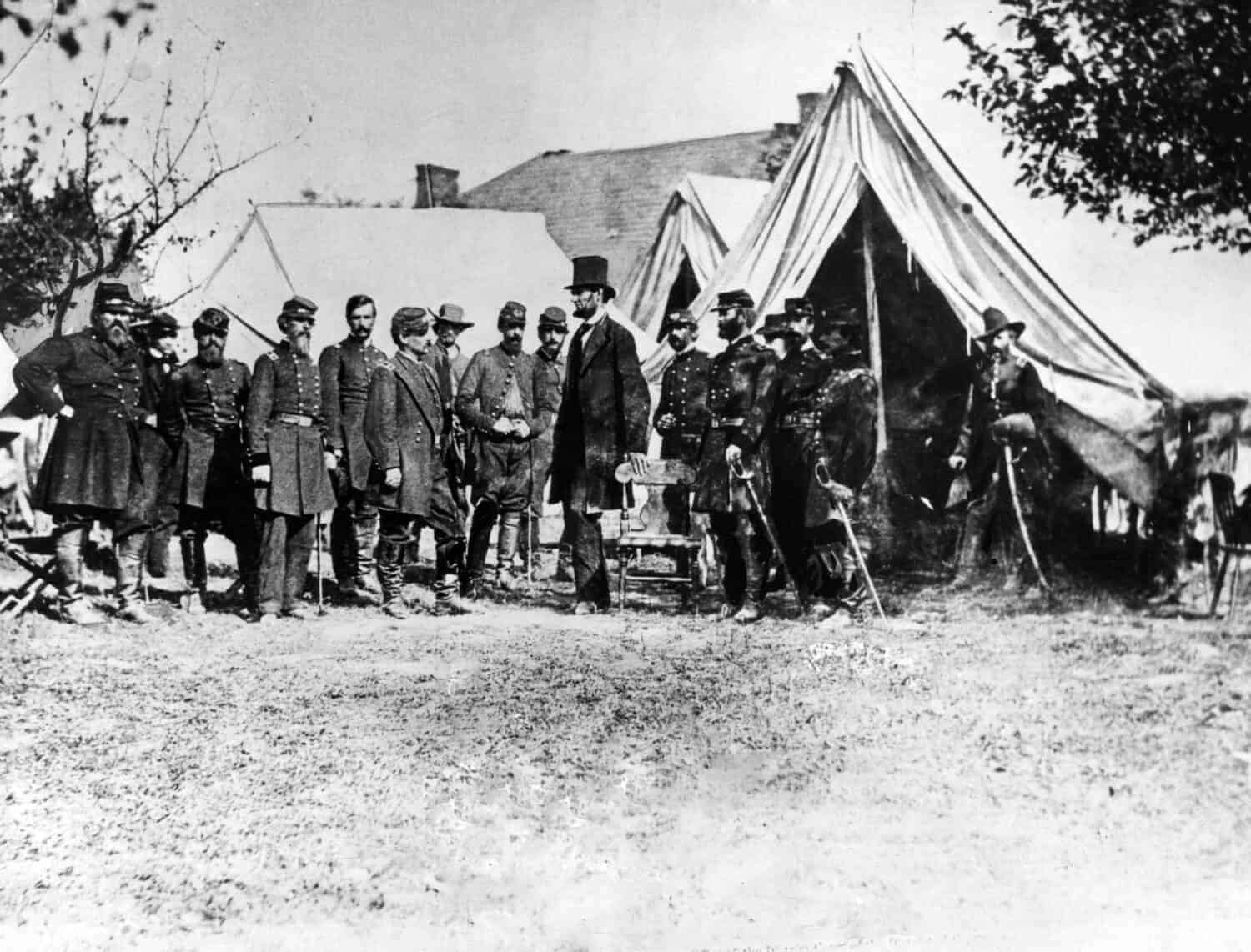
Many schools teach that the reason the Union went to war against the Confederacy was to end slavery in America. While the abolitionist movement was certainly more prominent in the Union than in the Confederacy, the reason the federal government went to war was because the Union wanted to be kept as a single nation. In President Abraham Lincoln's first inaugural address, he stated the following: "I have no purpose, directly or indirectly, to interfere with the institution of slavery in the States where it exists. I believe I have no lawful right to do so, and I have no inclination to do so."
While we know that Lincoln opposed slavery, he didn't go into the war thinking that he was going to abolish and free the slaves. However, abolitionism among the Union army grew exponentially during the Civil War as many escaped slaves flocked to the soldiers seeking refuge and assistance.
Truth: The Emancipation Proclamation kept the institution of slavery intact in some states
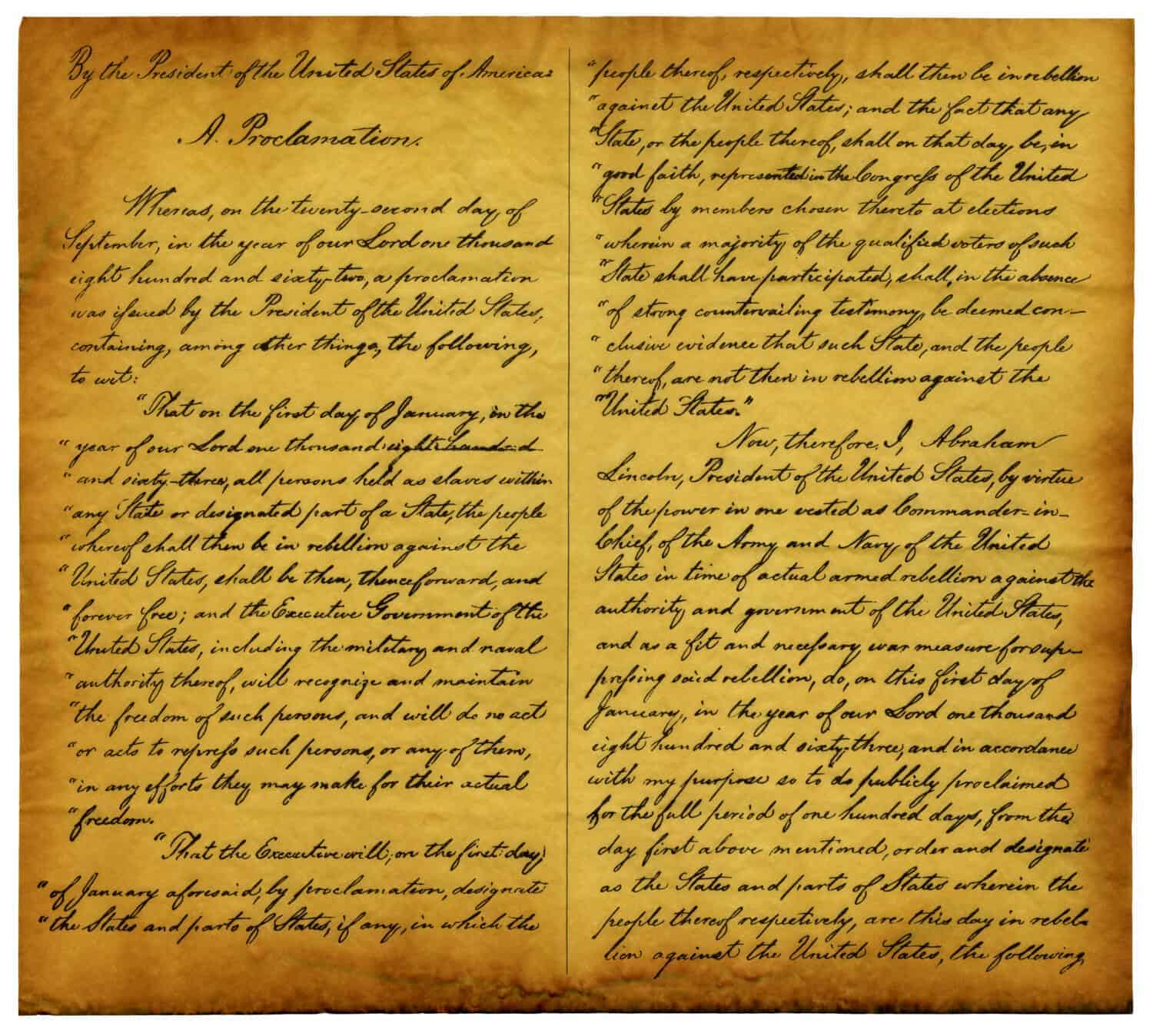
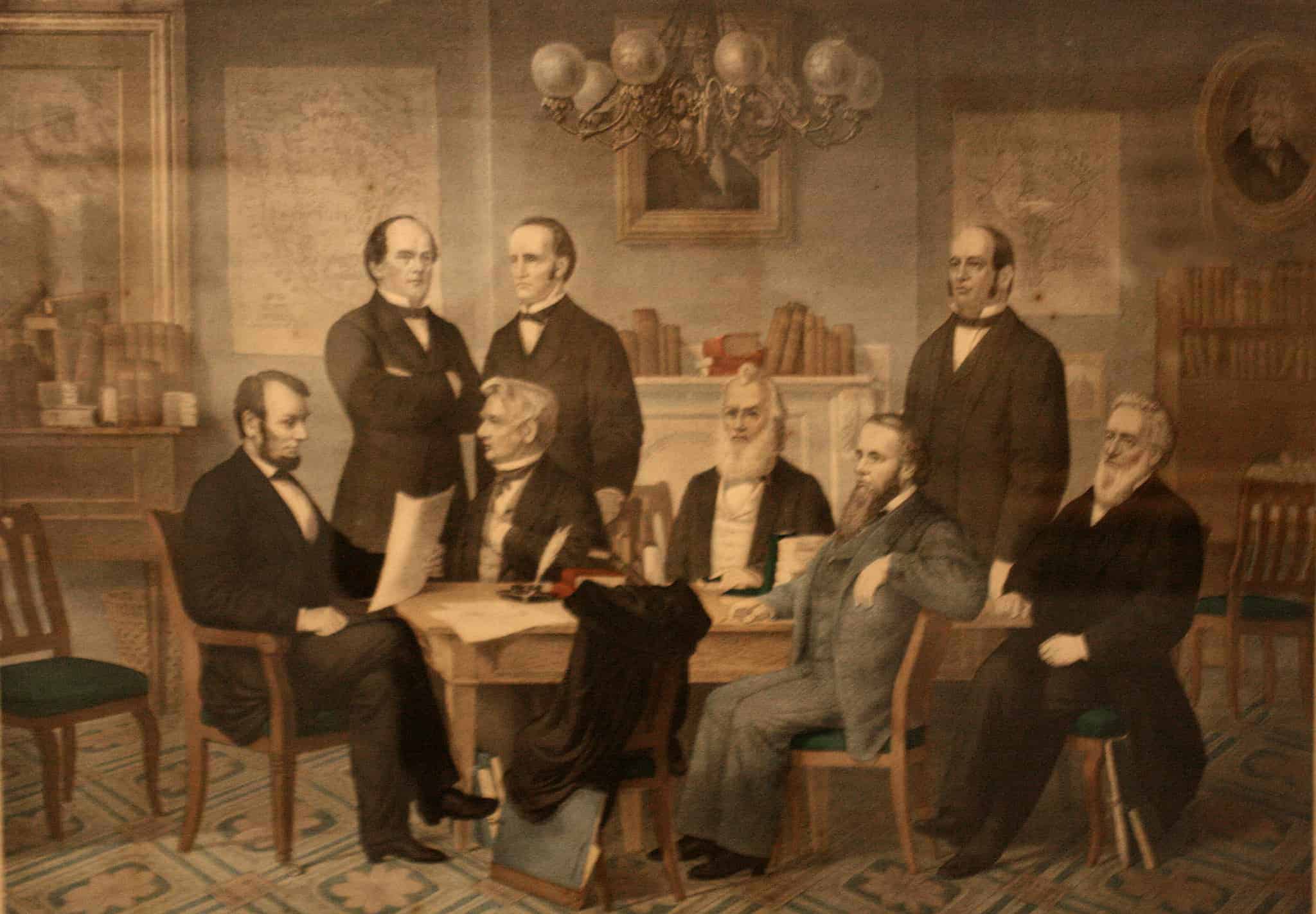
The rise of abolitionism as a policy within the Union didn't start until the Emancipation Proclamation in 1863, and even that bill kept the institution of slavery intact within border states that had not seceded. Lincoln was very clear that he would do what he could to appease the Southern states as long as the United States was kept whole.
The Civil War wasn't about slavery
In the South, the Civil War was often referred to as the War of Northern Aggression, and many teachers instruct their students that the South didn't secede because of slavery but because of states' rights. Some estimates indicate that somewhere between 60% and 75% of United States teachers genuinely believe that the South's motivation to secede was solely states' rights. However, surviving documentation from Confederate leaders does not support this.
Confederate leaders were very clear that they were going to war because they did not want slavery to end. Even statements made by Southern politicians and leaders indicate that the driving force of the war effort was to retain possession of their slaves. The State of Texas declared: "We hold as undeniable truths that the governments of the various States, and of the confederacy itself, were established exclusively by the white race, for themselves and their posterity; that the African race had no agency in their establishment; that they were rightfully held and regarded as an inferior and dependent race, and in that condition only could their existence in this country be rendered beneficial or tolerable."
Truth: It was not about state's right
States throughout the South held and expressed similar positions during the war, which made it almost impossible to disentangle the institution of slavery from the Civil War. Essentially, depending on which side you're looking at, the cause of the war was for very different reasons. When the South fired on Fort Sumter, the event that led to war, it was based on their desire to abolish federal laws they didn't support, especially the issue of slavery.
The pre-Civil War era was the low point of American race relations
U.S. historians point to the period from anywhere between 1877 through the early part of the 20th century, in the pre-Jim Crow era as the low point of American race relations. Racism was not unique to the South; the North engaged just as much casual and aggressive racism from segregation to eugenics. A few Black athletes faced serious and dangerous racism when attempting to take their careers into the professional sphere decades before Jackie Robinson joined Major League Baseball. During this period, many areas had sundown towns where Black people were officially or unofficially barred from entry.
Truth: Race relations continued to be at low point
Many historians believe that kotowing pro-Southern Civil War myths was, at least in part, a way to smooth over the relations between the North and the South following the war. The idea is that continuing to talk about the conflict would cause Southerners to feel alienated from the Union as if they'd been forced to join a country that detests them.
Surgeons in the Civil War performed surgery without anesthesia
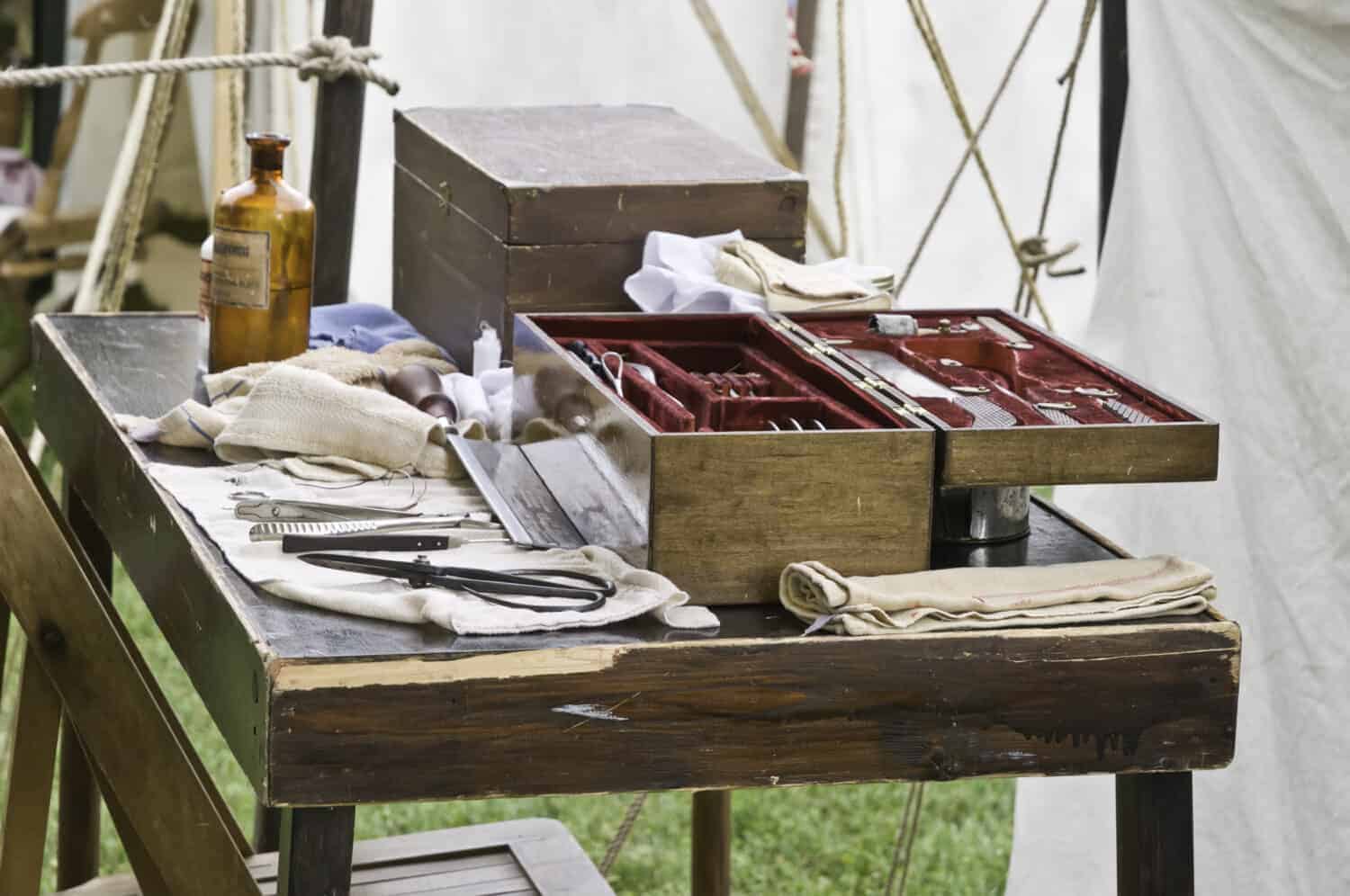
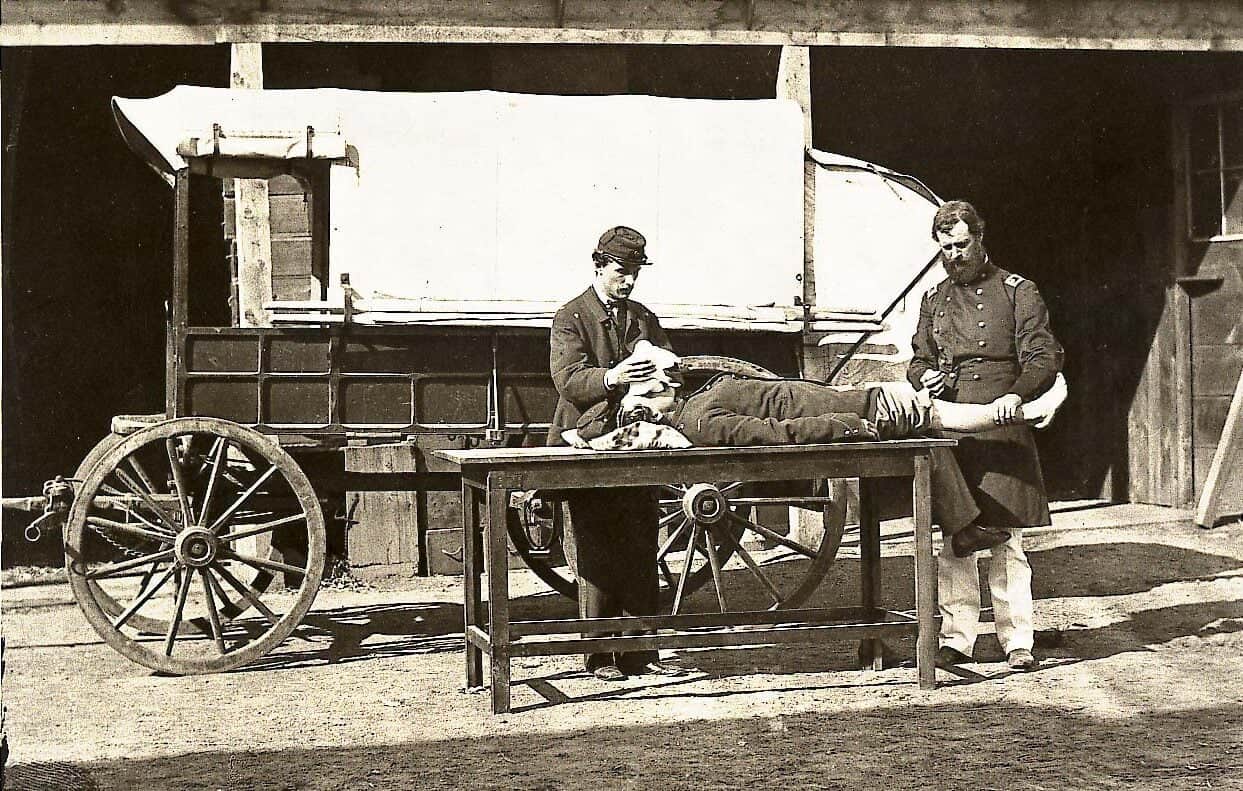
Many believe that Civil War-era surgeons, especially on the battlefield, performed surgeries without an anesthetic, believing that the only pain relief given to the soldier was a shot of whiskey and a bullet to bite down on. This falsehood is most likely something that stemmed from movies; Civil War surgeries were not quite so brutal. Surgeons of the time documented many different anesthetics used during surgeries, the most common of which is chloroform. It is not nearly as refined as the options we have today with intravenous medications, but it worked.
Chloroform used for anesthesia was commonly available to both sides fighting in the war. Confederate surgeons documented the use of chloroform in surgery until the end of the war, even when supplies were low. If an anesthetic were unavailable for some reason, the surgeon would typically delay the operation to ensure patient comfort.
Truth: Anesthesia was common
Comfort isn't the only reason that Confederate and Union surgeons valued anesthesia. From a practical and logistical standpoint, it made more sense. Your body doesn't stop feeling and responding to pain because it's unconscious, and if you move, you could be killed accidentally. Anesthesia was just as necessary during the Civil War as it is today.
Lincoln's policies were popular in the North
The notion of Lincoln as a heroic figure is primarily a famed version of him that Americans look at in retrospect. As the general public warmed up to social justice more, the idea of Lincoln as a champion of equal rights became more common, but in the North, many considered his policies heavily divisive, which was the best the North could hope for, and he was hardly a popular figure at the time. The Salem Advocate, a newspaper from Lincoln's home state of Illinois, even printed a 188-word tirade about how he was a disgrace to the nation.
With four candidates on the presidential ballot, he won with just 39.8% of the vote, which remains among the lowest winning turnouts for any president ever, although he still won both the electoral and popular votes, unlike other presidents who lost the popular vote but went on to win the election, like George W. Bush (43rd president) and Al Gore, or Hillary Clinton and Donald Trump (45th president).
Truth: Many opposed it
The Emancipation Proclamation was immensely divisive legislation, even if it had far less reach than we like to remember it having. The Kentucky government vehemently opposed the legislation and although they never officially seceded from the Union, it did send 35,000 troops to the Confederacy. There is even evidence that there was pressure on the governor to reject the proclamation altogether.
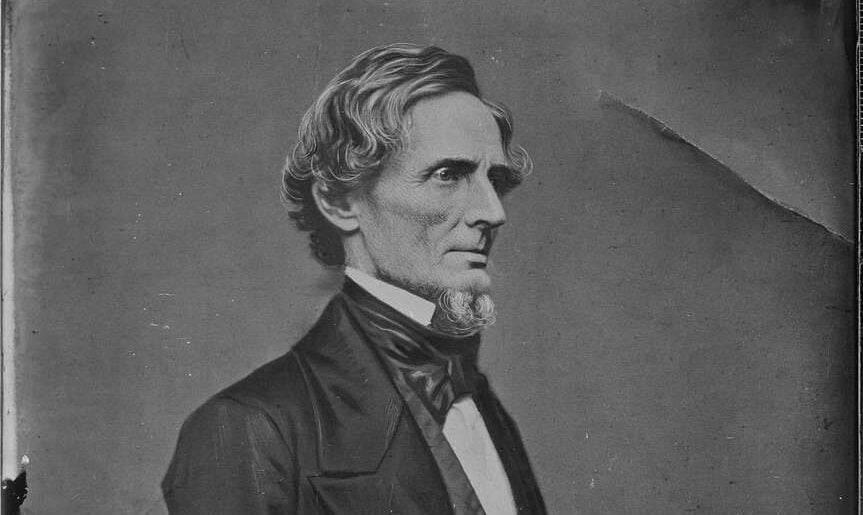
Robert E. Lee and Jefferson Davis were staunch secessionists
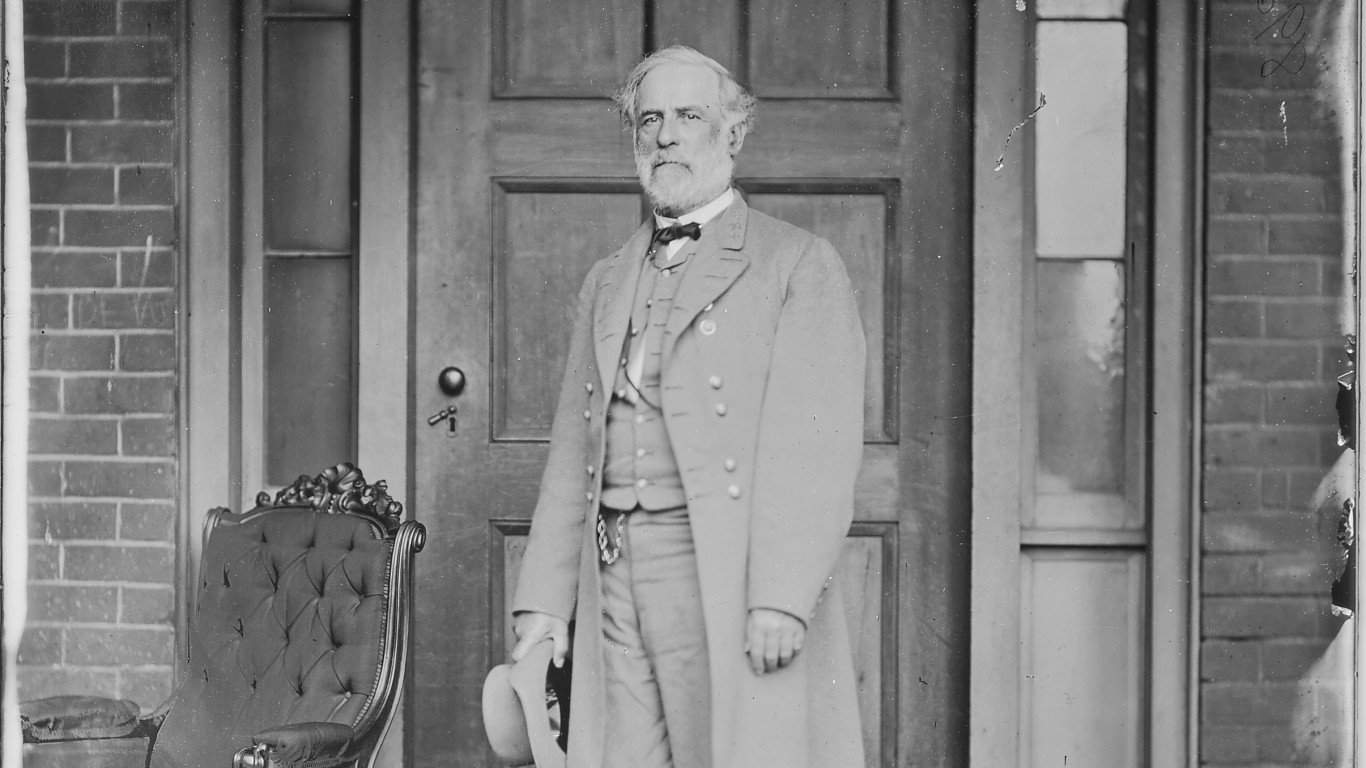
It is believed that Robert E. Lee and Jefferson Davis, who served as a Confederate general in the army and the Confederate president, respectively, were staunch secessionists who wished for the Confederacy to secede and become an independent nation. But there doesn't appear to be any evidence of this, but rather the opposite. They may have personally preferred to keep the Union together and viewed secession as a last resort to protect their state's interests.
In fact, Davis gave a speech in Boston's Faneuil Hall detailing his personal views on seceding from the Union. He desired a more relaxed view of states' rights, giving them more freedom to be separate from the federal government while preserving the overall union. After all, it was the Union of the States that allowed them to become free from the influence of Great Britain. They were—and still are—more potent as a unit than separately.
Truth: Lee did not think secession was necessary
On the other hand, Lee opined, "If Virginia stands by the old Union, so will I. But if she secedes (though I do not believe in secession as a constitutional right, nor that there is sufficient cause for revolution), then I will follow my native State with my sword, and, if need be, with my life." This quote makes his position clear: He doesn't believe secession is necessary or even lawful.
The Emancipation Proclamation ended slavery
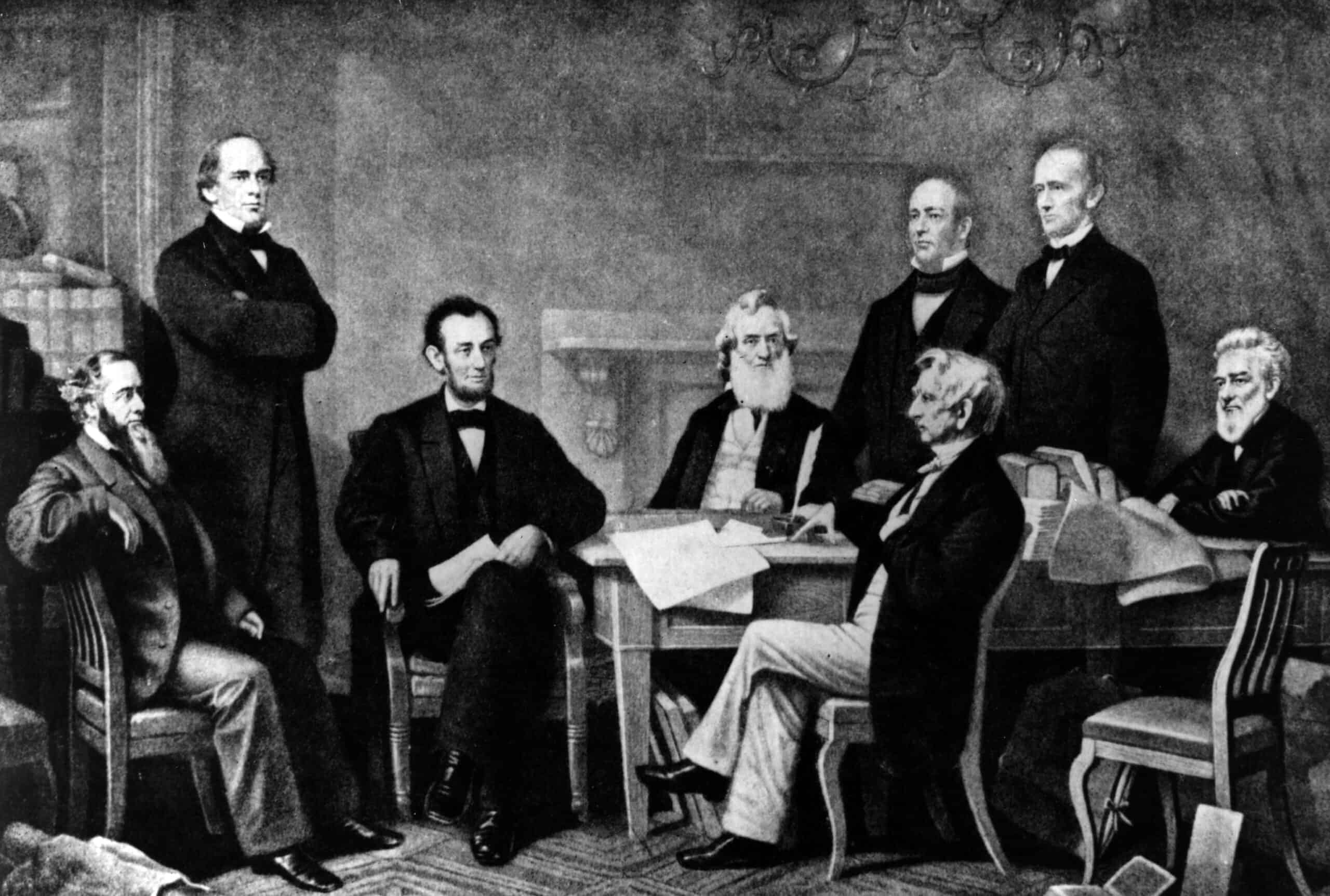
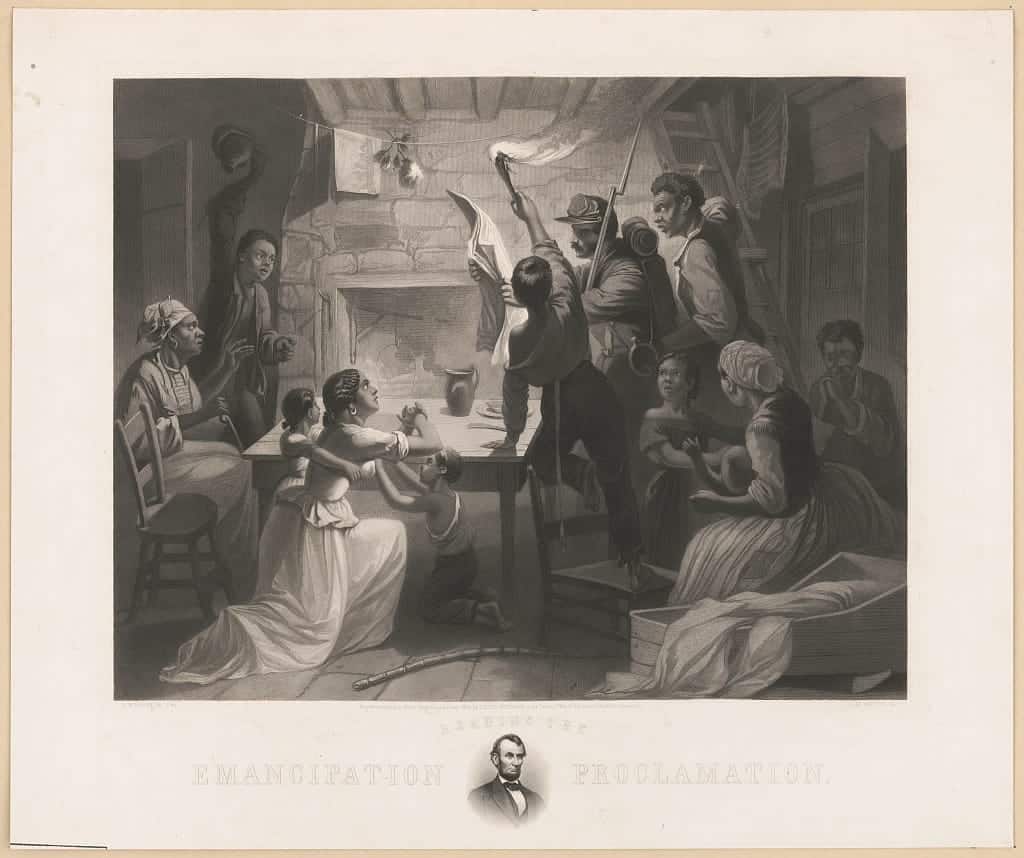
There is no doubt that the Emancipation Proclamation, signed into law by Lincoln in 1863, was a crucial document in the Civil War and history in general. It marked the beginning of a firm stance of abolitionism within the U.S. government and changed the Civil War conflict from a war to preserve the Union to a war to end slavery. But the document wasn't nearly as wide-reaching despite how we often remember and teach it in American schools. Though many oversimplify it this way, it most certainly did not "end slavery," although it was the beginning of federal abolition movements.
Truth: Only people in rebel states were freed
Since the Emancipation Proclamation didn't free the entire enslaved population, not all of the four million men, women, children, and elderly enslaved people received fundamental human rights within the Union. Only those in rebel states received de facto freedom under the Emancipation Proclamation.
Only men fought in the Civil War
While the majority of people in the war were men, due in part to a policy that the governments of the time endorsed and attempted to enforce, it didn't stop all women from enlisting under false identities.
In 1863, after the Battle of Gettysburg, a Union detail discovered a dead woman wearing the uniform of a Confederate private. This brought to light something that many people had never thought about before – the multitude of women engaged in the war on the frontlines. Due to the ban on women in the military at the time, it's impossible to say precisely how many women participated, and the army either documented them under a false name or destroyed their documentation once their identity was discovered. Current scholars believe that between the Union and Confederate armies, somewhere between 400 and 750 women served on the frontlines, sharing the same motivations as their male compatriots.
Truth: Women enlisted, too.
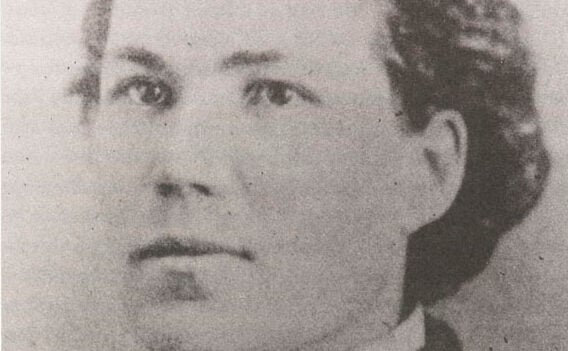
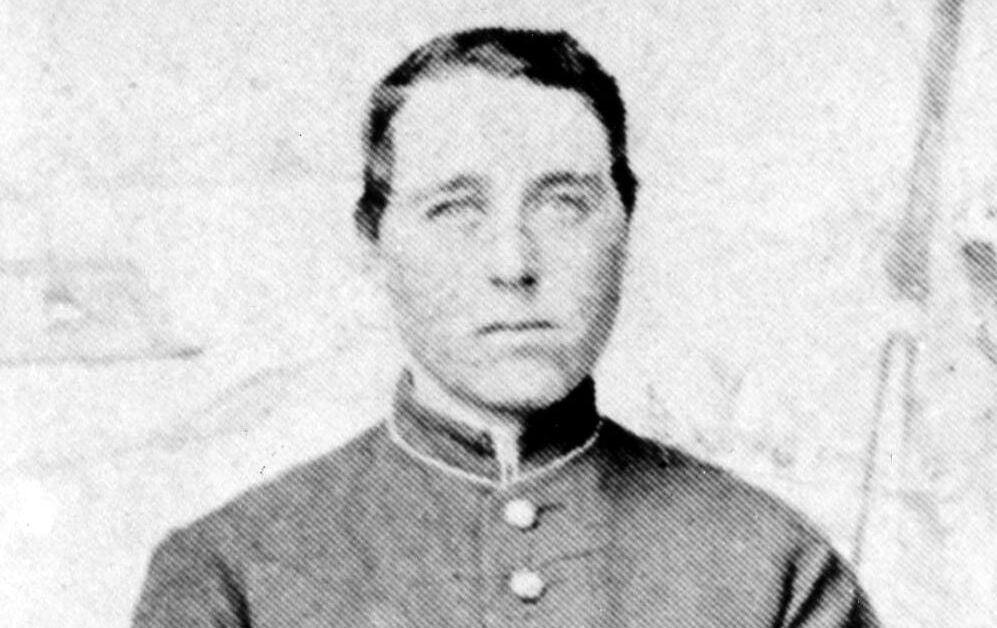
Sarah Emma Edmonds, who went to war under the name Franklin Flint Thompson, said the following about her service: "I could only thank God that I was free and could go forward and work, and I was not obliged to stay at home and weep." Albert Cashier, who was born "Jennie Hodgers," fought for the 95th Illinois Infantry. Documents record him being present in over 40 engagements. After serving, Cashier retained his false identity and lived the rest of his life as a man.
A Civil War bullet impregnated a woman
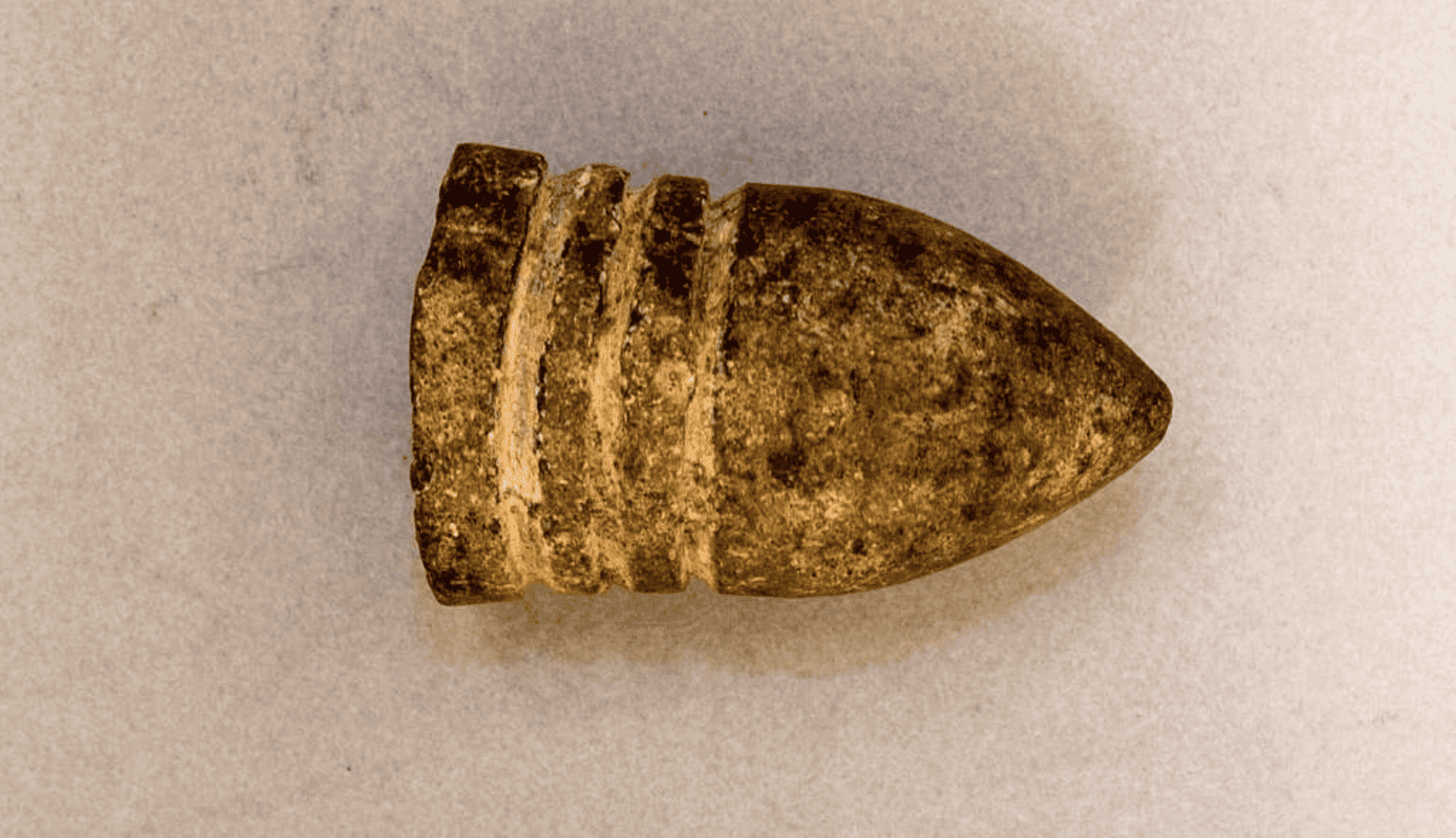
There is a surprisingly widespread myth that a bullet impregnated a young woman during the Civil War. The rumor states that a young man on a battlefield was shot, and the bullet passed through his scrotum, eventually hitting a young woman on a nearby porch in the abdomen. She survived the bullet wound and fell pregnant from the bullet embedded in her uterus.
Truth: It never happened
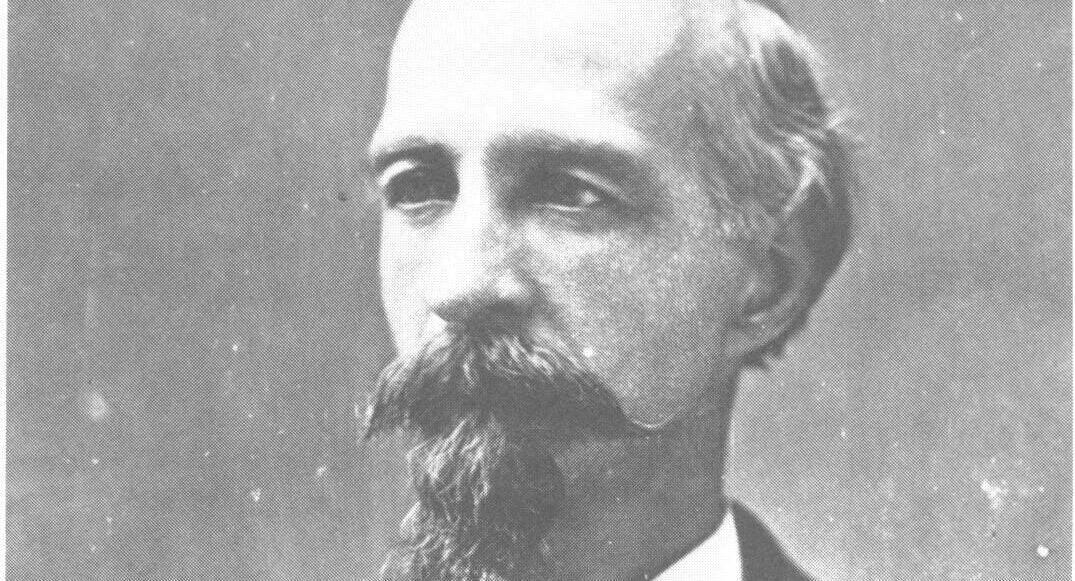
This story is not only ridiculous but untrue. Snopes goes deep into the source of this mythological bullet pregnancy. Their fact-checkers found that the story was first published in The American Medical Weekly on Nov. 7, 1864, by Dr. Legrand Capers as a joke. However, like many jokes published in the media, it got a bit out of hand and now pervades modern society with its legacy.