Source: Public Domain / Wikimedia Commons

Source: Centers for Disease Control and Prevention Publich Health Image Library, Public domain, via Wikimedia Commons
Source: Public Domain / Wikimedia Commons

Source: scyther5 / Getty Images

Source: zeller.de, Public domain, via Wikimedia Commons
Source: Public Domain / Wikimedia Commons
Source: Library of Congress / Getty Images

Source: HRAUN / Getty Images

Source: itakdalee / Getty Images

Source: nechaev-kon / Getty Images

Source: USG, Public domain, via Wikimedia Commons
Source: Mr.dudey (talk) (Uploads), Public domain, via Wikimedia Commons
Source: Attributed to Charles J. Tyson, Public domain, via Wikimedia Commons

Source: sutadimages/Shutterstock

Source: Mathew Benjamin Brady, Public domain, via Wikimedia Commons
Source: 2018 Getty Images / Hulton Archive via Getty Images





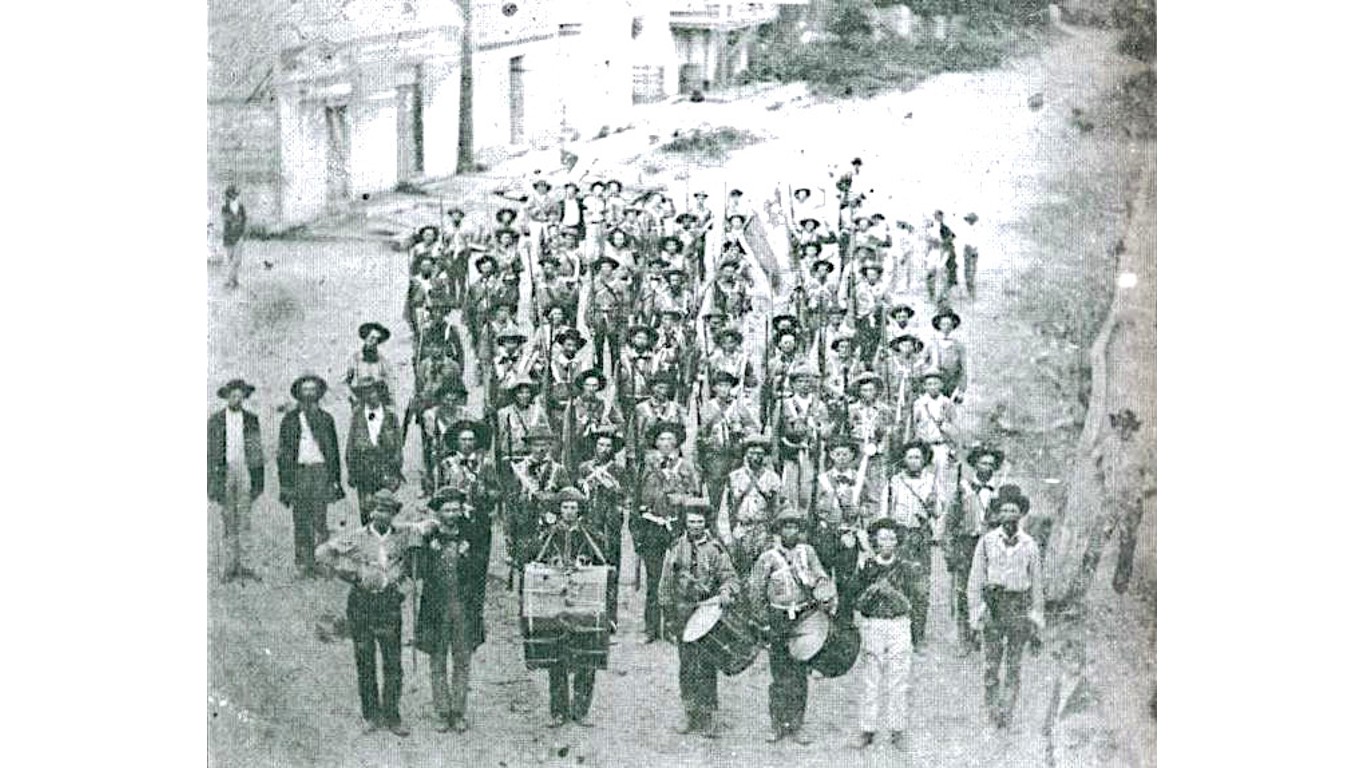
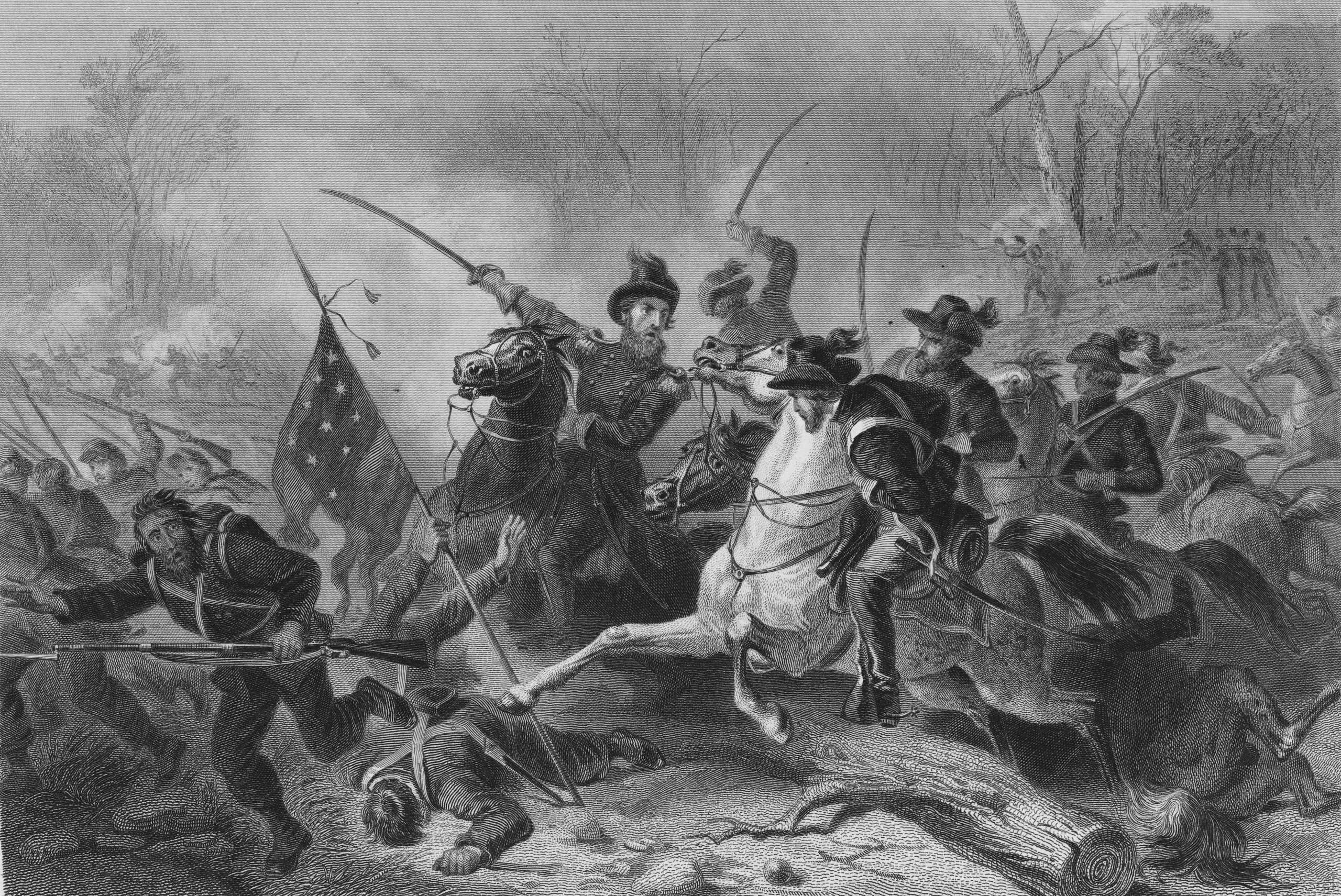
The American Civil War was conducted between the North (the Union) and the South (the Confederacy) in a war that began on April 12, 1861, and ended on April 9, 1865. During these four years, it is estimated that this battle consumed the lives of more than 600,000 people in what is known as the deadliest battle in U.S. history. Approximately half to two-thirds of all deaths were a result of infection and disease obtained in hospitals and prison camps. The harsh realities of Civil War medical practices illustrate just how lacking medicine was.
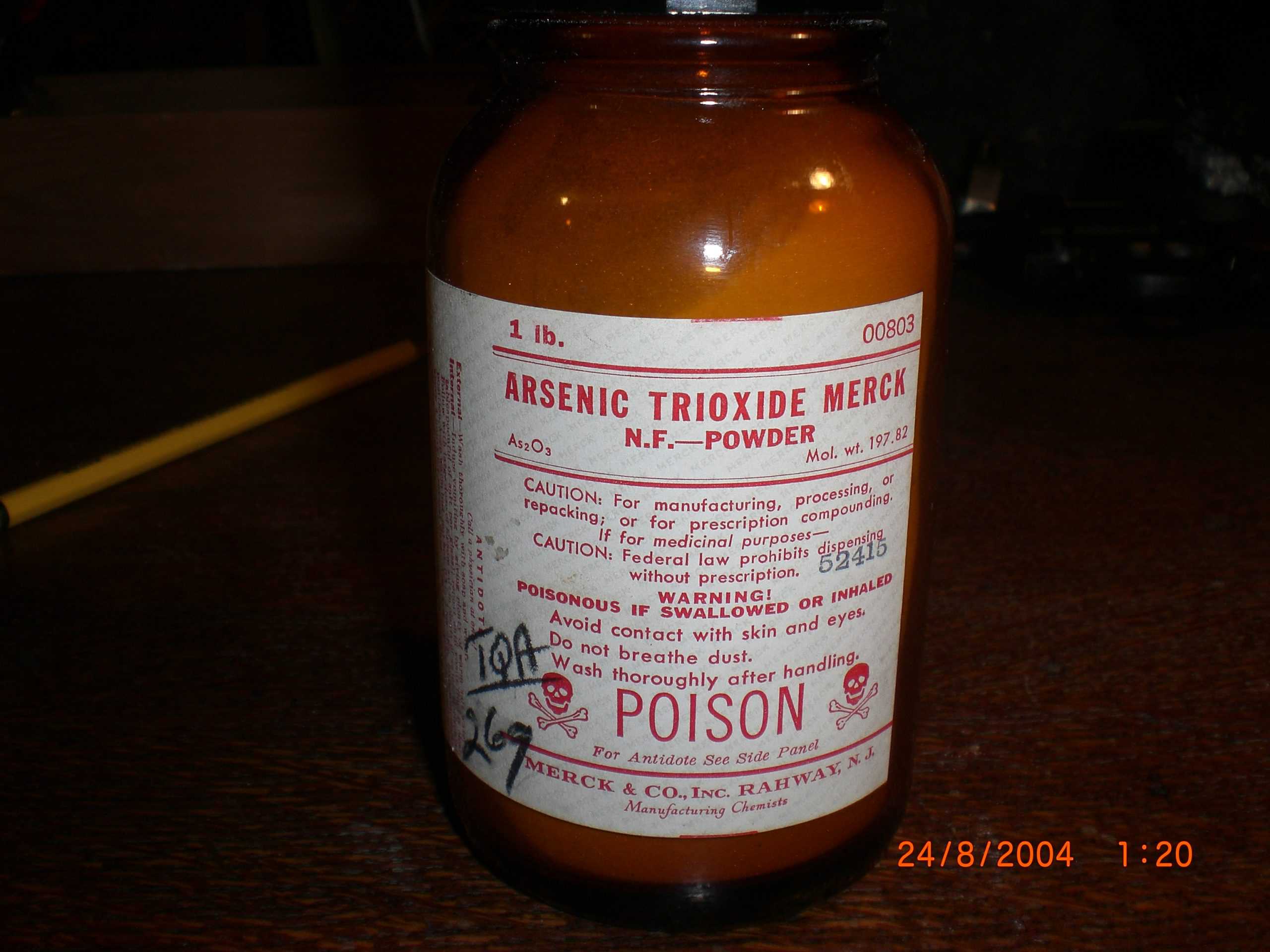
Procedures and operations once conducted were archaic by today's standards. Leeches were thought to be healing and were placed on wounds, and medicines known to be deadly, like arsenic and mercury, were dispensed. Although it was somewhat understood that germs could be capable of spreading disease and infection, it was not yet widely accepted.
To determine what the harsh realities of Civil War medical practices were like, 24/7 Tempo reviewed the Baylor paper, "Medical and surgical care during the American Civil War, 1861–1865" by Robert F. Reilly, MD, and other National Library of Medicine publications, as well as articles and papers on the subject from the American Battlefield Trust, the American Museum of Civil War Medicine, and the National Park Service. (To read other fallacies about the war, read 10 myths about the American Civil War.)
Germs weren't understood
Germ theory existed in basic forms, dating back to the 16th century but those in the medical field either didn't know or didn't accept the concept until the late 19th century. This was of no help to the Civil War victims whose doctors were largely ignorant of the need for sterile instruments and antiseptics.
Both sides were unprepared
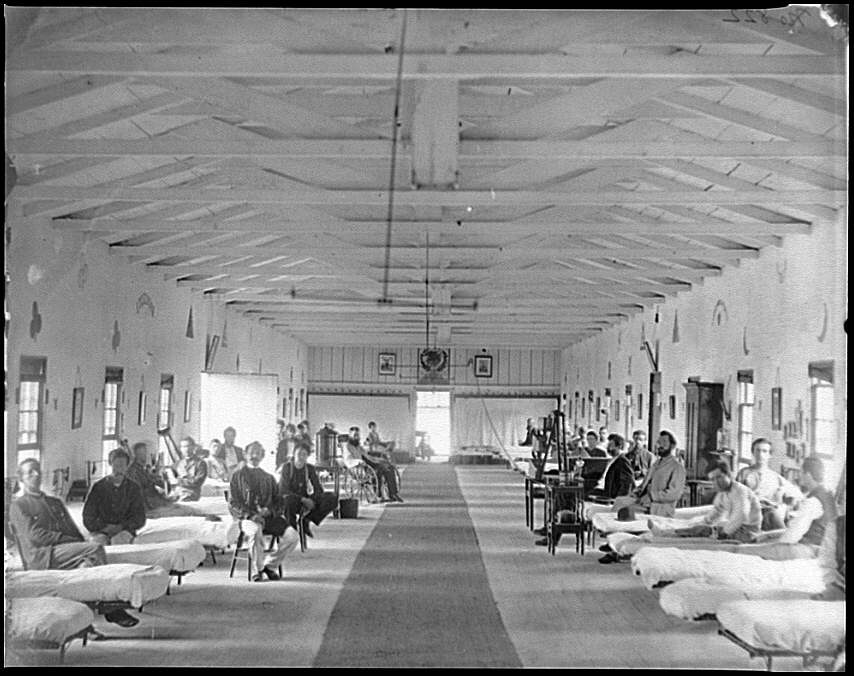
Known as the deadliest battle in American history, neither the Confederates nor the Union side anticipated how bloody the war would be or how long it would last. As a result, neither side had put in place systems for the care of the wounded on a large scale, and although the situation improved as the war raged on, medical facilities remained limited.
Chloroform was a widely used anesthetic
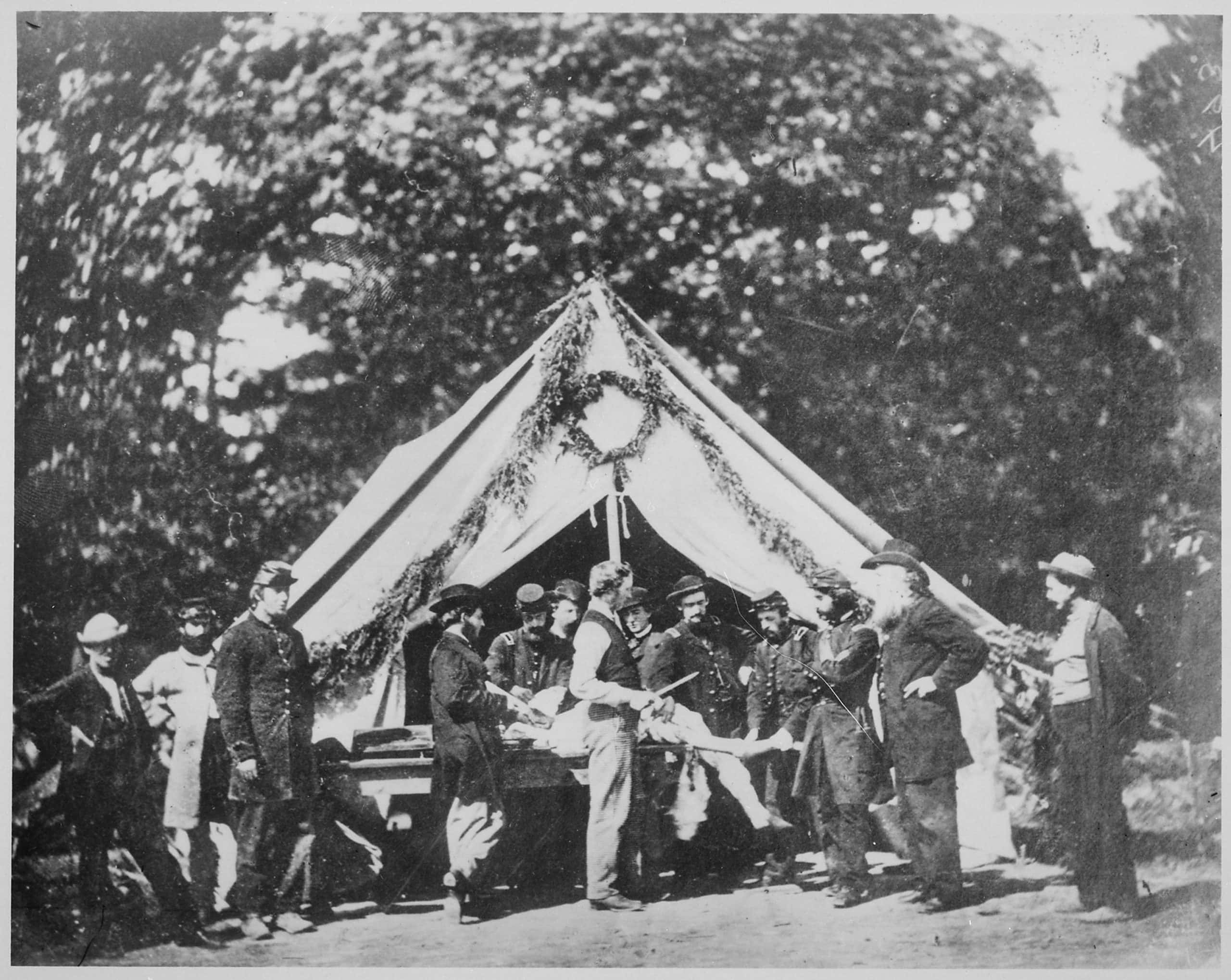
While amputations and other surgery may have been performed in some emergencies without anesthesia, chloroform and to a lesser extent ether were typically used to deaden the senses of patients while surgeons did their work.
A quarter of amputees died
The majority of surgeries performed during the war were amputations, and some 26.3% of all amputees succumbed during or after the procedure, often from gangrene that set in due to the lack of sterile equipment.
Doctors made an important discovery
Partway through the war, it became apparent to surgeons when performing amputations that time was of the essence. It was discovered that patients who were operated on within 24 hours of their wounds stood a higher chance of survival than those who had to wait 48 hours or more.
Only the most skilled could amputate
Much like specialty doctors of today, during the Civil War, not just any doctor could perform amputations. It was considered a job for the most experienced among them. On the Union side, it is said that only one in 15 doctors was permitted to amputate.
Post-operative infection was a major problem
Given the lack of germ knowledge, patients were highly susceptible to infection, regardless of the procedure. The most effective treatment used was the chemical element bromine, which also had a sedative effect. (It is sometimes used today as an alternative to chlorine in swimming pools).
Morphine and whiskey were often prescribed
The preferred anesthetics were morphine and whiskey, used to dull or lessen pain outside of surgery. Morphine, extracted from the resin of the opium poppy was widely prescribed as a pain-killer in the 1800s, and whiskey, which would have been either Bourbon (General Ulysses S. Grant was a fan of Old Crow, a brand that's still sold) or Irish — the influence of immigrants driven to the Northern states from Ireland by the potato famine.
Quinine was used against malaria
Used as a treatment for malaria as early as the 1600s, Quinine, which is extracted from the bark of the cinchona tree, was taken during the Civil War by some troops as a preventative measure. It was also prescribed to help lessen the disease's effects once it took hold. Supply chain issues made it difficult for the Confederate side to obtain quinine, and other alternatives were sought – including extracts from willow and dogwood trees – but they were only marginally effective.
Field ambulances were developed
When the war initially broke out in1861, due to a lack of military ambulances, civilians were pushed into service to drive the wounded to hospitals. However, civilians tended to desert their posts, and soldiers who had not been wounded sometimes commandeered the vehicles to escape battle. In August of 1862, the Union Army established an ambulance corps under the direction of the Quartermaster, and ambulances run by the military have existed ever since.
Mercury and arsenic were considered medicines
Early medicinal applications used to treat various diseases and illnesses like syphilis and diarrhea, were highly toxic. Mercury-based medicines were used to treat lacerations, skin sores, parasites, and even constipation. Additionally, calomel (mercurous chloride) was considered a cure for diarrhea. Another medicine called Fowler's Solution, which contained arsenic, was thought to reduce fever.
Plastic surgery was pioneered
One of the first successful examples of plastic surgery in the United States was performed by Dr. Gurdon Buck, who is considered the father of plastic surgery in America. The procedure was performed on Union Soldier Pvt. Carleton Burgan, who after being given mercury-containing calomel as a treatment for pneumonia developed a large ulcer extending from his eye to his upper lip, disfiguring him. His face was triumphantly reconstructed.
Doctors performed brain surgery
Although medicine wasn't very advanced at this time, surgeons knew a surprising amount about head injuries. There were written instructions informing doctors how to deal with gunshot wounds, puncture wounds, and blunt force trauma. Sections of the skull were often removed to allow access to wounded areas. One key figure in head surgery during the war was Maj. William Williams Keen Jr., who has been called "America's first brain surgeon."
Clara Barton had lasting importance
Self-taught nurse Clara Barton, a native of Massachusetts, worked tirelessly throughout the war to minister to both Confederate and Union wounded (including Black soldiers) and to help supply food, clothing, and medical necessities to troops at the front.
Barton was in charge of battlefront hospitals for the Army of the James late in the war and supervisor of the Office of Missing Soldiers after the war and is credited with proving that women could function well in high-stress situations, as well as being an early supporter of civil rights.
According to Nurse Journal, Barton "took the initiative to manage emergencies and jump into action during times of crisis," and "Her impact is felt in nursing and healthcare to this day." Additionally, she later went on to establish the American Red Cross in 1881 and was at the helm for 23 years.
Modern medicine owes much to the era
During the Civil War, conditions may have severely limited the treatments available but medical professionals were forced to adapt to previously unimaginable circumstances, and were able to make great strides in patient care. According to an article by Ina Dixon entitled "Civil War Medicine: Modern Medicine's Civil War Legacy," published by the American Battlefield Trust, as doctors and nurses became widely familiar with the prevention and treatment of infectious diseases, anesthetics, and best surgical practices, medicine was catapulted into the modern era of quality care. (See what a hospital looked like 100 years ago.)