
BraunS / Getty Images

Rohane Hamilton / Shutterstock.com

fizkes / iStock via Getty Images

theLIMEs / Shutterstock.com
stockvisual / Getty Images

NickyLloyd / Getty Images

marilyna / Getty Images

Dirima / Getty Images

Vaping360 / BY 2.0

Joe Shlabotnik / BY 2.0

vitranc / iStock Unreleased via Getty Images


10 Health Habits Worth Taking Seriously After 40
Turning 40 does not suddenly flip some biological switch, but it is a pretty good time to take stock of the habits that affect your health over the long haul. Blood pressure, blood sugar, sleep, activity, diet, smoking, sun exposure, and stress can all play a role in the risk of health problems later in life.
The good news is that healthy aging does not require an extreme diet or a complete lifestyle overhaul. The habits that tend to matter most are usually the boring, repeatable ones: move regularly, eat well most of the time, get enough sleep, keep up with recommended screenings, and deal with potential problems before they become bigger ones.
For this slideshow, we reviewed guidance from medical and public-health organizations including the U.S. Preventive Services Task Force, Centers for Disease Control and Prevention, National Institutes of Health, and American Heart Association. Here are 10 realistic health habits worth paying attention to after 40.
Stay on Top of Blood Pressure and Diabetes Screening
High blood pressure often has no obvious symptoms, which is one reason routine screening matters. The U.S. Preventive Services Task Force recommends blood-pressure screening for all adults and suggests annual screening beginning at age 40 or earlier for people at increased risk. Home readings with a validated monitor may also be used to confirm high blood pressure after an elevated office reading.
Blood-sugar screening is a little different. The USPSTF recommends screening adults ages 35 to 70 who have overweight or obesity for prediabetes and type 2 diabetes, with earlier screening appropriate for some people who have additional risk factors. That does not mean everyone in their 40s needs to check glucose at home every day. It means this is a good age to make sure you and your healthcare provider know which screenings make sense for you.
Prioritize Sleep
Sleep affects a lot more than whether you need an extra cup of coffee the next morning. Good sleep supports physical health, emotional well-being, attention, and day-to-day functioning. According to the CDC, adults ages 18 to 60 should generally get at least seven hours of sleep each night. Sleep quality and consistency matter, too. If you regularly struggle to fall asleep, stay asleep, or feel rested, it is worth bringing up with a healthcare provider rather than simply accepting exhaustion as part of getting older.
Try a Mediterranean-Style Eating Pattern
A healthy diet is not just about losing weight. A Mediterranean-style eating pattern emphasizes vegetables, fruits, whole grains, beans, nuts and seeds, olive oil, fish, and poultry while limiting added sugars, highly processed foods, refined carbohydrates, and excessive saturated fat. The American Heart Association recommends this general style of eating as one way to follow a heart-healthy diet. You do not have to suddenly start eating every meal on a seaside terrace in Greece, either. The overall pattern matters more than perfectly following a branded diet.
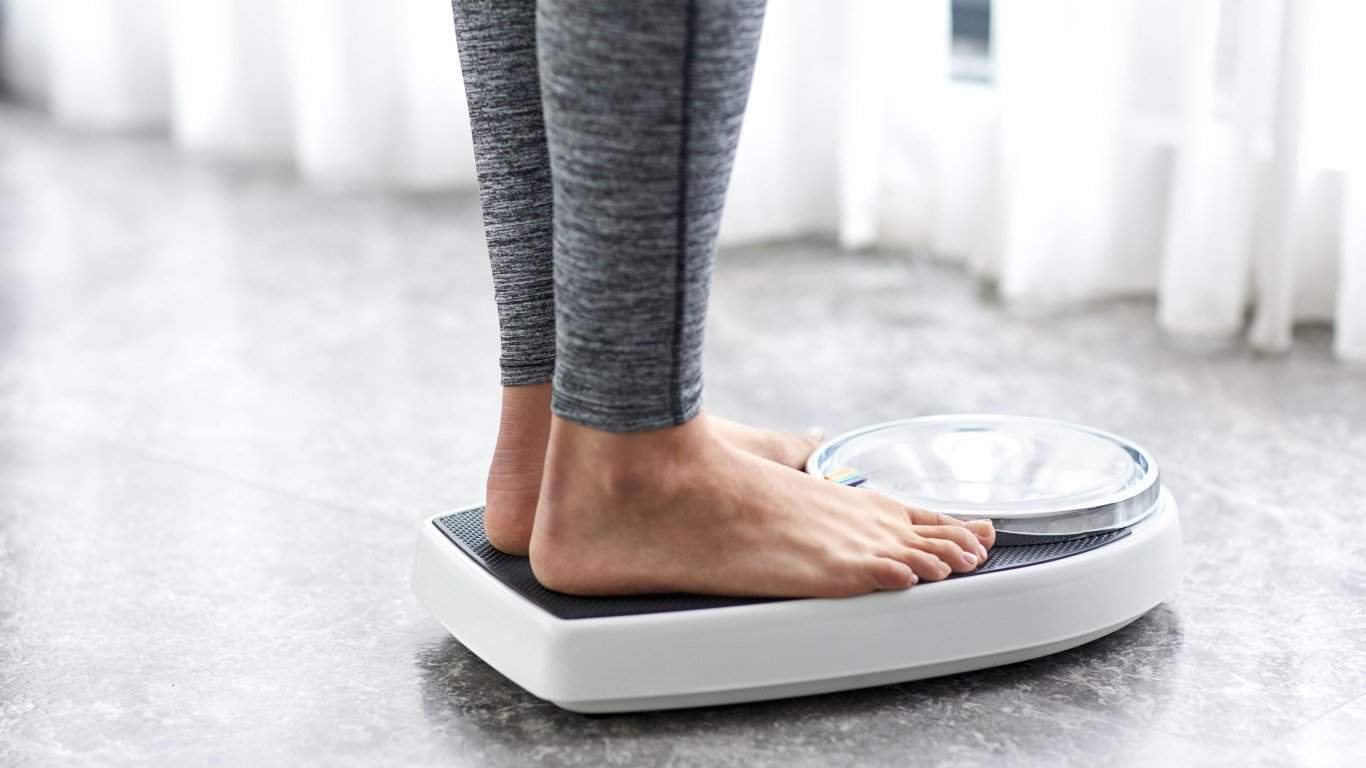
Work Toward a Healthy Weight for You
There is no single perfect number on the scale that applies to everyone, and body weight is only one piece of overall health. Still, excess weight can increase the risk of several health problems and place additional stress on weight-bearing joints such as the knees and hips. For people who have overweight or obesity, even modest weight loss can reduce arthritis-related pain and disability. If weight is something you need or want to address, focus on sustainable changes in food and activity rather than chasing a magic number or crash diet.
Take Regular Walks
You do not need to become a marathon runner at 40 to get meaningful benefits from exercise. Adults should aim for at least 150 minutes of moderate-intensity aerobic activity each week, along with muscle-strengthening activity at least twice a week. A brisk 30-minute walk five days a week gets you to that aerobic target. Walking is also a relatively joint-friendly activity and an easy place to start if you have been mostly sedentary.
Check for Nutrient Gaps Before Taking Supplements
Getting older does not automatically mean you need a cabinet full of vitamins. The National Institutes of Health says most nutrients should come from food when possible, although supplements can be useful when a person cannot get enough of a particular nutrient through diet or has a medical reason to take one. Your needs can also depend on medications, health conditions, and what you actually eat. Instead of taking supplements just because a bottle says "40+" or "50+," talk with a healthcare provider about whether you have a specific gap worth addressing.
Find Ways to Manage Chronic Stress
Chronic stress is different from the short burst of stress that helps you react to a difficult situation. When stress hangs around, it can affect both physical and mental health and may contribute to sleep problems, headaches, stomach issues, muscle tension, and other symptoms. You cannot remove every stressful thing from your life, but regular exercise, adequate sleep, relaxation techniques, time with people you trust, and professional help when needed can make stress more manageable.
Stop Smoking
If you smoke cigarettes, quitting is one of the most important things you can do for your long-term health, and the benefits apply no matter how old you are or how long you have smoked. Smoking raises the risk of cancers including lung, mouth, throat, bladder, kidney, pancreatic, and stomach cancer. Lung cancer can be particularly difficult to treat once it has spread: current federal cancer statistics put the five-year relative survival rate for distant-stage lung and bronchus cancer at about 10.5%. Quitting also lowers cancer risk over time compared with continuing to smoke.
Wear Sunscreen and Protect Your Skin
Skin-cancer risk increases with age, but sun protection should not wait until your 40s. Most skin cancers are linked to excessive exposure to ultraviolet radiation from the sun or tanning beds. When you are outside, use a broad-spectrum sunscreen with SPF 30 or higher, and combine it with shade, protective clothing, hats, and sunglasses when practical. Sunscreen helps protect against UV damage; moisturizer can keep skin from feeling dry, but it is not a substitute for sun protection unless the product also provides adequate SPF.
Keep Your Brain Engaged
Your brain benefits from staying active, too, but be careful with promises that a crossword puzzle or brain-training app can prevent Alzheimer's disease. Research supports some forms of structured cognitive training, and staying engaged in meaningful, mentally challenging activities may help maintain cognitive health as you age. Learning a language, picking up a new skill, reading, playing games, making music, or taking a class are all reasonable ways to keep challenging yourself. The evidence is not strong enough to say any one of them guarantees protection against dementia, so think of mental activity as one part of a broader brain-healthy lifestyle rather than a magic shield.