A tornado can transform a familiar community into an unrecognizable landscape within minutes. Forecasting, radar coverage, warning systems, and construction standards have improved enormously since the 1970s, but no technology can eliminate the danger posed by a violent funnel crossing a populated area. Some of the storms on this list became infamous for staggering death tolls, while others set records for wind measurements, financial losses, or the scale of destruction left behind.
This updated look at the deadliest and most destructive tornadoes since 1974 includes individual tornadoes as well as notable outbreaks. Records from older disasters, particularly those outside the United States, are sometimes incomplete or disputed, so casualty figures are identified as estimates when necessary. The list is arranged chronologically and concludes with major events through July 2026, showing that even countries with sophisticated warning networks remain vulnerable when violent tornadoes strike homes, schools, hospitals, and transportation systems.
Bogra, Bangladesh, April 11, 1974
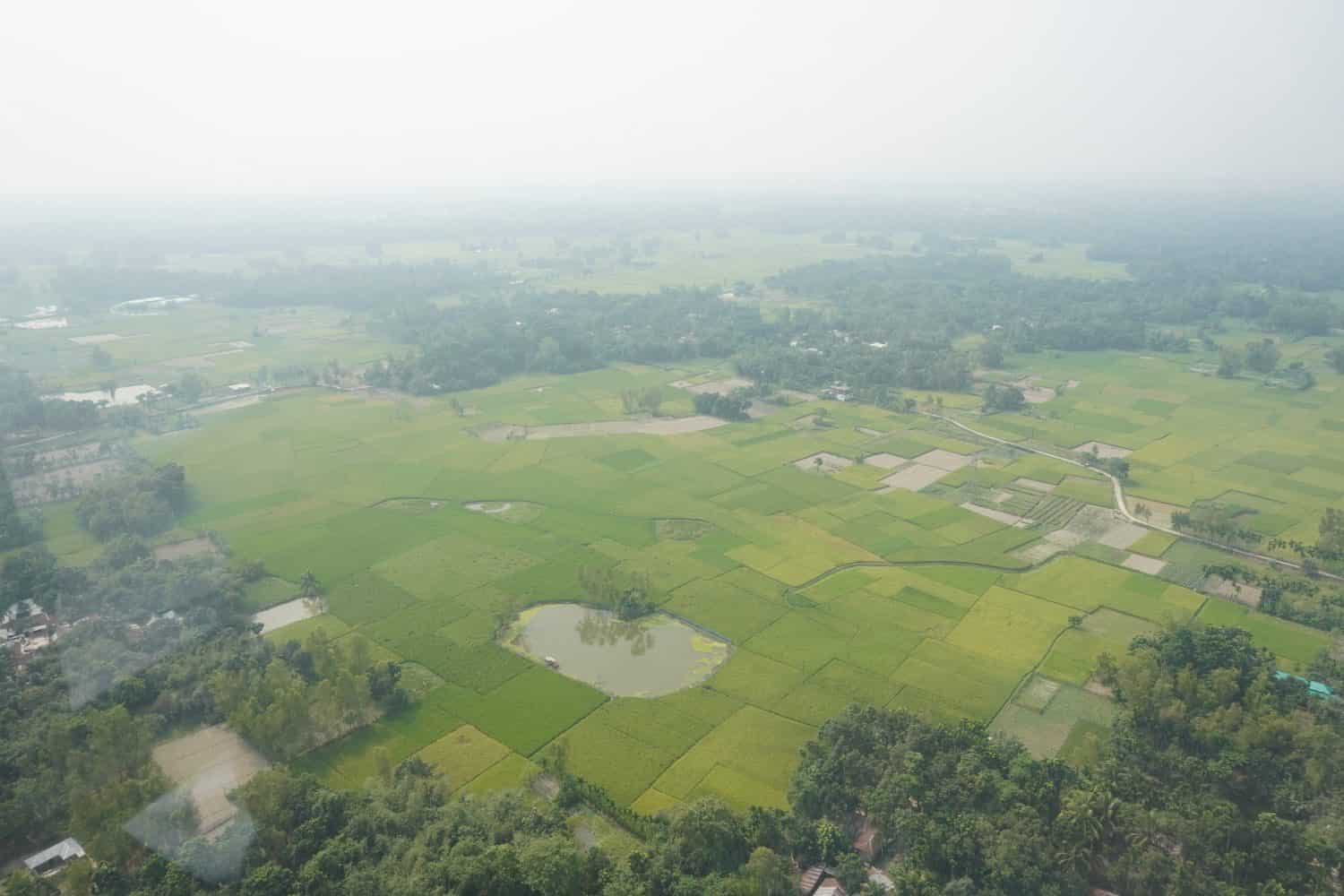
A destructive tornado struck west of Bogra in northern Bangladesh on April 11, 1974. Historical compilations commonly attribute approximately 100 deaths to the storm, although detailed injury and damage records are limited. That uncertainty is common in accounts of older tornadoes in rural South Asia, where communications, transportation, and formal storm surveys were far less extensive than they are today. Bangladesh is especially vulnerable because dense communities, lightweight construction, and limited access to sturdy shelters can turn a brief tornado into a mass-casualty disaster. The image shows Bogra during much calmer conditions.
Madaripur and Shibchar, Bangladesh, April 1, 1977
One of Bangladesh’s most frequently cited tornado disasters struck the Madaripur and Shibchar area on April 1, 1977. Historical accounts often place the death toll near 500, but records from the event are incomplete and some totals include people killed when severe weather reportedly sank a passenger launch on the Meghna River. For that reason, the precise number attributable to the tornado alone remains uncertain. What is clear is that the storm devastated exposed communities and caused an extraordinary loss of life. The disaster illustrates why older tornado casualty totals should be presented as estimates rather than treated as perfectly documented counts.
Muksudpur, Bhanga, and Tungipara, Bangladesh, April 2, 1977
Bangladesh faced another deadly tornado on April 2, 1977, only one day after the Madaripur and Shibchar disaster. The storm tore through communities around Muksudpur, Bhanga, and Tungipara, with historical tornado catalogs commonly reporting 111 deaths. As with many South Asian tornadoes from this period, surviving documentation offers far less detail than modern storm surveys, and spellings of the affected communities vary across English-language accounts. The back-to-back catastrophes made the two-day period especially devastating and exposed how quickly emergency resources could be overwhelmed when severe storms struck several densely populated districts in succession.
Jajpur and Keonjhar Districts, India, April 16, 1978
A violent tornado crossed parts of the Jajpur and Keonjhar districts in the Indian state of Odisha on April 16, 1978. Contemporary reports and later storm histories generally place the death toll at approximately 150 to 173, with hundreds of additional people injured. The storm destroyed homes and uprooted trees as it moved through rural communities where many buildings offered little protection from extreme winds and flying debris. Some eyewitness accounts described an unusually colored sky before the tornado arrived, but that detail is anecdotal. The better-documented legacy is the enormous human toll and the destruction across multiple villages.
Karimpur, India, April 18, 1978
Just two days after the deadly Odisha tornado, another destructive tornado struck near Karimpur in West Bengal on April 18, 1978. Historical accounts commonly report 111 fatalities, although comprehensive damage surveys and verified injury totals are difficult to locate. The storm is remembered as part of an exceptionally deadly period of severe weather in eastern India. Rural construction, high population density, and limited warning access increased the danger, particularly for residents caught in homes that could not withstand violent winds. Because the available records are sparse, claims about the tornado’s exact strength or wind speed should be treated cautiously.
Omaha, Nebraska, USA, May 6, 1975
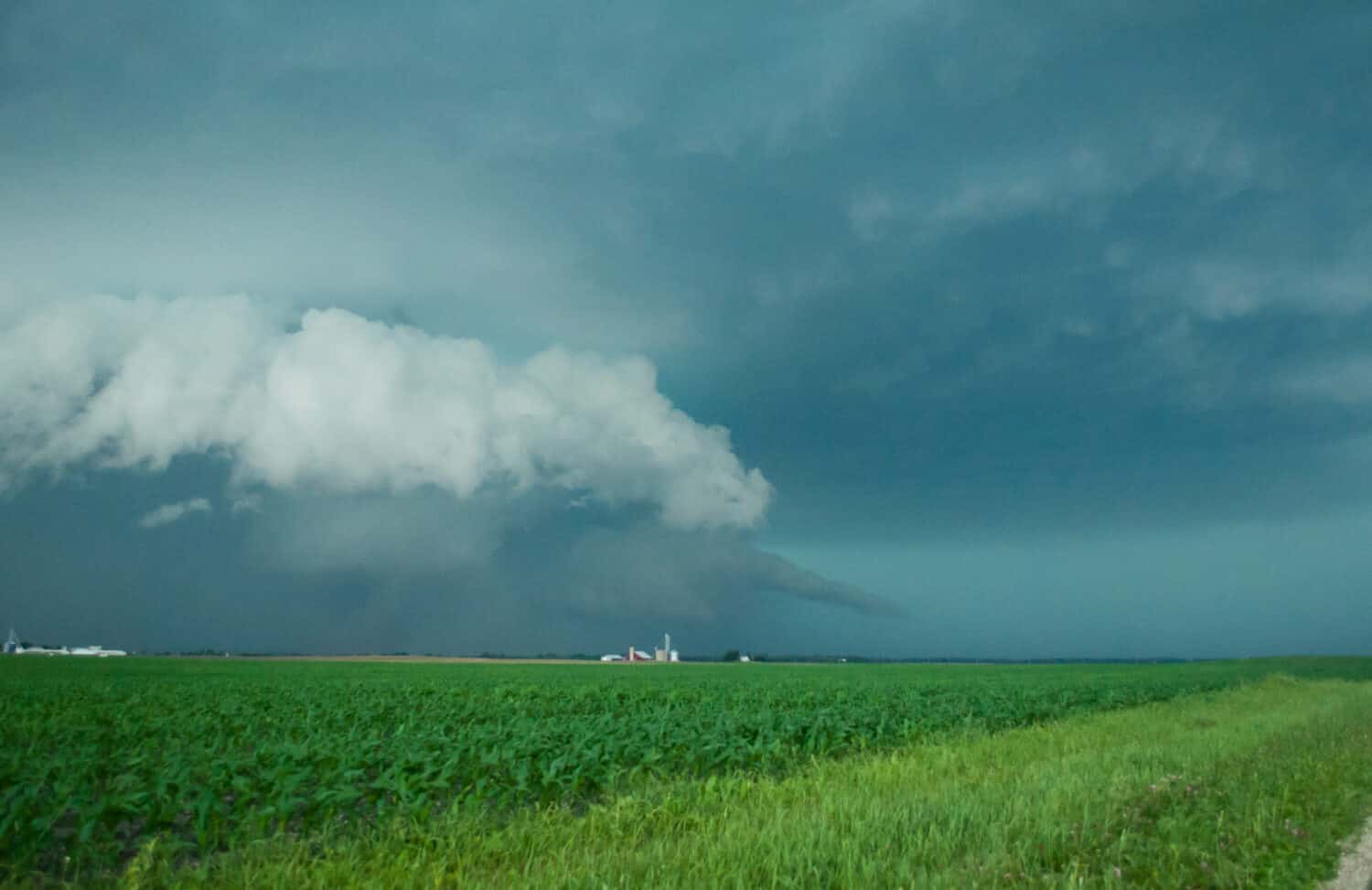
The date in the original version of this entry was incorrect. Omaha’s historic tornado struck on May 6, 1975, not in 1978. The powerful F4 tornado carved a path through west-central Omaha, killing three people and injuring more than 130. Its path crossed heavily developed neighborhoods and commercial areas, damaging or destroying hundreds of homes and businesses. Contemporary losses were estimated at roughly $250 million, making it one of the costliest U.S. tornadoes recorded at that time. Omaha avoided a much higher death toll partly because warnings reached residents before the funnel entered the city, giving many people time to seek shelter.
Wichita Falls, Texas, USA, April 10, 1979
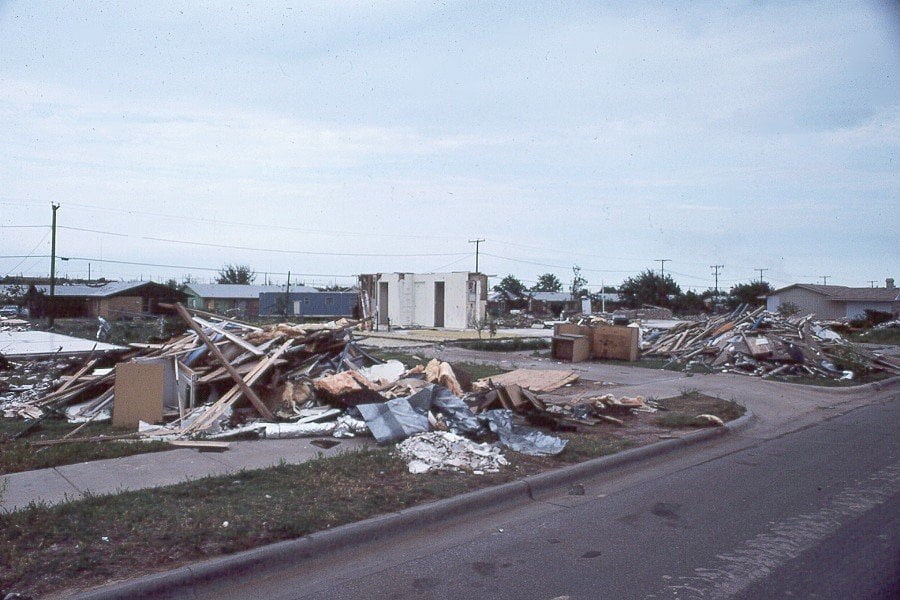
The Red River Valley tornado outbreak produced a violent F4 tornado that struck Wichita Falls during the afternoon of April 10, 1979. The tornado killed 42 people in the city and injured more than 1,700, making it one of the deadliest tornadoes in modern Texas history. Thousands of homes were damaged or destroyed as the wide funnel crossed densely populated neighborhoods on the city’s south side. Investigators found that several victims died while trying to escape in vehicles, a lesson that helped shape later public-safety guidance. The outbreak produced numerous tornadoes across Texas and Oklahoma, not merely three storms in the immediate region.
Southern Bangladesh, April 12, 1981
A violent tornado swept through communities in southern Bangladesh on April 12, 1981, striking areas reported as Parshuram, Fulgazi, Somarpur, and Sonagazi. Historical disaster lists generally estimate that approximately 200 people were killed, but reliable details about the storm’s path, width, intensity, and total injuries remain limited. The tornado crossed a region where many residents lived in lightly constructed homes that provided little resistance to destructive winds. Bangladesh’s combination of dense settlement, vulnerable housing, and limited shelter access has repeatedly produced catastrophic results even when tornado paths were relatively short.
Kapundi, Erandi, Dhanbeni, and Rengalbeda, India, April 17, 1981

The original heading placed this disaster in Bangladesh, but historical tornado catalogs identify the affected communities of Kapundi, Erandi, Dhanbeni, and Rengalbeda with eastern India. The April 17, 1981 tornado is commonly associated with a death toll of approximately 120. Documentation remains fragmentary, making precise claims about its intensity, dimensions, and injury count difficult to verify. The scale of the reported casualties nevertheless places it among the region’s most serious tornado disasters. As in neighboring Bangladesh, vulnerable rural housing and limited warning coverage greatly increased the risk to residents along the storm’s path.
Ivanovo Region, Soviet Union, June 9, 1984

One of Europe’s most destructive documented tornado outbreaks swept through areas north and northeast of Moscow on June 9, 1984. The Ivanovo region suffered the most famous damage, with violent tornadoes destroying homes, overturning heavy objects, and cutting through forests. Published fatality estimates vary dramatically, from roughly 60 confirmed deaths across the outbreak to unverified claims exceeding 400. Because Soviet-era reporting was limited and later accounts often repeat conflicting numbers, the higher estimates should not be presented as established fact. The event remains exceptional for its intensity and the number of damaging tornadoes reported in a region not usually associated with outbreaks of that scale.
Daulatpur and Saturia, Bangladesh, April 26, 1989

The Daulatpur-Saturia tornado is widely described as the deadliest tornado in recorded history. It struck central Bangladesh on April 26, 1989, devastating communities in the Manikganj District and leaving an estimated 1,300 people dead. Thousands more were injured, and tens of thousands were left without homes. The precise figures remain estimates because the tornado destroyed communications and swept through densely populated rural areas where recordkeeping was difficult. Even with that uncertainty, no other documented tornado is believed to have produced a comparable death toll. Its impact was intensified by fragile housing, extreme population density, and a shortage of accessible storm shelters.
Andover, Kansas, USA, April 26, 1991

A violent tornado tore through south-central Kansas on April 26, 1991, striking McConnell Air Force Base and the community of Andover. Because the Enhanced Fujita scale was not adopted in the United States until 2007, the tornado was rated F5, not EF5. It killed 17 people, including 13 at Andover’s Golden Spur mobile home park, and injured more than 200. The tornado was part of a major Plains outbreak that produced dozens of tornadoes across several states. Dramatic video of the funnel and the destruction at the mobile home park made Andover one of the best-known tornado disasters of the early 1990s and a lasting case study in tornado preparedness.
Kandi, India, April 9, 1993
A destructive tornado struck the Kandi area of West Bengal, India, on April 9, 1993. Historical storm records generally report approximately 145 deaths and hundreds of injuries, although surviving accounts differ on some details. The tornado swept through numerous villages, destroying lightly built homes and leaving many families without shelter. As with several other South Asian events on this list, no dependable wind measurement or internationally comparable intensity rating is available. Its inclusion rests on the reported human toll rather than a verified rating. The accompanying image depicts damage from a comparable storm rather than the 1993 tornado itself.
Tangail, Bangladesh, May 13, 1996

A catastrophic tornado struck the Tangail district and surrounding areas of north-central Bangladesh on May 13, 1996. The storm cut through dozens of villages, destroying homes and reportedly killing more than 500 people. Some historical accounts place the toll near 600, while injury estimates vary widely and should not be treated as exact. Claims that more than 30,000 people were injured may combine injuries with the much larger number left homeless or otherwise affected. The disaster remains one of the deadliest tornadoes on record and again demonstrated how a violent storm can produce an enormous casualty count when it crosses densely populated communities with vulnerable construction.
Odisha, India, March 24, 1998

A deadly tornado struck parts of Odisha in eastern India on March 24, 1998, destroying villages and causing a major loss of life. Frequently cited accounts place the death toll at approximately 250 and report that dozens of children were killed when a school building collapsed. Exact casualty figures and the often-repeated estimate of 115 mph winds are difficult to verify through a modern damage survey, so the wind figure should not be treated as a precise measurement. The destruction was severe enough to leave thousands of residents homeless. The disaster remains one of India’s deadliest reported tornadoes of the late 20th century.
Bridge Creek-Moore, Oklahoma, USA, May 3, 1999
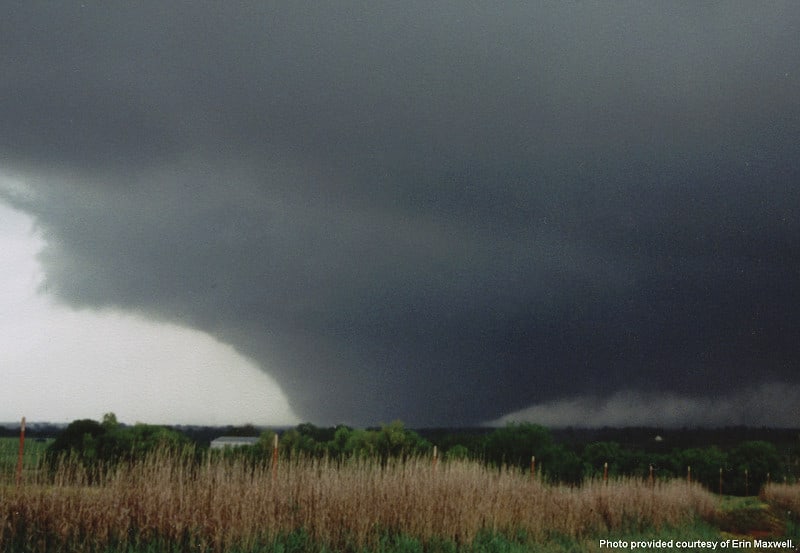
The Bridge Creek-Moore tornado was rated F5 after cutting a devastating path through communities southwest of Oklahoma City on May 3, 1999. It killed 36 people directly and destroyed thousands of homes and other structures. A mobile Doppler radar measured winds of approximately 301 mph above ground level, plus or minus the instrument’s uncertainty. The reading is often called the highest tornado wind speed ever measured, but it was not a standard surface observation and should not be described as an exact 301 mph ground-level wind. The tornado became a landmark event for mobile radar research, warning practices, and public understanding of violent tornadoes.
Alabama, USA, April 27, 2011

Alabama endured one of the darkest days in its weather history during the April 27, 2011 Super Outbreak. The National Weather Service documented 62 tornadoes in the state that day, including multiple EF4 storms and the long-track EF5 tornado that devastated Hackleburg and Phil Campbell. More than 250 people were killed in Alabama, while the multiday outbreak caused more than 300 deaths across the Southeast. Tuscaloosa, Birmingham, Cullman, and numerous smaller communities sustained catastrophic damage. Unlike most entries here, this section represents an outbreak of many tornadoes rather than one funnel, reflecting the extraordinary scale of the disaster.
Joplin, Missouri, USA, May 22, 2011

An EF5 tornado struck Joplin, Missouri, on the evening of May 22, 2011, cutting directly through densely populated neighborhoods and a major commercial corridor. The tornado reached up to a mile in width, produced estimated winds above 200 mph, and remained on the ground for approximately 22 miles. It killed 158 people directly and injured more than 1,000, making it the deadliest single U.S. tornado since modern recordkeeping began in 1950. St. John’s Regional Medical Center suffered a direct hit, and thousands of buildings were damaged or destroyed. Losses reached approximately $2.8 billion, making Joplin the costliest U.S. tornado on record at the time.
Moore, Oklahoma, USA, May 20, 2013
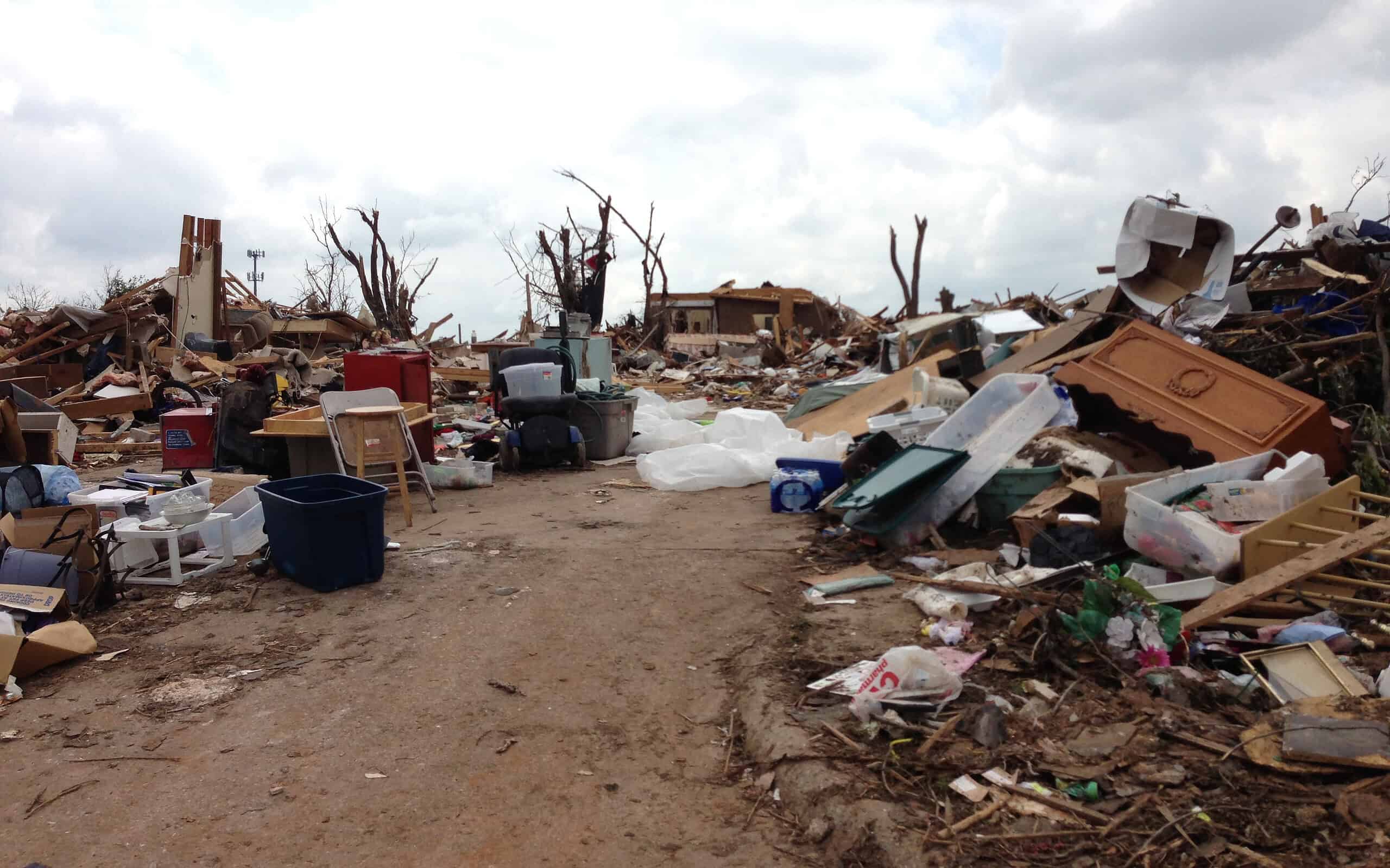
A violent EF5 tornado tore across Moore, Oklahoma, and nearby communities on May 20, 2013. The storm remained on the ground for approximately 14 miles, reached more than a mile wide, and produced estimated peak winds of 210 mph. It killed 24 people and injured more than 200. Seven children died at Plaza Towers Elementary School when part of the building collapsed, focusing national attention on school shelter standards in tornado-prone areas. Entire neighborhoods were reduced to foundations, and total damage was estimated at roughly $2 billion. For more than 12 years, it remained the last U.S. tornado officially assigned an EF5 rating.
Washington, Illinois, USA, November 17, 2013
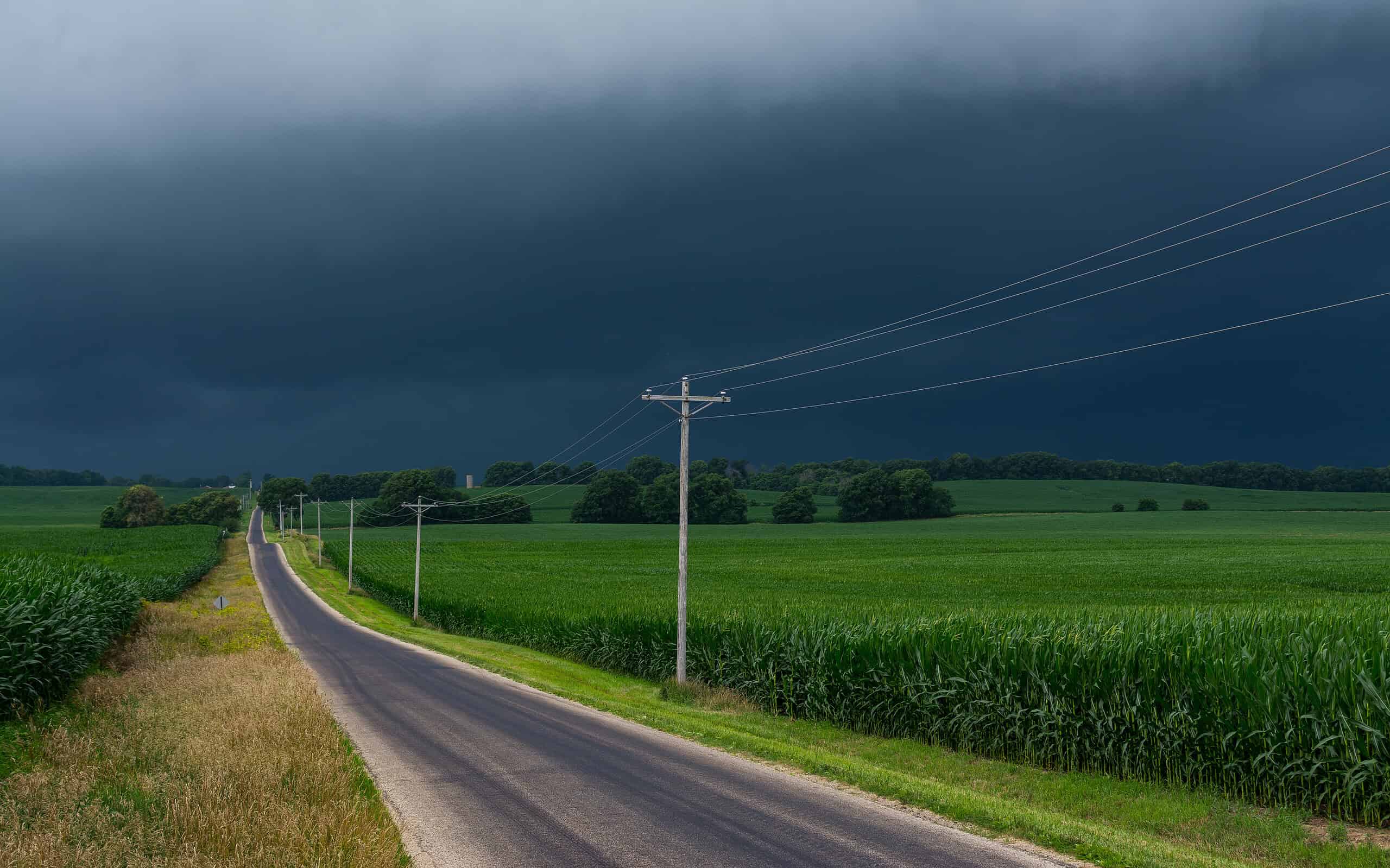
An intense EF4 tornado struck Washington, Illinois, on November 17, 2013, during an unusually widespread late-season outbreak. The tornado developed west of the city and rapidly intensified before crossing residential neighborhoods, where entire blocks were destroyed. Three people were killed and more than 120 were injured along the storm’s path. At its strongest, the tornado had estimated winds of approximately 190 mph and reached about half a mile wide. The Washington tornado was one of dozens confirmed across the Midwest that day, demonstrating that violent tornadoes are not limited to spring and can develop even late in the calendar year when atmospheric conditions align.
Dallas, Texas, USA, October 20, 2019

A powerful EF3 tornado crossed northern Dallas and nearby communities on the night of October 20, 2019. It remained on the ground for nearly 16 miles and approximately 32 minutes, cutting through expensive residential and commercial districts. Despite damage estimated near $1.5 billion, no deaths were reported, an outcome credited partly to timely warnings and the storm’s nighttime path narrowly missing even more vulnerable locations. The tornado became one of the costliest in Texas history, although comparisons vary depending on whether losses are adjusted for inflation. Schools, businesses, and hundreds of homes sustained damage, and several structures were completely destroyed.
Nashville, Tennessee, USA, March 3, 2020
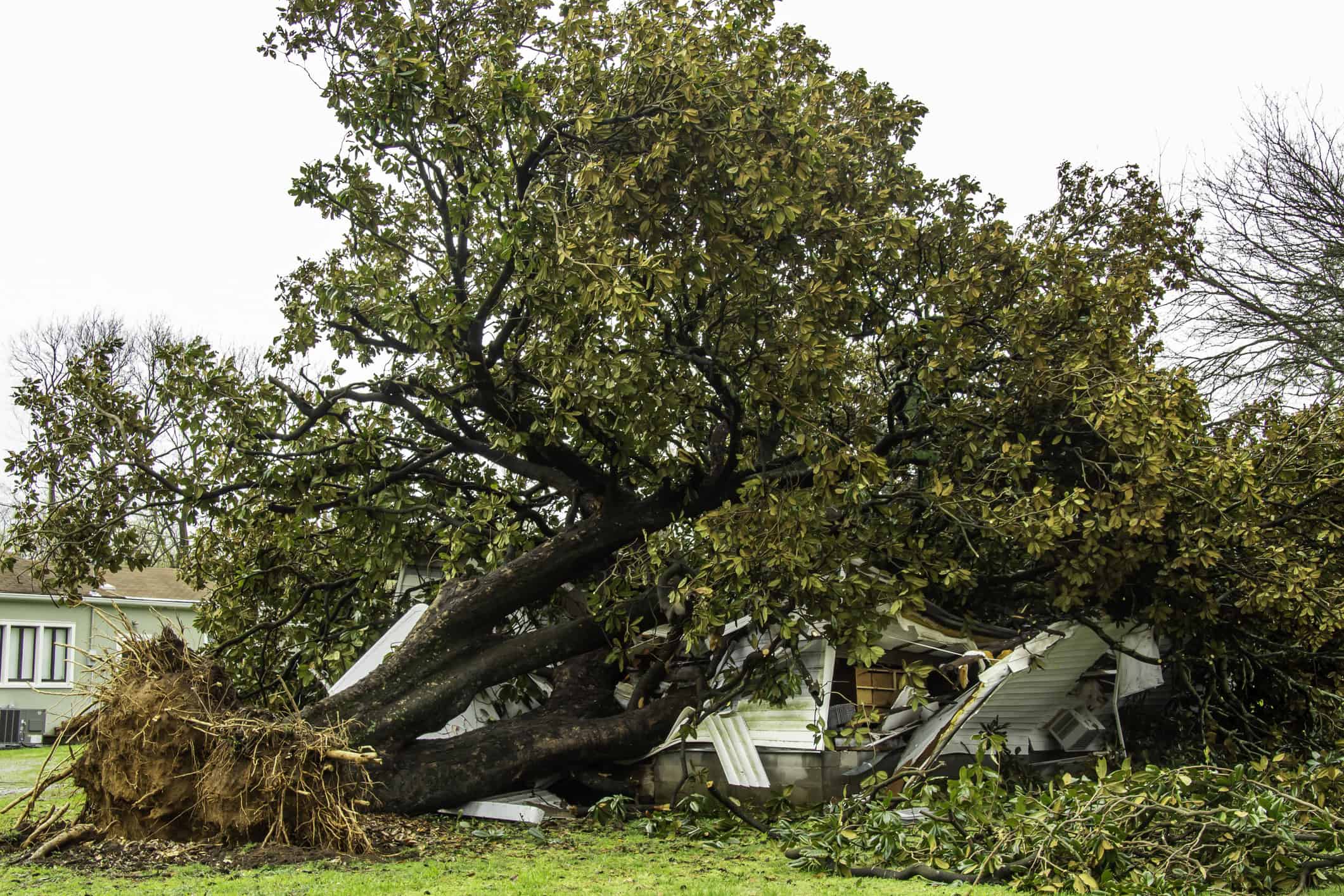
A nighttime EF3 tornado moved through Nashville and communities to its east shortly after midnight on March 3, 2020. The storm traveled more than 60 miles, damaging neighborhoods in Nashville before continuing through Wilson and Smith counties. Five people were killed along this tornado’s path, while a separate EF4 tornado near Cookeville caused 19 more deaths during the same Tennessee outbreak. The Nashville storm damaged homes, churches, schools, and businesses, including buildings in the city’s Germantown and Five Points areas. Its arrival while many residents were asleep reinforced the importance of having multiple ways to receive weather warnings overnight.
Western Kentucky, USA, December 10, 2021
The long-track Western Kentucky tornado struck during the night of December 10 and the early hours of December 11, 2021. Rated EF4, it traveled more than 165 miles through western Kentucky and devastated communities including Mayfield, Princeton, Dawson Springs, and Bremen. The tornado caused 57 direct deaths along its full path, including 14 in Dawson Springs, and injured hundreds. Mayfield’s downtown was heavily damaged, and a candle factory collapsed while employees were inside. The disaster occurred during an exceptional December outbreak and became one of the deadliest U.S. tornadoes of the modern era, disproving the dangerous assumption that tornado season ends with spring.
Rolling Fork and Silver City, Mississippi, USA, March 24, 2023
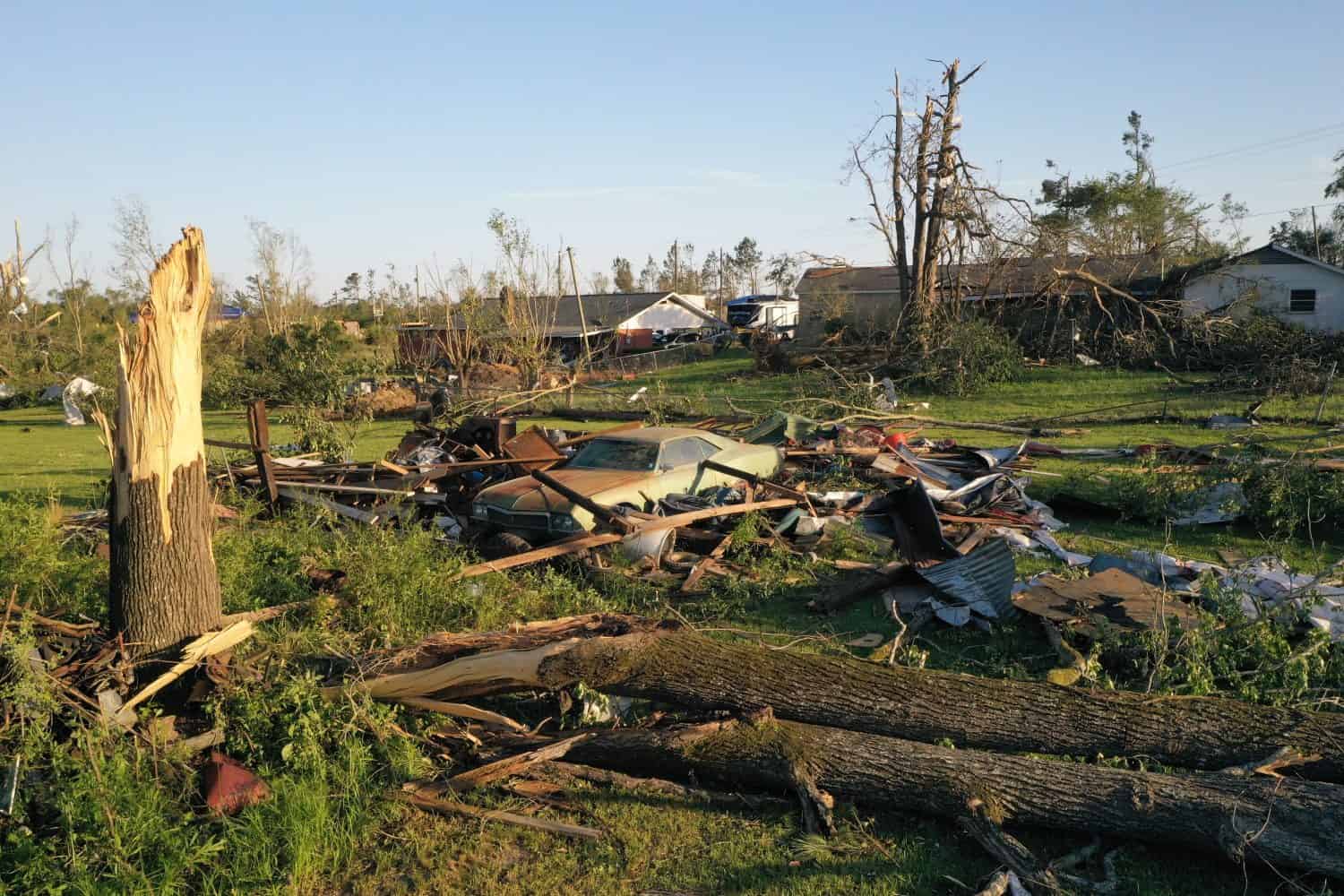
The original entry gave the wrong date and rating for Mississippi’s most destructive tornado of the March 2023 outbreak. The Rolling Fork-Silver City tornado struck on the evening of March 24 and was rated EF4, with estimated peak winds of 195 mph. It remained on the ground for nearly 60 miles, killed 17 people directly, and injured more than 160. Rolling Fork sustained catastrophic damage, while severe destruction continued through Silver City and rural areas farther northeast. A separate EF3 tornado later killed three people in northern Mississippi. Across the broader outbreak, tornadoes and severe storms caused additional deaths in Mississippi and Alabama.
Greenfield, Iowa, USA, May 21, 2024
A violent EF4 tornado tore through Greenfield, Iowa, on May 21, 2024, during a day of destructive storms across the state. The National Weather Service estimated peak winds of 175 to 185 mph and documented a path approximately 44 miles long. Five people were killed and 35 were injured. Homes and businesses in Greenfield were demolished, vehicles were thrown, and wind turbines outside the city were severely damaged. Mobile research radar detected much stronger winds above ground level inside the circulation, but those measurements do not replace the official damage-based EF4 rating. The disaster became one of Iowa’s most consequential tornadoes in decades.
Somerset and London, Kentucky, USA, May 16, 2025

A long-track EF4 tornado crossed Russell, Pulaski, and Laurel counties in Kentucky late on May 16, 2025. The tornado intensified after passing southern Somerset, reached estimated winds near 170 mph, and expanded to a maximum width of approximately 1,700 yards before striking communities south of London. Nineteen people were killed, making it the deadliest tornado ever documented within the National Weather Service’s Jackson, Kentucky, forecast area. Officials reported hundreds of homes affected in Laurel County alone, including 280 destroyed. The storm also damaged the London-Corbin Airport and left a scar through portions of the Daniel Boone National Forest.
Enderlin, North Dakota, USA, June 20, 2025
The Enderlin tornado became historically significant when the National Weather Service upgraded it to EF5 after an extensive forensic review. The tornado struck rural areas south of Enderlin on June 20, 2025, killing three people. Investigators estimated winds greater than 210 mph after examining extraordinary damage that included fully loaded grain hopper cars being tipped, tanker cars being lofted, severe tree debarking, and a farmstead swept away. The tornado traveled 12.1 miles and grew to approximately 1.05 miles wide. It was the first U.S. tornado rated EF5 since the Moore, Oklahoma, disaster on May 20, 2013, ending an unprecedented 12-year gap between EF5 ratings.
Eastern Hubei, China, July 6, 2026

Severe thunderstorms, destructive winds, and tornadoes struck eastern Hubei province on the night of July 6, 2026. Provincial authorities reported 11 deaths, one missing person, and 331 injuries across the affected region, while more than 4,800 buildings were damaged. Reports identified an EF2 tornado in Huanggang, where vehicles were lifted and industrial buildings sustained major damage. Because the official casualty total covers the broader severe-weather episode across several cities, it should not be attributed entirely to one tornado. Even with that distinction, the event ranks among the deadliest tornado-associated disasters of recent years and is the newest entry in this updated list.
Where to Shelter During a Tornado
When a tornado warning is issued, move immediately to a basement, storm cellar, or certified safe room. If none is available, use a small interior room on the lowest floor of a sturdy building and put as many walls as possible between you and the outdoors. Stay away from windows and protect your head and neck with your arms, a helmet, blankets, or a mattress. Leave mobile homes for a designated shelter before the storm arrives. If you are outdoors or in a vehicle and cannot reach sturdy shelter, there is no universally safe alternative. Follow local emergency guidance, keep your seat belt fastened if driving is unavoidable, and never shelter beneath a highway overpass.
Staying Informed Before and After a Tornado
Do not depend on outdoor warning sirens as your only alert system because they may not be audible indoors. Keep emergency notifications enabled on your phone and maintain a second source, such as a battery-powered NOAA Weather Radio. A tornado watch means conditions are favorable for tornadoes, while a tornado warning means a tornado has been detected or indicated and shelter should be taken immediately. After the storm, avoid downed power lines, unstable walls, broken glass, leaking gas, and floodwater. Use text messages when possible to reduce strain on phone networks, and do not enter heavily damaged areas unless emergency officials say it is safe.