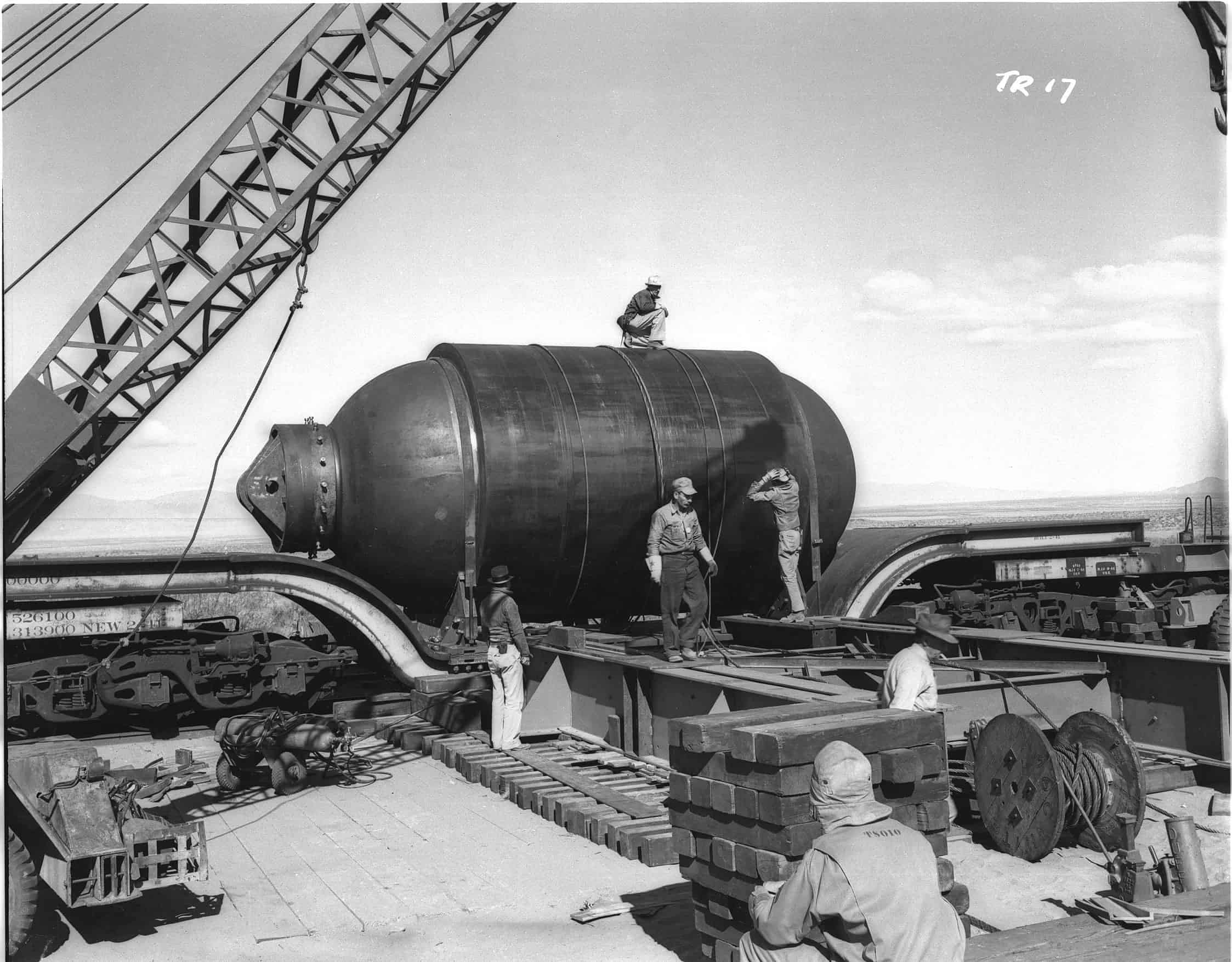
U.S. Department of Energy / https://en.wikipedia.org/wiki/public_domain
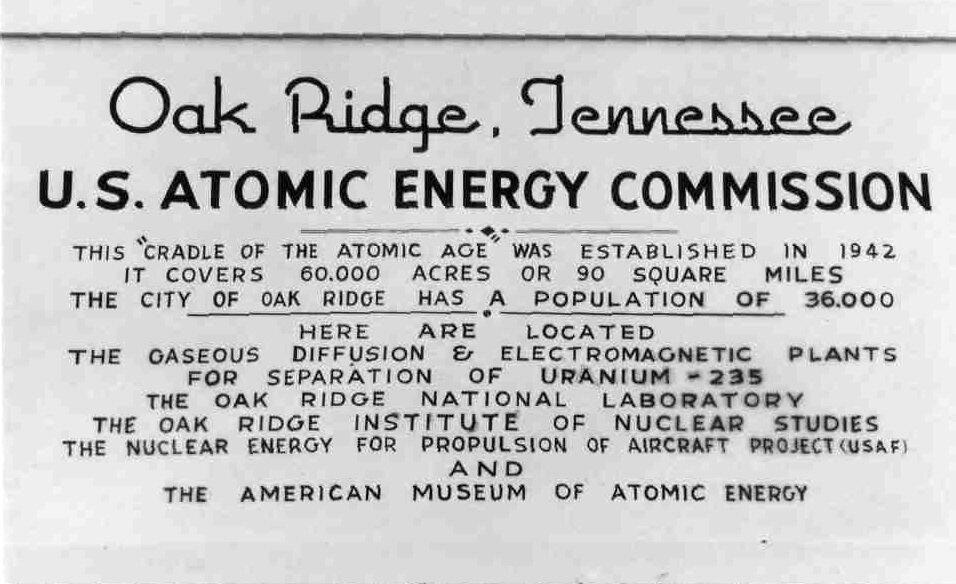
"Oak Ridge Tennessee Pics0003" by bsabarnowl is licensed under BY 2.0.
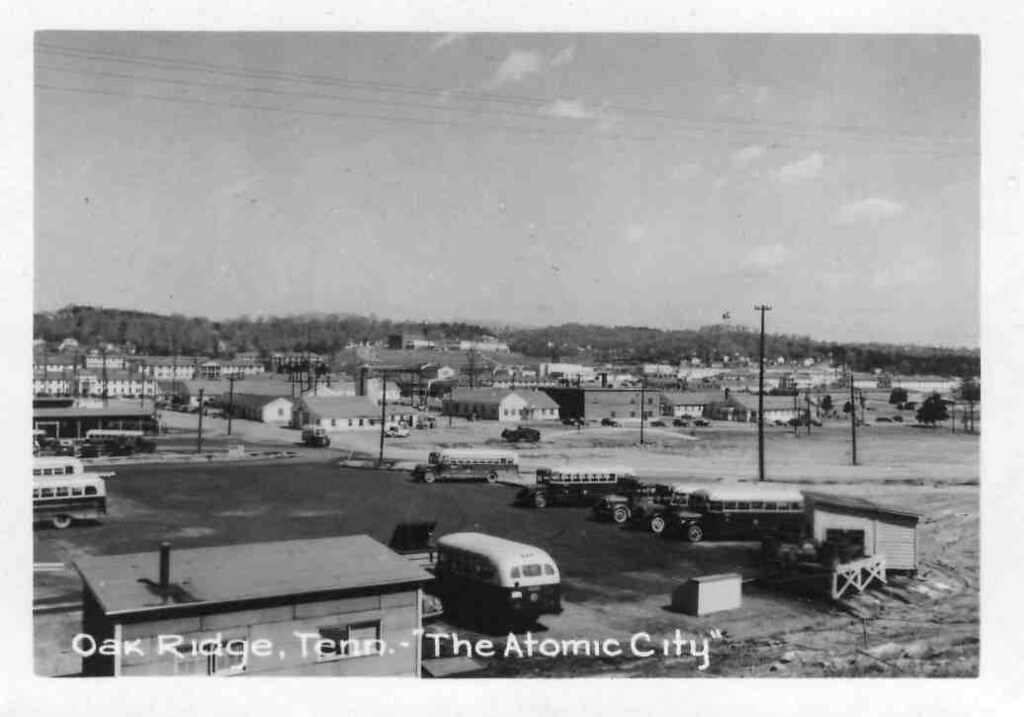
bsabarnowl / BY 2.0
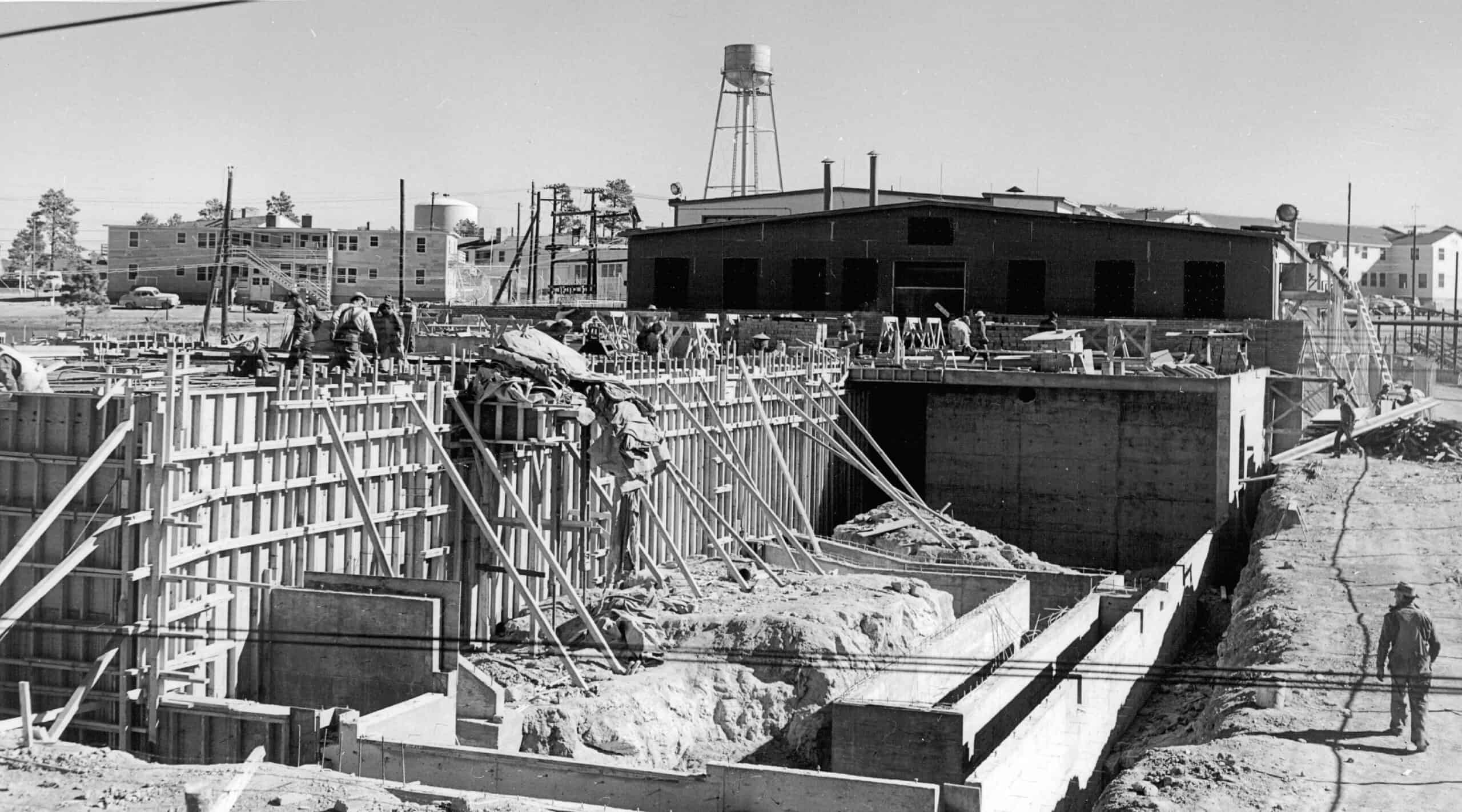
United States Department of Energy / https://en.wikipedia.org/wiki/public_domain
Jeffrey M. Frank/Shutterstock.com
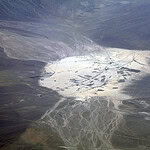
"Timmerman Ferry site in Richland, Washington 5" by Allen4names is licensed under BY-SA 3.0.
Andrew Baum / Shutterstock.com
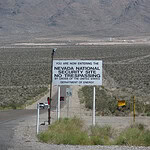
"You Are Now Entering the Nevada National Security Site (No Trespassing), Near Mercury, Nevada" by Ken Lund is licensed under BY-SA 2.0.
dsearls / BY 2.0
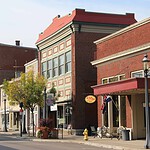
"Market Square (Miamisburg, Ohio) Main St 1" by Pjsham is licensed under BY-SA 3.0.
Kenneth Stedman / Shutterstock.com
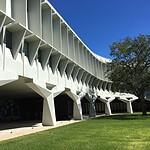
"Mid-Century Brutalist IBM Building Boca Raton 1970 Marcel Breuer" by Phillip Pessar is licensed under BY 2.0.
Ioseb Sumbadze / Shutterstock.com
6 U.S. Places With Secret Cold War Histories
Some of the most important places in America's nuclear and Cold War history did not look much like secret military installations from the outside. They had schools, grocery stores, houses, movie theaters, churches, and families going about daily life. Behind the fences, though, some were producing uranium, plutonium, weapons components, or technology that almost nobody outside the program was supposed to know about.
A few of these communities were built almost overnight for the Manhattan Project. Others were existing American towns that suddenly found themselves living next door to highly classified research. One even became the support community for the site where hundreds of nuclear weapons were detonated.
The secrecy has faded, but the places are still there. Here are six U.S. communities and sites whose histories reveal just how deeply the nuclear age and Cold War reshaped parts of the country.
Oak Ridge, Tennessee: A Secret City Built Almost Overnight
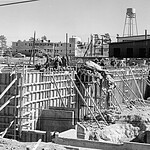
Oak Ridge barely existed before the Manhattan Project. In 1942, the federal government acquired tens of thousands of acres in eastern Tennessee and displaced roughly 3,000 people living in small farming communities. In their place came one of the largest secret industrial projects in American history.
The new community was originally planned for about 13,000 residents. By the end of World War II, more than 75,000 people lived there. Workers staffed factories, laboratories, offices, schools, stores, hospitals, and everything else required to keep what was essentially a hidden city functioning.
Oak Ridge Helped Produce the Uranium for Little Boy
The city was built around enormous facilities with names such as Y-12, K-25, S-50, and X-10. Y-12, K-25, and S-50 used different methods to enrich uranium, while X-10 operated the world's first reactor designed to produce plutonium continuously.
Uranium enriched at Oak Ridge ultimately went into Little Boy, the atomic bomb dropped on Hiroshima in August 1945. Most workers knew only the narrow piece of the project they were assigned to. Oak Ridge opened its gates to the general public in 1949 and became self-governing a decade later, but its national-security work never disappeared. Oak Ridge National Laboratory and the Y-12 National Security Complex remain major federal facilities today.
Los Alamos, New Mexico: Where the Bomb Was Designed
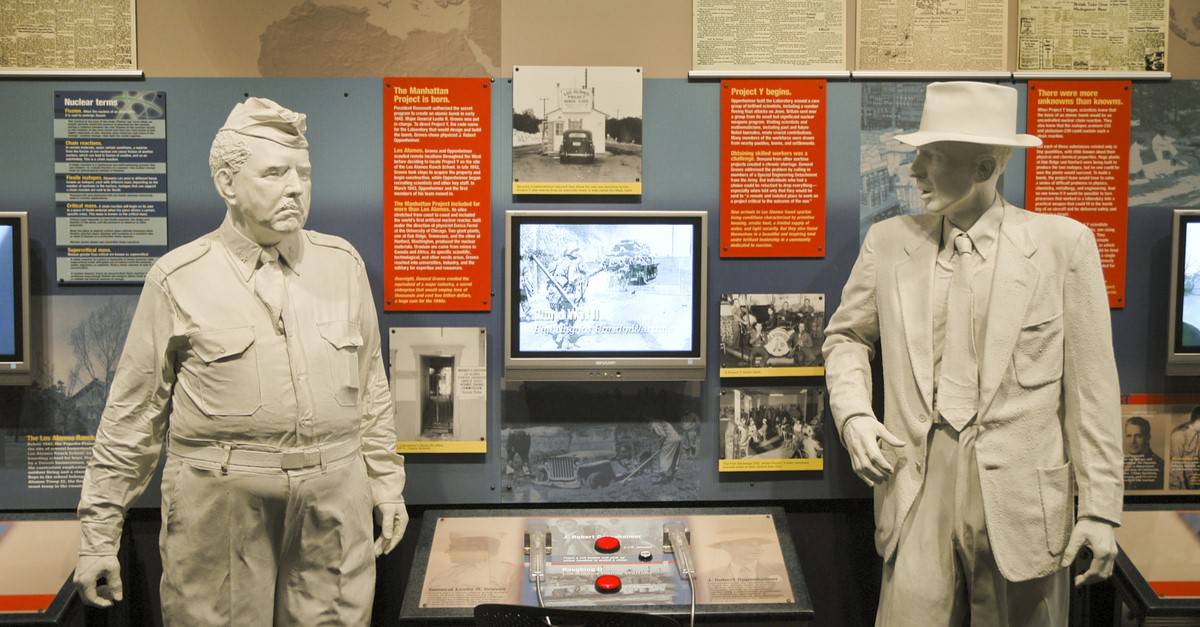
If Oak Ridge was built around the industrial side of the Manhattan Project, Los Alamos became its scientific brain. The U.S. government took over the remote Los Alamos Ranch School during World War II and transformed the surrounding mesa into Project Y, the secret laboratory responsible for designing the first atomic weapons.
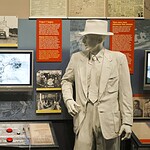
J. Robert Oppenheimer directed a remarkable collection of physicists, chemists, engineers, technicians, and military personnel working there. The Los Alamos teams developed the designs that became Little Boy and Fat Man, while the plutonium implosion concept was tested at Trinity in southern New Mexico on July 16, 1945.
Los Alamos Stayed at the Center of the Nuclear Arms Race
The laboratory did not close when World War II ended. Instead, Los Alamos became one of the most important centers of Cold War weapons research. Its scientists were deeply involved in developing thermonuclear weapons, including the experimental device used in the 1952 Ivy Mike test.
Ivy Mike itself was not detonated at Los Alamos. The test took place thousands of miles away at Enewetak Atoll in the Pacific and produced a yield of about 10.4 megatons. Los Alamos remained a restricted town during the early Cold War, with fences and checkpoints separating it from the outside world. Those town barriers finally came down in February 1957, although Los Alamos National Laboratory remains a secure national-security facility today.
Richland, Washington: The Town Behind Hanford
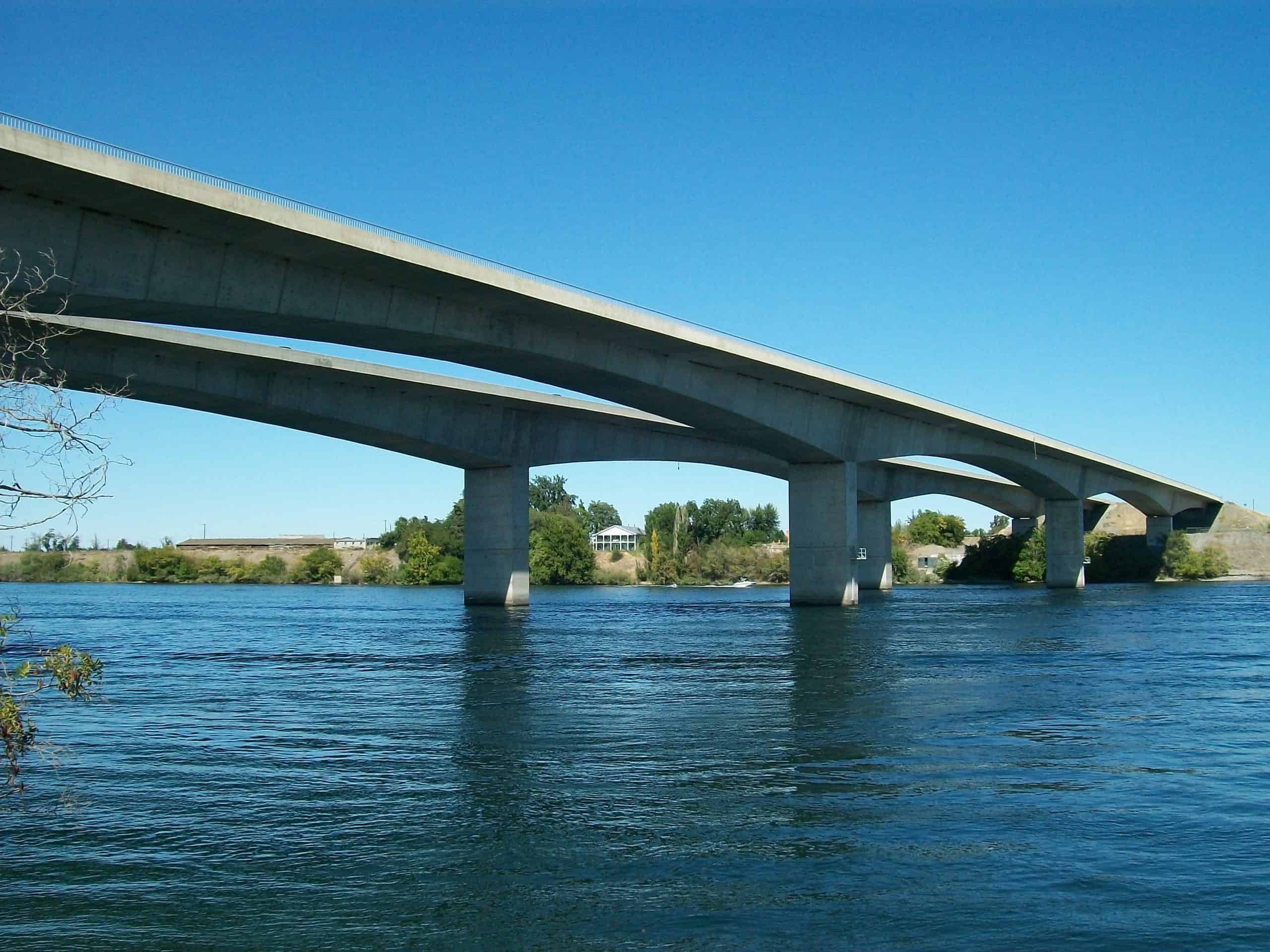
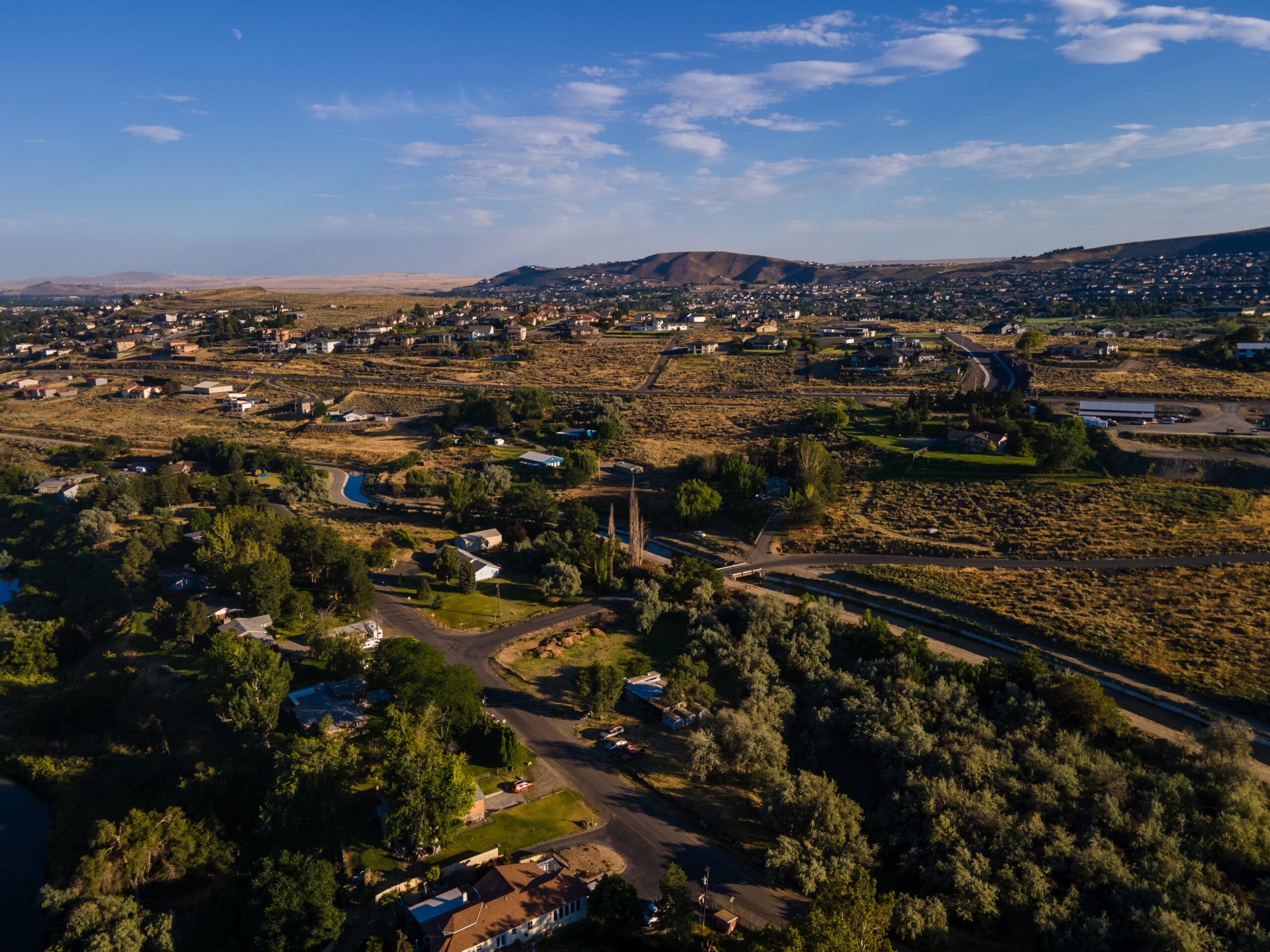
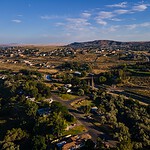
Richland was not created from nothing for the Manhattan Project, but it might as well have been a different town afterward. The small agricultural community had only a few hundred residents before the federal government transformed it into housing for workers connected with the nearby Hanford Engineer Works.
By 1945, Richland's population had grown to roughly 15,000. The government owned the houses, provided utilities, and built entire neighborhoods to accommodate the influx. Some of those homes, now known as Richland's "Alphabet Houses," are still easy to spot today.
Hanford Produced Plutonium for Trinity and Nagasaki
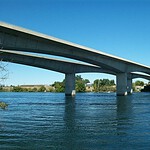
Just outside Richland, workers built B Reactor, the world's first full-scale plutonium-production reactor. Plutonium produced at Hanford was used in the Trinity test and in Fat Man, the weapon dropped on Nagasaki.
Hanford expanded dramatically during the Cold War. Nine production reactors and five major chemical-separation plants were eventually built there, and the Department of Energy says Hanford produced roughly two-thirds of the plutonium used in the U.S. nuclear weapons stockpile.
That production also left a massive environmental legacy. Federal records confirm substantial historical releases of radioactive material to the atmosphere and Columbia River. Rather than making a blanket claim about specific disease rates, the more defensible takeaway is that those releases prompted decades of dose reconstruction, health research, environmental monitoring, and what remains one of the largest nuclear cleanup projects in the country.
Mercury, Nevada: The Town Built to Support Nuclear Testing
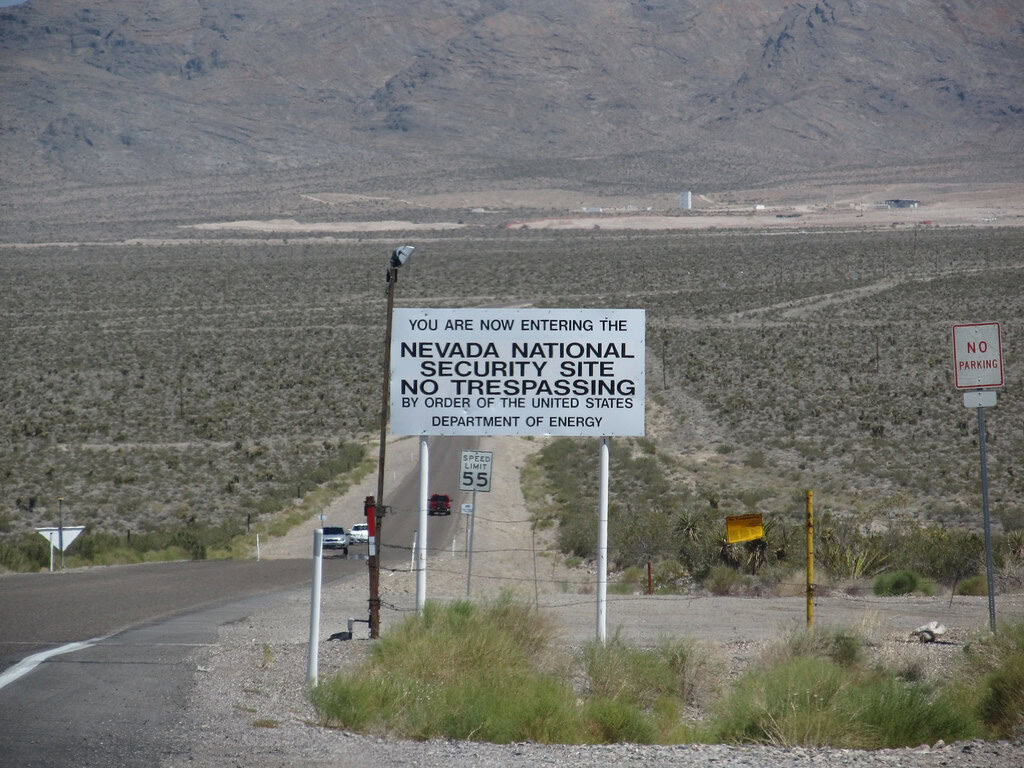
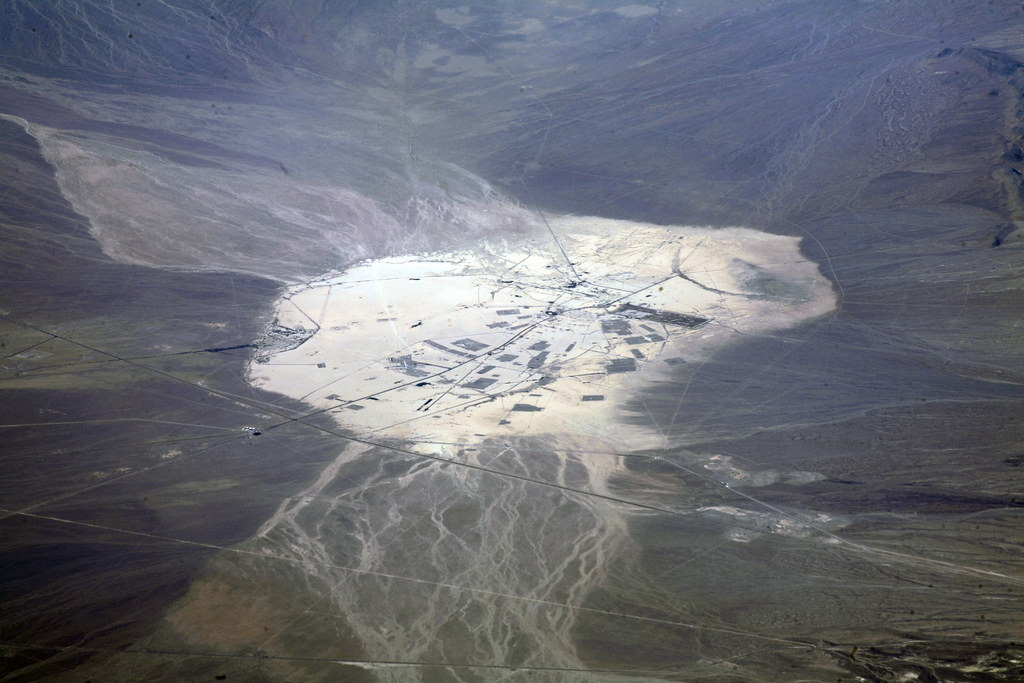
About 65 miles northwest of Las Vegas sits Mercury, a restricted government community built to support what became the Nevada Test Site. The first workers arrived in 1951 for Operation Ranger, and temporary housing, warehouses, offices, utilities, and dining facilities quickly followed.
As nuclear testing expanded, so did Mercury. By the 1960s, it had many of the trappings of a normal small American town, including a post office, movie theater, bowling alley, swimming pool, chapel, medical facilities, lodging, and recreational buildings. The big difference was that the public could not simply drive in for a visit.
928 Nuclear Tests Took Place Across the Nevada Test Site
Mercury supported one of the most intense nuclear-testing programs in history, but the detonations did not occur inside the residential community itself. Across the Nevada Test Site, the United States conducted 928 nuclear tests from 1951 through 1992: 100 atmospheric tests and 828 underground tests.
The last full-scale underground test, Divider, took place on Sept. 23, 1992. The United States then entered a unilateral testing moratorium. The Comprehensive Nuclear-Test-Ban Treaty came later, in 1996, and the U.S. signed but never ratified it.
Mercury did not simply die when explosive nuclear testing ended. The modern Nevada National Security Site still conducts subcritical experiments, emergency-response training, stockpile-stewardship work, and other national-security programs. The government has even been replacing some of Mercury's aging Cold War infrastructure with new facilities.
Miamisburg, Ohio: A Normal Town With a Secret Nuclear Plant
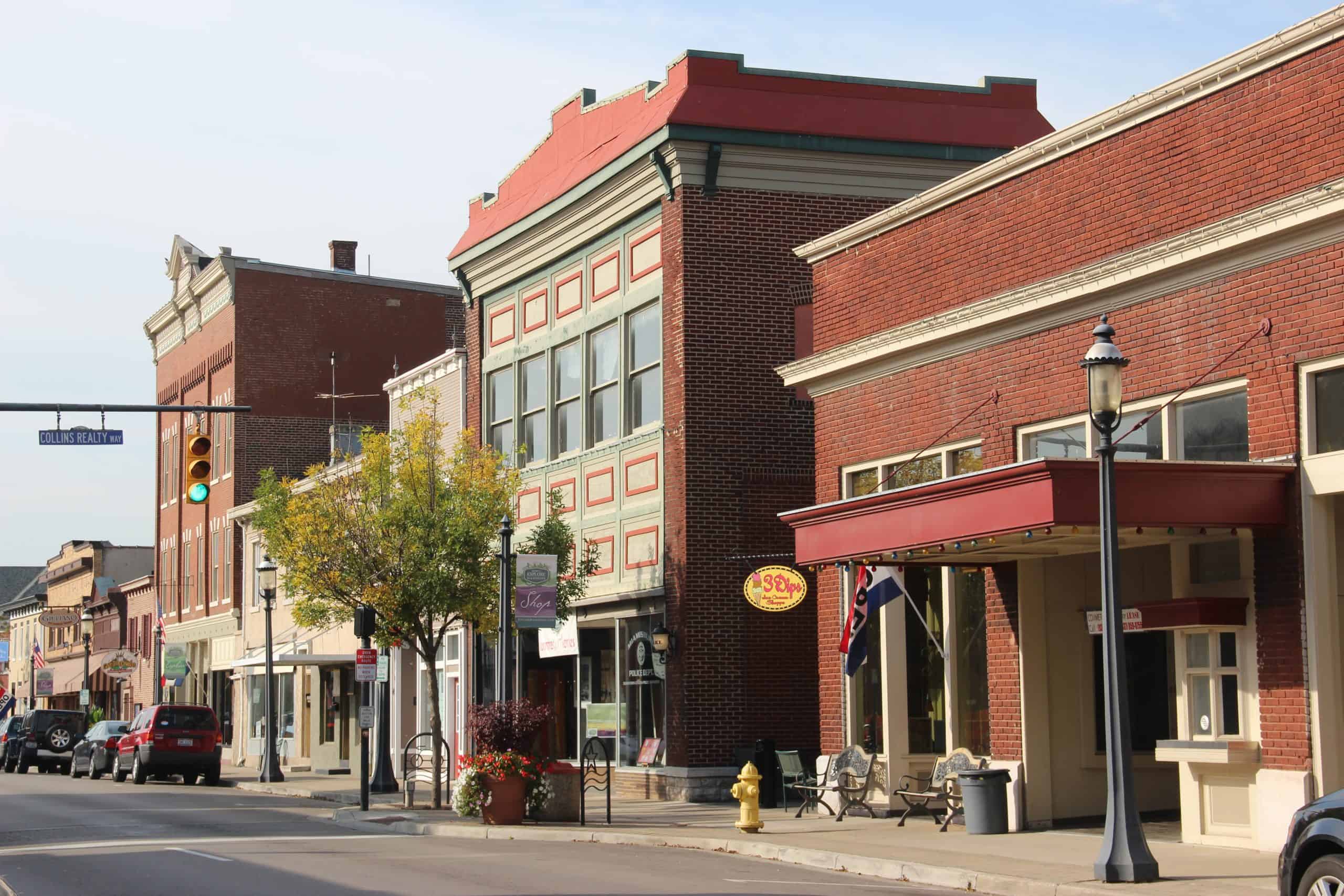
Miamisburg was already an established Ohio community long before the nuclear age. The classified part of the story began after World War II, when the government built the Mound Laboratory on the edge of town to continue sensitive work that had begun under the Manhattan Project in nearby Dayton.
Construction started in 1946, and the facility began operating in 1948. Its earliest mission included manufacturing polonium-beryllium initiators for nuclear weapons. Mound later produced detonators, firing sets, cable assemblies, and other components while conducting research involving radioactive materials.
Mound Also Worked With Tritium and Space Power Systems
Mound's mission broadened considerably during the Cold War. The facility recovered tritium for reuse in weapons, separated stable isotopes, and developed radioisotope power systems used in space exploration. At its peak, more than 2,500 people worked there.
The plant continued operating until 2003, not 2006 as the original version suggests. Cleanup had begun years earlier and involved demolishing more than 160 facilities and addressing radioactive and chemical contamination. Major cleanup work was completed in the 2000s, and portions of the former weapons site were redeveloped as the Mound Business Park. DOE still conducts long-term oversight because land-use restrictions remain in place.
Boca Raton, Florida: The Secret Radar School
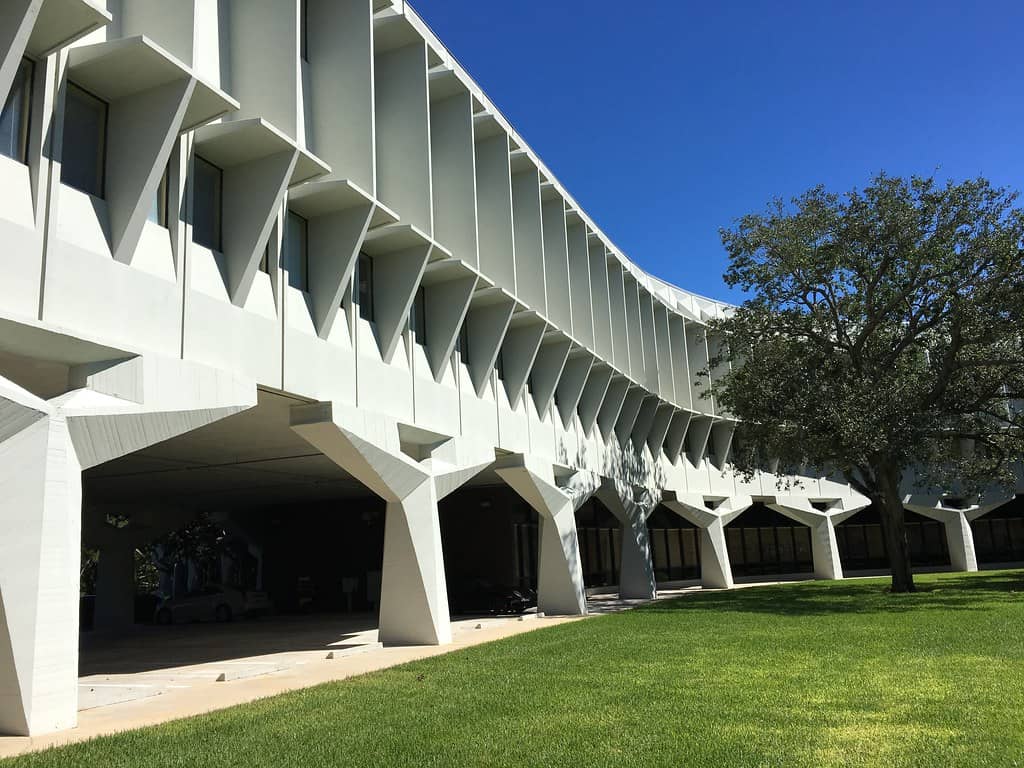
Boca Raton had only 723 residents in the 1940 census, which made the surrounding area an attractive place for a sprawling military installation. In 1942, the Army Air Corps established Boca Raton Army Air Field across thousands of acres now occupied in part by Florida Atlantic University and Boca Raton Airport.
The base's major World War II mission was not biological warfare. It was radar. Boca Raton became the Army Air Forces' primary wartime airborne-radar training center, where thousands of servicemen learned to install, maintain, and operate what was still highly classified technology. B-17 and B-29 crews were among those who trained there.
Boca Raton Later Became Part of a Biological Warfare Program
The stranger chapter came after World War II. During the Cold War, the U.S. military researched biological agents that could potentially attack enemy agriculture. Boca Raton was among several Florida locations used in anti-crop research involving cereal rust fungi.
Workers planted wheat around portions of the former airfield and cultivated rust spores as part of a broader program intended to evaluate biological attacks on food crops. The Boca Raton work ended in the 1950s. In 1969, President Richard Nixon renounced the U.S. biological weapons program and ordered offensive biological weapons and toxins destroyed.
The old military landscape eventually took on a very different purpose. Florida Atlantic University opened on part of the former airfield in 1964, and much of what was once a classified wartime installation is now buried beneath a university campus, airport, roads, and modern Boca Raton.