Some moments in history are so extraordinary that a single photograph can tell a story more effectively than a thousand words. Whether it’s an astronaut standing on the moon, a nation celebrating the end of a war, or the aftermath of a tragedy, certain images become permanently associated with the events they captured.
Of course, photographs don’t always tell the entire story. Sometimes the details surrounding an iconic image are just as fascinating as the moment itself. A photograph that appears to capture a spontaneous celebration might have a more complicated history, while another that seems to mark the end of a conflict may have been taken while fighting was still underway.
From the battlefields of World War II to the streets of Berlin and the surface of the moon, these nine historic photographs capture extraordinary moments that helped shape the modern world. Some inspire hope and admiration, while others serve as reminders of humanity’s darker chapters. Each has a story worth remembering.
Apollo 11: Humanity Reaches the Moon (1969)
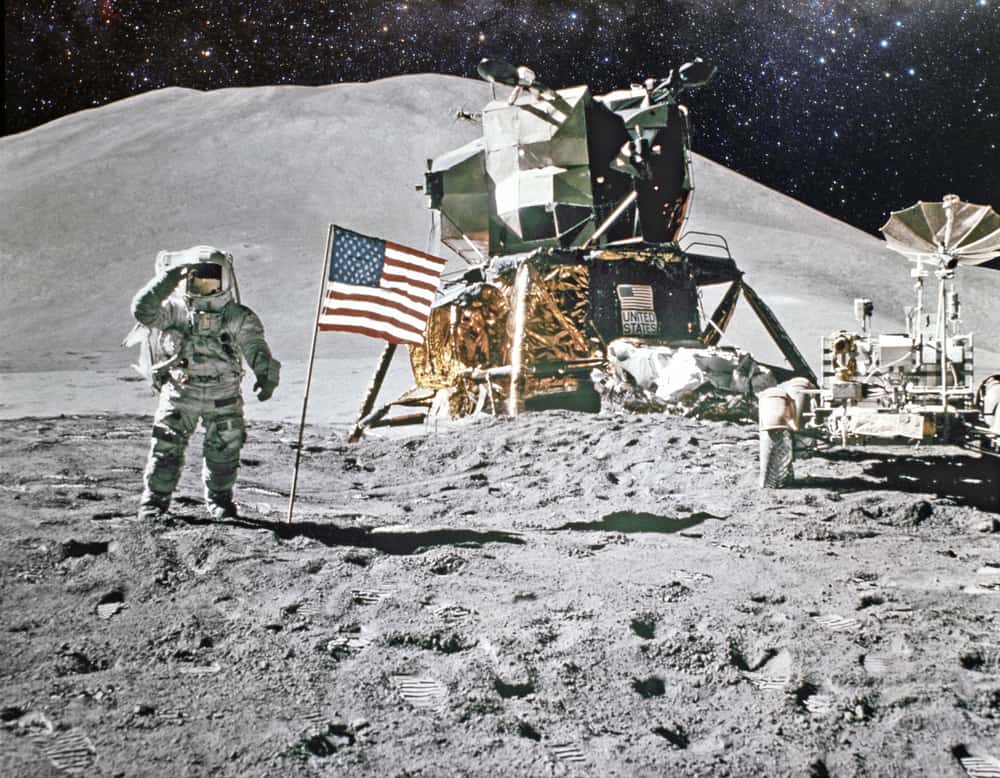
On May 25, 1961, President John F. Kennedy challenged the United States to accomplish something that seemed almost impossible: land a human being on the moon and return him safely to Earth before the decade ended. At the time, the Soviet Union had already sent the first person into space, and America was struggling to catch up in the Space Race. Eight years later, NASA accomplished that goal with Apollo 11. On July 20, 1969, astronauts Neil Armstrong and Buzz Aldrin landed the lunar module Eagle on the moon’s Sea of Tranquility, while fellow astronaut Michael Collins remained in lunar orbit aboard the command module Columbia.
Armstrong became the first human to set foot on the lunar surface, followed shortly afterward by Aldrin. An estimated 650 million people watched the televised moonwalk, making it one of the most widely witnessed events in history. Some of the mission’s most recognizable photographs show Aldrin standing on the lunar surface, often with Armstrong and the lunar module reflected in his helmet visor. Beyond representing a remarkable technological achievement, the images offered humanity an entirely new perspective on our place in the universe. For the first time, people could look at photographs of human beings standing on another world. Considering that powered flight had begun only 66 years earlier, it’s difficult to overstate just how extraordinary that accomplishment was.
The Hindenburg Disaster (1937)
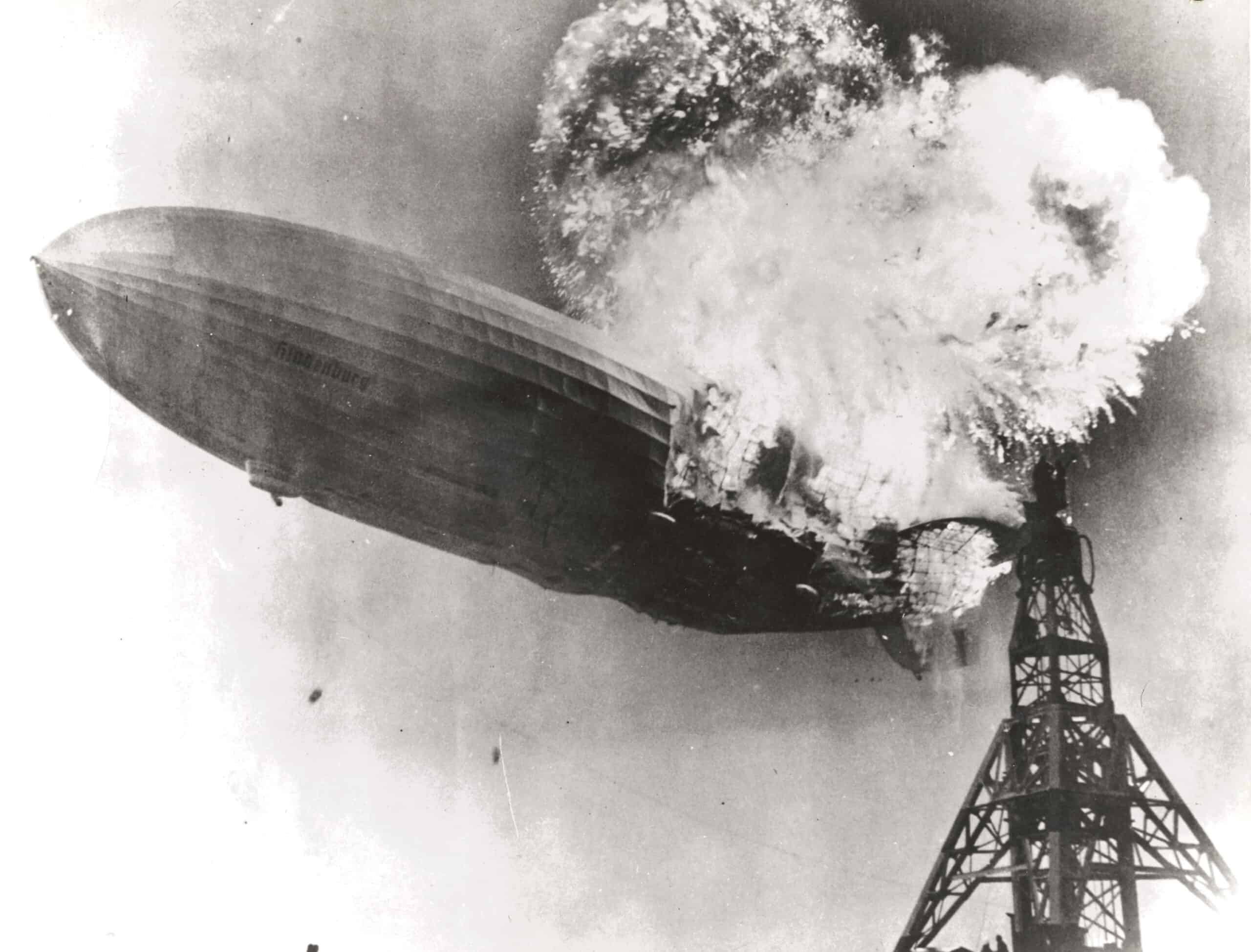
Long before commercial jetliners became the standard for international travel, enormous airships offered wealthy passengers a surprisingly luxurious way to cross the Atlantic. The German airship Hindenburg was among the most impressive examples, measuring more than 800 feet long and offering accommodations that included passenger cabins, lounges, and dining facilities. However, everything changed on May 6, 1937, as the hydrogen-filled airship approached its mooring mast at Naval Air Station Lakehurst in New Jersey. A fire erupted near the rear of the aircraft, rapidly engulfing the enormous structure. Within less than a minute, the Hindenburg was destroyed.
Of the 97 passengers and crew members aboard, 35 died. One member of the ground crew was also killed, bringing the total death toll to 36. Photographer Sam Shere captured the horrifying scene as flames consumed the airship, producing one of the most recognizable disaster photographs of the 20th century. Radio reporter Herbert Morrison’s emotional account became closely associated with the tragedy, although his recording was not broadcast live as the disaster unfolded. The precise cause of the initial ignition remains debated, but the catastrophe severely damaged public confidence in passenger airships. Although commercial lighter-than-air travel was already facing economic and technological challenges, the Hindenburg disaster became a defining image of the industry’s decline. It’s difficult to imagine anyone seeing the photograph and feeling particularly enthusiastic about booking a ticket.
Raising the American Flag on Iwo Jima (1945)
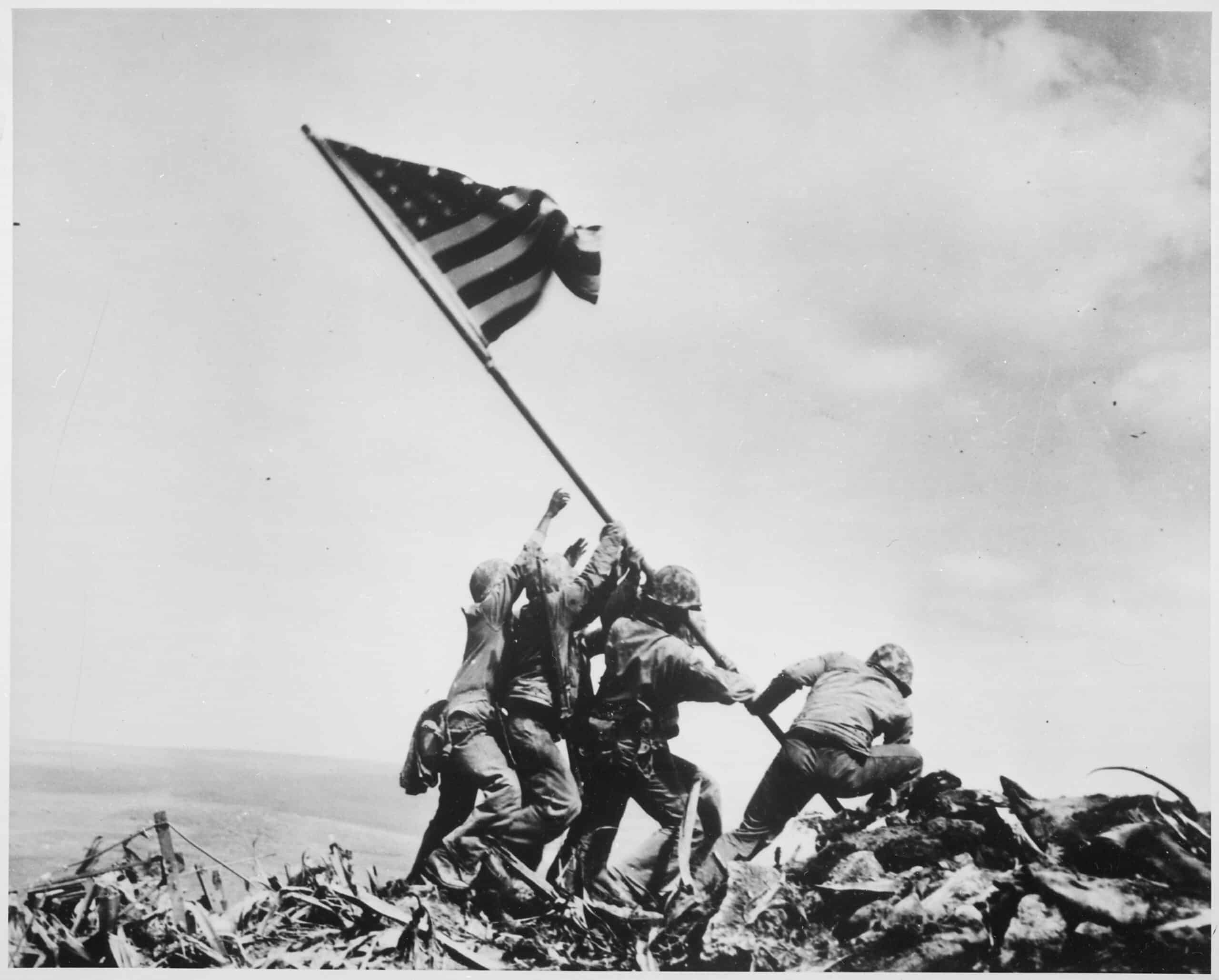
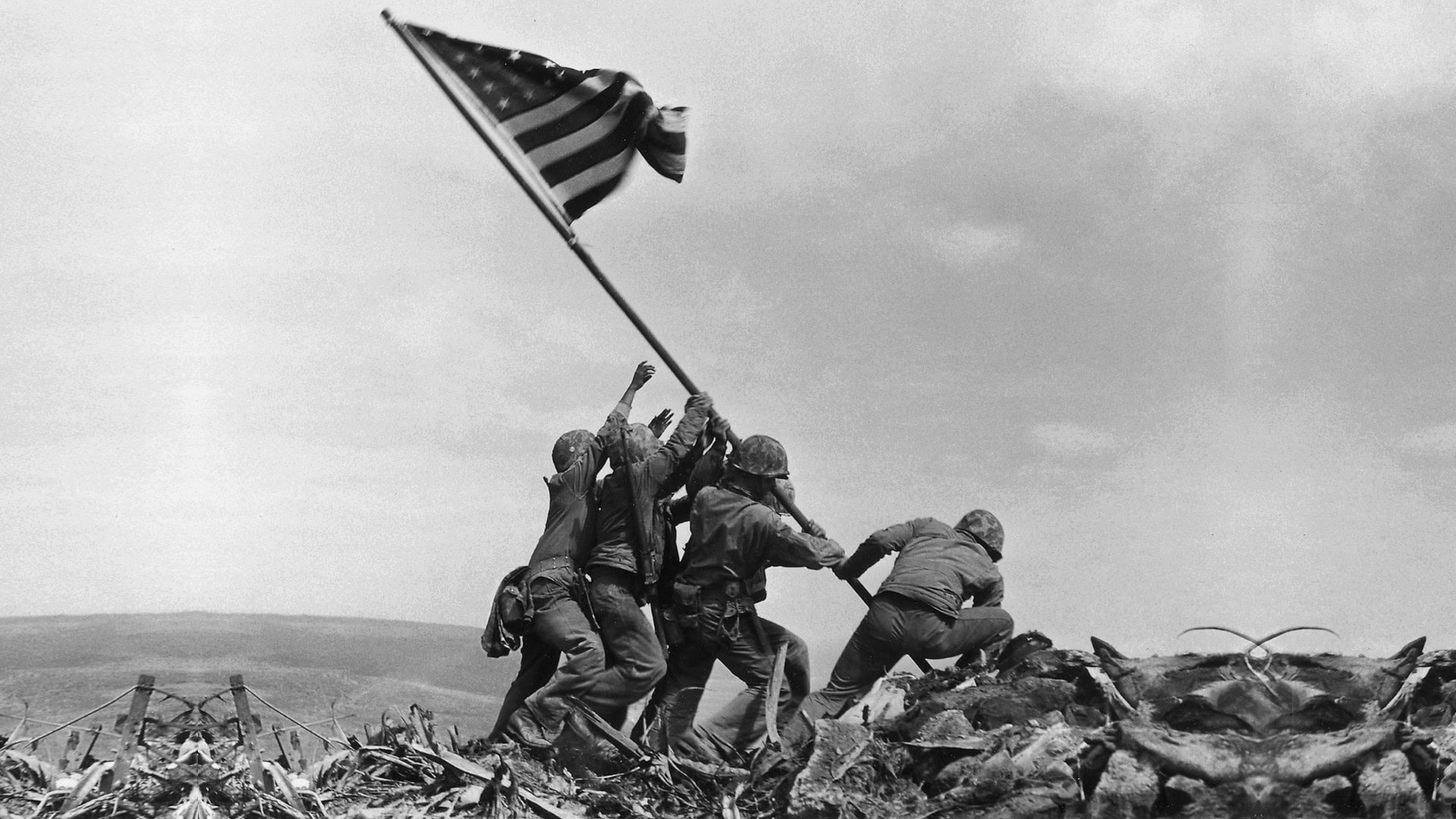
Few photographs capture the sacrifice and determination of American servicemen during World War II quite like Joe Rosenthal’s famous image of the flag raising on Iwo Jima. The photograph was taken on February 23, 1945, four days after American forces landed on the heavily defended Japanese island. Marines had fought their way toward Mount Suribachi, a strategically important volcanic peak overlooking the surrounding beaches. After securing the summit, a small American flag was raised, prompting cheers from American troops below. However, the photograph most people recognize wasn’t of that first flag raising. It captured a second, larger flag being raised later that same day.
Associated Press photographer Joe Rosenthal happened to be in position when six servicemen lifted the flagpole into place, capturing an image that would become one of the defining photographs of the war. The picture appeared in newspapers across the country and was later used to promote war bond sales. Rosenthal received the Pulitzer Prize for Photography, and the photograph eventually inspired the United States Marine Corps War Memorial in Arlington, Virginia. One important detail sometimes gets overlooked: the battle wasn’t over when the photograph was taken. Fighting on Iwo Jima continued until late March, and the campaign resulted in enormous casualties on both sides. The photograph became a symbol of courage and perseverance, but it also represents the tremendous human cost behind that moment of triumph.
The Trinity Test Ushers in the Atomic Age (1945)
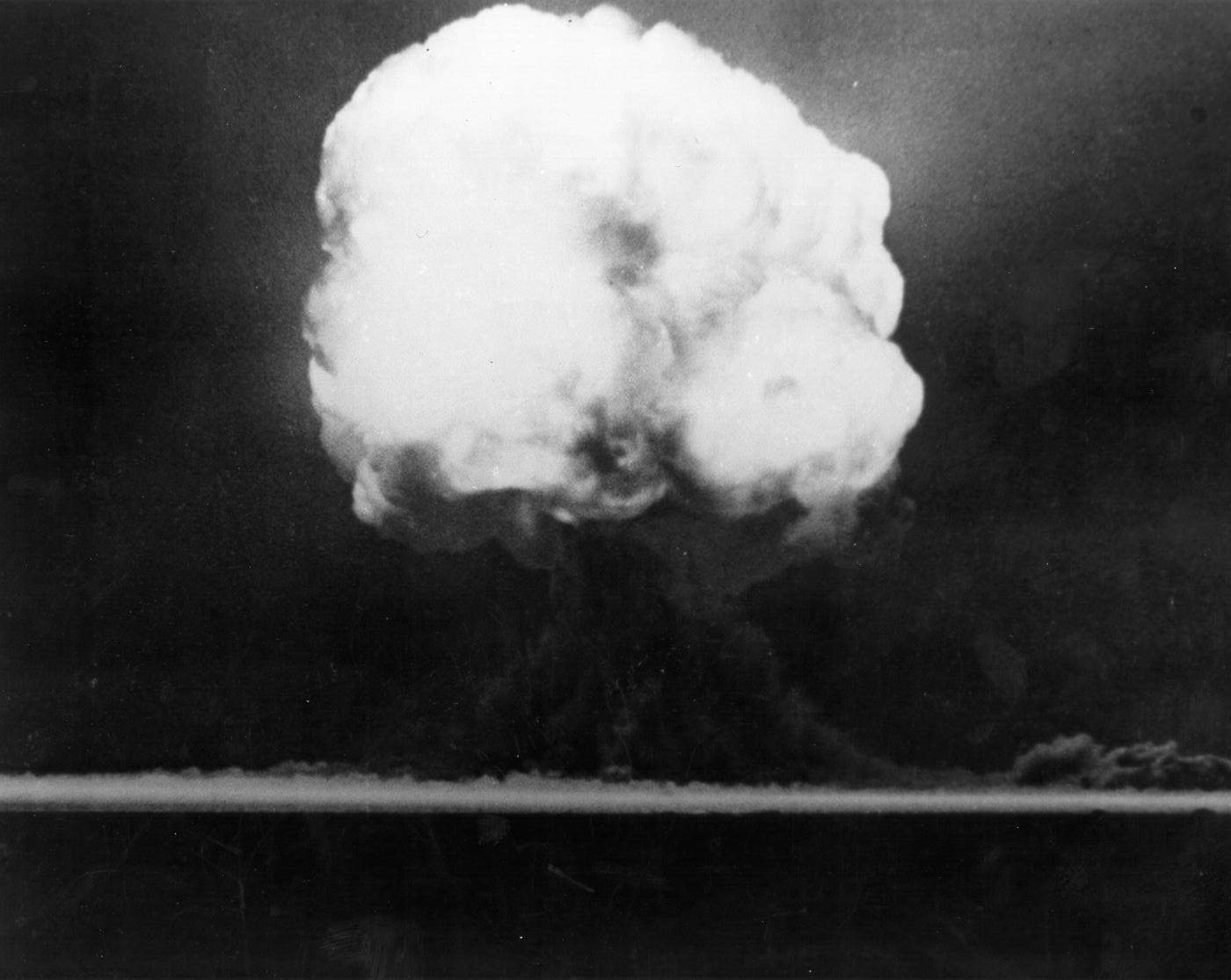
On the morning of July 16, 1945, scientists and military personnel gathered in the New Mexico desert to witness something that had never happened before. At approximately 5:29 a.m. local time, the Manhattan Project conducted the world’s first nuclear weapons test at a location known as Trinity. The plutonium implosion device, nicknamed the Gadget, was positioned atop a 100-foot steel tower in the Jornada del Muerto desert. When it detonated, the explosion produced an enormous fireball and a blast equivalent to roughly 19 kilotons of TNT, according to the U.S. Department of Energy’s historical estimate. The tower was destroyed, and the intense heat fused portions of the surrounding sand into a greenish glass later named trinitite.
Photographs of the Trinity explosion captured an event that would fundamentally change international relations, warfare, and scientific research. The test demonstrated that a functioning nuclear weapon could be built, but it also raised questions about the destructive power humanity had developed. Less than a month later, the United States dropped atomic bombs on Hiroshima and Nagasaki, contributing to Japan’s surrender and bringing devastating consequences for the cities’ populations. The beginning of the nuclear age also helped shape the Cold War, as competing nations pursued increasingly powerful weapons. Looking at the Trinity photographs today, it’s remarkable to realize that a single flash of light in an isolated desert represented the beginning of a new and profoundly consequential chapter in human history.
The Famous V-J Day Kiss in Times Square (1945)
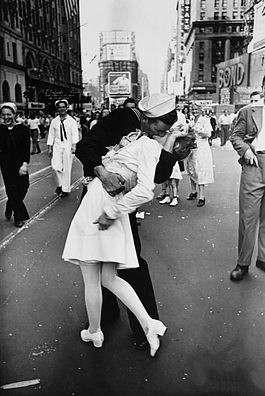
On August 14, 1945, news of Japan’s surrender sent crowds pouring into the streets of New York City. After years of devastating warfare, Americans celebrated the announcement that World War II was coming to an end. Life magazine photographer Alfred Eisenstaedt was in Times Square when he captured one of the most recognizable images of the celebrations: a sailor in a dark uniform kissing a woman dressed in white. The photograph, commonly known as V-J Day in Times Square, appeared in Life later that month and became closely associated with the relief and excitement surrounding the end of the war. Although the celebrations occurred on August 14 in the United States, the date was already August 15 in Japan.
However, the story behind the photograph is more complicated than its reputation as a romantic image might suggest. The two people were strangers, and the kiss was not a planned or mutually initiated romantic gesture. The woman, widely identified as Greta Zimmer Friedman, later explained that the sailor had grabbed and kissed her without her choosing to participate. Her account has led to a broader reassessment of how the photograph should be understood. While the scene undeniably captures the overwhelming emotions of a country celebrating the war’s end, it also demonstrates how a photograph’s meaning can change when we learn more about the people in it. What was once widely presented as a symbol of spontaneous romance now invites a more thoughtful discussion about personal boundaries, historical context, and the stories that photographs leave untold.
Martin Luther King Jr. Delivers His “I Have a Dream” Speech (1963)
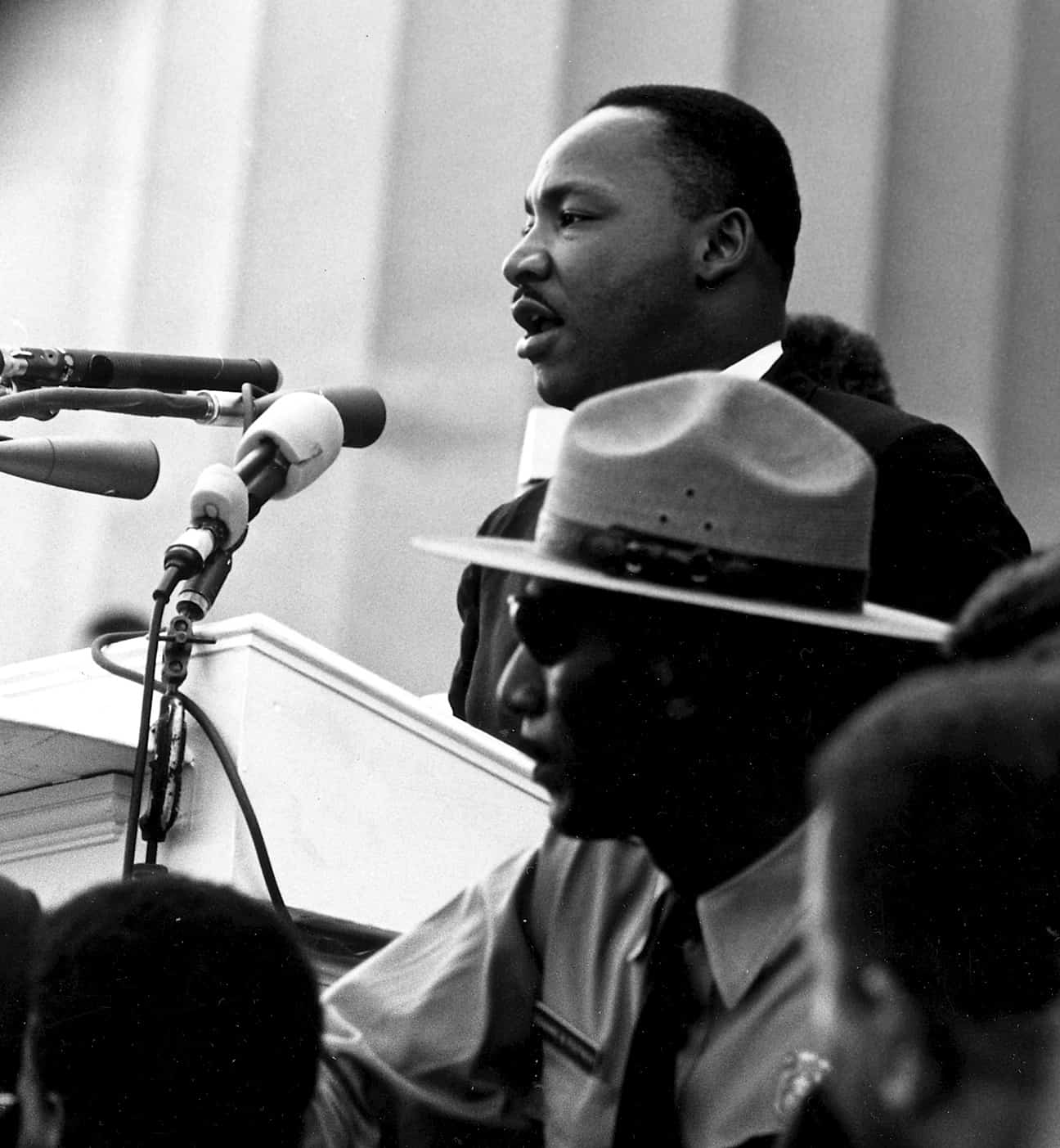
On August 28, 1963, approximately 250,000 people gathered in Washington, D.C., for the March on Washington for Jobs and Freedom. Demonstrators demanded an end to racial discrimination, stronger civil rights protections, and greater economic opportunity for Black Americans. Among the speakers that day was Dr. Martin Luther King Jr., whose address from the steps of the Lincoln Memorial would become one of the most influential speeches in American history. His “I Have a Dream” speech called for racial equality and a nation in which people would be judged by their character rather than the color of their skin. Photographs from the event captured both King’s powerful delivery and the enormous crowd that stretched toward the Washington Monument.
Photographer Rowland Scherman was among those who documented the historic demonstration, creating images that remain closely associated with the civil rights movement. The March on Washington was not the beginning or end of that struggle, but it represented an extraordinary public demonstration of the demand for change. The following year, President Lyndon B. Johnson signed the Civil Rights Act of 1964, followed by the Voting Rights Act in 1965. Both laws emerged from years of organizing, activism, litigation, and political pressure. The photographs of King at the Lincoln Memorial continue to represent that broader movement and the determination of those who participated in it. More than six decades later, the images remain an important reminder that some of America’s most significant changes were driven by ordinary citizens demanding that their country live up to its stated ideals.
The Assassination of President John F. Kennedy (1963)
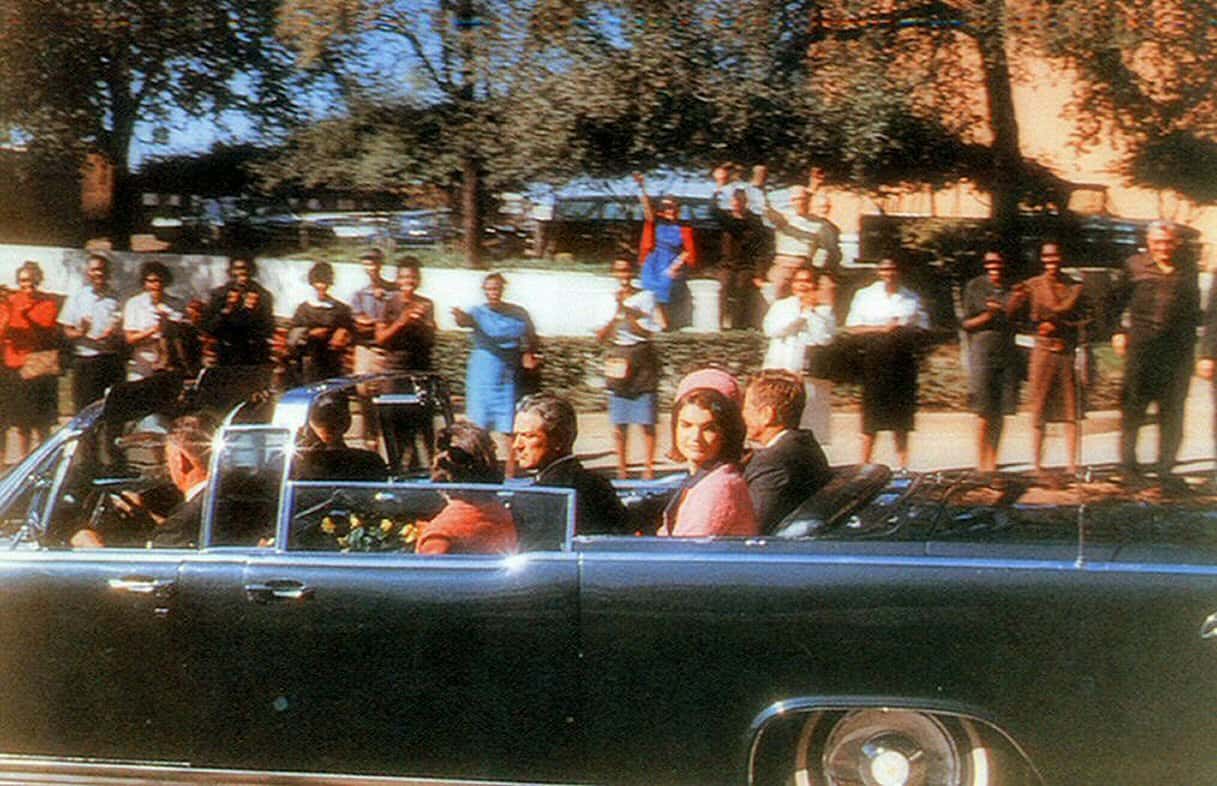
For generations of Americans, November 22, 1963, became one of those dates that required no explanation. President John F. Kennedy was visiting Dallas, Texas, and traveling through the city in an open-top limousine alongside First Lady Jacqueline Kennedy, Texas Governor John Connally, and his wife, Nellie. Shortly after 12:30 p.m., as the motorcade passed through Dealey Plaza, shots rang out. Kennedy was fatally wounded, while Governor Connally was seriously injured. The president was rushed to Parkland Memorial Hospital, where he was pronounced dead at 1 p.m. The assassination shocked the country and plunged the nation into mourning.
Several people photographed or filmed Kennedy’s motorcade that afternoon, creating a visual record of the final moments of his life. Among them was Robert Croft, whose photograph shows the presidential limousine traveling along Elm Street. The most famous moving images of the assassination were recorded by Abraham Zapruder, whose home movie later became a central piece of evidence in official investigations. These photographs and films have been studied for decades, sometimes becoming the focus of competing interpretations and conspiracy theories. The Warren Commission concluded that Lee Harvey Oswald acted alone, while later investigations examined additional questions surrounding the assassination. Regardless of the continuing public debate, the photographs remain powerful documents of a moment when a routine presidential visit suddenly became one of the most consequential tragedies in modern American history.
The Fall of the Berlin Wall (1989)
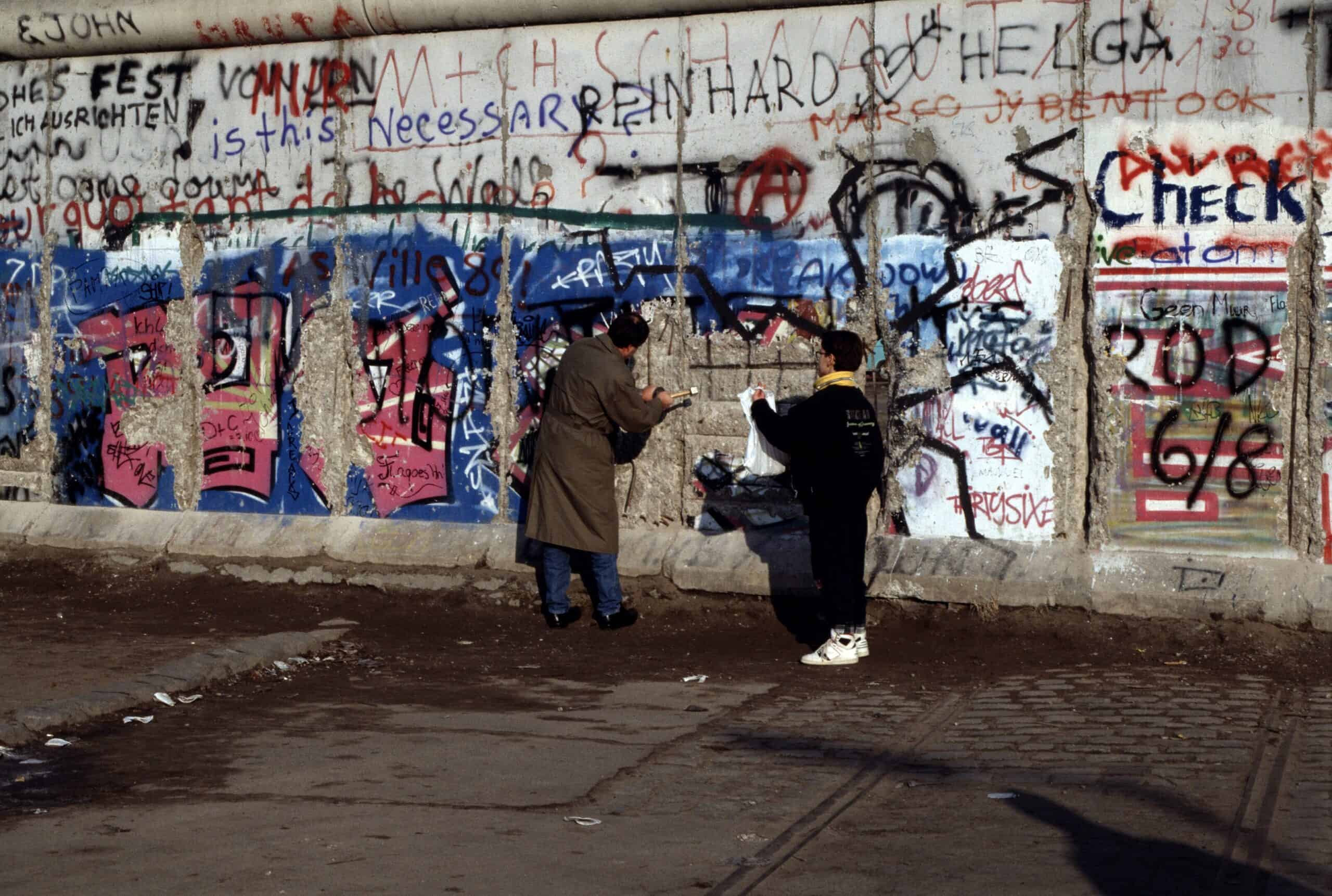
For nearly three decades, the Berlin Wall stood as one of the most visible symbols of the Cold War. Constructed beginning in August 1961, the barrier separated East Berlin from West Berlin and became a defining feature of Germany’s political division. Families were separated, movement was heavily restricted, and people attempting to escape East Germany sometimes risked their lives. That began to change dramatically on November 9, 1989, when East German authorities announced new travel rules in a confusing press conference. Crowds quickly gathered at border crossings, demanding passage. As the evening progressed and pressure mounted, border guards opened checkpoints, allowing East Berliners to cross into West Berlin.
The scenes that followed were extraordinary. People climbed onto the wall, embraced strangers, celebrated in the streets, and began physically chipping away at sections of the concrete barrier. The photograph featured here, taken by Aad van der Drift on December 1, 1989, shows people removing pieces of the wall several weeks after the border was opened. These individuals became known as Mauerspechte, or wall peckers, because of the hammers and tools they used to break off souvenirs. Importantly, the opening of the Berlin Wall did not immediately reunify Germany. Formal reunification took place on October 3, 1990, following months of political negotiations. Still, the photographs of people standing atop and dismantling the wall became enduring symbols of the collapse of communist rule in Eastern Europe and the approaching end of the Cold War.
The September 11 Terrorist Attacks (2001)
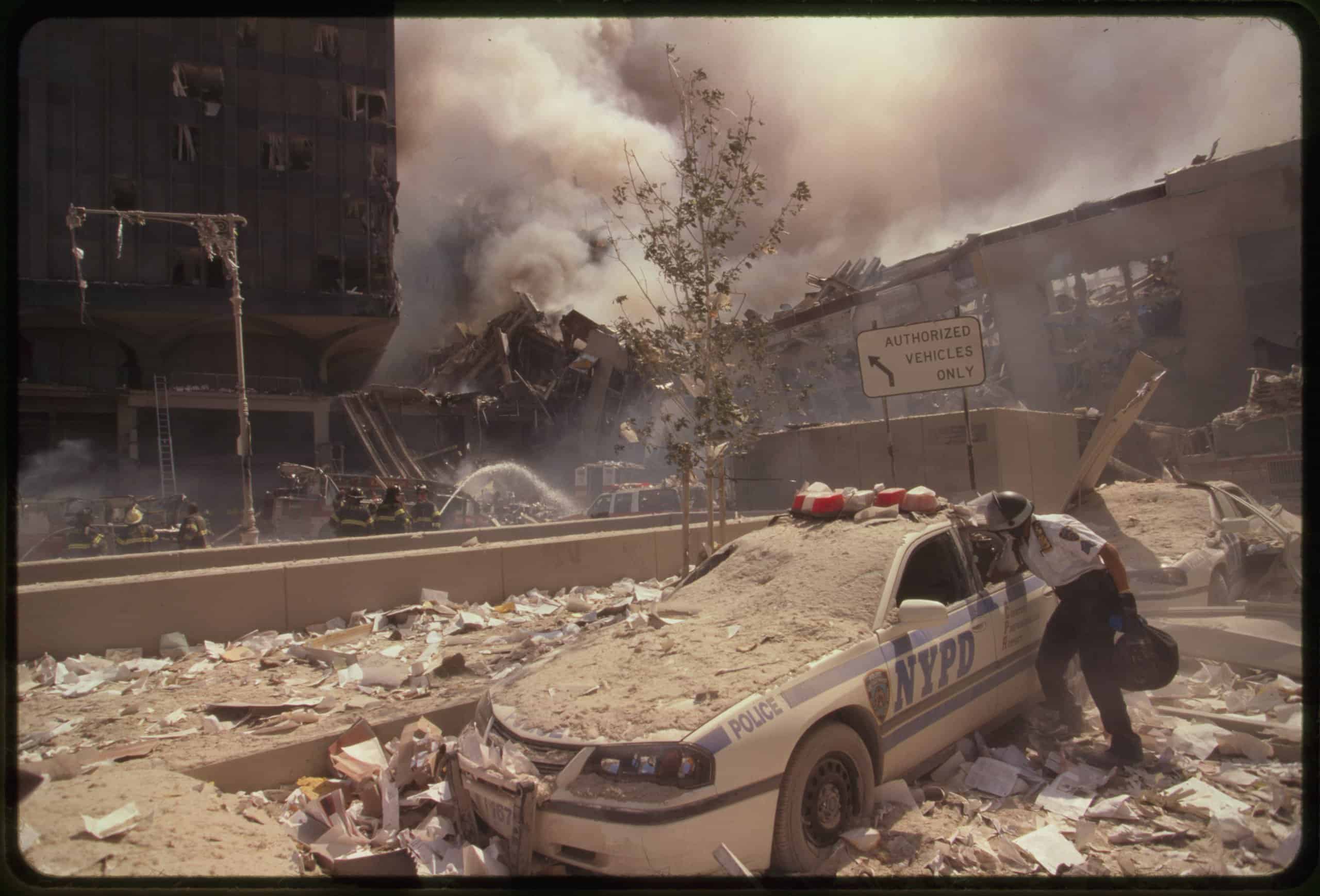
On the morning of September 11, 2001, millions of Americans began their days with little indication that history was about to change. At 8:46 a.m., terrorists hijacking American Airlines Flight 11 deliberately flew the aircraft into the North Tower of New York City’s World Trade Center. At 9:03 a.m., a second hijacked plane, United Airlines Flight 175, struck the South Tower. People around the world watched as news cameras broadcast the unfolding disaster. A third hijacked aircraft struck the Pentagon at 9:37 a.m., while a fourth, United Airlines Flight 93, crashed in Pennsylvania after passengers attempted to resist the hijackers. By 10:28 a.m., both World Trade Center towers had collapsed.
The coordinated attacks, carried out by 19 al-Qaeda terrorists, killed 2,977 victims at the World Trade Center, the Pentagon, and near Shanksville, Pennsylvania. Images of smoke rising above Manhattan, firefighters rushing toward danger, and dust-covered survivors searching for safety became permanently etched into the public memory. The photographs also documented extraordinary acts of courage by emergency responders, office workers, and ordinary citizens helping one another. The attacks transformed American national security policies, contributed to major military conflicts overseas, and reshaped international politics for years to come. More than two decades later, the photographs remain difficult to view, particularly for those who remember watching the events unfold. They serve not only as historical records of an attack but also as reminders of the people who lost their lives and the families whose lives were changed forever.