Space Frontiers / Archive Photos via Getty Images
Digital Images Studio / Shutterstock.com

Flash Vector / Shutterstock.com
Marc Van Norden / BY 2.0
NASA Goddard Photo and Video / BY 2.0
JeepersMedia / BY 2.0
Castleski / Shutterstock.com
James Webb Space Telescope / BY 2.0
pingnews.com / PDM 1.0
James Webb Space Telescope / BY 2.0
BPPrice / BY 2.0
NASA Goddard Photo and Video / BY 2.0
Nasa / Gov
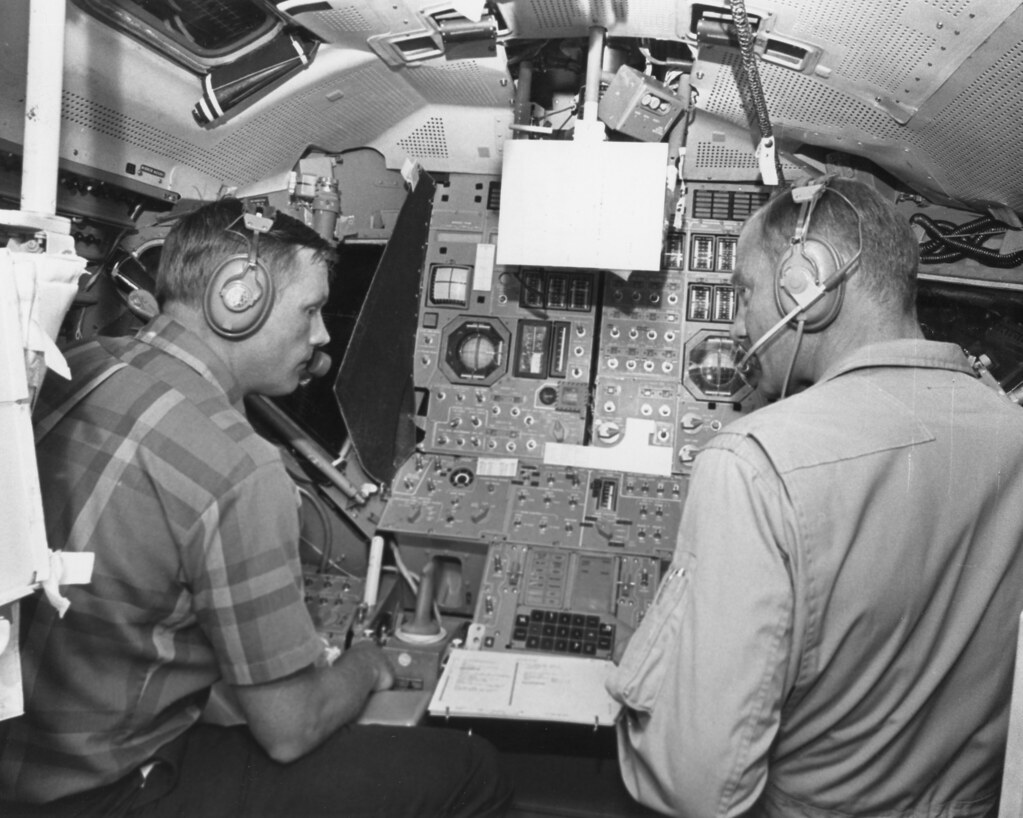
Apollo Image Gallery / PDM 1.0
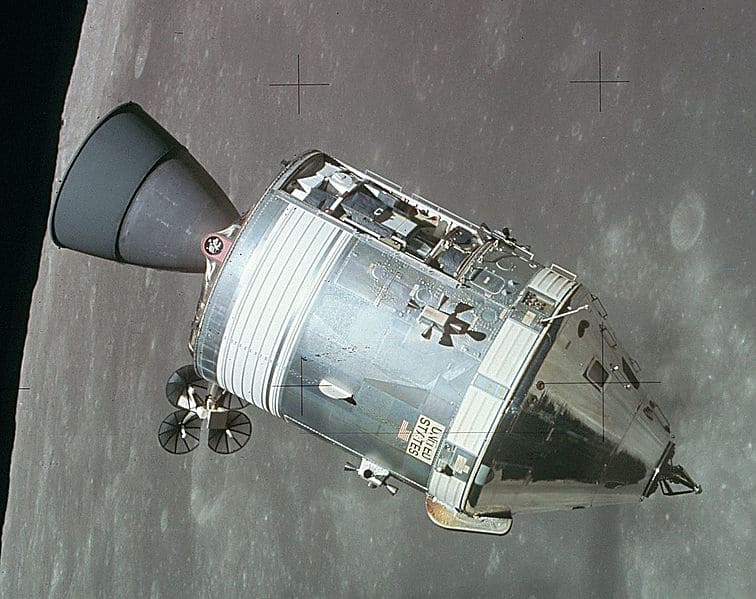
NASA / GOV
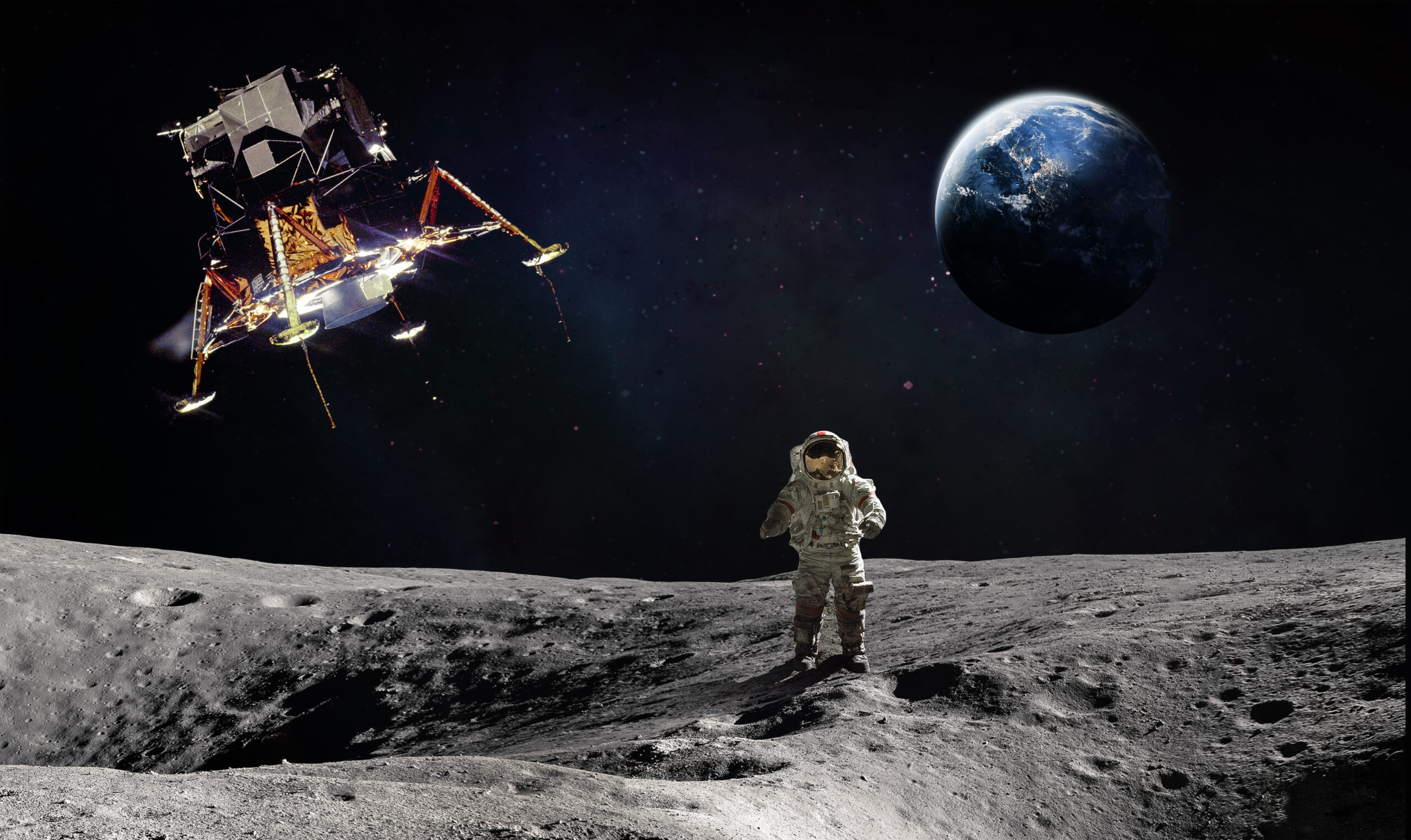
Dima Zel / Shutterstock.com
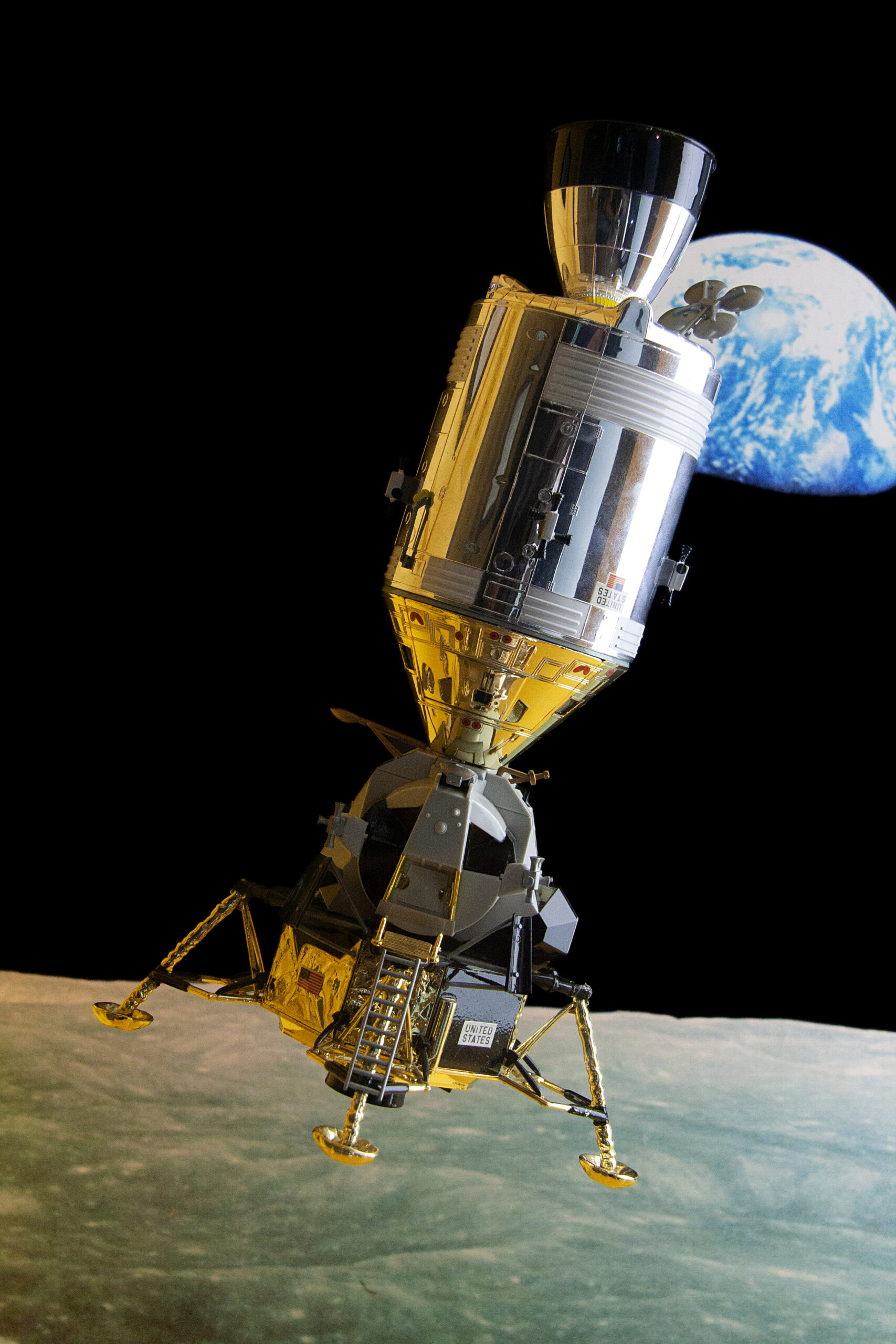
Procy / Shutterstock.com
DonkeyHotey / BY 2.0
dingopup / BY-SA 2.0
Rawpixel.com / Shutterstock.com
Dima Zel / Shutterstock.com





10 Questions About the Apollo 11 Moon Landing Most People Get Wrong
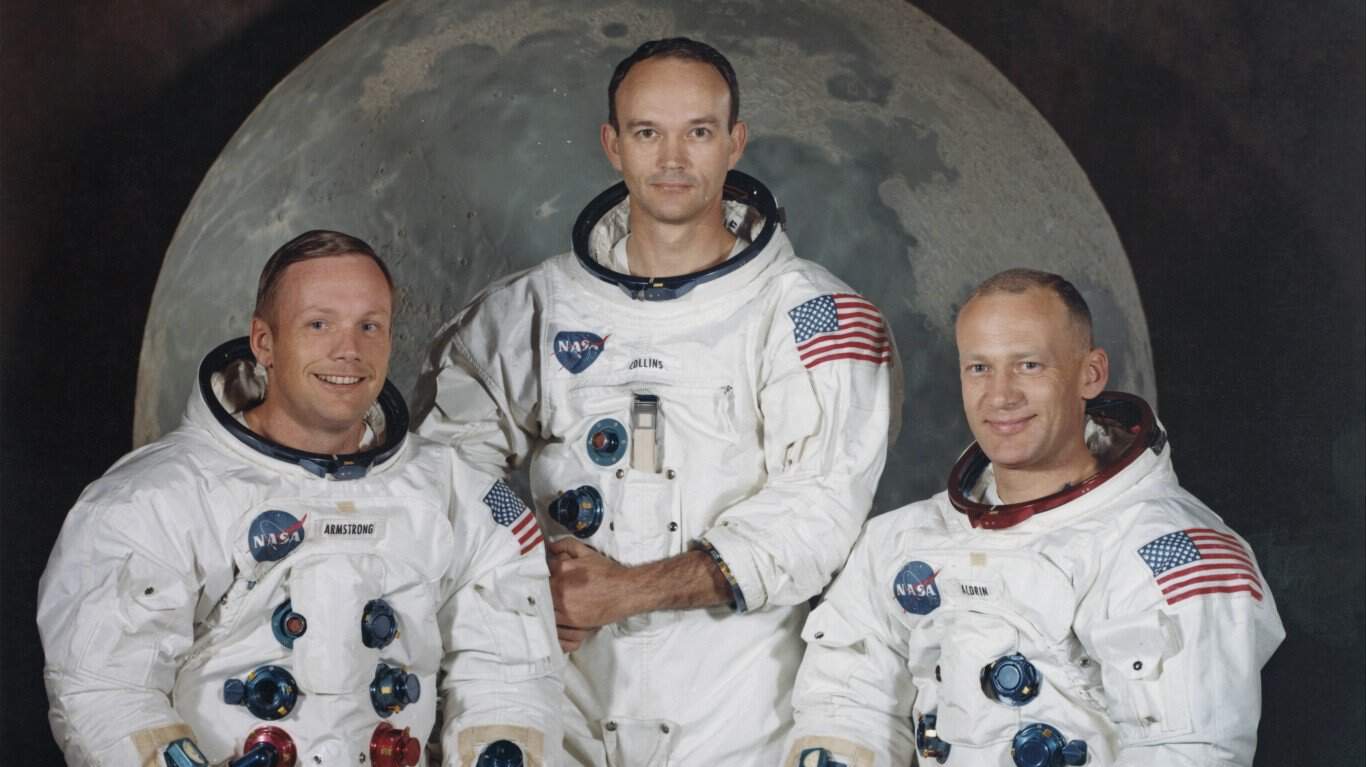
Most people know the headline version of Apollo 11: Neil Armstrong and Buzz Aldrin walked on the Moon while Michael Collins waited in orbit. But how much do you remember about the strange details surrounding the mission? The television broadcast, the crew's return to Earth, the equipment left behind, and even the paperwork all contain surprises that rarely make it into the familiar retelling.
This 10-question quiz goes beyond the famous first step to test what you know about the first lunar landing and its aftermath. Each question includes a hint, followed by an answer explaining what really happened. Some details sound almost too unusual to be true, while others correct claims that have circulated for decades.
Question 1: Which Part of the World Saw the Moonwalk First?
Hint: The television pictures did not travel directly from the Moon to a broadcast studio in Houston. Tracking stations in two countries received the signal, and one national television audience saw Neil Armstrong's first step a fraction of a second before viewers elsewhere.
Answer 1: Australia
Three tracking stations received television signals during the Apollo 11 moonwalk: Goldstone in California, Honeysuckle Creek near Canberra, and the Parkes radio telescope in New South Wales. NASA used Honeysuckle Creek's feed for Armstrong's first step, then switched to the stronger Parkes signal about eight and a half minutes later. The feed sent from Australia to Houston had to make an additional international relay before reaching the rest of the world. Australian broadcasters received a direct split in Sydney, allowing local viewers to see the first step roughly 0.3 seconds before audiences in the United States and elsewhere.
Question 2: Where Did the Apollo 11 Crew Go After Splashdown?
Hint: There was no immediate parade or joyful reunion with their families. NASA was concerned that the astronauts, their spacecraft, or the lunar samples might carry an unknown organism back to Earth.
Answer 2: A Mobile Quarantine Facility
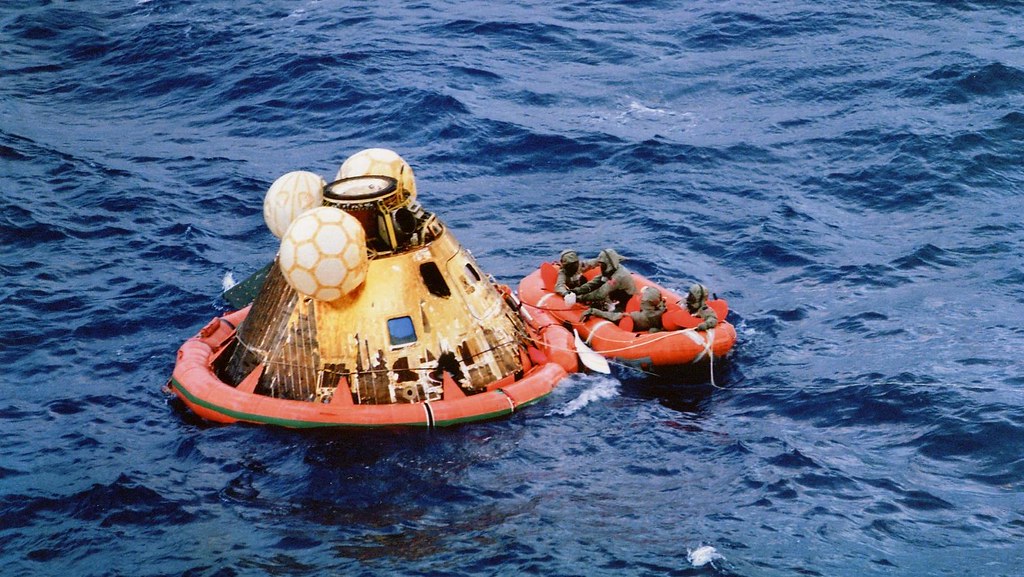
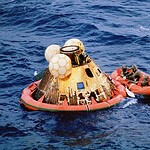
After Apollo 11 splashed down in the Pacific on July 24, 1969, Neil Armstrong, Buzz Aldrin, and Michael Collins put on biological isolation garments and entered a sealed Mobile Quarantine Facility aboard the USS Hornet. President Richard Nixon welcomed them through the trailer's window. The crew stayed inside the aluminum facility while it was transported from Hawaii to Houston, arriving on July 27. They then transferred into NASA's larger Lunar Receiving Laboratory, where they completed a quarantine lasting 21 days from their initial exposure to lunar material on July 20. The astronauts were released on August 10 after no evidence of dangerous lunar microorganisms appeared.
Question 3: What Probably Happened to the First American Flag Planted on the Moon?
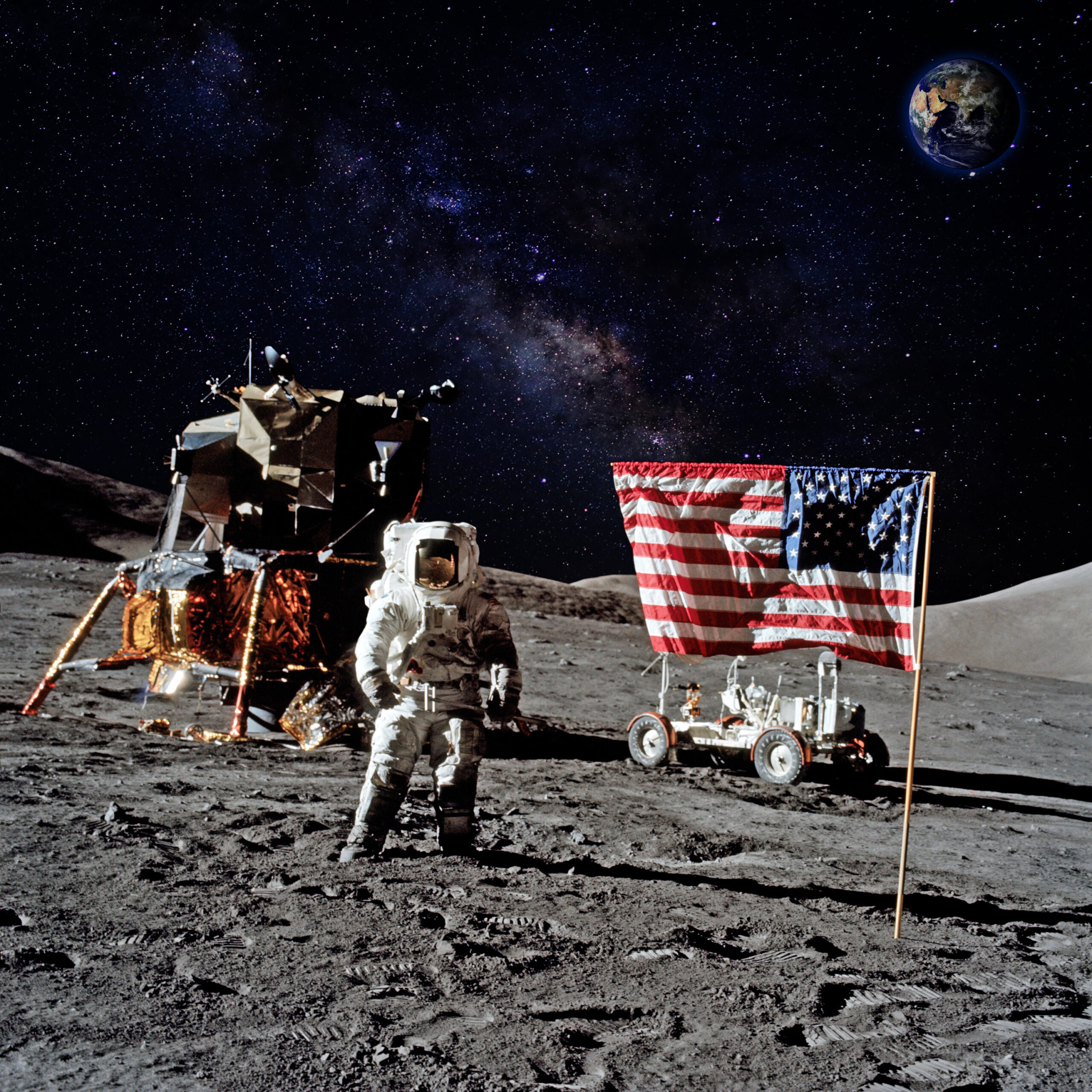
Hint: The flag was placed fairly close to the Lunar Module, and the blast from Eagle's ascent engine disturbed dust, insulation, and other material when Armstrong and Aldrin lifted off.
Answer 3: It Was Probably Knocked Over During Liftoff
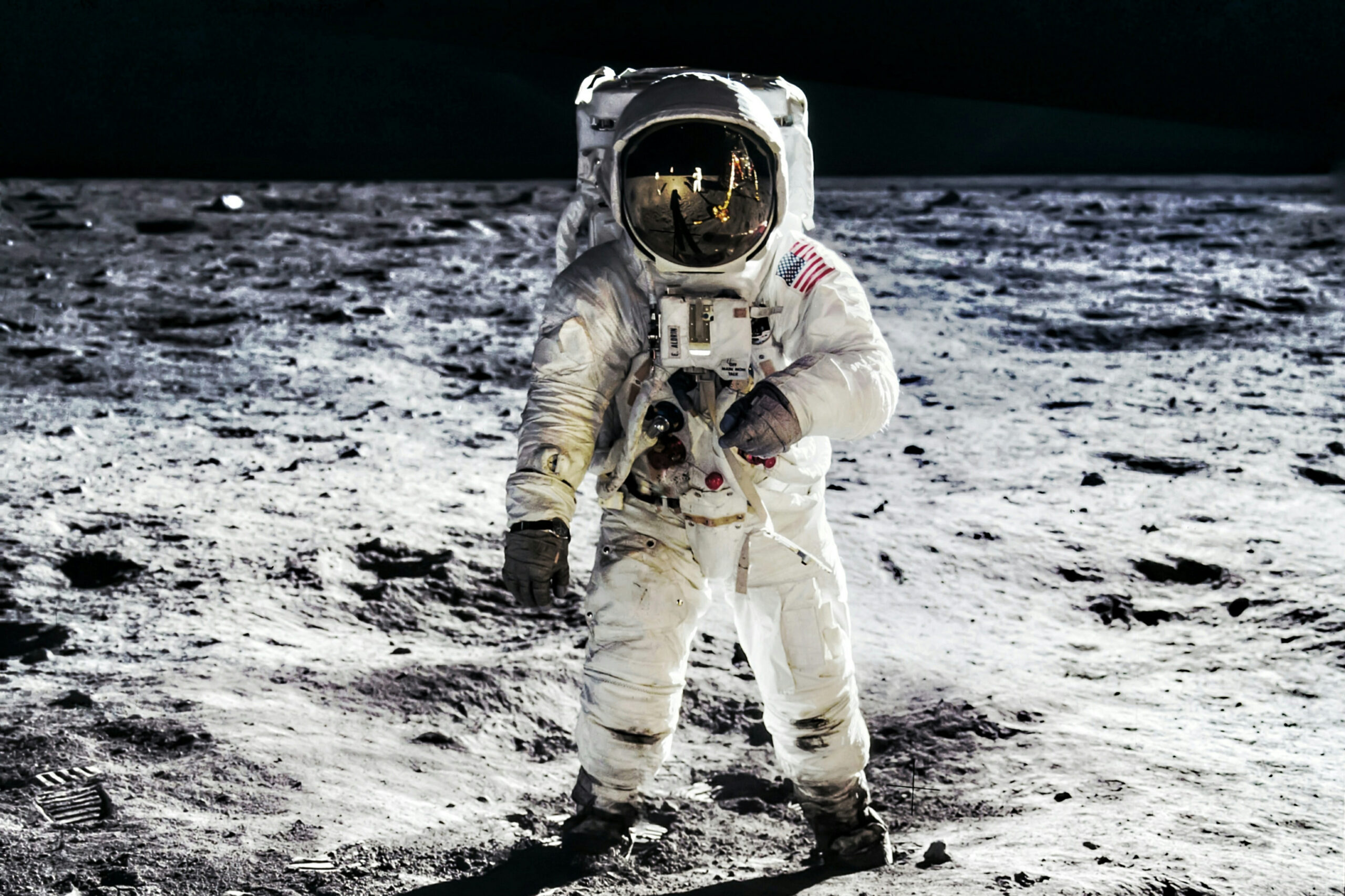
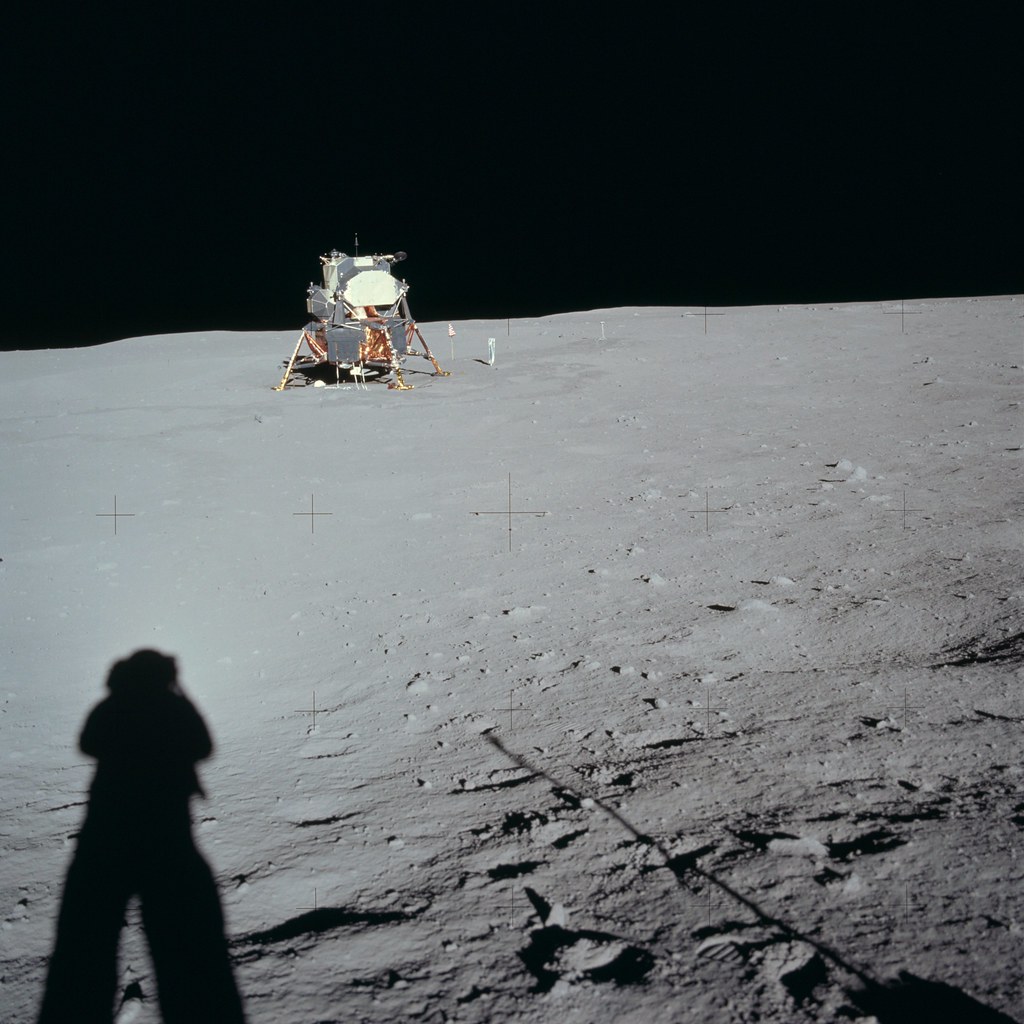
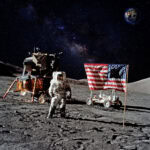
Buzz Aldrin later said he watched the Apollo 11 flag fall as Eagle's ascent stage lifted away from Tranquility Base on July 21, 1969. Modern images from NASA's Lunar Reconnaissance Orbiter do not clearly show the flag at the Apollo 11 site, which supports the idea that it is no longer standing. However, the status of every later Apollo flag is not equally certain. Orbital photographs suggest that flags left by Apollo 12, 16, and 17 may still be upright, while the condition of the Apollo 14 and 15 flags remains less conclusive. For later missions, crews generally placed the flags farther from the lander to reduce the chance of another one being blasted down.
Question 4: What Can Modern Spacecraft Still See at the Apollo 11 Landing Site?
Hint: A camera orbiting the Moon cannot resolve individual bootprints, but it can detect larger hardware and the paths where repeated footsteps disturbed the lunar soil.
Answer 4: The Lander's Base and the Astronauts' Trails
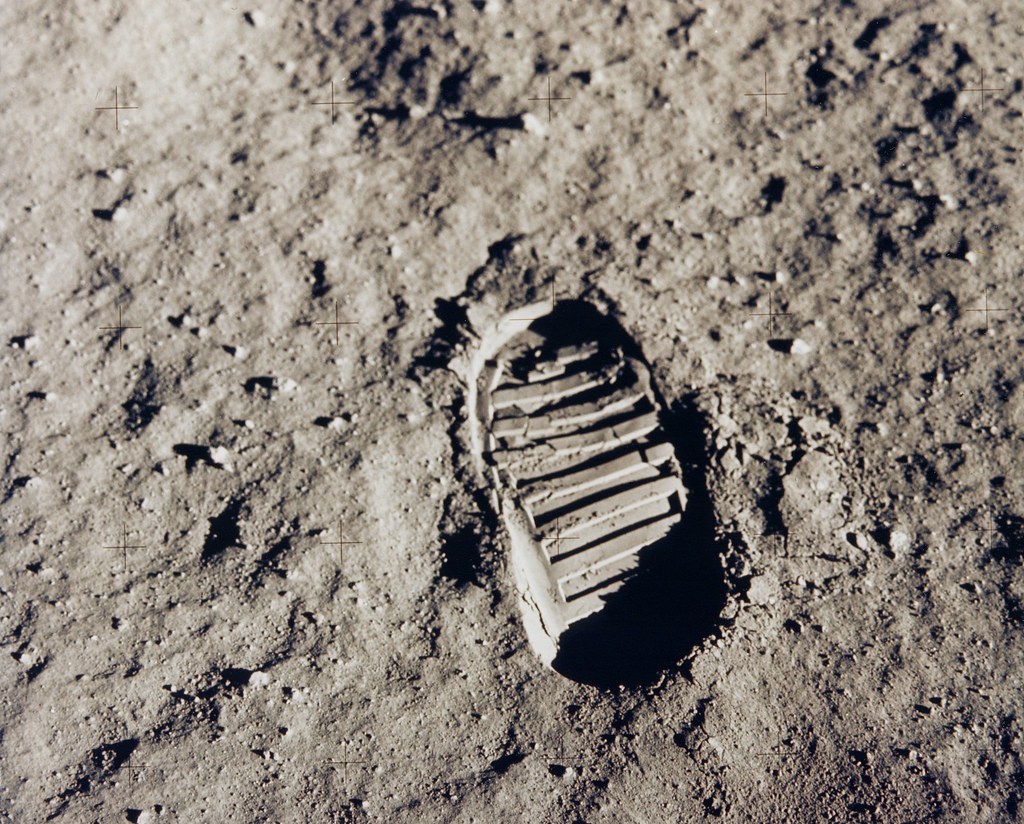
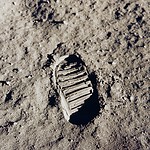
NASA's Lunar Reconnaissance Orbiter began photographing the Apollo landing sites in 2009. At Tranquility Base, its high-resolution camera can distinguish Eagle's descent stage, equipment left on the surface, and dark trails created as Armstrong and Aldrin repeatedly crossed the powdery ground. The orbiter cannot photograph a single footprint in the same close-up detail as the famous surface images, but it can map the broader routes the astronauts followed between the lander and their experiments. Those visible tracks line up with mission photographs, transcripts, and recorded activity, providing another independent view of the site decades after Apollo 11 returned to Earth.
Question 5: What Did Astronomers Mistake for a Small Asteroid in 2002?
Hint: The object, called J002E3, was temporarily captured by Earth's gravity. Its brightness and unusual white surface suggested it was manufactured rather than a natural piece of rock.
Answer 5: Most Likely an Apollo 12 Rocket Stage
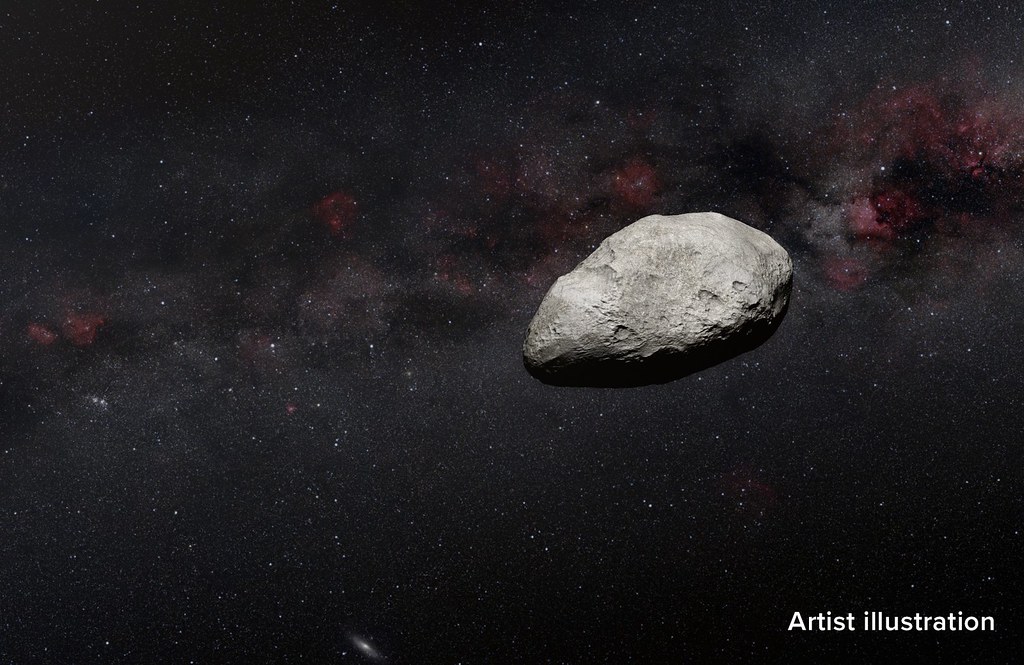
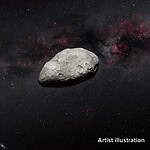
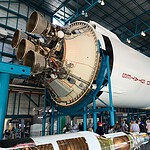
Amateur astronomer Bill Yeung discovered J002E3 on September 3, 2002. Early calculations made it look like a small object orbiting Earth, but its motion and reflective white surface led NASA researchers to suspect abandoned spacecraft hardware. The leading explanation is that it was the S-IVB third stage from Apollo 12, launched in November 1969. That stage helped send the spacecraft toward the Moon before being discarded, later escaped into an orbit around the Sun, and was temporarily recaptured by Earth decades later. Its identity has not been confirmed by a close inspection, so scientists describe the Apollo 12 connection as highly likely rather than absolutely proven.
Question 6: Which Part of Eagle Is Still Sitting at Tranquility Base?
Hint: The Lunar Module was built in two sections. One carried Armstrong and Aldrin back to lunar orbit, while the other served as a landing platform and launchpad that was never designed to leave the surface.
Answer 6: The Descent Stage
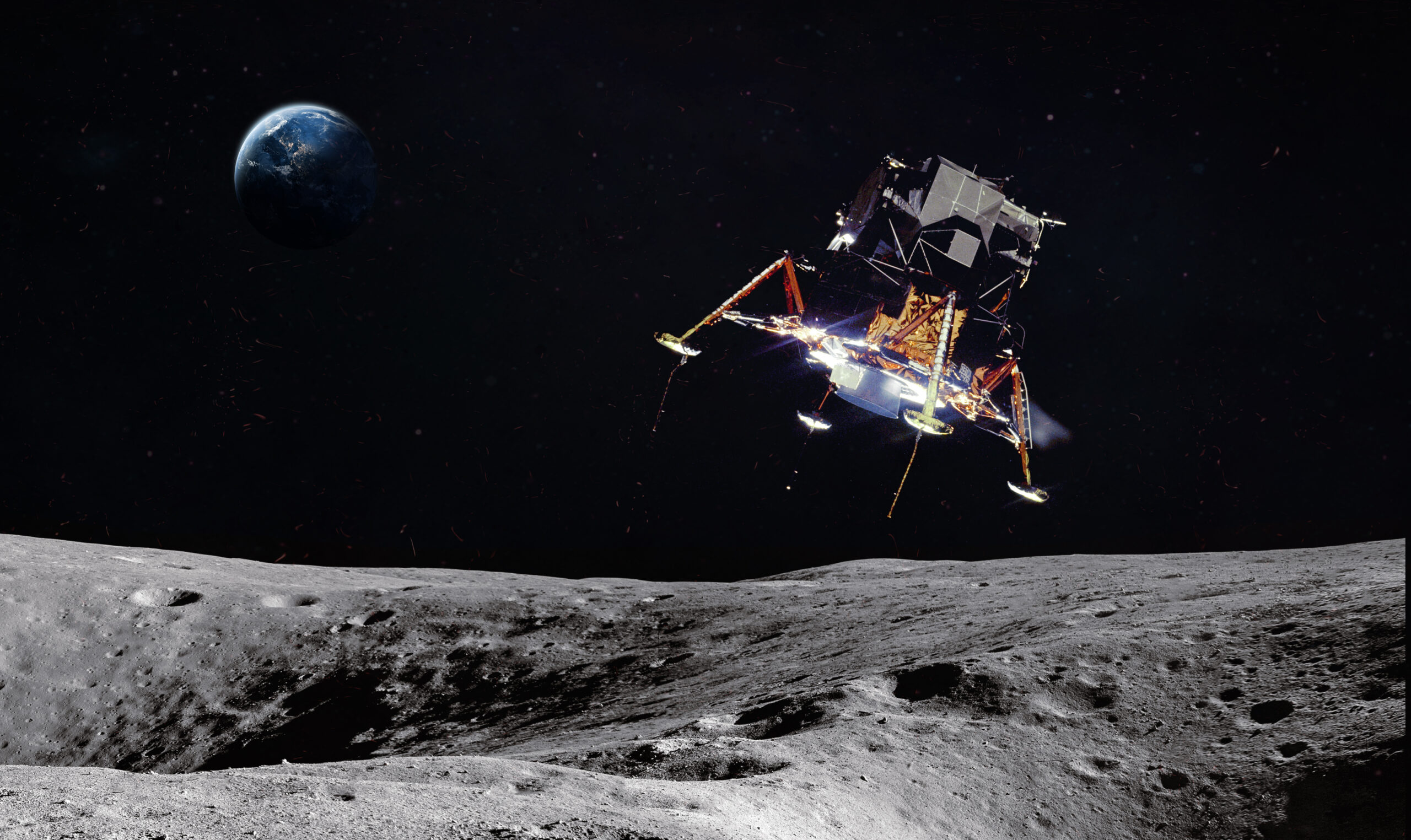
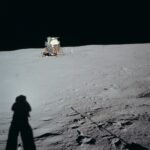
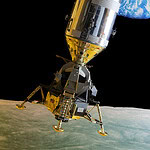
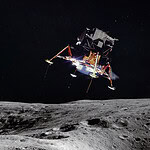
Eagle's lower half, known as the descent stage, remains where Apollo 11 landed on July 20, 1969. It contained the landing legs, ladder, storage compartments, and descent engine that brought the astronauts safely to the surface. When it was time to leave, the upper ascent stage fired its own engine and used the descent stage as a launchpad. A commemorative plaque attached to one of the landing-gear struts also remains there. The plaque bears the signatures of Armstrong, Aldrin, Collins, and President Richard Nixon and states that people from Earth first set foot on the Moon there in July 1969 and came in peace for all humanity.
Question 7: Where Might Eagle's Upper Half Be Today?
Hint: NASA left the ascent stage in lunar orbit after Armstrong and Aldrin transferred back into Columbia. Its final location has never been directly confirmed.
Answer 7: It Could Still Be Orbiting the Moon
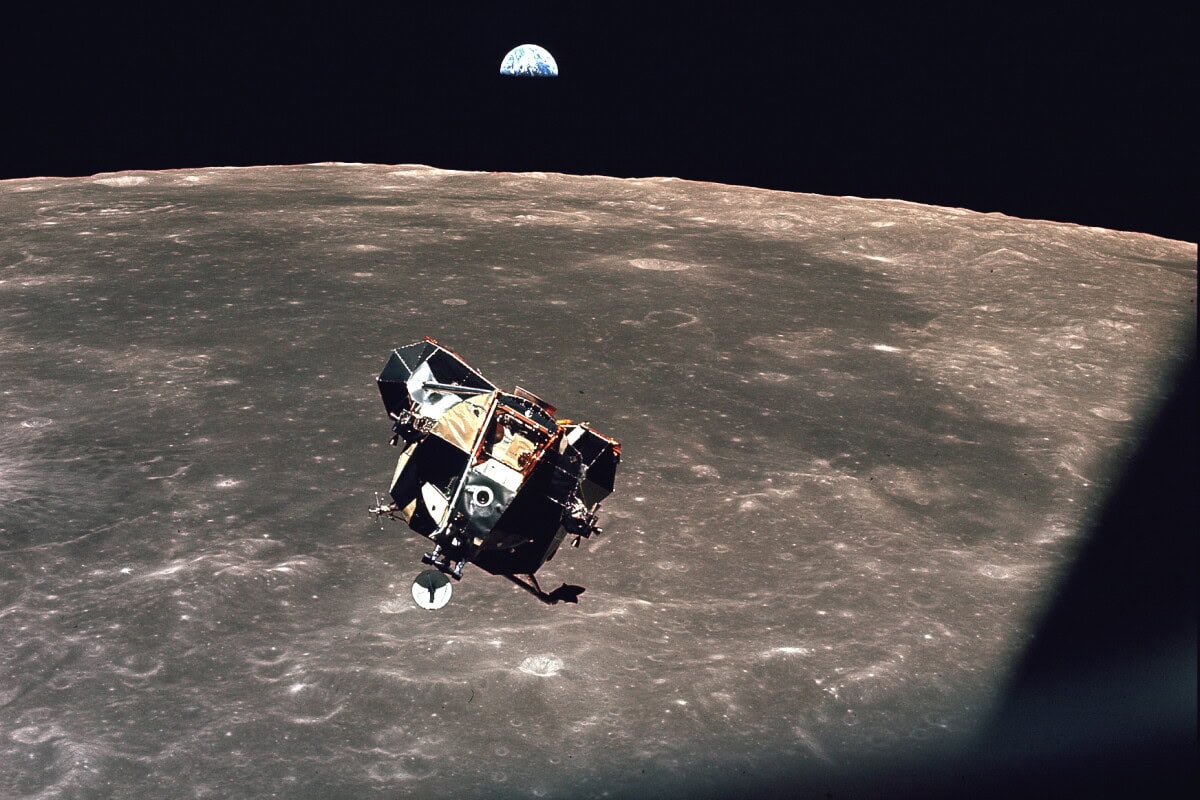
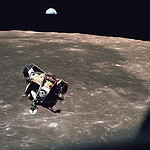
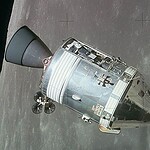
After Eagle docked with Columbia on July 21, 1969, Armstrong and Aldrin transferred themselves, their samples, and their equipment into the command module. NASA then jettisoned the empty ascent stage and left it in lunar orbit. Its fate remains unknown, and it was long assumed that the Moon's uneven gravitational field eventually pulled it into the surface. A peer-reviewed 2021 study modeled the abandoned stage's path and found that its orbit may have remained stable for decades. That does not prove Eagle is still circling the Moon, because it has never been positively detected, but it leaves open the possibility that the historic spacecraft survived.
Question 8: Why Is There No Huge Orange Flame Beneath Eagle During Liftoff?
Hint: Rocket exhaust does not look the same in a vacuum as it does in Earth's atmosphere, especially when filmed against a brightly illuminated surface with a camera set for high-contrast conditions.
Answer 8: The Exhaust Was Real but Difficult to See
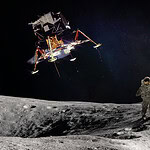
Eagle's ascent engine burned Aerozine 50 fuel with nitrogen tetroxide oxidizer, a hypergolic combination that ignited as soon as the two liquids met. The engine was producing thrust, but viewers should not expect the large, smoky orange plume associated with a rocket launching through Earth's atmosphere. On the airless Moon, exhaust gases expanded rapidly into the vacuum instead of forming a billowing trail, and the camera was exposed for the intensely bright lunar surface. The available liftoff film does show dust and pieces of insulation being blasted away, while the engine itself carried the ascent stage into orbit during a burn lasting a little more than seven minutes.
Question 9: Why Are There No Stars in Most Apollo 11 Surface Photos?
Hint: Think about what happens when a camera is adjusted to photograph a person standing in bright sunlight while much dimmer objects remain far in the background.
Answer 9: The Camera Exposures Were Too Short
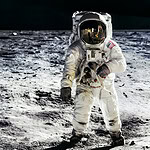
The lunar surface, the astronauts' white spacesuits, and the Lunar Module were all illuminated by direct sunlight. Apollo cameras therefore used exposure settings suited to bright daytime subjects. Background stars were far too faint to register during those short exposures, even though the sky appeared black because the Moon has no atmosphere to scatter sunlight. The same effect occurs when a camera photographs a brightly lit object against a dark night sky: exposing the image correctly for the foreground usually makes faint stars disappear. Longer exposures could capture stars, but they would badly overexpose the astronauts and the sunlit lunar landscape.
Question 10: What Departure Point Appeared on Apollo 11's Customs Form?
Hint: The crew's paperwork treated history's most extraordinary round trip with the same bureaucratic language used for a far more ordinary international arrival.
Answer 10: The Moon
A U.S. Customs General Declaration bearing the signatures of Armstrong, Aldrin, and Collins listed Apollo 11's route as beginning at Cape Kennedy, stopping at the Moon, and arriving in Honolulu, Hawaii. Under cargo, the form recorded lunar rock and lunar dust samples. It even answered a question about conditions that might spread disease with the words “to be determined,” reflecting the reason the crew entered quarantine. The document was prepared as the astronauts returned on July 24, 1969, and remains one of the mission's most amusing artifacts. After traveling roughly half a million miles, the crew's homecoming still included official paperwork.