Dima Zel/Shutterstock.com
Elen11/iStock via Getty Images
buradaki/iStock.com
Petrovich9/iStock.com
Blue Planet Studio/Shutterstock.com
19 STUDIO/Shutterstock.com
LightField Studios/Shutterstock.com
Artsiom P/Shutterstock.com
dima_zel/iStock via Getty Images
LightField Studios/Shutterstock.com
Thaweesak Saengngoen/iStock.com
buradaki/Shutterstock.com
NASA images/Shutterstock.com
Andrii Myronov/Shutterstock.com
Vadim Sadovski/Shutterstock.com
NASA Goddard Photo and Video / BY 2.0
Negro Elkha/Shutterstock.com
NASA, ESA, CSA, STScI
NASA / Public domain
Dotted Yeti/Shutterstock.com

"Yuri Gagarin by Jorit" by Jorit is licensed under BY-SA 4.0.




Can You Answer These 20 Basic Space Questions Most Americans Miss?
Space is one of those subjects most people learn about in school, but a surprising number of basic facts are easy to forget. We know the names of the planets, recognize famous NASA missions, and hear about eclipses, comets, and galaxies, but that does not mean we can always answer simple questions about how the universe actually works.
This quiz-style slideshow puts that knowledge to the test with basic space questions many Americans may miss. From the solar system and the Moon to stars, planets, space travel, and the size of the universe, these questions are a fun way to see how much you remember and where your astronomy knowledge gets a little rusty.
To create this list, 24/7 Tempo reviewed trusted science and education sources, including Space.com, National Geographic, and the National Geographic Society.
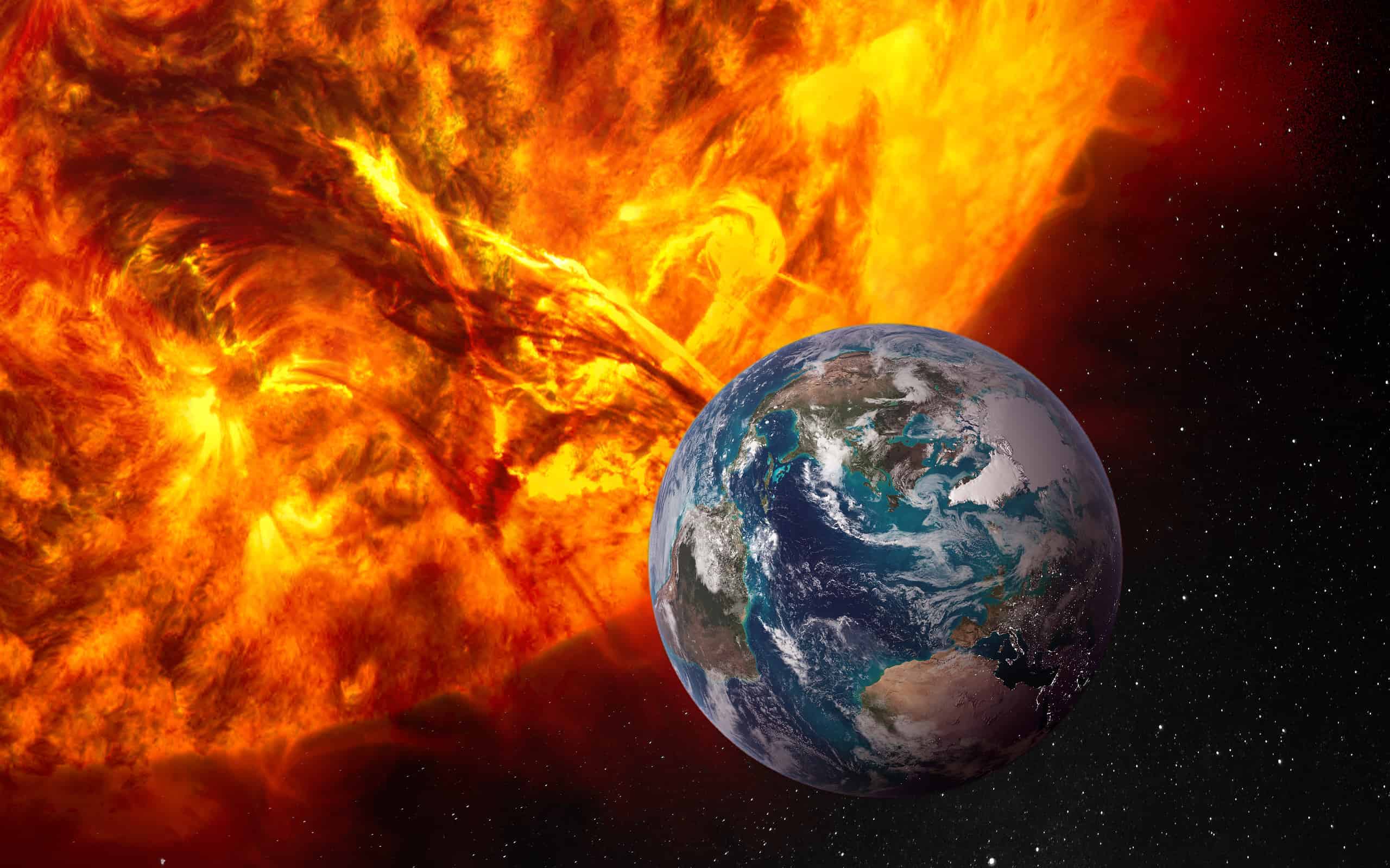
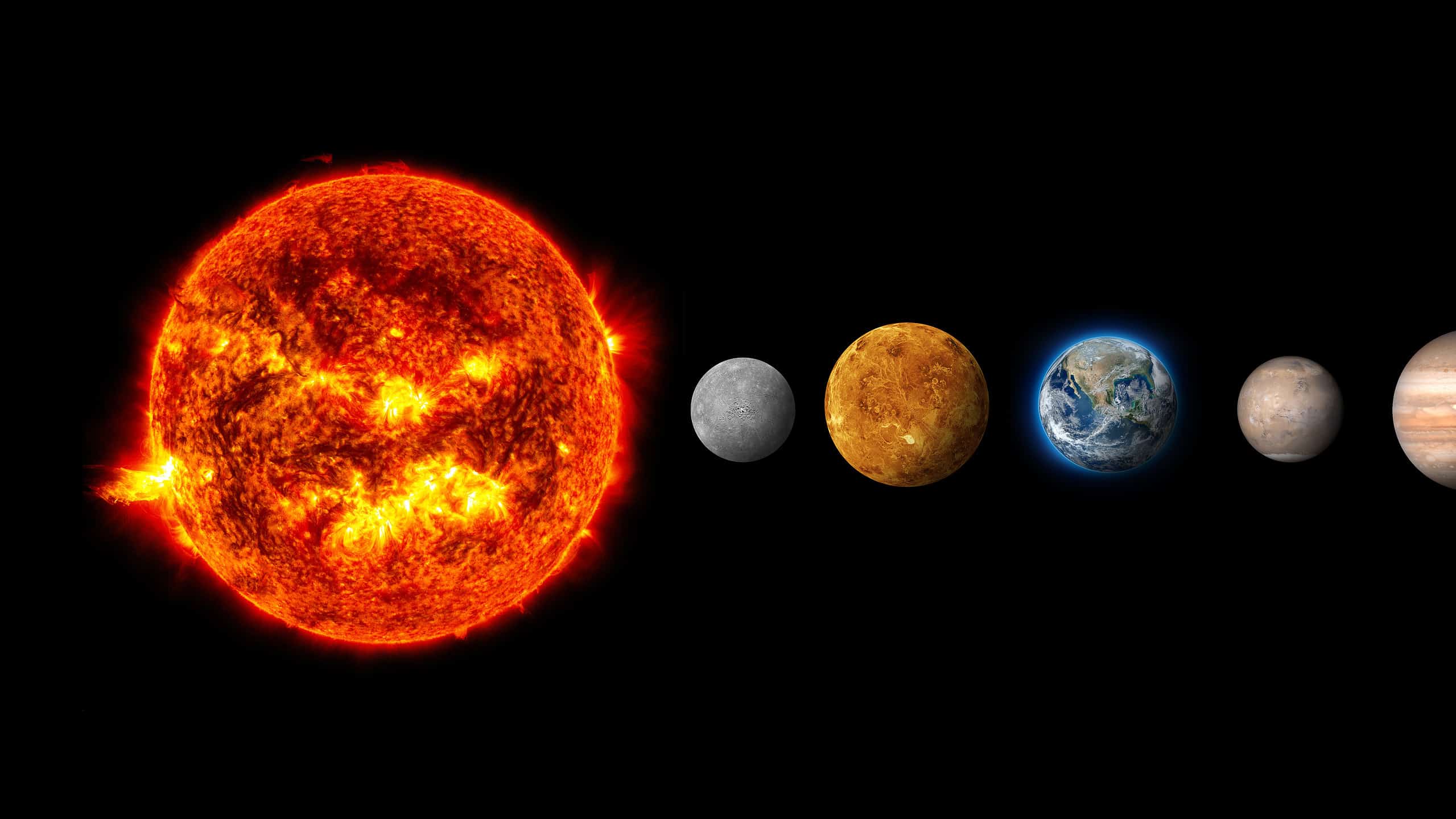
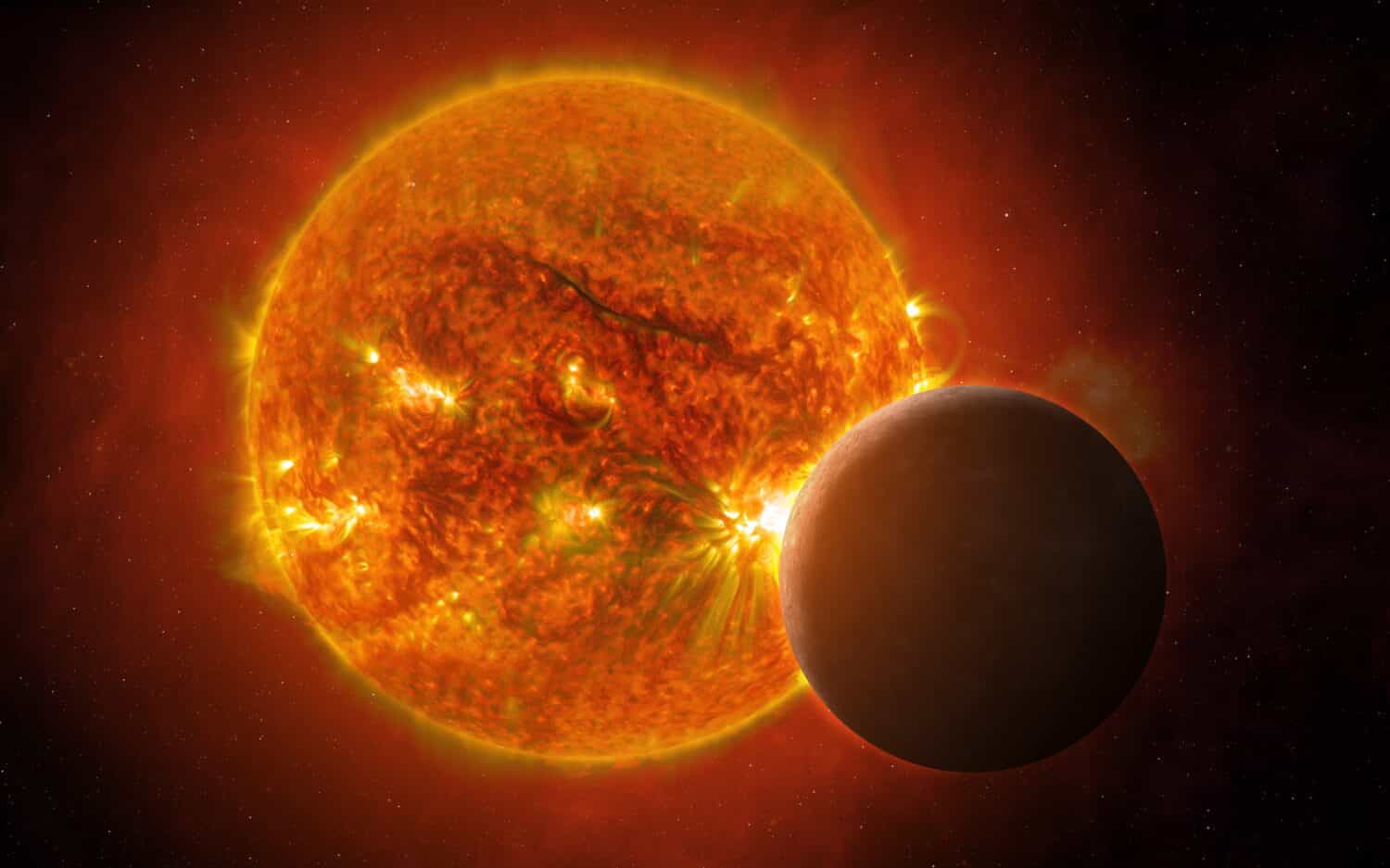
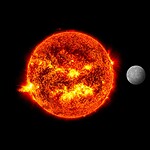
Q. How big is the sun?
- When it comes to basic space questions, this is a common one. We all know that the sun is so huge in the grand scheme of things. But how big exactly?
- To put this size in perspective, we could take 109 Earths and line them across the face of the sun. That is how big the sun is in diameter. The sun also makes up 99.86% of our solar system’s mass.
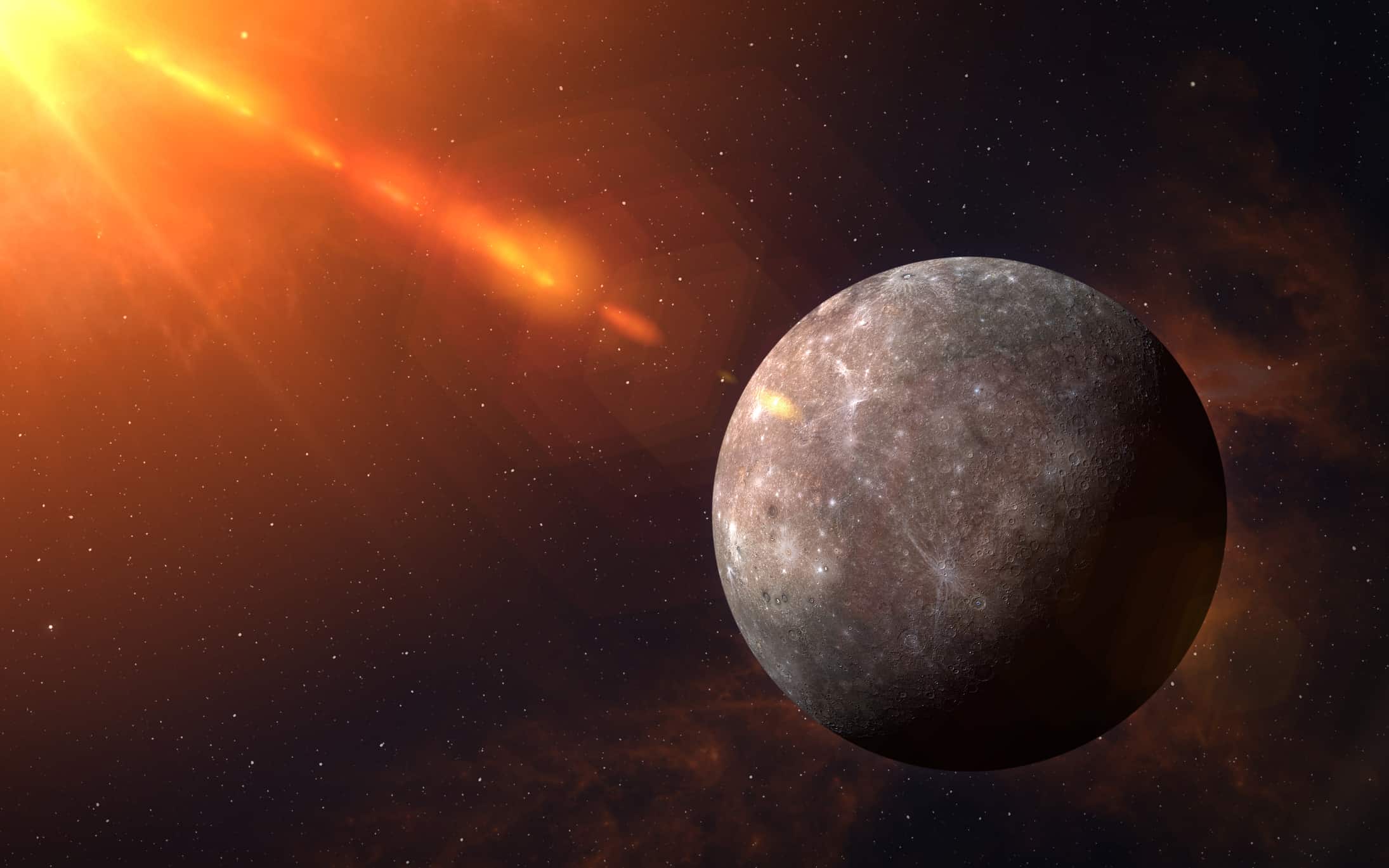
Q. How long is a day on Mercury?
- We know that a day on Earth is 24 hours, but a day on Earth is not the same as a day on other planets.
- A day on Mercury is around 59 Earth days. This is because the planet itself spins very slowly. In fact, the length of one day on Mercury is 1,408 hours.
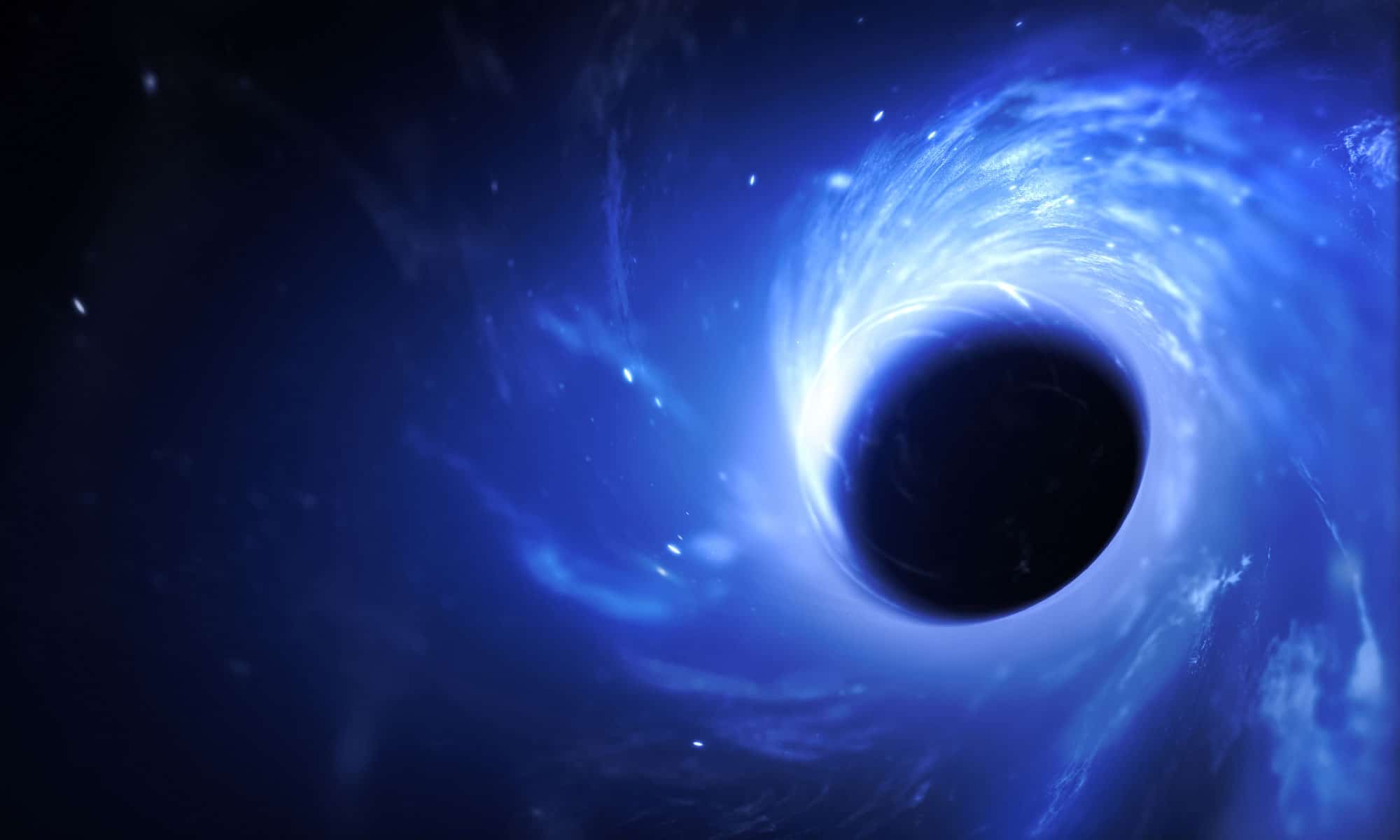
Q. How are black holes created?
- There is just something very intriguing about a black hole. They can seem both terrifying and interesting. But how exactly do black holes form in space?
- The first way a black hole is formed is when massive stars explode and die. Another way that black holes are formed is when gas collapses.
Q. Can you hear anything in space?
- Sometimes, it’s fun to imagine how our lives or actions would be different if we were to take a trip into space. We know we have to wear those suits, but could we participate in everyday activities?
- No, you cannot hear anything in space. The reason for it is that there’s no air in space, and because of this, sound waves don’t exist in space.
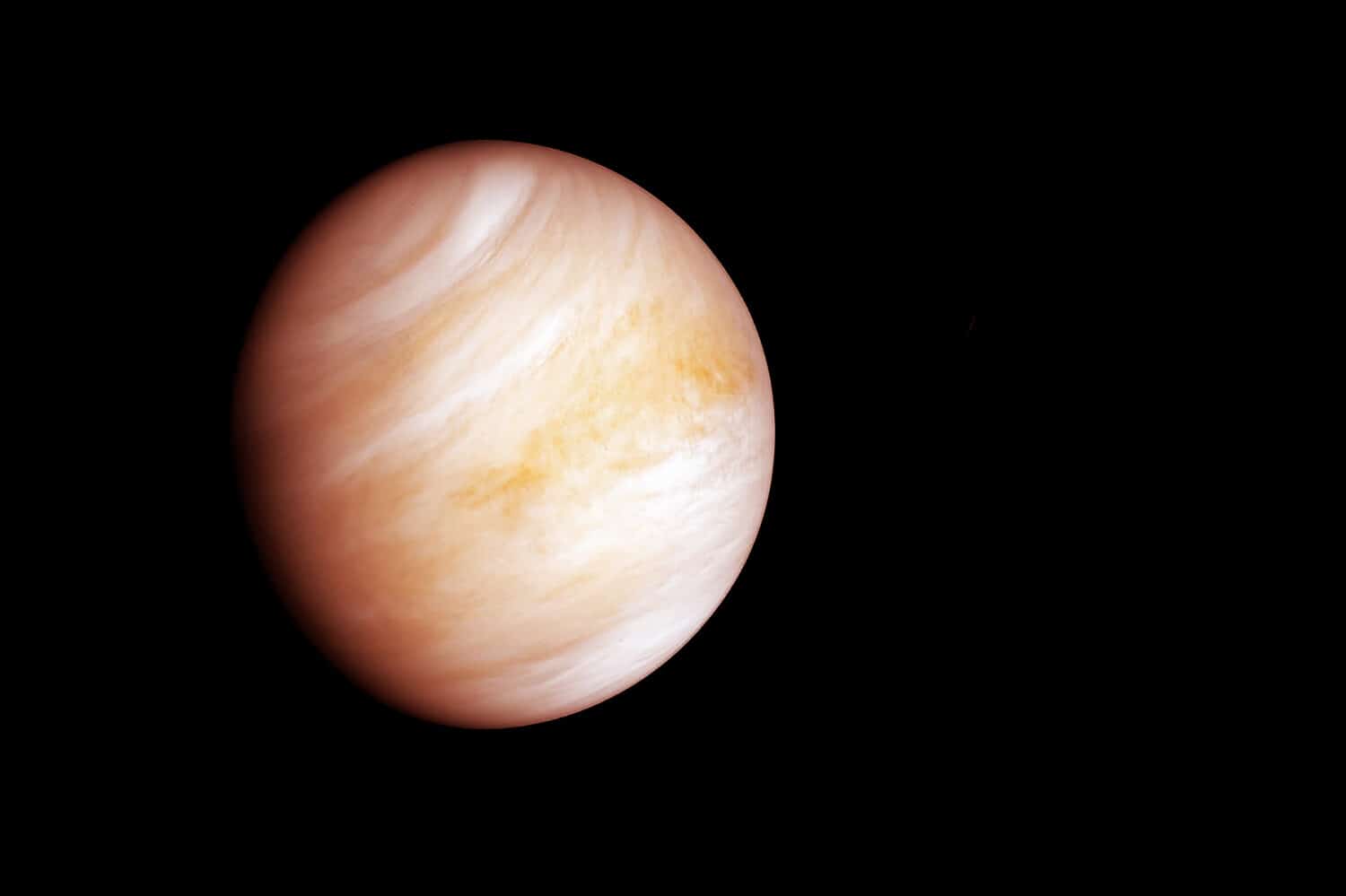
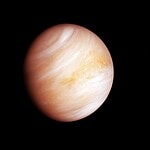
Q. What is the hottest planet in our solar system?
- Have you ever thought about what the hottest planet in our solar system is?
- Venus has a very thick atmosphere full of many gases. The greenhouse effect that it has is very close to the one on Earth, making it the hottest planet in our solar system at approximately 465°C.
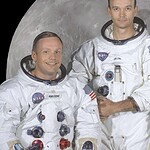
Q. How much does a NASA space suit cost?
- NASA space suits do a terrific job of protecting our astronauts as they travel into space. Since they have to function in several different ways, how much do they cost?
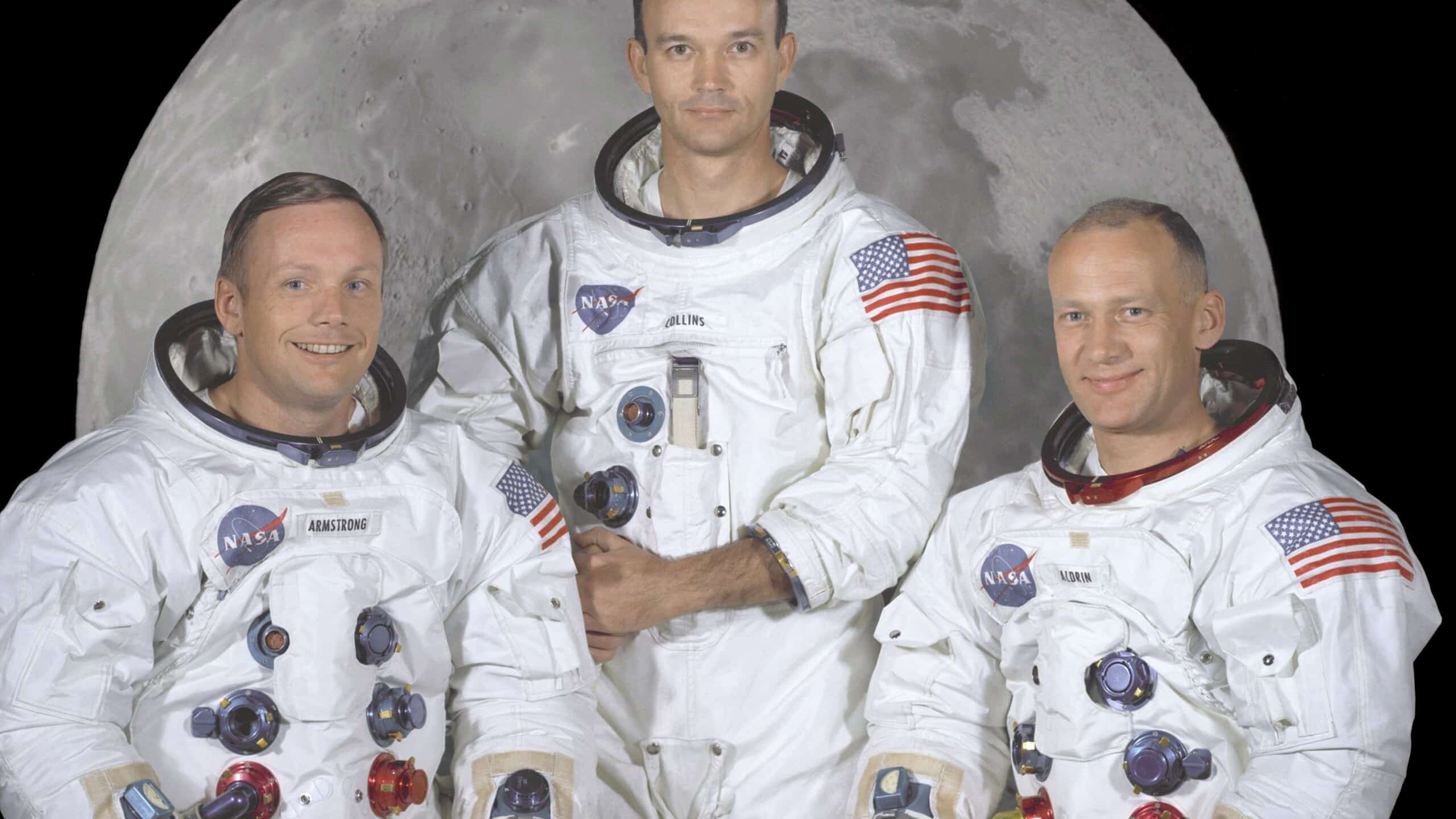
- Neil Armstrong’s suit cost $100,000 at the time. Space suits range in price. The Apollo 11 Neil Armstrong space suit was around $100,000 when he wore it. That makes it closer to $850,000 in today’s economy.
Q. How long is a day on Venus?
- Another common basic space question, Venus is the second planet from the sun, but its orbit is much slower than the Earth’s. So, how long does it take to complete one day on Venus?
- A day on Venus takes about 243 Earth days. Another fun fact is that Venus rotates in the opposite direction from Earth.
Q. Does water exist in space?
- We know that there are so many different objects up in space, but have you ever asked if there is water in space?
- Yes! There are several different water systems or oceans that have been found in space. Many of these oceans are on other planets’ moons.
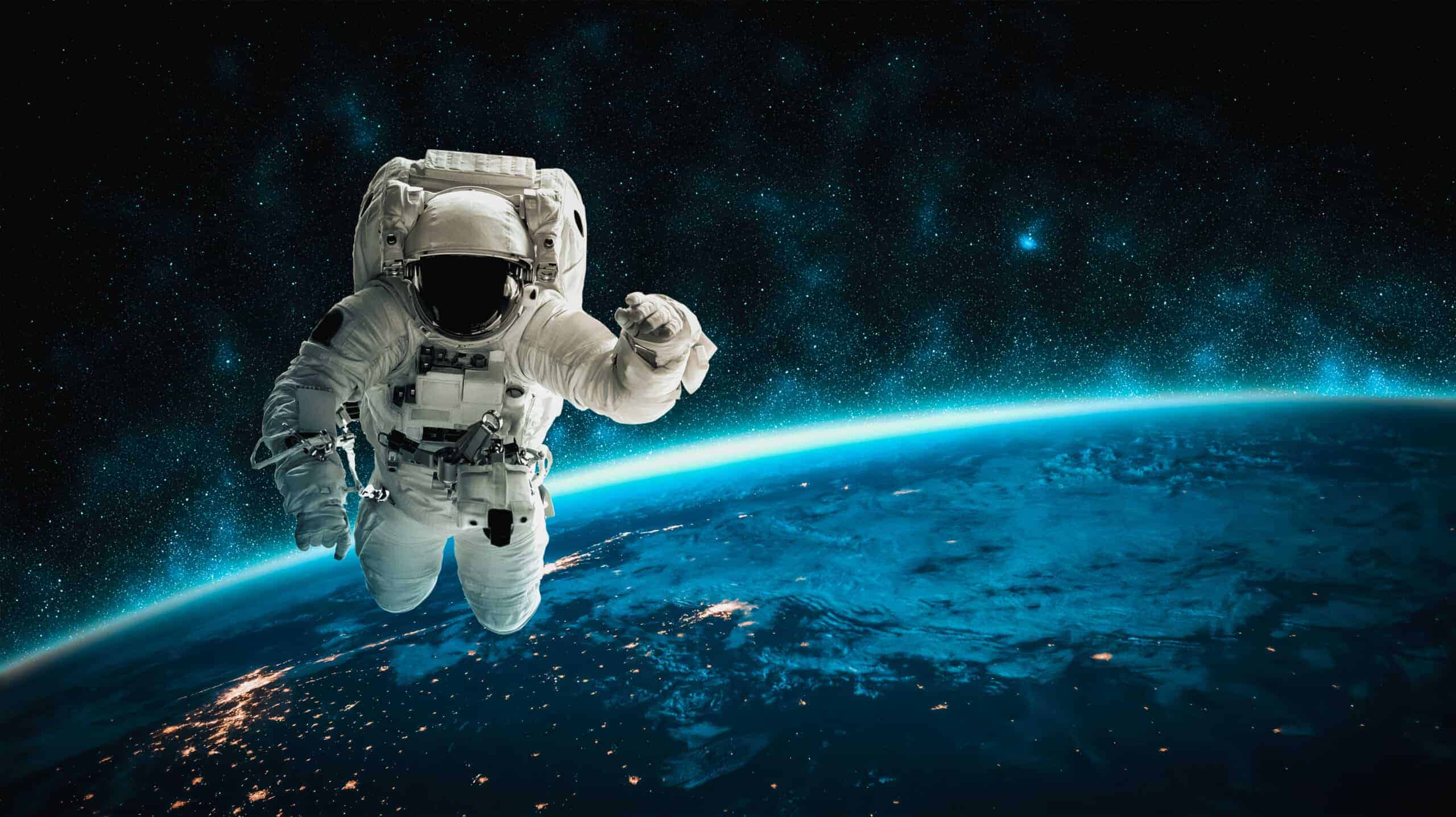
Q. What happens if you don’t wear a space suit?
- We all know the importance of a space suit in space, but what exactly would happen if you did not wear one?
- You would die almost immediately. Since there’s no air in space, you would die from a lack of oxygen. There’s also no air pressure, which means that your fluids will boil and freeze.
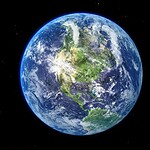
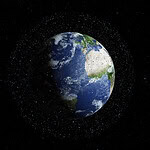
Q. How many miles per hour does the Earth travel around the sun?
- We know that the Earth traveling around the sun is what gives us our year, which is 365 days roughly. But how fast is it moving?
- The orbit of the Earth around the sun is around 67,000 mph. Even though it’s very fast, we don’t feel it moving because it’s always at the same speed.
Q. How far is the Earth from the sun?
- To put the size of the universe in perspective, let’s look at how far away the Earth is from the sun.
- 1 Astronomical Unit (AU) is about 149,597,870.7 kilometers (92.96 million miles), which is the average distance from Earth to the Sun. But we know that the Earth and the sun do not stay at the same distance constantly. Therefore, this is just a rough estimate.
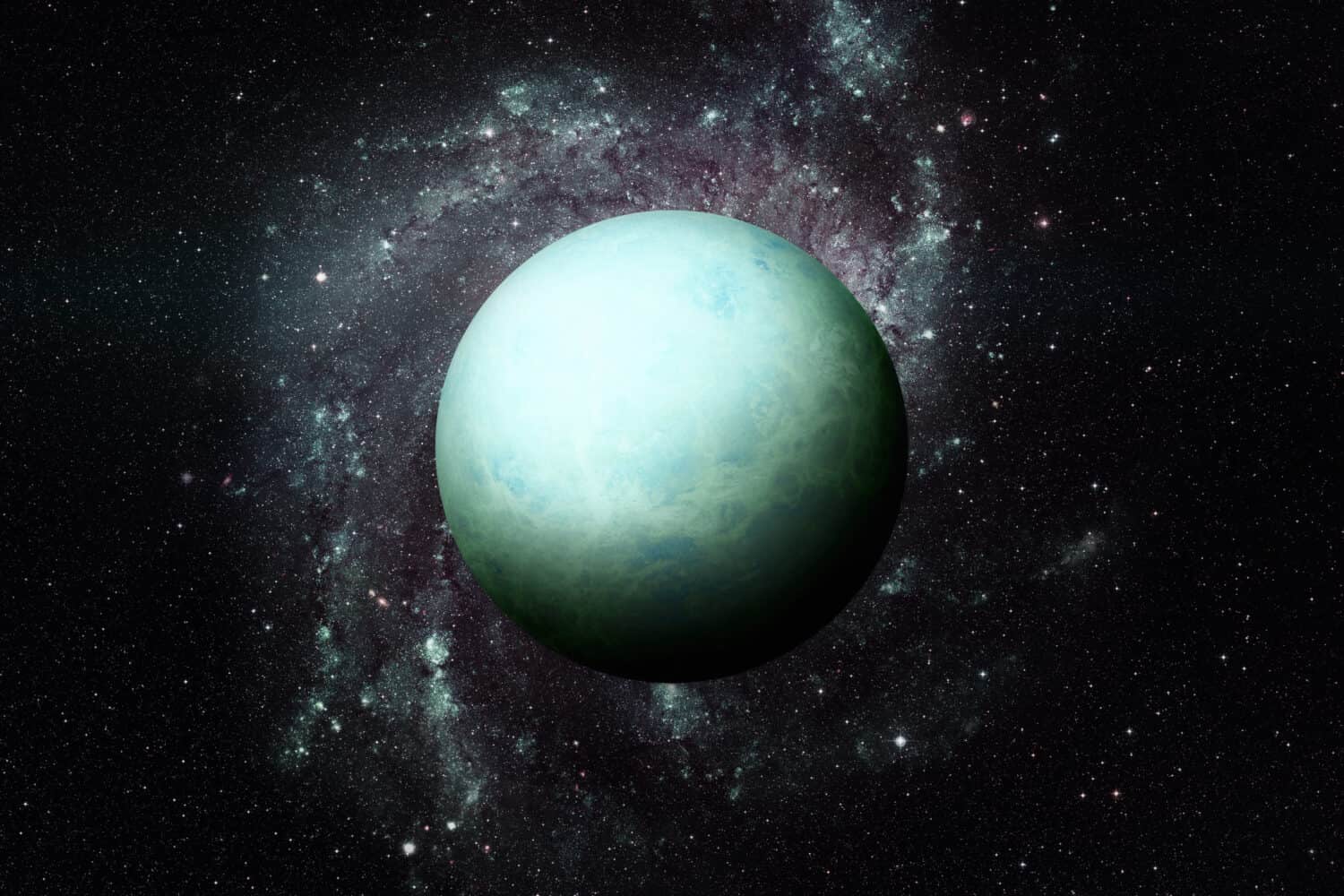
Q. Why does Uranus spin sideways?
- Most of the planets spin on their axis almost the same way. In a clockwise position, as if there is an invisible pole sticking from north to south right through the middle. But there are a few exceptions.
- They believe Uranus had a collision. There is a theory that Uranus had a collision at some point during its life with an object close to the size of Earth. This collision knocked it off its axis and destabilized it.
Q. What planets have spacecraft been to?
- What planets in our solar system have we seen with spacecraft?
- All of them. We have sent spacecraft to explore every planet in our solar system.
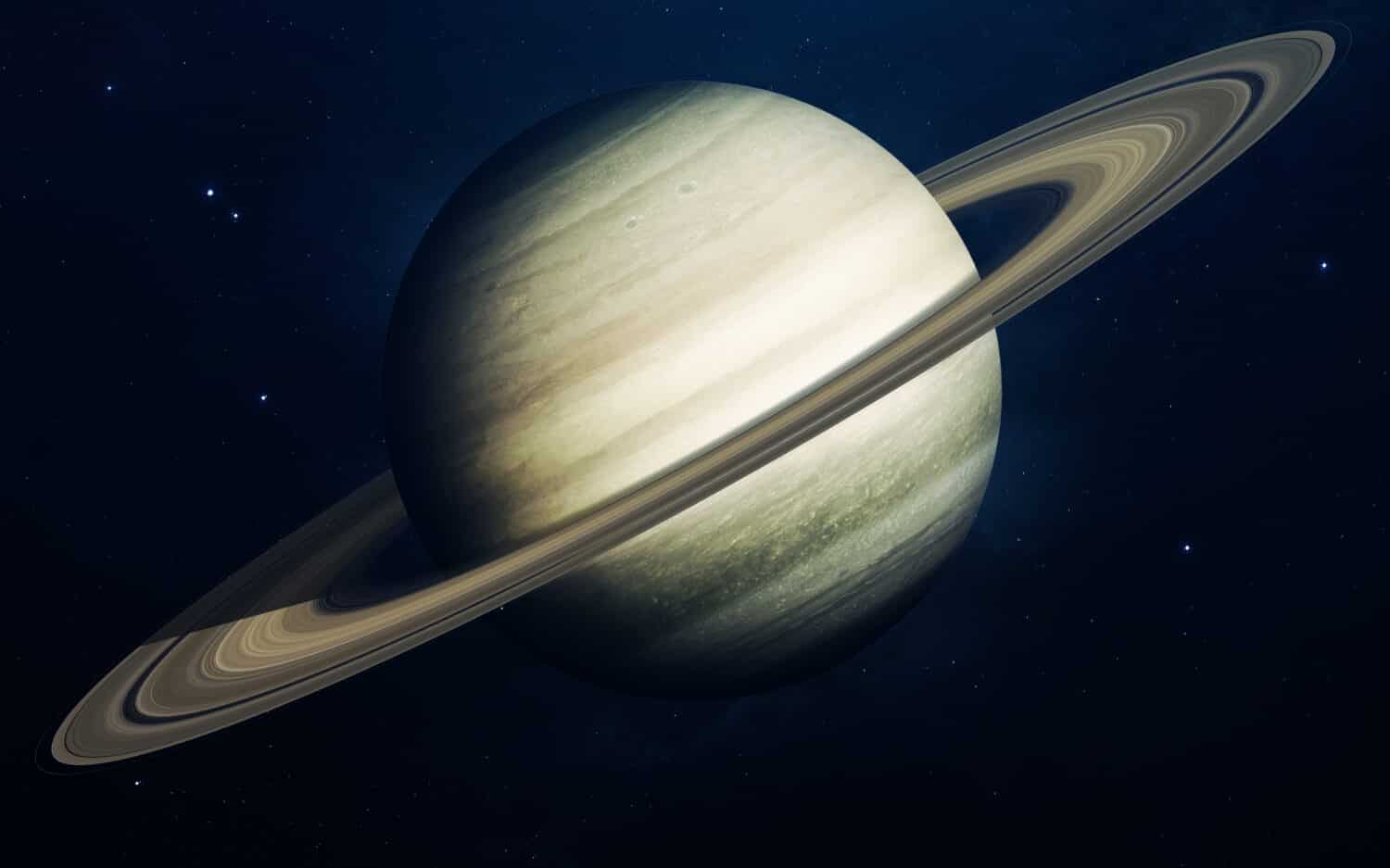
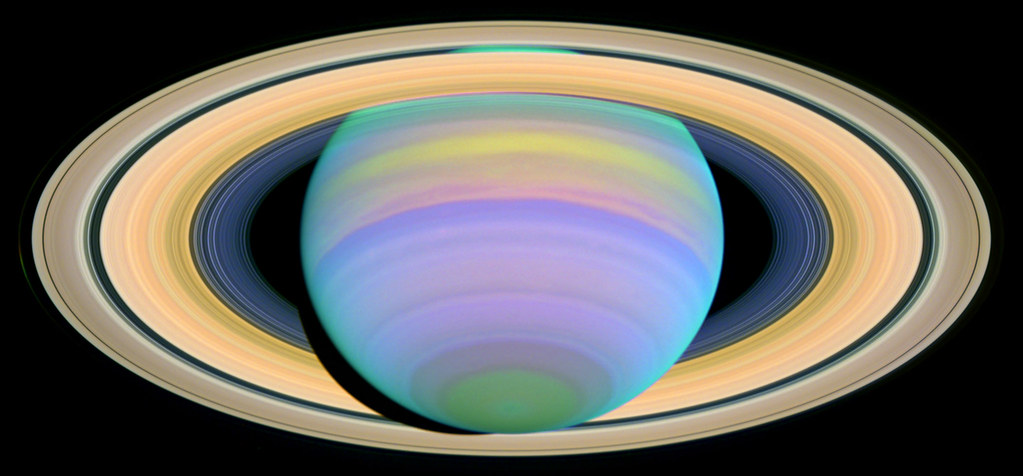
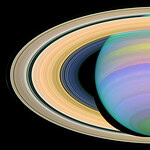
Q. What are the ring systems on some planets?
- Every planet looks different. But what exactly are those rings?
- Several types of particles. These ring systems are made up of several types of particles. These particles include dust, ice, and moon particles.
Q. How many planets have ring systems?
- How many of our planets have these ring systems?
- Four. These planets are Neptune, Saturn, Uranus, and Jupiter.
Q. What is a Van Allen Belt?
- Van Allen Belts may seem like a foreign word and concept. What exactly are they?
- High-energy radiation particles trapped in a magnetic field. These can be dangerous and even deadly. However, astronauts can pass through very quickly and be okay.
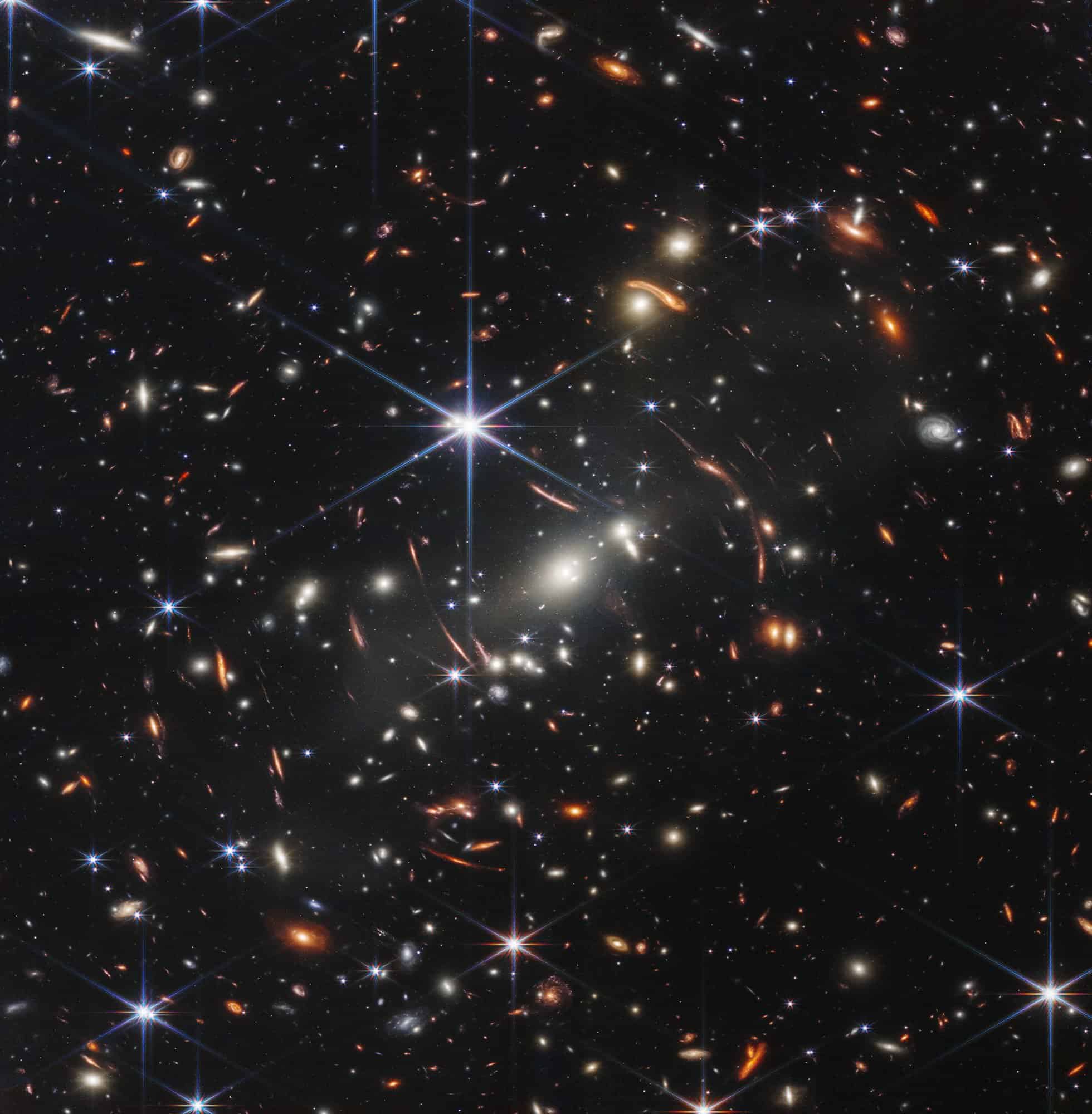
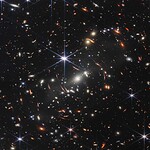
Q. How many stars are in the universe?
- Looking up into the night sky is magical, especially when thousands of stars radiate in the sky. How many exactly are up there?
- Approximately 200 billion trillion stars. There’s no way to know for sure, but scientists believe there to be around 200 billion trillion stars.
Q. Will the Apollo astronauts’ footprints ever go away?
- Have you ever wondered if evidence of man on the moon will ever disappear?
- Maybe. But not for at least a million years. Since there is no wind or rain on the moon, the footprints of our moon expedition will stay put for a very long time — at least during our lifetimes.
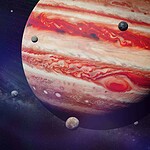
Q. Why does Jupiter have a red spot?
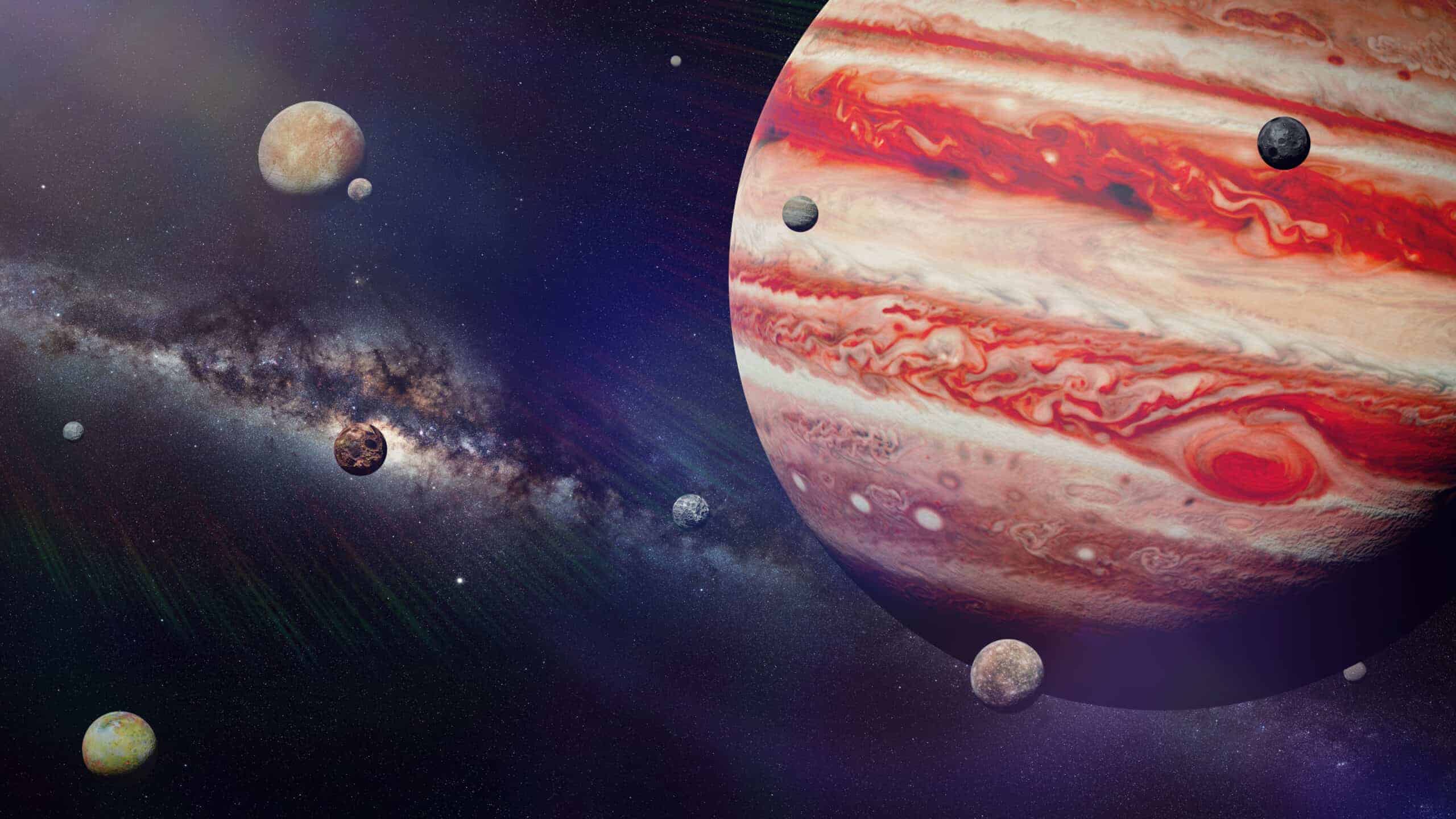
- Jupiter has a dark, swirling red spot. What exactly is it?
- A storm. Jupiter has a very high-pressure storm in its atmosphere. This storm is easy to spot, though it has been shrinking for some time.
Q. Who was the first person to go to outer space?
- We know Neil Armstrong walked on the moon. But who was the first person in space?
- Yuri Gagarin. Gagarin traveled to space for the very first time on April 12, 1961. How terrified would you be?