
Andrew Clemente
KingJC/iStock.com
hadzi3/iStock.com
Erman Gunes/Shutterstock.com

nito/Shutterstock.com

RomoloTavani/iStock.com

Christian Pinillo Salas/ via Getty Images

maradon 333/Shutterstock.com
NASA, Public domain, via Wikimedia Commons

Roman Samborskyi/Shutterstock.com
muratart/Shutterstock.com

Cira123/Shutterstock.com











Most Parents Can’t Answer These 5th Grade Science Questions
Spelling test, check. Long division homework, done. Somewhere along the way, you probably survived at least one solar system project and helped memorize the planets, the water cycle, or the parts of a plant. But then a 5th-grade science review sheet comes home, and suddenly, question three has you staring at the page a little longer than expected.
There’s no shame in it. Most adults have forgotten plenty of what they learned in school, and science has a way of updating or correcting things we once thought were settled. Between work, bills, parenting, and everyday life, nobody is walking around casually reviewing elementary school science facts.
The tricky part is that some of those old misconceptions can stick around for years. They get repeated at dinner tables, passed along during homework help, or treated like facts even after the science has been clarified. That means the answer you remember from school may not be the one students are expected to know today.
In this 24/7 Tempo slideshow, we look at 10 science questions that 5th graders are expected to answer. Some may feel obvious, while others might catch more adults off guard than they expect. How many can you get right?
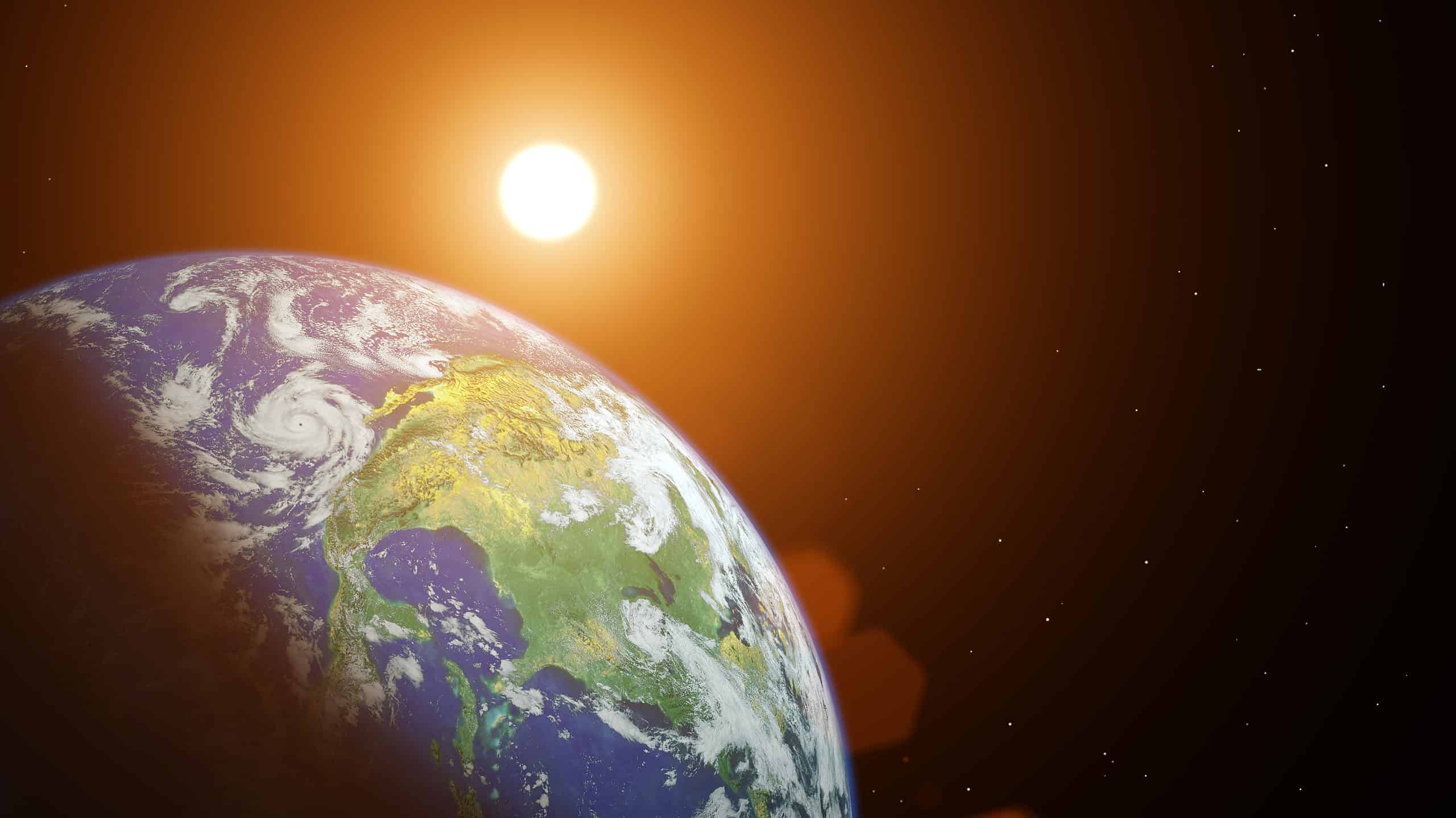
Why Are Summers Hot and Winters Cold?
- When you ask most people about this one, the answer comes quickly. The Earth is closer to the sun in summer and farther away in winter. It’s a reasonable guess, but it’s not what’s actually happening.
- The real reason stems from the Earth’s axial tilt. When the Northern Hemisphere tilts toward the sun, sunlight hits at a more direct angle and the days get longer, which is what actually pushes the temperature up.
- The Earth’s distance from the sun barely changes throughout the year. In fact, the Earth is slightly closer to the sun in January, right in the middle of Northern Hemisphere winter, but the tilt makes it so it’s colder. It’s also why Australia has summer in December.
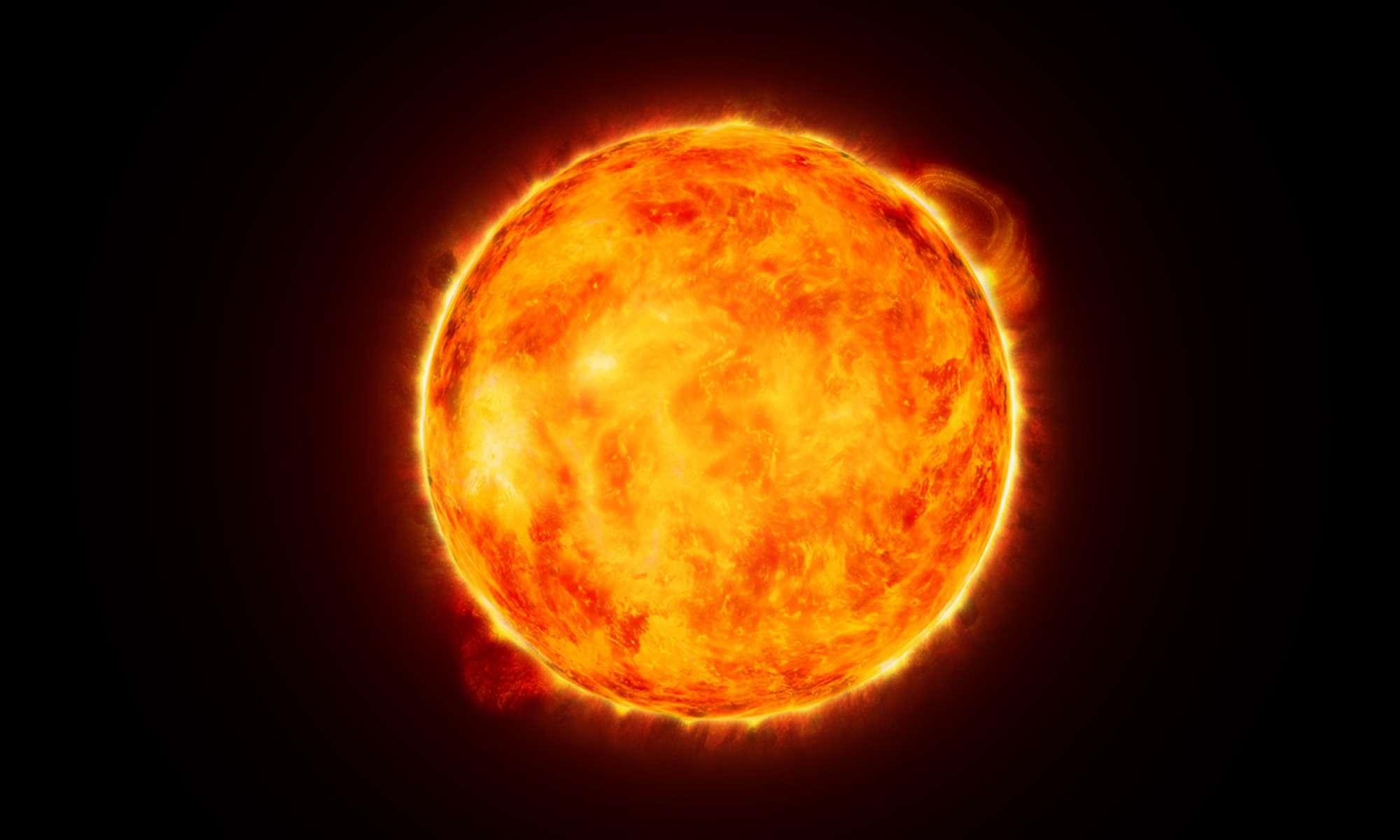
What Color Is the Sun?
- What color is the sun? Most people would say yellow without a second thought. It’s right there. You can see for yourself, so it’s hard to think otherwise.
- The sun actually gives off radiation across the entire visible spectrum, which makes its light white. It looks yellow from Earth because the atmosphere scatters shorter blue wavelengths more easily than longer ones. The lower the sun sits in the sky, the more atmosphere its light passes through, and the deeper it goes into those hues. That’s why we get those beautiful orange, pink, and red sunsets.
- From space, the sun is just white. Most images that show it as yellow were taken through the atmosphere, which gives them that familiar yellow tint.
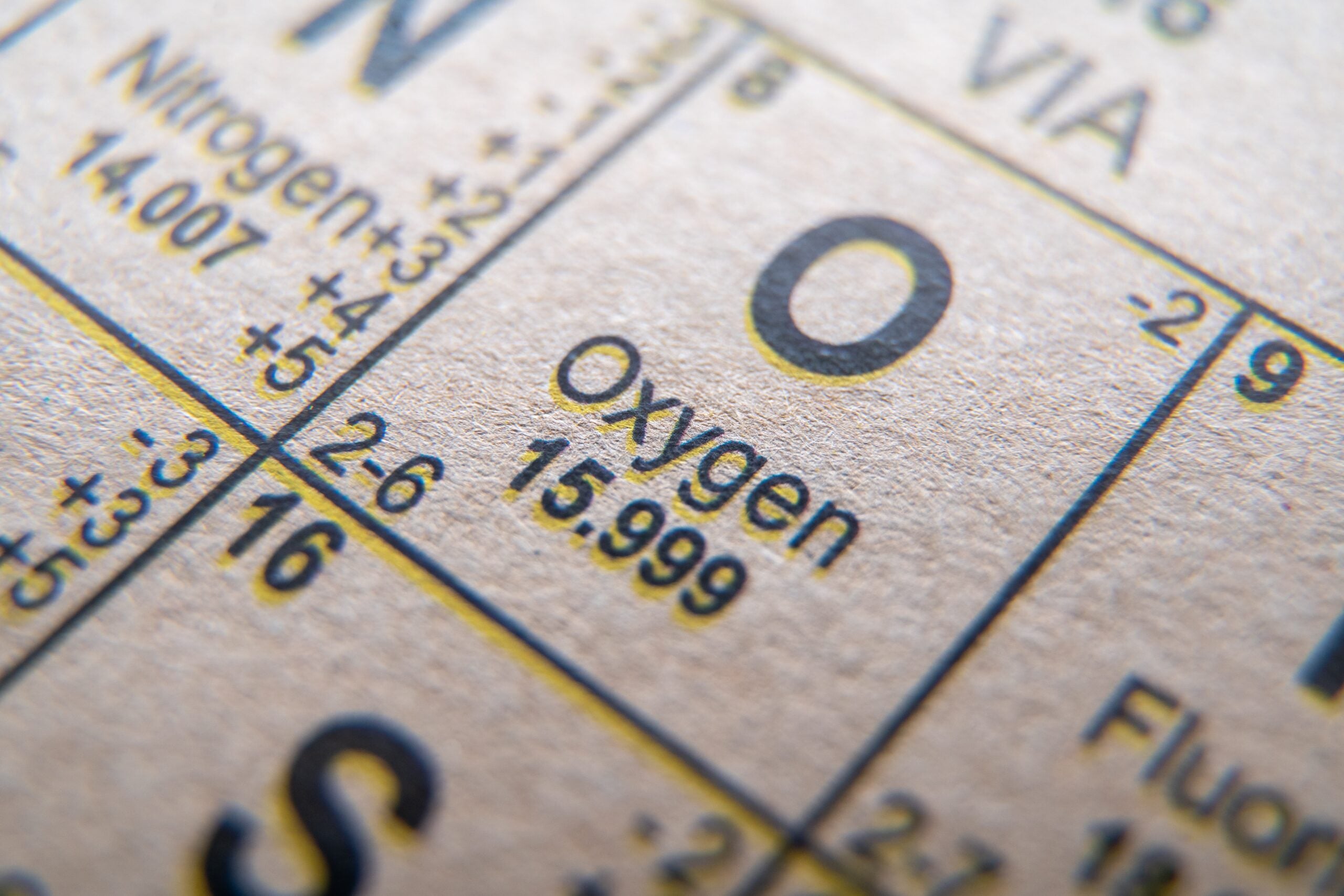
Is the Atmosphere Mostly Oxygen?
- Surprising as it sounds, the atmosphere does not consist mostly of oxygen. Most adults would answer yes without thinking about it, but the actual answer isn’t even close.
- Approximately 78 percent of Earth’s atmosphere is nitrogen. Oxygen accounts for around 21 percent, with the remaining one percent being argon, carbon dioxide, and other trace gases. This question tricks people because we think of air, and air makes us think of breathing, and breathing requires oxygen. But it’s nitrogen that makes up most of what we breathe in.
Does Water Drain in Different Directions in Different Hemispheres?
- Does water drain in different directions in different hemispheres? Most parents would confidently say yes, but the answer is not that simple. Kids start learning about Earth’s rotation and weather systems around the 5th and 6th grades, and this question tends to follow them all the way through middle school.
- The Coriolis effect does cause water to rotate counterclockwise in the Northern Hemisphere and clockwise in the Southern Hemisphere. But it operates at a much larger scale than a sink basin. It influences hurricanes and large-scale weather systems, but its impact on something as small as a drain is barely noticeable.
- What actually determines the direction water flows down your sink is the shape of the basin and whatever swirling motion was already in the water.
What Do Plants Breathe In?
- Plants inhaling CO2 and exhaling oxygen is common knowledge. But it’s not entirely true, and the whole truth is something 5th graders are expected to know.
- Plants photosynthesize when the sun shines, absorbing CO2 and giving out oxygen. But they also breathe, meaning they use oxygen and give off CO2 all day long. This also happens at night when photosynthesis does not occur, which means that during the night, plants are only consuming oxygen and releasing CO2.
- The idea that plants only take in CO2 and not oxygen is a simplification, and not the whole truth.
What Is Lightning?
- Lightning is covered in science classes throughout all stages of elementary education, but the detailed explanation of how a bolt actually forms will only come up in middle school. Most people never go back to it after that, so the answer to “what is lightning” is usually “electricity coming down from the sky.”
- Lightning is an intense release of electrical charge that builds up between clouds, or between a cloud and the Earth’s surface. A complicated sequence of events precedes the visible bolt: an almost invisible “stepped leader” descends in steps from the cloud toward the ground. This is followed by a “return stroke” that rushes upward from the surface to meet it, and that’s what we actually see.
- So, contrary to popular belief, the part of the lightning we observe is the return stroke moving upwards, not downwards, as most people would expect.
What Is the Difference Between Mass and Weight?
- Mass and weight. If you ask most adults, they’ll say these are two different words for the same thing. They aren’t.
- Mass is the amount of matter in an object. It doesn’t change regardless of where you are. Weight is the force gravity exerts on that mass, so it changes depending on your location. Your mass on the moon is identical to your mass on Earth. Your weight on the moon is about one-sixth of what it is here because the moon’s gravity is so much weaker.
- When you step on a scale, you’re measuring weight, not mass. This distinction is something 5th graders are expected to explain correctly, but it trips up a lot of adults who have used the two words interchangeably their whole lives.
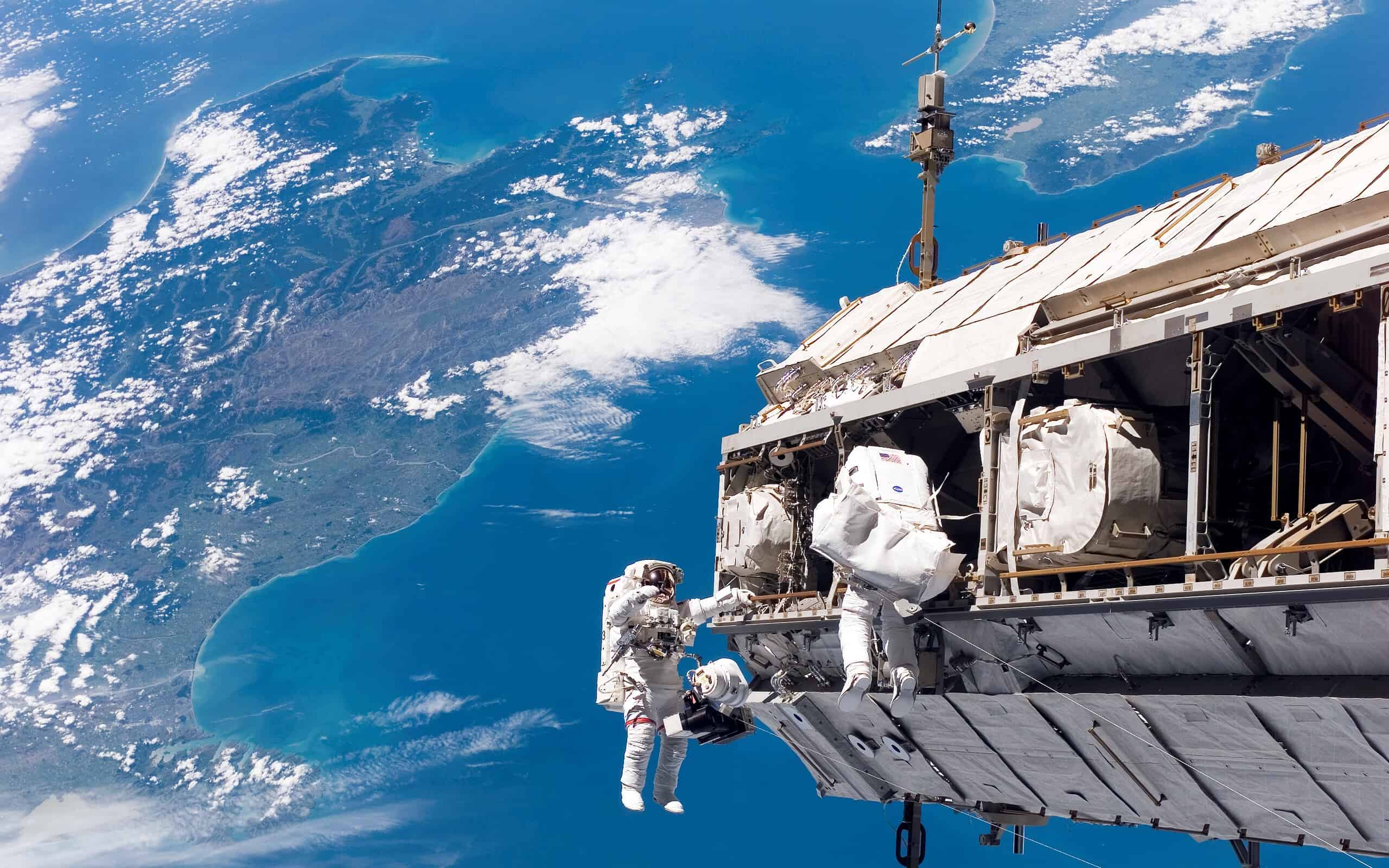
Why Do Astronauts Float on the International Space Station?
- Why do astronauts float around in the ISS? Most people would say it’s because there is no gravity up there. It seems obvious, but that’s actually not the right answer.
- The International Space Station orbits roughly 250 miles above the Earth’s surface. Gravity at that height is only about 10 percent weaker than it is here on the ground. Astronauts aren’t floating because of the absence of gravity. They’re floating because they and the station are all continuously falling around the Earth.
- The ISS also travels horizontally at about 17,500 miles per hour. As it falls, the Earth’s surface curves away beneath it at the same rate, so it keeps falling without ever hitting the ground. Everything is falling at the same speed, so nothing pushes on anything else. It’s like being inside a falling elevator for an indefinite amount of time.
What Is the Largest Organ in the Human Body?
- When asked about the largest organ in the body, the common responses range from the heart to the brain or the liver. If you picked any of these, think again.
- The skin is the largest organ in the human body. In the average adult, the skin measures up to 21 square feet in area and weighs around 15 percent of the total body weight. It’s also responsible for maintaining temperature balance in the body, acting as a physical barrier to pathogens, synthesizing Vitamin D, and housing many receptors.
- Why is it so hard for us to accept that the skin is an organ? Probably because it looks nothing like what we typically think an “organ” is. However, it is included in the curriculum, and it’s the correct answer to give in any school exam.
Does Sound Travel in Space?
- If you’ve ever watched any movies where space is depicted in any shape or form, you would rightfully assume that sound travels in space. In Star Wars, the Death Star blows up, and you can hear it loud and clear. Ships also rumble past the screen, and asteroids shatter with an impressive sound effect. Hollywood has been conditioning us to get this question wrong for years.
- Sound is essentially just vibrations that travel through a medium. However, since there is nothing in space to act as a medium through which the vibrations can travel, there will never be any sound out there. An explosion would be underwhelmingly silent. This point was made correctly back in 1979 with the Alien tagline: “In space, no one can hear you scream.”
How Did You Do?
- Well, what’s your score? If you got most of these right, you’re more prepared than you think when it comes to helping your kids with homework If some of these surprised you, don’t worry, you’re not alone. There are a lot of other parents out there who will get these wrong, and science has a way of humbling all of us.