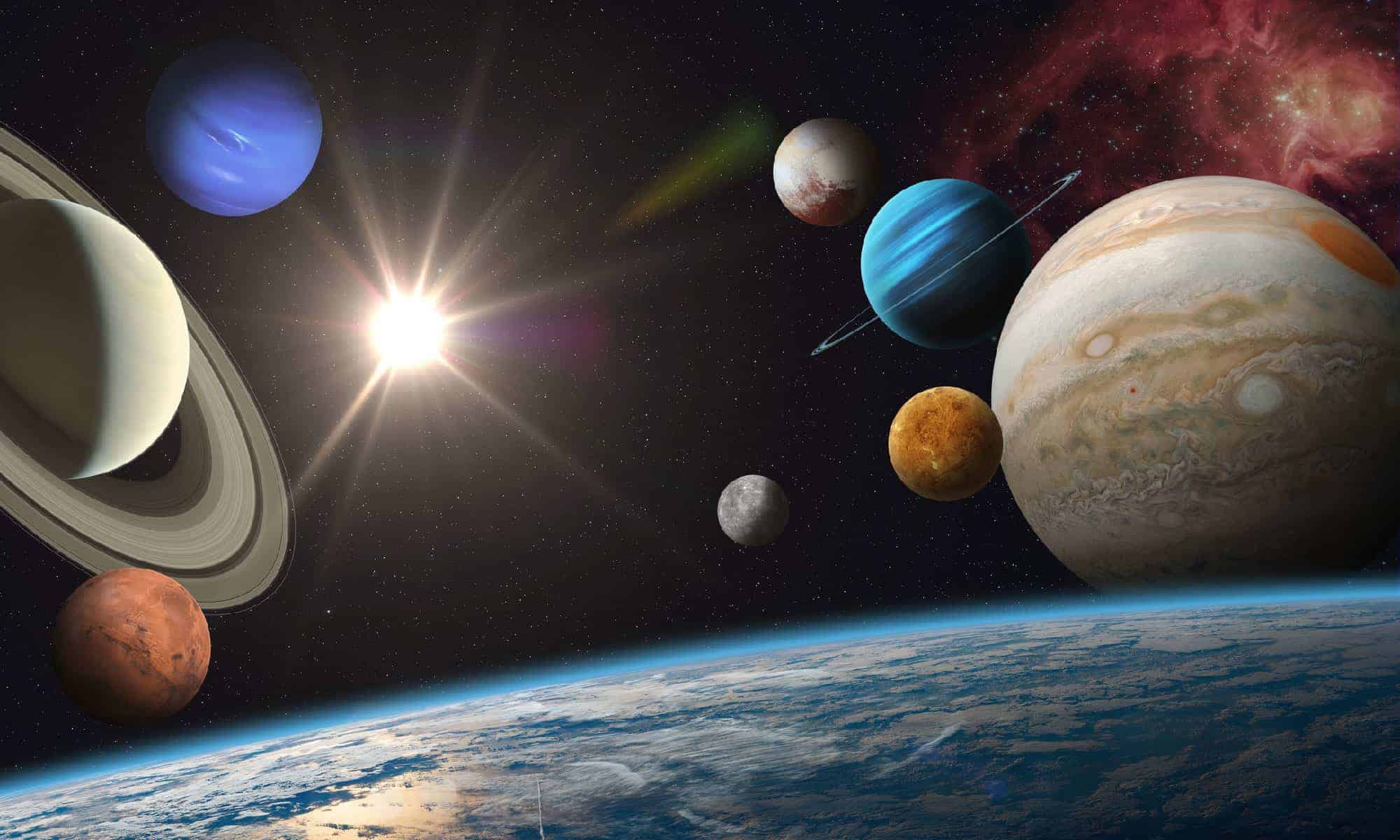
Our solar system is home to worlds that are incredibly strange compared to what we’re familiar with. While Earth is certainly remarkable, the other planets feature phenomena that could never exist on our planet, including bizarre weather, harsh landscapes, and unusual chemistry. Timing is an interesting factor, with some planets supporting storms that have raged for centuries, while others experience seasons that last longer than a human lifetime. Every planet has countless fascinating aspects, and we tried to whittle them down to the one feature that sets each world apart. Here are the strangest things about each of the eight planets in our solar system.
Mercury: It Has Ice at the Hottest End of the Solar System
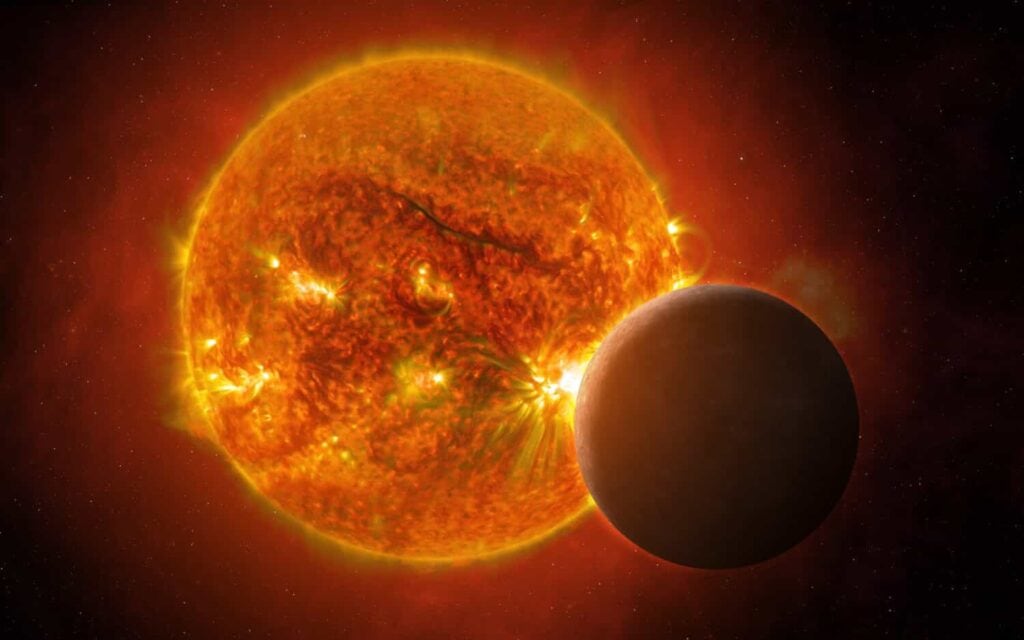
Since mercury is the closest planet to the Sun, it seems like the last place you would expect to find ice. Daytime temperatures can soar to 800°F. Despite these insanely hot temperatures, radar and spacecraft have confirmed large areas of frozen water inside deep craters near Mercury’s poles. Because these craters never come in contact with direct sunlight, they stay permanently frozen solid, despite the blistering heat everywhere else on the planet. Scientists think that some of these icy deposits could have been delivered by comets billions of years ago.
Venus: It Spins Backward
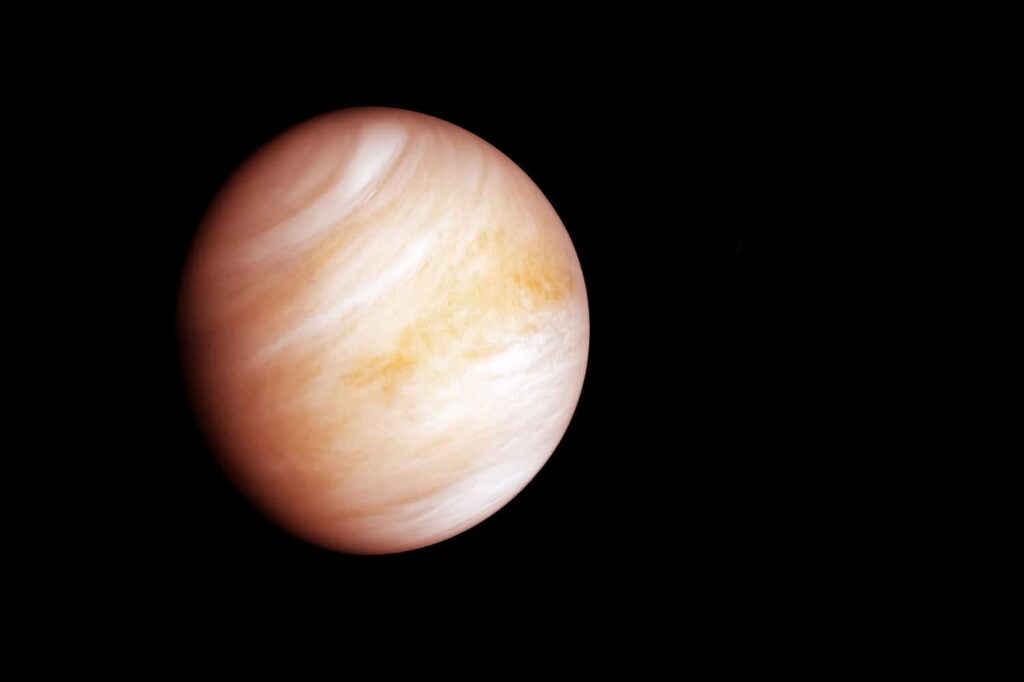
Nearly every planet rotates in the same direction, but Venus is the outlier; it rotates in the exact opposite direction. Because of this oddity, if you stood on its surface, the Sun would rise in the west and set in the east. Some scientists hypothesize that Venus once rotated in the same direction as all other planets, until a massive collision billions of years ago dramatically changed its rotation. Venus also spins incredibly slowly, taking 243 Earth days to complete one rotation. Remarkably, because of this slow, backward spin, a day on Venus is actually longer than its year!
Earth: It Is the Only Known Planet with Life
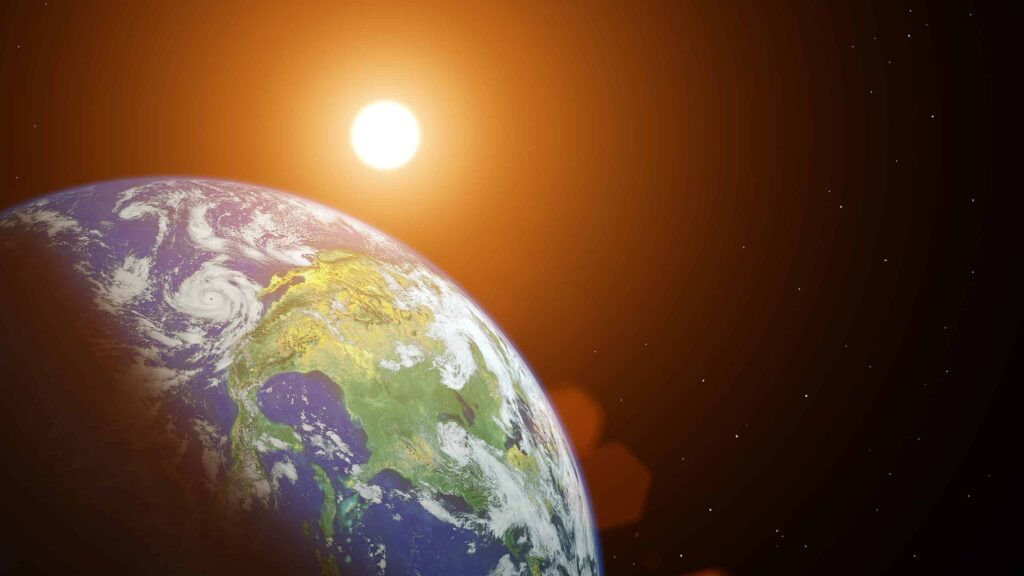
Our home planet may seem ordinary because we live here, but it is the greatest mystery in the solar system. Earth is the only world that we know to support life, whether microscopic bacteria, ordinary plant life, or enormous whales. It somehow has just the right combination of water, protective atmosphere, magnetic field, and moderate temperatures to encourage life of all kinds. Despite decades of searching, scientists haven’t yet definitively found living organisms on another planet, inside or outside of our solar system. When it comes to the stuff of life, Earth is the rarest planet we know.
Mars: It Has the Largest Volcano Ever Discovered
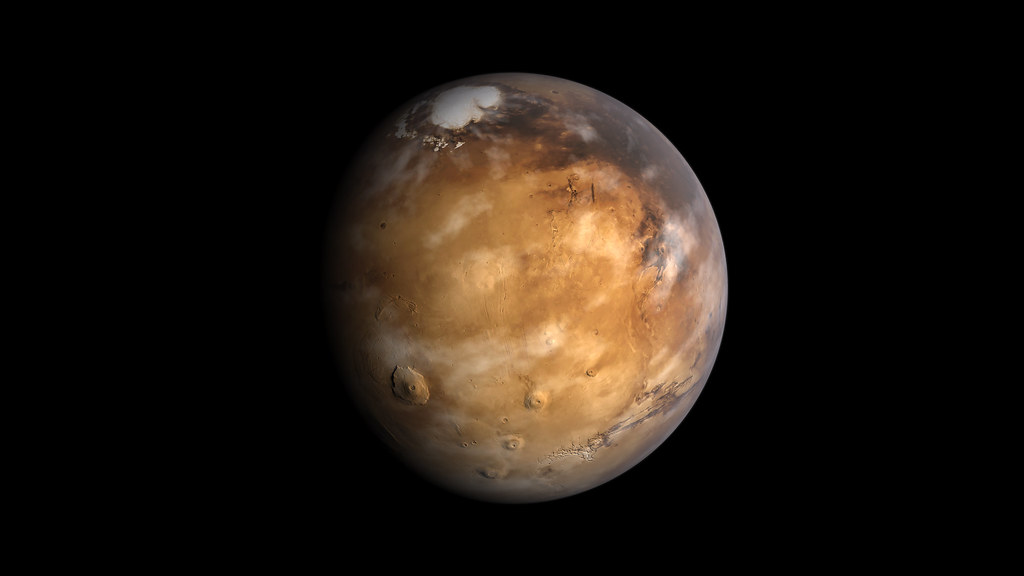
Mars is home to Olympus Mons, the largest volcano known in the solar system. It rises about 13.6 miles above the surrounding land, making it almost three times taller than Mount Everest. The volcano stretches roughly 370 miles across, which means it is essentially the size of Arizona. The reason this incredible volcano was able to grow so massive is due to Mars’ relatively weak gravity and lack of moving tectonic plates. Olympus Mons was able to increase in size for millions of years without its magma shifting away. It dwarfs any volcano found on Earth many times over.
Jupiter: It Has a Storm Bigger Than Earth
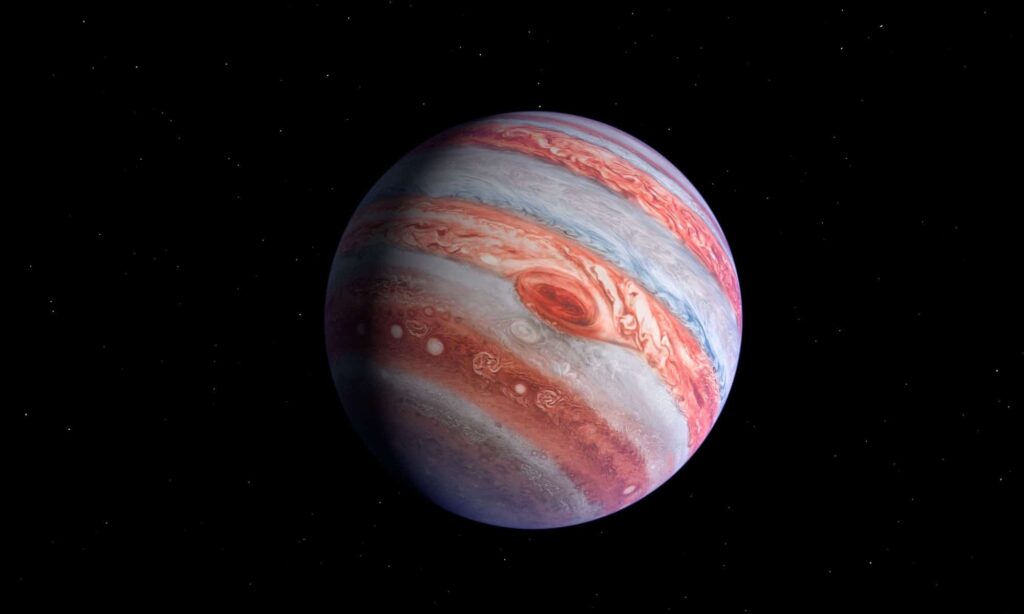
Jupiter’s Great Red Spot is one of the most famous weather systems in the solar system. This enormous storm has been raging for at least 190 years, and possibly more than 350 years. The extreme weather event is so large that Earth could easily fit inside it. Though this famous storm has been gradually shrinking over time, it remains beyond huge. Winds can exceed 400 miles per hour. No hurricane or tornado on Earth comes close to matching its size, strength, or length of time active.
Saturn: It Has a Giant Hexagon at Its North Pole
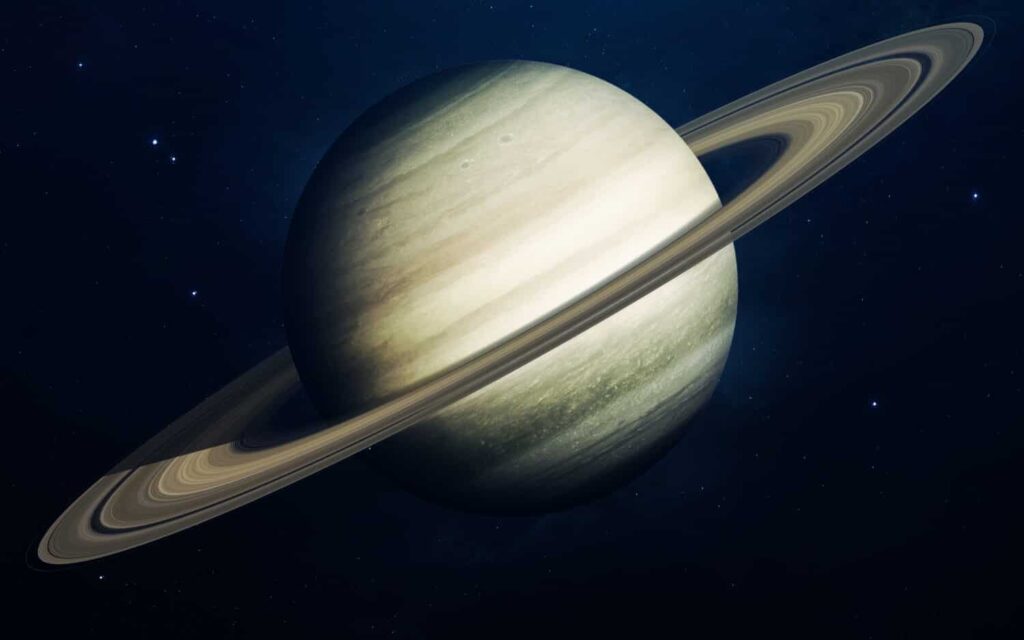
Though not as well-known as the Great Red Spot of Jupiter, Saturn has perhaps the strangest weather pattern ever observed: a massive six-sided jet stream. The hexagon-shaped event stretches about 20,000 miles across, making each side longer than Earth’s diameter! Throughout decades of study, the shape has stayed remarkably stable, as it rotates with the planet. Astronomers believe interacting high-speed winds create the unusual weather phenomenon, though they still cannot explain why or how it forms a perfect hexagon. No similar atmospheric feature has been found on Earth, nor anywhere else in the solar system.
Uranus: It Rolls Around the Sun on Its Side
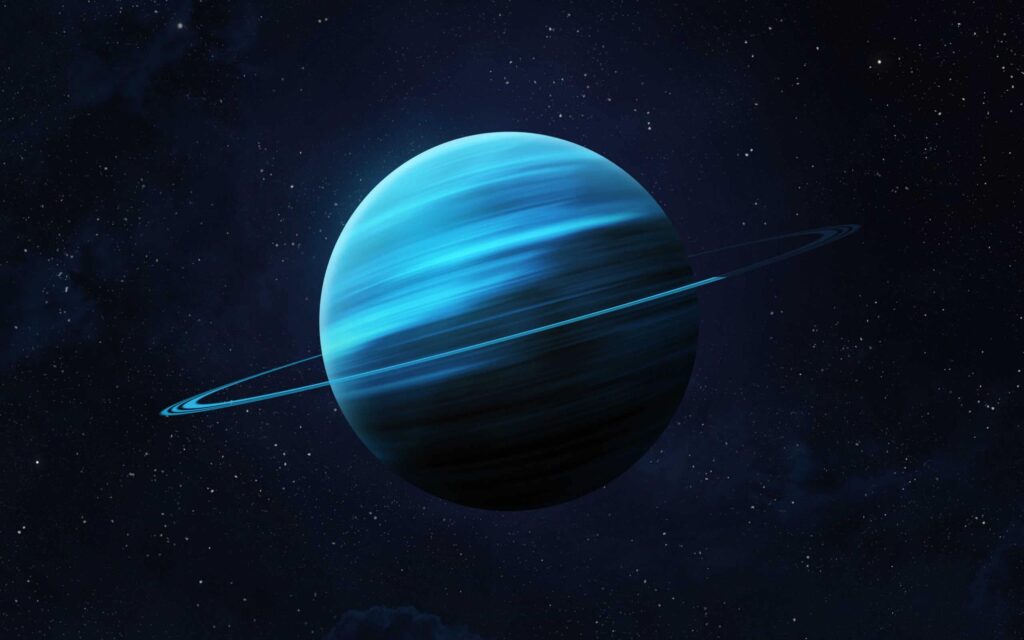
Every other planet spins with its poles pointing roughly up and down. Uranus, however, is tilted by close to 98 degrees, causing it to rotate almost completely on its side. Similar to Venus’ odd movement, scientists think a giant collision early in its history “knocked” it over. Regardless of how it came to be, this extreme tilt creates bizarre seasons that last more than 20 Earth years each. (And we think winter on Earth is difficult to get through!) For long periods of time, one pole points almost directly at the Sun while the other stays in total darkness.
Neptune: It Has the Fastest Winds in the Solar System
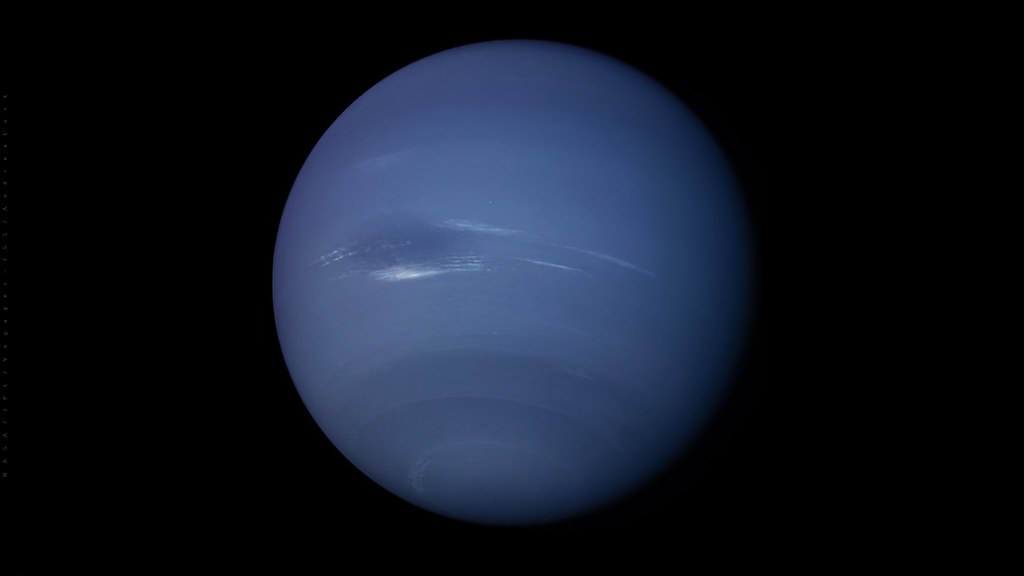
Neptune is incredibly cold and receives very little sunlight. However, it is notable for experiencing the fastest winds ever measured on any planet. Some gusts reach an unimaginable 1,200 miles per hour. This astonishing speed is faster than sound can travel at sea level on Earth. Because the sun is instrumental in many weather events, scientists are still trying to figure out how such violent weather develops so far from the Sun. Neptune is one of the most mysterious planets in the solar system.