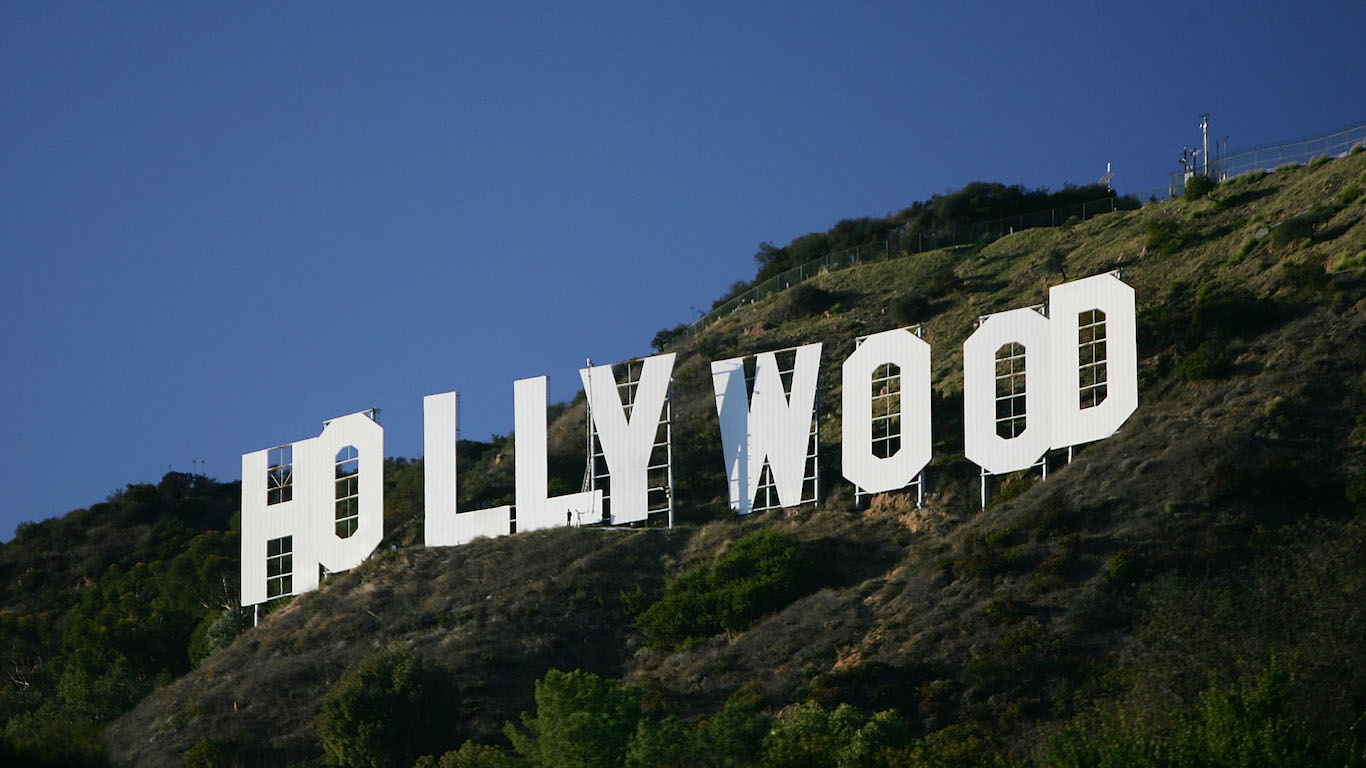
Wildfire season has begun across Southern California, with Los Angeles and its film industry directly affected. The Juniper Fire, which ignited in late June 2025, has brought filming and the lives of so many to a halt, given multiple evacuation orders in these hot and dry regions.
Ever since this blaze began, studios have been forced to accelerate contingency plans, such as moving productions indoors, deploying virtual sets, or, worst-case scenario, pulling the plug entirely. The economic toll is now measured in the tens of millions of dollars, with ripple effects spreading through industry unions, streaming schedules, and even California’s overall GDP.
As the Juniper Fire and Wolf Fire grow in earnest, 247 Tempo investigates how the past month’s wildfires have shaken Hollywood’s infrastructure and economy. We’ll utilize reports from Deadline, The Hollywood Reporter, LA Times, and CAL FIRE for answers.
Juniper Fire: An Overview

The Juniper Fire, which erupted on June 30th, 2025, burned through hundreds of acres near Perris and remained an active threat as winds shifted. Several indie film shoots in Riverside County were halted, with gear evacuated under emergency order. While currently 95% contained, evacuations were widespread; cancellations and rental delays triggered ripple effects throughout the local economy.
Wolf Fire Shuts Down Set Routes

The Wolf Fire, which began just before the Juniper Fire on June 29, 2025, and is also in Riverside County (specifically near Banning), spread rapidly across 2,400 acres. With containment under 40% as of early July, estimated economic losses are likely to exceed $2 million across the region’s creative industries.
Studios Evacuate in Real Time

Major studio properties, including parts of Warner Bros. and smaller independent sound stages in Burbank and North Hollywood, are put on high alert during wildfire season. Evacuation drills turned into actual evacuations in several cases, disrupting post-production workflows. Crews scramble to secure footage, equipment, and physical assets, but it’s become an unfortunate part of production.
Outdoor Filming Crippled by Smoke

Dozens of location shoots across the LA metro area were postponed or are currently canceled due to unhealthy air quality. Any productions that rely on natural light and outdoor sets find themselves scrambling for indoor alternatives that meet union standards of safety. While vital, this situation adds thousands in unexpected costs per production.
Insurance Rates Spike Again

Following this season’s disruptions, film insurance premiums have spiked even further. Insurers now treat wildfire season as a ‘high-risk window,’ with policies that carry fire-specific clauses and exclusions. For low-to-mid-budget productions, this can be a dealbreaker. Even larger studios are beginning to question the sustainability of California-based filming, turning to other regions for more affordable options.
Hollywood Responds With Fire-Proofing Measures

In response to the past month’s wildfires, studios including NBCUniversal and Paramount have fast-tracked multiple fireproofing upgrades. New policies include reinforced storage vaults, on-site emergency water supplies, and upgraded evacuation routes. City grants and insurance incentives are being used to retrofit vulnerable properties, with safety and preservation top priorities.
Studios Double Down on Digital Sets

Virtual production using LED walls and green screens saw a spike this month as studios scrambled to pivot away from outdoor scenes. Disney, Netflix, and Amazon are some notable brands shifting scenes indoors to avoid fire disruptions. The Juniper Fire reinforces the need for adaptable, indoor filming environments.
Post-Production Delays Mount

Unfortunately, even post-production hubs haven’t been spared this season. Power outages and air quality alerts slowed down editing bays in Burbank and Hollywood Hills. Animators, VFX teams, and audio engineers had to work from home or pause operations entirely. Multiple shows saw delays in delivery due to these setbacks, including streaming services.
Streaming Schedules Thrown Off

Delays in filming and post-production have disrupted content delivery timelines for major streamers. Episodes of summer premieres were pushed back, with networks having to reshuffle marketing campaigns and air dates. The ripple effect could stretch well into the fall television season, but only time will tell how quickly some shows and networks recover.
Union Safety Protections Triggered
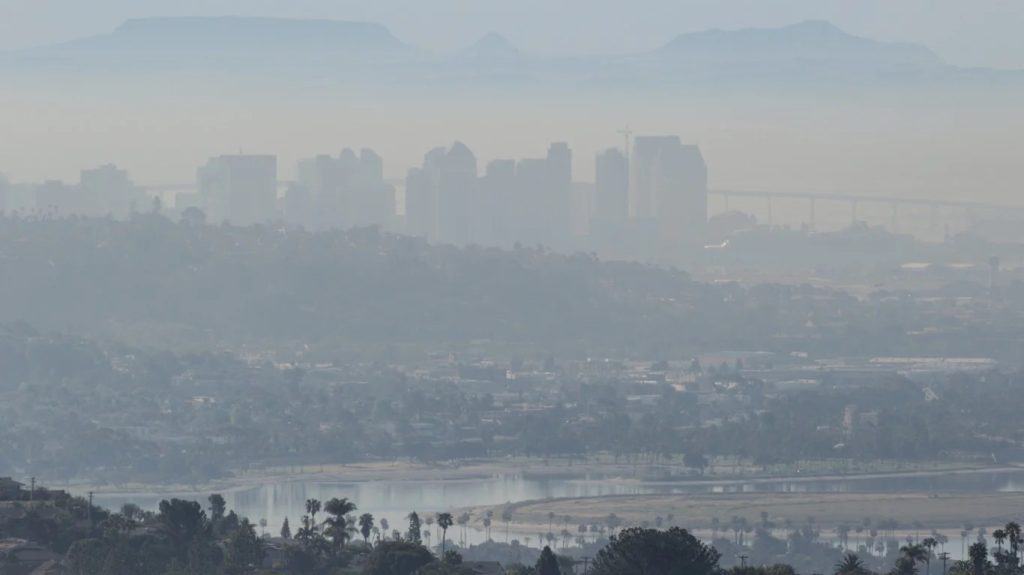
Fire season activated safety protocols negotiated by entertainment unions. And it wasn’t just active fires they were on the lookout for; on multiple sets, union reps called for early shutdowns due to high temperatures and particulate matter levels. Workers were entitled to hazard pay and adjusted schedules because of their union rights.
Hollywood Faces an Uncertain Future

This past month was a harsh reminder that fire season is no longer an outlier. For the majority of the West Coast, especially Southern California, it’s the new reality. Industry leaders are now meeting to develop long-term wildfire mitigation strategies, including decentralizing LA-based production hubs. However, without major adaptation and swift action, fire seasons will continue to affect Hollywood for years to come.