
You may find it difficult to believe that a movie billing itself as a family adventure turned into one of Hollywood’s most perilous productions. However, that’s exactly what happened in Roar, a 1981 film directed by Noel Marshall. Starring Marshall himself, Roar was intended to be a heartfelt film about big cats.
Instead, it became a nightmarish saga, all caught on camera.
More than 150 untrained lions, tigers, jaguars, and leopards were used in the film, with no animal handlers present on set. Unprofessional approaches led to a staggering number of on-set injuries and psychological trauma. At one point, it was estimated that 70% of the cast and crew had been injured during production. But what exactly happened on the set of this Hollywood
Today, 247 Tempo chronicles the unbelievable tragedy of what happened on the set of Roar. Drawing from interviews, production notes, contemporary reports, and investigations from The Hollywood Reporter, The Guardian, and the documentary Roar: The Most Dangerous Movie Ever Made, each slide reveals the catastrophes that defined this ill-fated film.
Foundational Issues Behind Roar
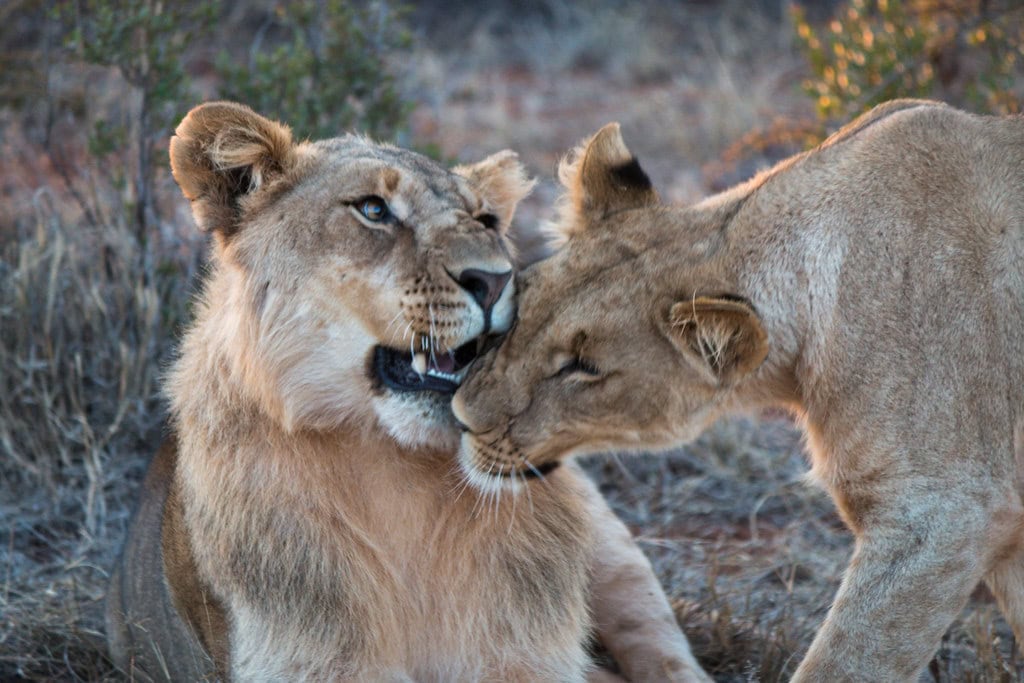
Roar was a passion project by Noel Marshall that featured over 150 wild animals, many of which were large, untrained predators. Yes, they were, in fact, untrained; however, they were living alongside the Marshall family. This was something Noel Marshall assumed would be useful, given his starring role in the film. However, no professional handlers were ever on set.
A Family Affair: the Cast of Roar

Marshall cast himself, his wife Tippi Hedren, and his stepdaughter Melanie Griffith in the film, believing the family bond would translate to screen chemistry. Before filming, Marshall and Hedren reportedly raised many of the animals in their house in Sherman Oaks, leading to countless dangerous incidents even before the cameras rolled.
Injuries Were a Daily Reality

It’s estimated that more than 70% of the cast and crew suffered injuries during filming. These included broken bones, deep lacerations, partial scalpings, and multiple infections caused by animal bites. Griffith nearly lost her eye and required plastic surgery after a lion mauling incident, and some scenes in the final cut show real blood.
The Scalping of Jan de Bont

Dutch cinematographer Jan de Bont was nearly killed when a lion tore off his scalp. He required an estimated 220 stitches to close the wound… and that didn’t stop him from returning to the film. De Bont later became known for directing Speed and Twister, but Roar is undeniably the most terrifying experience of his career.
The Budget Spiraled Out of Control

Originally intended to cost around $2 million, the budget ballooned to $17 million over 11 years. Floods, wildfires, and injuries caused frequent delays, but Marshall refused to abandon the project. Investors pulled out, and the family mortgaged their properties to keep filming.
Unscripted Chaos Became the Film

Many of the film’s scenes are not scripted performances but actual footage of animal attacks. In one scene, lions drag actors across the floor; in another, Hedren narrowly escapes being crushed. These real events were astonishingly edited into the final product, making this film a haunting reminder of how dangerous passion projects can become.
Psychological Toll on the Cast
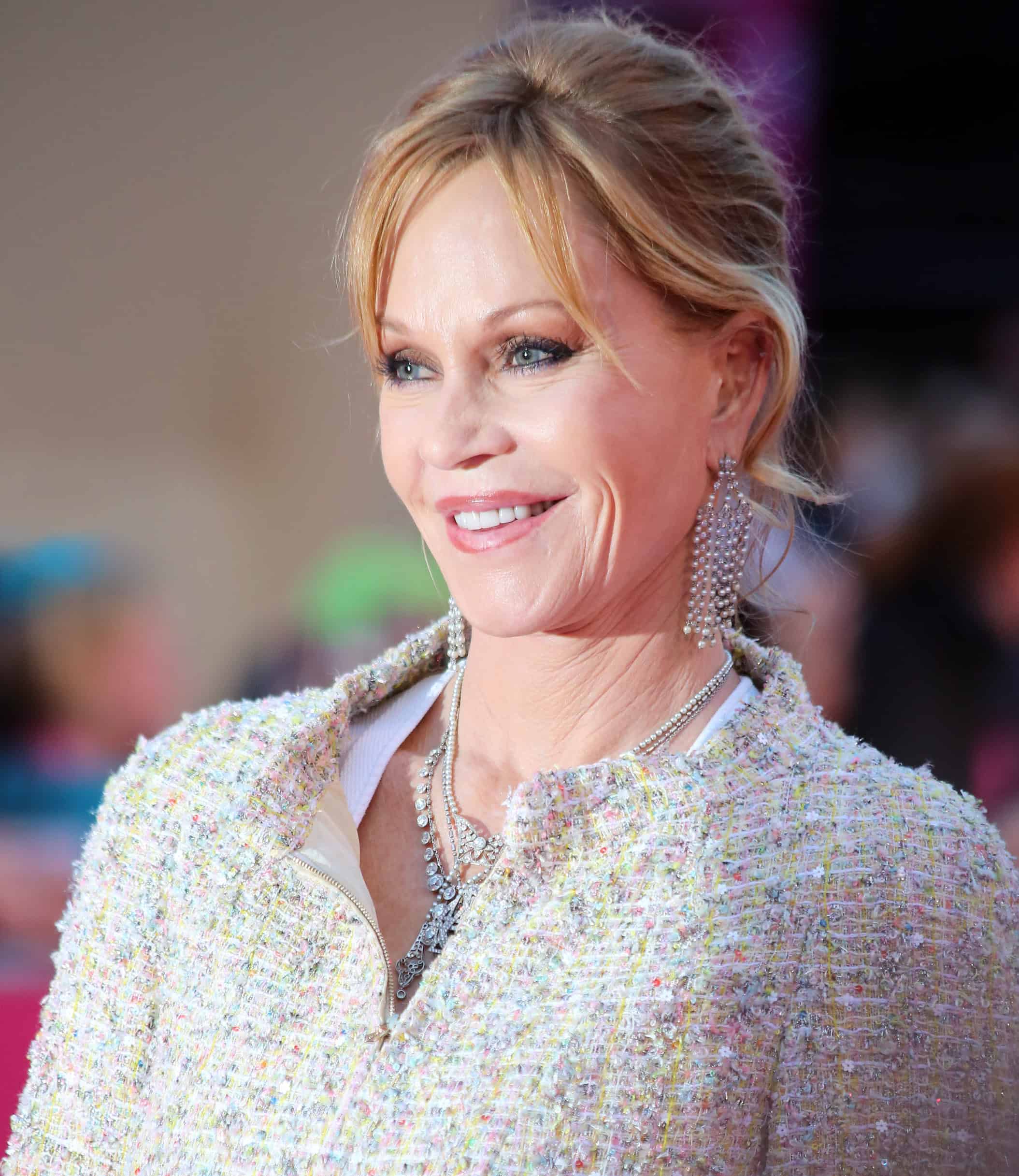
Melanie Griffith later admitted the film left her traumatized and terrified of big cats for years. Tippi Hedren also documented long-term psychological effects, despite her continued advocacy for animal welfare. Noel Marshall’s obsession reportedly strained relationships and pushed his family to their limits.
Animals Turned on Each Other Too
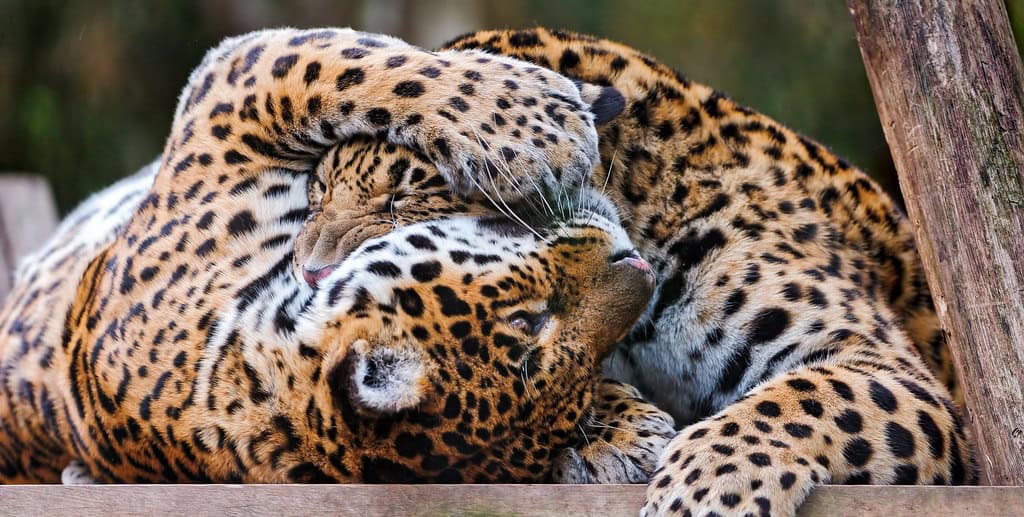
The danger extended to the animals themselves, many of which were housed together against expert advice. Fights broke out regularly, leading to severe injuries and inhumane deaths among the cats.
No Insurance Would Cover It

Due to the inherent dangers, no production insurance company would underwrite Roar. This left the cast and crew entirely exposed to liability and medical expenses. Reports suggest multiple injured workers were left to pay for their own treatment.
A Flood Nearly Drowned the Set

An apparent flood in 1978 destroyed much of the set, leading to further delays and budget issues. The property damage was extensive, and animals perished alongside set pieces. However, rather than stop the film, Marshall rebuilt everything, digging himself deeper into debt.
Fire Struck Next
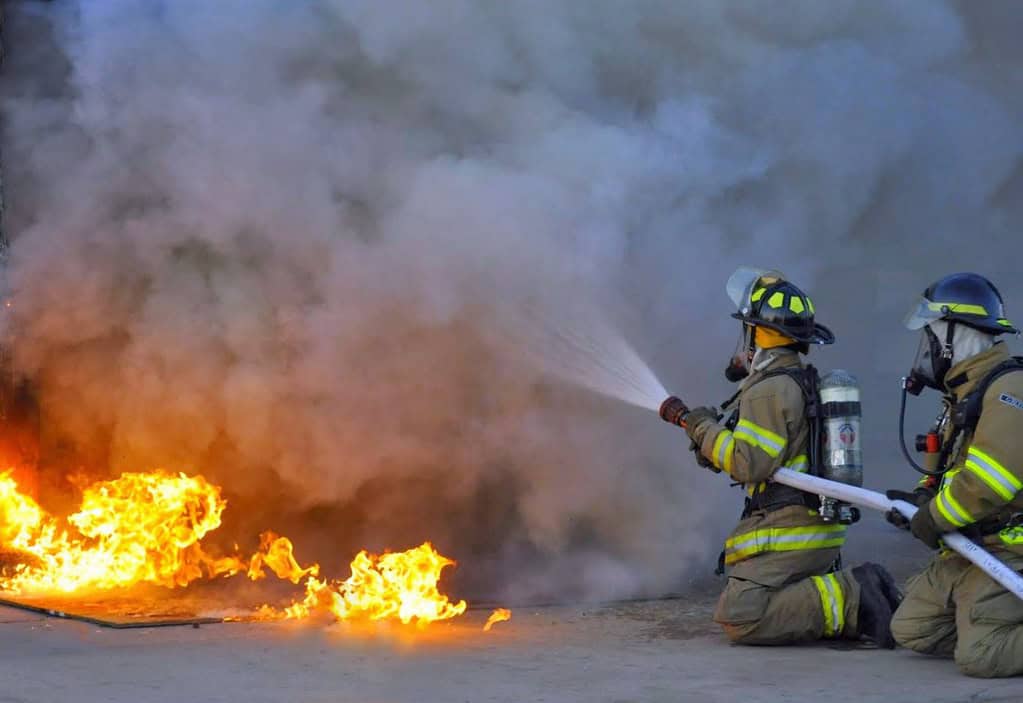
Not long after the flood, a fire consumed part of the property and injured multiple animals. It was yet another devastating blow to the already doomed project. Still, Marshall pressed on. Reaching $17 million, Roar crept across the finish line. Regardless of how it did in the box office, actors and production crew likely breathed sighs of relief when it was over.
Roar Finally Premiered in 1981

After over a decade in production, Roar was finally released in 1981, but only in a limited theatrical run, given its violence and delays. It made back less than $2 million of its overall budget. Following this, the film disappeared for decades before resurfacing as a cult curiosity.
A Cautionary Tale in Filmmaking
Roar remains a chilling reminder of what can happen in Hollywood; accidents and mistakes (as well as pure negligence) still exist within this industry. Despite its noble intent, the execution of Roar was misguided, at best, and the ‘most dangerous ever made,’ at worst.