
RB / Redferns via Getty Images
Rob Loud / Getty Images Entertainment via Getty Images
Timothy Norris / Getty Images for Live Nation


dwphotos / iStock via Getty Images

otto norin / Shutterstock.com










Extreme Weather Forces Steve Miller to Call Off An Entire Tour. Are More Artists Next?
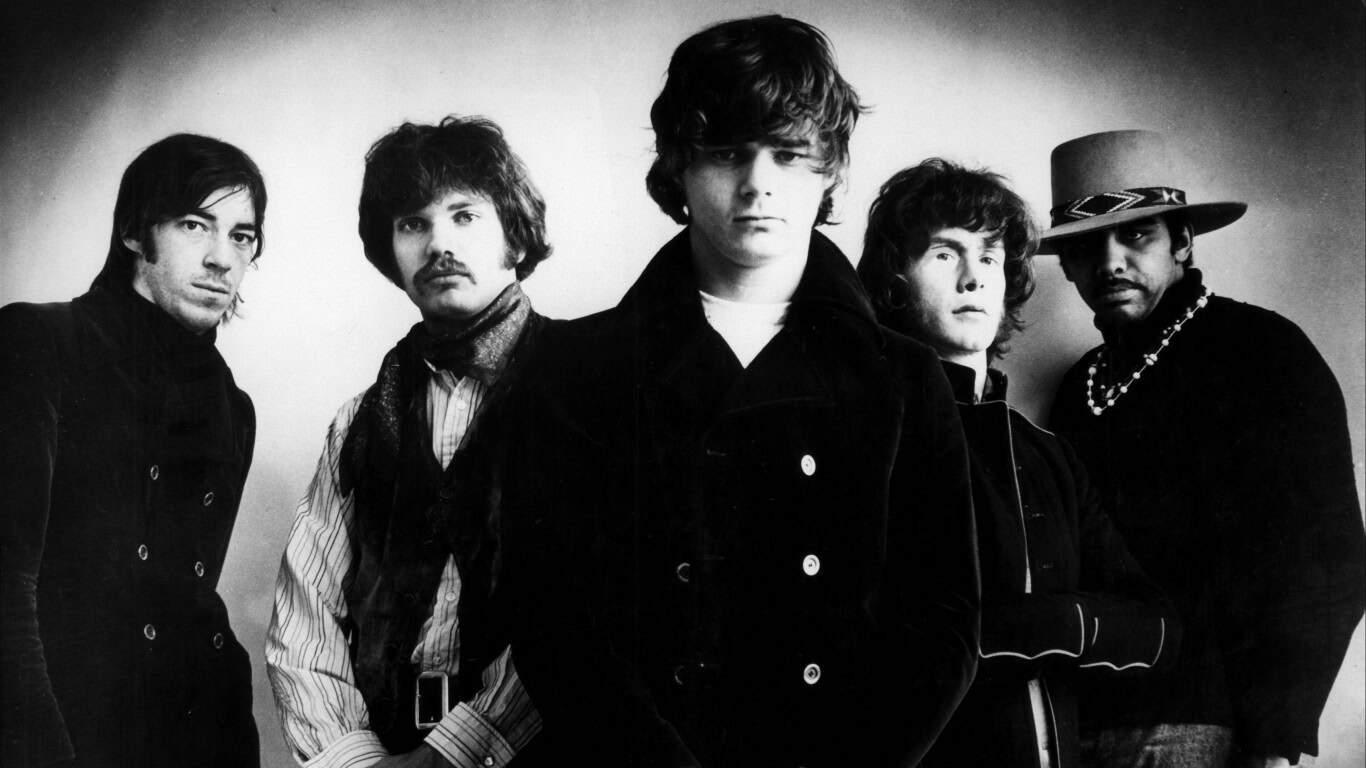
Touring musicians have always dealt with the occasional rescheduled gig, but a complete cancellation of a national tour due to environmental conditions is virtually unheard of. However, that changed in July 2025 when the Steve Miller Band announced they were calling off their entire North American tour, citing extreme weather threats as the primary reason.
While weather has impacted shows in the past, this marks the first time a major artist has explicitly pointed to our changing climate as a reason to cancel. Fans are left stunned, disappointed, and heatedly discussing what might be changing across the music industry, all because of worsening global weather patterns.
247 Tempo compiled a list of artists whose tours or major performances were cancelled due to weather events. We also included forward-looking insights into how climate change is poised to reshape the touring landscape, whether it be through cancellations or virtual experiences. Sources used in the creation of this article include Entertainment Weekly, Vulture, the Associated Press, and The Star Tribune.
Steve Miller Band Cancels 2025 Tour
Steve Miller and the band cited extreme heat, flooding, tornadoes, hurricanes, and forest fires as unsafe conditions for touring. They described the risks as "unacceptable" for their audience, crew, and themselves. With 31 dates from August to November scrapped, refunds are underway; Steve Miller expressed hope for future performances, but ultimately left the conversation with a final, "blame it on the weather."
Speaking of the weather, here are other concerts and performances that have been cancelled due to weather-related events.
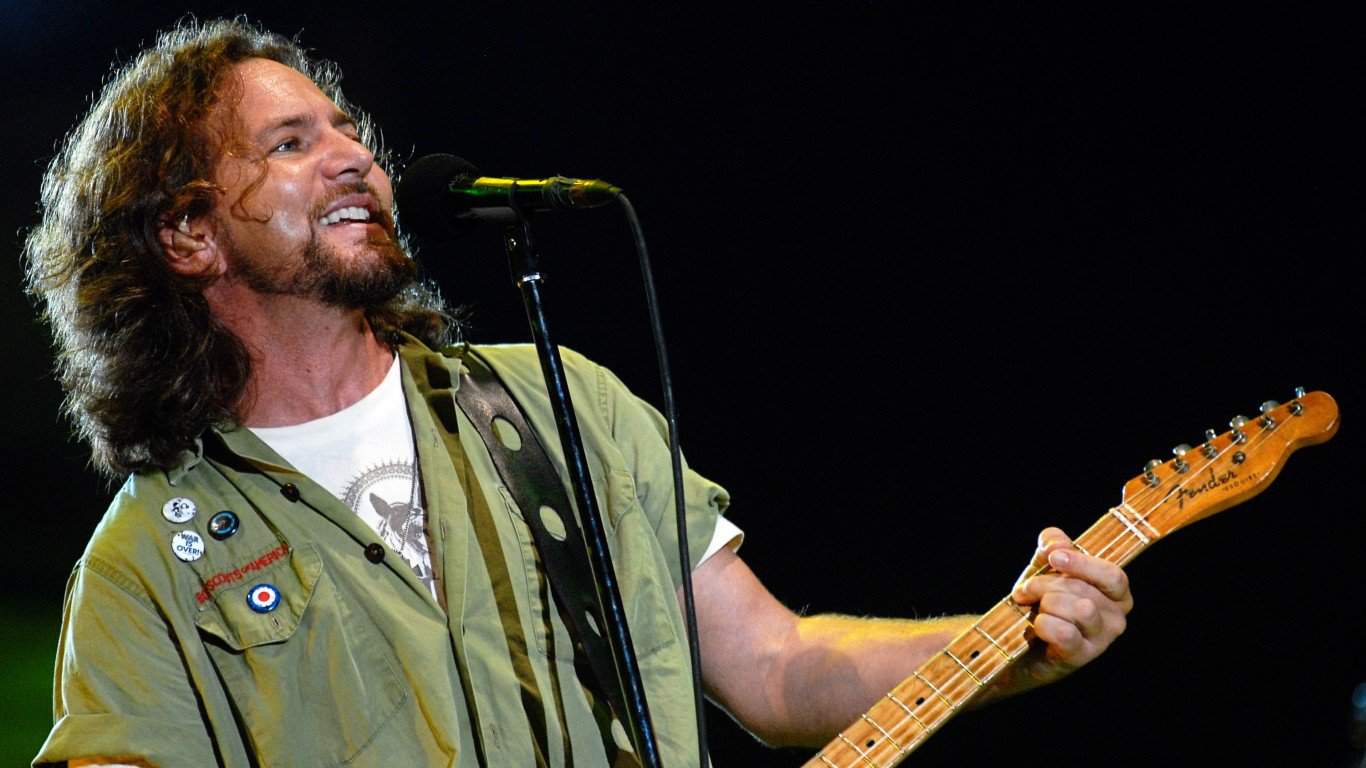
Pearl Jam Tornado Interruption (2007)
During their 2007 European tour, Pearl Jam had a show canceled when a tornado struck the festival in Italy. The sudden and severe weather forced the evacuation of the entire amphitheater and surrounding area. The band rescheduled some dates, but safety concerns reshaped their entire tour and route.
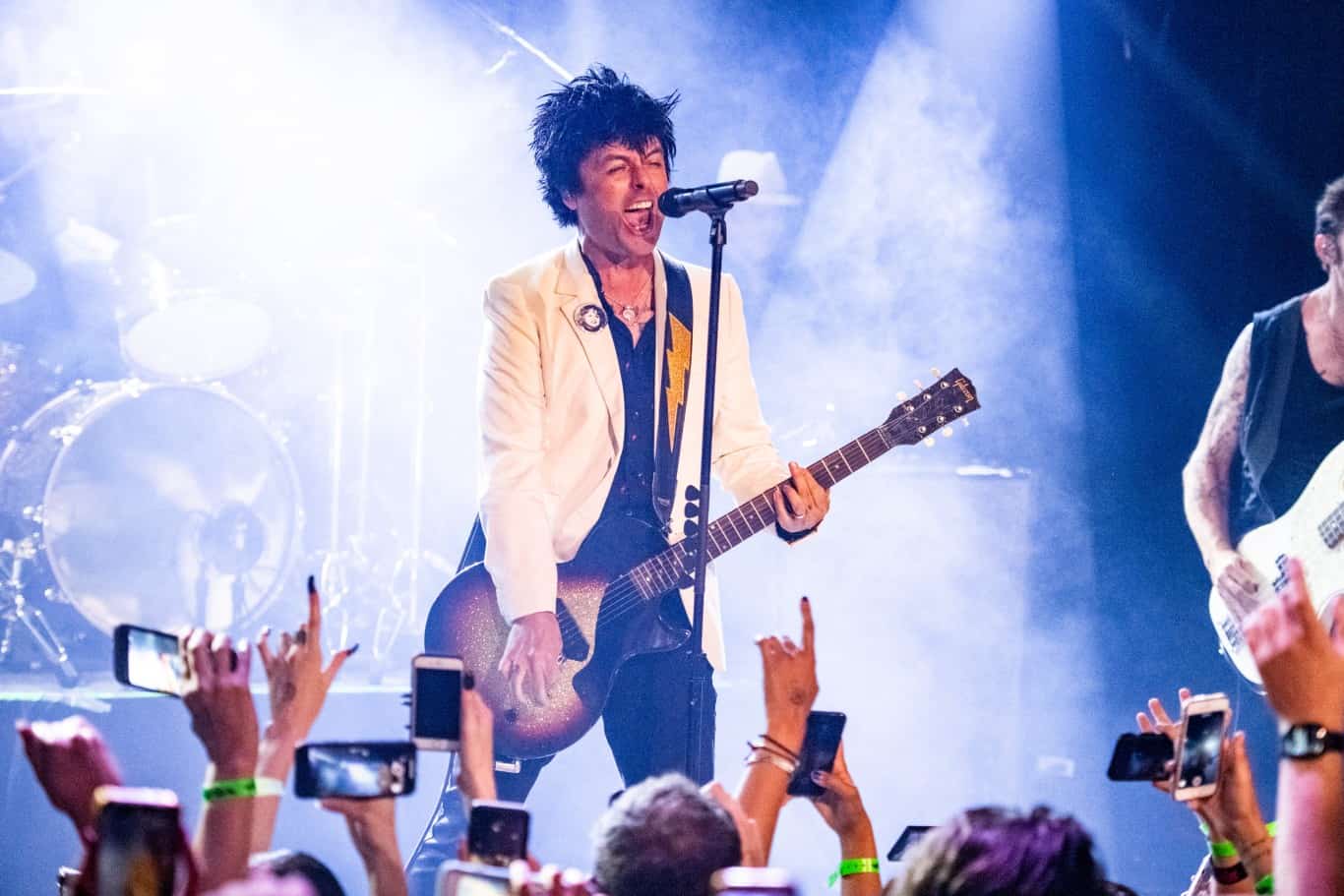
Green Day, Glasgow Rainout (2017)
In 2017, Green Day's show at Glasgow's Bellahouston Park was cancelled shortly before doors opened due to unsafe stage conditions. The band had performed earlier in harsh weather across Europe, but safety officials at this particular venue deemed it too risky for the audience and crew. Fans received refunds, but expressed disappointment at missing a rare live show from this American band.
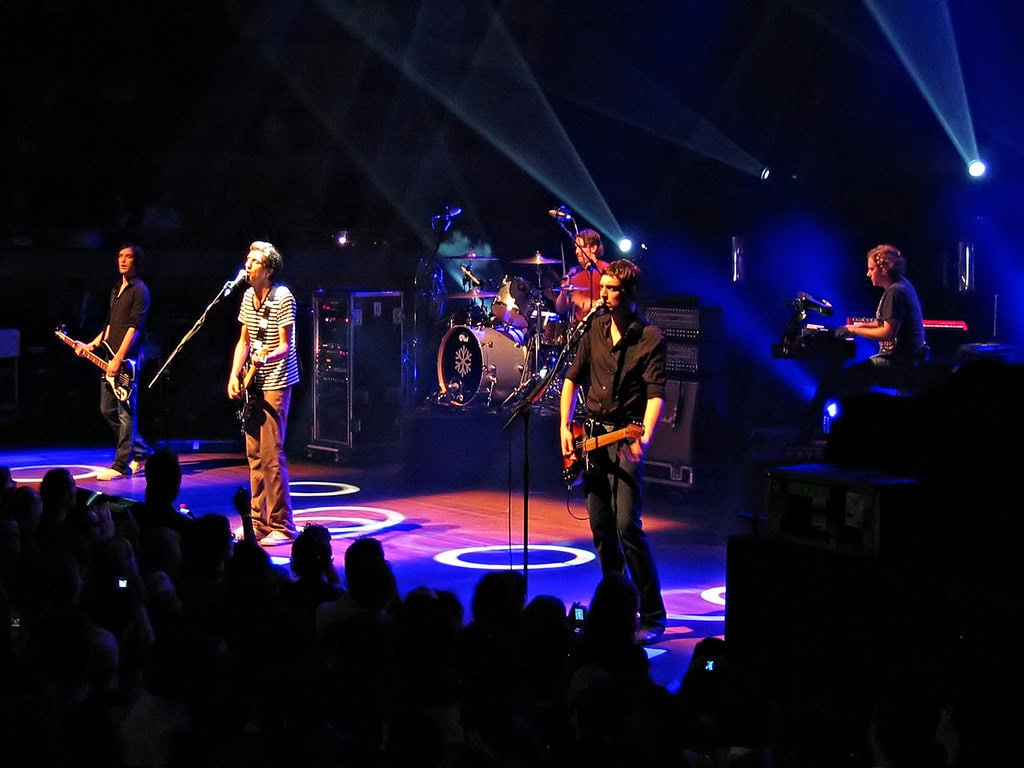
Snow Patrol Hurricanes (2004)
Snow Patrol canceled two dates in North America due to Hurricane Frances in September 2004. Heavy storms forced the band to skip shows specifically in Fort Lauderdale and St. Petersburg. The disruptions forced logistical reassessments mid-tour, with the band attempting to circle back to these two cities.
Hurricane Festival Storm Pullout (2006)
Germany's aptly-named Hurricane Festival was abandoned mid-way in 2006 when winds topped 55 mph and heavy rain flooded stages. Equipment was damaged beyond repair, and the event was suspended for safety. Thousands of campers were evacuated as organizers scrambled to keep people out of danger, and it's since become a case study in outdoor event risk mitigation.
Cruel World Fest Lightning Evacuation (2023)
California's Cruel World Festival was abruptly halted when lightning struck near the Rose Bowl in May 2023. The crowd was evacuated mid-performance, though headliners later returned to complete the show. However, organizers called it off initially, but resumed the next day, much to the relief of every ticket holder.
Bonnaroo Rain Shutdown (2025)
In June 2025, the iconic festival known as Bonnaroo was completely cancelled due to heavy rain and flooding, creating safety issues on-site. Attendees consistently slipped, fell, and organizers canceled early sets in order to shelter audiences. The first day of the festival was postponed, but the storm only grew worse, forcing the entire event to shut down. This isn't the first time this has happened in Bonnaroo's recent history, either; it closed shop in 2021 due to flooding, too.
Rock the Country Heat Illness (2025)
At Kentucky's recent Rock the Country 2025, extreme heat hospitalized hundreds of concertgoers, with many attendees dropping as soon as they entered the venue. Medics responded to multiple cases of heatstroke, dehydration, and fainting, with patient estimates in the 500s. Organizers issued heat advisories mid‑show, yet the show went on, raising questions about the event's safety standards.
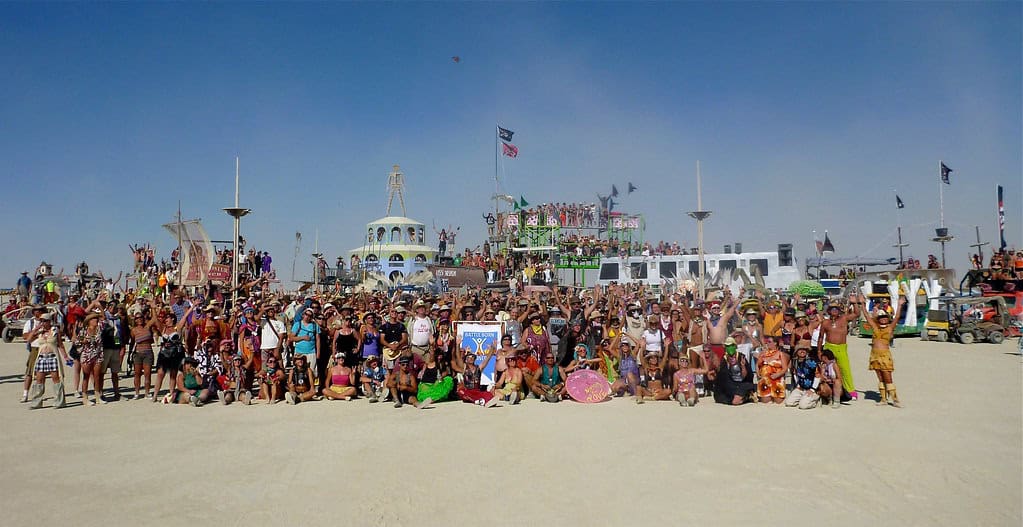
Burning Man Muddied Out (2023)
Burning Man faced road closures in 2023 after heavy rain turned the desert into mud. Tens of thousands were stranded at the venue, with damaged campsites and plenty of canceled performances. It represents an extreme example of climate volatility disrupting a massive gathering, with Burning Man's overall infrastructure especially vulnerable to the unexpected weather.
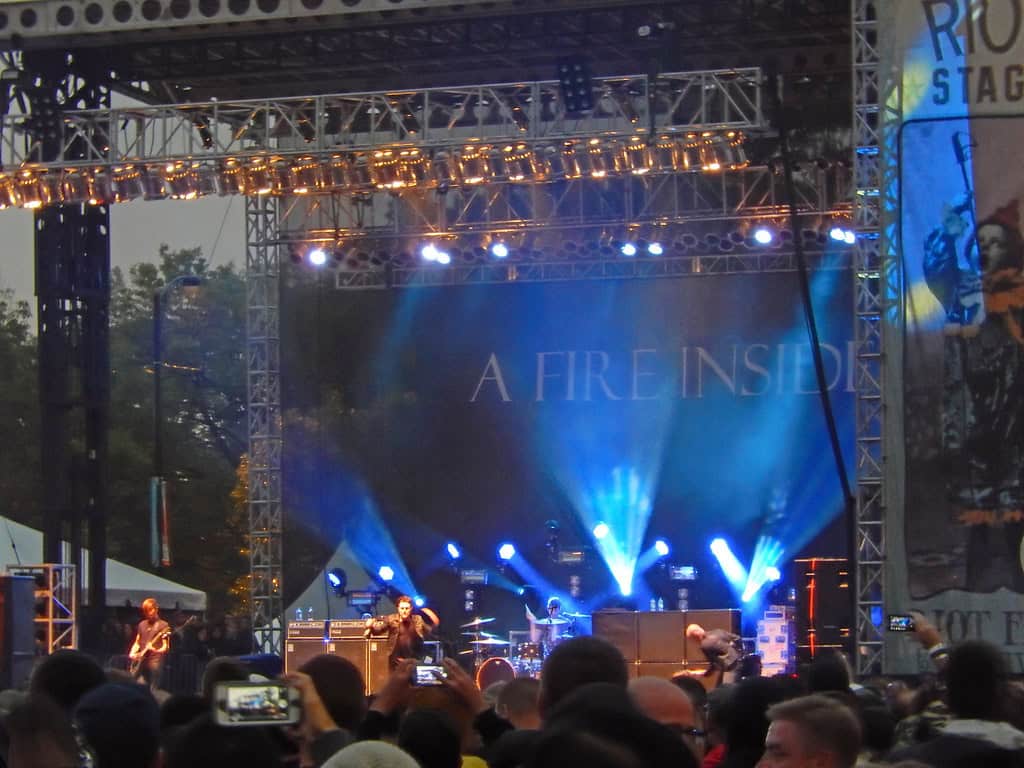
Riot Fest Early Shutdown (2012)
Chicago's Riot Fest in 2012 was stopped early due to severe and out-of-season storms. Organizers canceled several acts and evacuated the grounds, ultimately shutting the festival down early. Some acts returned and resumed their performances the following year, but fans admit their trust in the event was shaken.
Festival Cancel Culture & Our Changing Climate
These music event cancellations are far from isolated; they reflect a broader shift in our climate and weather. Tours and touring artists face rising unpredictability from heat domes, storms, and wildfires, with the live music industry as a whole becoming a climate liability.
Climate's Threat to Touring Futures
As average global temperatures climb, outdoor concerts become riskier and far more expensive. Insurance costs are rising, and venues now demand weather clauses from their performers in case of emergency cancellations. Tour routing will likely avoid hurricane seasons and heat hotspots, and bands may lean more on indoor venues and virtual platforms to sustain their tours.
Adaptations in Live Music
Early adaptations are beginning to invade the live music scene. Some of these methods include delaying concerts, investing in shade structures, water stations, and cooling systems across venues. Some festivals now offer "heat relief zones" and real-time alerts for when the weather turns. Virtual and hybrid concerts are also growing as backup options, but nothing will ever beat the experience of a live show seen in person.
Is This Just the Beginning?
The Steve Miller Band may be the first to call out climate change by name, but other performers and musical acts will follow. Audiences and artists alike must brace for more cancellations as climate volatility persists. Touring is evolving; what we see now may be just the opening act in a long, persistent battle with climate change.