©
© TommyBrison/Shutterstock.com
© Wangkun Jia/Shutterstock.com
© Sean Pavone/Shutterstock.com
© Sean Pavone/Shutterstock.com
© Sean Pavone/Shutterstock.com
© Sean Pavone/Shutterstock.com
© Sean Pavone/Shutterstock.com
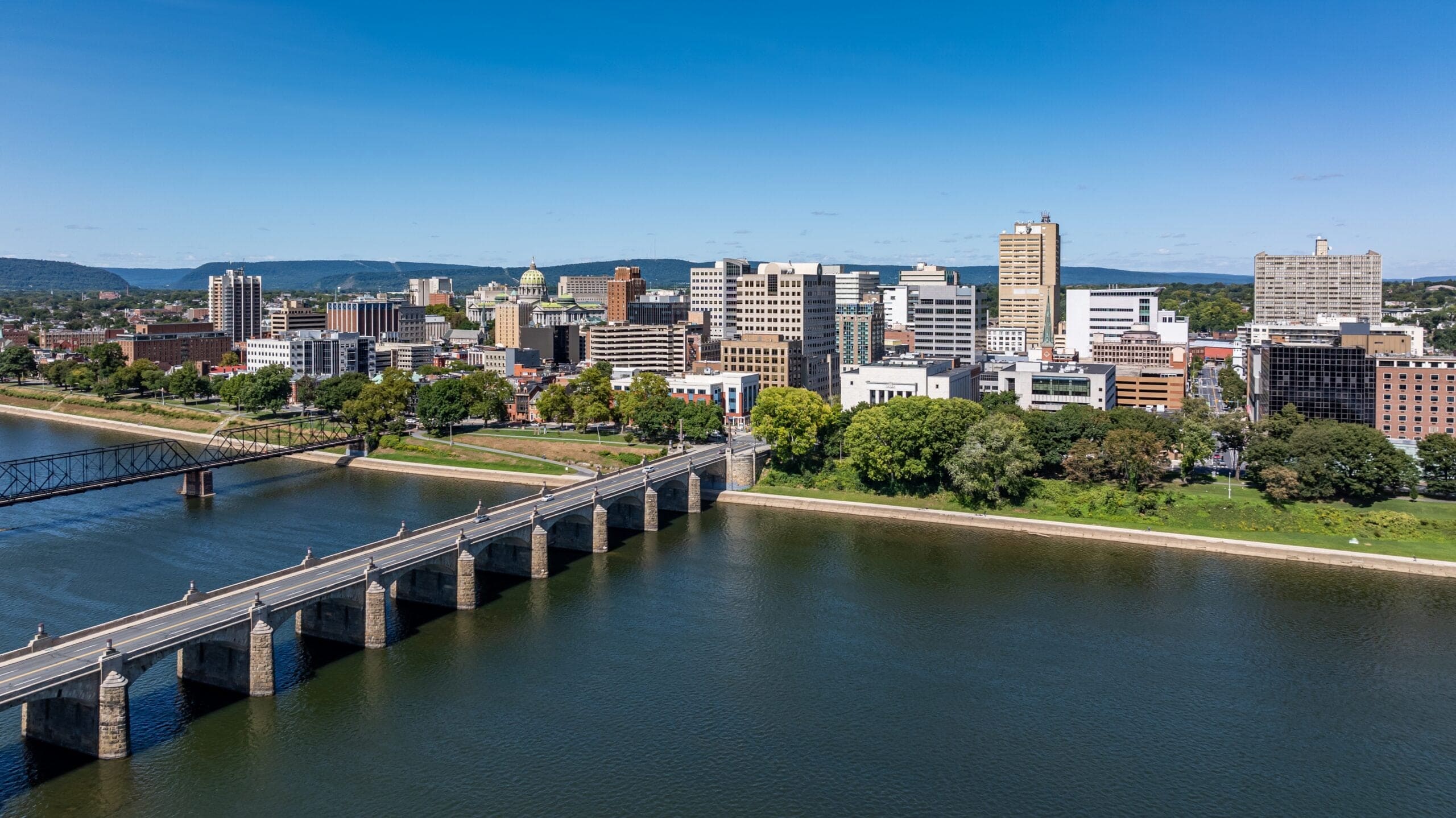
© TW Farlow Media/Shutterstock.com
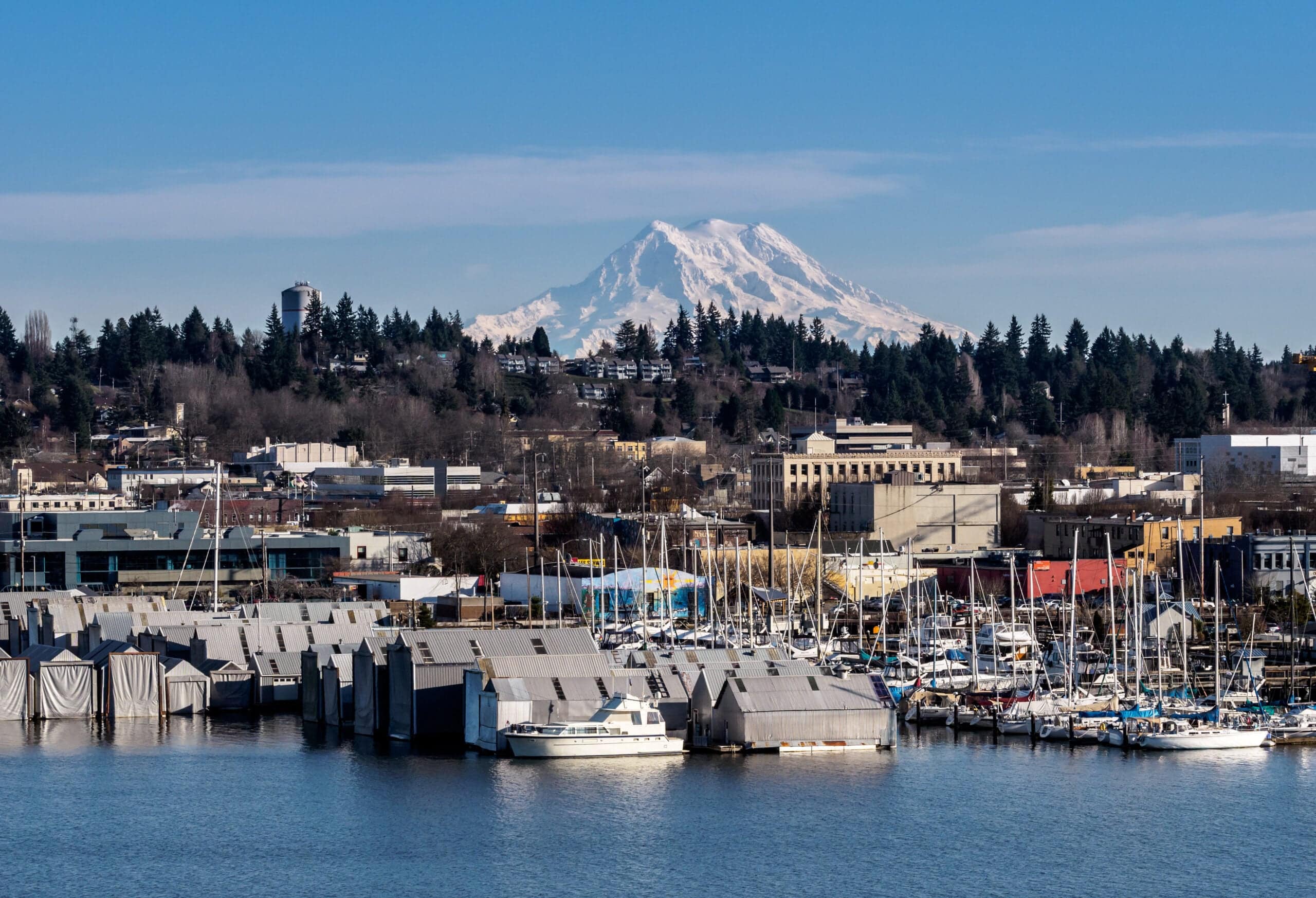
© John T Callery/Shutterstock.com
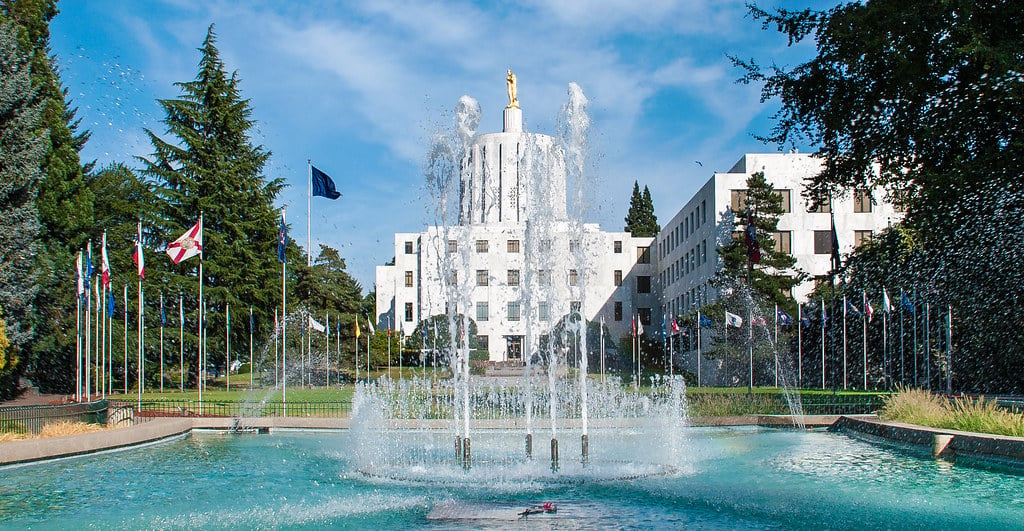
© "Capitol Building, Salem, Oregon crop-2.jpg" by docoverachiever is licensed under BY 2.0.
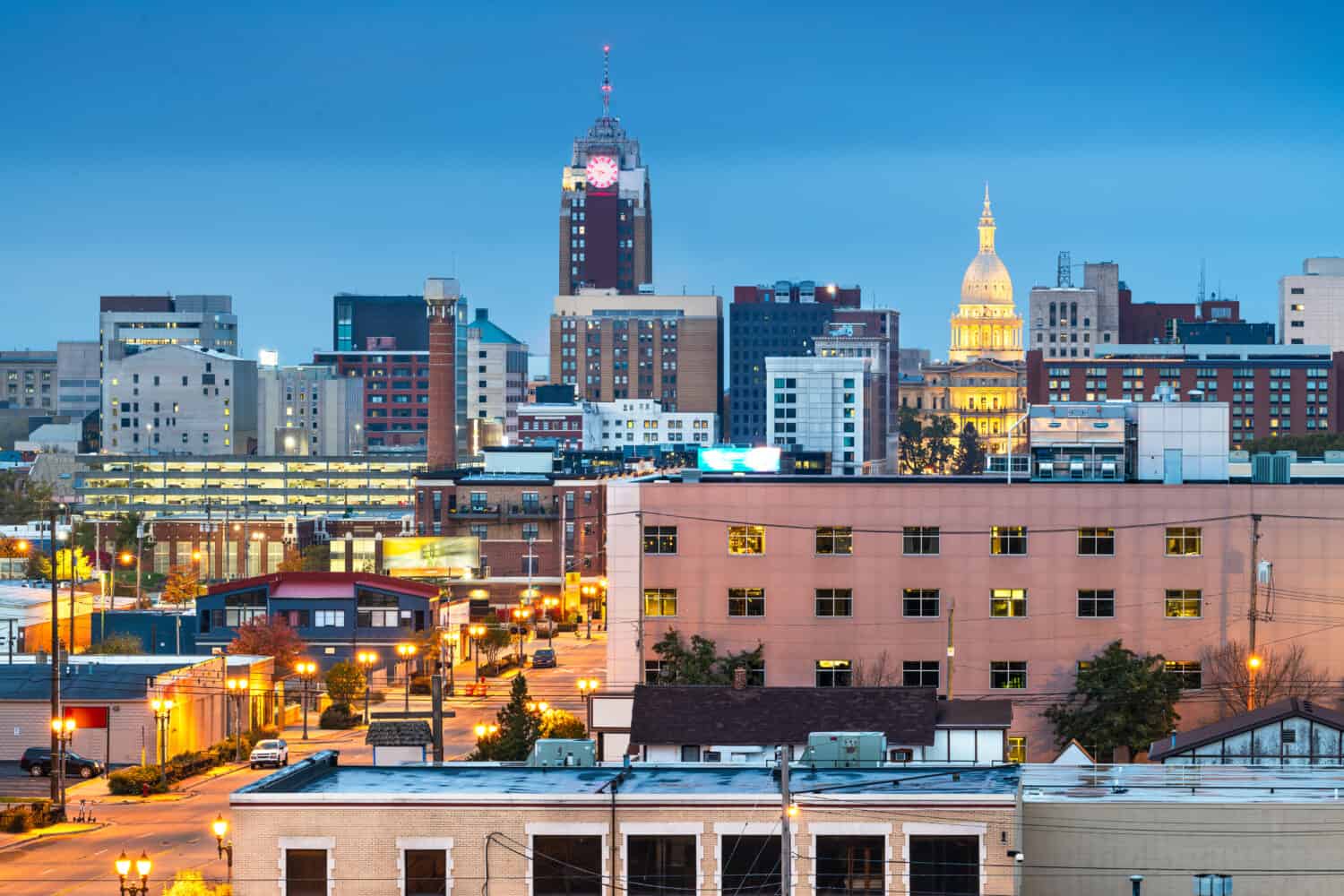
© Sean Pavone/Shutterstock.com
© Sean Pavone/Shutterstock.com
© Paul Brady Photography/Shutterstock.com
© "Bismarck, ND" by NDDOT Photos is licensed under PDM 1.0.
© Unapologetic/Shutterstock.com
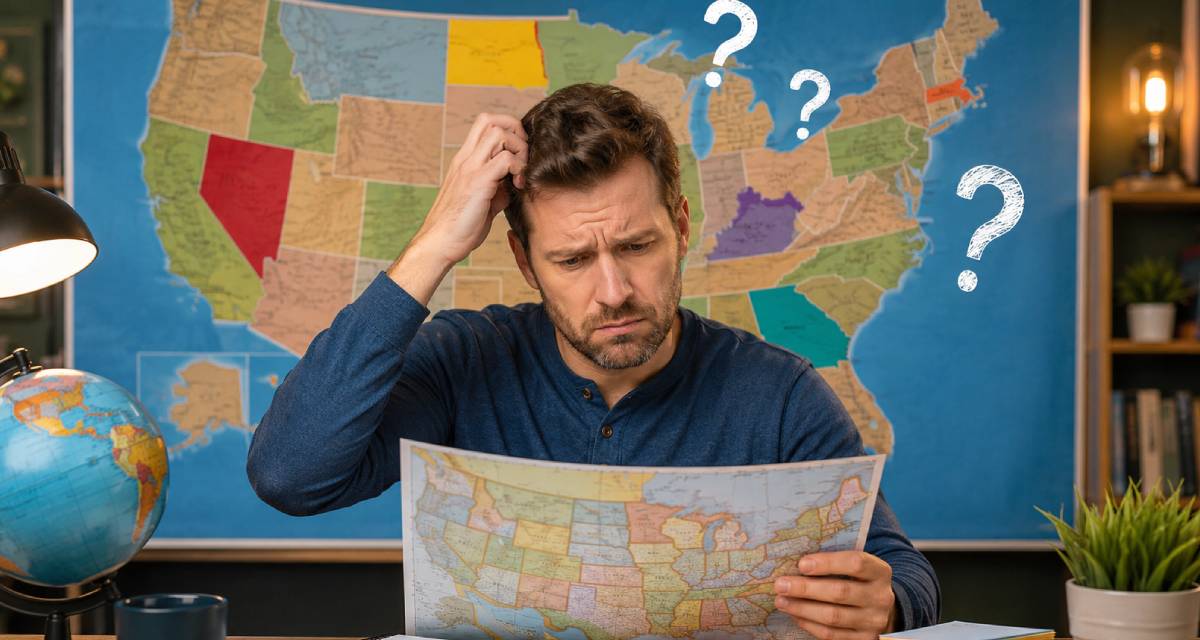
Most Americans Can’t Name These 15 State Capitals
Most of us learned the state capitals at some point in school, but let’s be honest: plenty of those answers disappeared the minute the test was over. A few are easy to remember because they are also major cities, but many are much trickier than people expect. In fact, Americans often confuse state capitals with the biggest, busiest, or most famous cities in each state.
That is what makes this geography challenge so fun. Nearby cities with bigger populations and brighter reputations overshadow some capitals. Others sound like they belong in a different state altogether. Even if you were good at geography growing up, a few of these may still catch you off guard.
Whether you are helping your kids study, testing your own memory, or just looking for a quick trivia challenge, this list is a good reminder of how easy it is to forget the basics. These are 15 state capitals many Americans have a hard time naming.
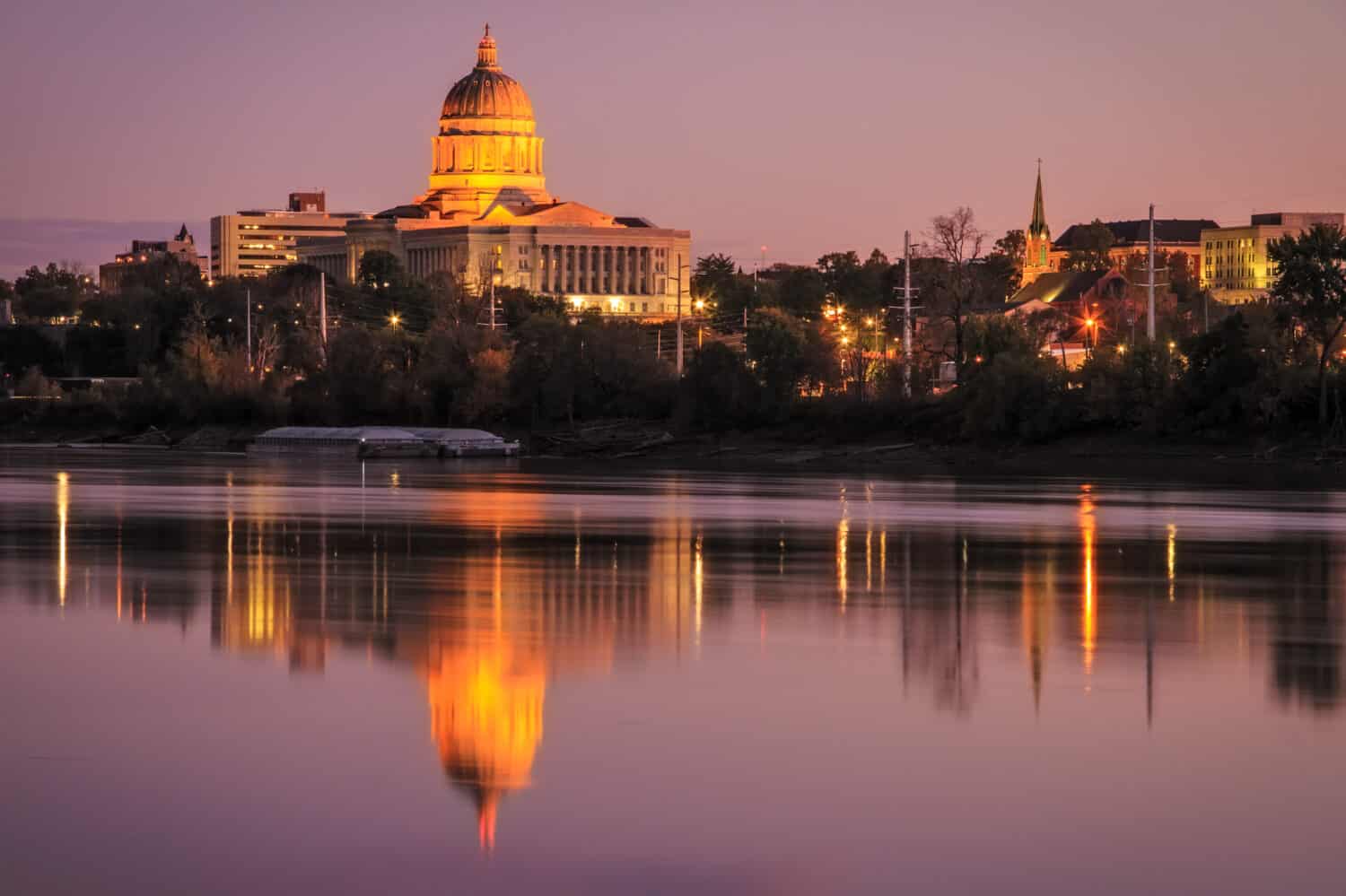
Missouri
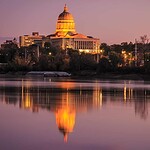
The capital of Missouri is Jefferson City. This is one of the easiest capitals to miss because many people jump to St. Louis or Kansas City first. Jefferson City was created specifically to serve as Missouri’s capital after state lawmakers chose the site in 1821. The city was named for Thomas Jefferson, which gives it an easy memory hook once you know it. Today, it is known for the Missouri State Capitol, its Missouri River setting, and historic government landmarks.
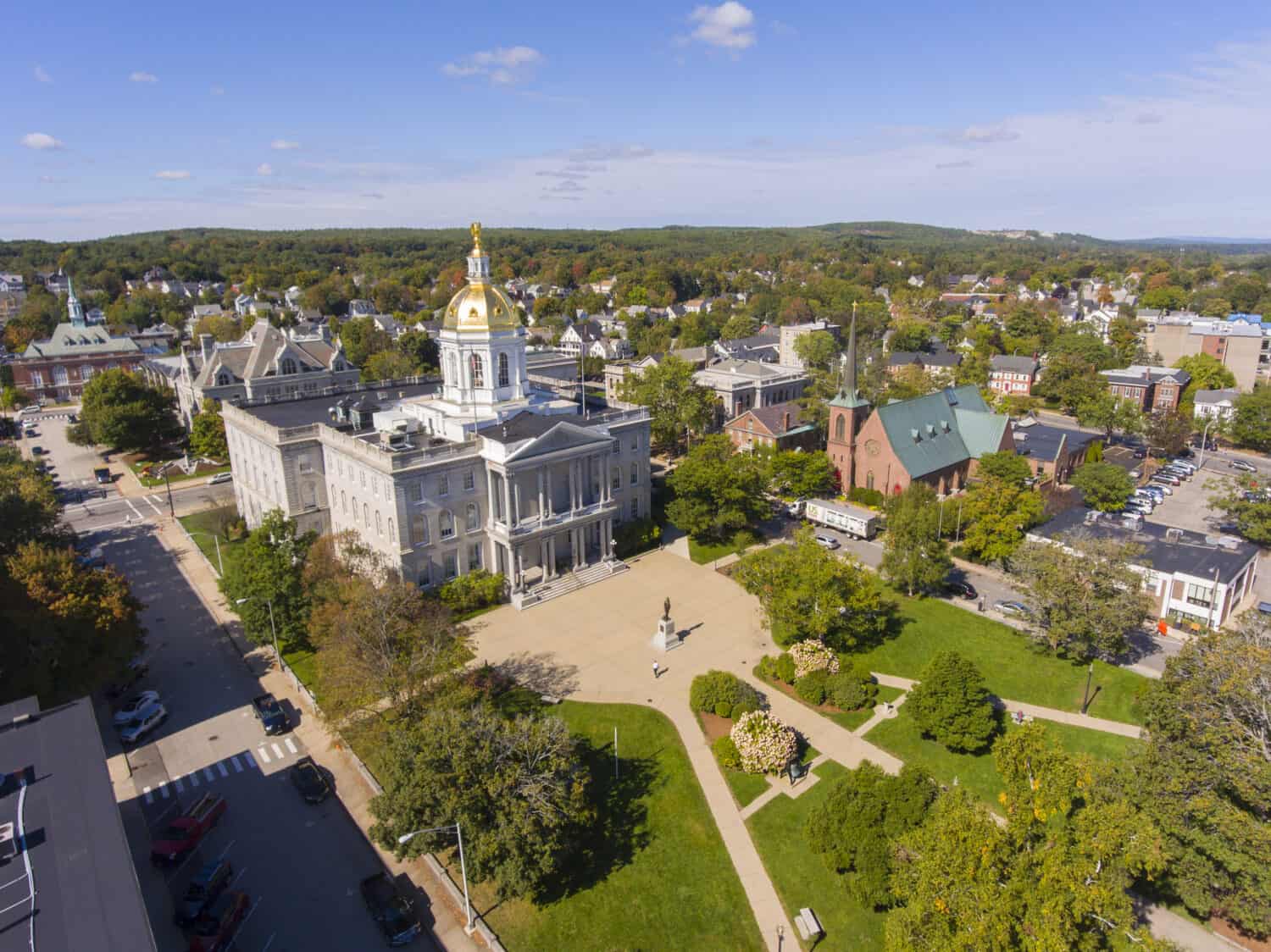
New Hampshire
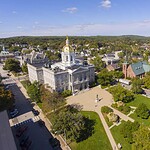
The capital of New Hampshire is Concord. It often trips people up because Manchester is the state’s largest city and Portsmouth is one of its best-known destinations. Concord became the state capital in 1808, and the New Hampshire State House was completed in 1819. That building is especially notable because it is one of the oldest state capitols still used by lawmakers in its original chambers. Concord is also tied to Franklin Pierce, the only U.S. president from New Hampshire.
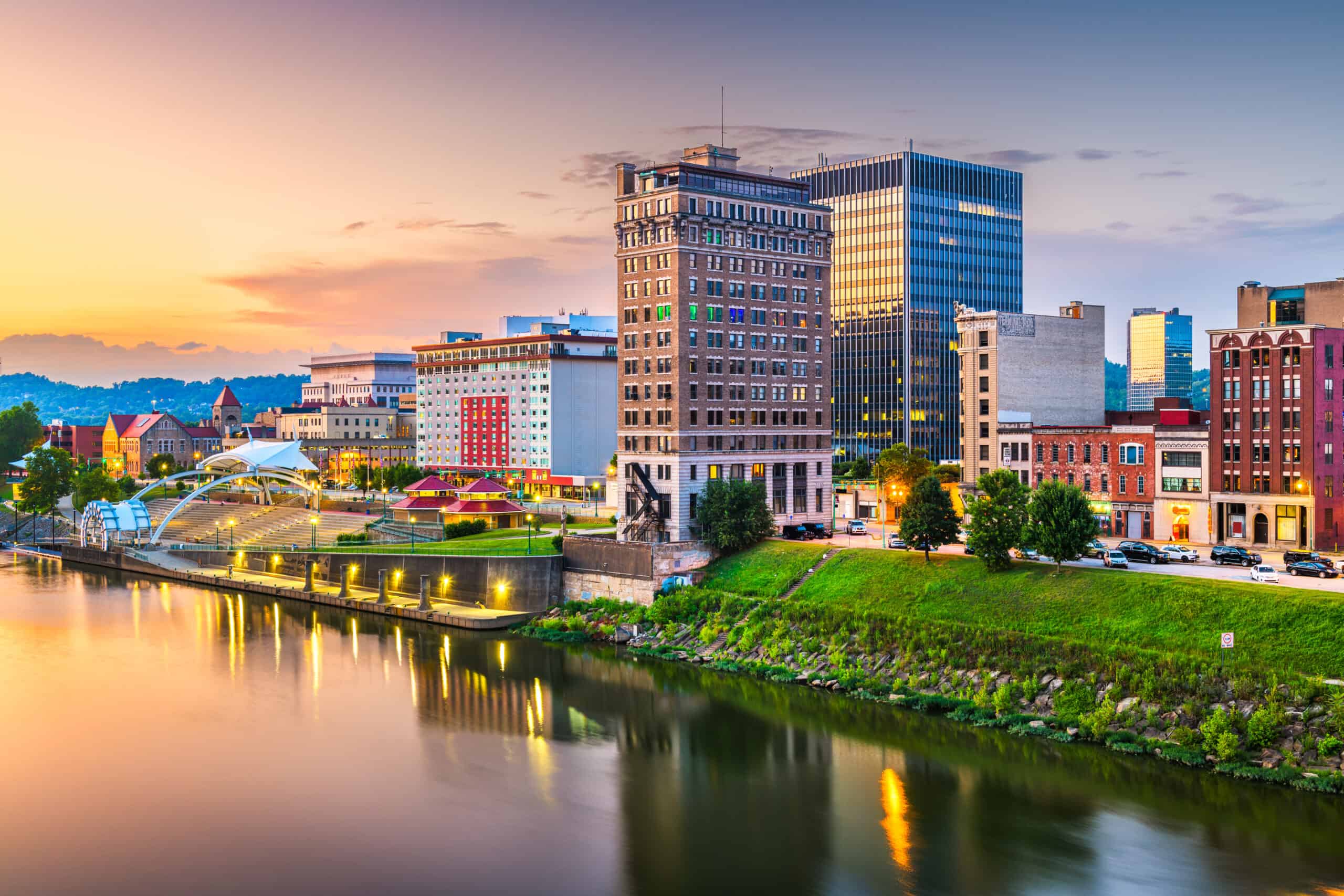
West Virginia
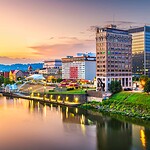
The capital of West Virginia is Charleston. This one can be confusing because people often mix it up with Charleston, South Carolina, a much more famous tourist city. West Virginia became a state in 1863, and its capital moved between Wheeling and Charleston before Charleston became the permanent capital in 1885. The city sits along the Kanawha River and is the largest city in West Virginia. It is known for the gold-domed West Virginia State Capitol and its Appalachian setting.
Kentucky
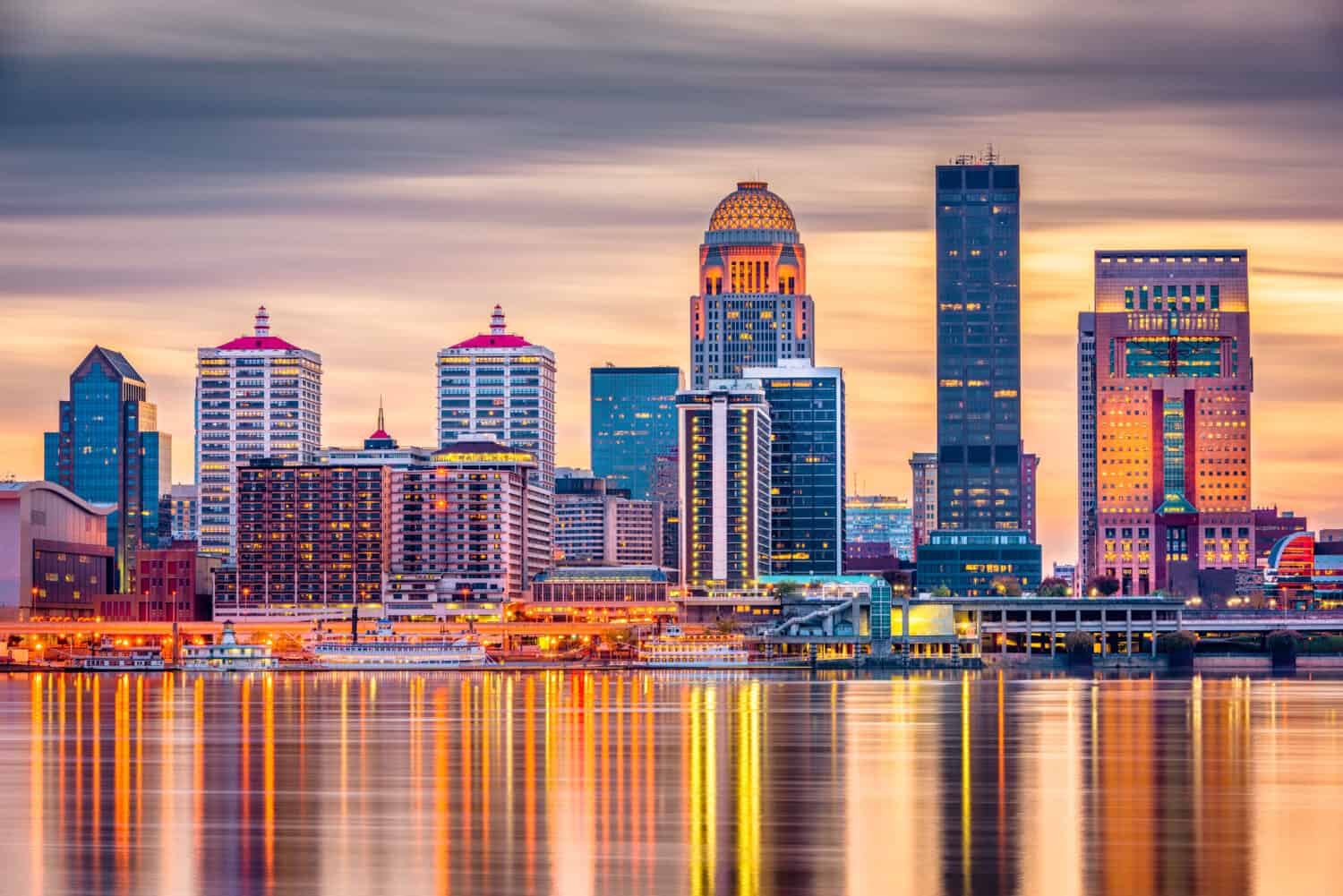
The capital of Kentucky is Frankfort. A lot of people guess Louisville or Lexington because both cities are larger and better known. Frankfort was chosen as the capital in 1792, the same year Kentucky became a state. The city sits on the Kentucky River, which helped make it a practical location in the early days of the commonwealth. Frankfort is also close to some of Kentucky’s best-known bourbon country, giving it a strong local identity beyond politics.
Vermont
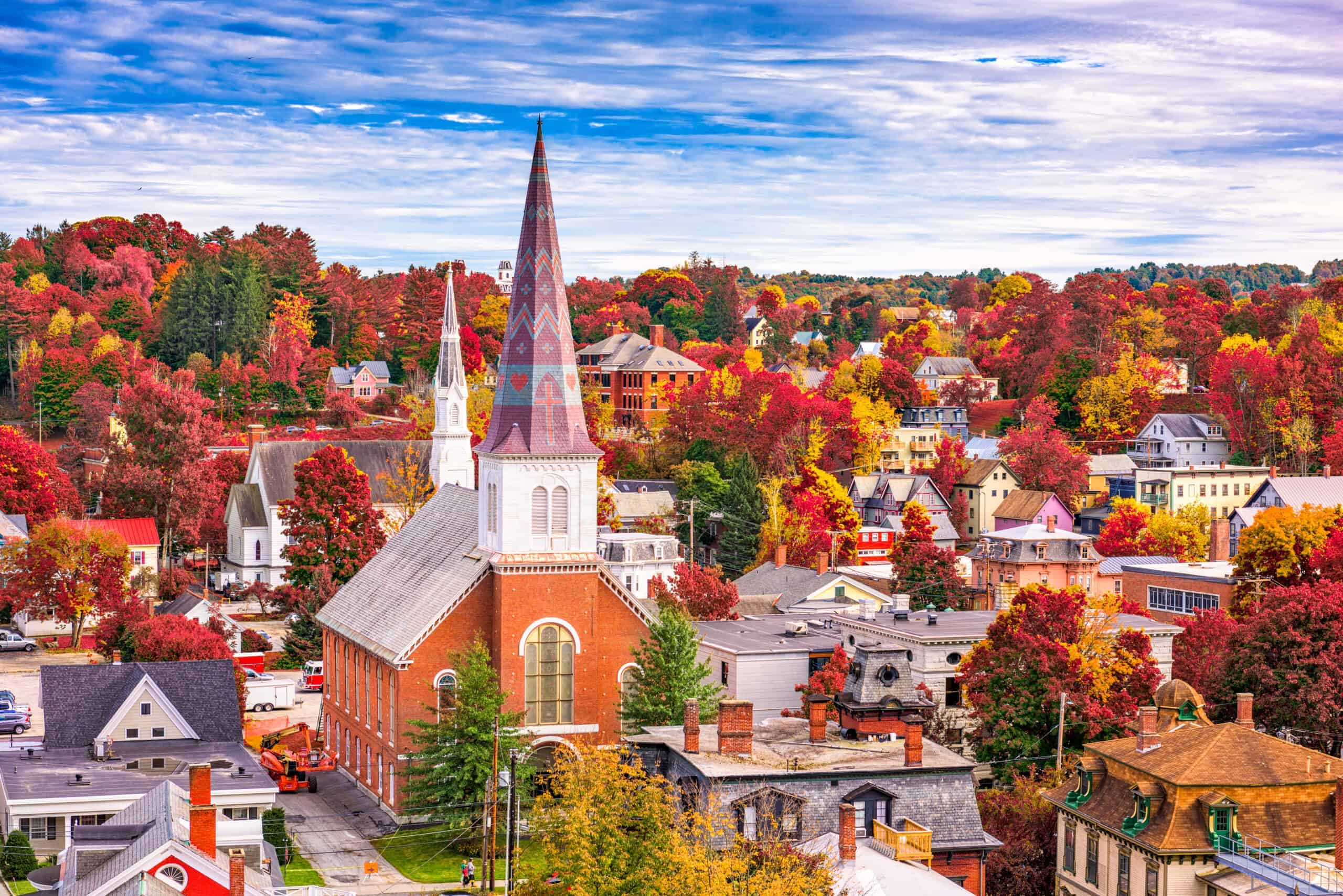
The capital of Vermont is Montpelier. It is easy to forget because Burlington is the state’s largest city and the one many travelers know best. Montpelier became Vermont’s permanent capital in 1805. It is famously the least populous state capital in the country, which makes it a great trivia answer. The city is known for its gold-domed State House, small downtown, and classic New England charm.
Illinois
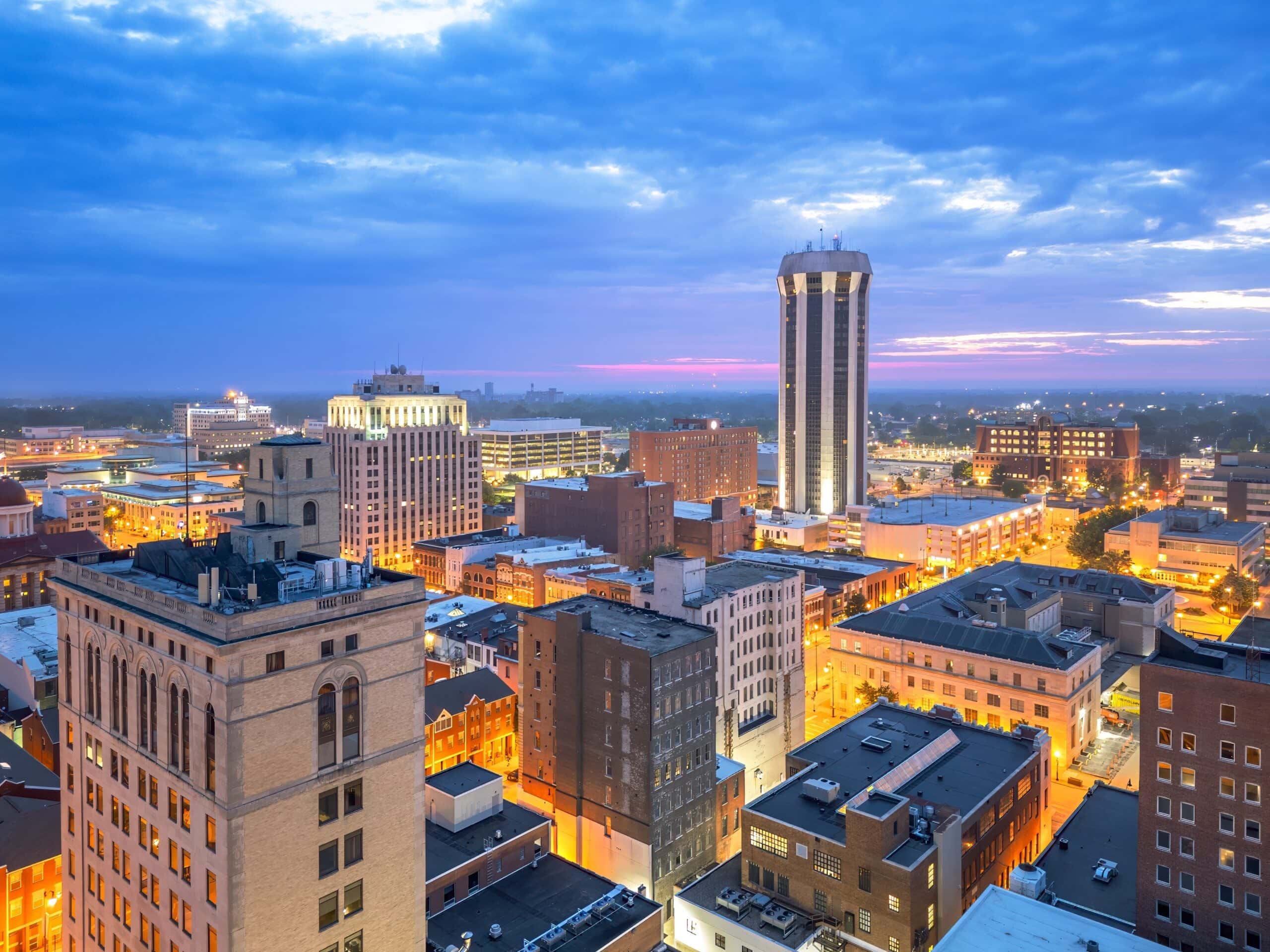
The capital of Illinois is Springfield. This question catches people because Chicago dominates the state’s national image. Springfield became the capital after the state moved its government from Vandalia in the 1830s, a move supported by Abraham Lincoln and other lawmakers. Lincoln lived in Springfield before becoming president, and many of the city’s biggest attractions still center on his life. The Abraham Lincoln Presidential Library and Museum makes the capital much easier to remember once you connect it to him.
South Carolina
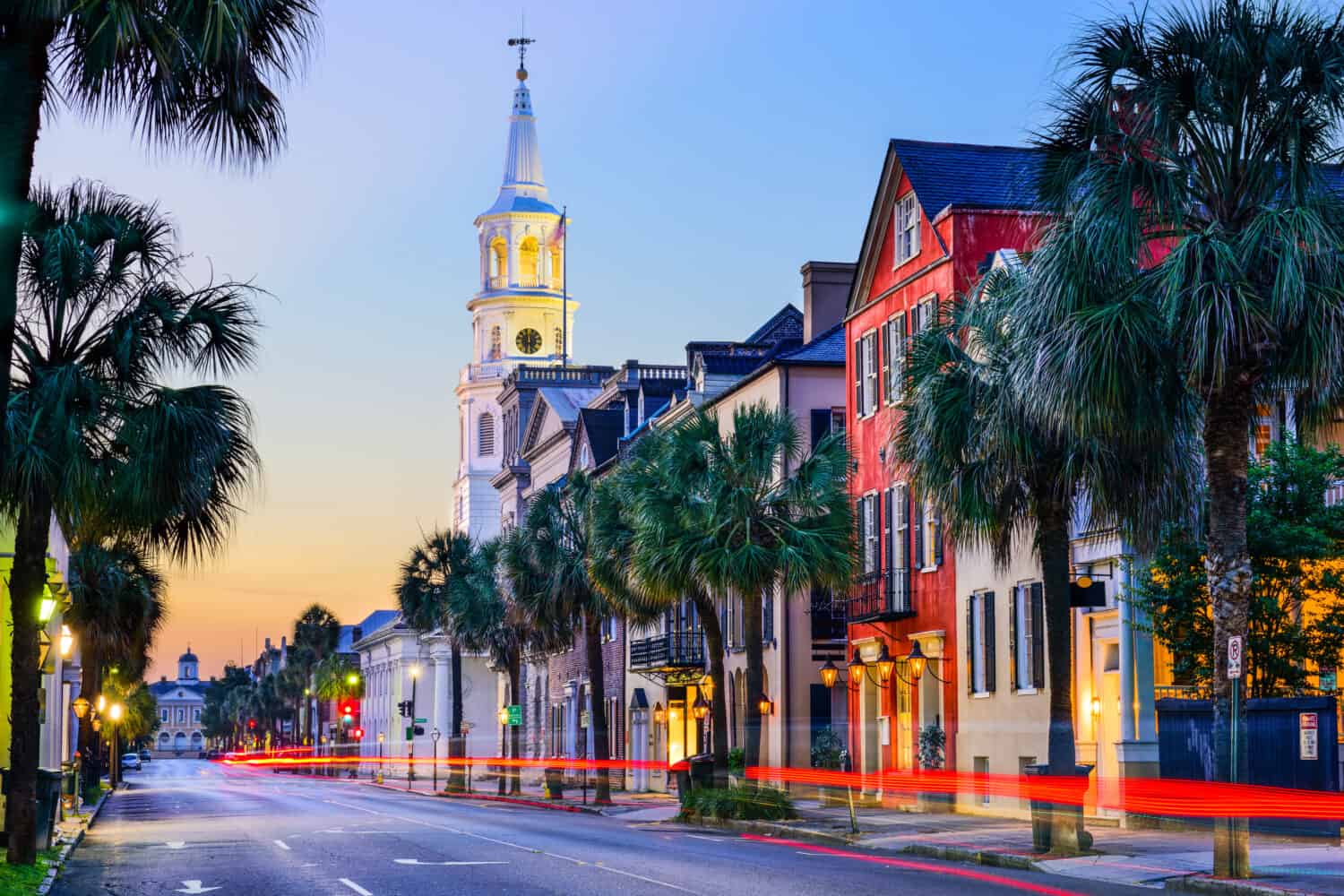
The capital of South Carolina is Columbia. Many people think of Charleston first because of its history, food scene, and coastal tourism. Columbia was founded in 1786 as a planned capital near the center of the state. It later became home to the University of South Carolina, which was chartered in 1801. Today, Columbia is known for its State House, college-town energy, and proximity to Congaree National Park.
Pennsylvania
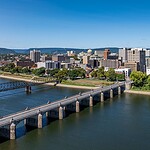
The capital of Pennsylvania is Harrisburg. Philadelphia is such a major historical city that it feels like the obvious answer, especially since it once served as the U.S. capital. Harrisburg became Pennsylvania’s capital in 1812 after the state government moved west from Lancaster. The city sits along the Susquehanna River and was named for John Harris, Jr., whose family was important in the area’s early settlement. Today, Harrisburg is known for its State Capitol complex and Civil War-era history.
Washington
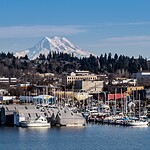
The capital of Washington is Olympia. Seattle is the usual wrong answer because it has the Space Needle, Pike Place Market, major sports teams, and global tech companies. Olympia became the territorial capital in 1853, long before Washington became a state in 1889. The city sits near the southern end of Puget Sound and was once an important trading hub. Its Capitol Campus includes the Legislative Building, the Governor’s Mansion, and several public monuments.
Oregon
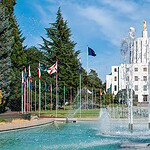
The capital of Oregon is Salem. Portland gets most of the attention, which makes Salem one of the more commonly confused capitals in the West. Salem became the territorial capital in 1851, though the government briefly shifted before returning there. The city sits in the Willamette Valley, one of Oregon’s most important agricultural regions. It is known for the Oregon State Capitol, nearby wineries, and historic sites like the Deepwood Museum and Gardens.
Michigan
The capital of Michigan is Lansing. Detroit is the common wrong answer because of its size, music history, auto industry, and pro sports teams. Lansing became the state capital in 1847, replacing Detroit after lawmakers wanted a more central location. The city grew into a major government and education hub, especially with Michigan State University nearby in East Lansing. Lansing is also known for its impressive 19th-century State Capitol building.
Florida
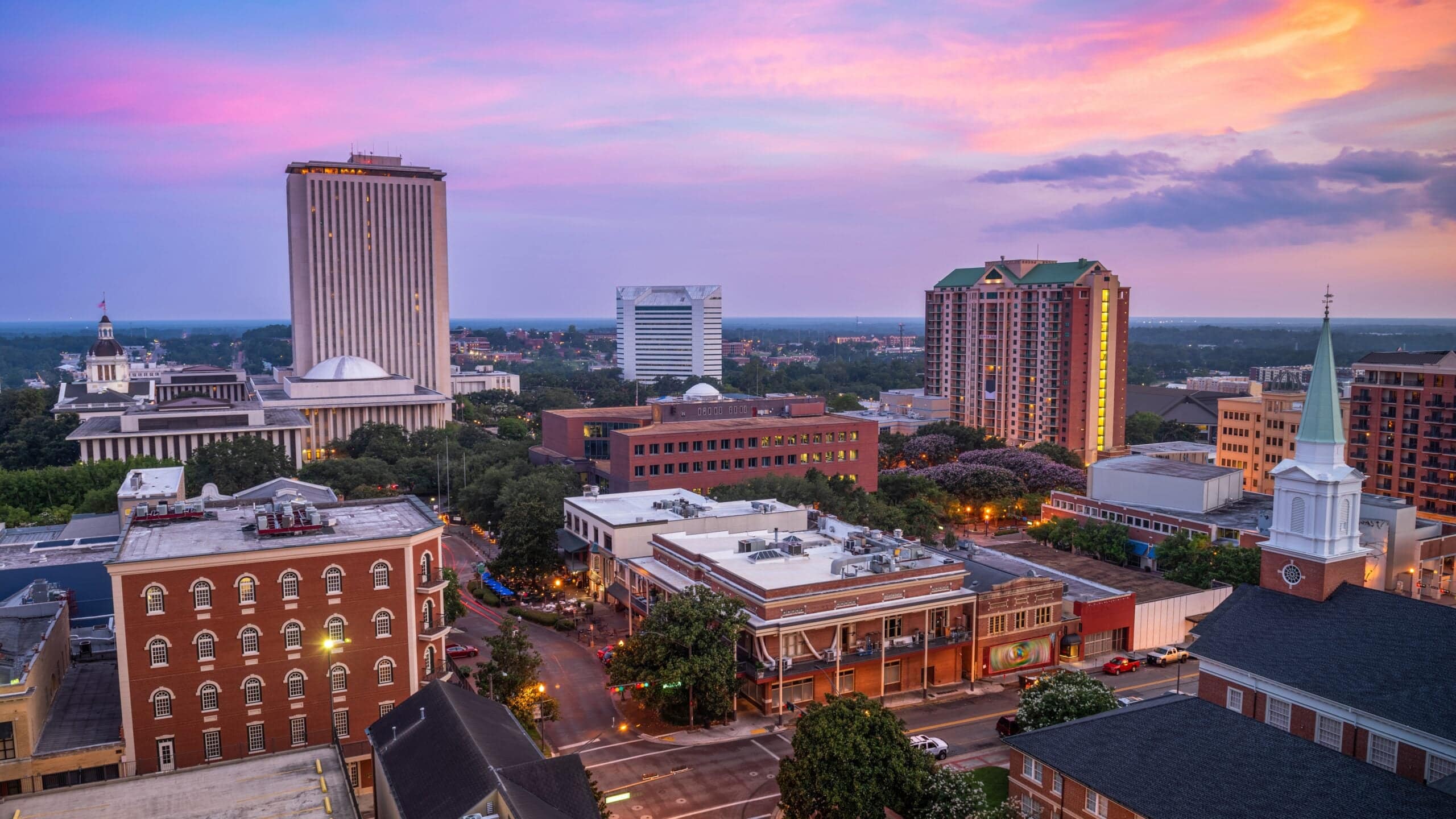
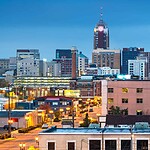
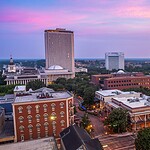
The capital of Florida is Tallahassee. This one fools a lot of people because Miami, Orlando, Tampa, and Jacksonville are all more famous to many Americans. Tallahassee became the territorial capital in 1824 because it sat roughly between St. Augustine and Pensacola, the two major colonial-era centers of Florida. The city later remained the capital when Florida became a state in 1845. It is known for Florida State University, Florida A&M University, and its rolling North Florida landscape.
South Dakota
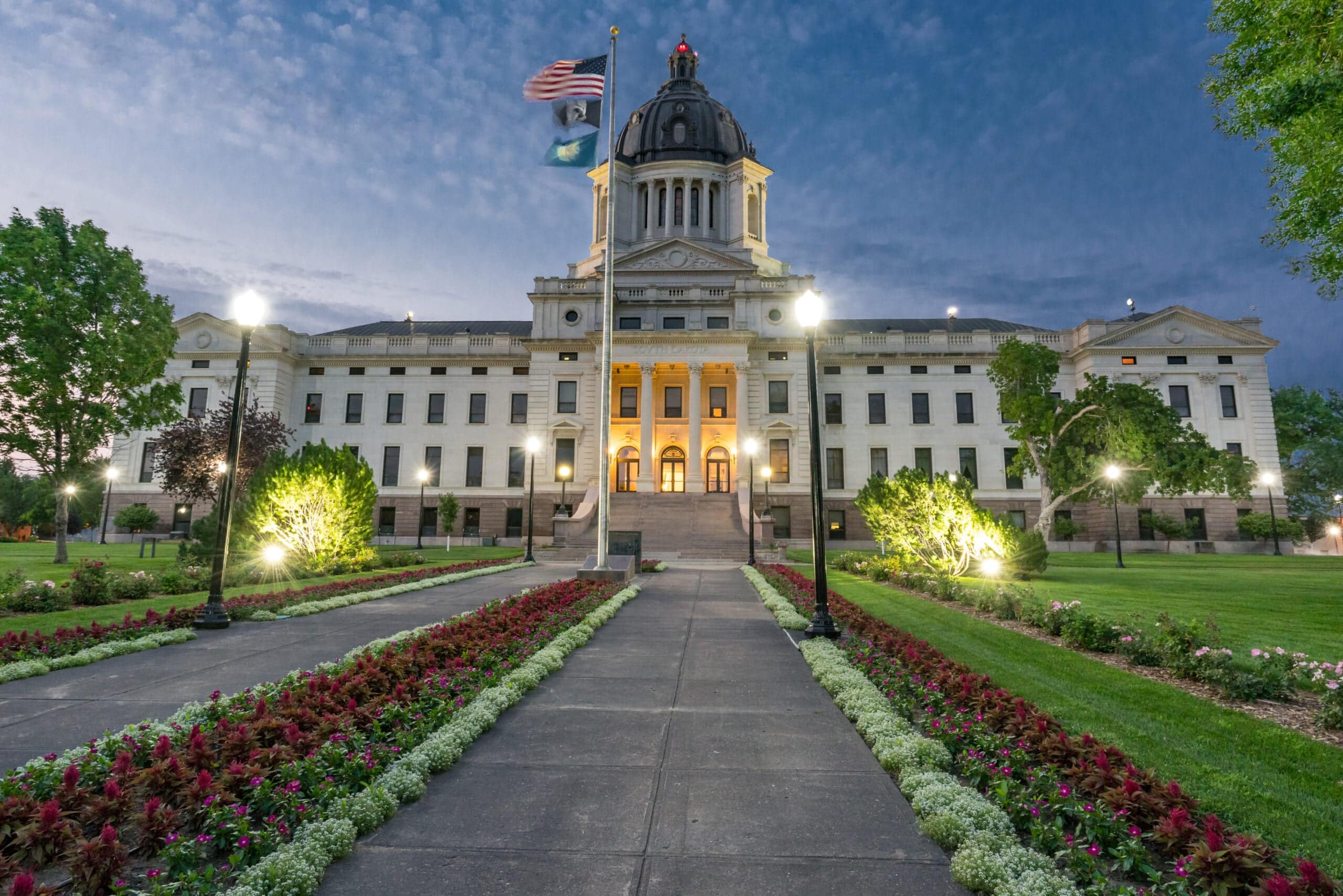
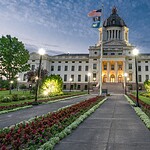
The capital of South Dakota is Pierre. It is one of the trickiest capitals because Sioux Falls and Rapid City are much more familiar to many people. Pierre became the state capital when South Dakota entered the Union in 1889. The city sits along the Missouri River near the center of the state, which helped make it a practical seat of government. Pierre is also one of the least populous state capitals in the United States.
North Dakota
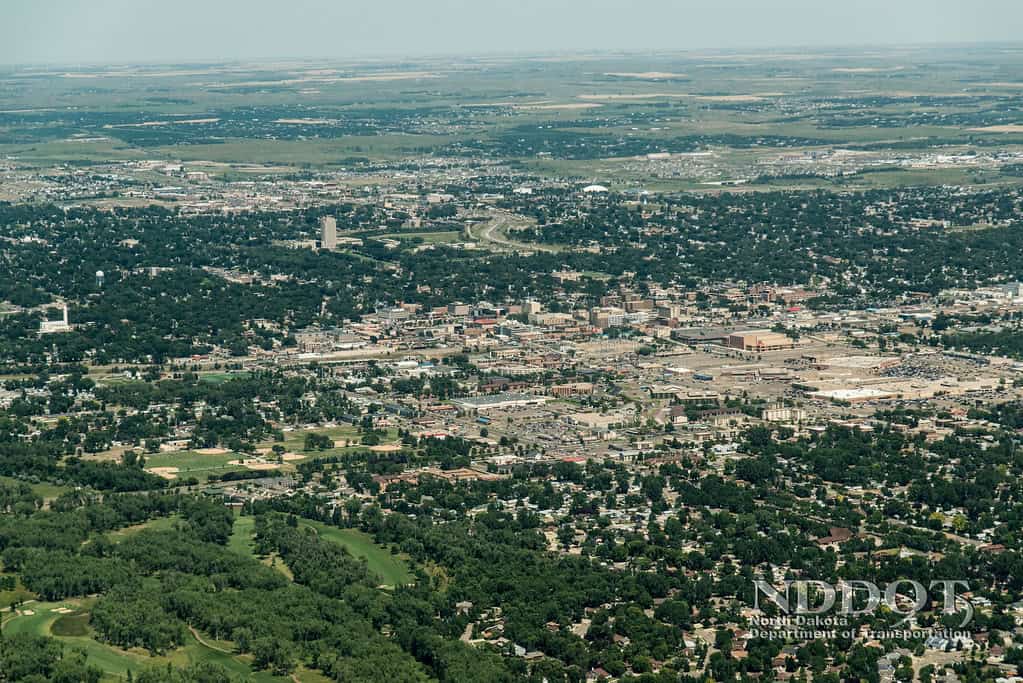
The capital of North Dakota is Bismarck. Fargo is often the wrong guess because it is the state’s largest city and has a much bigger pop-culture footprint. Bismarck became the territorial capital in 1883, before North Dakota became a state in 1889. The city sits on the Missouri River across from Mandan, an area long important to trade and travel. Its Art Deco-style State Capitol is one of the most distinctive capitol buildings in the country.
Alaska
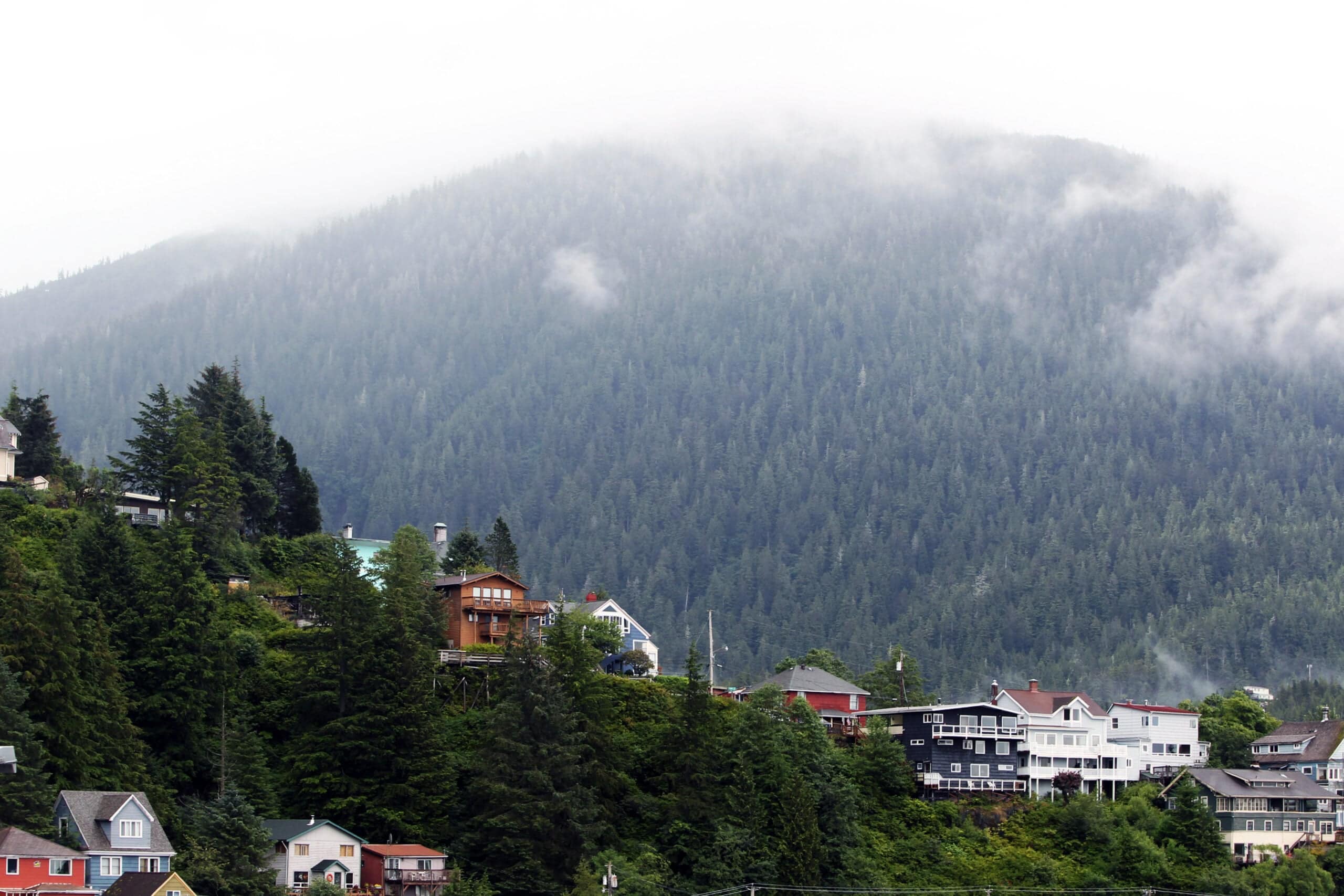
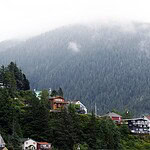
The capital of Alaska is Juneau. Anchorage is the common wrong answer because it is Alaska’s largest city and main transportation hub. Juneau became the territorial capital in 1906, replacing Sitka, and remained the capital after Alaska became a state in 1959. The city is unusual because there is no road connecting it to the rest of the state highway system, so visitors usually arrive by air or water. Juneau is known for glaciers, mountains, whale watching, and its dramatic setting along the Gastineau Channel.