Fungi are tougher than they look. Some species can handle intense radiation, extreme cold, severe dryness, and other conditions that would kill most living things. Put humans in space long enough, and fungi have also shown an annoying ability to come along for the ride.
That is not entirely bad news. Scientists have deliberately exposed fungi to space, studied them aboard the International Space Station, and started looking at ways they could actually help future astronauts. NASA-supported research has explored everything from fungal materials and drug discovery to recycling waste and even growing habitats on the Moon or Mars. Here is what fungi have already survived in space, and what scientists think they might be able to do next.
Can Fungi Really Survive in Space?
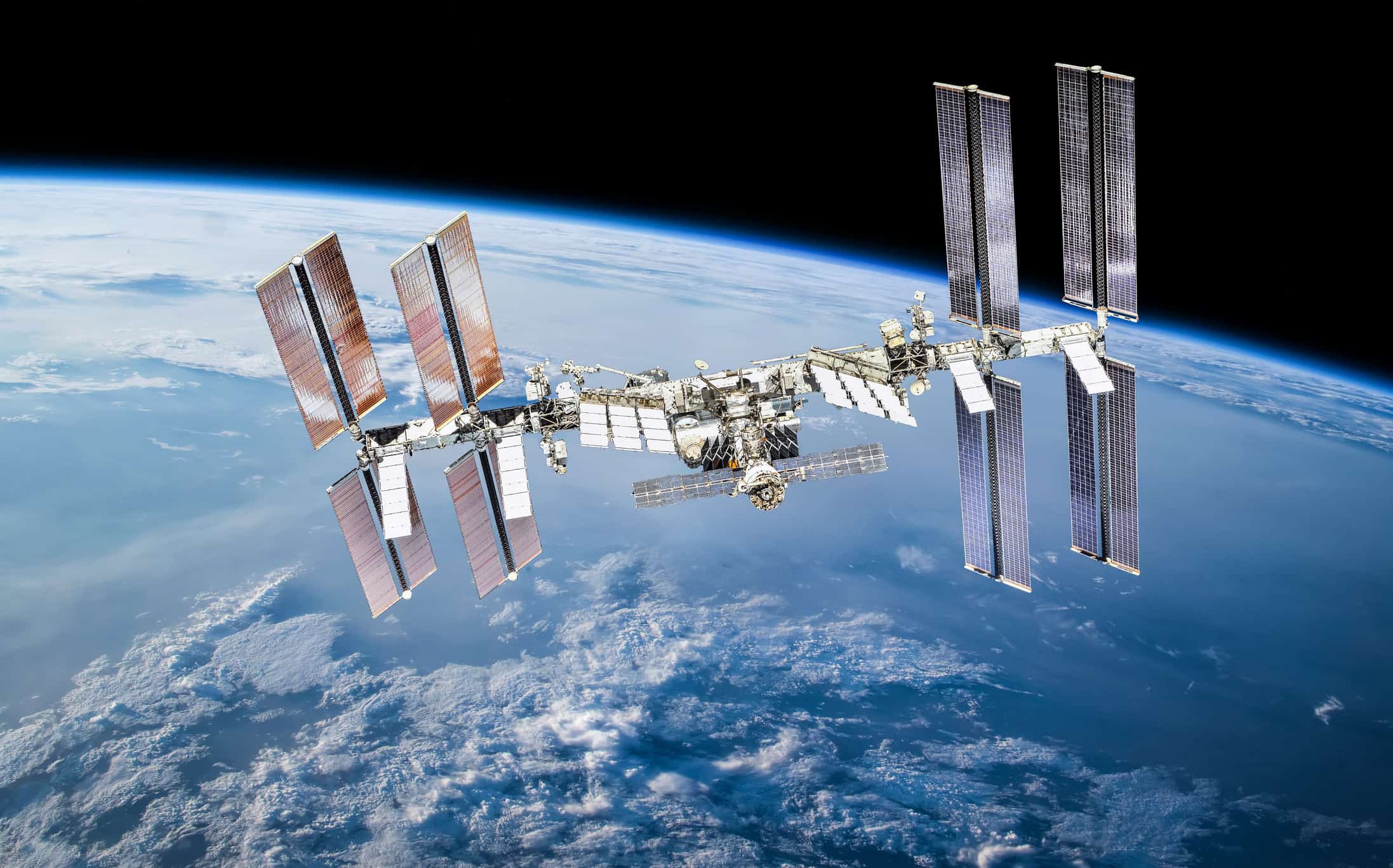
Aboard the International Space Station, scientists have studied extremophile fungi.
Yes, although there is an important distinction. Fungi have survived inside crewed spacecraft, where astronauts provide an Earthlike atmosphere, and some species have also survived experiments that exposed them to the much harsher environment outside a spacecraft.
Russia’s Mir space station gave scientists a memorable lesson in just how persistent fungi can be. During the station’s long life in orbit, fungal biofilms were found on equipment and other surfaces. Penicillium growth on rubber window seals spread onto and damaged parts of a quartz window and its titanium frame. Fungi were also found around air-conditioning equipment and electrical cables.
Then there was astronaut David Wolf’s particularly unpleasant discovery in 1997. Behind panels on Mir, he encountered large floating blobs of dirty condensate, some described as bowling-ball or beach-ball size, that had accumulated in microgravity. Mold was visible around nearby wiring. The giant blobs themselves were dirty water, not enormous balls of fungus, but the whole scene was still a pretty good argument for keeping up with the housekeeping in orbit.
Scientists have also tested fungi under much harsher conditions on purpose. In the European Space Agency’s LIFE experiment, fungi were studied aboard the International Space Station using the EXPOSE-E facility mounted outside the station. The experiment included two Antarctic black fungi, Cryomyces antarcticus and Cryomyces minteri, that normally live inside rocks in the McMurdo Dry Valleys.
After roughly a year and a half of exposure, some cells were still viable. C. antarcticus was the tougher of the two, with cultivation tests showing viable cells after exposure to both space and simulated Martian conditions. The experiment did not prove fungi can casually thrive on an exposed spacecraft forever, but surviving at all after that kind of punishment is impressive.
Why Are Some Fungi So Hard to Kill?
Inside a spacecraft, fungi have plenty of opportunities to hitch a ride. Humans themselves are one source of microorganisms, but fungi can also arrive with equipment, supplies, and materials brought aboard. Give them moisture, warmth, and something they can use as a nutrient source, and certain species can establish themselves in places nobody particularly wants mold growing.
Some fungi are also unusually resistant to environmental stress. Melanized fungi are especially interesting to researchers because melanin and efficient DNA-repair systems may help protect them from radiation. Scientists have found radiation-tolerant fungi in high-radiation environments on Earth, including around Chernobyl, and NASA continues studying how fungal cells respond to the radiation encountered during spaceflight.
Microgravity changes how fungal spores move around too. Without normal gravitational settling, tiny particles can remain suspended for longer periods, although airflow and a spacecraft’s ventilation system still move them around. That is one reason controlling microbial contamination in a closed spacecraft matters so much.
Fungi may eventually be useful rather than merely something astronauts have to scrub off a wall. NASA-funded synthetic biology research has explored engineering yeast to turn human waste, including nutrients found in urine, into useful products such as omega-3 fatty acids and materials for manufacturing. On a long mission where you cannot simply order another shipment from Earth, turning waste back into something useful becomes a very attractive trick.
What Is Astromycology?
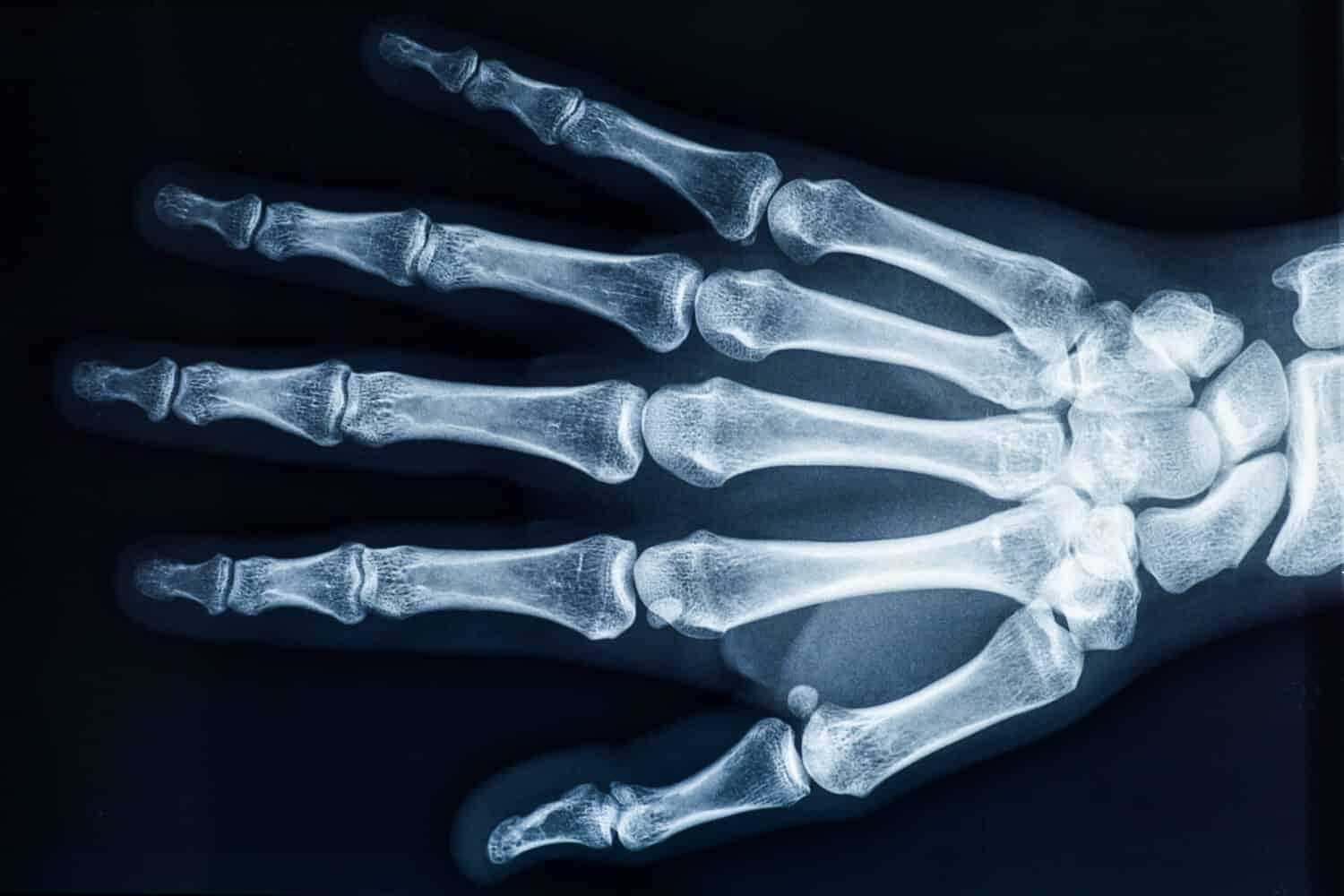
Researchers are studying fungi in space for compounds that could eventually lead to new drugs, including treatments related to bone loss.
Astromycology is the emerging study of fungi in space environments. That covers both sides of the relationship: figuring out how fungi could threaten astronauts or spacecraft and finding ways their biology might actually be useful during long missions.
One NASA experiment sent Aspergillus nidulans to the International Space Station in 2016. Researchers wanted to see how the stress of spaceflight and microgravity affected the fungus’s genes, proteins, and production of secondary metabolites, the biologically active compounds fungi can make under certain conditions.
The fungus did behave differently in orbit. Later analysis found changes in gene and protein activity as well as its metabolite profile. NASA has said research like this could help scientists discover useful compounds for future medicines, including potential drugs related to osteoporosis. That is a long way from handing astronauts a fungus-based bone-loss pill, but it gives researchers another place to look for useful chemistry.
NASA Wants to Grow Buildings With Fungi
This is where things start sounding like science fiction. NASA has been funding research into mycotecture, also called myco-architecture, which uses mycelium, the threadlike vegetative part of a fungus, to create building materials. In 2024, NASA awarded the Mycotecture Off Planet project another $2 million through its Innovative Advanced Concepts program to keep developing the idea.
The concept is surprisingly straightforward. Instead of launching every pound of a future Moon or Mars habitat from Earth, astronauts could carry a lightweight structure containing dormant fungi. Once at the destination, adding water and the proper nutrients could allow the mycelium to grow through a framework and form part of the habitat. NASA’s concept keeps the organism contained to avoid contaminating another world. After the material grows into the desired form, it can be heat-treated to stop further growth and leave the structural material behind.
NASA is still a long way from growing an astronaut’s house on Mars. This is experimental technology, not a construction plan sitting on a launch pad. But researchers have already built fungal composites, tested prototypes, studied their mechanical properties, and examined how the material handles simulated lunar and Martian conditions.
Could Fungi Help Make Spacecraft Materials More Sustainable?
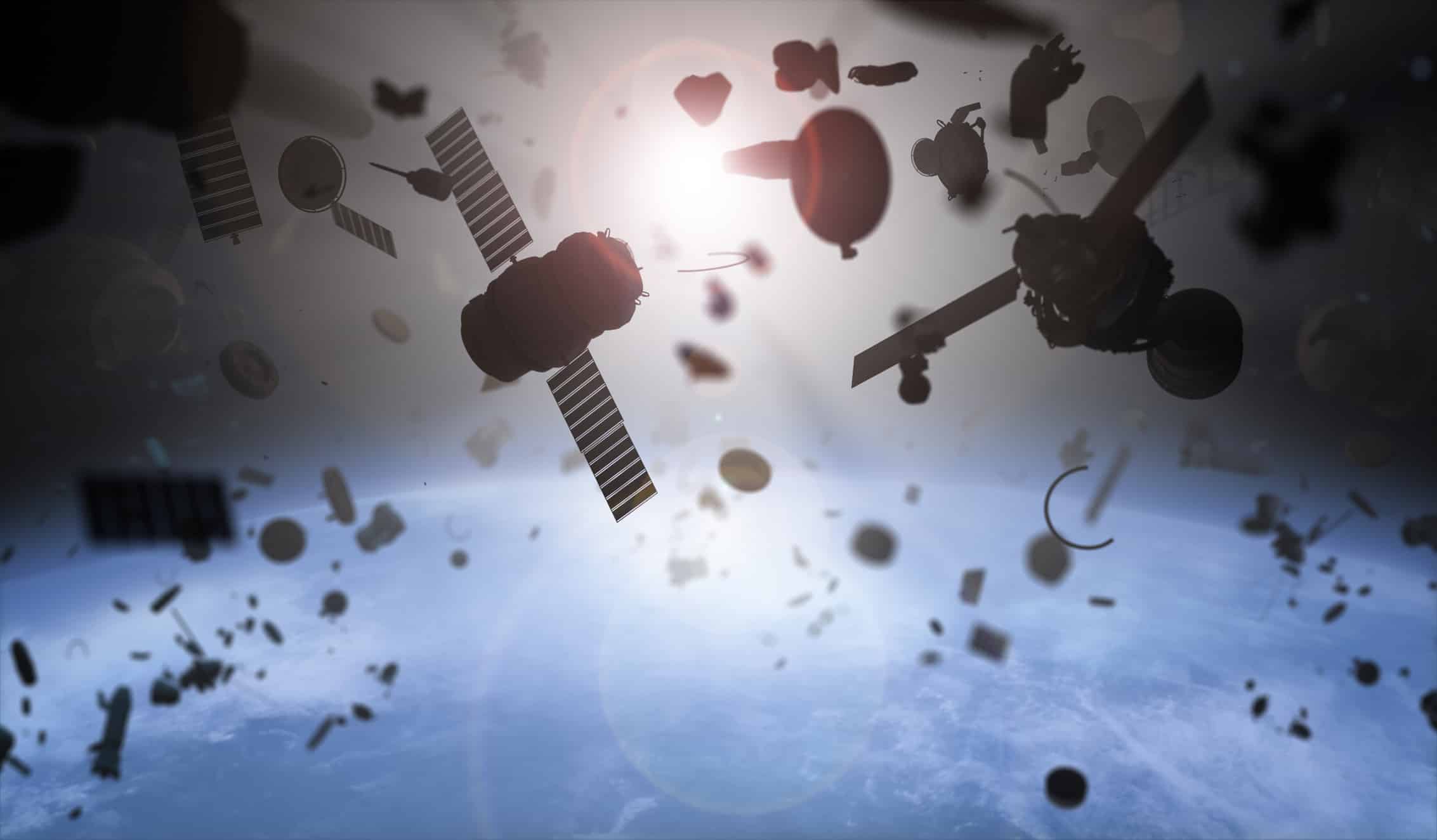
Researchers are testing mycelium-based composites for use in space, while the growing orbital-debris problem remains a separate challenge.
Space junk is a much bigger problem than a few thousand dead satellites. European Space Agency statistics updated in 2026 show roughly 47,000 objects are regularly tracked in orbit. Models estimate about 1.5 million pieces of debris between 1 and 10 centimeters across, plus hundreds of millions of still smaller fragments. At orbital speeds, even something small can do serious damage.
Researchers are studying whether fungal materials could have useful roles in spacecraft, but the idea that mycelium satellites are already a solution to the debris problem gets ahead of the science. A recent experiment exposed compressed mycelium coated with a biodegradable polymer, along with materials containing fungal melanin, to low Earth orbit for about six months. The work looked at structural stability and radiation shielding, not at building disposable fungal satellites.
The results were still interesting. Fungal melanin showed potential as a protective additive in space materials, and NASA continues researching mycelium-based composites for structures. A material being biodegradable on Earth does not automatically mean it will harmlessly disappear in orbit, however. Preventing space debris still depends heavily on responsible spacecraft design, end-of-life disposal, collision prevention, and removing dangerous debris already in orbit.
So fungi may eventually help engineers build lighter or more sustainable spacecraft components. They are not, at least yet, a mushroom-shaped fix for everything circling Earth.
Are Fungi From Space? What Panspermia Actually Says

Panspermia is the hypothesis that life, or material capable of producing life, could move between worlds through space.
Every fungus scientists have studied in space came from Earth. There is no evidence that fungi originated somewhere else and arrived here from space. There is, however, a scientific hypothesis called panspermia that asks whether simple forms of life arrived from extraterrestrial sources or whether life could be transported between worlds.
One version, called lithopanspermia, proposes that microorganisms might travel protected inside rocks blasted from one planet and eventually land on another. Scientists know that material really can move between planets because meteorites from Mars have reached Earth. Researchers have also shown that some microorganisms can survive individual parts of the proposed journey, including radiation, violent ejection, and atmospheric re-entry under certain experimental conditions. Asteroids, meteorites, and other rocky bodies are therefore part of the scientific discussion.
That is still very different from proving panspermia actually happened. Experiments with Antarctic black fungi show that some fungal cells can endure extraordinary conditions, which makes them useful for testing questions about life’s limits. Other studies involving bacterial spores have modeled survival for extremely long trips when microbes are deeply shielded inside rock. Those results make interplanetary transfer scientifically interesting, but they are not evidence that fungi came to Earth from somewhere else.