NASA is a prestigious organization known for exploring the Moon, studying distant planets, and searching for answers to some of the universe’s biggest mysteries. While some of these discoveries make front page news, others are little heard of or rarely talked about. And some are so strange they sound like they’re part of a science fiction movie instead of real-life studies. These findings remind us just how little we know about the cosmos. Here are some of the weirdest things NASA has discovered.
1. A Planet Where It Rains Glass Sideways
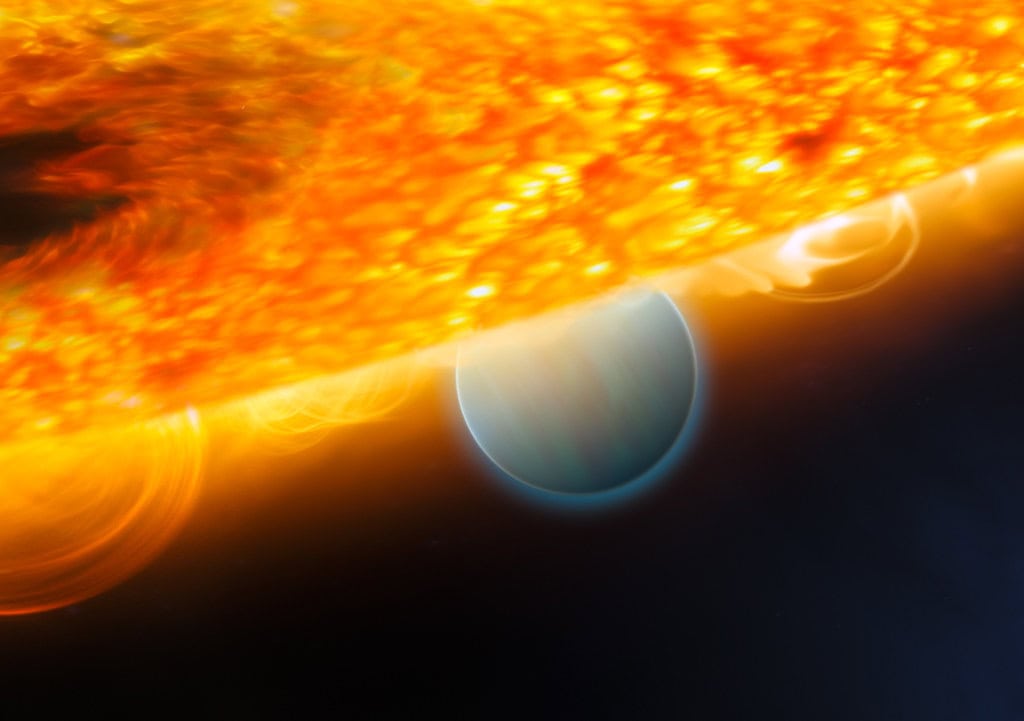
One of the strangest worlds studied by NASA is HD 189733 b, a gas giant planet located about 64 light-years away from Earth. From this great distance, the planet looks beautifully blue and peaceful, but its atmosphere is a bit chaotic. Scientists believe the planet’s color comes from silicate particles, which are similar to the materials that make up glass. With winds reaching thousands of miles per hour, these particles are likely blasted sideways across the landscape, forming storms unlike anything found on Earth. The planet’s beauty hides its incredibly violent environment.
2. A Space Cloud That Smells Like Raspberries
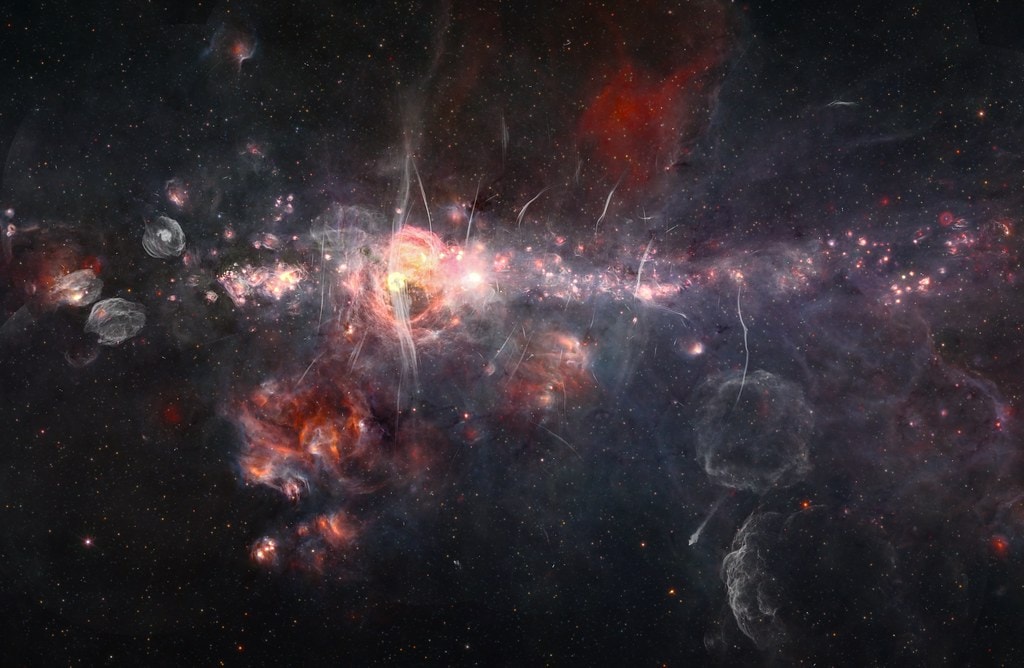
Near the center of the Milky Way is a massive molecular cloud called Sagittarius B2. When scientists studied its chemical makeup, they made a surprising discovery that sounds downright make believe. The molecules are similar to those that create the smell of raspberries and the flavor of rum. It sounds like a fruity cocktail floating in the middle of space. The discovery reminds us that the building blocks of chemistry are not unique to Earth but are scattered throughout the universe.
3. A Planet That May Be Made of Diamonds
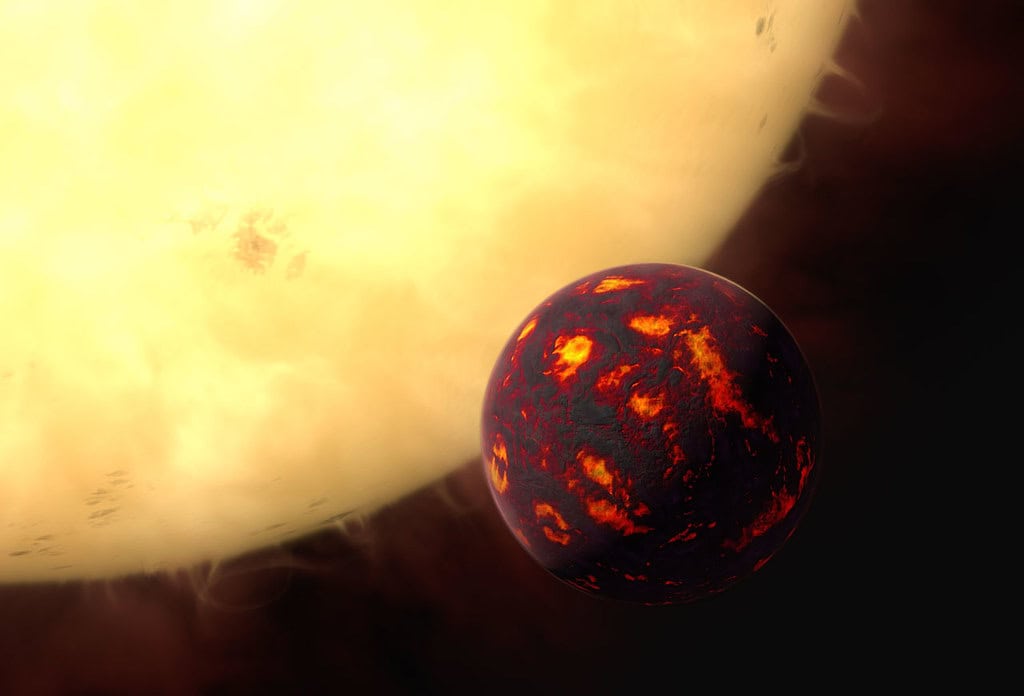
NASA has studied a super-Earth called 55 Cancri e, a planet about twice the size of Earth. Scientists believe it might be mainly made of carbon. Because of this, some have suggested that parts of the planet could have diamond-like material. The planet is extremely different from Earth in other ways too. It has temperatures hot enough to melt many substances and an environment that would be completely hostile to life as we know it. But it might be the ideal diamond-forming environment.
4. A Planet Where It Rains Iron
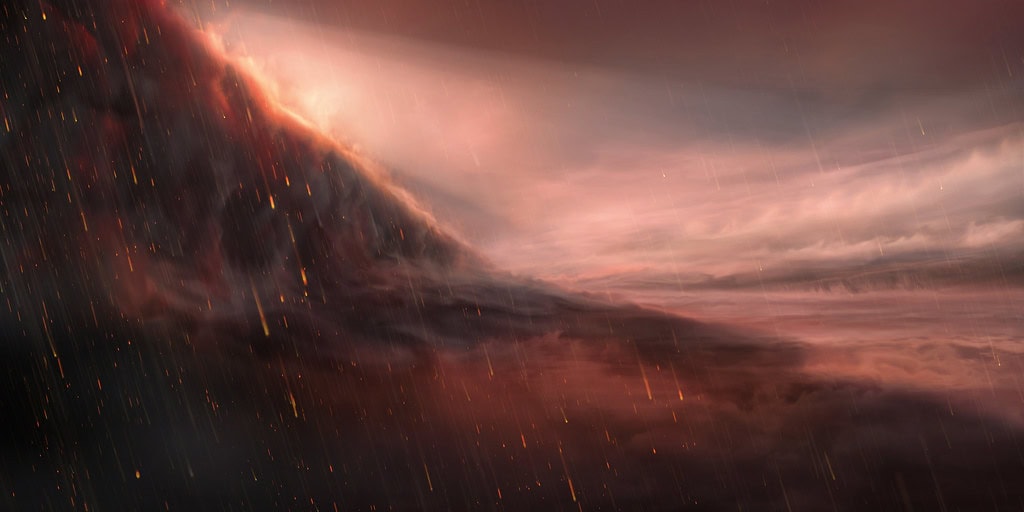
WASP-76b is a massive planet where temperatures are so hot that metals could evaporate into the atmosphere. Scientists believe that on this planet’s brutally hot daytime side, iron acts much like water does on Earth, turning into vapor. After winds push that material to the cooler nighttime side, the iron might condense and fall as liquid. In other words, this world might literally rain metal. Compared to planets like this, Earth’s worst rainstorm seems surprisingly gentle.
5. A Giant Cloud of Water Floating in Space
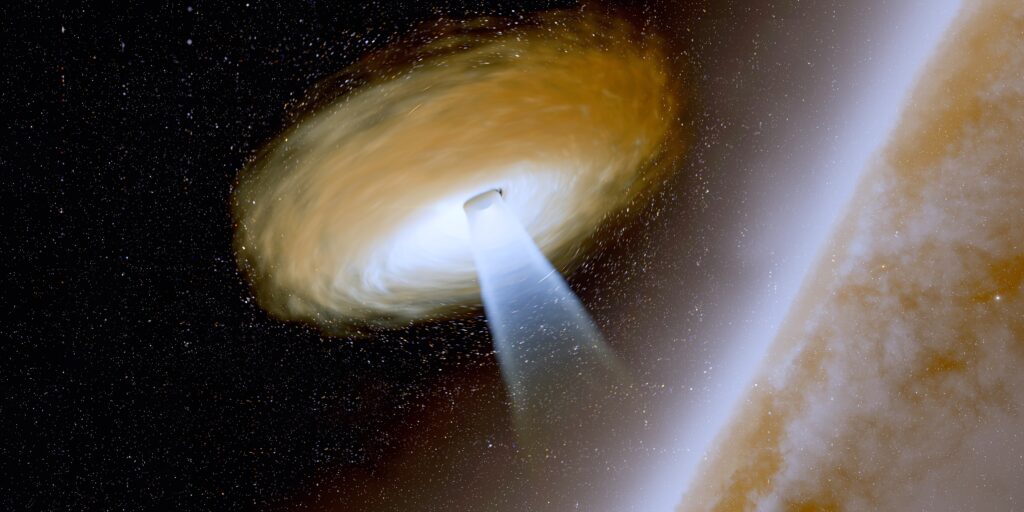
NASA has helped study one of the largest known reservoirs of water in the universe. Far from Earth, a huge cloud of water vapor surrounds a quasar. (For the non-science nerds, quasars are incredibly bright objects powered by the largest of black holes.) Remarkably, the amount of water contained there is estimated to be a mind-boggling trillions of times more than all the water on Earth. The discovery was surprising. It showed that enormous amounts of water existed when the universe was still relatively young. The find might also be a sign that the life-spawning ingredient necessary for life might be more common than we thought.
6. A Black Hole Shooting a Jet Across Space
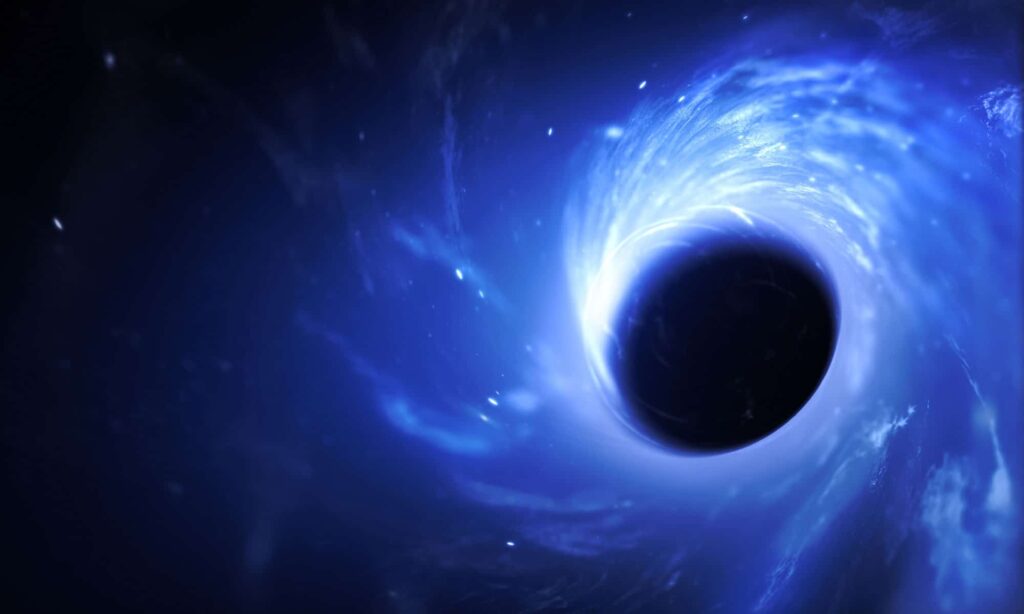
Black holes are already some of the strangest and hard-to-understand objects ever discovered. But NASA has documented some generating jets of energy that span millions of light-years. These jets form when material surrounding a black hole is trapped by magnetic fields. As a result, some of that material is shot outward at difficult-to-comprehend speeds. The discovery changed the way scientists think about black holes.
7. A Planet with a Year That Lasts Only Hours
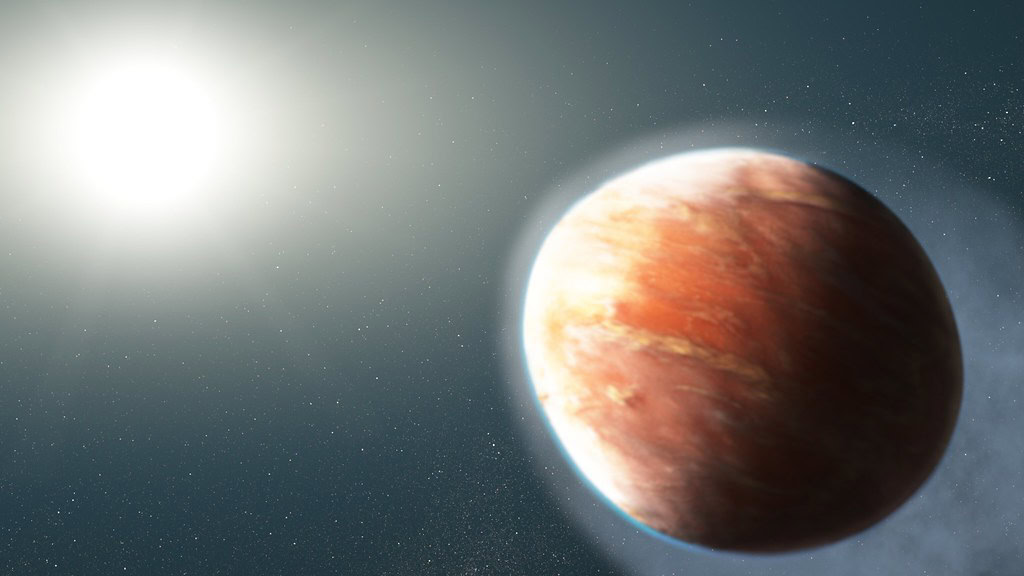
Some of the exoplanets NASA has found have extremely short orbital periods. In other words, their “years” are extremely short, lasting just a few hours. This is possible because the planets orbit incredibly close to their stars. This means they receive a great deal of intense heat and radiation. Many of these worlds are assumed to be plagued by extreme environments, with surfaces that may be molten or made of unusual materials.
8. A Galaxy That Looks Like a Question Mark
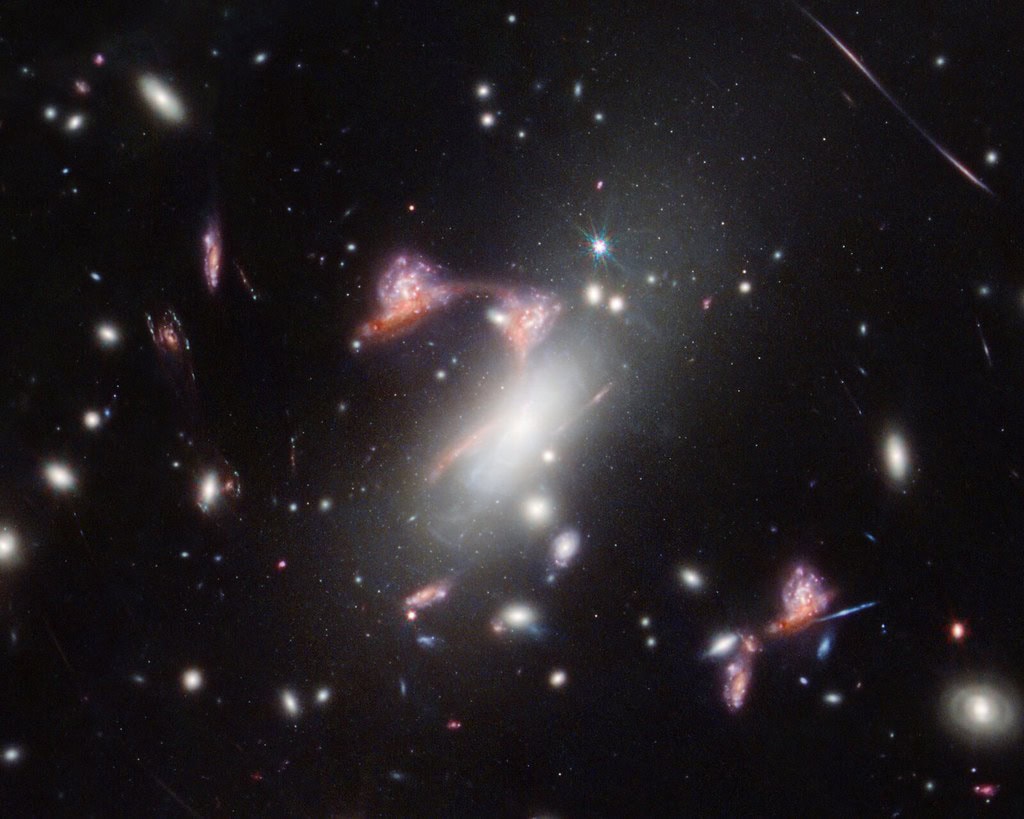
NASA’s telescopes have focused on galaxies and structures with shapes that look intentional and almost impossible. One such example is a pair of galaxies that look like a giant question mark. The unusual shape is due to the powerful forces of gravity pulling the galaxies together over millions of years. Though the formation almost seems designed, they are the result of natural cosmic forces over long periods of time.