Dima Zel/Shutterstock.com
Elen11/iStock via Getty Images
Lukasz Pawel Szczepanski/Shutterstock.com
buradaki/iStock.com
Petrovich9/iStock.com
Blue Planet Studio/Shutterstock.com
19 STUDIO/Shutterstock.com
LightField Studios/Shutterstock.com
Artsiom P/Shutterstock.com
dima_zel/iStock via Getty Images
LightField Studios/Shutterstock.com
Thaweesak Saengngoen/iStock.com
buradaki/Shutterstock.com
NASA images/Shutterstock.com
Andrii Myronov/Shutterstock.com
Vadim Sadovski/Shutterstock.com
NASA Goddard Photo and Video / BY 2.0
Negro Elkha/Shutterstock.com
NASA, ESA, CSA, STScI
NASA / Public domain
Dotted Yeti/Shutterstock.com

"Yuri Gagarin by Jorit" by Jorit is licensed under BY-SA 4.0.



21 Space Questions To Test Your Astronomy Knowledge
Space can make even simple questions surprisingly tricky. Most of us know the names of the planets and recognize the biggest moments in space exploration, but terms such as “day,” “year,” and even “space” can mean something more specific once astronomy enters the conversation.
These questions cover the Sun, planets, stars, black holes, space travel, and a few of the solar system’s strangest features. Some answers are straightforward, while others need a little context. A day on Mercury, for example, can mean either one rotation or the time from one sunrise to the next, and those are dramatically different lengths.
To create this list, 24/7 Tempo reviewed information from NASA, NASA’s Jet Propulsion Laboratory, and other astronomy resources maintained by the agency. Read through the questions to see how much you know about our small corner of the universe.
Question 1: What Is the Closest Star to Earth?
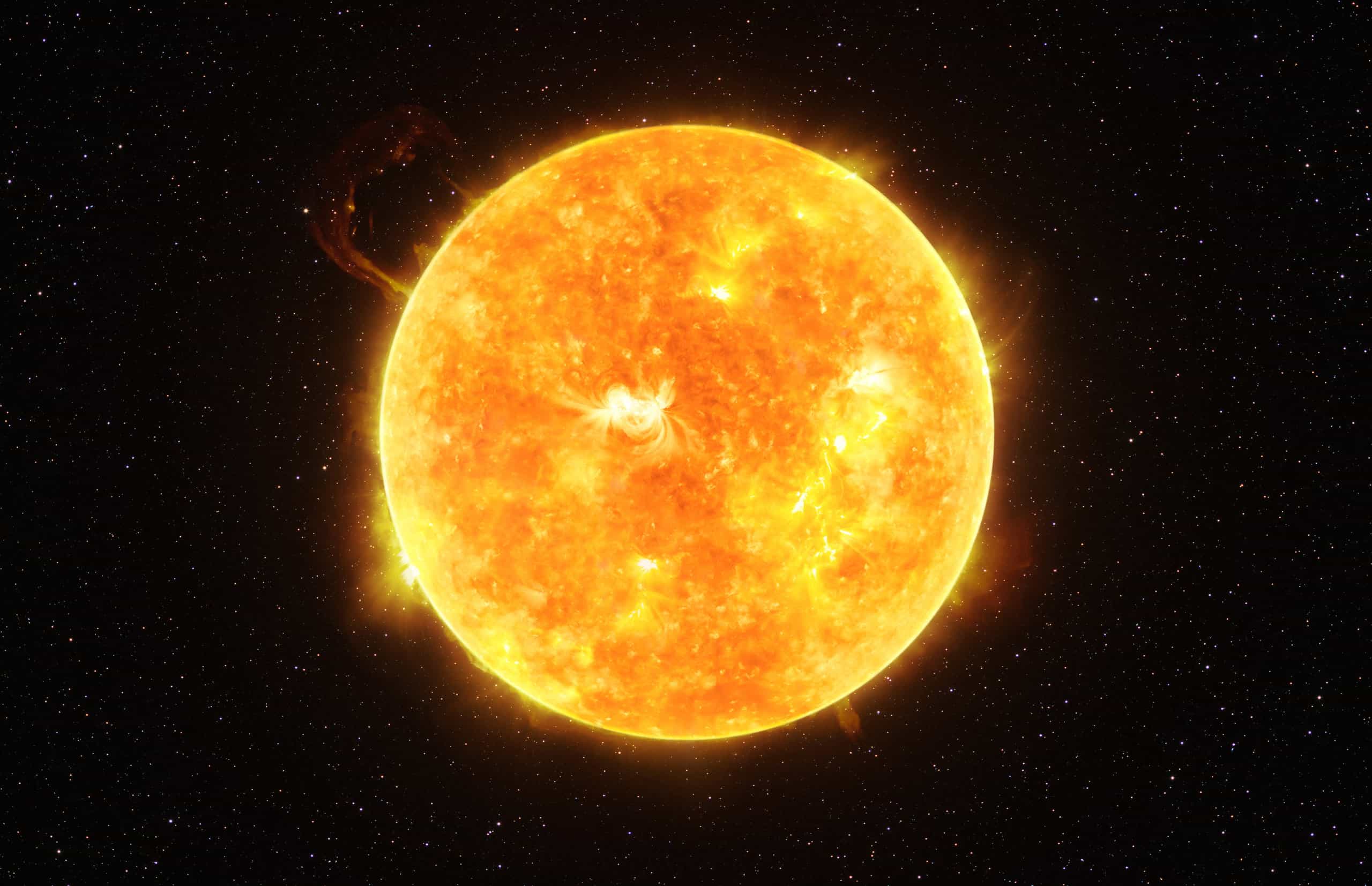
The closest star to Earth is the Sun, which is about 93 million miles away on average. If the question means the closest star beyond the Sun, the answer is Proxima Centauri, a small red dwarf about 4.24 light-years from us. It belongs to the three-star Alpha Centauri system, but it is so faint that it cannot be seen with the naked eye. Even our nearest stellar neighbor is therefore more than 24 trillion miles away, a useful reminder of how enormous the gaps between stars really are.
Question 2: How Big Is the Sun?
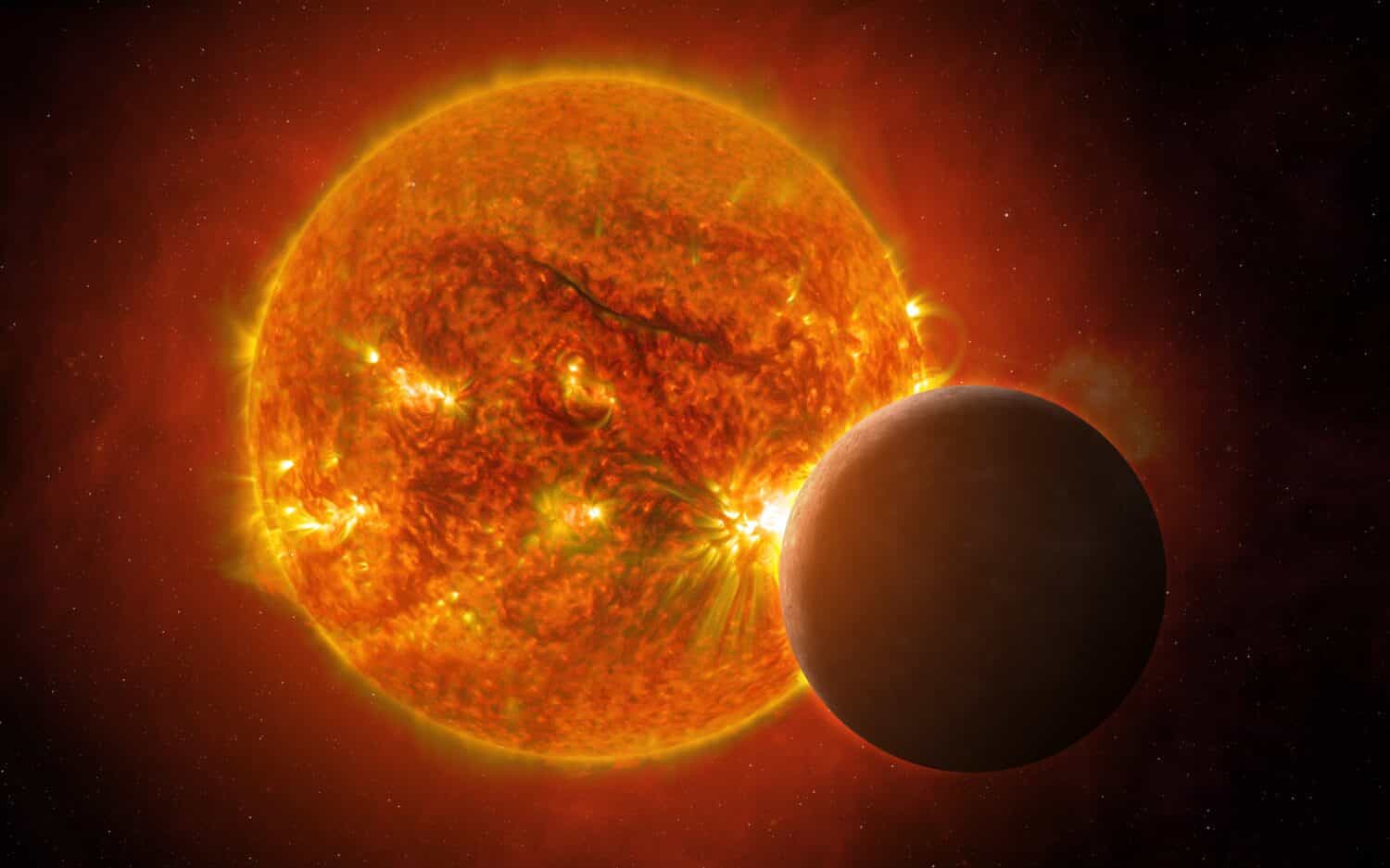
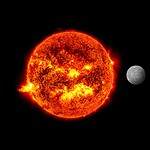
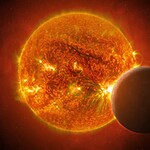
The Sun is about 865,000 miles, or 1.39 million kilometers, across. Roughly 109 Earths could be lined up across its diameter, and about 1.3 million Earths could fit inside it by volume if there were no empty spaces between them. The Sun is also more than 330,000 times as massive as Earth and contains about 99.8% of all the mass in the solar system. It is considered a medium-sized star, but from a human point of view, its scale is almost impossible to picture.
Question 3: How Long Is a Day on Mercury?
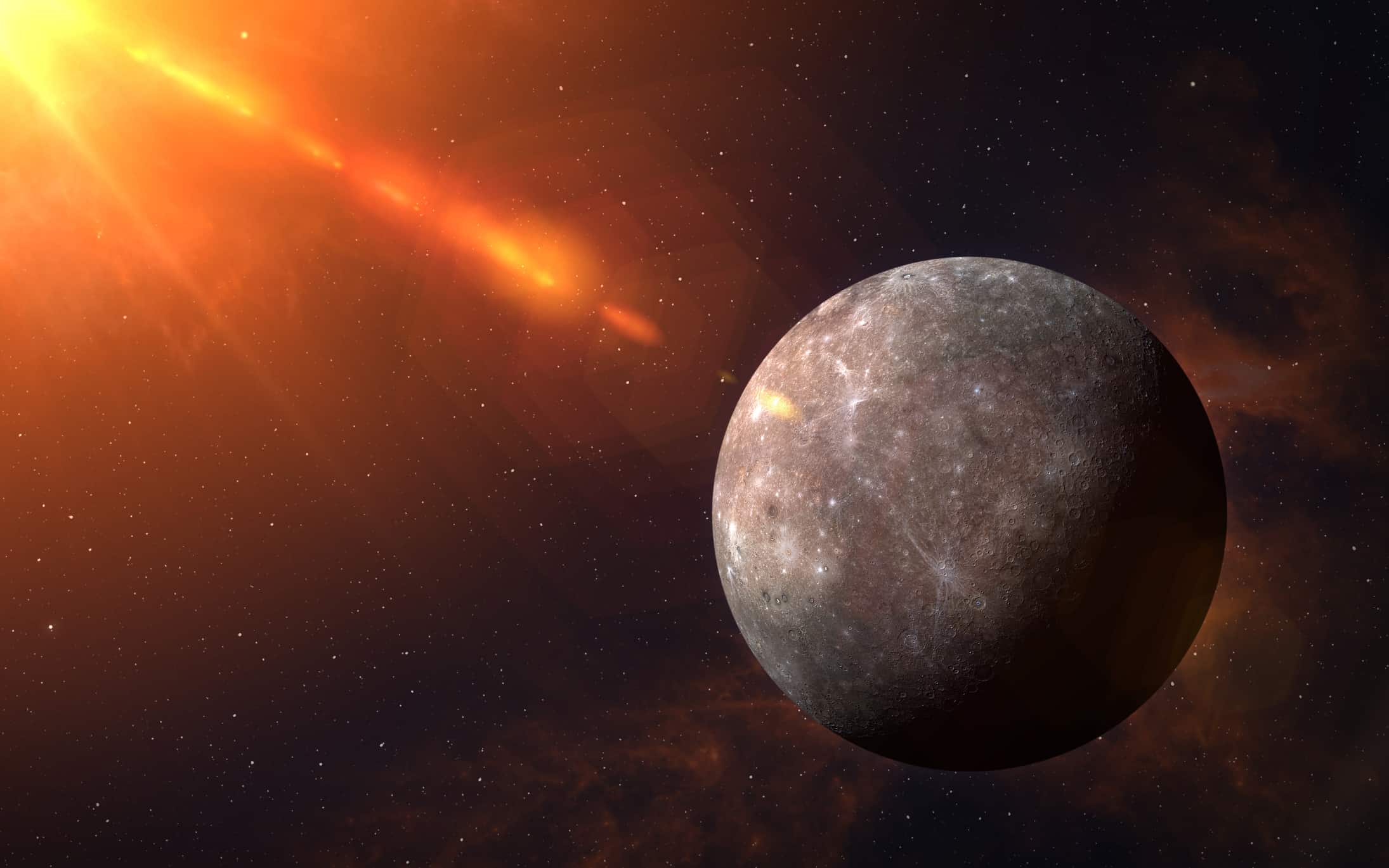
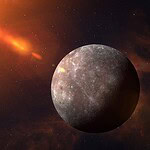
It depends on what “day” means. Mercury takes about 59 Earth days to rotate once relative to the distant stars, which is its sidereal day. Because the planet is also moving around the Sun, however, one complete sunrise-to-sunrise cycle lasts 176 Earth days. That solar day is twice as long as Mercury’s 88-Earth-day year. The original claim that a Mercury day is about 1,408 hours described the rotation period, not the much longer day-and-night cycle someone standing on the surface would experience.
Question 4: How Do Black Holes Form?
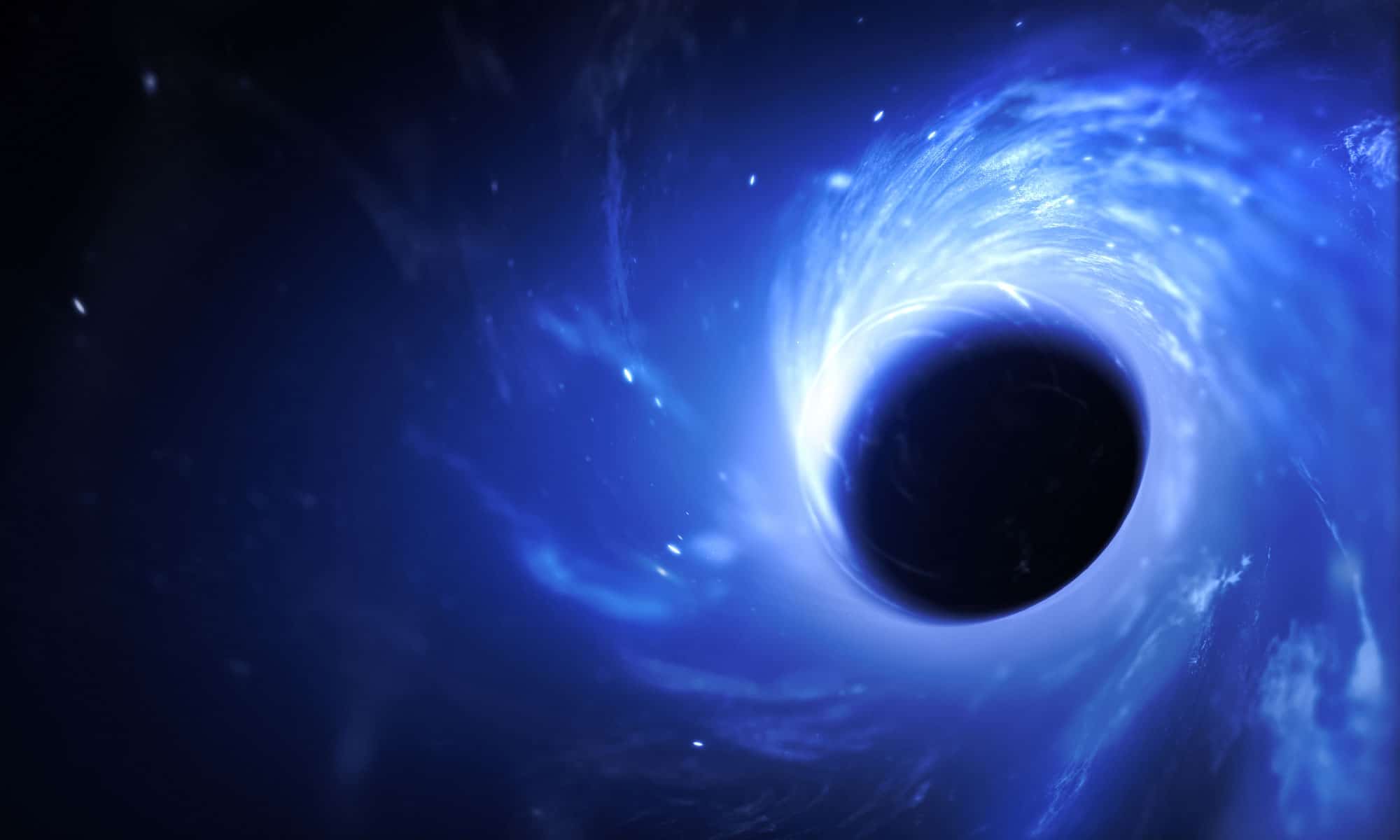
A stellar-mass black hole can form when a very massive star runs out of nuclear fuel and its core collapses under its own gravity, often as the star’s outer layers are blasted away in a supernova. Black holes can later grow by pulling in gas and other matter or by merging with other black holes. Astronomers have good evidence for this general picture, but they still do not know exactly how the first supermassive black holes formed so early in the universe. Direct collapse of enormous gas clouds is one leading possibility, not a settled answer.
Question 5: Can You Hear Sound in Space?
Ordinary sound cannot travel through the near-vacuum between planets because a mechanical sound wave needs matter, such as air, water, or a solid, to carry its vibrations. Space is not perfectly empty, however, and pressure waves can move through sufficiently dense gas or plasma even though a human ear could not hear them directly. Astronauts can also hear one another inside a pressurized spacecraft or through radio systems in their suits. So the familiar line that “there is no sound in space” is useful shorthand, but it needs that vacuum qualification.
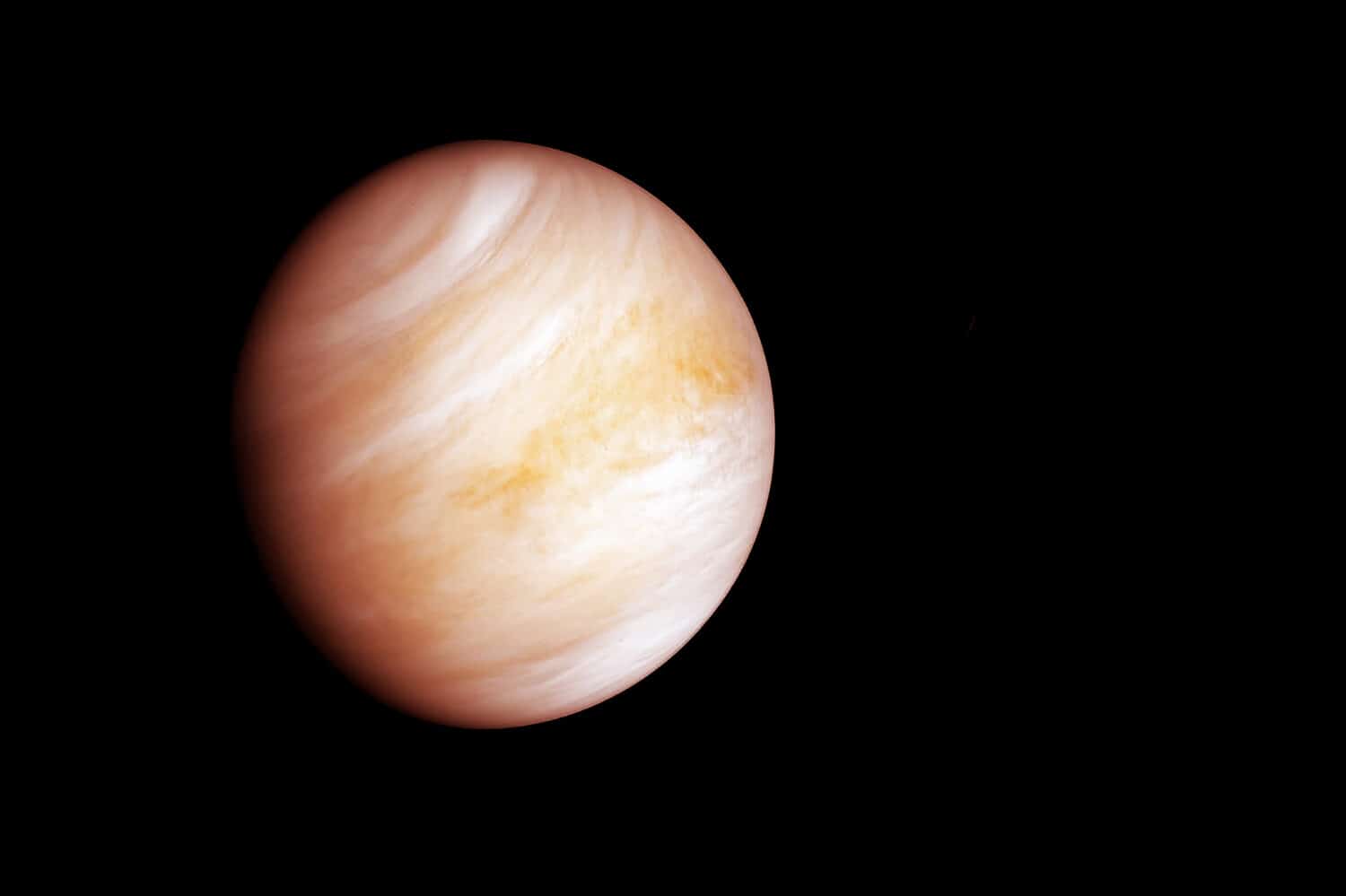
Question 6: What Is the Hottest Planet in the Solar System?
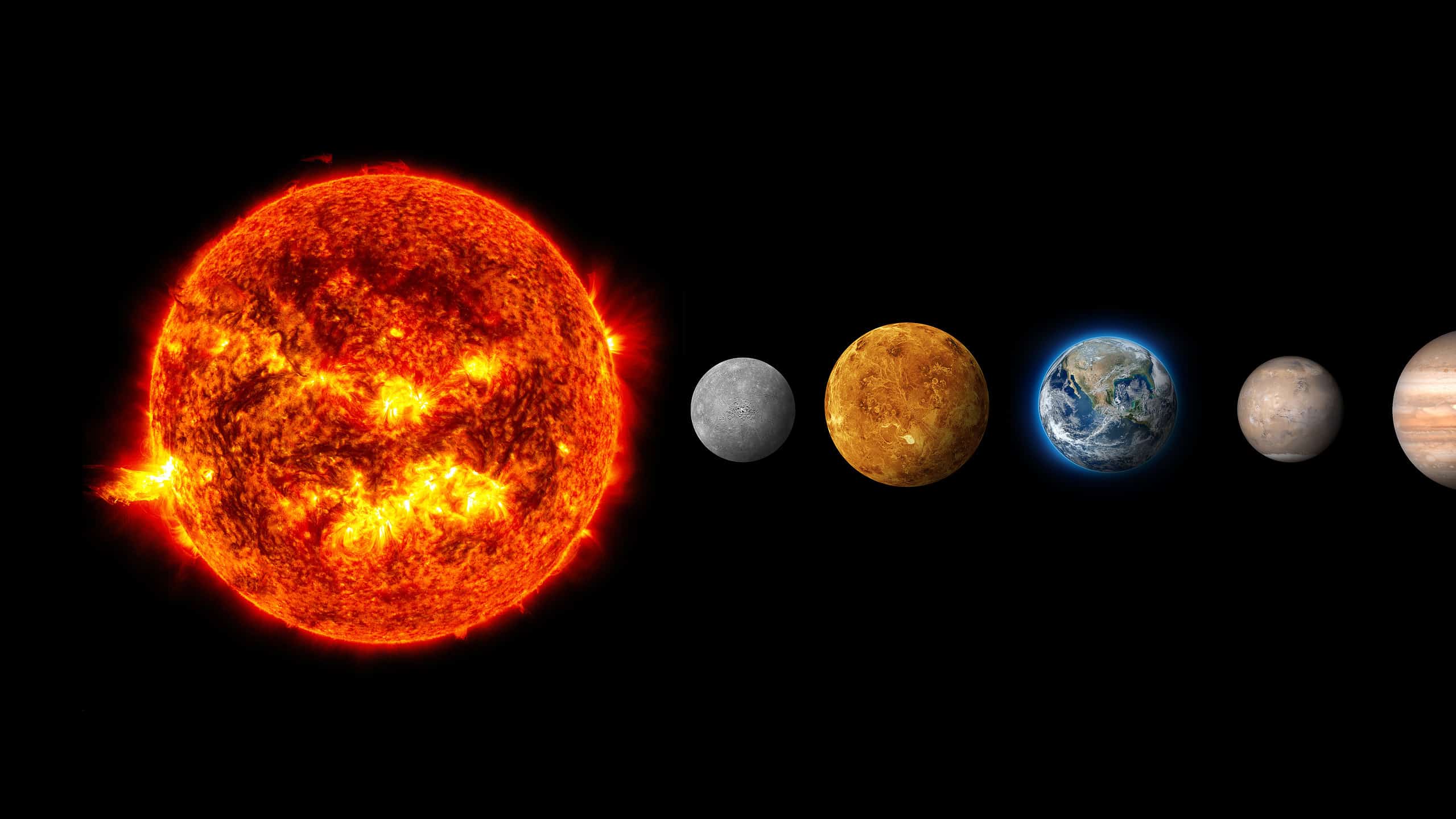
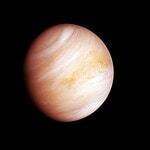
Venus is the hottest planet, even though Mercury is closer to the Sun. Its dense atmosphere is mostly carbon dioxide and traps heat through a runaway greenhouse effect, pushing the average surface temperature to about 867 degrees Fahrenheit, or 464 degrees Celsius. Mercury can become extremely hot during the day, but its almost nonexistent atmosphere cannot hold that heat, and its nights are bitterly cold. Venus stays brutally hot across the planet, day and night, at temperatures high enough to melt lead.
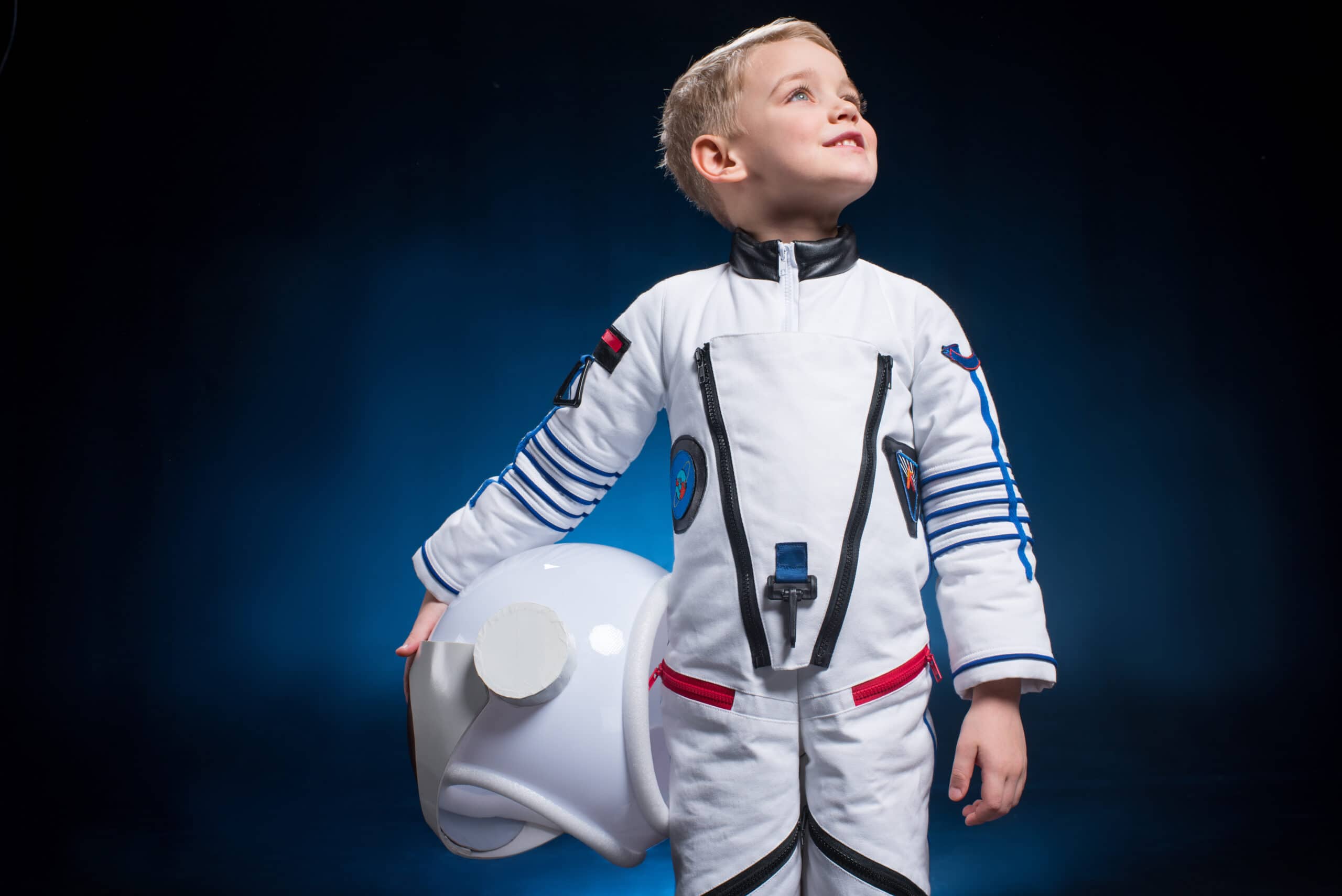
Question 7: What Does a Spacesuit Actually Do?
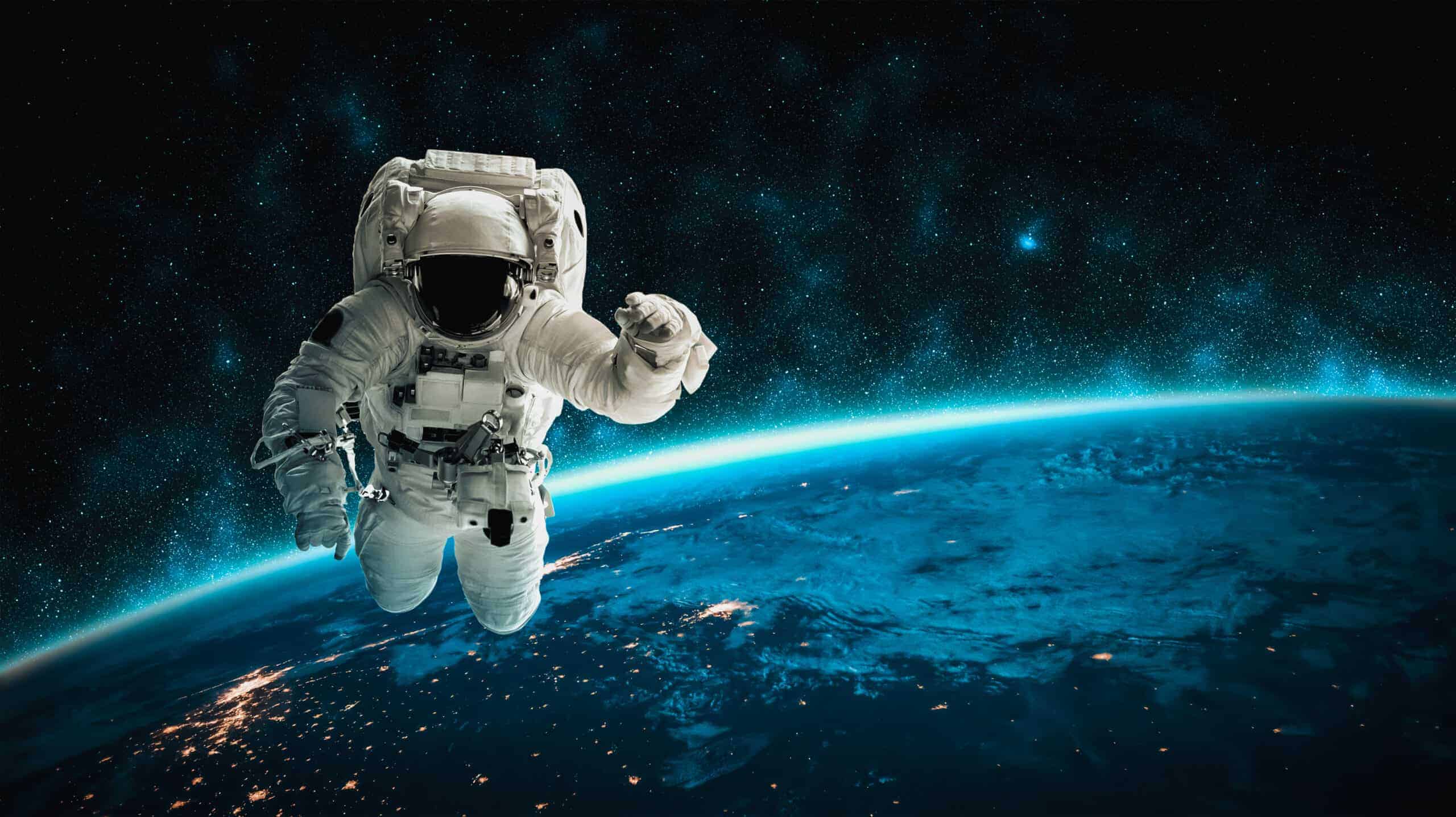
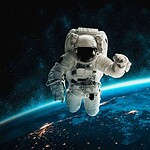
A spacesuit is essentially a tiny spacecraft shaped around a person. It supplies oxygen, maintains pressure, removes carbon dioxide and humidity, regulates body temperature, enables communication, and provides limited protection from micrometeoroids, debris, ultraviolet radiation, and extreme temperatures. There is no single meaningful price for “a NASA spacesuit” because the total changes depending on whether development, testing, life-support equipment, and mission support are included. Even NASA spacesuit specialists have cautioned that the often-repeated $100,000 figure for an Apollo suit is not a reliable all-in price.
Question 8: How Long Does Venus Take to Rotate Once?
Venus takes about 243 Earth days to rotate once relative to the stars, and it spins in the opposite direction from Earth and most other planets. That rotation period is even longer than its 225-Earth-day year. A solar day on Venus, measured from one noon to the next, lasts about 117 Earth days because the planet’s backward rotation combines with its movement around the Sun. Anyone standing above the clouds would see the Sun rise in the west and set in the east.
Question 9: Does Water Exist Elsewhere in Space?
Water is widespread beyond Earth, although it is usually found as ice or vapor rather than as an open surface ocean. Scientists have detected it in comets, asteroids, permanently shadowed craters on the Moon, beneath the surface of Mars, and in the atmospheres of distant worlds. There is also strong evidence for liquid-water oceans beneath the icy crusts of moons including Europa, Ganymede, Enceladus, and Titan. Earth remains the only world known to have stable oceans of liquid water exposed across its surface.
Question 10: What Would Happen Without a Spacesuit in Space?
A person suddenly exposed to vacuum would not explode or freeze instantly, but the situation would become life-threatening within seconds. The lack of oxygen would likely cause unconsciousness after roughly 10 to 15 seconds, while low pressure would make moisture on exposed surfaces begin to boil and could cause tissues to swell. Holding one’s breath could seriously damage the lungs as the trapped air expanded. Very brief vacuum exposure can be survivable if repressurization happens quickly, but longer exposure would cause severe injury and death from oxygen deprivation.
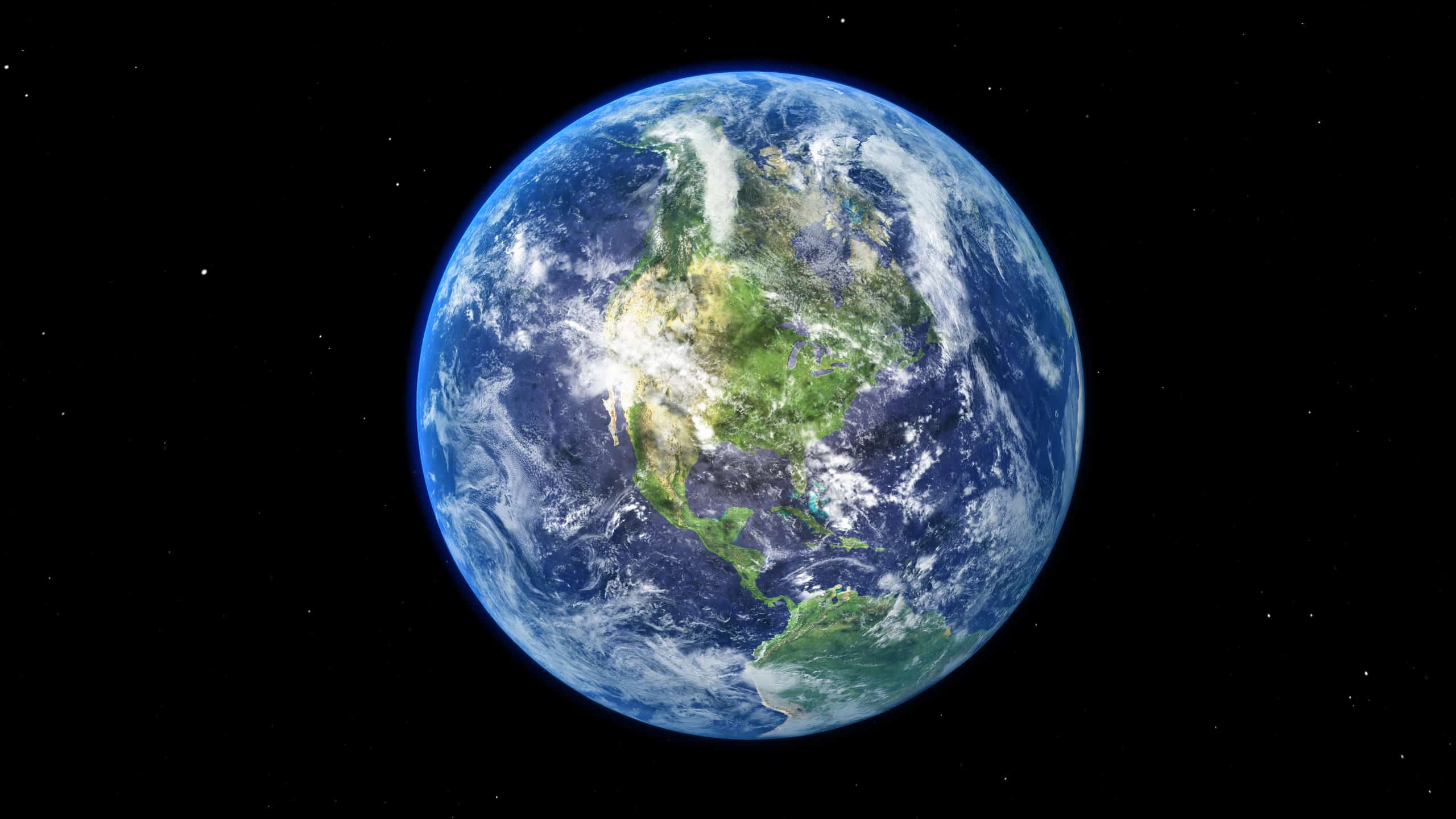
Question 11: How Fast Does Earth Travel Around the Sun?
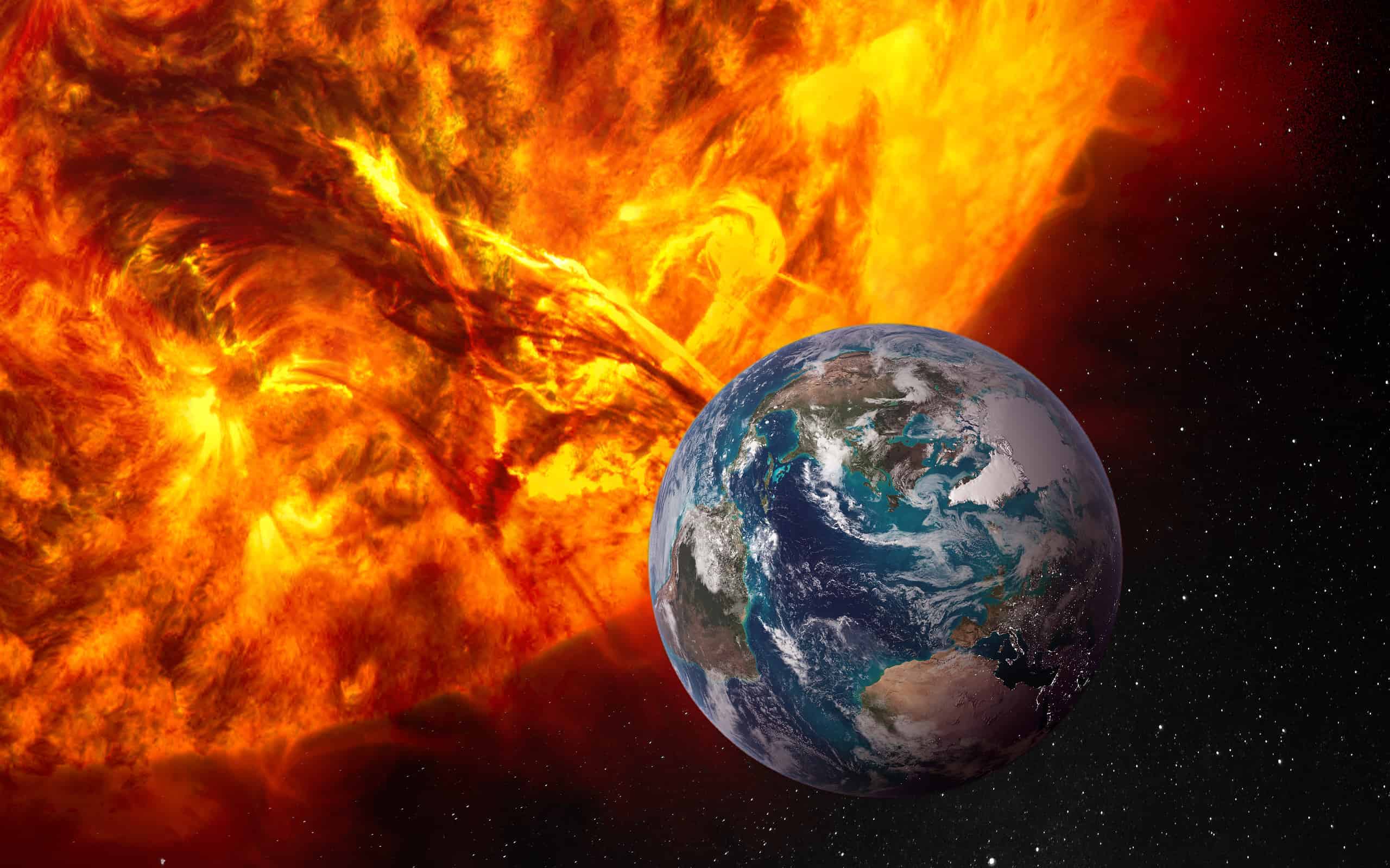
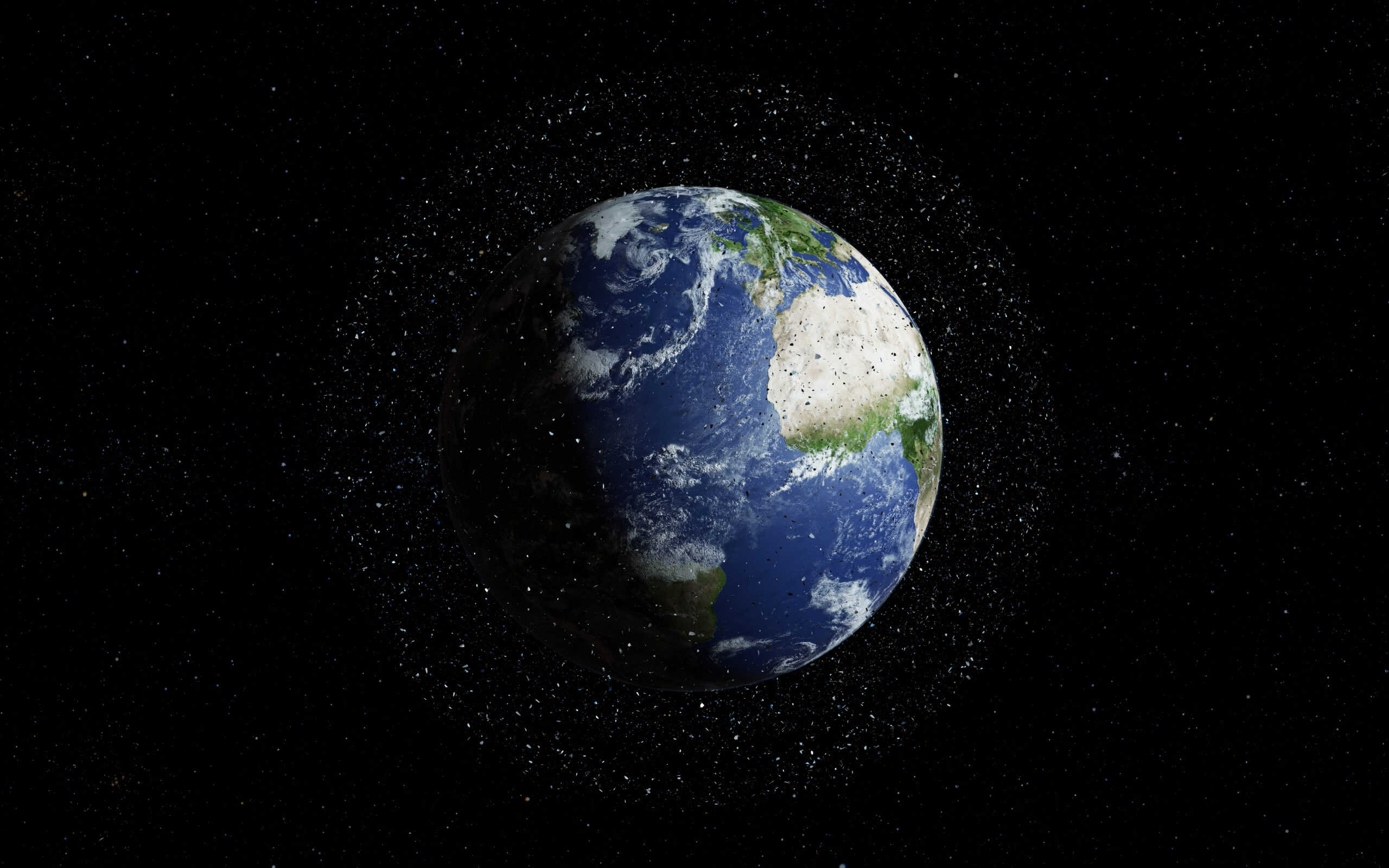
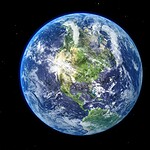
Earth moves around the Sun at an average speed of about 67,000 miles per hour, or 107,000 kilometers per hour. Its speed changes slightly during the year because its orbit is elliptical rather than perfectly circular. We do not feel that motion because the ground, atmosphere, oceans, and everything on them are traveling together, while Earth’s orbital motion changes smoothly. Human bodies notice changes in motion much more readily than steady shared motion, which is why a planet racing through space can still feel perfectly still.
Question 12: How Far Is Earth From the Sun?
Earth is about 93 million miles, or 150 million kilometers, from the Sun on average. Astronomers call this distance one astronomical unit, or AU, which is defined as exactly 149,597,870.7 kilometers. Because Earth follows a slightly elliptical orbit, the actual distance changes from about 91.4 million miles at its closest to roughly 94.5 million miles at its farthest. Sunlight takes about eight minutes and 20 seconds to cross the average distance, so the Sun we see is always a little more than eight minutes in the past.
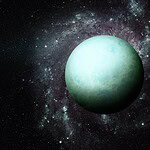
Question 13: Why Does Uranus Spin Sideways?
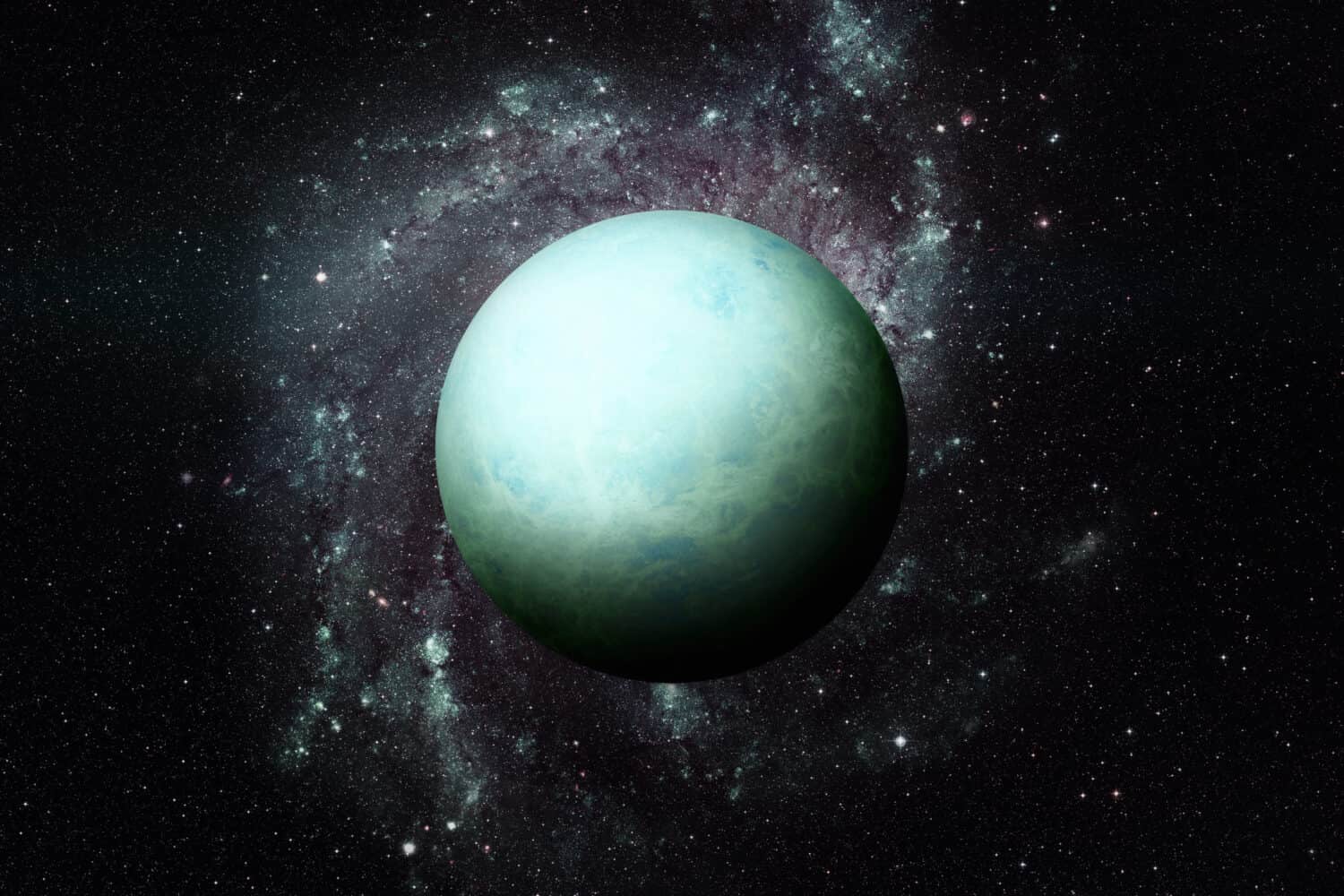
Uranus has an axial tilt of about 97.8 degrees, so it appears to roll around the Sun on its side. Scientists do not know exactly how it ended up that way. A collision with an Earth-sized object early in the solar system’s history is a popular explanation, but models involving several smaller impacts or complex gravitational interactions have also been proposed. The planet’s tilt and the orderly orbits of its moons both have to be explained, so it is more accurate to call the giant-impact idea a leading hypothesis than a confirmed event.
Question 14: Which Planets Have Spacecraft Visited?
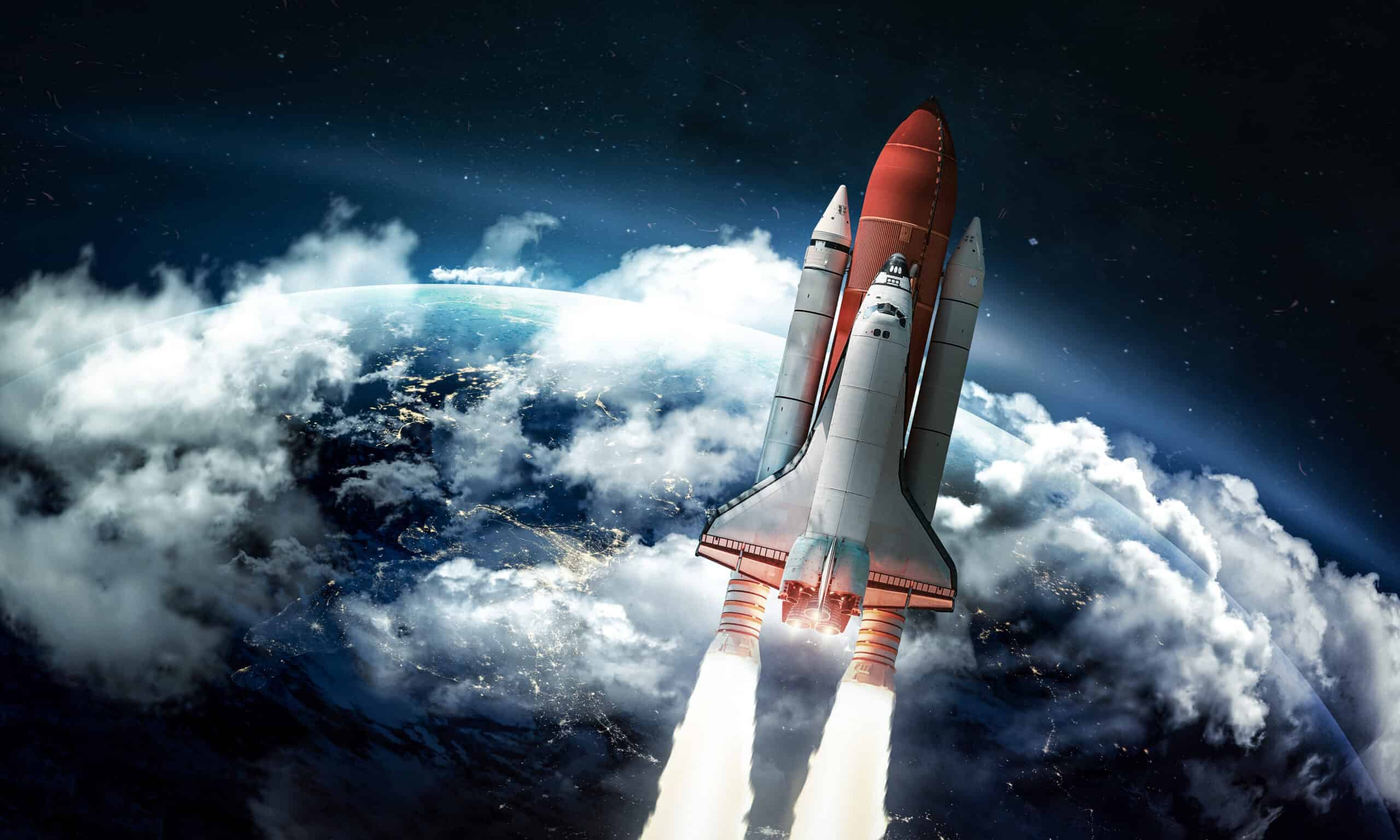
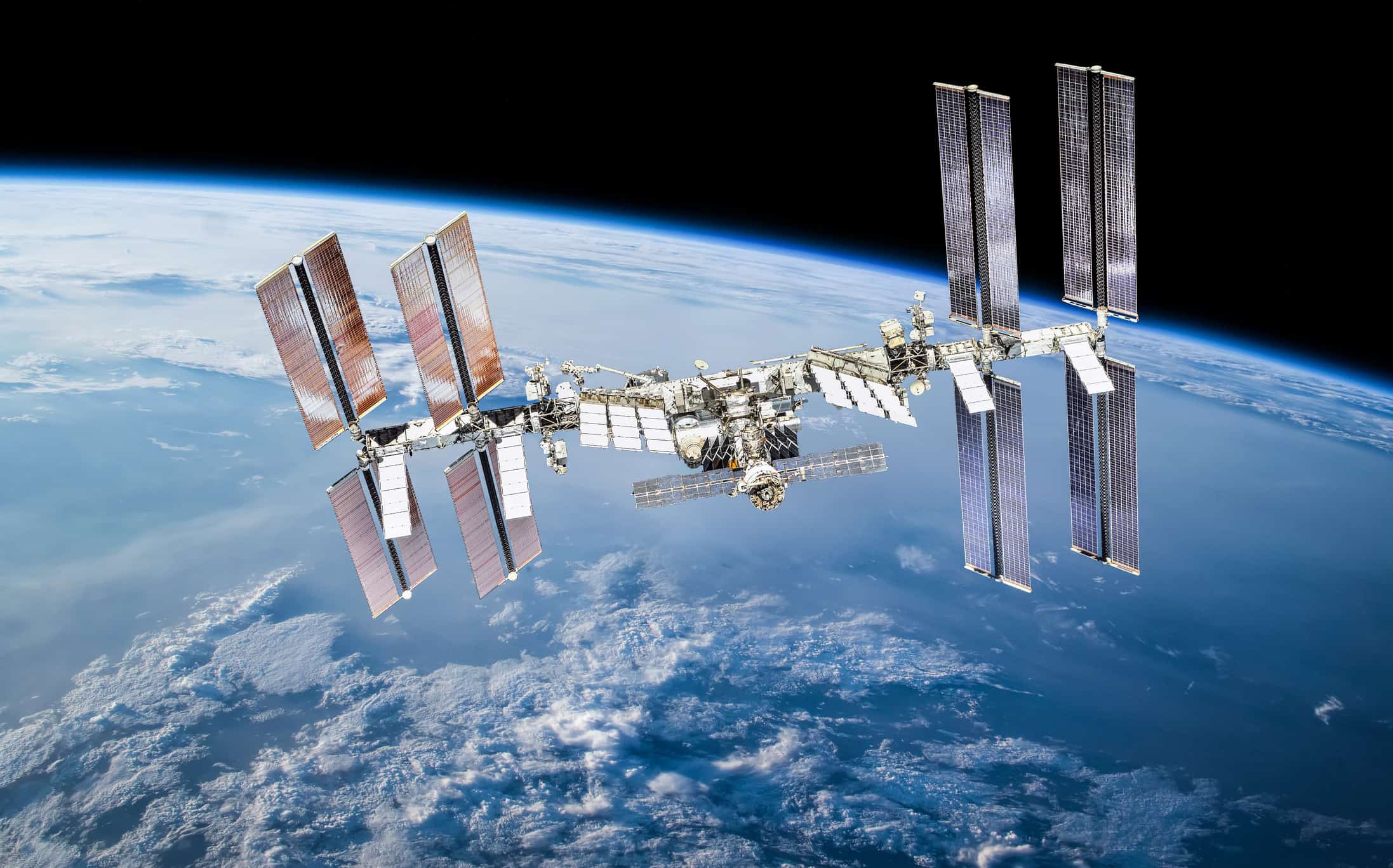
Robotic spacecraft have visited all eight planets in the solar system, although “visited” includes flybys as well as orbiters and landers. Uranus and Neptune have each received only one close visit, from Voyager 2 in 1986 and 1989, respectively. Pluto is now classified as a dwarf planet, but it also received a close flyby when New Horizons passed through the Pluto system in 2015. No crewed mission has traveled to another planet; the only world beyond Earth that humans have visited is the Moon.
Question 15: What Are Planetary Rings Made Of?
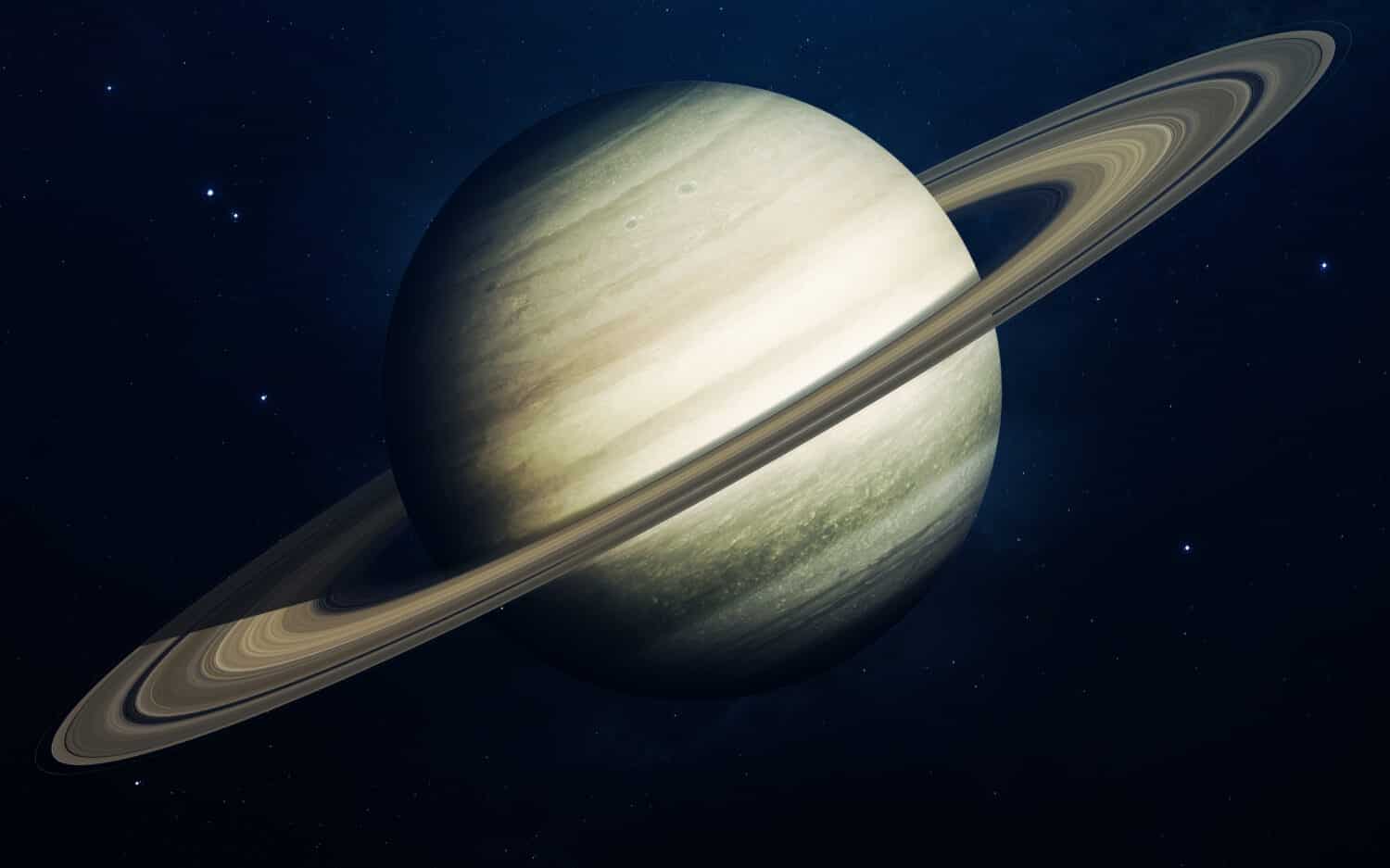
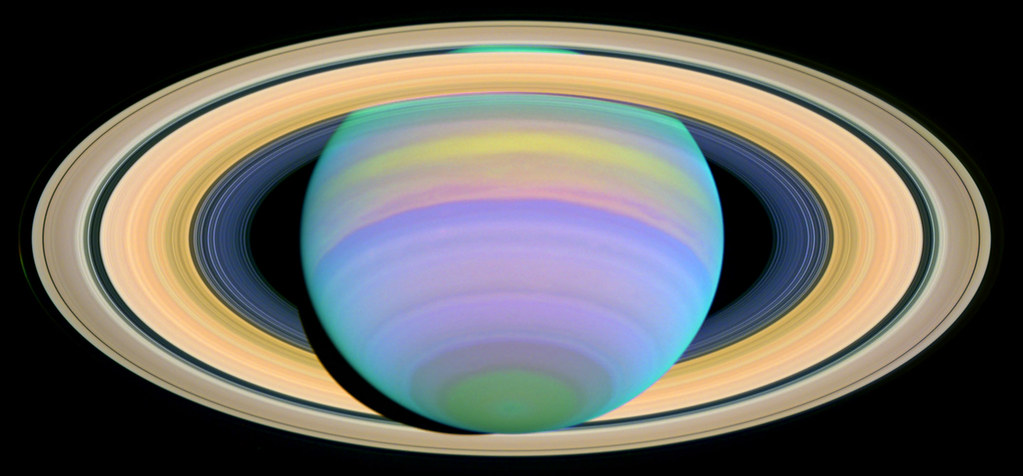
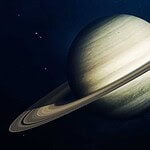
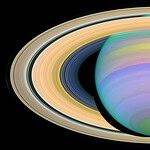
Planetary rings are not solid disks. They are enormous collections of separate particles orbiting a planet, and those particles can include water ice, rock, and dust ranging from tiny grains to large boulders. Their makeup differs from world to world: Saturn’s bright rings are mostly water ice, while Jupiter’s faint rings are dominated by fine rocky dust. Much of the material probably came from moons, comets, or other objects that were shattered by impacts or pulled apart by a planet’s gravity.
Question 16: How Many Planets Have Ring Systems?
Four planets have ring systems: Jupiter, Saturn, Uranus, and Neptune. Saturn’s rings are by far the brightest and easiest to see, but the other three giant planets have fainter rings made of darker or dustier material. Rings are not limited to planets, either. Astronomers have also found them around smaller bodies, including the dwarf planet Haumea and the centaur Chariklo. If the question is restricted to the solar system’s eight planets, however, the answer is four.
Question 17: What Are the Van Allen Belts?
The Van Allen belts are two main doughnut-shaped regions of energetic charged particles trapped around Earth by the planet’s magnetic field. Their size and intensity change with solar activity, and a temporary third belt can sometimes appear. The radiation can damage spacecraft electronics and would be dangerous during prolonged, unshielded exposure, but astronauts traveling beyond low-Earth orbit can reduce their dose through shielding, careful route planning, and a relatively quick passage through less intense parts of the belts. They are a real engineering hazard, not an impassable barrier.
Question 18: How Many Stars Are in the Observable Universe?
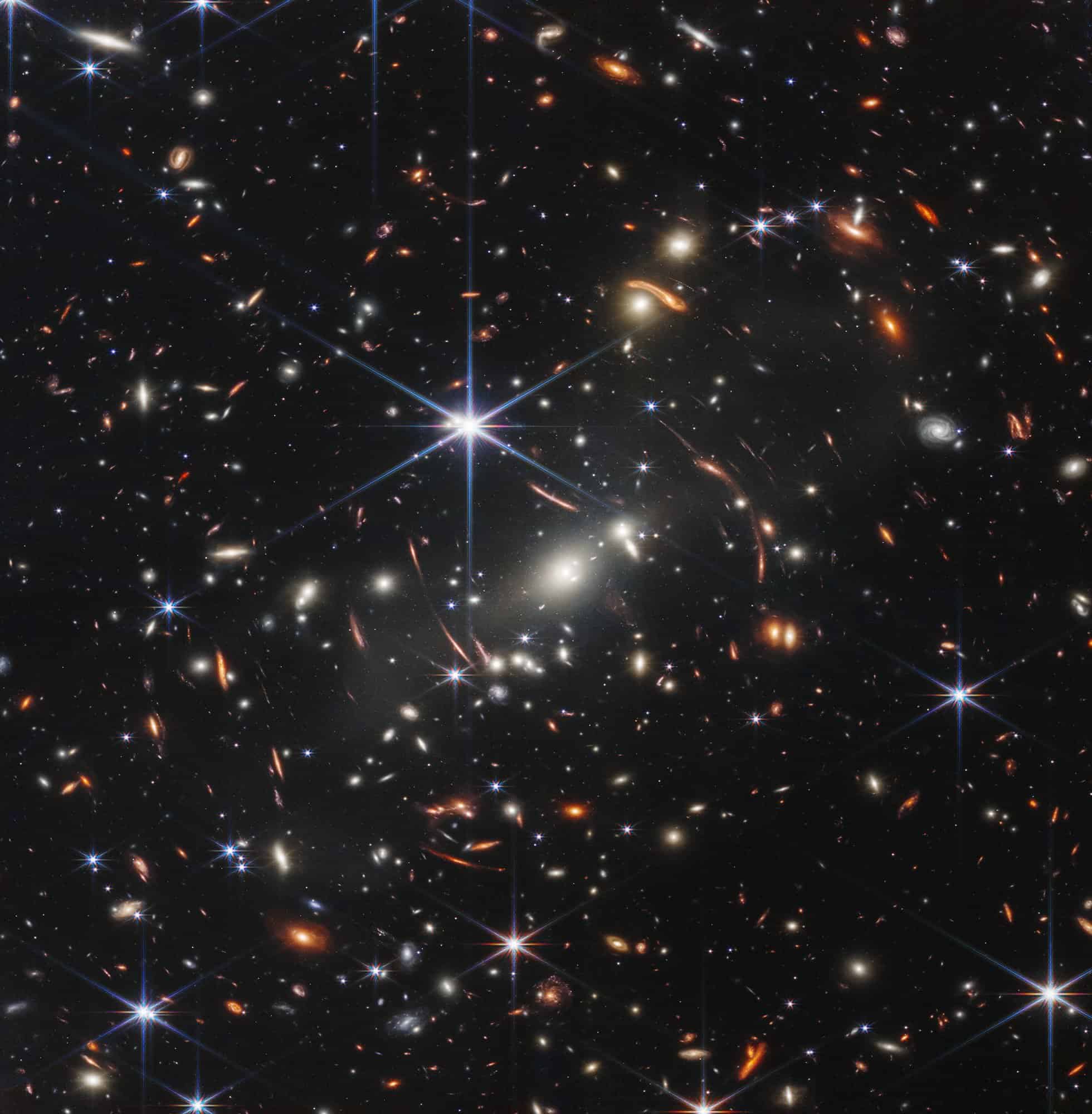
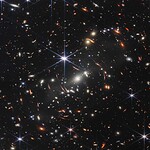
No one can count the stars individually, so astronomers estimate the total from observations of galaxies and their stellar populations. Depending on the assumptions used, estimates for the observable universe extend through an enormous range, and NASA says the number could be as high as one septillion, or 10 to the 24th power. That is a one followed by 24 zeros. The word “observable” matters because scientists do not know how large the entire universe is or how many stars may exist beyond the part whose light has had time to reach us.
Question 19: How Long Will the Apollo Astronauts’ Footprints Last?
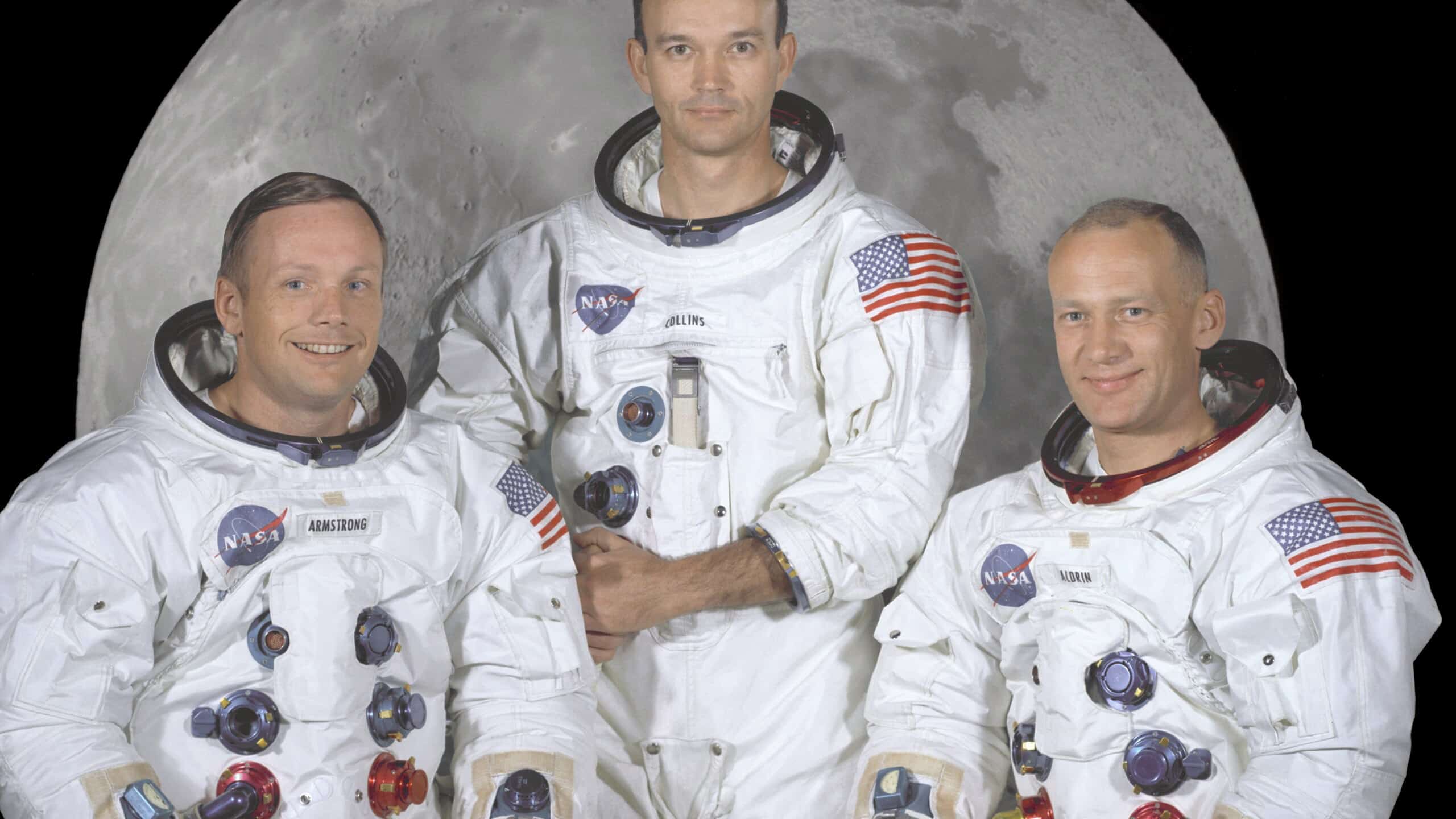
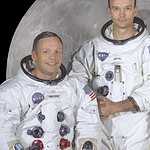
The Apollo footprints could remain recognizable for at least a million years, although they will not last forever. The Moon has essentially no atmosphere, liquid rain, or wind to wash and blow the tracks away, and it has little of the surface-recycling activity seen on Earth. Over very long periods, however, micrometeorite impacts, solar wind, and other forms of space weathering will gradually disturb the lunar soil and soften the marks. “Millions of years” is therefore a reasonable estimate; “forever” is not.
Question 20: What Is Jupiter’s Great Red Spot?
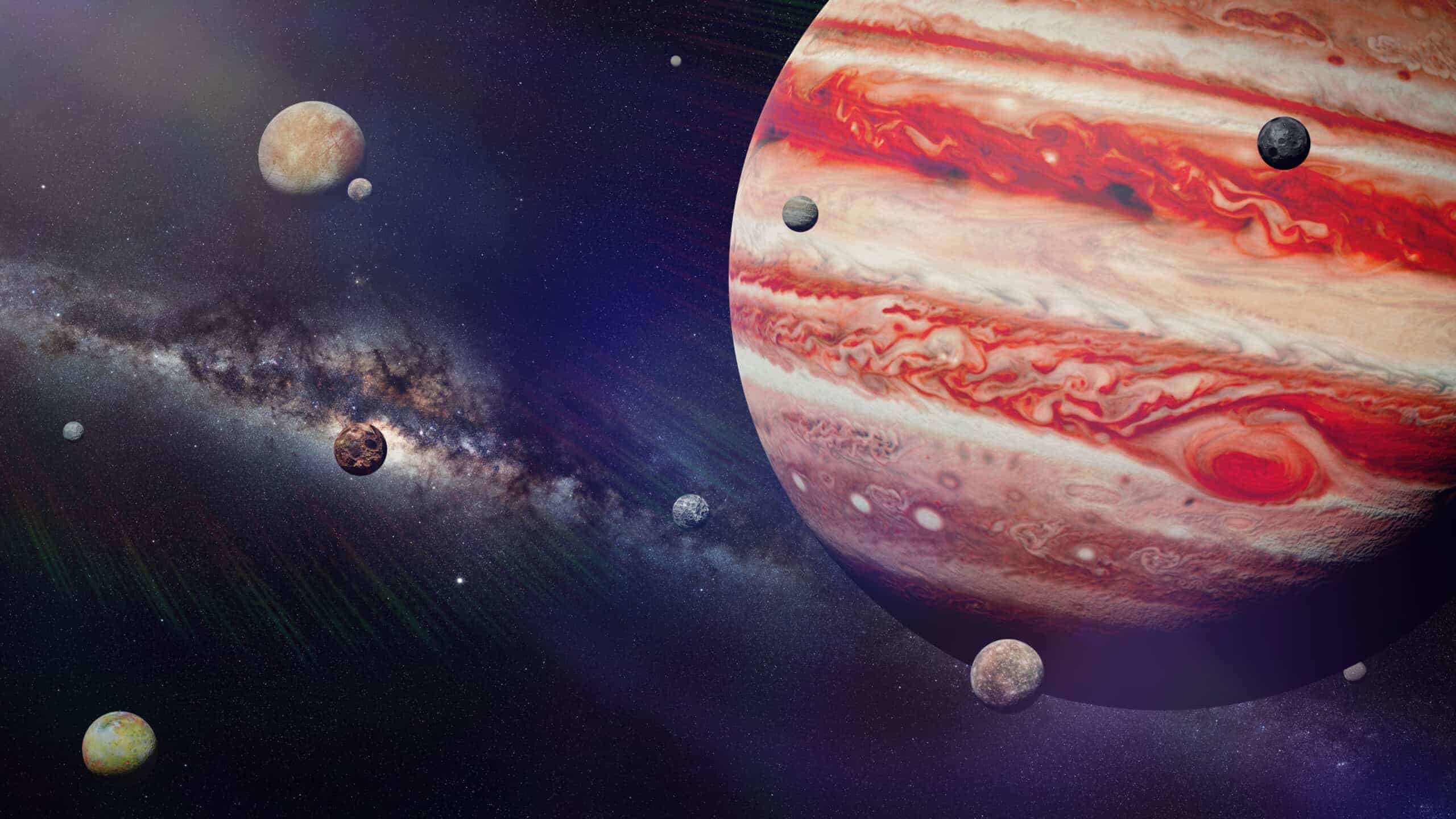
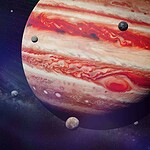
Jupiter’s Great Red Spot is a vast, high-pressure anticyclonic storm that has been observed for at least about 150 years and may have existed much longer. It is still wider than Earth, though it has generally been shrinking and becoming rounder over time, and recent Hubble observations show that its size and shape also oscillate. Scientists understand its powerful circulation better than they understand its color. Chemical reactions driven by sunlight are a leading explanation for the reddish-orange material, but the exact chemistry remains unsettled.
Question 21: Who Was the First Human in Space?
Soviet cosmonaut Yuri Gagarin became the first human in space on April 12, 1961. His Vostok 1 spacecraft completed one orbit of Earth during a flight that lasted 108 minutes, opening the era of human spaceflight. Alan Shepard became the first American in space less than a month later, on May 5, during a suborbital flight. Neil Armstrong’s achievement came eight years after Gagarin’s, when he became the first person to walk on the Moon in July 1969.