Rockfinder.net
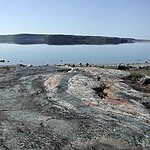
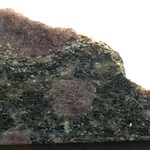
NASA/Wikimedia Commons
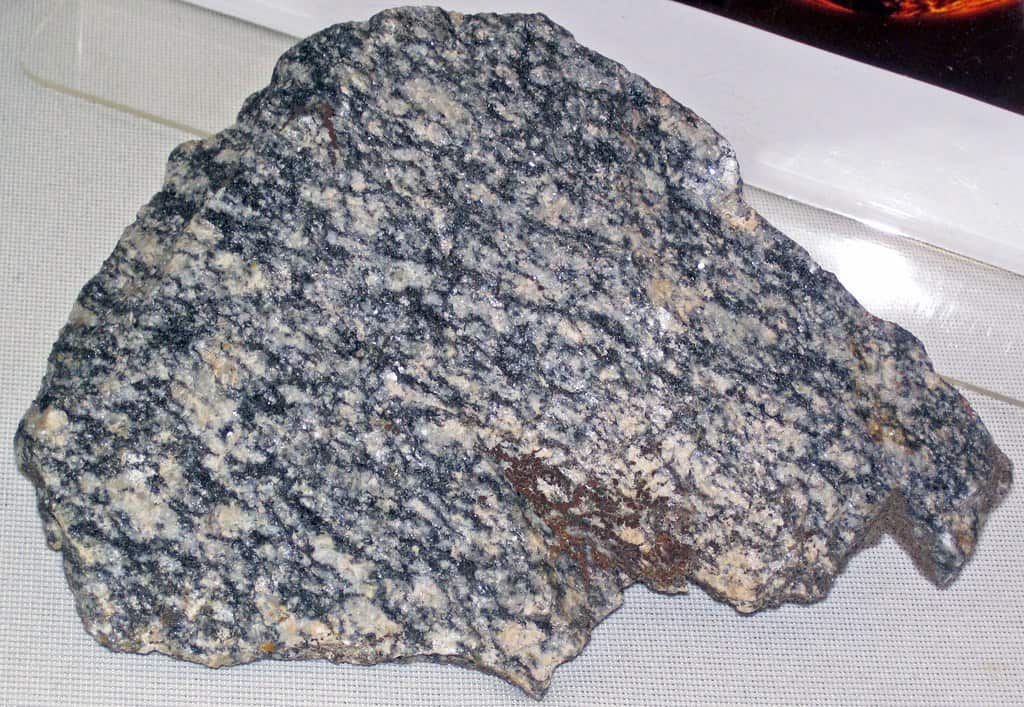
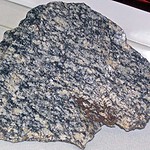
"Watersmeet Gneiss (early Paleoarchean, 3.56 Ga; Watersmeet, Upper Peninsula of Michigan, USA)" by James St. John is licensed under BY 2.0.
Waruto Sama Studio/Shutterstock.com
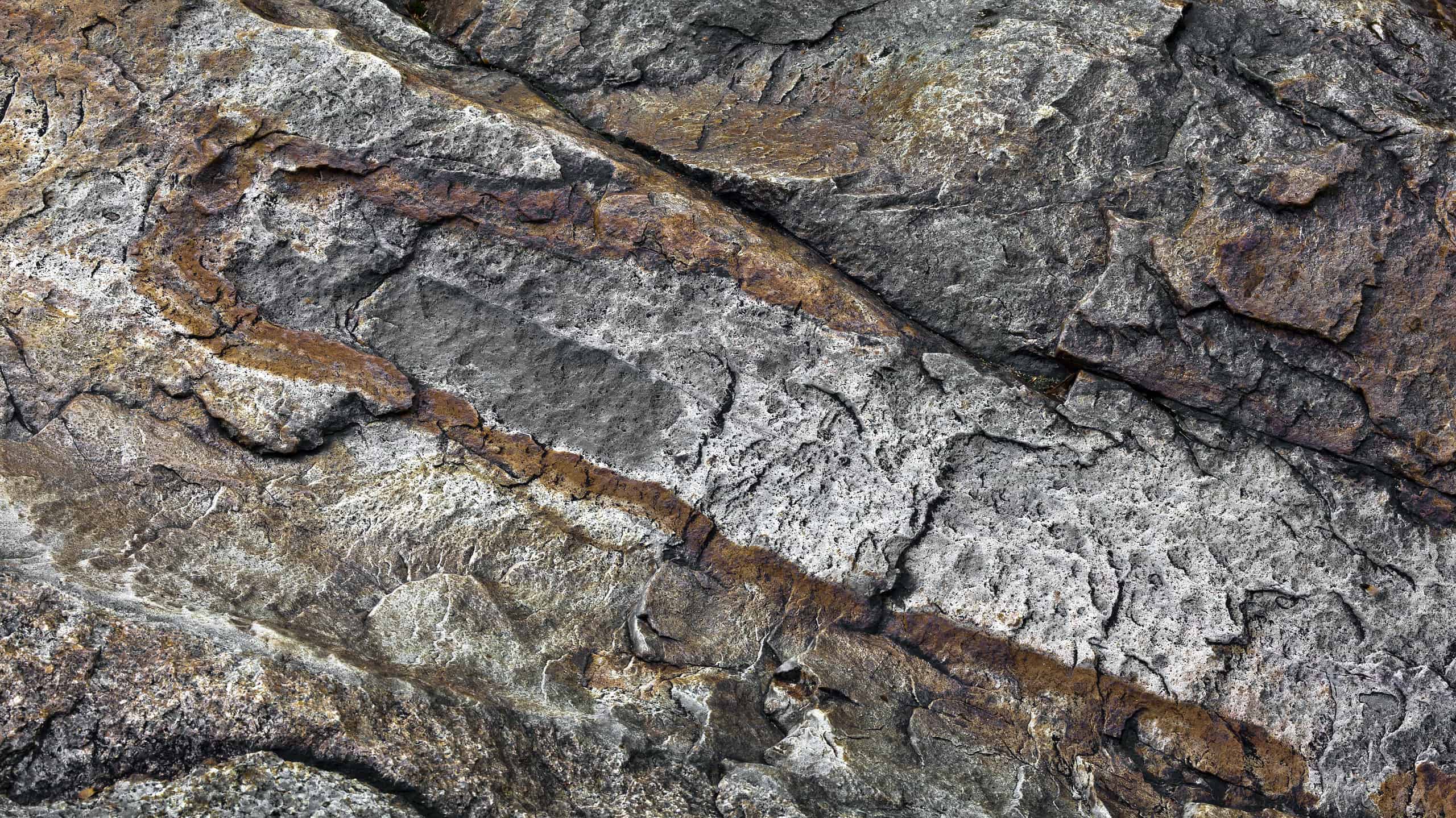
John A. Anderson/Shutterstock.com
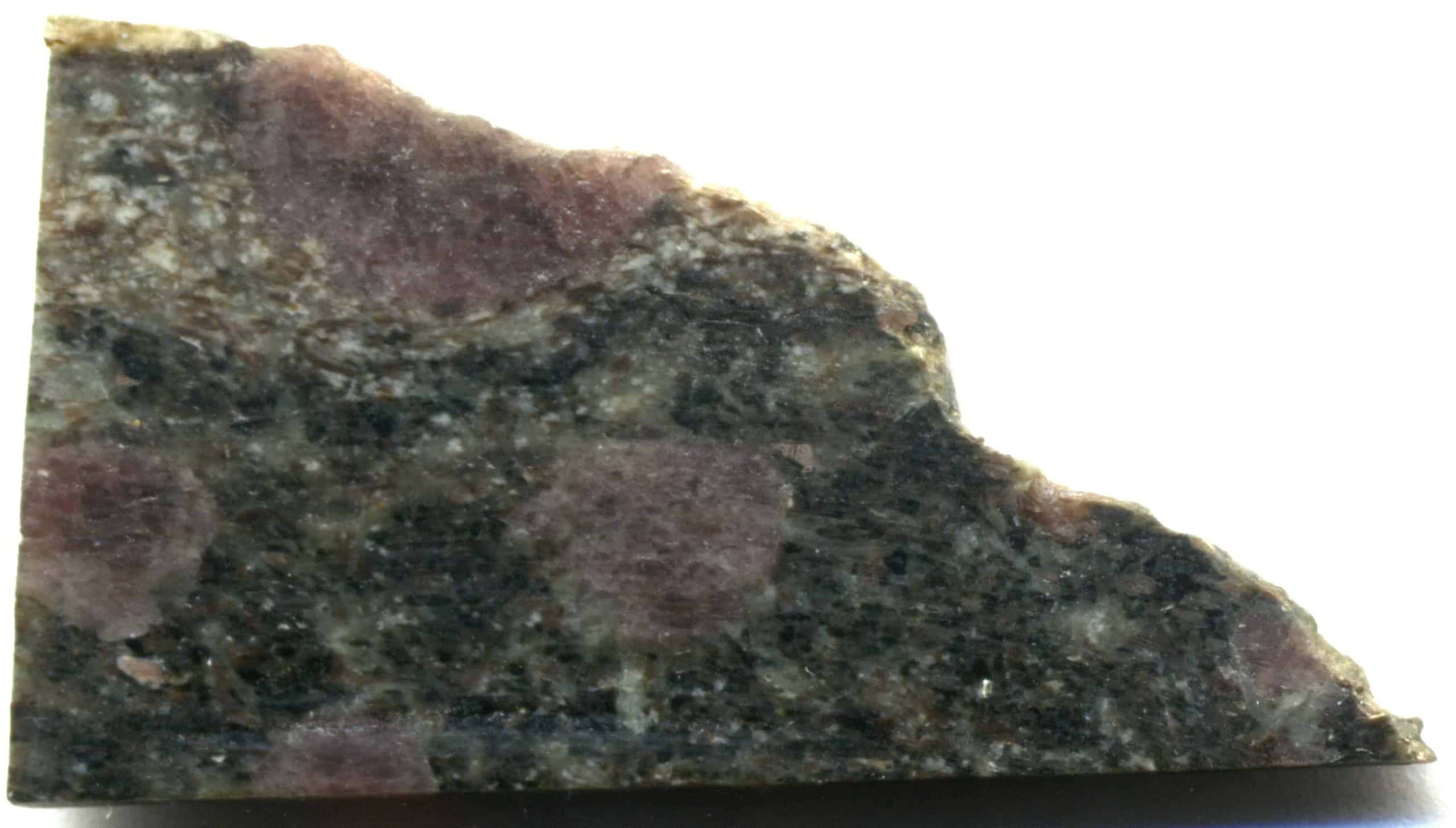
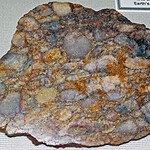
James St. John/Wikimedia Commons
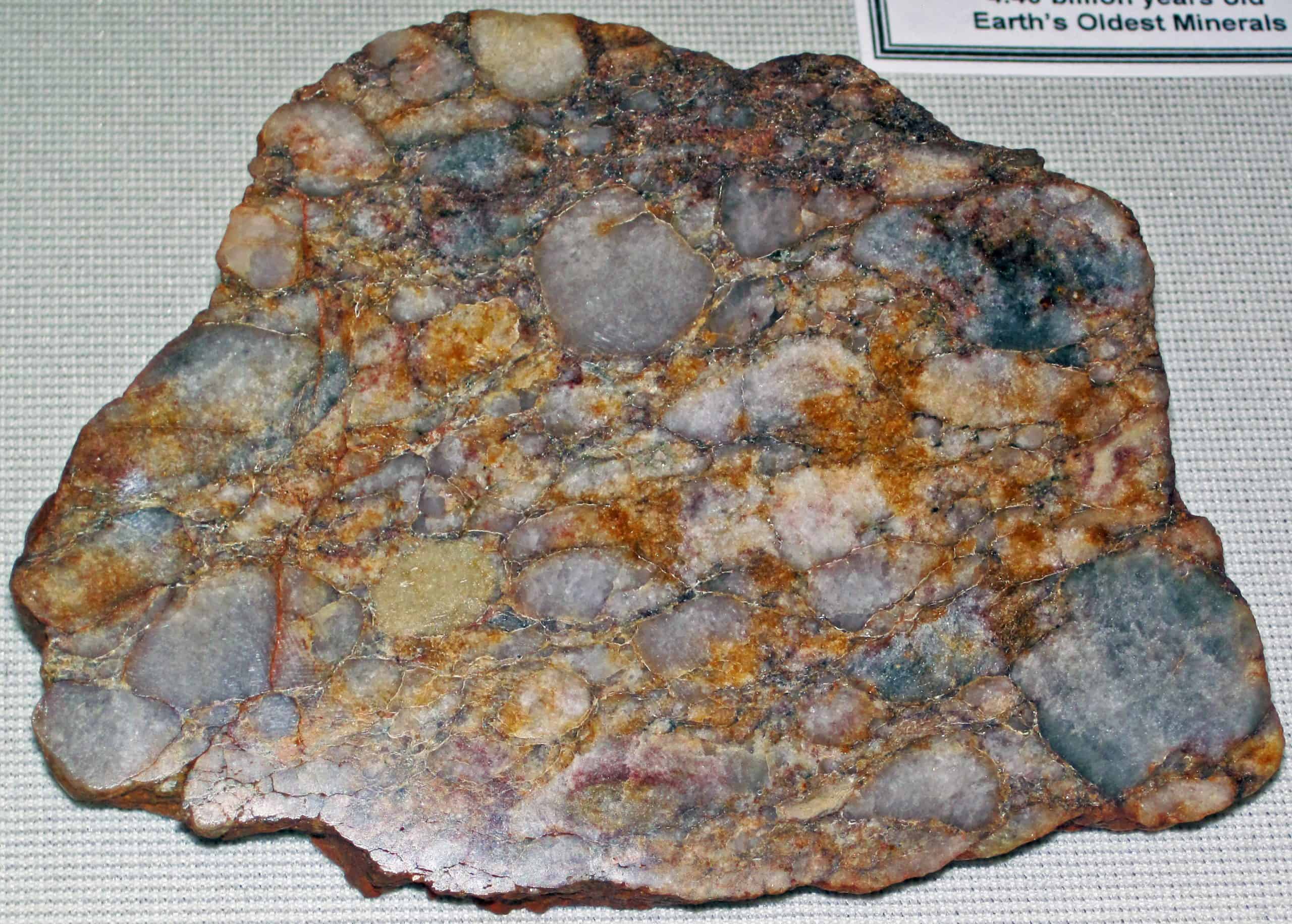
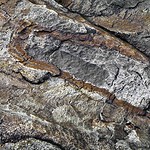
"Quartz-pebble metaconglomerate (Jack Hills Quartzite, Archean, 2.65 to 3.05 Ga; Jack Hills, Western Australia) 2" by James St. John is licensed under BY 2.0.
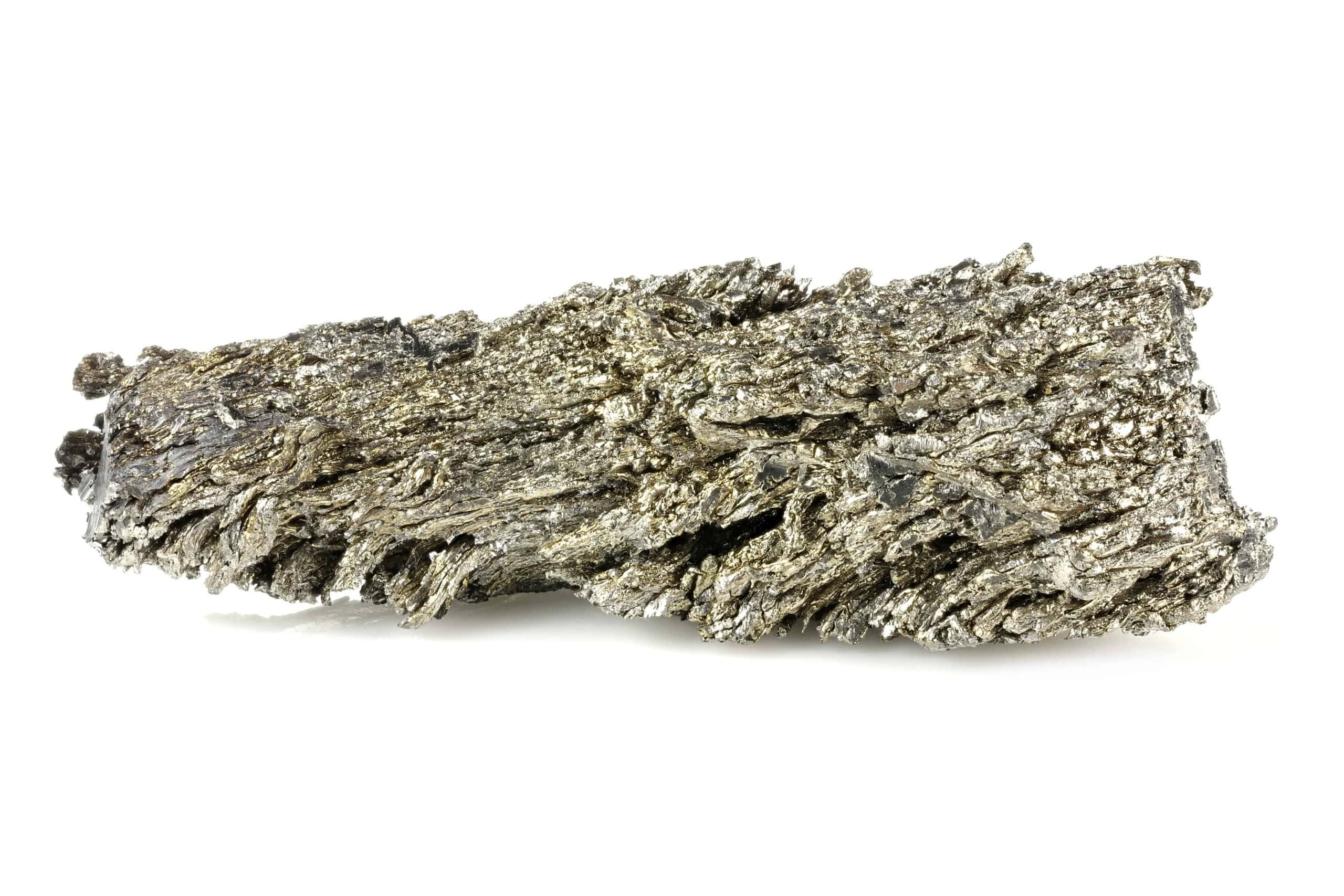
Bjoern Wylezich/Shutterstock.com
scigelova/Shutterstock.com
Reimphoto/iStock.com
Appio Studios/Shutterstock.com
This 4.2-Billion-Year-Old Rock May Be Earth’s Oldest
Earth is about 4.54 billion years old, but almost none of its original crust survives. Billions of years of melting, erosion, metamorphism, and tectonic recycling have erased most of the planet's earliest geological record. That makes a collection of battered rocks in northern Quebec extraordinarily important.
The Nuvvuagittuq Greenstone Belt has been at the center of a scientific debate for nearly two decades. Researchers have long suspected that some of its rocks formed during Earth's mysterious Hadean eon, but exactly how old they are was controversial. New research published in 2025 has now strengthened the case that this small patch of Canadian bedrock preserves material more than 4.1 billion years old.
These May Be the Oldest Surviving Rocks on Earth
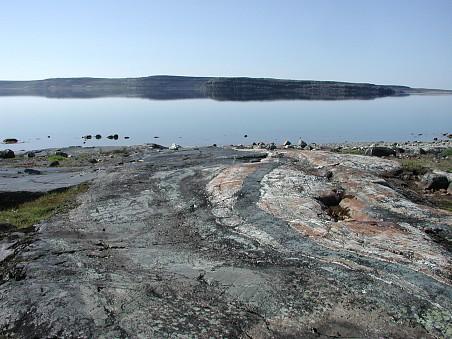
The Nuvvuagittuq Greenstone Belt sits in Nunavik in northern Quebec, not far from the community of Inukjuak. Scientists have studied the formation for years because its heavily altered rocks preserve evidence from an extraordinarily early chapter in Earth's history.
A 2025 study published in Science dated mafic intrusions in the belt to roughly 4.16 to 4.20 billion years ago. Because those intrusions cut through rocks that were already there, the surrounding host rocks must be at least that old. That makes Nuvvuagittuq the strongest current candidate for the oldest surviving rock formation on Earth.
Scientists Argued About Their Age for Years
Dating the Nuvvuagittuq rocks has been unusually difficult. Many ancient rocks can be dated using zircon crystals and the uranium-lead system, but the dominant mafic rocks at Nuvvuagittuq do not contain the convenient populations of zircon geologists would normally want.
Researchers therefore turned to other isotope systems. Earlier studies produced estimates ranging from at least about 3.75 billion years to roughly 4.3 billion years, leading to years of debate over whether the oldest dates reflected the rocks themselves or an even older source from which they formed. The 2025 research helped close that gap by obtaining comparable ages from two different samarium-neodymium isotope systems in related igneous rocks.
Much of the Belt Began as Ancient Oceanic Crust
Nuvvuagittuq is not one uniform slab of rock. It is an ancient volcano-sedimentary sequence containing metamorphosed mafic volcanic rocks, chemical sediments such as banded iron formations, and younger mafic and ultramafic intrusions.
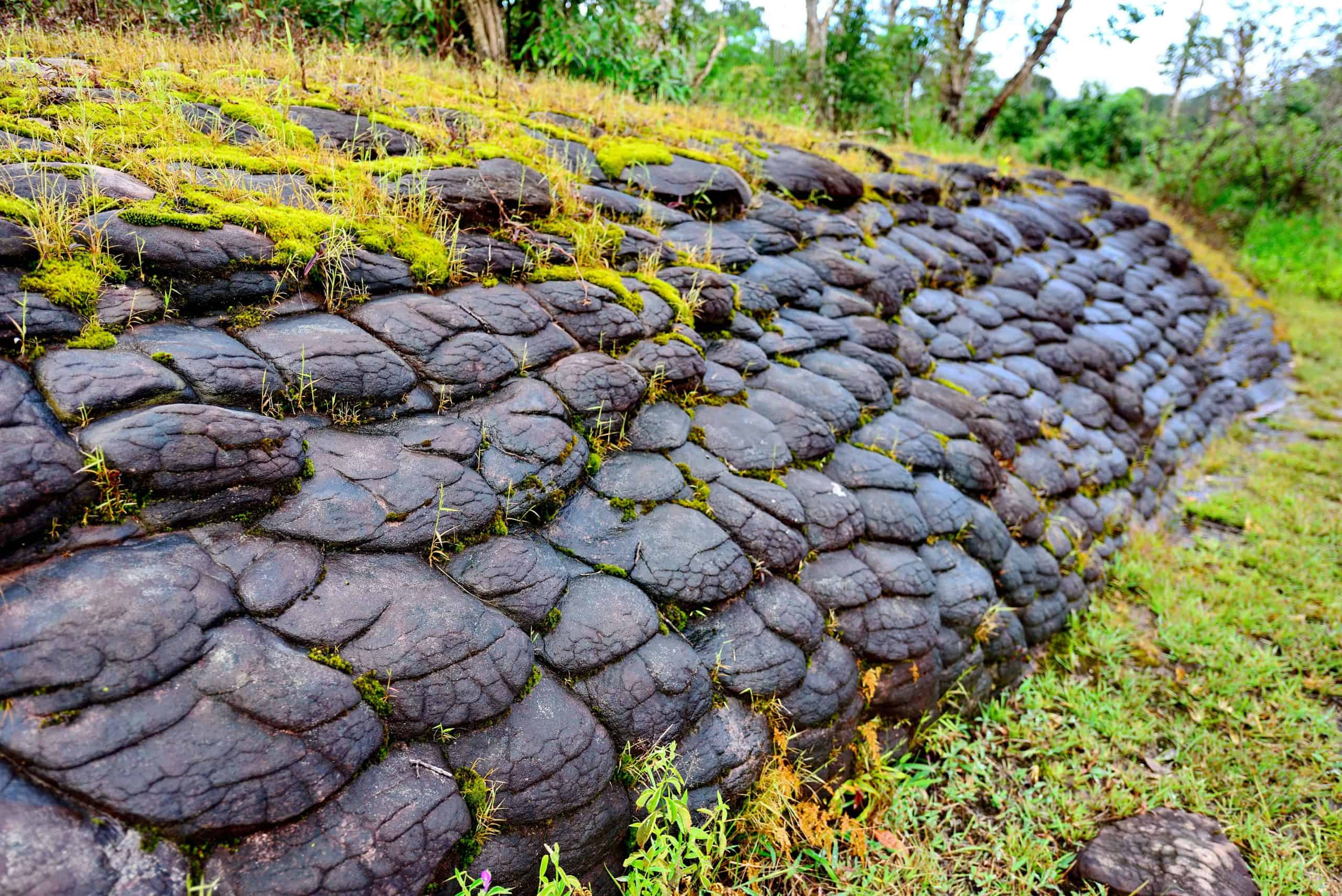
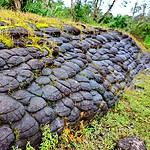
Some portions preserve structures interpreted as deformed pillow lavas, the rounded formations created when lava erupts beneath water and cools quickly. The geology and chemistry have led researchers to interpret parts of Nuvvuagittuq as remnants of extremely ancient oceanic crust and hydrothermal environments.
Billions of Years of Heat and Pressure Changed Everything
The rocks we see today do not look exactly as they did when they formed. Nuvvuagittuq has experienced intense metamorphism and deformation over billions of years. Rocks were heated, compressed, folded, and recrystallized as later geological events reshaped the region.
Geologists have documented strong foliation and multiple generations of folding throughout the belt. That violent history is one reason interpreting the formation is so difficult. Scientists are effectively trying to reconstruct a scene from more than four billion years ago after the evidence has been repeatedly heated and rearranged.
Scientists Once Called Its Main Rock "Faux Amphibolite"
One of the dominant units at Nuvvuagittuq was historically nicknamed "faux amphibolite." It contains unusual amounts of the amphibole mineral cummingtonite and often has a light gray or beige appearance rather than the darker green or black associated with many typical amphibolites.
Modern research generally refers to this collection of related rocks as the Ujaraaluk unit instead. The rocks are chemically diverse and have been heavily metamorphosed, but much of the unit is interpreted as having originated from ancient mafic volcanic material. Its unusual composition provides scientists with rare clues about Earth's primitive crust and mantle.
Almost Nothing Survives From Earth's Hadean Eon
The Hadean eon stretches from Earth's formation about 4.54 billion years ago until roughly 4 billion years ago. Geological evidence from that period is incredibly scarce because so much of Earth's earliest crust was subsequently melted, buried, eroded, or recycled through the mantle.
That scarcity makes the new Nuvvuagittuq dates so important. Scientists already had minerals dating deep into the Hadean, particularly zircons from Australia's Jack Hills. What has been far harder to find is an intact package of rock that survived from that period. If the new dating holds, Nuvvuagittuq provides exactly that.
Two Radioactive Clocks Strengthened the Case
The breakthrough involved the rare-earth elements samarium and neodymium. Certain isotopes of samarium decay into isotopes of neodymium at predictable rates, giving geologists radioactive clocks that can preserve information about events billions of years in the past.
The 2025 researchers used both the long-lived samarium-147 to neodymium-143 system and the now-extinct samarium-146 to neodymium-142 system. The two methods independently produced ages of about 4.16 billion and 4.20 billion years. Getting comparable results from two different isotope clocks is a major reason the new study has strengthened the argument for Hadean rocks at Nuvvuagittuq.
The Rocks May Preserve Evidence of Extremely Early Life
The age of Nuvvuagittuq has implications far beyond geology. Researchers studying iron-rich rocks from the formation have reported microscopic tubes, filaments, mineral structures, and chemical signatures they argue are consistent with microorganisms that once lived near hydrothermal vents.
A 2017 study described the structures as at least 3.77 billion years old and possibly considerably older, while additional work published in 2022 presented more evidence supporting a biological explanation. The claim remains controversial. Ancient geological processes can produce structures that resemble fossils, so scientists continue debating whether these formations truly represent life or remarkably convincing inorganic lookalikes.
Earth's Oldest Known Mineral Is Even Older
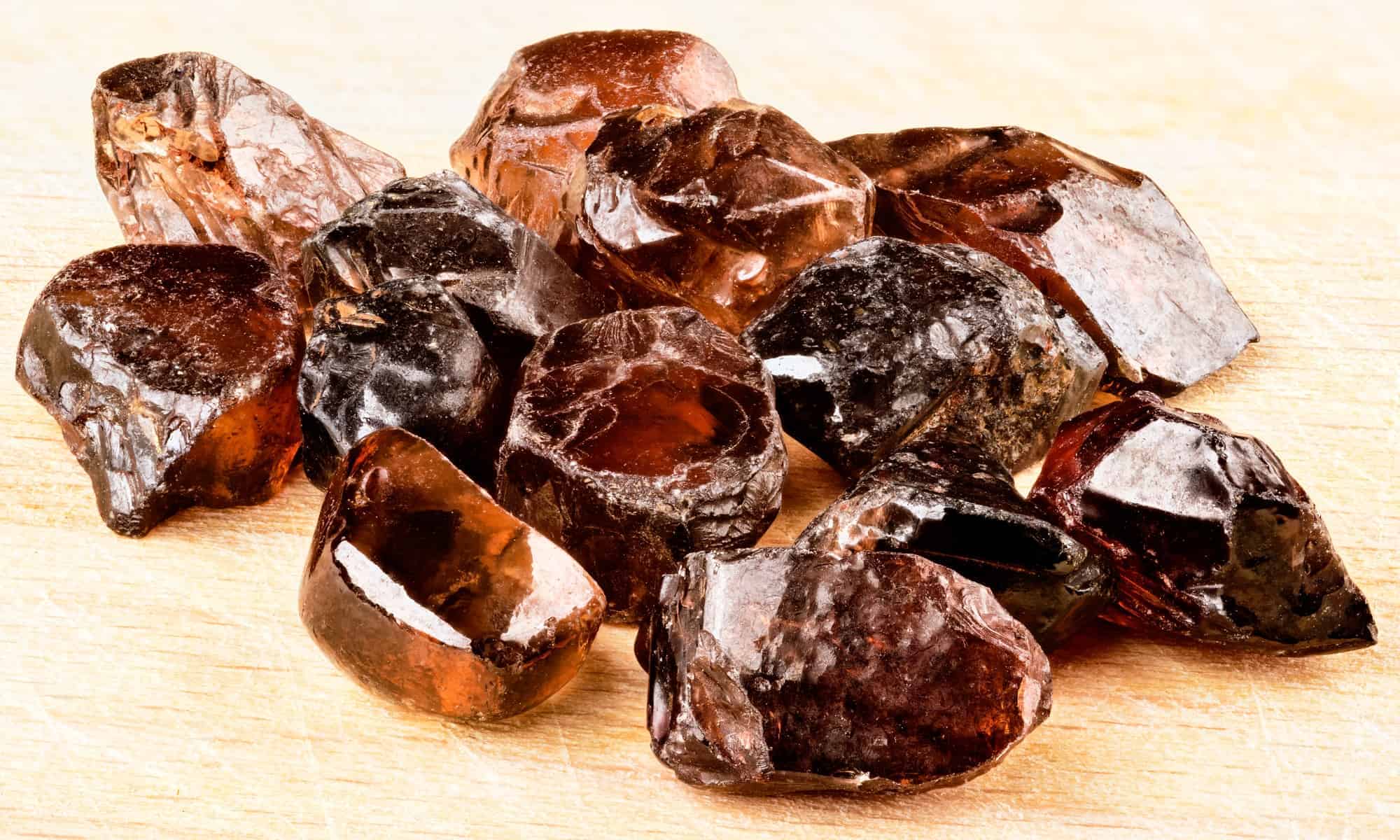
Even a 4.2-billion-year-old rock cannot claim the title of Earth's oldest known terrestrial material. That distinction belongs to tiny zircon crystals discovered in the Jack Hills of Western Australia. One extensively studied grain has been dated to about 4.4 billion years ago.
The difference is important. The Jack Hills zircons are individual mineral grains that survived the destruction of the rocks in which they originally formed and were later deposited inside younger sedimentary rocks. Nuvvuagittuq, by contrast, may preserve an actual body of Hadean rock rather than scattered mineral survivors.
The Oldest Material Found on Earth Is Older Than the Sun
If we stop limiting the question to material that actually formed on Earth, things get even stranger. Scientists studying the Murchison meteorite, which fell in Australia in 1969, discovered microscopic grains that existed before our solar system formed.
Some of those presolar grains have been estimated to be as much as 7 billion years old. They formed around ancient stars, drifted through interstellar space, became incorporated into the material that eventually formed our solar system, and finally reached Earth inside a meteorite. They are not pieces of ancient Earth, but they are among the oldest solid materials humans have ever physically examined.