
China’s enormous size means there are numerous versions of the country to capture on film. Its landscapes vary dramatically, from crowded modern cities and ancient villages to remote mountains, deserts, rivers, and expansive countryside. Some movies focus on China’s rich history, architecture, and traditions, while others depict its natural beauty. Though the country has some of the world’s biggest cities, it has vast regions of isolated and rural land. These films give audiences a peek into the country of China.
1. The Last Emperor
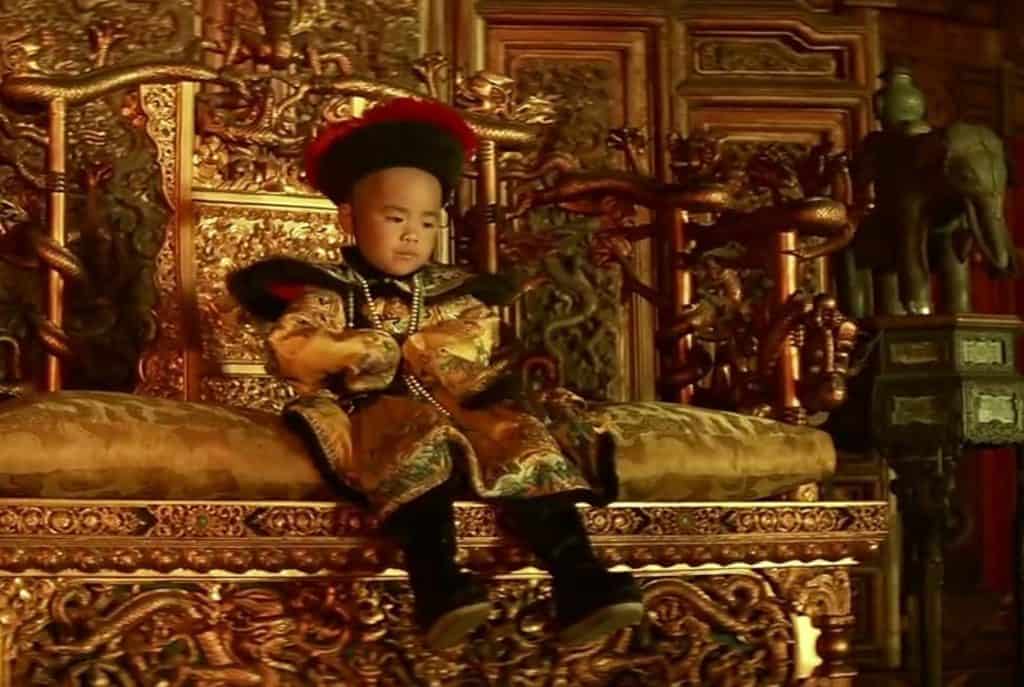
The Last Emperor is one of the most visually impressive movies about China. Bernardo Bertolucci’s historical film tells the story of Puyi, the final emperor of China. The movie begins with his childhood in Beijing’s Forbidden City. The production was allowed to film extensively inside the Forbidden City itself, giving the movie an authenticity that would have been hard to recreate. Grand courtyards, elaborate buildings, and enormous ceremonial spaces are seen in the early parts of the movie. For anyone interested in historic Beijing, the scenery alone makes The Last Emperor worth watching.
2. Hero
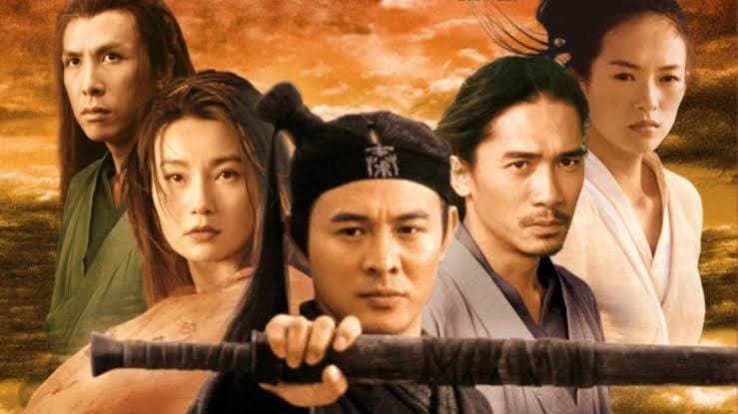
Zhang Yimou’s Hero makes China look truly spectacular. Jet Li stars in the martial arts epic, full of well-choreographed fight sequences. But the scenery is almost as important as the elaborate action scenes. The movie travels through vastly different environments, including mountains, lakes, deserts, and forests. Each section shifts its mood and visual style based on the surroundings. It’s highly stylized instead of being a realistic depiction of China, but it captures the geographic diversity of China’s landscapes beautifully.
3. The Painted Veil
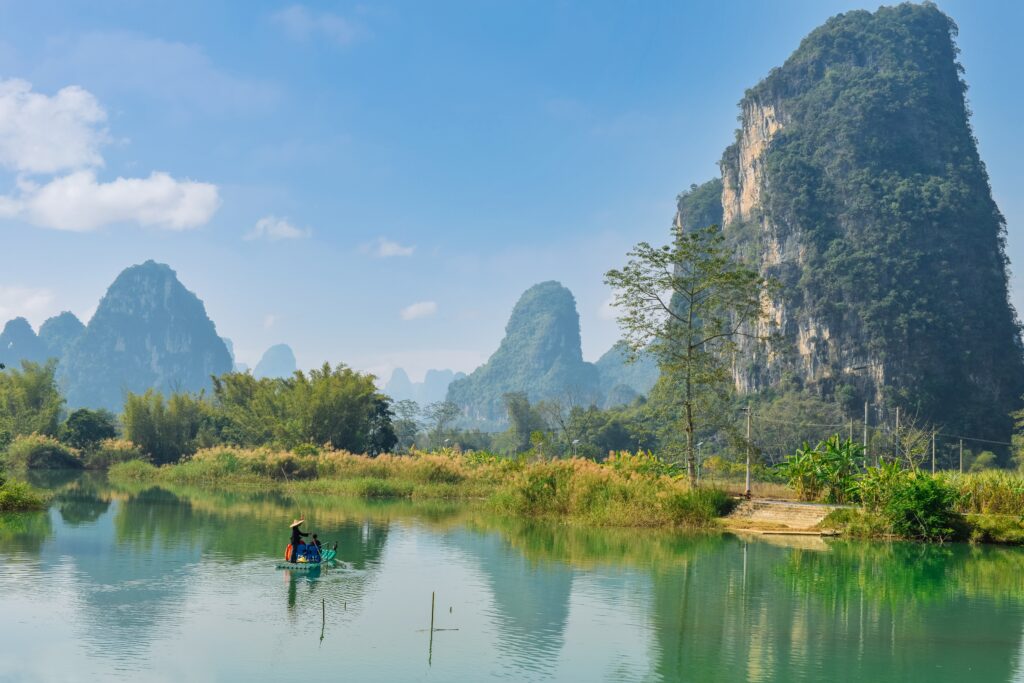
Set in China during the 1920s, The Painted Veil follows a British couple who go to a remote village during a cholera outbreak. Aside from the epidemic, the story has a complicated relationship at its center. A lot of the movie was filmed in China, and it features several gorgeous landscapes throughout the country. Audiences are met with misty mountains, winding rivers, rural villages, and stunning limestone formations. The scenery around Guangxi is especially lovely. It’s a slow-paced and quiet movie, but it might be the prettiest film on this list.
4. Crouching Tiger, Hidden Dragon
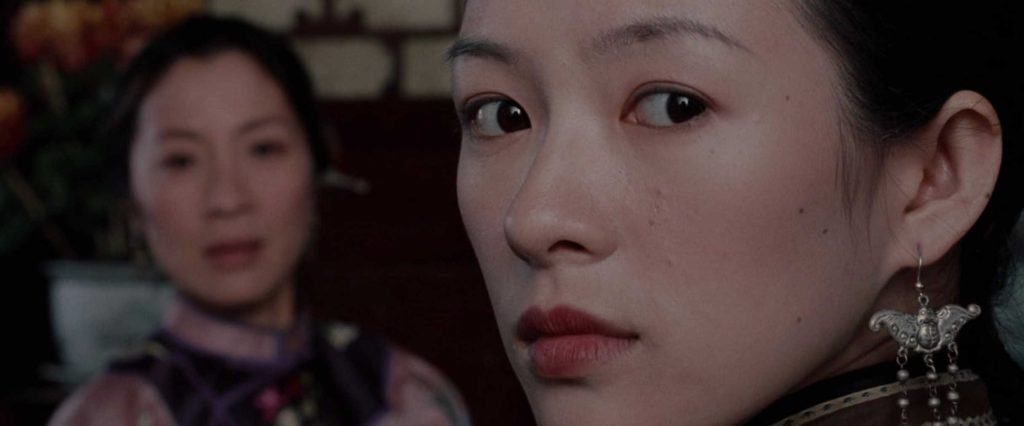
Crouching Tiger, Hidden Dragon manages to combine martial arts, romance, adventure, and incredible scenery. The story moves through several parts of China, journeying from historic cities and courtyards to bamboo forests, mountains, and deserts. The famous treetop fight was filmed in the bamboo forests of Anji in Zhejiang Province and became one of the movie’s best moments. Director Ang Lee gave the environments a dreamy quality without allowing them to distract from the story. It’s an excellent choice if you like a little dramatic natural scenery with your martial arts films.
5. The Karate Kid

The 2010 version of The Karate Kid is basically a tour of China. Jaden Smith plays Dre, a young American boy who moves to Beijing with his mother. As Dre struggles to adjust to his new home, he experiences China for the first time, and audiences get to discover it all with him. The movie features famous locations in and around Beijing, but it also takes us outside of the city. The Great Wall of China even appears during Dre’s training, giving the movie another opportunity to include one of the country’s most famous landmarks.
6. Mountains May Depart
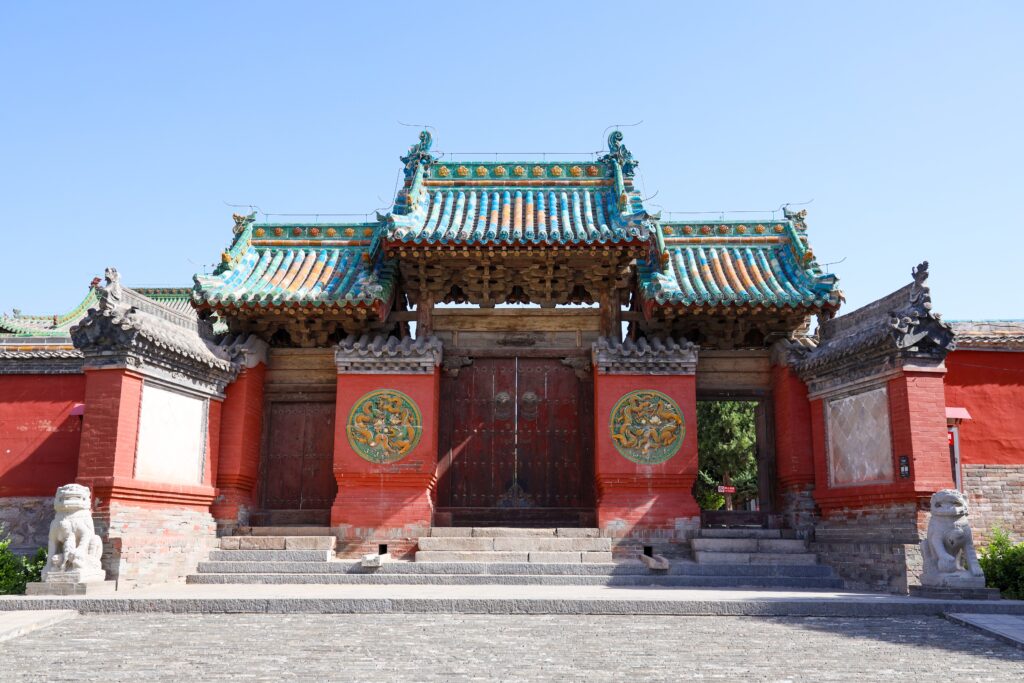
Mountains May Depart is a modern and practical look at China. Directed by Jia Zhangke, the movie follows several characters through different periods of their lives, beginning in 1999 and moving into the future. This one doesn’t show China’s most well-known landmarks. Instead, it is an everyday version of the country. The opening and middle portions of the movie were shot in Fenyang, Shanxi Province, while the international school scenes were shot in Shanghai. The movie takes us into cities, neighborhoods, and industrial areas. In this way, it offers a grounded perspective of everyday China instead of the polished touristy version. The way the surroundings shift over the years also show how dramatically China itself changed.
7. Riding Alone for Thousands of Miles
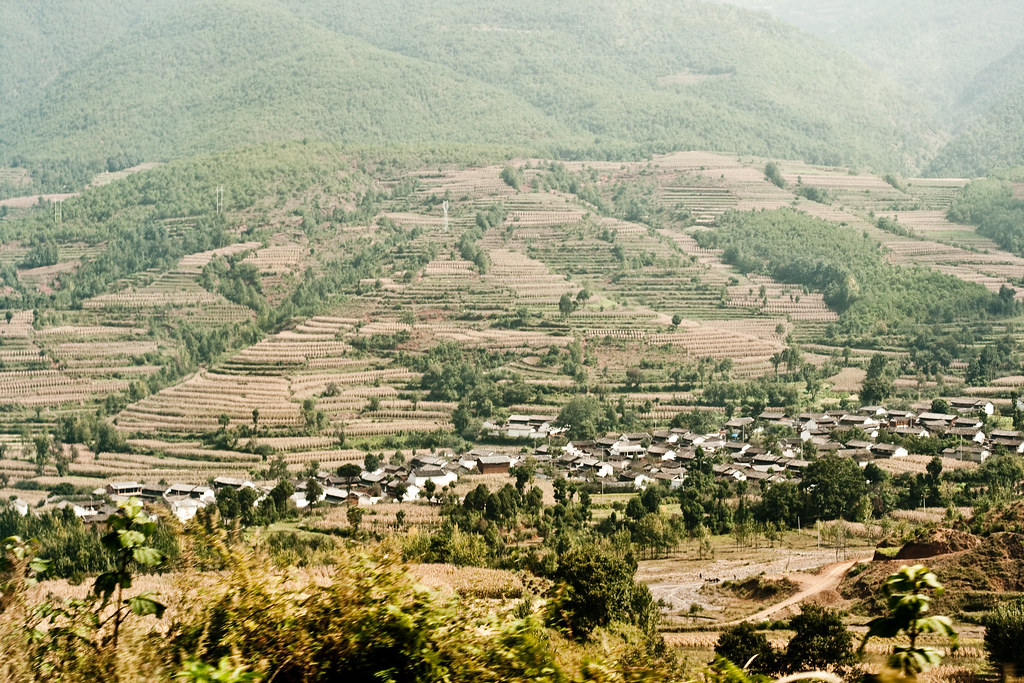
Zhang Yimou’s Riding Alone for Thousands of Miles stays far away from China’s biggest cities, focusing instead on the countryside of Yunnan Province. The story follows an elderly Japanese man who travels to China in an attempt to reconnect with his sick son. He hopes to complete a project his son had wanted to undertake. During his journey, he passes through rural villages, mountains, and winding roads. He is also introduced to several local traditions. The footage has a grounded and understated beauty that is very different from the stylized imagery of Yimou’s other film on this list, Hero. It’s a good choice for seeing the rural side of China.
8. Ash Is Purest White
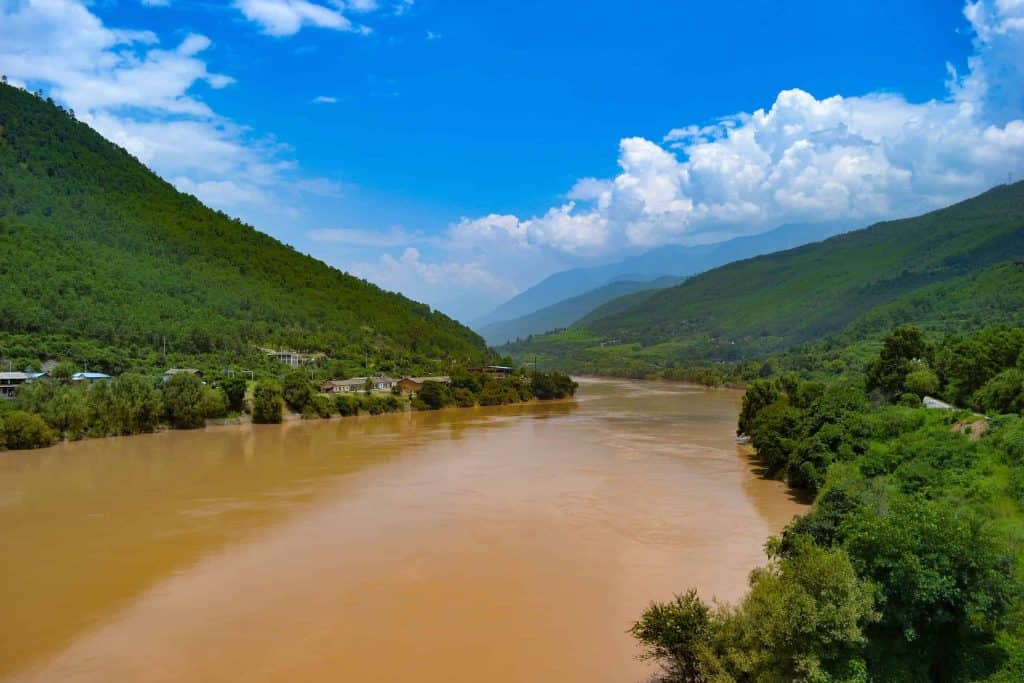
Jia Zhangke’s Ash Is Purest White follows two people and their complicated relationship across China over the course of almost two decades. Just like the shifting landscapes, the characters and their relationship change drastically throughout the movie. The story begins in the northern city of Datong before moving through other parts of the country, including areas around the Yangtze River. We see everything from modern developments to older neighborhoods and natural areas. It doesn’t just show off China visually; it reveals a country facing enormous change over a 20-year period.