
Courtesy of Paramount Pictures

Courtesy of Paramount Pictures
Courtesy of Warner Bros.
Courtesy of Warner Bros.
Courtesy of Paramount Pictures
Courtesy of Twentieth Century Fox
Courtesy of Buena Vista Pictures
Courtesy of Paramount Pictures
Courtesy of New Line Cinema

Gage Skidmore / Creative Commons Attribution-Share Alike 2.0 Generic license
Courtesy of Universal Pictures
Courtesy of Dreamworks Distribution
Courtesy of Walt Disney Studios Motion Pictures
Courtesy of Twentieth Century Fox
Courtesy of Columbia Pictures
Courtesy of Miramax





15 Movie Plot Holes Audiences Still Can’t Get Over
Some movies are so great that a small mistake in the plot can be easily forgiven without much thought. However, some plot holes are just too flagrant to forgive, no matter how awesome the movie is. We’re not talking about tiny details. We’re talking about real flaws that lodge stubbornly in people's heads long after the movie ends. Directors try to offer explanations. Critics come up with answers. Reddit users go deep into threads that span for thousands of comments. Nothing helps. These are 15 movie plot holes that audiences refuse to let go.
Raiders of the Lost Ark (1981): Indiana Jones Changes Nothing
This one is regarded as the most enduring plot hole argument in the history of Hollywood. Throughout the movie, Indiana Jones is working hard to ensure that the Nazis don't get their hands on the Ark of the Covenant. He fails. In the end, the Nazis get their hands on the Ark, transport it to a remote island, open it, and get killed by the supernatural power that exists within.
That’s exactly what would have happened even without Indy's intervention. If we remove Indiana Jones from the equation, everything remains the same. His efforts were ultimately futile. Indy did make sure that the Ark ended up with the United States in the end rather than getting destroyed or lost. That's a real point, but it doesn't change the fact that the central conflict of the film would have been resolved if Indiana Jones had stayed home.
The Dark Knight Rises (2012): Bruce Wayne Gets Back to Gotham
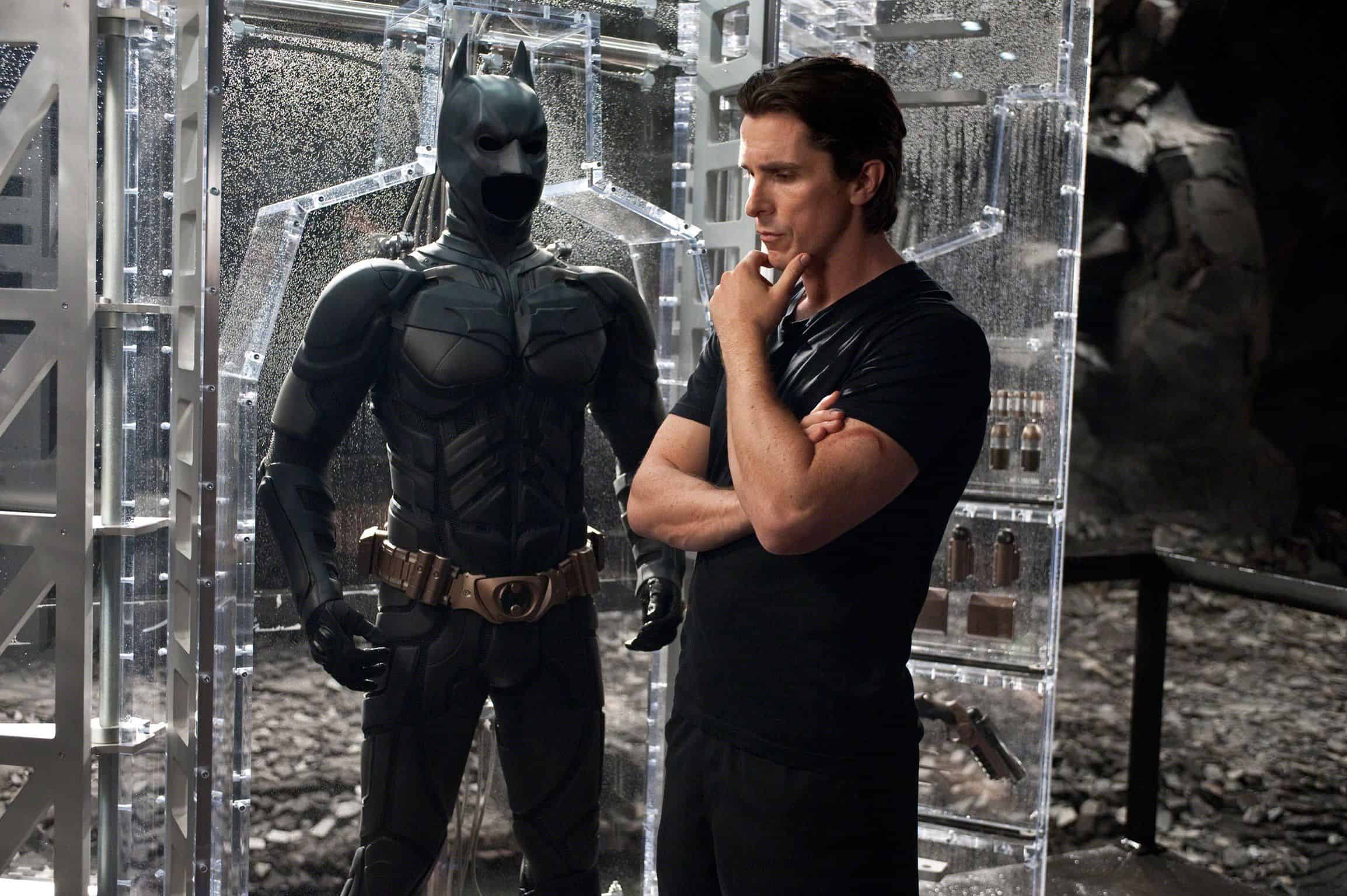
In the third and final installment of The Dark Knight trilogy, Bane throws Bruce Wayne into a remote underground prison at some undisclosed location. Bruce has no money, no identification cards, no passport, and no connections that know his whereabouts. Gotham is being blockaded by the military forces, whose strength has been emphasized throughout the movie. Yet, in comes Bruce Wayne, wearing his Batman costume, ready to do epic battle, and apparently without much effort either. No one ever explained how he was able to get there so quickly.
Christopher Nolan is famous for meticulously structuring his movies, which makes this gap feel more conspicuous than it might in a looser franchise. Even die-hard fans admit that this one rubbed them the wrong way.
The Matrix (1999): The Power Source
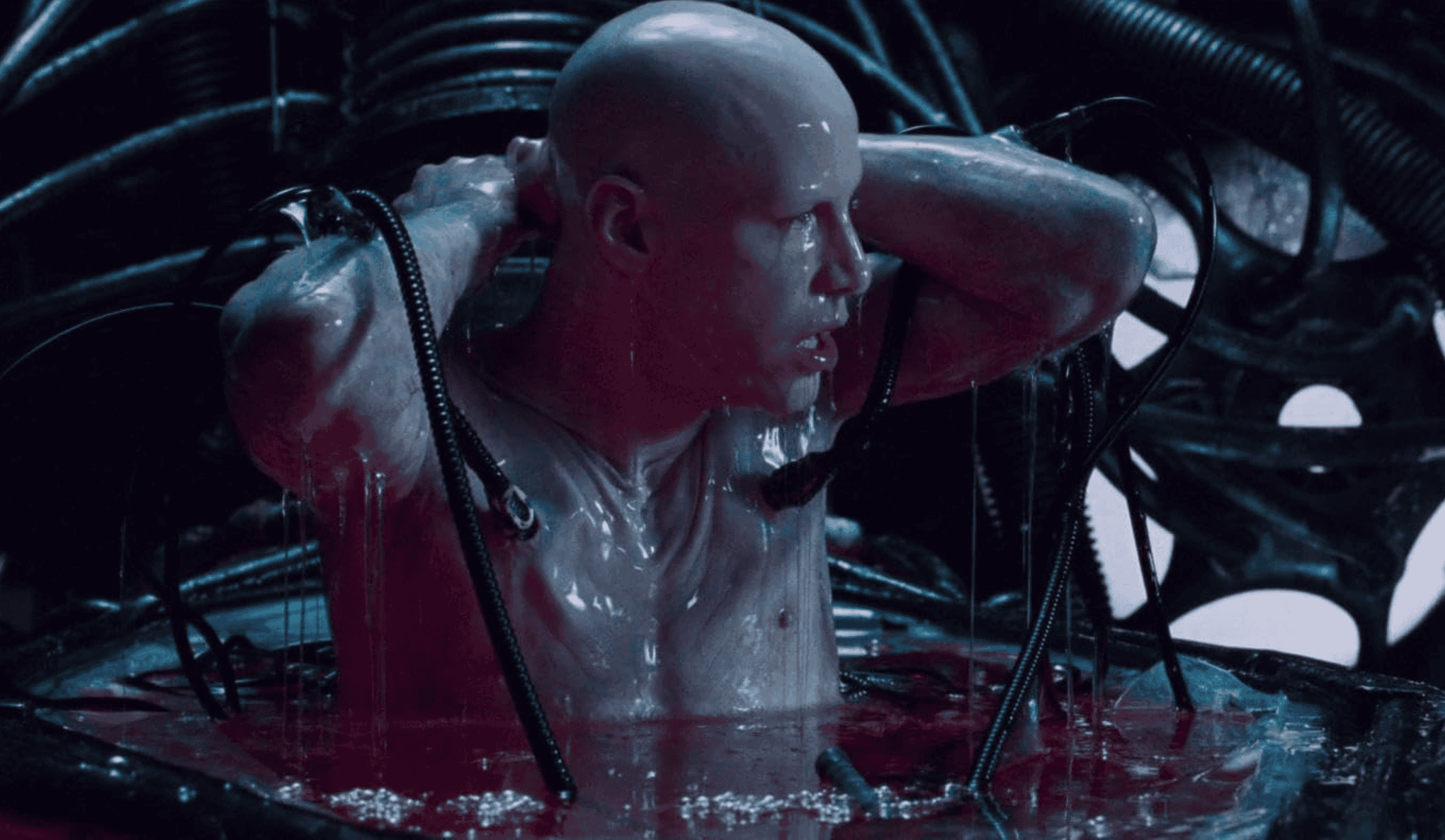
In the dystopian world of The Matrix, humans exist in pods as an energy source for machines that have taken over the planet. Thermodynamic laws would like a word. It is impossible to derive more energy from the human body than what is expended in sustaining the body in the first place. The process loses energy at every step, making it an ineffective method of power generation.
There’s a widely reported myth that states humans were originally meant to be used for computational power rather than electricity, but the studio thought the concept would be too complicated for audiences to understand. However, neither the Wachowskis nor anyone connected to the production has ever confirmed it, and no script or production document has surfaced to back it up.
That theory would have made sense given that humans generate far less energy than it costs to keep them alive, but it also has a flaw. If the machines were advanced enough to build and replicate themselves, they could just as easily have built dedicated computing infrastructure and had no real need for human brains in the first place. Both setups have their issues and the franchise itself left far bigger questions unresolved. Nevertheless, this is one that fans can’t seem to get over.
Titanic (1997): The Door
This one is probably one of the most annoying plot holes in cinema. It’s something that could have been so easily fixed before it even happened. At the end of Titanic, after the ship sinks, Rose survives by floating on a huge wooden door. The door is apparently large enough to accommodate both the main characters.
This glaring mistake was noticed right away and is still widely discussed. A 2012 Mythbusters experiment concluded that with a life preserver tied underneath to improve buoyancy, both characters could have survived. The director himself said that Jack had to die because the plot required him to die, and that’s that. It’s a fair stance, but for a film that was so meticulously researched, down to the china patterns on the dining tables, that large door is one of those details nobody can forget about.
Home Alone (1990): The Phone Lines
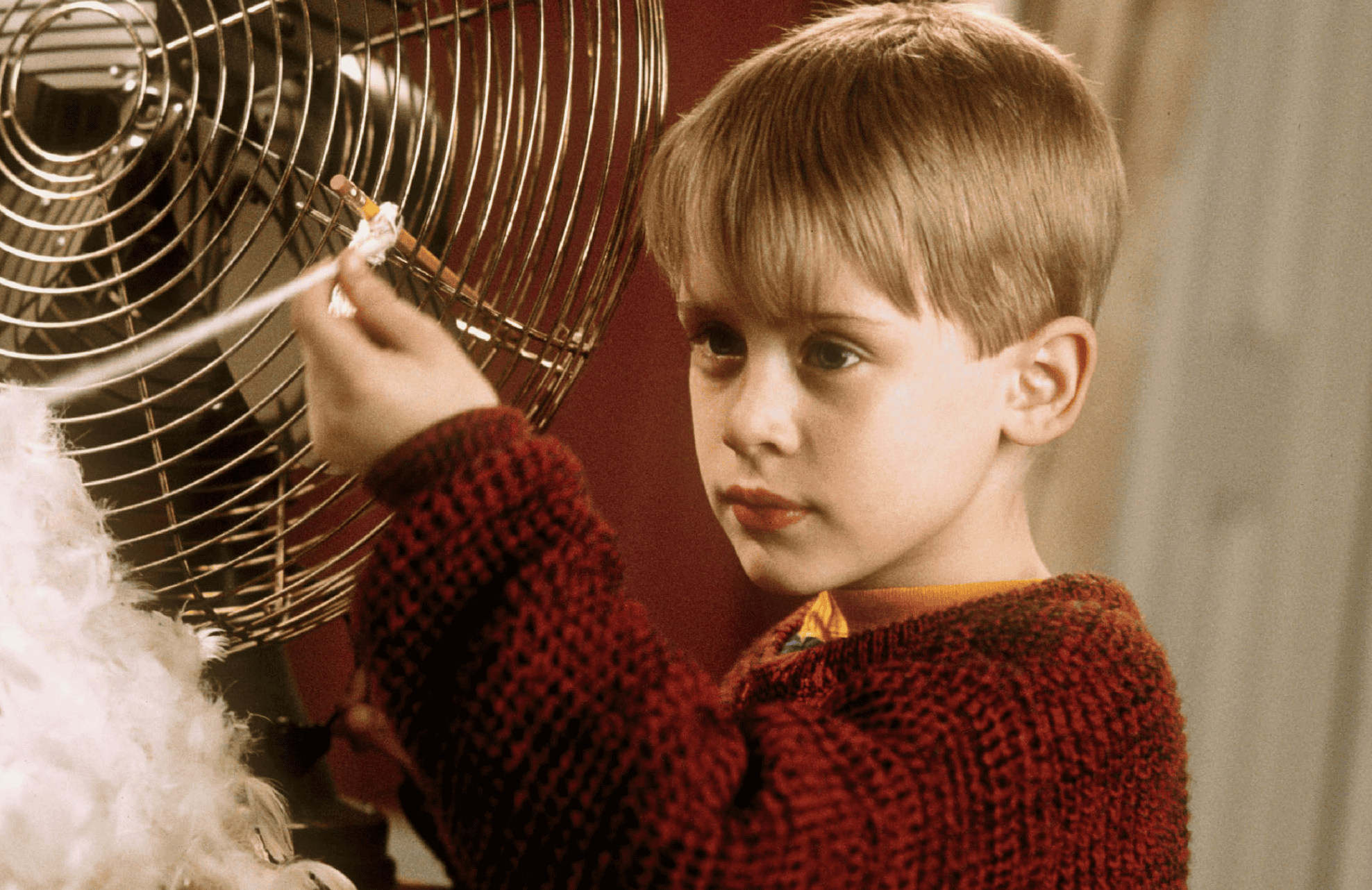
At the beginning of the movie, a tree limb falls on the McCallister family home during a storm and cuts the phone line. That is how the movie justifies Kevin's parents not being able to call home once they discover Kevin didn’t go with them to the airport. It’s plausible. What's less reasonable, however, is the way Kevin then uses the same telephone to order a pizza from a local pizzeria. If the external lines were down, calls in both directions should be impossible. It’s also weird that once he realized the phone was working, he didn’t really bother to call his parents or get some sort of help. Granted, he did have the situation under control, but a lot of pain could have been spared if he had just called the police.
It's a small crack in an otherwise airtight comic premise, but those who notice it find it hard to forget.
Signs (2002): The Alien Invasion
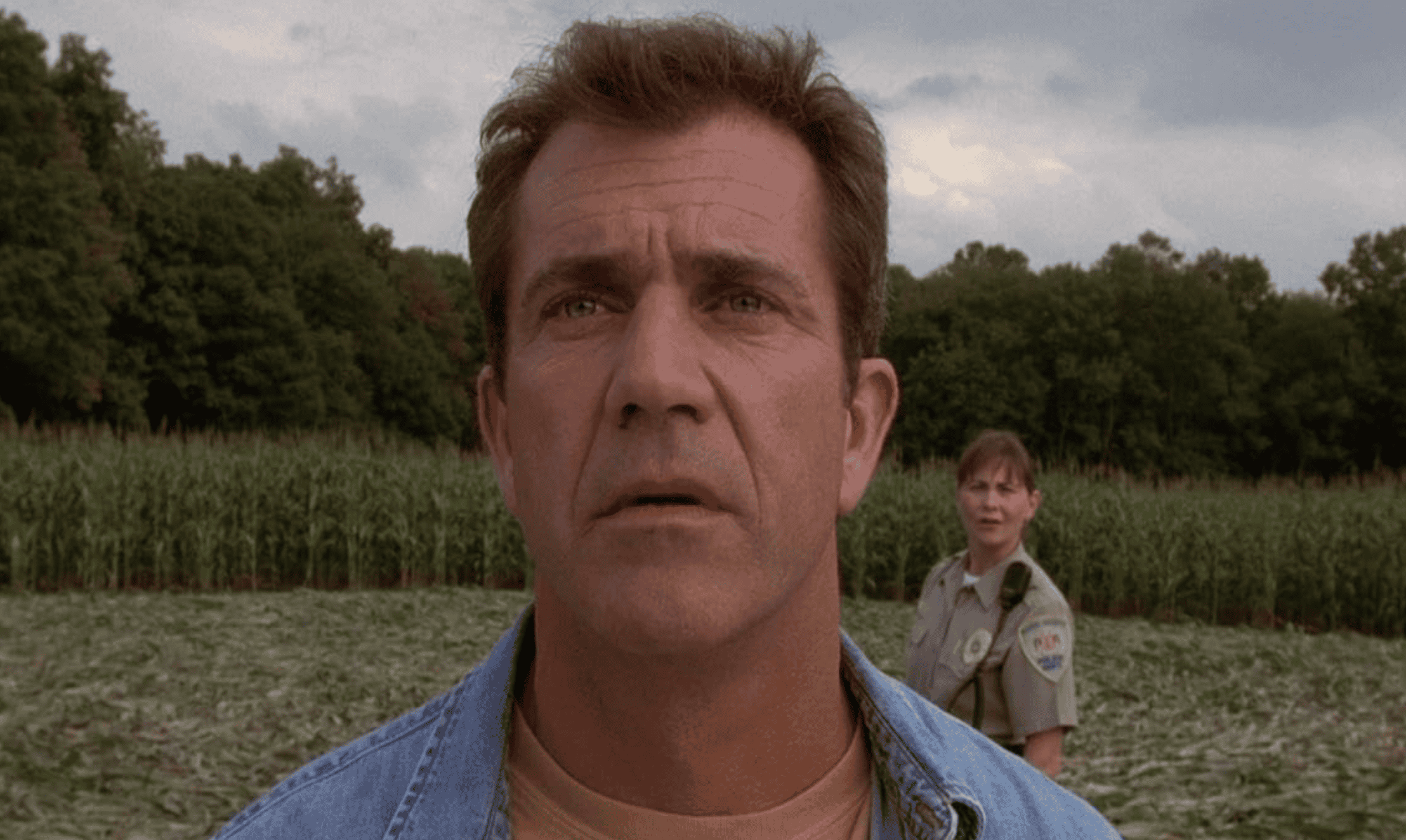
The dread is real throughout M. Night Shyamalan's Signs right up until the end. The aliens, who crossed the galaxy to reach Earth, turned out to be extremely sensitive to water. Regular water.
Shyamalan has tried to justify the plot hole in several ways, even saying that the aliens weren't invading Earth to colonize it and that they had another purpose in mind. None of those explanations has convinced fans. It's the kind of plot hole that loops back to the film's beginning and reframes everything you watched. Clearly, the aliens did their research on humanity. Nobody can explain why they glossed over the thing that makes up 71% of the world.
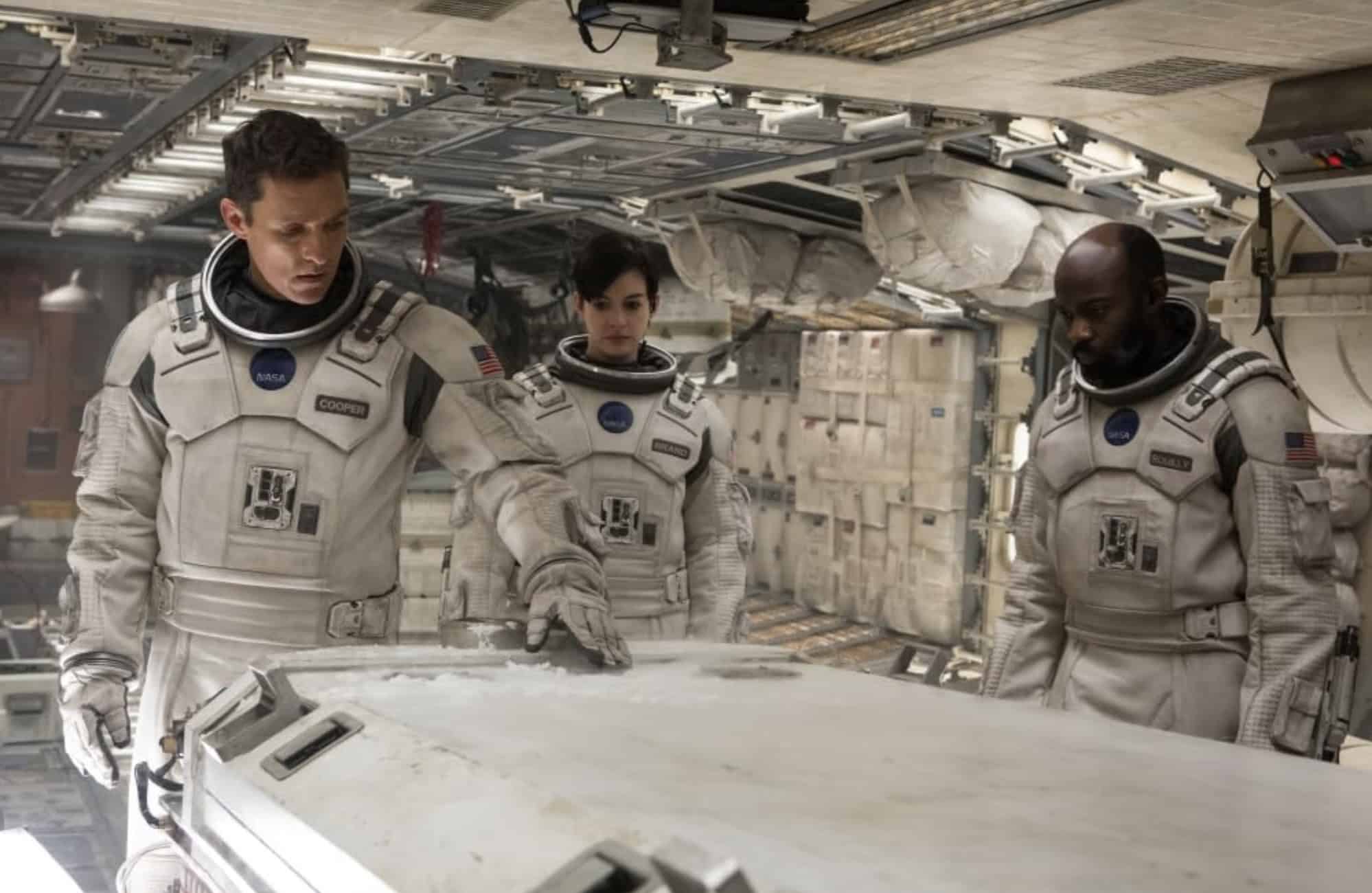
Interstellar (2014): Who Built the Wormhole?
A lot is expected from the audience in the way of understanding physics when watching Interstellar, and fans are generally willing to play along. It’s refreshing to see a movie that doesn’t try to dumb concepts down for audiences. But it’s hard to shrug off the causality problem posed by the ending. In order to solve the movie's central conundrum, the existence of the wormhole near Saturn is shown to be the result of a race of future humans, evolved into higher beings, who have arranged everything for the success of the mission. But future humans can only exist thanks to that very mission, meaning that the wormhole has to be there from the start in order for the mission to take place.
The cause requires the effect, and the effect requires the cause. Some viewers find this a satisfying time-loop paradox compliant with the tradition of good science fiction. Others find it to be a knot the film never actually unties and tries to mask with beautiful visuals and Hans Zimmer’s musical chops.
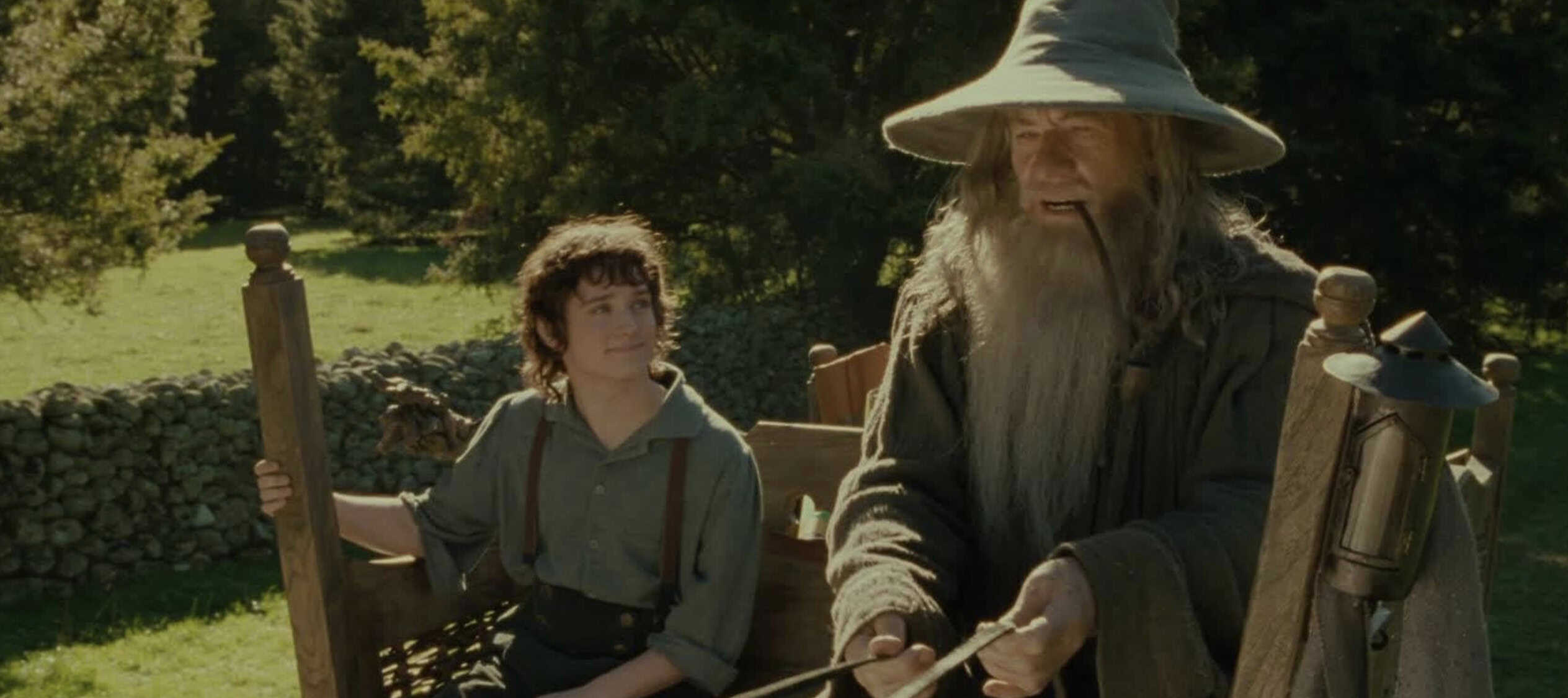
The Lord of the Rings (2001-2003): The Eagles
People have been debating the eagle plothole long before the movies came along, but the films reignited the debate for a new generation of Tolkien enthusiasts. Since these friendly eagles can transport people across great distances, wouldn't it have been a better solution to ask them to fly the One Ring to Mount Doom and get rid of it there? It would have saved a lot of time and effort for everyone involved. This issue was discussed in one of Tolkien's letters, in which he stated that he used the eagles very sparingly since they were extremely powerful and convenient, and that the mission required the courage and sacrifices of the characters themselves.
Fans have justified this by talking about Sauron's air defense system or about the Ring affecting the characters' decision-making. These are nothing more than fan theories and never made it to any books or movies. Although Tolkien addresses this point from the writer's perspective, the question has been left unanswered from the plot point of view, and it bothers both lifelong fans and people who watch the movies for the first time.
Gravity (2013): The Orbital Mechanics
Gravity has won praise from NASA scientists while also so being carefully criticized by them. One of the major problems with the movie is that it shows the Hubble Space Telescope, the International Space Station, and the Chinese Space Station, Tiangong, as all being relatively close to each other. The truth is that they all have significantly different orbits. Getting from one of these stations to the others would be very fuel-consuming and involve complex procedures that cannot be performed by astronauts during a spacewalk.
Neil deGrasse Tyson publicly listed some problems with the movie after it had been released. The filmmakers compressed the physics deliberately, but most audiences had no way of knowing that, which is why it registered as a mistake rather than a creative decision.
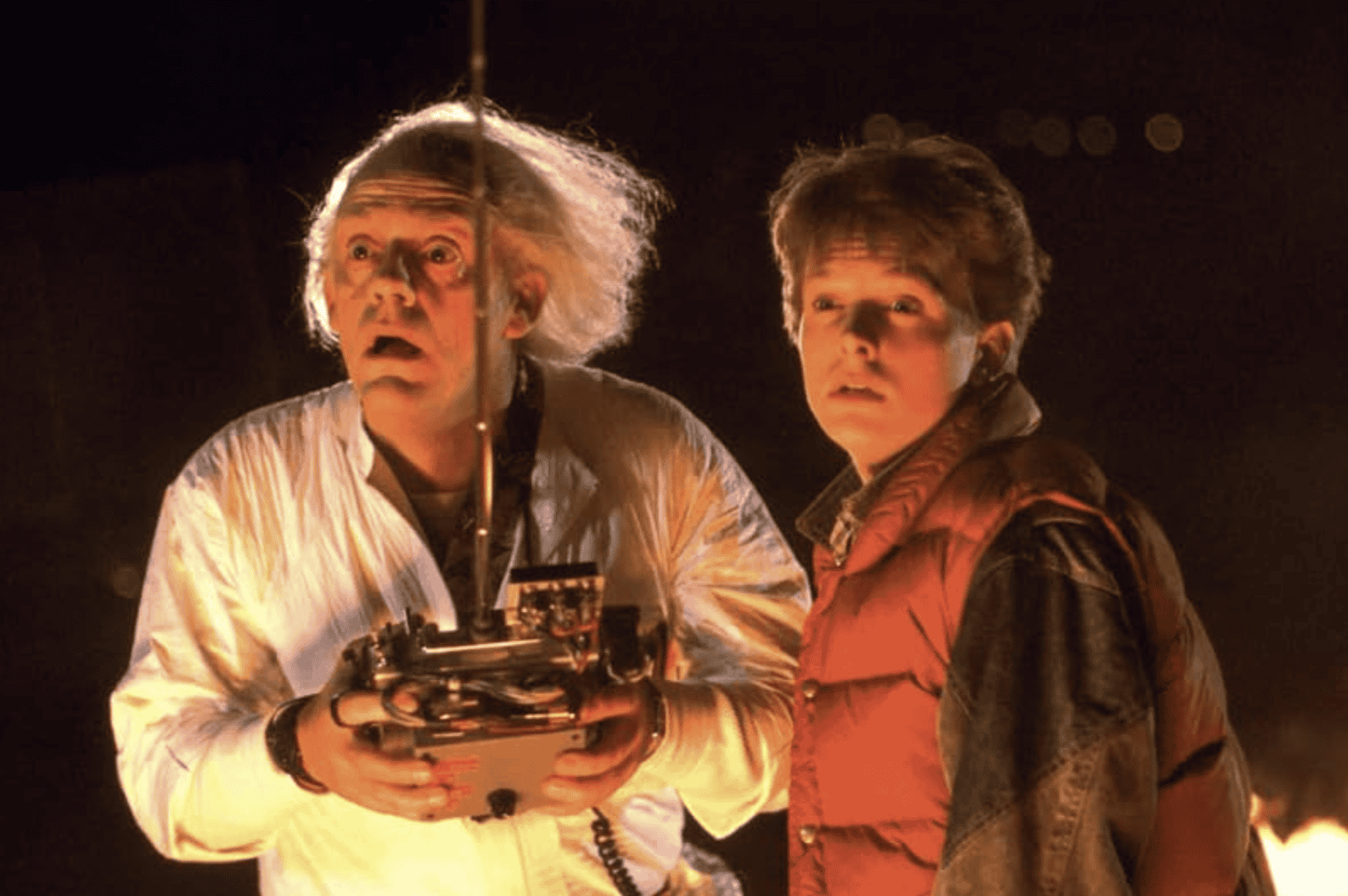
Back to the Future (1985): The Letter
Doc Brown gets a letter from Marty regarding the night that he got shot in 1985. After Marty personally delivers the letter to him, he immediately tears it apart, saying he does not wish to know anything about the future. However, it becomes quite obvious by the end of the first film that he changed his mind since he pulls out that exact letter that was taped back together, and says that he has been wearing a bulletproof vest all night.
It's not really a plot hole in the traditional sense once you understand the significance of the ending. However, that particular scene was intended to be quite conclusive, and for many years after, the audience believed it to be the case, thus making the ending seem like it came out of nowhere. It's one of those cases where the film plants its own resolution and then counts on you not to notice until the last possible moment.
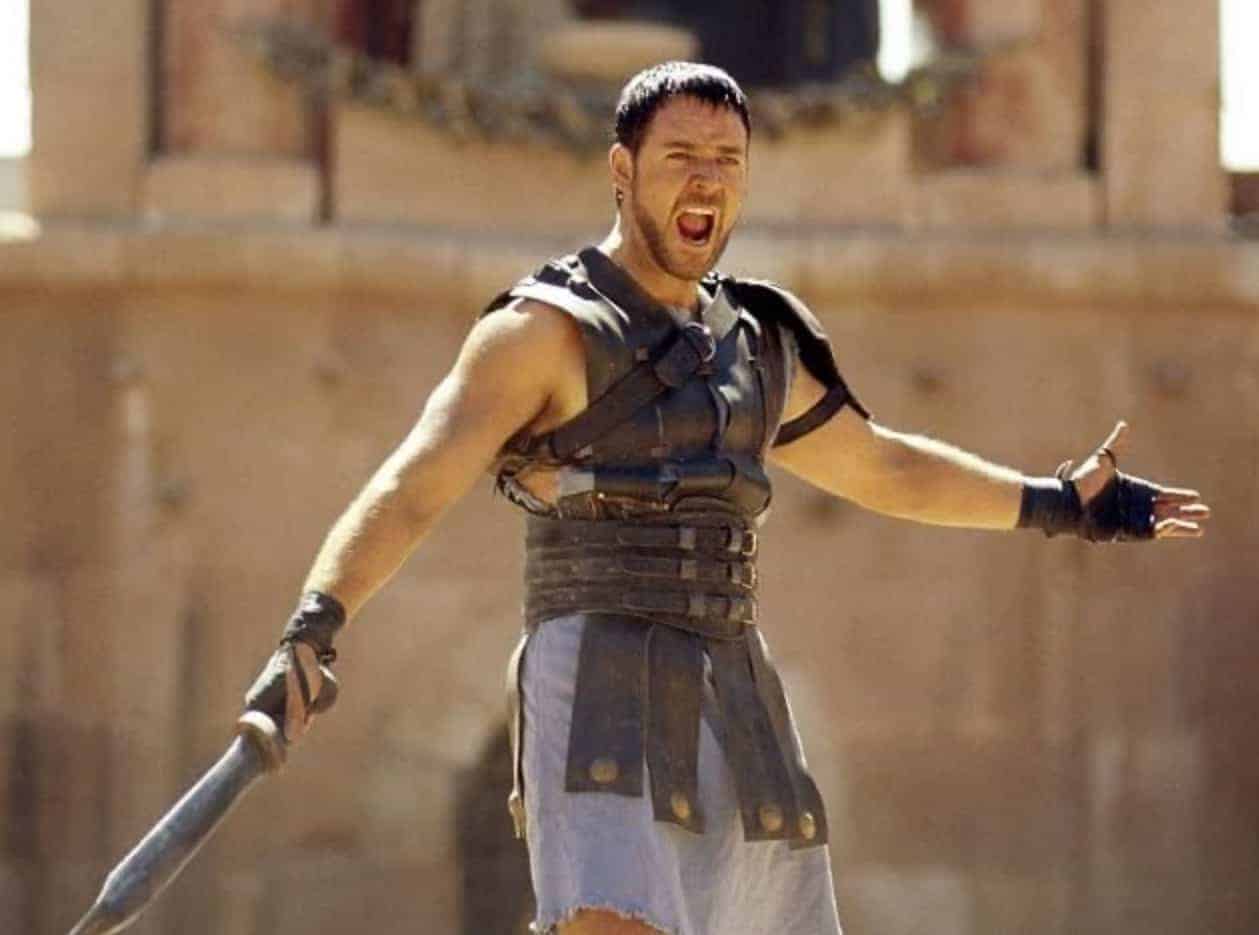
Gladiator (2000): The Murder That Makes No Strategic Sense
Commodus murders Maximus's wife and son to neutralize the danger of the general forming an army and fighting him for control. This is the inciting incident of the whole movie. But murdering your best general's family is probably the most efficient way to create a vengeful enemy.
Fans claim that Commodus thought Maximus was going to be killed before reaching his family, and the emperor wanted to make a public warning to other generals, showing what could happen to them if they turned against him. But even if Commodus expected his rival to be dead, killing his family still creates a martyr. And a deterrent only works if people actually find out about it, which Commodus would have had to arrange carefully.
Otherwise, what we see here is a new emperor making his most dangerous decision within the first five minutes after coming into power. If Commodus had just left things be, Maximus would retire to his farm in Spain. Commodus set up his own demise because the plot needed him to.
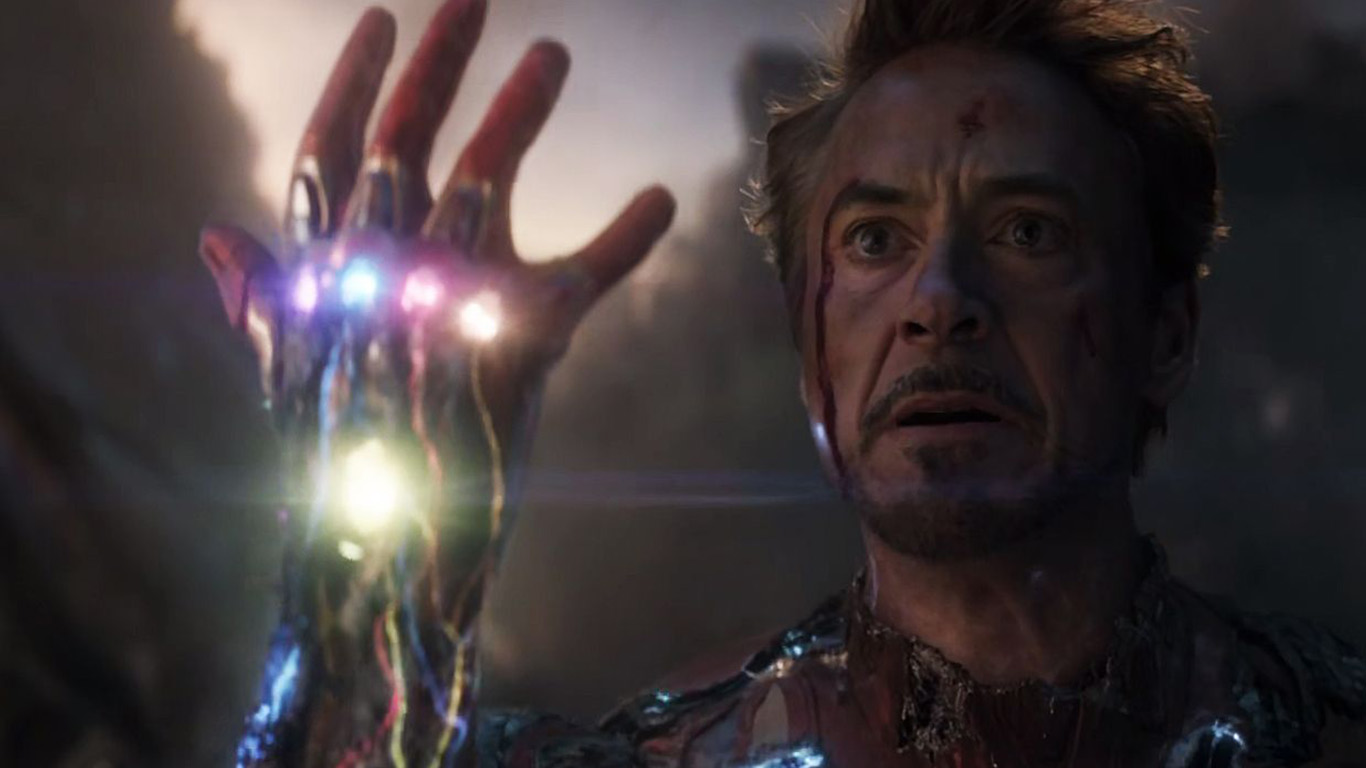
Avengers: Endgame (2019): The Time Travel Logic
The way Endgame handles time travel is well explained in the movie by the Ancient One, who explains to Bruce Banner that removing an Infinity Stone at a certain point in time will generate a new branching timeline.
The logic works for most of the film right up until Captain America goes back in time in order to place all of the stones and decides to live the rest of his life in the past before showing up as an old man before the movie ends. Based on the Ancient One's rules, when Steve goes back in time, he should have branched off into a new timeline so there’s no way that the old man who is sitting on the bench could have been Steve Rogers. The Russo brothers and the screenwriters have provided some conflicting information, which seems to confirm the mistake instead of clarifying it. For a franchise that spent three films carefully tracking its own mythology, this ending didn’t land very well with viewers who were paying close attention.
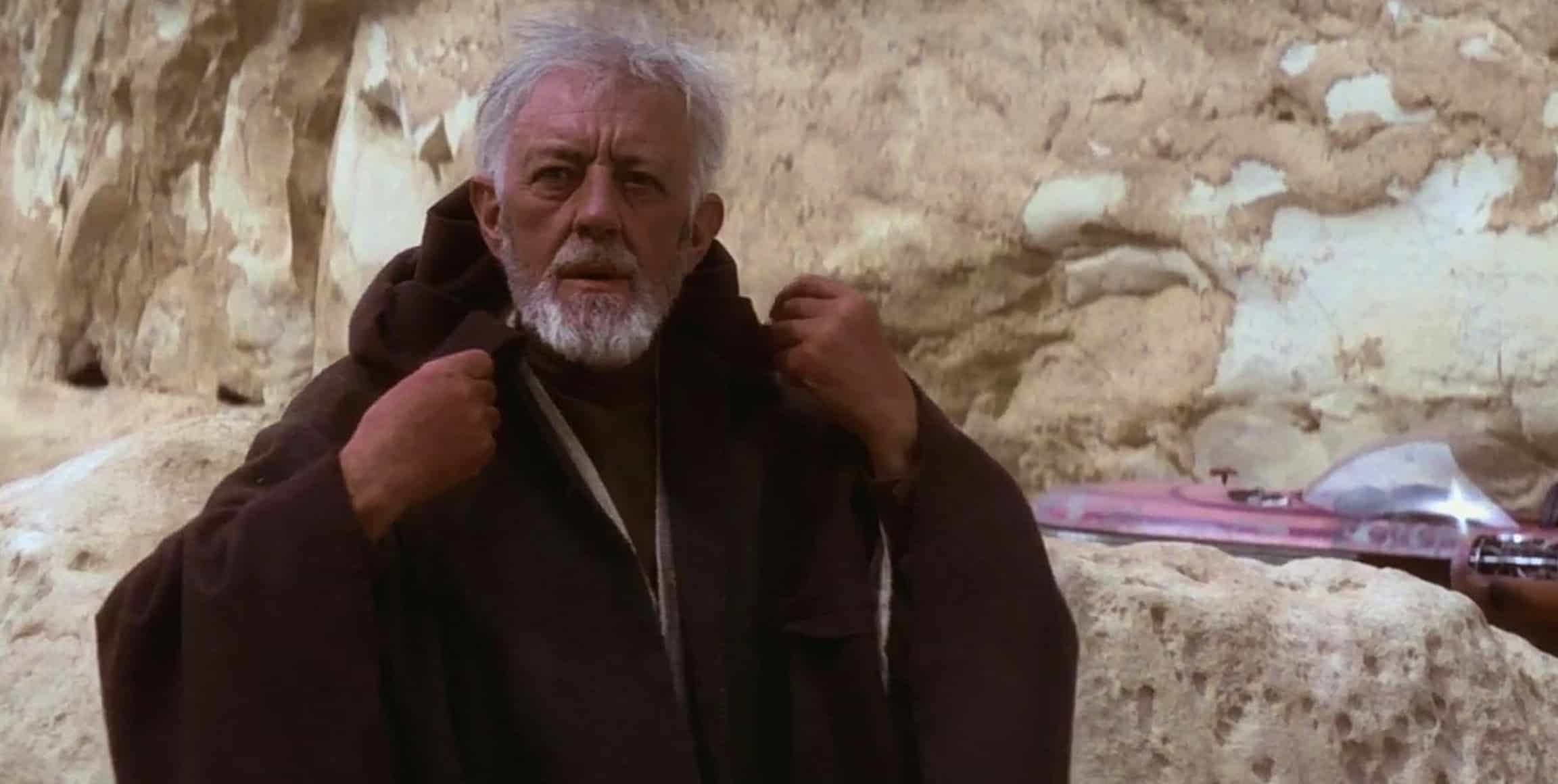
Star Wars: A New Hope (1977): Obi-Wan's Hiding Spot
Obi-Wan Kenobi goes into hiding on Tatooine following the Republic's demise, looking out for Luke Skywalker from afar. Tatooine is Darth Vader's home planet, where his stepbrother Owen Lars still lives and where Vader's last-known relatives are raising a child named Skywalker. It’s also where Vader's strongest emotional ties are rooted and probably the only place in the galaxy that you'd expect the Dark Lord of the Sith to look if he ever decided to hunt for surviving Jedi or people associated with Padme. The prequel movies made this even more obvious by making it clear how Obi-Wan gets to Tatooine, but even without them, the original trilogy put the hero's mentor in what should be the most obviously dangerous location available in the franchise’s vast universe.
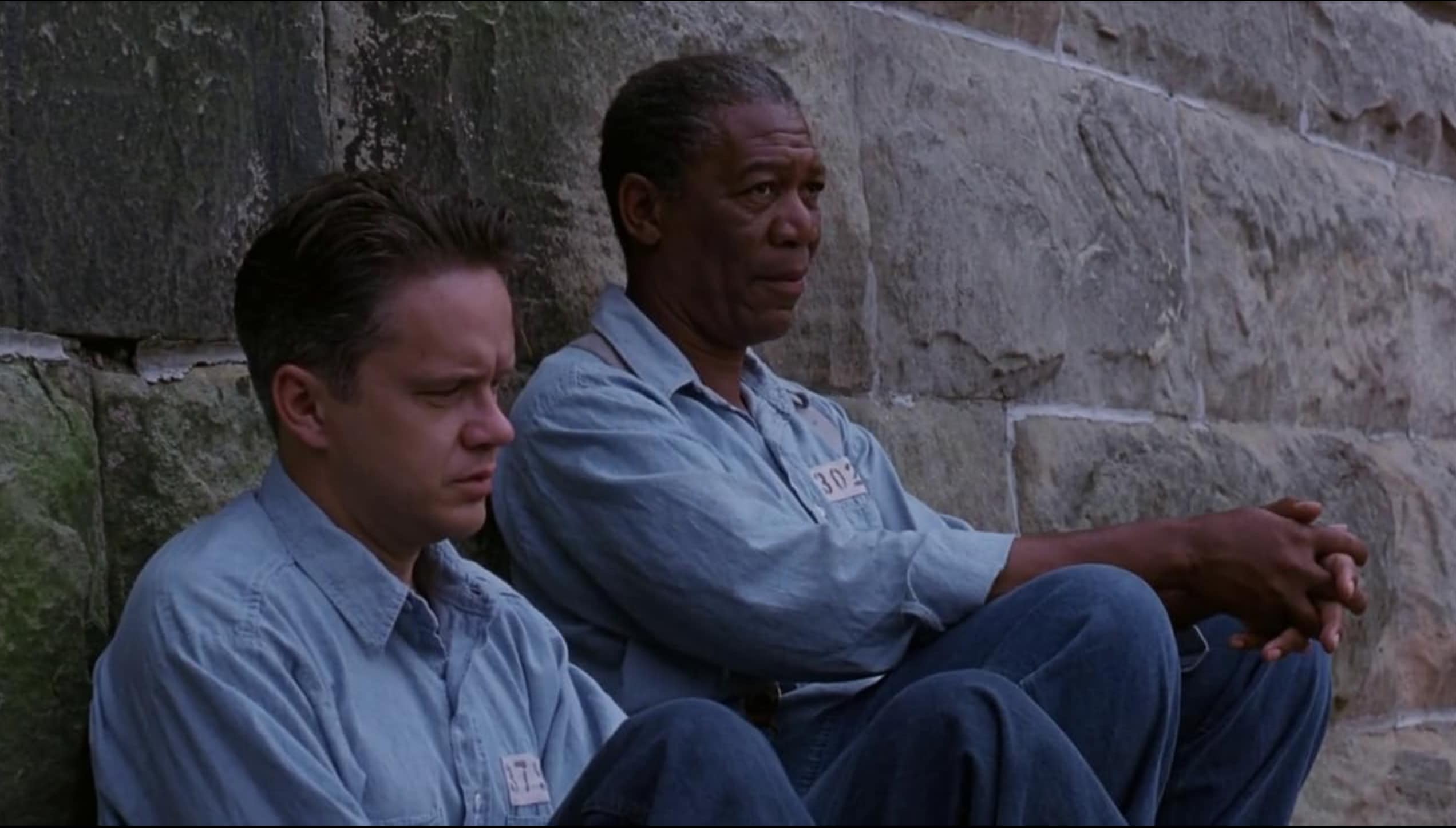
The Shawshank Redemption (1994): The Poster
The Shawshank Redemption features one of the greatest escape scenes in cinematic history and a whole lot of dramatic buildup leading up to it, but there’s an inconsistency that has never been explained. After tunneling through his cell wall for years, Andy Dufresne escapes through the drainage pipe, leaving the poster of Raquel Welch hanging over the hole he spent nearly two decades digging. The problem is that Andy crawled out through the hole behind that poster, and there is simply no way it could have remained in place after he did, and no way for him to put it back up once he left. No one connected with the production has ever addressed this, and it is the one detail that keeps coming up among the film's admirers.
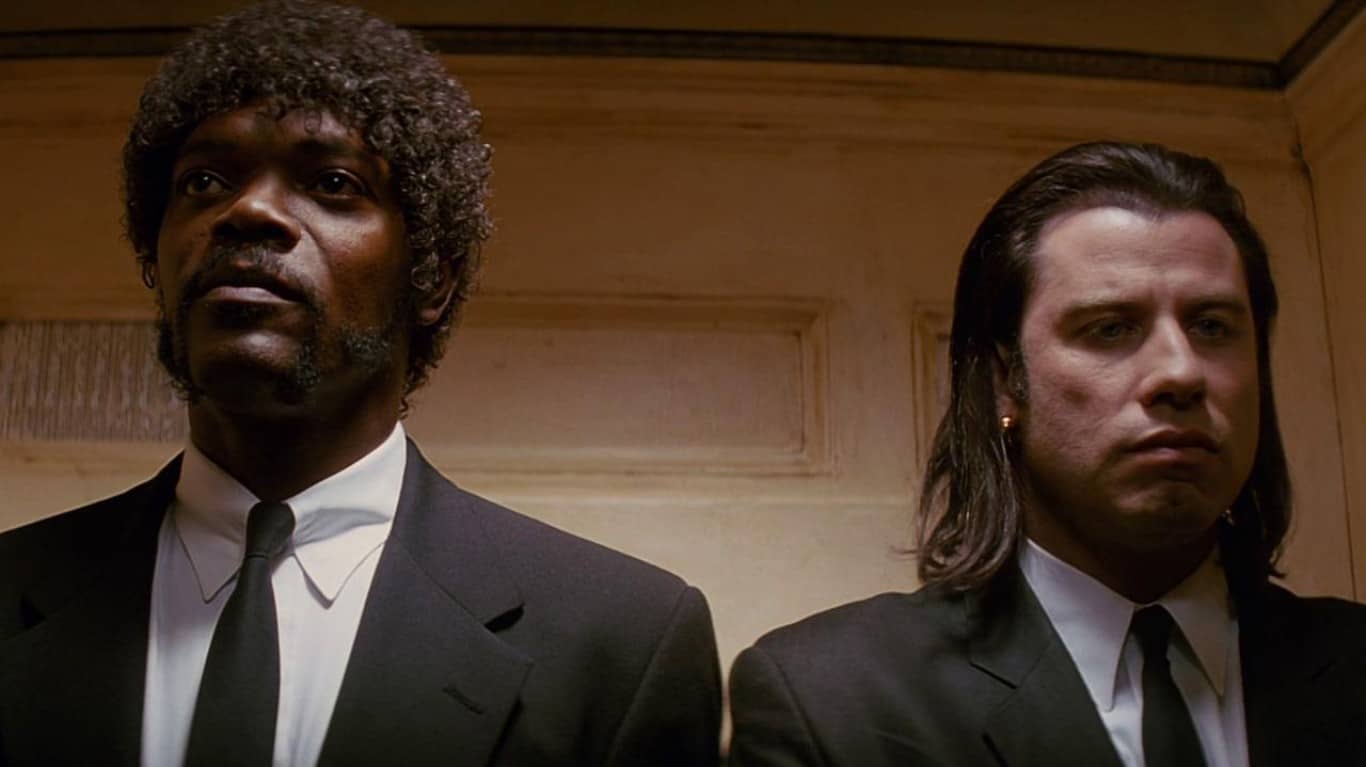
Pulp Fiction (1994): What's in the Briefcase?
This one belongs to a slightly different category. The contents of the mysterious briefcase in the Pulp Fiction movie were never revealed. Tarantino has always maintained that it was intended to be a mystery. It’s a ”MacGuffin” that can be interpreted however viewers want. The code 666, the color of the glow being gold, popular fan speculations going from soul of Marsellus Wallace to diamonds leftover from Reservoir Dogs.
Tarantino says it doesn't really matter, and that's the point. It’s an entirely legitimate artistic choice. But 30 years later, people are still debating it. Some think that this ambiguity is satisfying, while others consider it a loose end disguised as philosophy. Either way, nobody has forgotten it, which suggests Tarantino knew exactly what he was doing when he left the question unanswered.