Courtesy of Warner Bros.
Courtesy of Metro-Goldwyn-Mayer
IMDB

Courtesy of Warner Bros.
Courtesy of Walt Disney Studios Motion Pictures
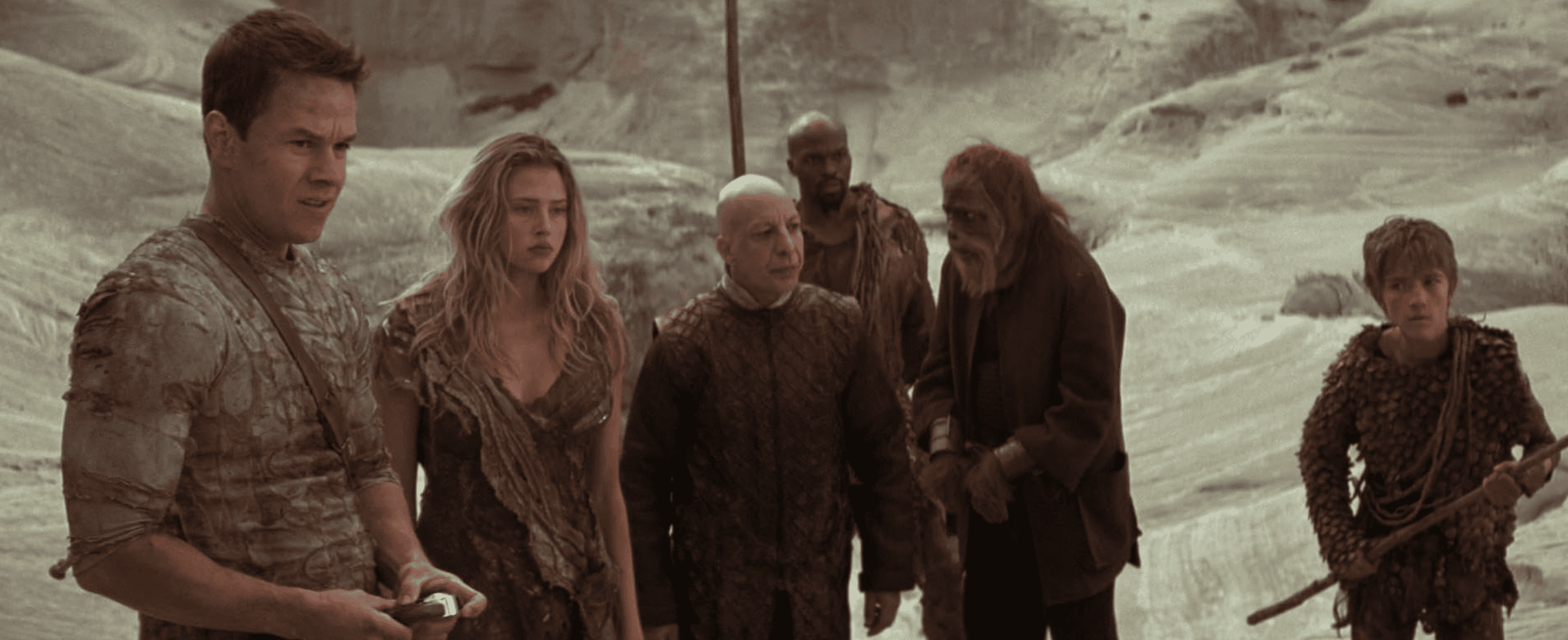
Courtesy of Twentieth Century Fox

Paramount Pictures
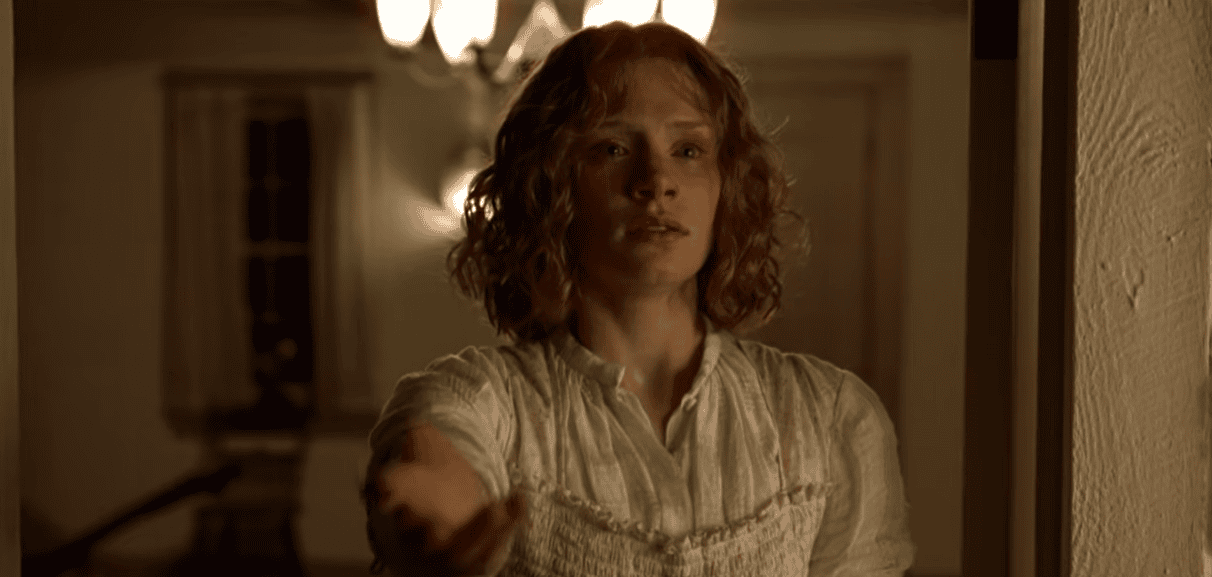
Rotten Tomatoes
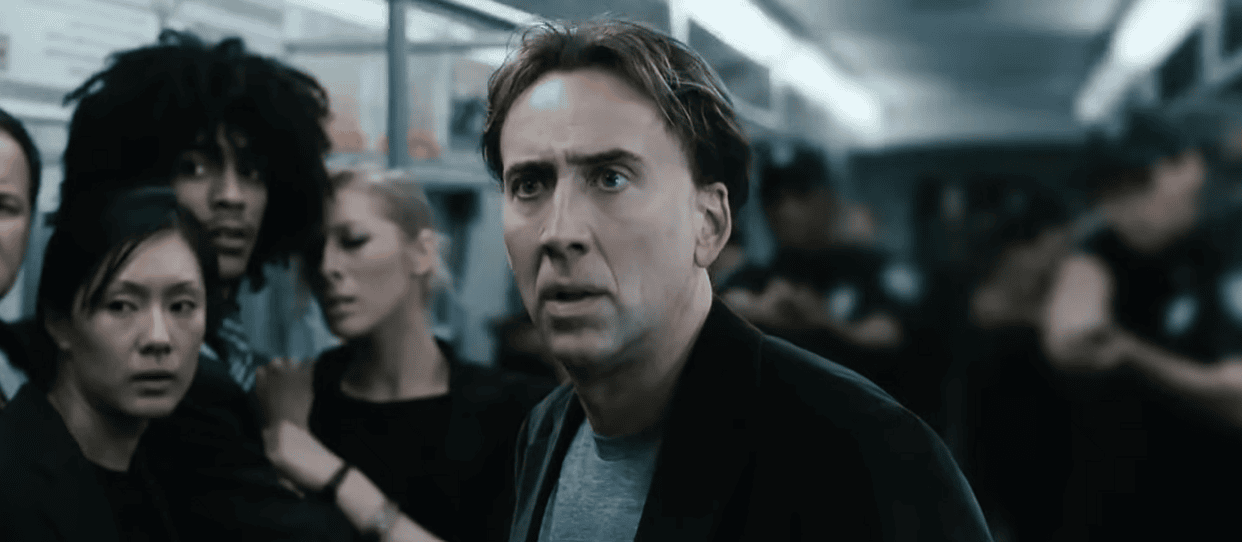
Rotten Tomatoes

Courtesy of Warner Bros.

Courtesy of Paramount Pictures
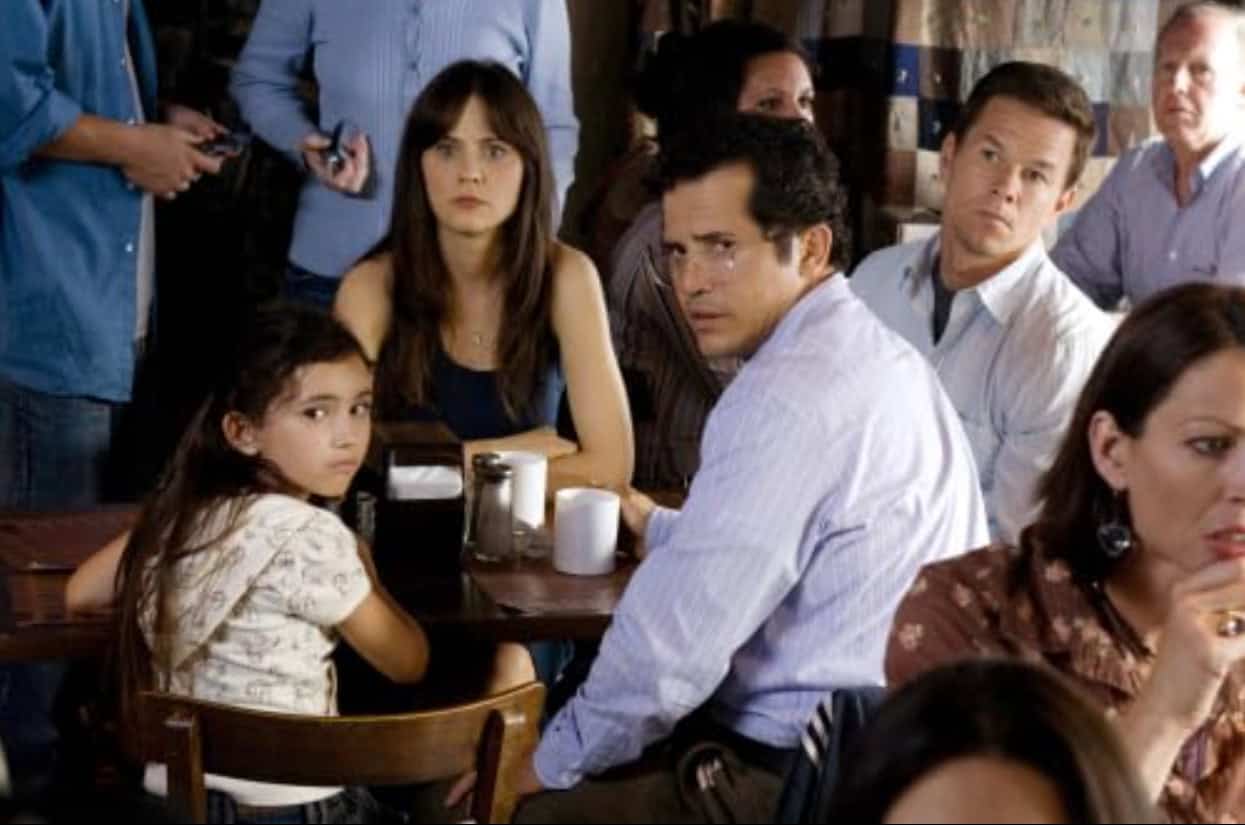
Courtesy of Twentieth Century Fox
Courtesy of Paramount Pictures
Courtesy of Warner Bros.
Courtesy of Warner Bros.

Courtesy of Paramount Pictures










15 Movie Endings That Left Audiences Furious, Confused, or Both
A movie can do almost everything right and still lose the audience in its final few minutes. Sometimes the ending is too bleak. Sometimes it leaves half the story hanging. And sometimes everyone walks out of the theater wondering what they just watched.
The endings on this list are not all bad, and a few have become more appreciated with time. What they have in common is that they sparked unusually strong reactions, from confusion and frustration to arguments that are somehow still going decades later. Here are 15 movie endings that audiences just couldn't stop talking about.
The Mist (2007)
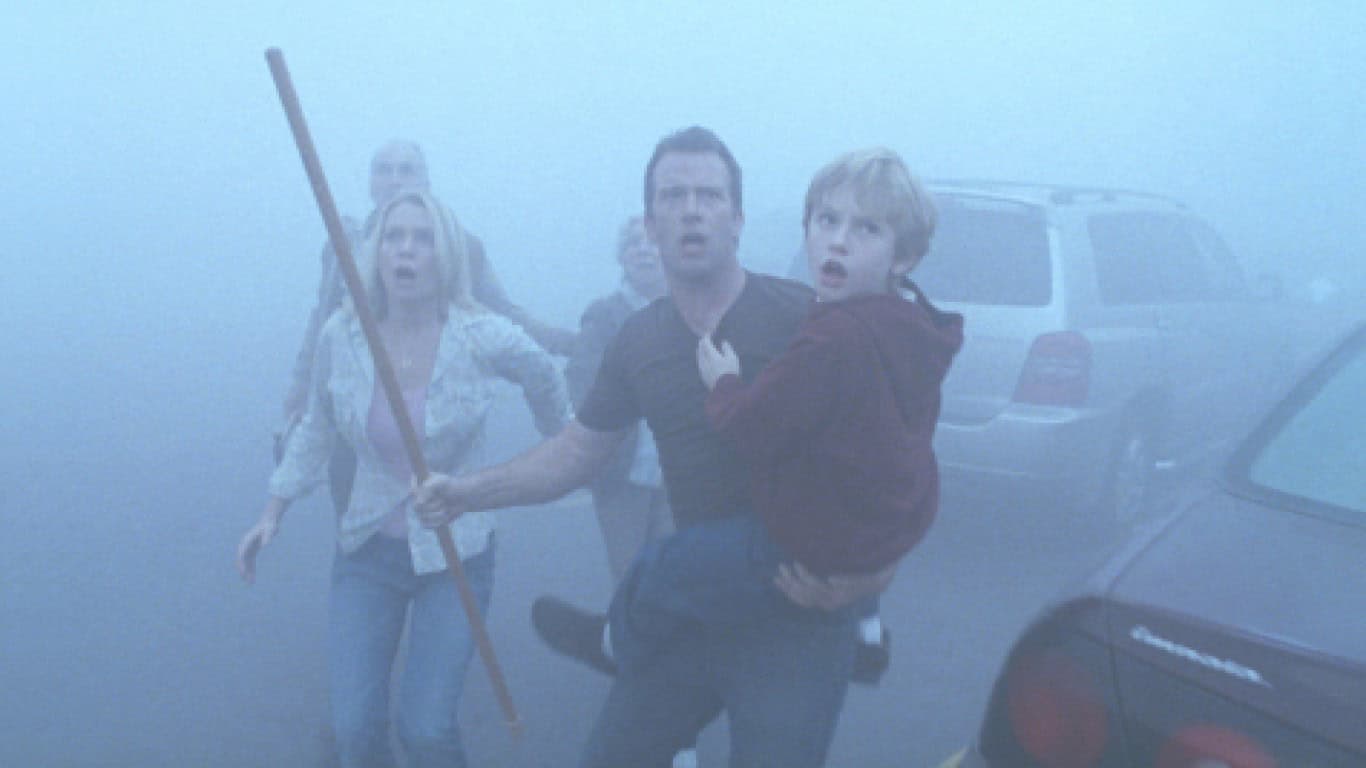
Frank Darabont's adaptation of Stephen King's novella follows a group of people trapped inside a grocery store while deadly creatures roam through a mysterious mist outside. The movie takes a much darker turn than King's original story. Convinced that there is no hope left, David kills the other survivors in his car, including his young son, only to discover moments later that the military has arrived and rescue was possible. King approved of Darabont's brutal change and has said he wished he had thought of the ending himself. Plenty of viewers were considerably less thrilled. It remains one of horror's most merciless final twists.
No Country for Old Men (2007)
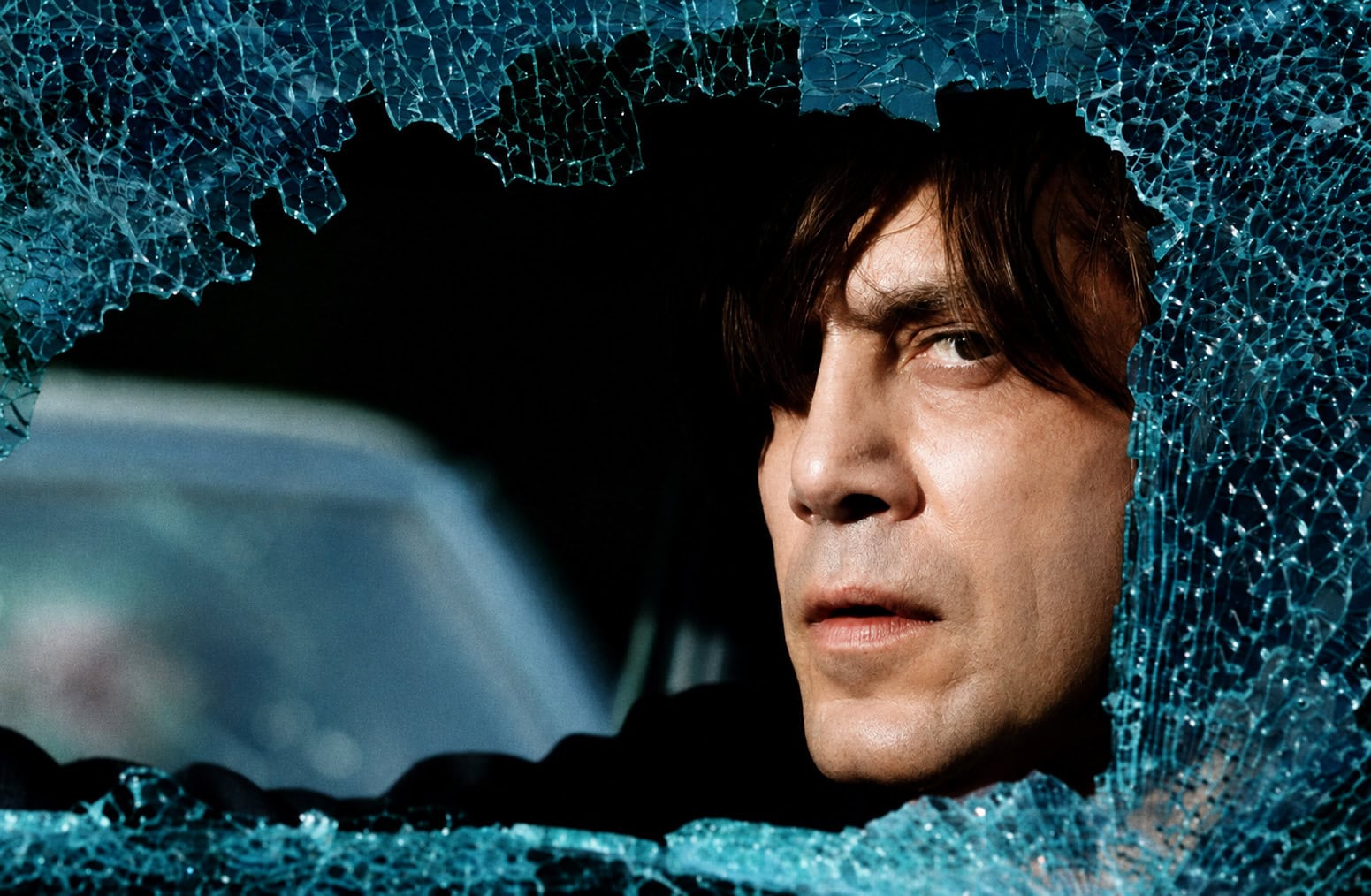
The Coen brothers spend much of No Country for Old Men following the deadly pursuit of Llewelyn Moss by Anton Chigurh, which makes it natural to expect some kind of final showdown. It never comes. Moss is killed off-screen during a motel shootout, Chigurh later survives a violent car crash, and the movie ends with the retired Sheriff Bell describing a dream to his wife. The film went on to win Best Picture at the 2008 Academy Awards, along with Oscars for directing, adapted screenplay, and Javier Bardem's supporting performance. Its refusal to deliver the conventional climax audiences had been trained to expect is part of what makes the ending so memorable, and for some viewers, so frustrating.
The Matrix Revolutions (2003)
The original Matrix trilogy ends with Neo striking a bargain with the machines: he will stop the rapidly spreading Agent Smith if they end their assault on Zion. Neo ultimately allows Smith to absorb him, giving the machines a way to destroy Smith through Neo's connection to the Source. Neo appears to sacrifice his life, the attack on Zion stops, and the Architect agrees that people who want to leave the Matrix will be allowed to do so. So there is a resolution, just not the sweeping human victory many viewers expected. Contemporary reviews were sharply divided, with critics frequently describing Revolutions as an underwhelming conclusion to a trilogy that had started with much bigger philosophical ambitions.
Star Wars: The Rise of Skywalker (2019)
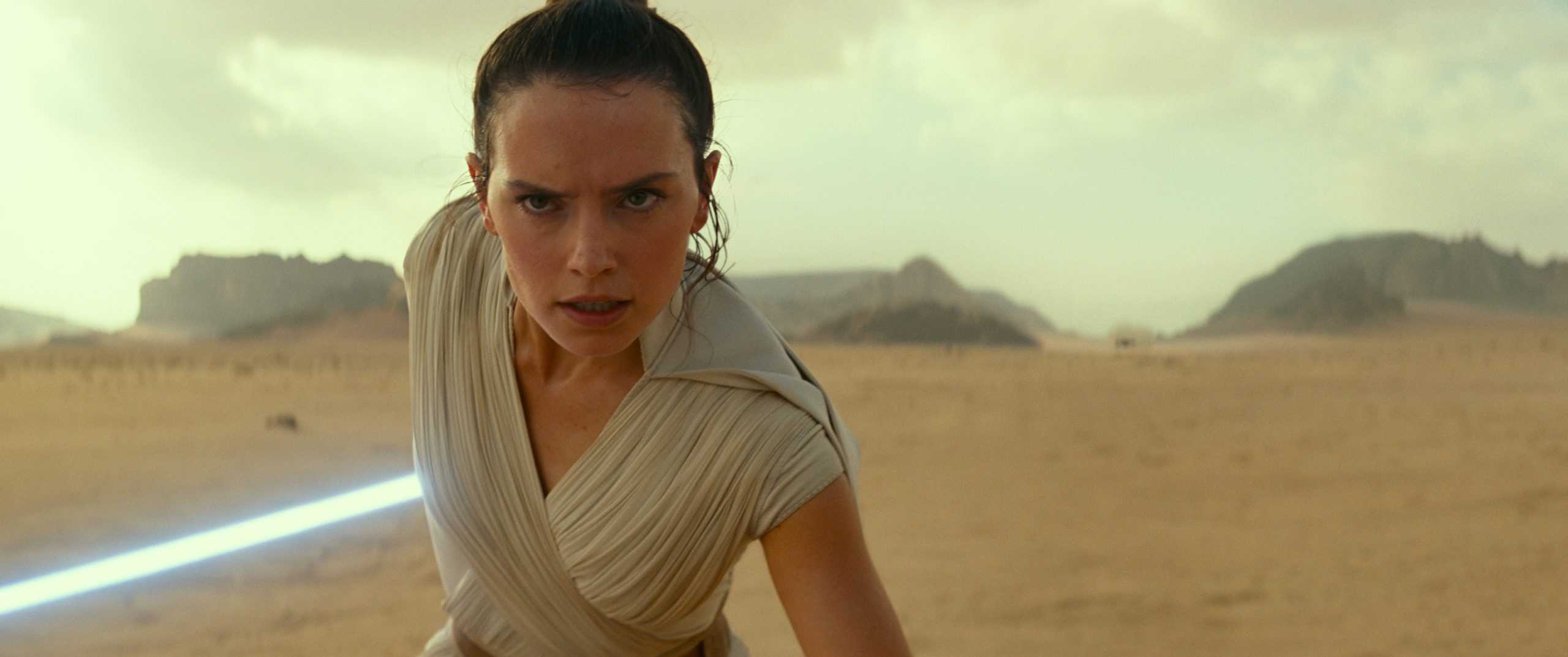
The Rise of Skywalker had the unenviable job of wrapping up both a trilogy and the nine-film Skywalker saga. The opening crawl announces that Emperor Palpatine has somehow returned, while the movie itself offers only fragments of explanation involving cloning, dark science, and Sith knowledge. The film also reverses or sidesteps several ideas introduced in The Last Jedi, a choice noted by critics at the time. The finale sees Rey defeat Palpatine, bury Luke and Leia's lightsabers on Tatooine, and take the Skywalker name. That final choice was deliberate rather than unexplained: official Star Wars material has framed it as Rey rejecting her Palpatine bloodline and choosing the family and legacy she wants to carry forward. Fans have been arguing about whether it works ever since.
Planet of the Apes (2001)
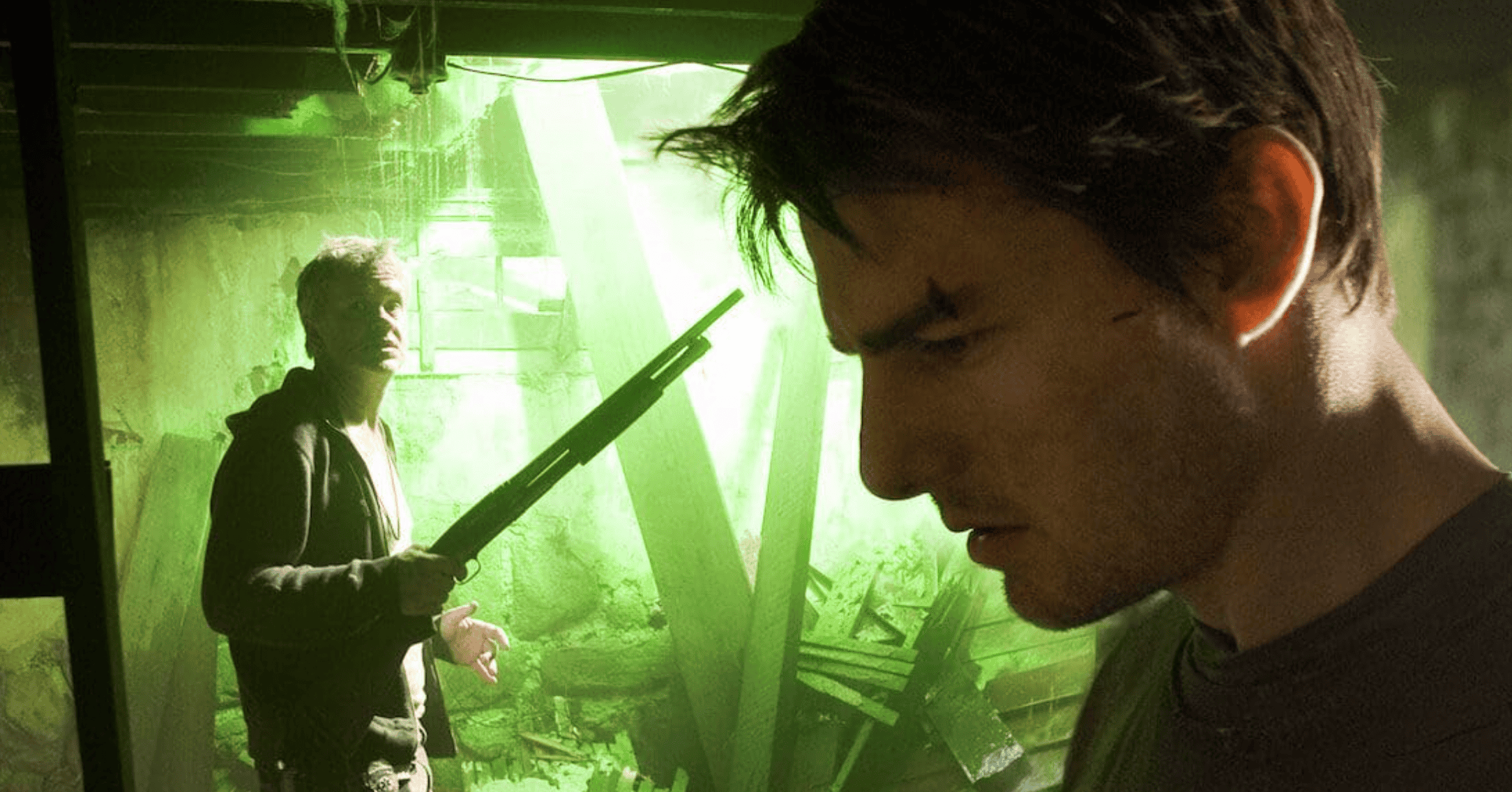
Tim Burton's Planet of the Apes saves its biggest head-scratcher for the final minutes. Astronaut Leo Davidson escapes the ape-dominated world and travels through the electromagnetic storm, only to land in what appears to be Washington, D.C. The Lincoln Memorial is there, except Abraham Lincoln has been replaced by a statue of the villainous General Thade, and ape police quickly surround Leo. Burton never offered a neat literal explanation. He described the ending as deliberately circular and tied to the larger themes of time travel, parallel realities, humans, and apes. That did not make it any easier to decipher in the theater, and the sequel that might have expanded on it never happened.
The Devil Inside (2012)
The Devil Inside doesn't so much conclude as stop. After possession appears to spread among the characters, their car crashes, the screen goes black, and a title card tells viewers that the Rossi case remains unresolved. It then directs them to TheRossiFiles.com for more information. The promotional website is now defunct, which makes an already abrupt ending feel even stranger today. The reaction was not invented after the fact, either. Contemporary reviewers reported audiences booing when the credits rolled, with one ABC reviewer saying the crowd at his midnight screening did exactly that. Few movie endings have made "that's it?" feel quite so literal.
The Village (2004)
For most of The Village, the story appears to take place in an isolated 19th-century community surrounded by woods inhabited by frightening creatures. Then M. Night Shyamalan pulls the rug. The creatures are costumes used by the village elders to keep younger residents from leaving, and the settlement actually exists inside a private wildlife preserve in the modern world. Its founders were people who met through grief counseling and chose to withdraw from a society they believed had become too violent. Noah later finds one of the costumes and attacks Ivy while wearing it. The twist was a major source of criticism when the movie arrived, and even the Rotten Tomatoes critics consensus singles out the ending as a disappointment.
Knowing (2009)
For most of Knowing, Nicolas Cage's John Koestler is trying to decode a list of numbers that correctly predicts disasters. The final prediction is the big one: a massive solar event that will destroy life on Earth. The movie then takes an even stranger turn. The mysterious whispering figures are revealed as otherworldly beings who take John's son Caleb and a girl named Abby aboard an ark, while similar craft collect other children. Earth is destroyed, and Caleb and Abby are deposited on a lush new world beneath imagery resembling the biblical Tree of Life. The movie had already mixed science fiction, disaster thriller, and religious symbolism, but the last few minutes push all three together at once. For viewers who weren't on its wavelength, that was a lot to process before the credits.
I Am Legend (2007)
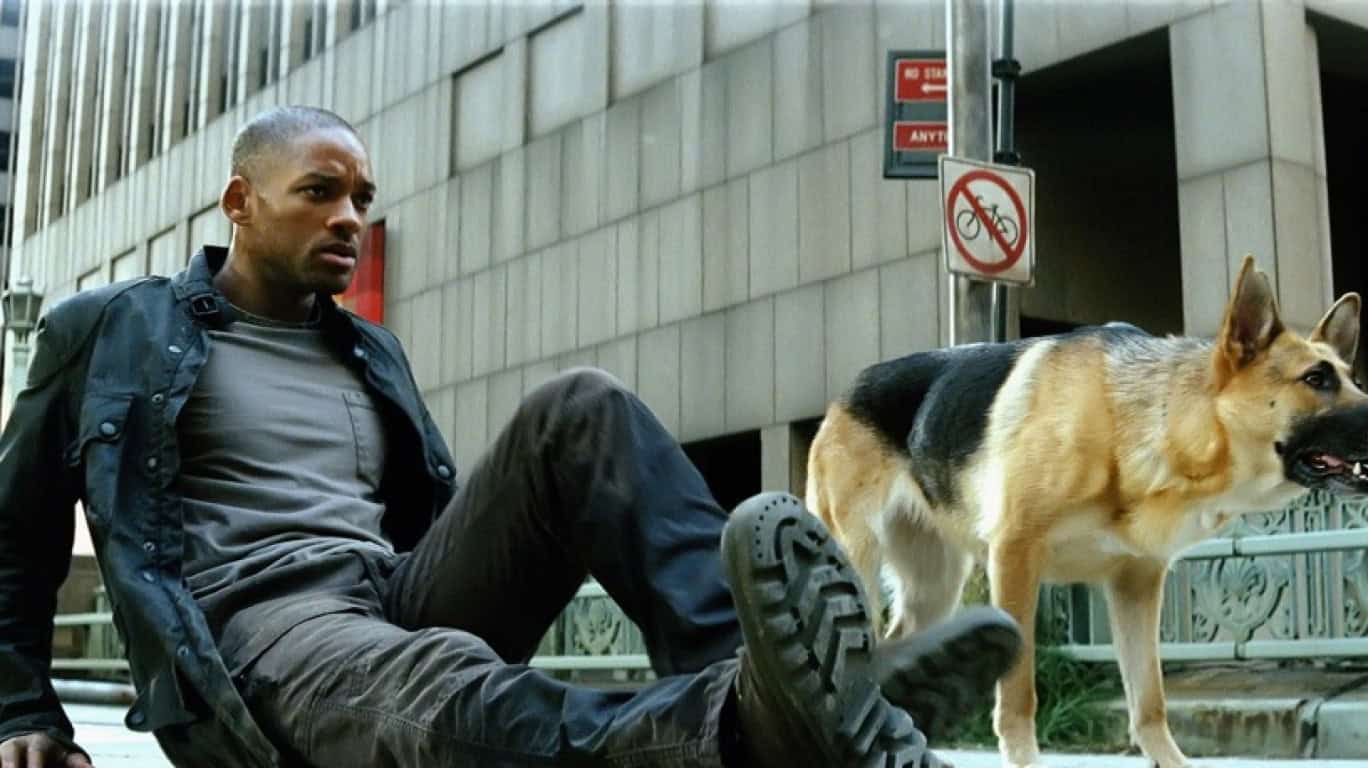
I Am Legend effectively has two endings, and they make very different points. In the theatrical version, Robert Neville sacrifices himself with a grenade after giving Anna a sample containing the cure, allowing her and Ethan to escape. The alternate ending has Neville realize that the Darkseekers attacking his laboratory are trying to rescue the female he captured for experiments. He returns her, the creatures leave peacefully, and Neville survives. That version is closer to the central theme of Richard Matheson's novel, though it is still very different from the book's actual ending: Neville is forced to confront the possibility that he has become the monster from someone else's point of view. The studio chose the more conventional theatrical ending, and arguments over which one works better have followed the movie ever since.
Indiana Jones and the Kingdom of the Crystal Skull (2008)
Kingdom of the Crystal Skull became infamous long before its final scene thanks to the sequence in which Indy survives a nuclear blast inside a lead-lined refrigerator. The moment inspired the phrase "nuking the fridge," a movie equivalent of "jumping the shark." Then came the finale. The beings behind Akator and the crystal skulls are described not simply as aliens, but as beings from the "space between spaces," and a massive spacecraft rises from the ruins. Indiana Jones had never exactly been a realism-first franchise, but shifting from biblical artifacts and supernatural pulp into overt science fiction was a big change. For a sizable portion of the fan base, the ending was where that change became impossible to ignore.
The Happening (2008)
There actually is an explanation offered for the disaster in The Happening, although the movie deliberately leaves room for uncertainty. A nurseryman theorizes that plants have developed an airborne chemical defense that causes humans to kill themselves, and the characters gradually come to believe he is right. Then the phenomenon simply stops. Three months later, a television expert compares it to a red tide and warns that the event may have been only a warning. Right on cue, the same behavior begins in Paris. So the movie doesn't end without an explanation. It ends with a theory, no solution, and the cheerful suggestion that the nightmare may now be going global.
War of the Worlds (2005)
Steven Spielberg's War of the Worlds spends most of its runtime showing humanity completely outmatched by the invaders. Then the tripods begin failing because the aliens are vulnerable to Earth's microorganisms. That part isn't a convenient invention by the movie. It comes directly from H.G. Wells' original story. The more controversial choice is what happens next. Ray reaches Boston with Rachel and finds his ex-wife and her family alive, along with Robbie, who had disappeared during a massive battle and whose survival is never explained on screen. After nearly two hours of destruction, the almost picture-perfect reunion struck some critics and viewers as a little too tidy.
Tenet (2020)
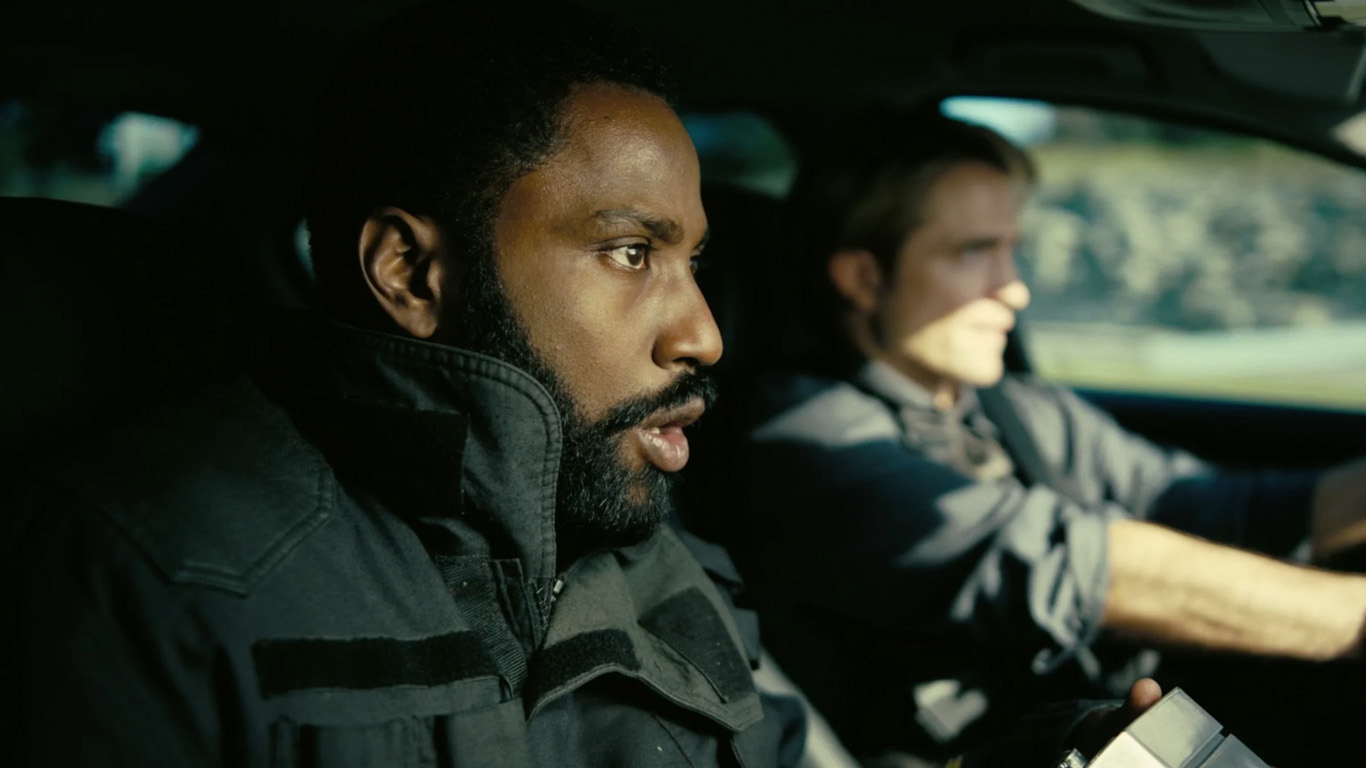
Tenet waits until its final minutes to reveal just how tangled its timeline really is. Neil tells the Protagonist that they have actually known each other for years from Neil's perspective, and that the Protagonist is the person who recruited him. The conversation makes clear that the operation viewers just watched is part of a much larger temporal pincer movement being orchestrated by the Protagonist himself. Following all of that on a first viewing is hard enough. The movie's heavily stylized sound mix made it harder, with reviewers and moviegoers repeatedly complaining that important dialogue was difficult to understand. Christopher Nolan has defended his unconventional approach to mixing sound, but when your movie already requires a mental flowchart, losing pieces of the exposition does not exactly help.
Man of Steel (2013)
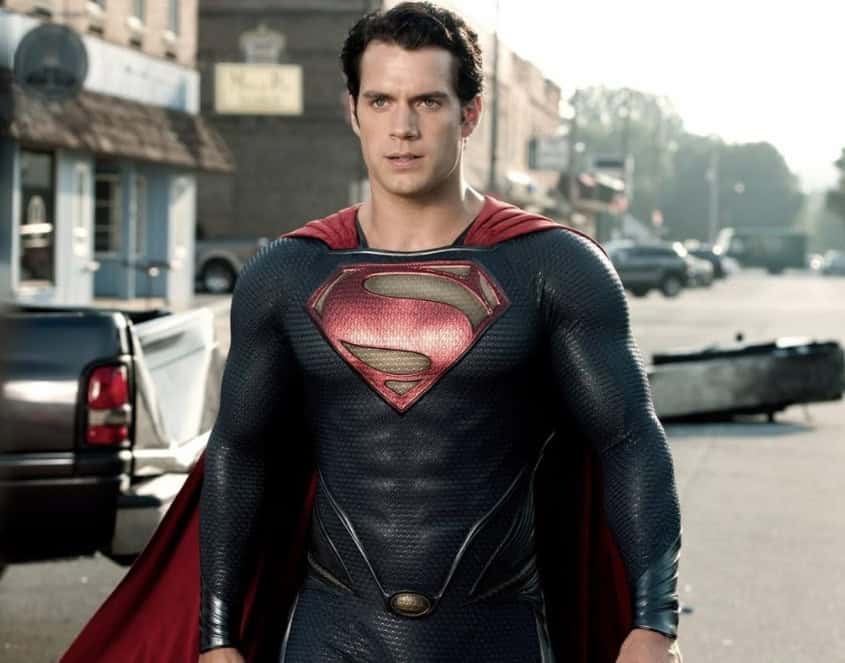
Man of Steel ends its enormous battle between Superman and General Zod with a surprisingly intimate act of violence. Zod turns his heat vision toward a trapped family, Superman begs him to stop, and when Zod refuses, Superman breaks his neck. The moment immediately became one of the film's biggest controversies. Superman has not followed an absolute no-killing rule in every previous movie or comic, but avoiding lethal force is deeply associated with the character, which made the scene jarring for many longtime fans. Screenwriter David S. Goyer and director Zack Snyder have both defended the choice as a situation designed to leave Superman with no other way to save the family. Whether that justification works remains one of the great Superman arguments of the modern era.
Titanic (1997)
Nearly three decades later, people are somehow still litigating the final minutes of Titanic. Jack freezes in the Atlantic while Rose survives on a floating piece of wreckage, prompting generations of viewers to ask whether he could have climbed onto it too. MythBusters tested the idea in 2012 and found that survival was plausible if Rose's life jacket were secured beneath the wreckage to add buoyancy. James Cameron revisited the question with a more detailed set of cold-water experiments for a 2023 National Geographic special. His conclusion became a little more nuanced: under one carefully arranged scenario, Jack might have survived long enough to be rescued, but there were too many variables to say he definitely would have. Cameron's larger point has never changed. Jack dies because the story requires his sacrifice. Physics has been arguing with screenwriting ever since.