Underground Cities Around the World Where Thousands Once Lived Below the Streets
Across the world, there are cities built not above ground, but beneath it. For centuries, people have created underground networks of tunnels, homes, and gathering spaces to escape harsh climates, avoid conflict, or make better use of limited space. In some regions, these subterranean areas developed into fully functioning communities, complete with living quarters, storage areas, and even places of worship.
In this slideshow, we explore underground cities from around the globe where thousands once lived below the surface. Some date back hundreds or even thousands of years, while others continued to be used more recently. Today, a number of these sites are preserved or open to visitors, offering a rare look at how people adapted to life underground and the lasting impact of these hidden communities.
1. Cappadocia, Turkey
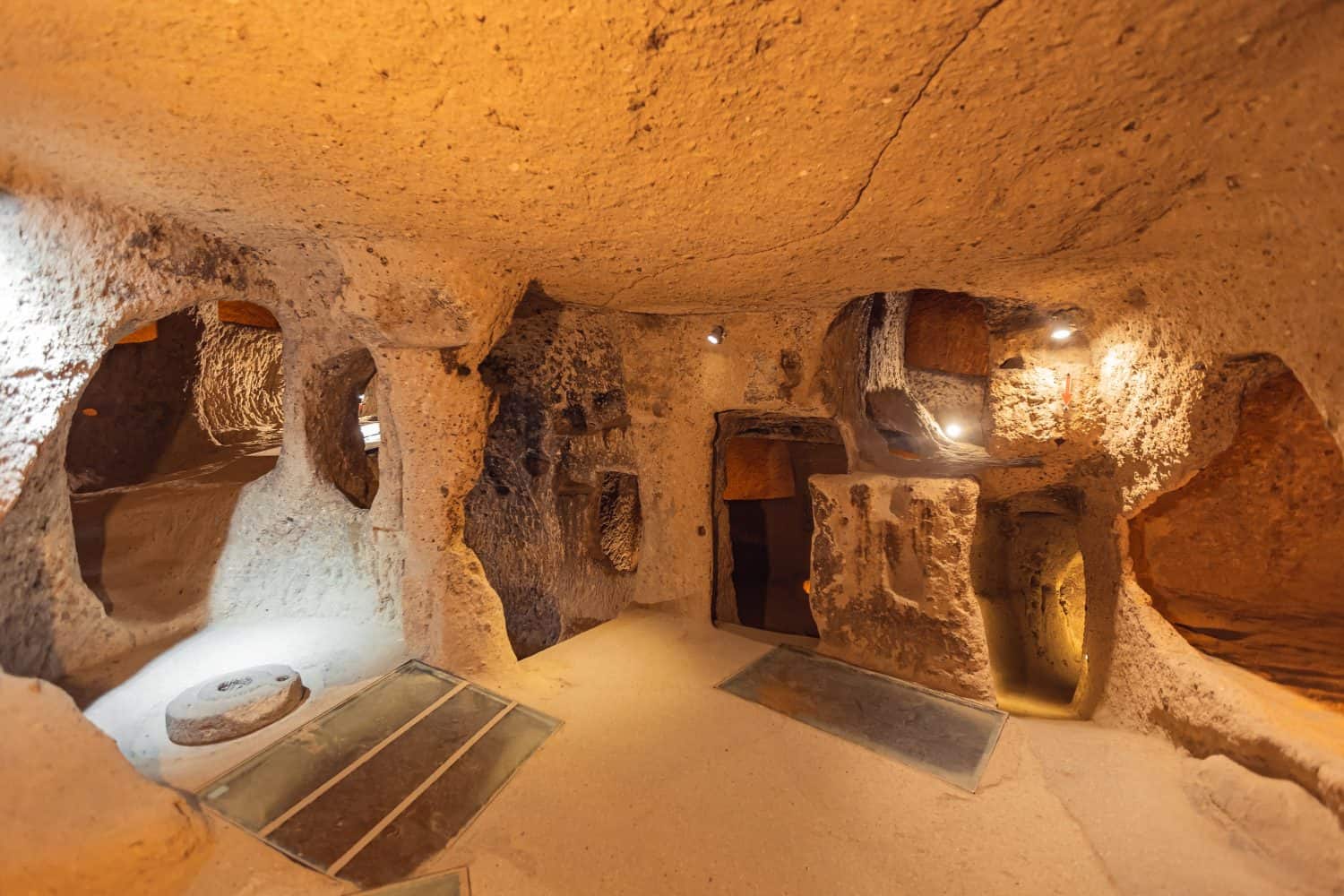
The ancients who lived in the underground cities of Cappadocia in modern-day Turkey went below ground as a form of protection against their enemies. The region's landscape is notched out of volcanic rock and is home to the cities of Özkonak,Derinkuyu, and Kaymakli. Experts say that 20,000 people once lived in Derinkuyu, linked to Kaymakli by a 5-mile underground tunnel.
One of the Largest Ancient Cities
Derinkuyu is believed to have been started as early as the Hittite era (15th–12th centuries B.C.E.), with significant expansion possibly occurring in the 8th–7th centuries B.C.E. It was 18 stories high and had schools, a winery, and a bathhouse. Who built this vast, labyrinthine complex? Scientists speculate it could have been the Hittites or the Phrygians. Regardless, the city grew as the centuries passed. Christians from the Byzantine Era (330 A.D. to 1433) also lived there, creating frescoes and churches.
2. Montreal, Canada
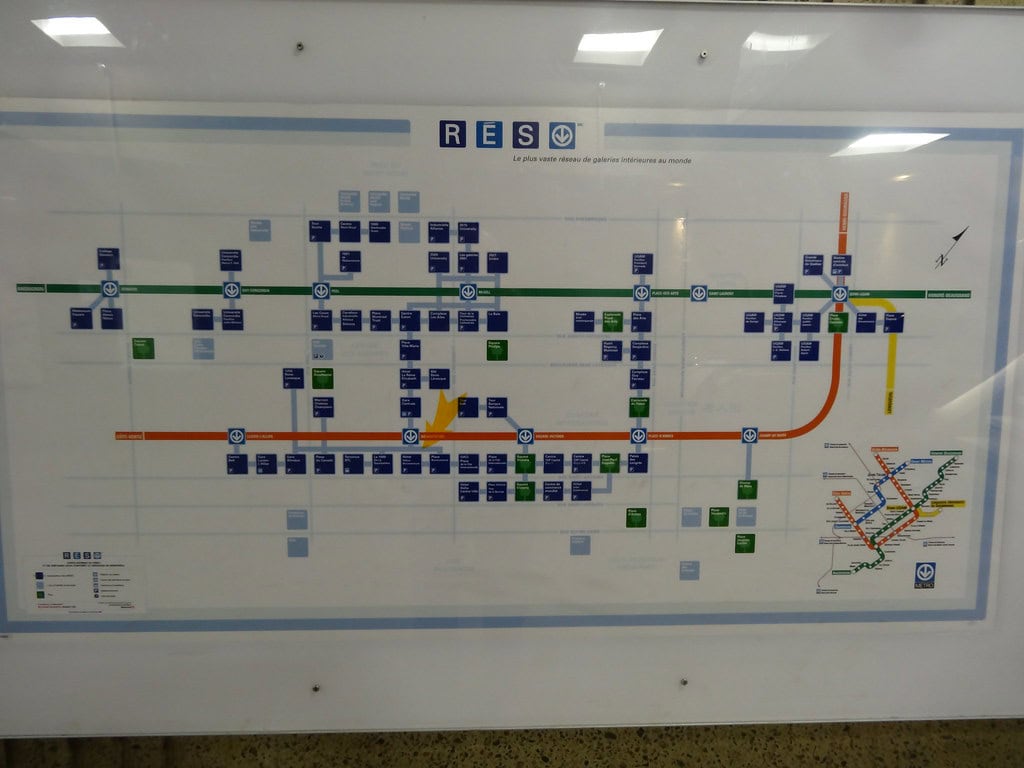
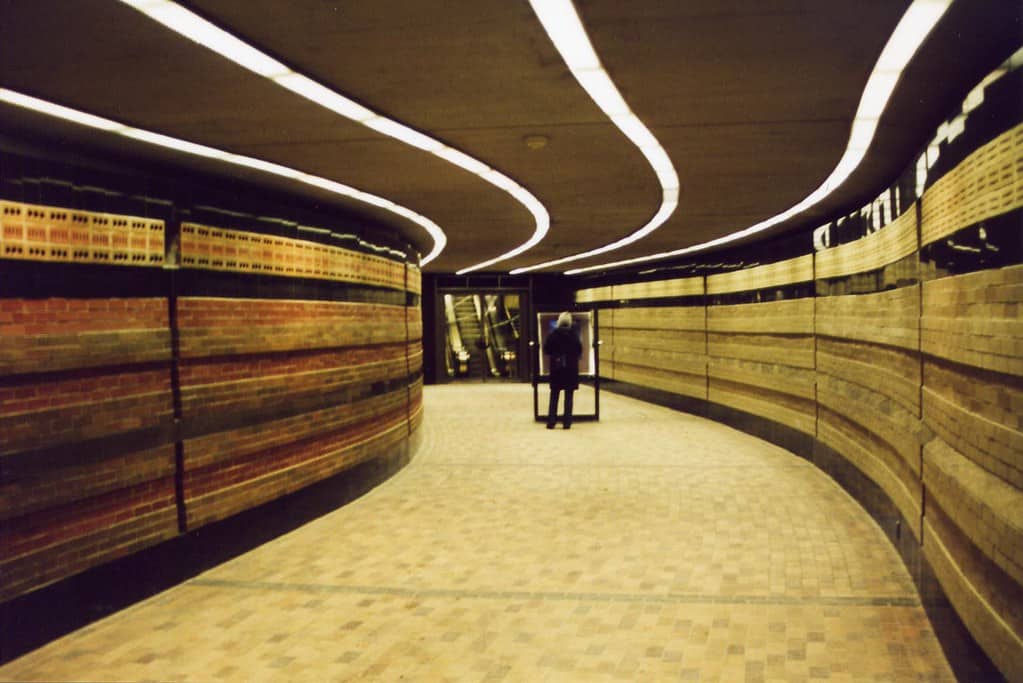
Underneath the streets of this grand and historic city lies a subterranean city of 4.6 square miles linked by 20 miles of tunnels. Known as Reso (in French, reseau means 'network'), the city within a city is home to hotels, restaurants, nightclubs, a library, and cinemas.
A City or a Shopping Mall?
To the uninitiated, RESO may look like a huge underground shopping mall. While there is some truth to that, art galleries and other artistic venues have opened in recent years. Going deep in Montreal is extremely easy. There are nearly 200 access points that include Metro stations and even entrances located in above-ground museums.
3. Beijing, China
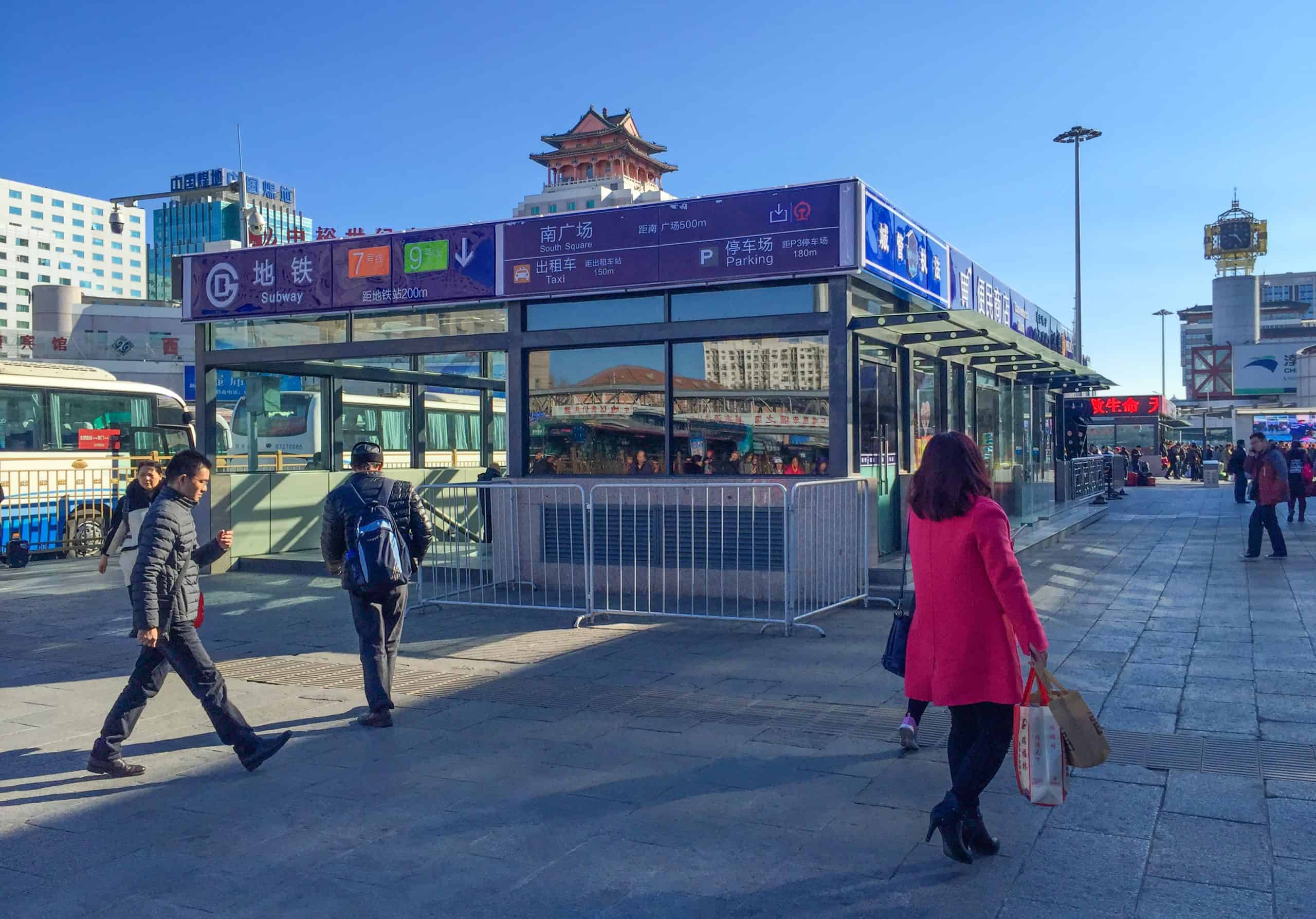
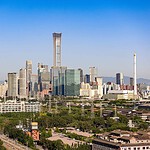
In 1969, some 300,000 workers began shoveling out 30.12 square miles of rock and dirt to make way for a bomb shelter below Beijing. They finished work a decade later. When workers removed the last wheelbarrow of dirt, the underground city became home to nuclear bunkers, factories, theaters, restaurants, and sports facilities. The idea was to make the city habitable in case those living above ground had to escape an attack.
Repurposing the Shelters
During this period, the Chinese ended up building about 20,000 bomb shelters. When Mao died, his successor, Deng Xiaoping, decreed that these locations turn a profit. Many underwent an extreme makeover, complete with supermarkets, cinemas, and even roller-skating rinks.
Individuals Still Live Underground
Today, China and Beijing strain under the weight of overcrowding and expensive housing prices. In the past, estimates suggested that hundreds of thousands of people lived in Beijing's underground bunkers and basements, but recent government crackdowns have significantly reduced this population. Most want to earn enough to get an above-ground apartment. Many of these cave dwellers are migrants and young people, many of whom have traveled to the Chinese metropolis in search of a new life.
4. Burlington, England
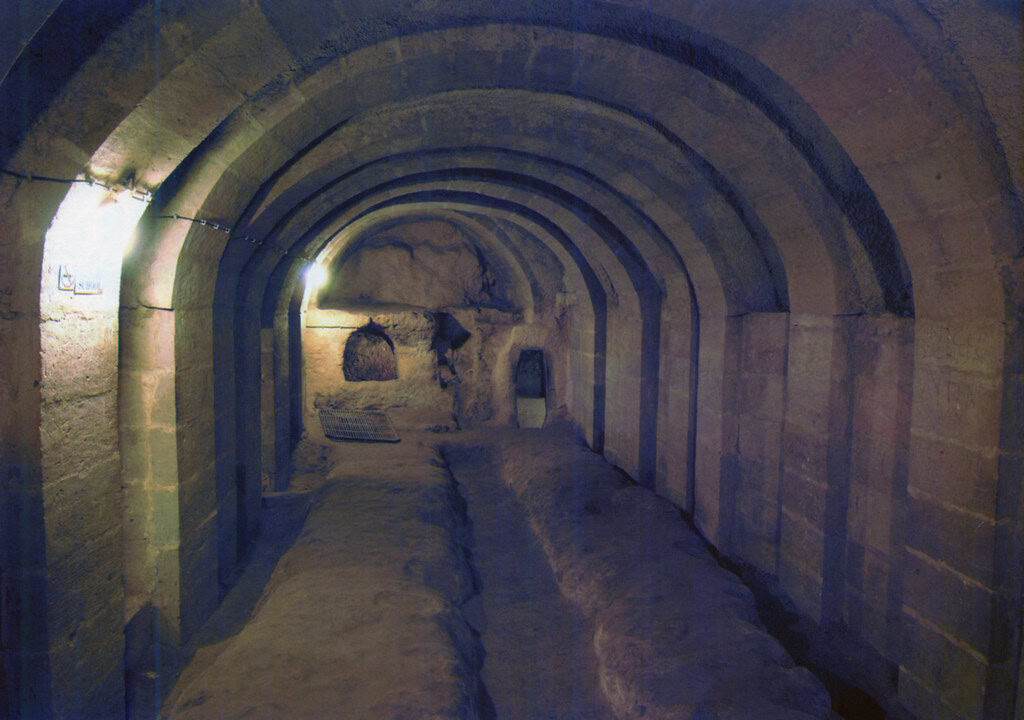
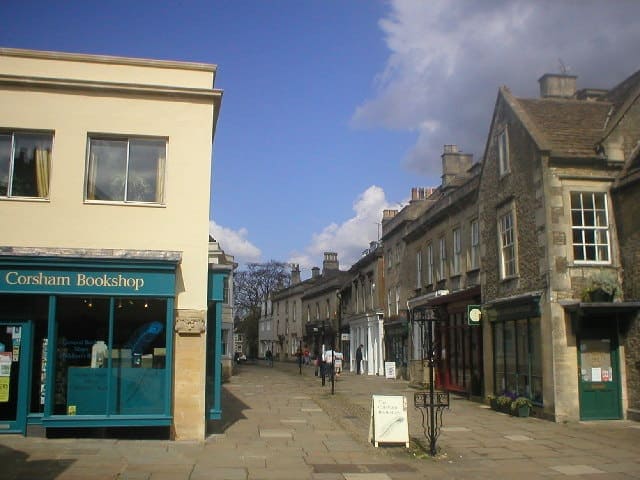
The Chinese weren't the only ones worried about nuclear destruction. Nearly 200 feet below the English countryside and encompassing some 35 acres, the British built a secret underground city known as Burlington. Workers excavated Burlington, located in the town of Corsham, in the 1950s to keep members of the British government safe in case of a nuclear attack.
Preparing for a Nuclear Emergency
The city was designed to accommodate up to 4,000 officials and staff for up to three months in the event of a nuclear emergency. They could stay safe for three months. Under the rock, workers built hospitals and communication centers, among other things. They even created a freshwater lake. Burlington was decommissioned in the early 2000s.
5. Coober Pedy, Australia
Opal is a brilliant gemstone composed of tiny globules of silica. When the light hits the gem, it can sparkle brilliantly in a rainbow of colors. In Southern Australia sits the town of Coober Pedy, which likes to think of itself as the world's opal mining capital.
The First Opal Was Discovered
Although Australia's Aboriginal people have inhabited the region for centuries, miners began moving to Coober Pedy in 1916 when opal deposits were discovered. The name, Coober Pedy, was established about five years after the miners moved in.
A More Comfortable Environment
Mining is a hard job, even under the most auspicious of conditions. But in Southern Australia, it can get blistering hot in the summer and extremely cold in the winter. Underground, however, the temperature is a comfortable 73 degrees. Back in the day, a few miners started living underground to escape the heat and the cold. They either dug out their own homes or began living in old tunnels.
Visit the Underground City
Today, some 2,500 people live under the ground in Coober Pedy. It has also become a popular tourist destination, and there's plenty to see there. In addition to homes, Coober Pedy has three churches, a bar, hotels, a bookstore, and an art gallery.