Roland zh / BY-SA 3.0

Nevit Dilmen (talk) / BY-SA 3.0

Robert Link / BY-SA 2.0
Zairon / BY-SA 4.0
zoxcleb / BY-SA 2.0

Jonathan Kos-Read / BY-ND 2.0
joeclin / BY 2.0
hugh llewelyn / BY-SA 2.0
Pfeifferfranz (talk) / BY-SA 3.0

Nigel Swales / BY-SA 2.0

Giuseppe Milo (www.pixael.com) / BY 2.0

Kecko / BY 2.0

Thomas Guest / BY 2.0

Titanas / BY-SA 2.0

ustung / BY 2.0
Roland zh / BY-SA 3.0

Joe Ross from Lansing, Michigan / BY-SA 2.0









16 of the Coolest Underground Homes, Cities, and Dwellings
Underground architecture exists in more places than you expect; you simply can't see it. There are ancient cities carved into stone, modern homes built into hillsides, and experimental designs that push the limits of how we think of home. The spaces you’ll see here exist all over the world, including some remarkable examples in our very own United States.
247 Tempo takes a closer look at these underground spots, why they were built, how they function, and what makes them so special. No matter the reason they exist, these places show how living beneath the surface can be practical as well as heartbreaking when citizens are forced underground out of necessity.
To complete this list of underground homes, cities, and dwellings, we sourced information from Architectural Digest, National Geographic, Atlas Obscura, Dezeen, and Smithsonian Magazine. Let's dig deep.
Derinkuyu, Turkey
Located in Turkey’s Cappadocia region, Derinkuyu is an ancient underground city that once housed up to 20,000 people. Carved out of volcanic rock, it is roughly 18 stories deep and was originally built to protect its citizens against invaders. The city itself has multiple churches, wells, wine cellars, and underground livestock areas to keep its citizens thriving. Despite its extensive tunnels and setup, its origin is still debated to this day.
Coober Pedy, Australia
In the dry, barren landscape of Australia lies Coober Pedy. An opal-mining town where most residents live underground to escape extreme desert heat, Coober Pedy is one of the best representations of modern underground living. These homes, also called dugouts, maintain a consistently cool temperature year-round. The city is complete with churches, shops, and even hotels, allowing tourists and visitors to brave the harsh Australian wilderness in comfort.
Naours, France
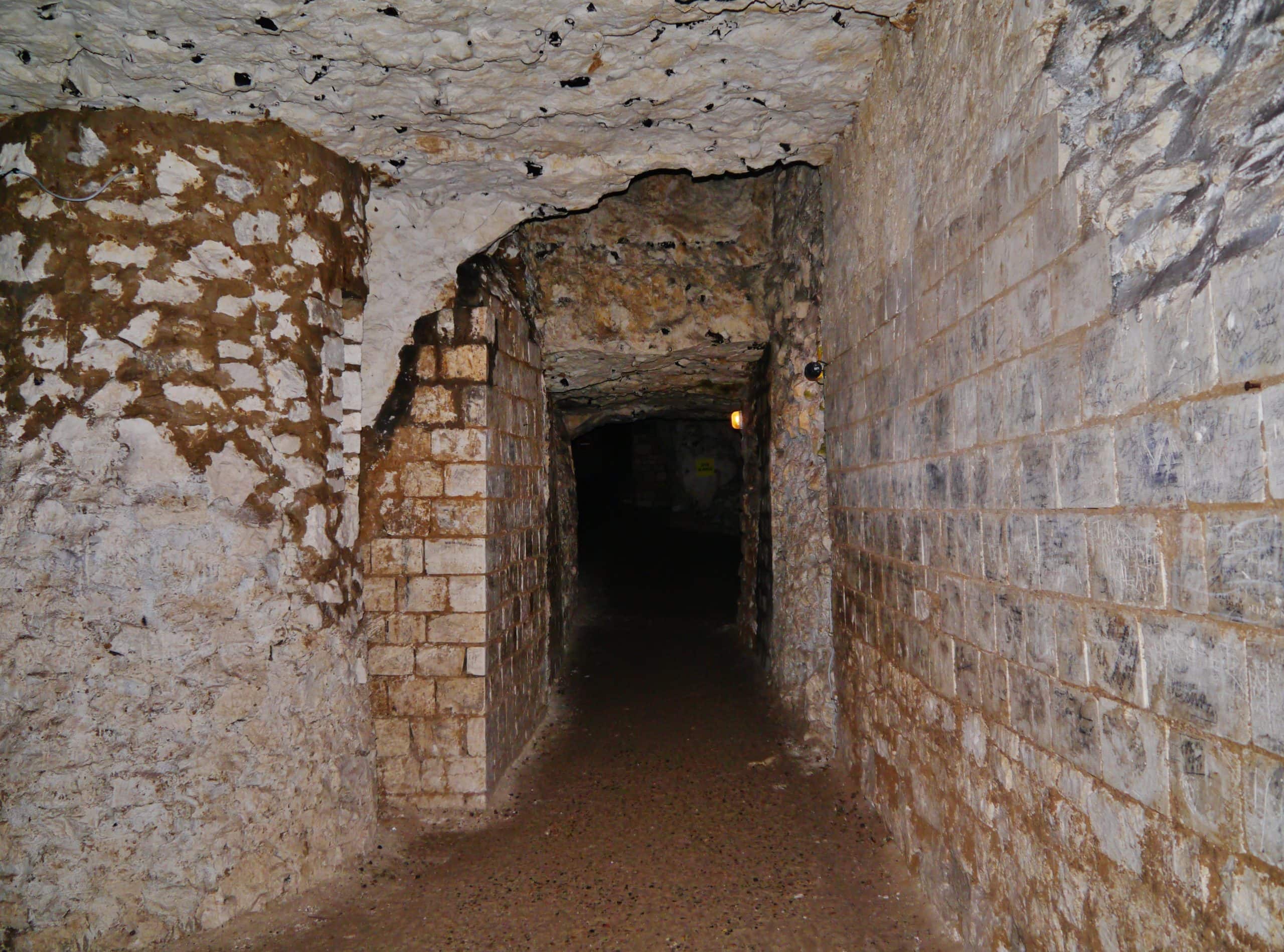
The underground city of Naours in northern France consists of more than 300 rooms carved out of limestone. Originally built as a refuge during invasions in the Middle Ages, it was rediscovered in the 19th century. Despite its historic significance, soldiers during World War I left thousands of graffiti inscriptions along its walls, as up to 3,000 people can fit in these tunnels. You can tour these caves today, but don't be surprised if you feel watched while you do so.
Montreal’s RESO, Canada
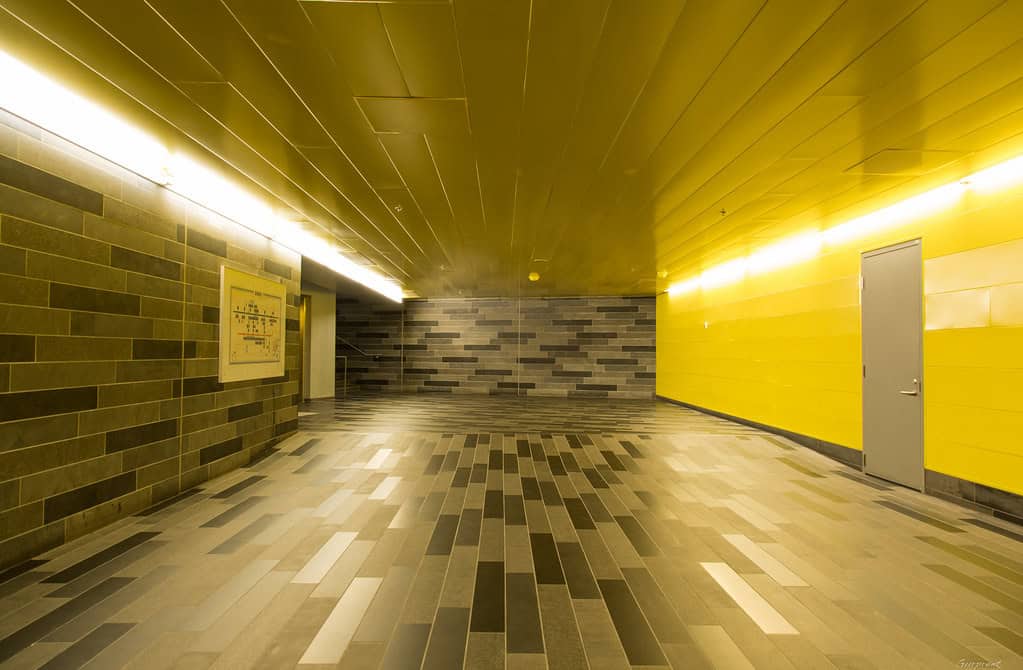
Montreal’s RESO is one of the largest underground complexes in the world, covering over 20 miles of tunnels. Designed by architects Victor Prus and others starting in the 1960s, it's used to navigate the city during cold winters and feels like an underground city in its own way. It connects malls, universities, hotels, and subway lines throughout the city, supporting a vibrant daily life for Montreal's citizens.
Beijing Underground City, China
Built during the Cold War era, Beijing’s Underground City spans over 85 square kilometers. While originally designed as a fallout shelter for millions, it includes far more than that; warehouses, schools, and even theaters dot the miles of underground walls. Most of it is closed to the public, but some parts have been repurposed for tourism. Even more troubling: Beijing's unhoused population is living in this forbidden area, creating a dystopian place officials aren't sure how to handle.
Setenil de las Bodegas, Spain
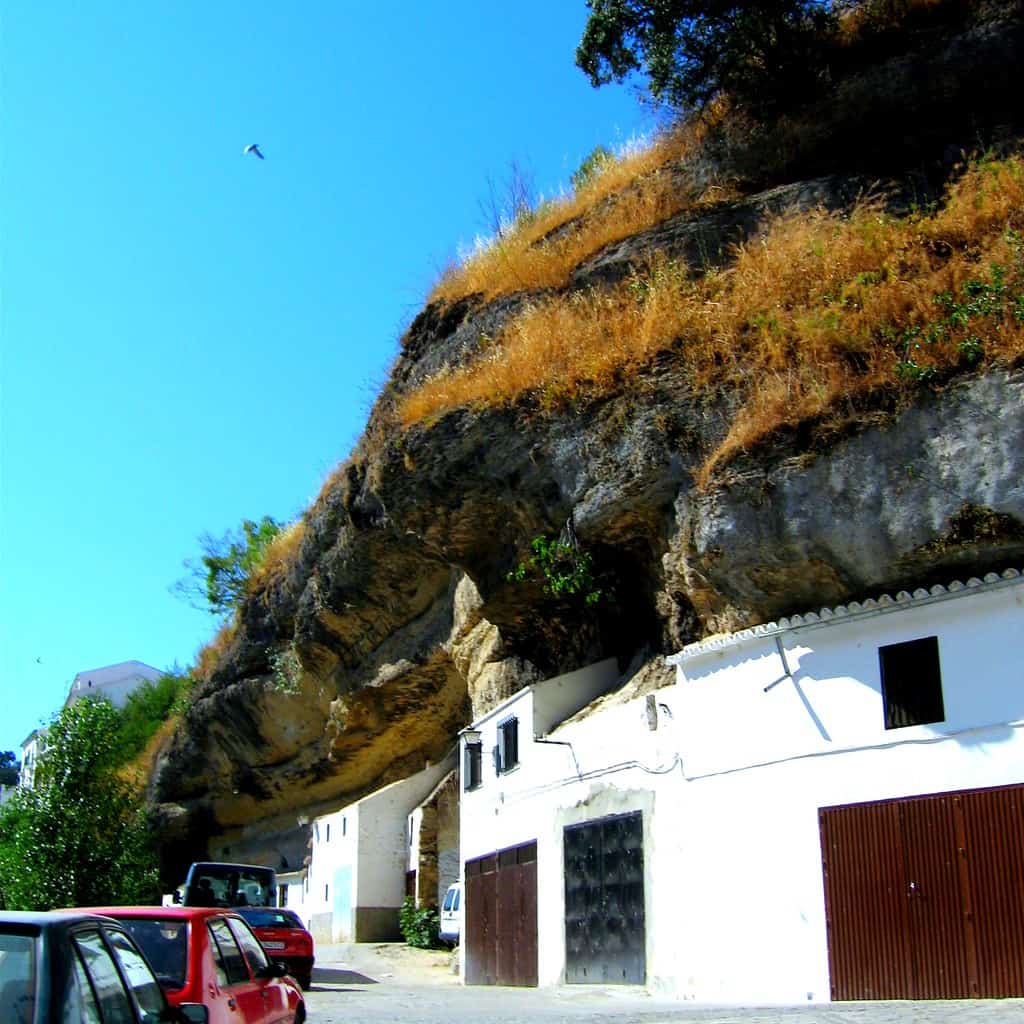
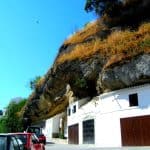
Setenil de las Bodegas is a Spanish village built directly into natural rock overhangs along a gorge. Homes, cafes, and businesses are nestled under these massive stone formations, which act as natural roofs. The design dates back to Moorish times, and most of these unique homes remain inhabited today. Tourists travel from across the country to check out how these structures were formed.
Matmata, Tunisia
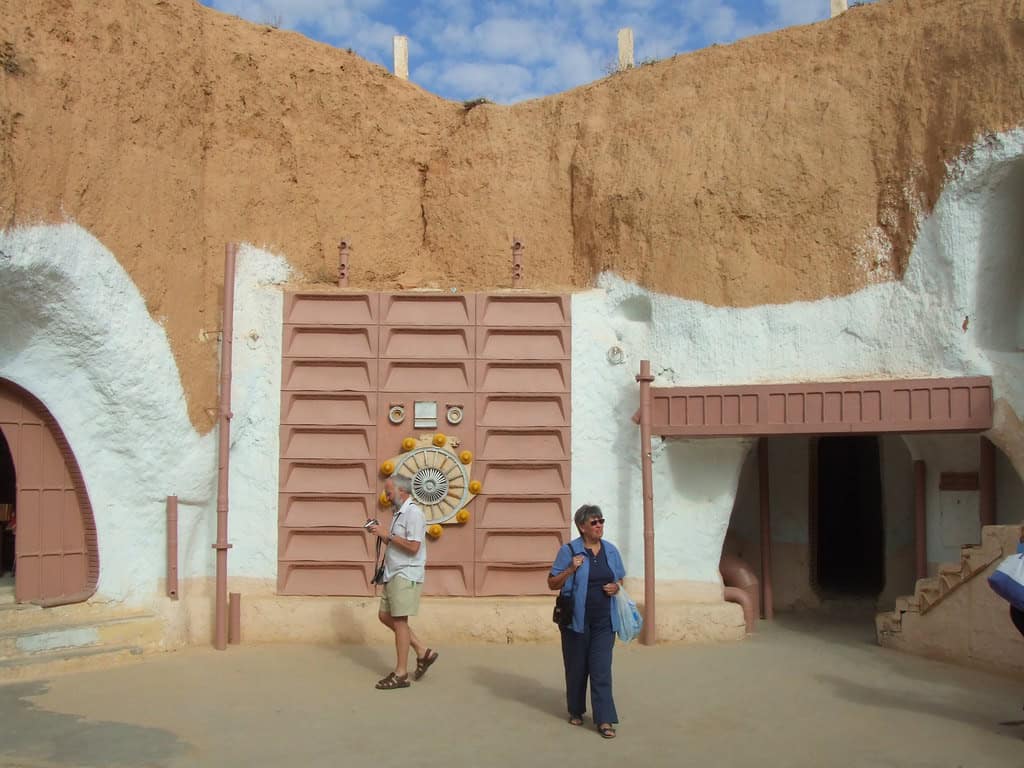
You may recognize Matmata, depending on how much of a nerd you are. It is home to dwellings once dug vertically into the ground, with rooms branching from a central courtyard. The design is purposeful; it protects residents from desert extremes while allowing airflow and natural insulation. These cooling homes primarily gained fame thanks to 'Star Wars.' Despite an influx of tourism, many are still occupied by Berber families today.
Erdstall Tunnels, Europe
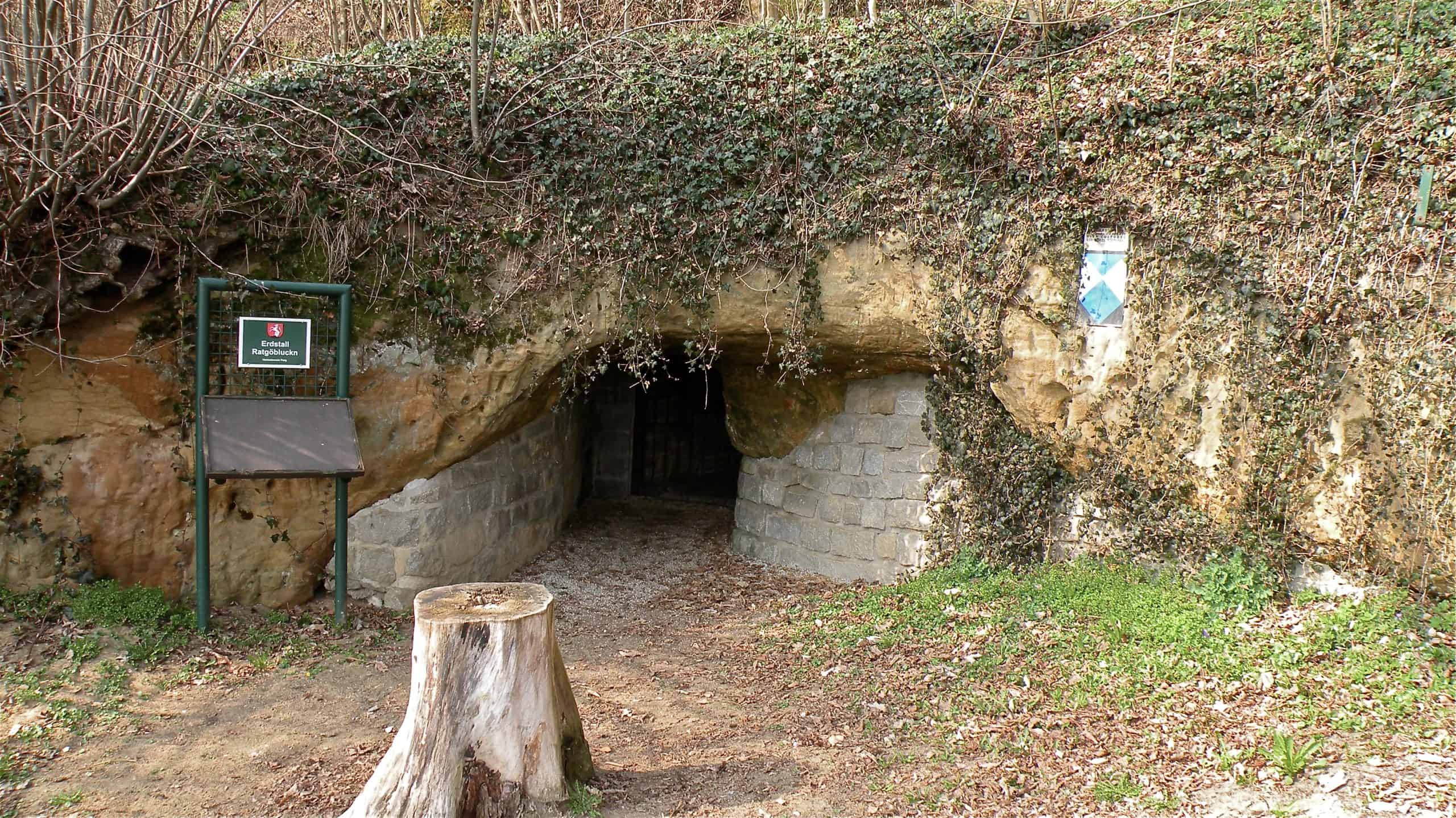
Erdstals are a type of tunnel, but not just any tunnel. They are mysterious medieval passageways found strewn underground in Central Europe, especially in Austria and Germany. Their purpose remains completely unknown, though theories abound, including everything from ritual use to secret escape routes for soldiers. Architectural evidence suggests their careful construction, but without written records, it's difficult to tell their overall purpose. They remain a haunting unsolved mystery of underground Europe and they're worth exploring.
Wieliczka Salt Mine, Poland
The Wieliczka Salt Mine near Kraków has evolved from an industrial site into a UNESCO Heritage attraction, and for good reason; just look at it. Miners carved chapels, sculptures, and entire halls deep underground from salt blocks, with even more grandeur introduced over the years. Today, it hosts concerts and weddings inside its caverns, becoming a literal piece of art underground.
Petra, Jordan
Though not completely subterranean, Petra features multiple incredible structures carved directly into its iconic cliffs. Built by the Nabataeans over 2,000 years ago, it includes temples, tombs, and cisterns, some of which you may recognize from a few key films. In many ways, it’s one of the world’s most iconic examples of living within rock and history.
The Villa Vals, Switzerland
Villa Vals was designed by Bjarne Mastenbroek and Christian Müller as a minimalist dwelling built into a peaceful Alpine slope. The home’s entrance meanders and leads to a hidden circular facade blended seamlessly into the landscape while still preserving its iconic mountain views. Its modern interior and stealth exterior make it a marvel of subterranean luxury and a structure anyone would be lucky to experience.
Malator House, Wales
Nicknamed the Teletubby House thanks to its copycat featured on the popular show, Malator was designed by Future Systems for a Welsh Member of Parliament. Built within a coastal hill, it uses earth sheltering and a minimalist structure to reduce its visual impact, preserving the gorgeous coast. Its futuristic design includes a single open-plan pod and a camouflaged grass roof; blink once and you might just miss it.
Stone Desert Home, Greece
Designed by Deca Architecture, this subterranean house is nestled into the rocky cliffs of the iconic Cyclades. It uses the natural contours of the land to remain almost invisible from above, so much so that it's difficult to find an image of it today. The design reflects ancient cave dwellings with modern architectural flair, showing off how special it is even through minimalism.
Beckham Creek Cave Lodge, Arkansas
The Beckham Creek Cave Lodge lies in the Ozarks and is a luxury residence built into an actual cave system. Privately owned but developed into a rentable retreat, it features sustainable geothermal heating and insulation, retaining its natural rock walls and integrating custom wood and glass elements. It's one of America’s most famous underground homes; book a stay soon, just as celebs have done in the past.
The Earth House Estate Lättenstrasse, Switzerland
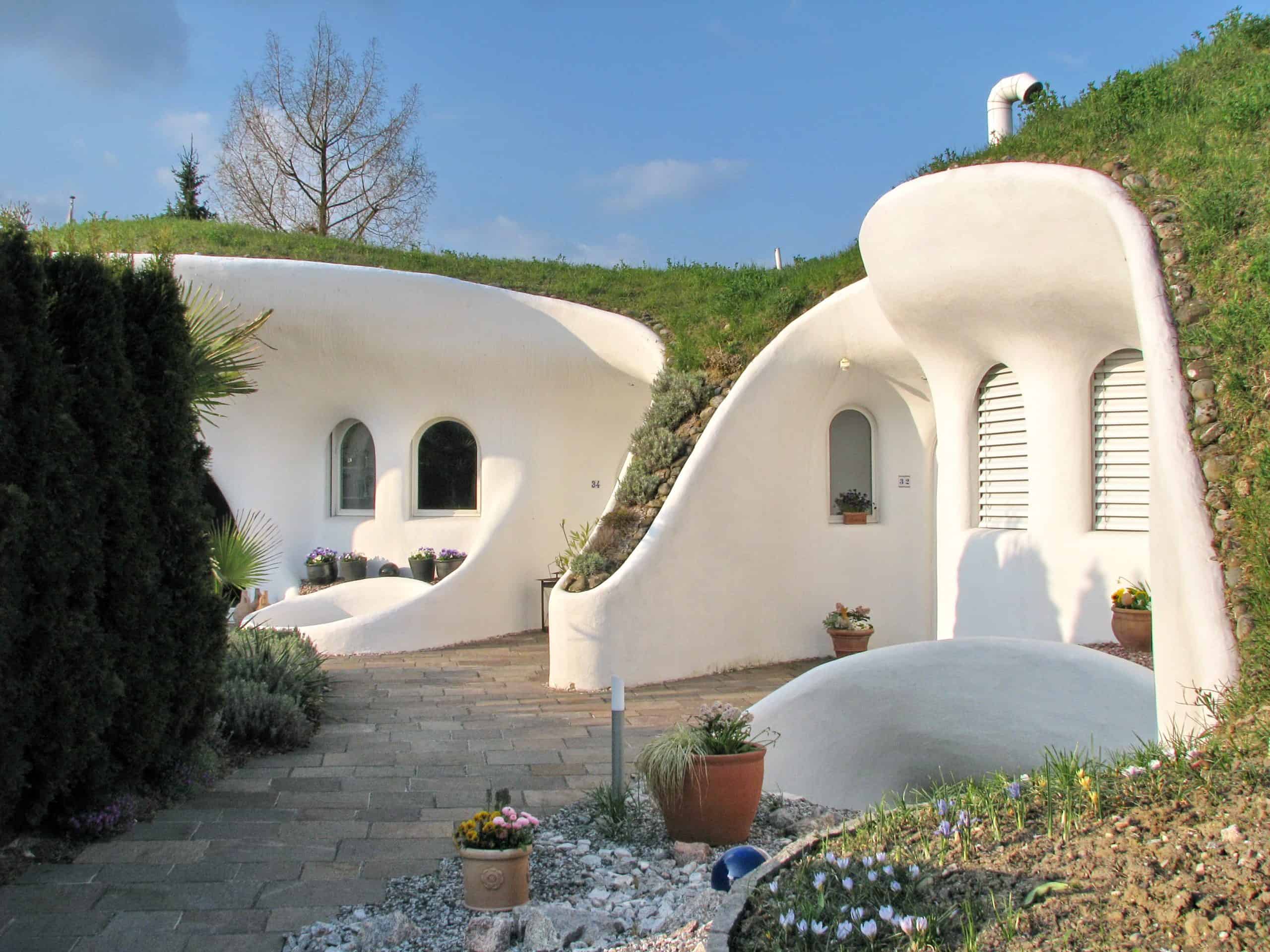
Architect Peter Vetsch created this fantastic neighborhood cluster of nine underground homes in Dietikon, Switzerland. The estate uses organic, rounded, and clean white forms alongside green roofs for energy efficiency and aesthetic harmony. Residents reportedly enjoy the natural light of every home through strategically placed skylights and patios. Vetsch’s vision was to reconnect human habitats with nature, and we're sure he aced it.
The Hobbit Inn, Washington
Inspired by Tolkien's Shire and the filming locale in New Zealand, this whimsical underground home was built for the fantasy nerds in your life. Located in little-known Orondo, Washington, just an hour from Seattle, it’s carved into a hillside and powered off-grid. The home features rounded doors, wooden interiors, and grass-covered roofing, and can be booked through Airbnb.