










Hundreds of Nuclear Test Craters Still Scattered Across This Nevada Desert
The United States is home to a wide range of landscapes, but some carry a history that is far more complex than it appears at first glance. In the Nevada desert, a remote region known as Yucca Flat contains hundreds of craters formed by nuclear weapons testing during the Cold War. These tests, conducted primarily at the Nevada Test Site, reshaped the land and left behind visible reminders of one of the most tense periods in modern history.
One of the most notable features is the Sedan Crater, created in 1962 as part of Operation Plowshare, a program designed to explore the potential peaceful uses of nuclear explosions. The detonation, which measured 104 kilotons, displaced millions of tons of earth and remains one of the largest man-made craters in the United States. In this slideshow, we explore the history behind these test sites, what remains today, and how this desert landscape became one of the most unusual in the country.
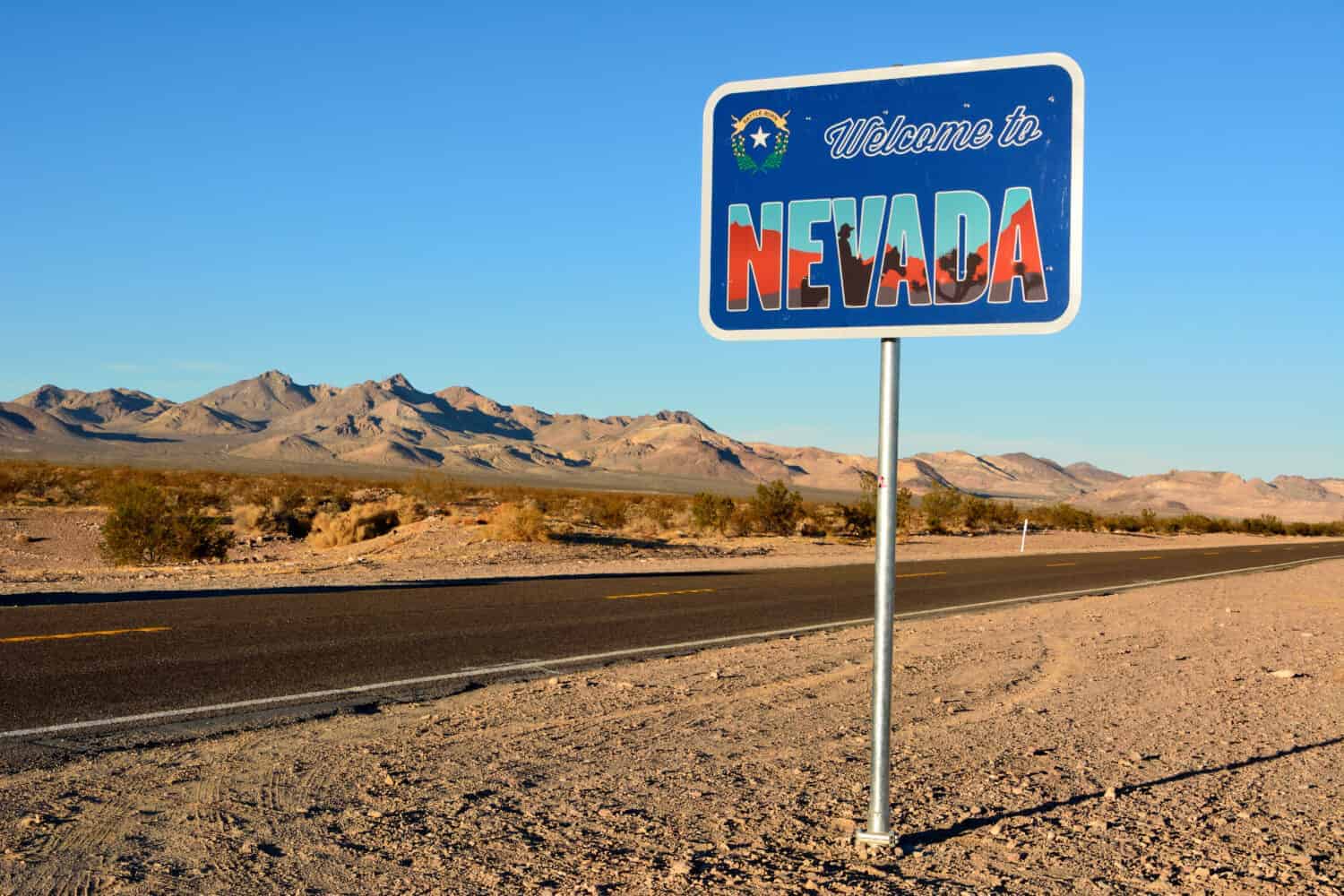
Where is the Nevada Desert?
The Nevada Desert is a primary ecosystem that is usually referred to as the Mojave Desert. It's a vast desert landscape that encompasses an area of 47,876 square miles.
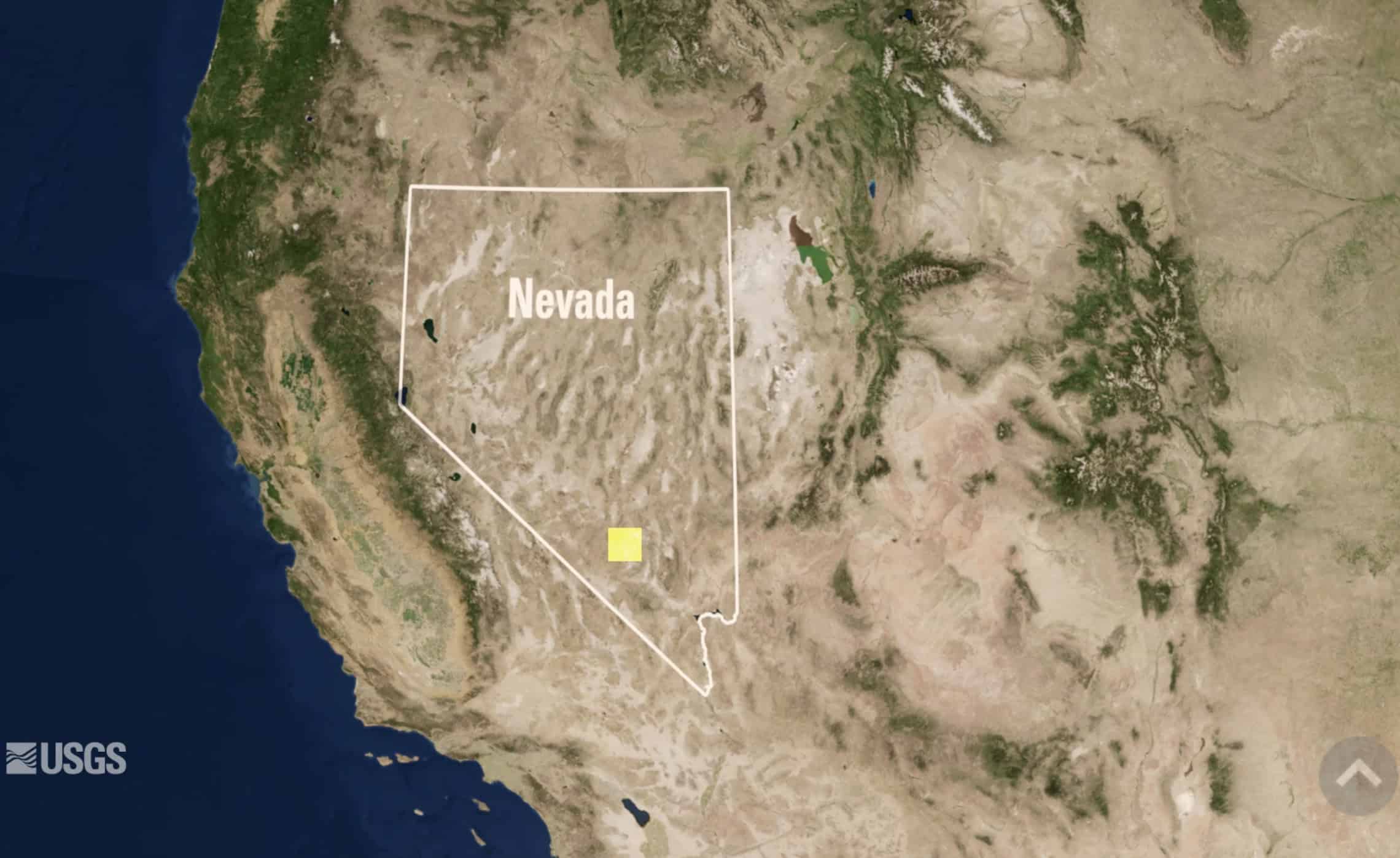
Yucca Flat Location
Located 65 miles from Las Vegas, Yucca Flat is a desert drainage basin that is closed. It is used by the US Government as a nuclear test region. Yucca Flat is at the eastern edge of the Nevada Test Site.
Wildlife Around Yucca Flat
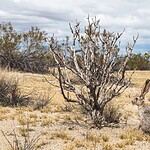
You can find all sorts of wildlife in the area around Yucca Flat including jackrabbits, pronghorn antelope, and desert bighorn sheep.
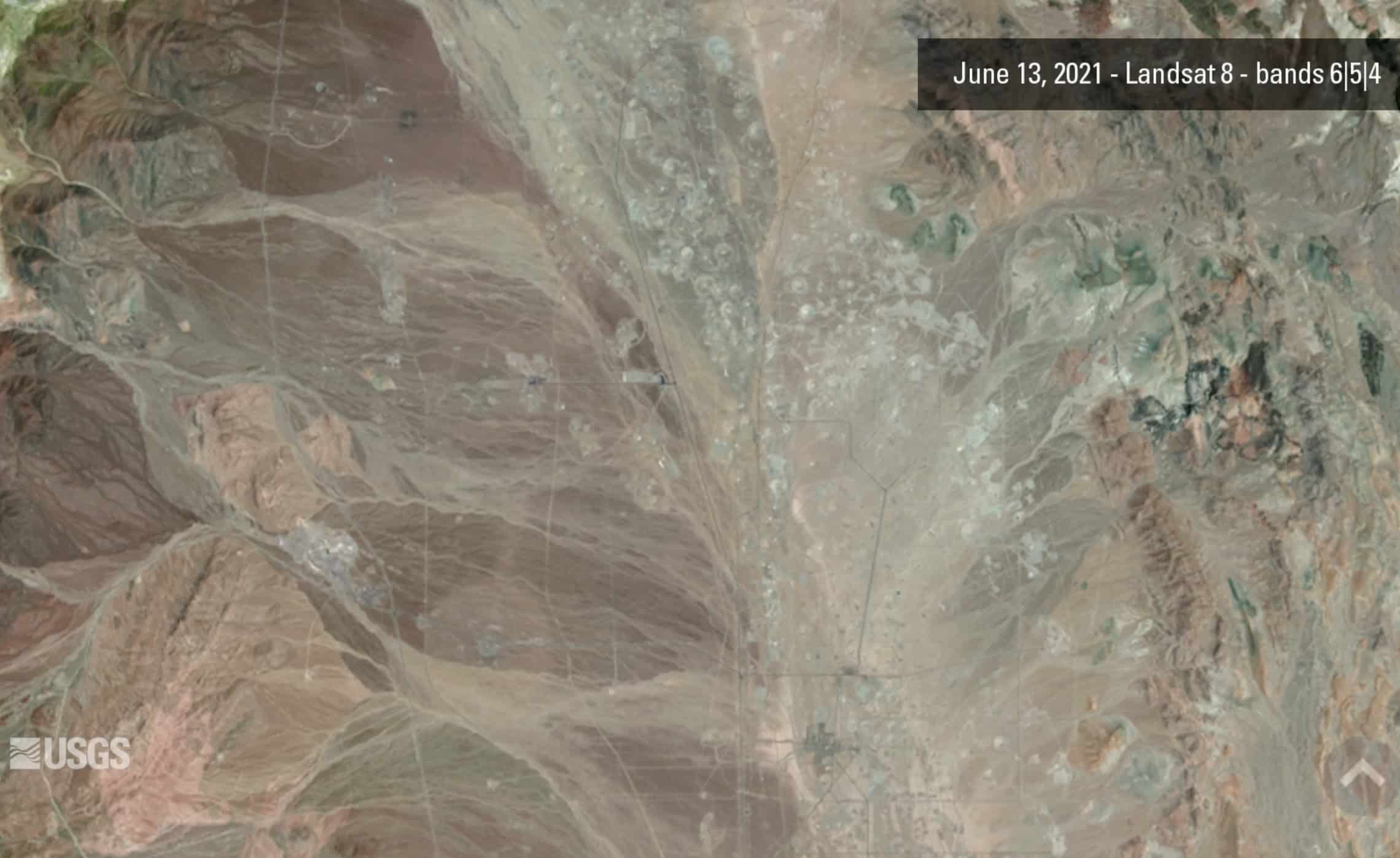
Pockmarks Everywhere
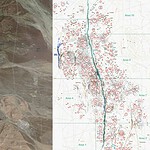
From the images from above, you can see that this area is filled with what appears to be pockmarks. This is where the government would detonate nuclear devices.
Nuclear Tests
In the 1950s, the US government did nuclear tests at sites in the Nevada Desert. This was done as an effort to be prepared for any war against the USSR.
Plans for Another Detonation
In 1962, the US Government decided to plan another detonation. This time it would be a much larger nuclear device.
Project Sedan
The US Government decided to detonate nuclear devices to see if they could use them in non-combat avenues. This project became known as Project Sedan.
It's A Detonation!
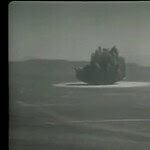
On July 9, 1962, a 104-kiloton nuclear device was detonated on the land.
Sedan Crater
Where the nuclear device was detonated is now known as Sedan Crater.
Different Angle
This is the Sedan Crater from another angle, showing its depth and enormity.
Imagery From Space Today
You can see the Sedan Crater and the other tinier craters from space today, an eerie remnant of the Cold War's dark history.
Cold War History
It's fascinating to see that history can still be seen with our own eyes today based on what was left behind by our forefathers and foremothers. The Cold War was a dark time in our history and the eerie part is that you can still see remnants of that time today.
The image featured at the top of this post is ©Wikipedia - Creative Commons.