Andrew Clemente
Robert Sullivan / Public Domain / Flickr

Public Domain / Wikimedia Commons
"Central Intelligence Agency Seal" by DonkeyHotey is licensed under BY 2.0.
USAF / Judson Brohmer, Public domain, via Wikimedia Commons
Kit Leong/Shutterstock.com
Robert Sullivan / Public Domain / Flickr
vchal/iStock via Getty Images
David James Henry / Wikimedia commons
Marko Aliaksandr/Shutterstock.com
Beta75, Public domain, via Wikimedia Commons
janiecbros / E+ via Getty Images
fongfong2/iStock via Getty Images
Ethan Miller / Getty Images News via Getty Images

Gorodenkoff/Shutterstock.com
Everett Collection / Shutterstock.com



15 Secrets About Area 51 That Americans Weren’t Told for Decades
Few places in America have inspired as much speculation as Area 51. Hidden deep in the Nevada desert and surrounded by miles of restricted land, the secretive military facility has spent decades fueling rumors about classified aircraft, strange experiments, UFO sightings, and government cover-ups. Movies, television shows, books, and countless conspiracy theories have only added to its reputation, often portraying Area 51 as a mysterious compound where alien spacecraft and extraterrestrial technology are kept safely out of public view.
The truth, however, may be even more interesting than the fiction. Area 51 has played a very real role in the development and testing of some of America’s most advanced military aircraft and technology, much of which remained classified for years. That secrecy helped turn an isolated base into one of the most famous military sites on Earth. Here, Tempo takes a closer look at the Area 51 secrets, projects, and surprising facts that remained hidden from the public for decades.
Here is a look at the secrets of Area 51:
1. Area 51 Started With a Secret Spy Plane
- Time Period: 1955
- Status: Declassified
- Primary Program or Aircraft: U-2
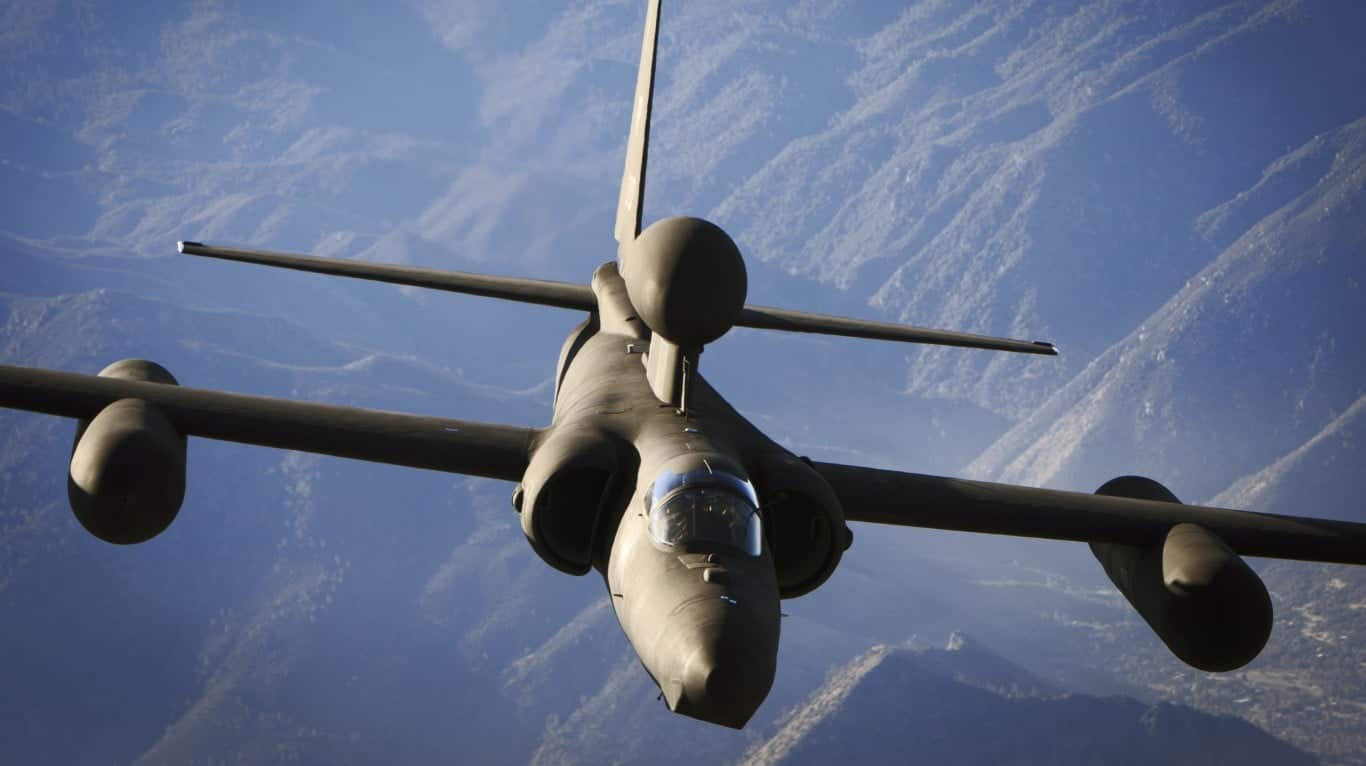
Before the aliens, UFOs, and decades of conspiracy theories, Area 51 had a much more practical purpose. In 1955, the CIA chose the remote Groom Lake dry lakebed in southern Nevada as the place to develop and test the Lockheed U-2 reconnaissance aircraft. The Cold War was heating up, and the United States needed a way to gather intelligence deep inside the Soviet Union while staying as hard to detect as possible. Groom Lake offered wide-open airspace, natural isolation, and plenty of distance from curious eyes. Engineers, pilots, and military personnel quickly turned the desert site into a secure testing facility. The U-2 program proved just how useful that location could be, and it set the pattern for decades of classified aviation work. Area 51's story did not begin with little green men. It began with one of America's most important secret spy plane programs.
2. The Government Kept Area 51 Off the Record for Decades
- Time Period: 1955–2013
- Status: Declassified
- Primary Program or Aircraft: Groom Lake
A big part of Area 51's mystique came from one simple fact: for decades, the government would not publicly acknowledge the place. Officials largely kept the installation out of public documents, maps, and briefings, while questions about what was happening at Groom Lake were met with silence or carefully worded responses. During the Cold War, that secrecy had a very real purpose. Admitting that the United States had a remote testing ground for cutting-edge aircraft could have exposed sensitive defense and intelligence programs. Of course, the lack of answers created an even bigger mystery. With almost no official information to work with, rumors about alien spacecraft, recovered technology, and bizarre experiments rushed in to fill the gaps. In trying to protect genuine military secrets, the government also helped turn Area 51 into one of the world's most famous symbols of secrecy.
3. Area 51 Wasn't Officially Acknowledged Until 2013
- Time Period: 2013
- Status: Declassified
- Primary Program or Aircraft: CIA History
By 2013, Area 51 was hardly a secret to the public, but it was still missing something important: official acknowledgment from the U.S. government. That changed when previously classified CIA documents about the U-2 and A-12 reconnaissance programs were released through the Freedom of Information Act. The records included references to Groom Lake and the facility the public had long known as Area 51. Historians and aviation enthusiasts had already connected the base to secret Cold War aircraft, but the release finally put government documentation behind those suspicions. The papers described a site used to support aircraft flying at remarkable altitudes and speeds for their time. The disclosure answered a huge question, but it did not exactly kill the mystery. For many people, confirmation that Area 51 had been kept out of the official conversation for so long only made them wonder what might still remain classified.
4. Area 51 Helped Make Stealth Aircraft a Reality
- Time Period: 1970s–1980s
- Status: Partially Declassified
- Primary Program or Aircraft: F-117 Nighthawk
If Area 51 earned its reputation for hiding aircraft that looked years ahead of their time, the F-117 Nighthawk is one of the best reasons why. During the late 1970s and early 1980s, engineers used the remote Nevada site to test technology designed to make an aircraft far harder for radar to detect. The F-117's sharp angles and unusual shape looked strange even by military standards, but those surfaces were part of a carefully engineered approach to reducing its radar signature. Groom Lake gave test crews the isolation they needed to fly and refine the aircraft while keeping foreign intelligence services and most of the public in the dark. Even many people inside the U.S. military did not know the program existed. When the F-117 was finally revealed publicly in 1988, years of secret testing had already helped push stealth from an experimental idea into a technology that would reshape modern military aviation.
5. Area 51 Workers Commute on a Mysterious Airline Called JANET
- Time Period: 1970s–Present
- Status: Official but Low Profile
- Primary Program or Aircraft: JANET Airlines
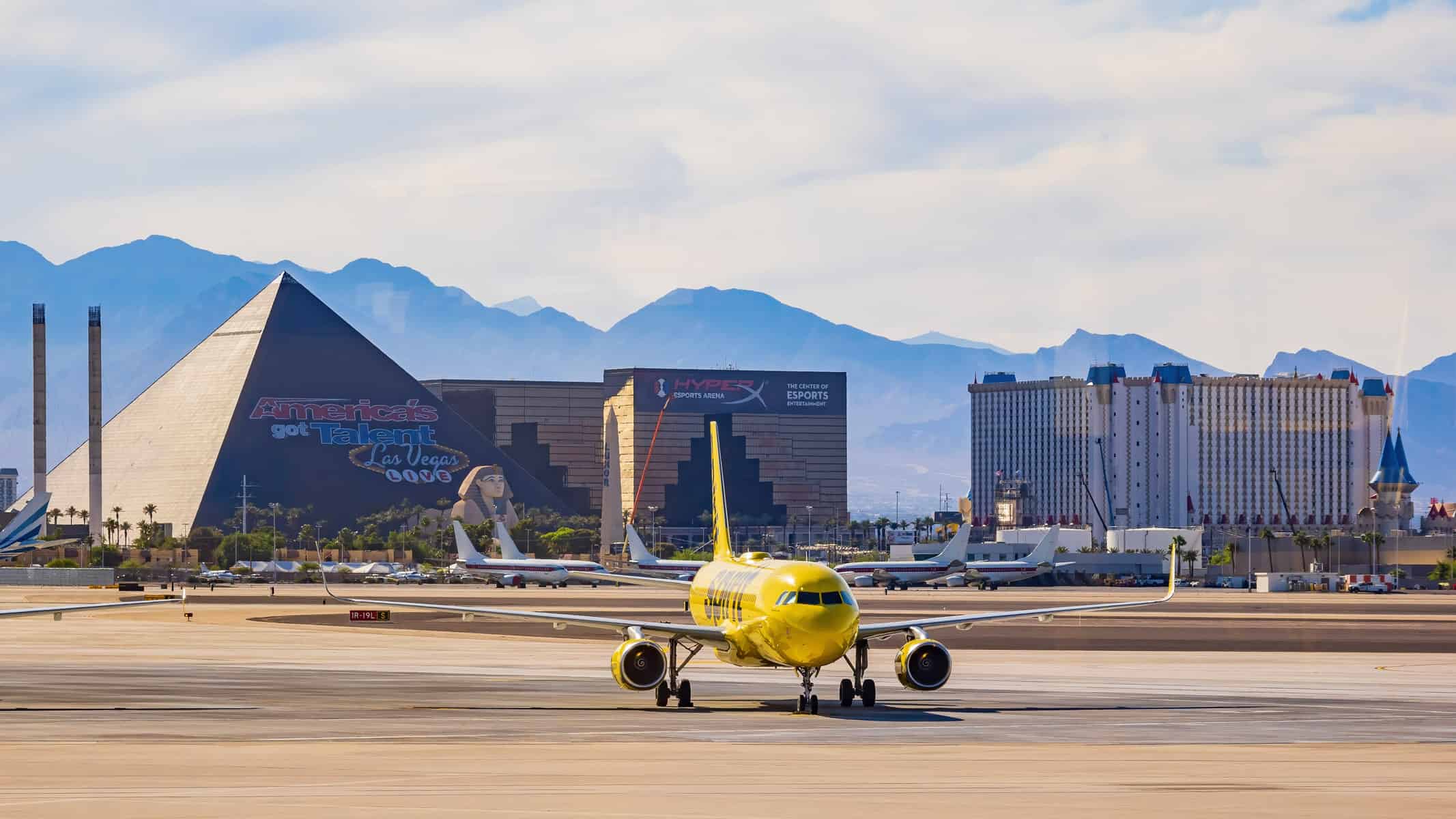
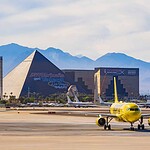
A secret military facility still needs people to show up for work, and that creates a pretty unusual commute. For decades, employees connected to Area 51 and other secure Nevada sites have been transported on aircraft commonly associated with the JANET operation. The planes look almost ordinary, usually white with a red stripe, but they operate far outside the normal commercial travel experience. Workers board through a secure area at Harry Reid International Airport before flying to Groom Lake and other restricted locations. Employees connected to classified programs are subject to security requirements and strict rules about what they can discuss. JANET itself is no longer much of a secret, but that almost makes it more fascinating. In the middle of busy Las Vegas air traffic, a low-profile fleet quietly carries workers to some of the most closely guarded military locations in the country.
6. The U.S. Secretly Tested Soviet MiGs Over Nevada
- Time Period: 1960s–1980s
- Status: Declassified
- Primary Program or Aircraft: MiG Evaluation Programs
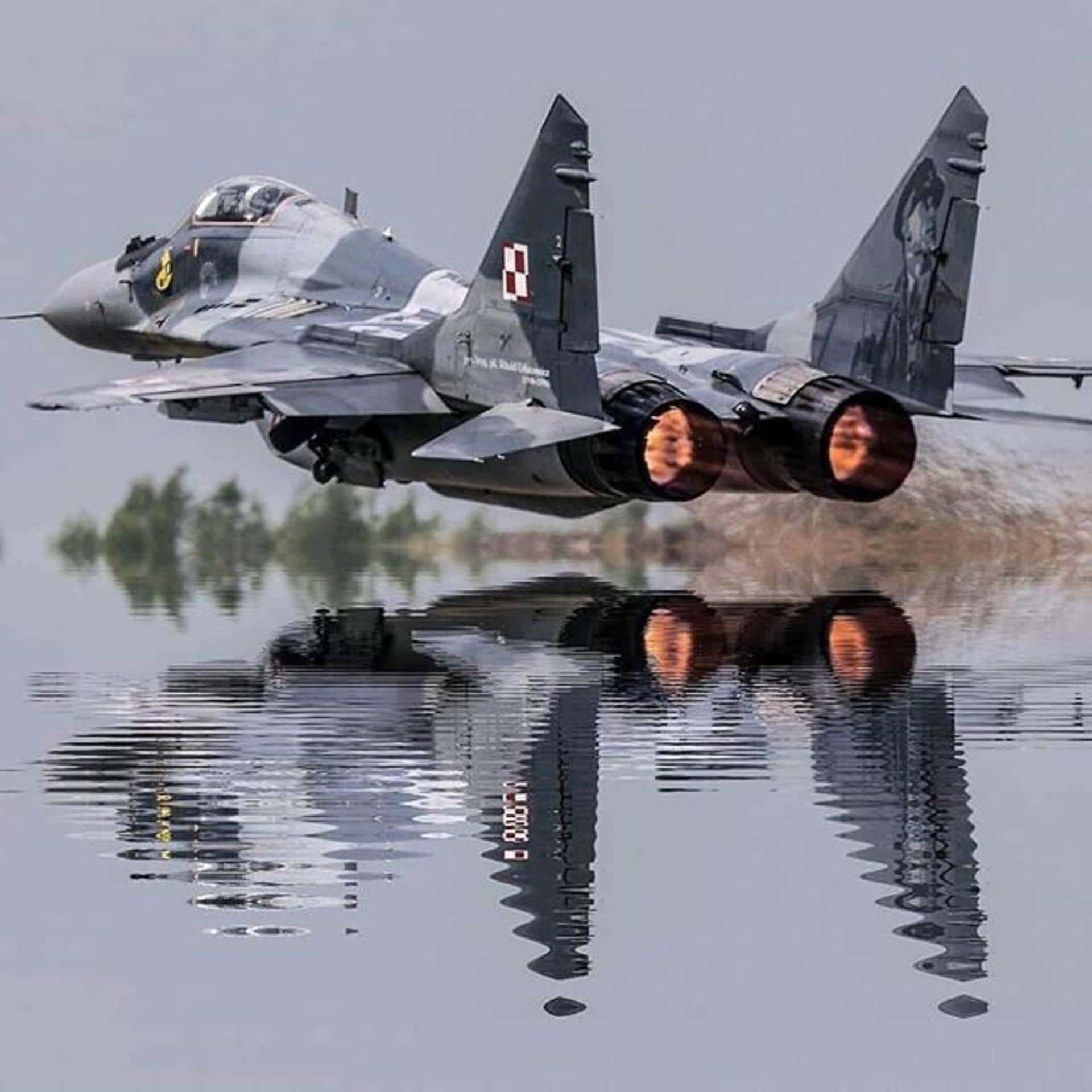
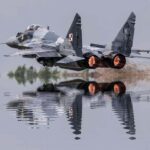
This part of Area 51's history sounds like something straight out of a Cold War spy movie. The United States quietly obtained Soviet-built fighter aircraft through allies, defections, and intelligence operations, then brought several of them to Groom Lake for close study. American engineers and pilots evaluated aircraft including the MiG-17, MiG-21, and MiG-23 to learn exactly how they performed. Under classified programs such as Have Doughnut, Have Drill, and later Constant Peg, U.S. pilots even flew mock combat against Soviet fighters so they could understand their strengths and find their weaknesses before facing similar aircraft in a real fight. That knowledge helped shape American air-combat tactics. It also created some strange sights over Nevada. Anyone who happened to spot an unfamiliar Soviet jet in restricted U.S. airspace had almost no context for what they were seeing, which only added another layer to Area 51's already growing mythology.
7. Secret Spy Planes Likely Fueled Plenty of UFO Reports
- Time Period: 1950s–1990s
- Status: Declassified
- Primary Program or Aircraft: U-2 / A-12
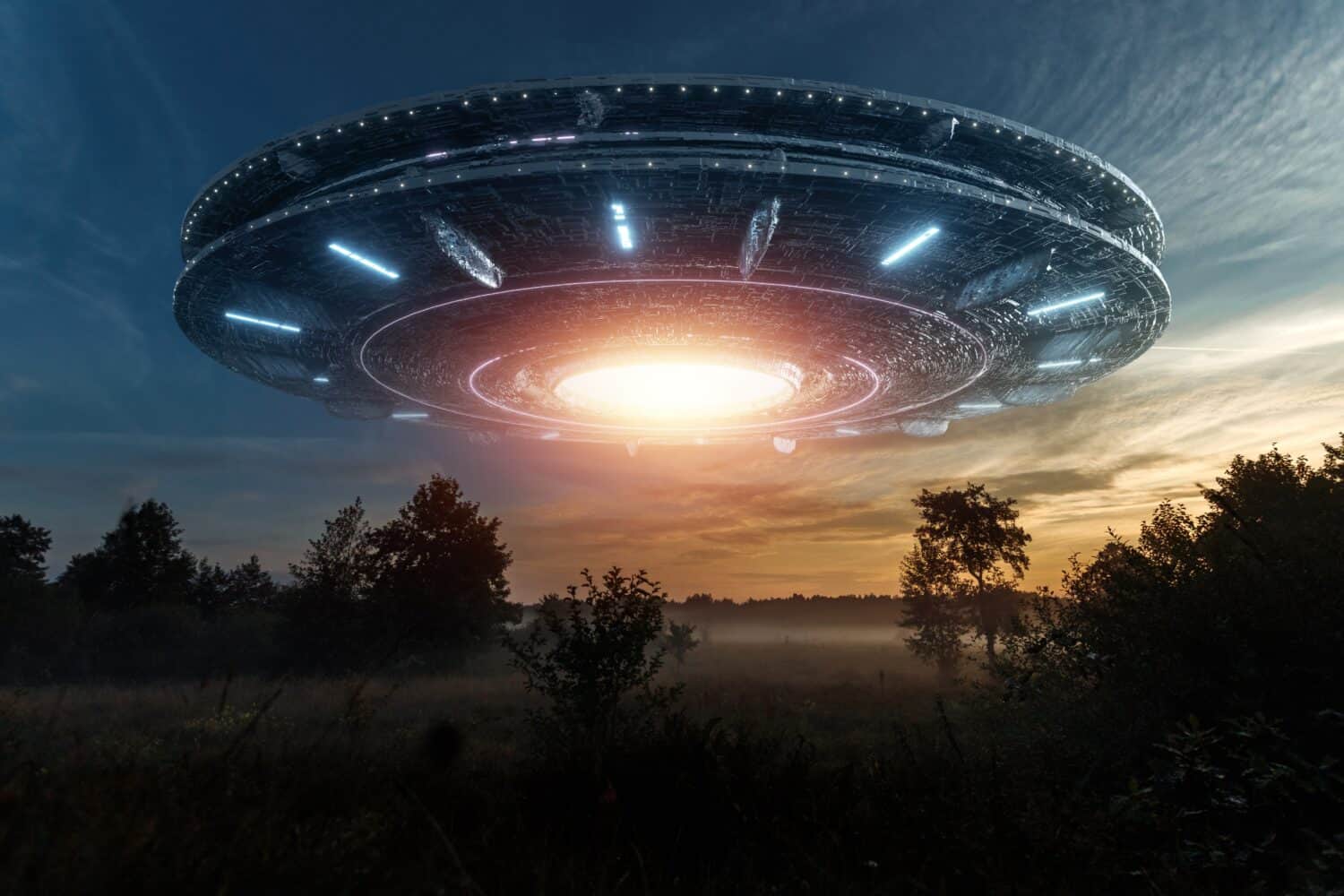
Some of the objects people reported near Area 51 really were unlike anything they had seen before. They just were not necessarily from another planet. During the 1950s and 1960s, aircraft such as the U-2 and later the A-12 Oxcart were flying at altitudes above 70,000 feet, far beyond what most civilian observers expected an airplane to be capable of at the time. Their reflective surfaces could catch sunlight even when the sky below was already dark, creating the appearance of a bright or glowing object at extreme altitude. Pilots and people on the ground sometimes reported what they could not identify, and the secrecy around the programs meant officials could not simply explain what was overhead. The CIA later acknowledged that classified reconnaissance flights likely accounted for a significant share of UFO reports from that era. It does not explain every sighting, but it shows how easily secret technology can look otherworldly when nobody knows it exists.
8. 'Area 51' Isn't Really the Base's Main Name
- Time Period: 1950s–Present
- Status: Partially Declassified
- Primary Program or Aircraft: Groom Lake
For a place with one of the most famous names in the world, 'Area 51' is not actually the main name used by the people who have worked there. The installation has long been associated with Groom Lake, the dry lakebed that sits at the center of the site. Over the years, other names including Homey Airport, Paradise Ranch, Watertown Strip, and various project code names have also been connected to the facility. The exact origin of the Area 51 label is still debated, though it is generally tied to numbering used on older maps of the Nevada Test Site. Whatever its bureaucratic beginnings, the name took on a life of its own. Today, saying 'Area 51' immediately brings to mind secret hangars, classified aircraft, and government mysteries, even though the people actually assigned there have historically used several different names for the installation.
9. Area 51 Is Surrounded by a Huge Restricted Airspace
- Time Period: Cold War–Present
- Status: Public
- Primary Program or Aircraft: Nevada Test and Training Range
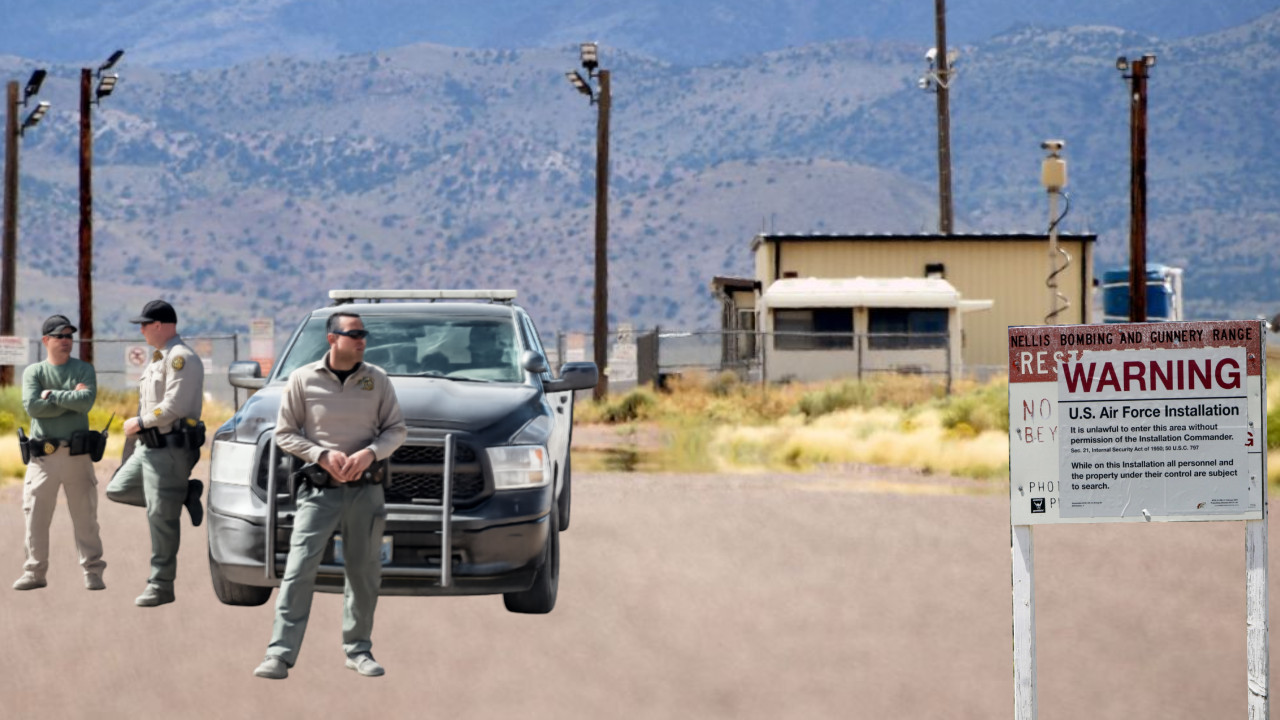
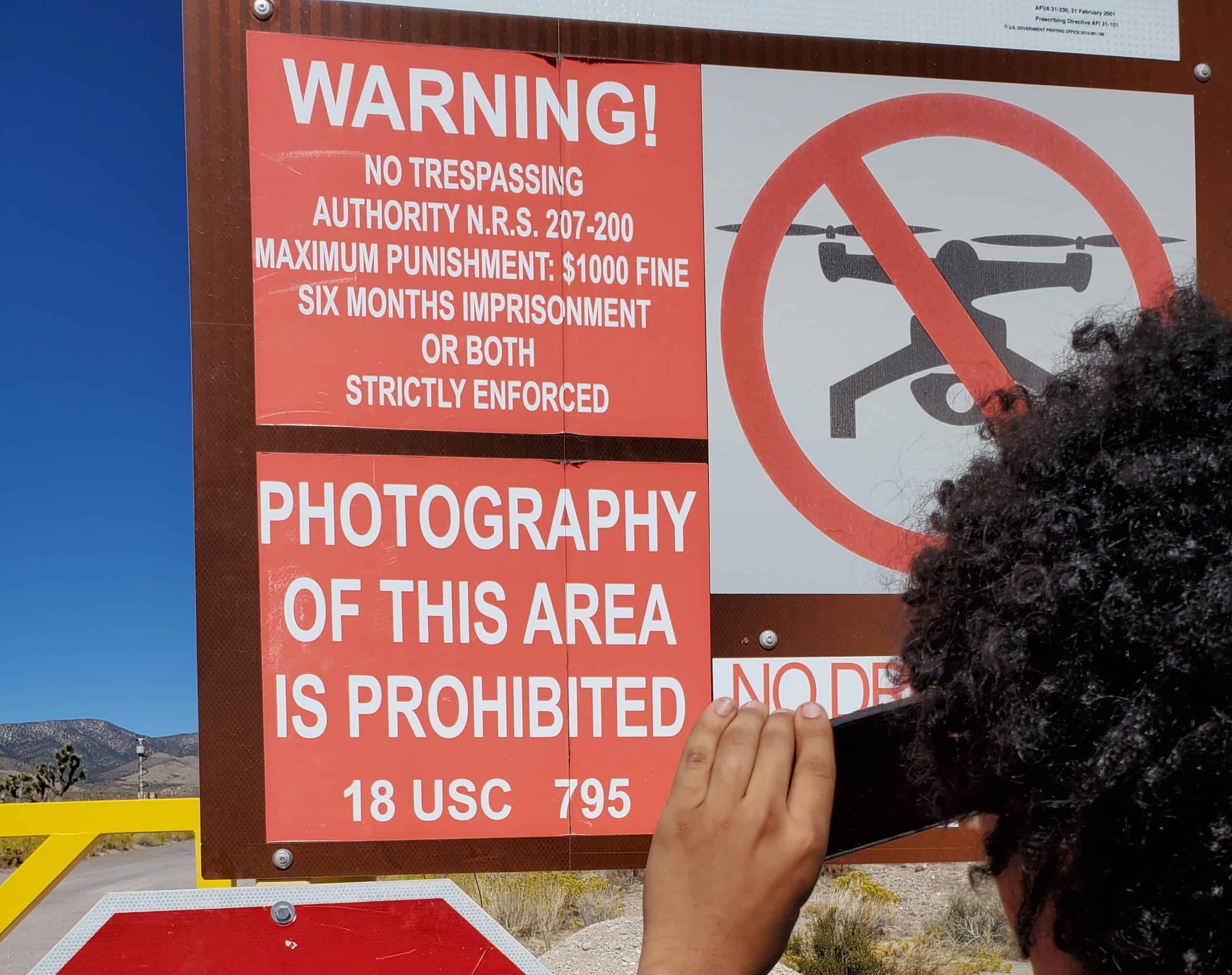
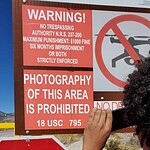
The secrecy at Area 51 does not stop at a fence line. Groom Lake sits inside a vast network of controlled military airspace tied to the Nevada Test and Training Range, giving the military thousands of square miles where aircraft, systems, and tactics can be tested away from normal civilian traffic. Unauthorized planes that wander into restricted areas can quickly draw attention from military controllers, while access on the ground is limited by monitored roads, security personnel, surveillance equipment, and prominent warning signs. That combination of empty desert, restricted land, and tightly controlled skies makes the region exceptionally well suited for classified flight testing. It also helps explain why so many advanced aircraft could be developed with relatively little public visibility. From the outside, people may see a lonely stretch of Nevada desert. From a security standpoint, it is a massive buffer designed to keep sensitive work well away from unwanted eyes.
10. The Road to the SR-71 Blackbird Ran Through Area 51
- Time Period: 1960s
- Status: Declassified
- Primary Program or Aircraft: A-12 / SR-71
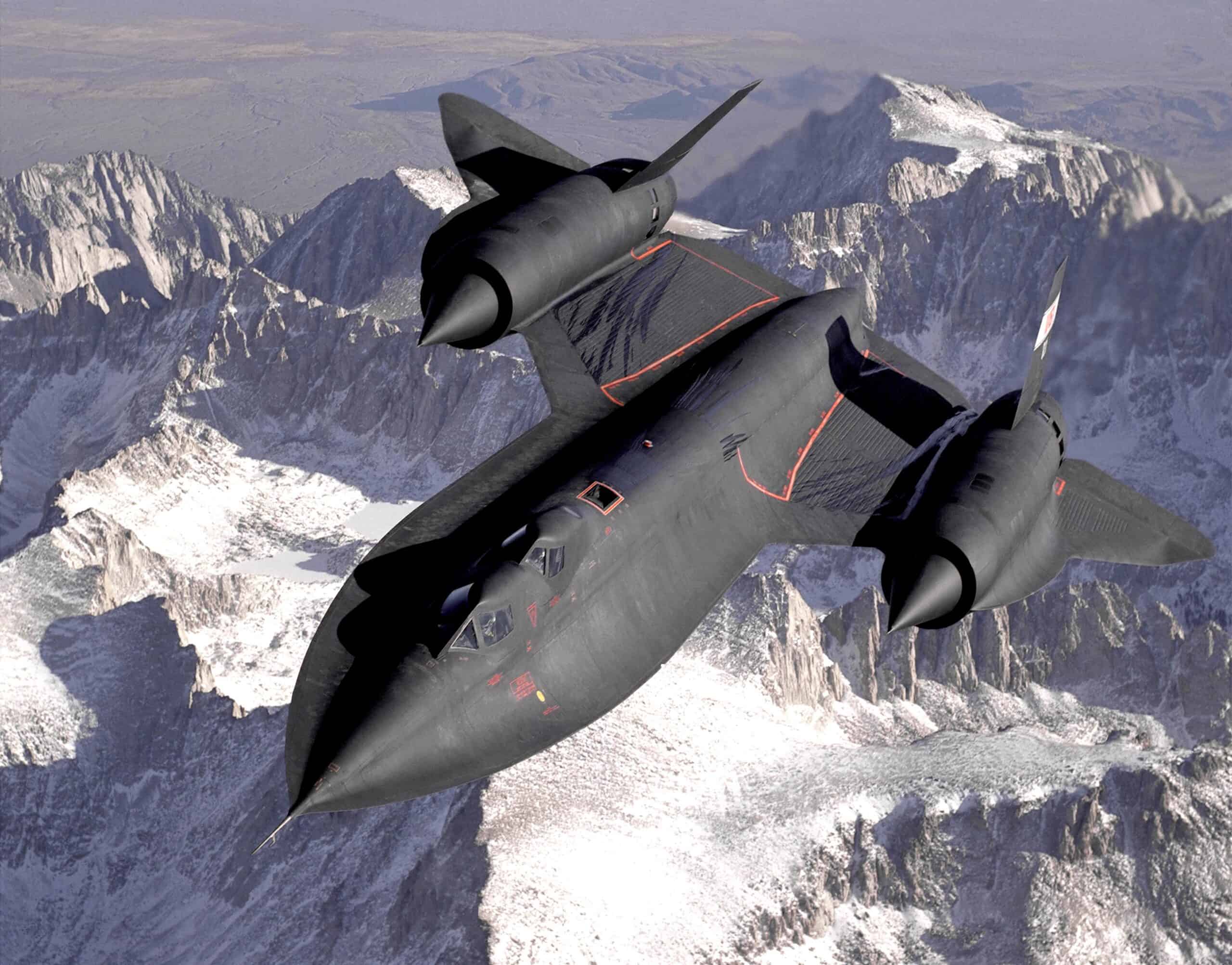
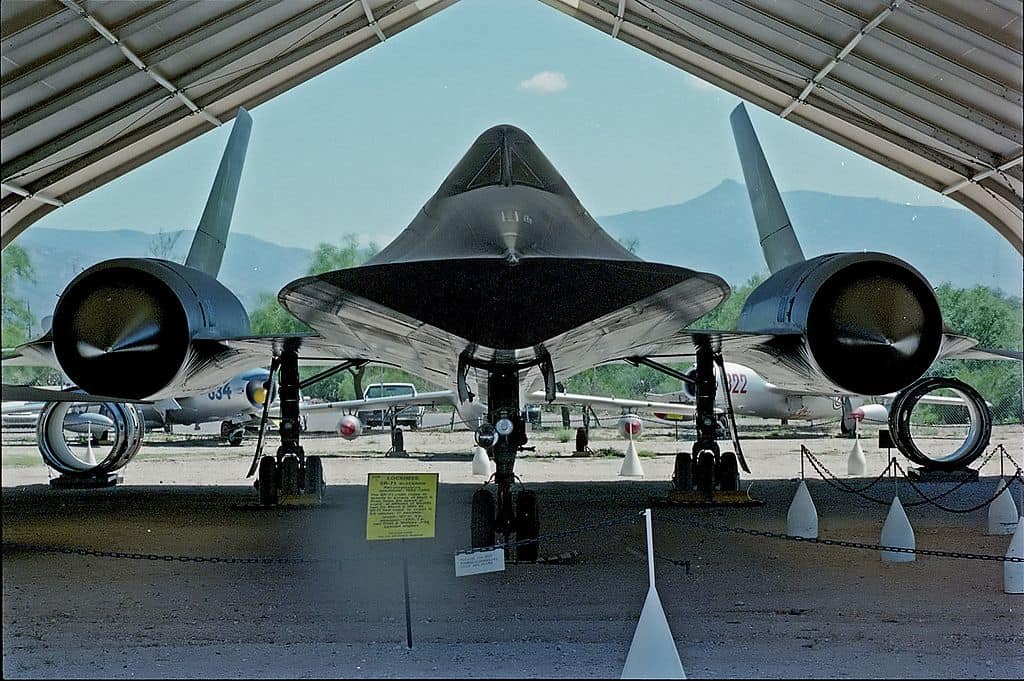
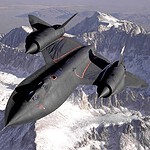
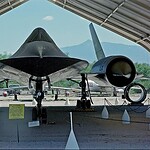
The SR-71 Blackbird became one of the most famous reconnaissance aircraft ever built, but part of its story started with an even more secret aircraft at Area 51. In the early 1960s, Lockheed's Skunk Works developed the A-12 Oxcart for the CIA, pushing aircraft design into territory engineers had barely explored before. The A-12 was built to fly faster than Mach 3 at extreme altitude, which meant solving difficult problems involving titanium construction, powerful engines, heat, aerodynamics, and specialized fuel systems. Groom Lake gave the team a remote place to test those ideas away from public view and foreign intelligence services. Lessons from the A-12 program helped influence the later SR-71, which entered U.S. Air Force service and became a Cold War icon. Long before the Blackbird was famous, some of the technology behind its extraordinary performance was being worked out in the Nevada desert.
11. Satellites Made Area 51 Visible, but Not Much Less Secret
- Time Period: 1980s–Present
- Status: Public
- Primary Program or Aircraft: Satellite Reconnaissance
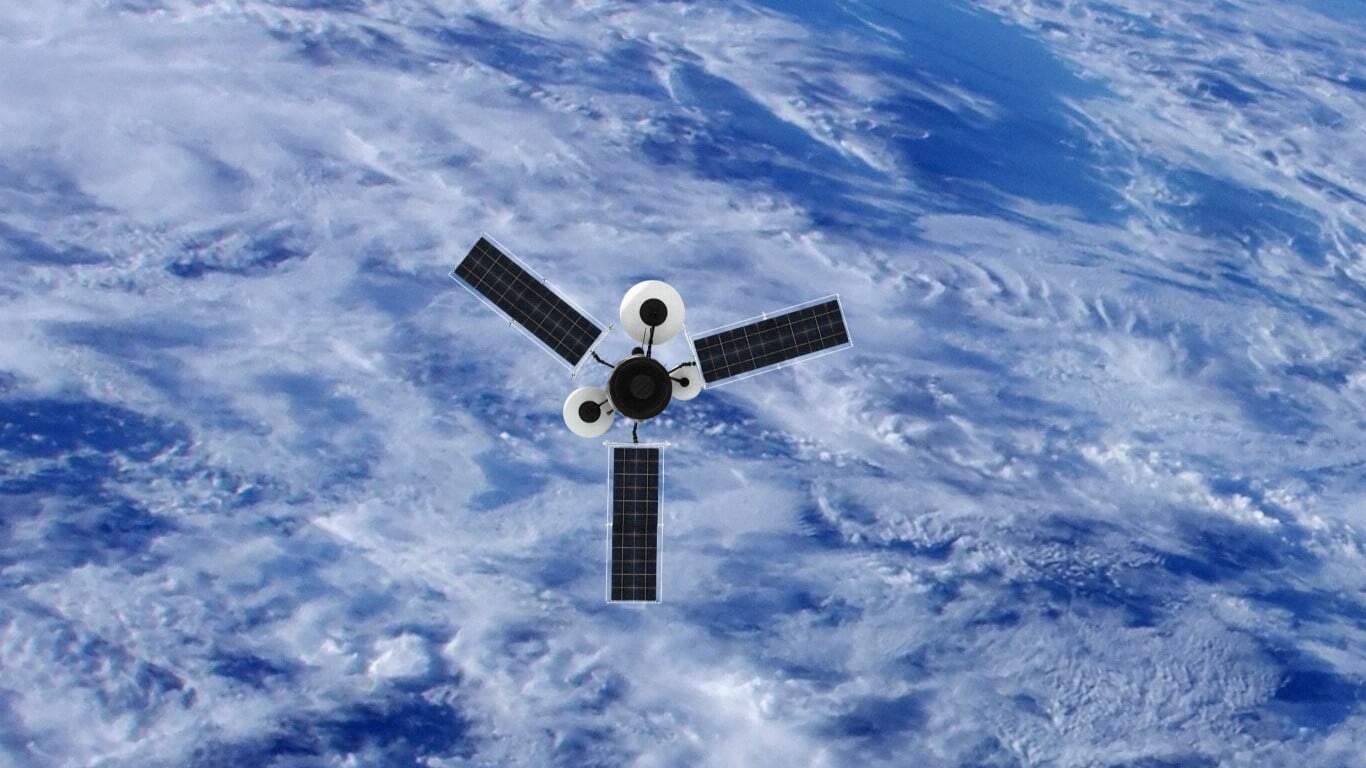
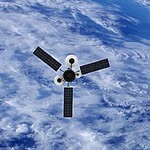
Commercial satellite imagery changed one thing about Area 51 in a big way: people could finally get a clear look at where the base was and how large it had become. What those images did not do was reveal much about what was actually happening there. Runways, hangars, and support buildings are easy enough to spot from above, but classified aircraft can remain inside large structures, sensitive equipment can be shielded, and test activity can be managed around periods of overhead observation. Even when an unfamiliar aircraft appears outside, a single image rarely tells anyone what it can do, why it exists, or what mission it was designed to perform. In that sense, satellite imagery did not end the mystery so much as change it. The public can see Area 51 far more clearly than it could during the Cold War, while many of the activities taking place inside those visible buildings remain hidden.
12. Nuclear Testing Next Door Made Area 51 Even More Mysterious
- Time Period: 1950s–Present
- Status: Declassified
- Primary Program or Aircraft: Nevada Test Site
Area 51 was never the only secretive operation happening in this part of Nevada. Right next door was the site historically known as the Nevada Test Site, where the United States carried out hundreds of nuclear weapons tests during the Cold War. Atmospheric detonations in the 1950s, followed by years of underground testing, helped turn the surrounding desert into one of the country's most heavily restricted government regions. Add classified aircraft, military convoys, security patrols, and strange lights or flashes on the horizon, and it is easy to see why the area developed such an unusual reputation. The nuclear testing program and Area 51 had different primary missions, but their close proximity made the entire region feel wrapped in secrecy. To outsiders who had little official information, it was not hard to imagine that everything happening behind those restricted boundaries might somehow be connected.
13. Some of America's Most Advanced Drones May Have Been Tested There
- Time Period: 1990s–Present
- Status: Partially Classified
- Primary Program or Aircraft: Advanced UAV Programs
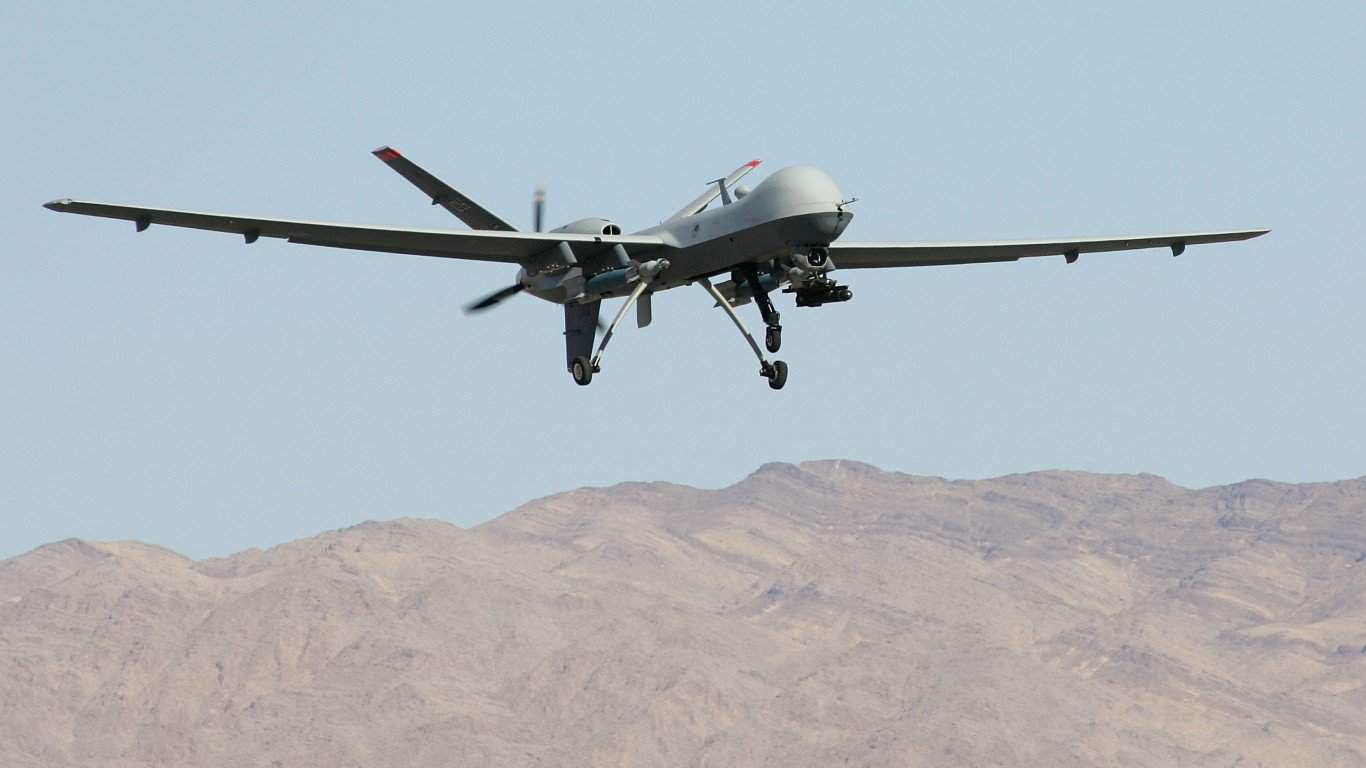
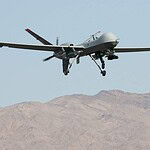
The aircraft that first made Area 51 famous had pilots in the cockpit, but the next generation of secret aviation may look very different. Details are limited, yet defense analysts and observers have long suspected that Groom Lake's restricted airspace has also been used to evaluate advanced unmanned aircraft. Reports over the years have described unusual flying-wing shapes, stealthy platforms, and other aircraft that did not match familiar designs. That possibility fits Area 51's history. Modern militaries increasingly rely on drones for reconnaissance, electronic warfare, and precision strike missions, and highly sensitive systems need somewhere secure to be tested before the public knows they exist. Some aircraft once surrounded by rumors later emerged as real operational technology. That does not prove every strange sighting over Nevada is a secret drone, but Area 51's track record makes it a logical place to test systems that may not be revealed until years later.
14. Working at Area 51 Comes With Serious Secrecy Rules
- Time Period: 1955–Present
- Status: Public
- Primary Program or Aircraft: Compartmentalized Programs
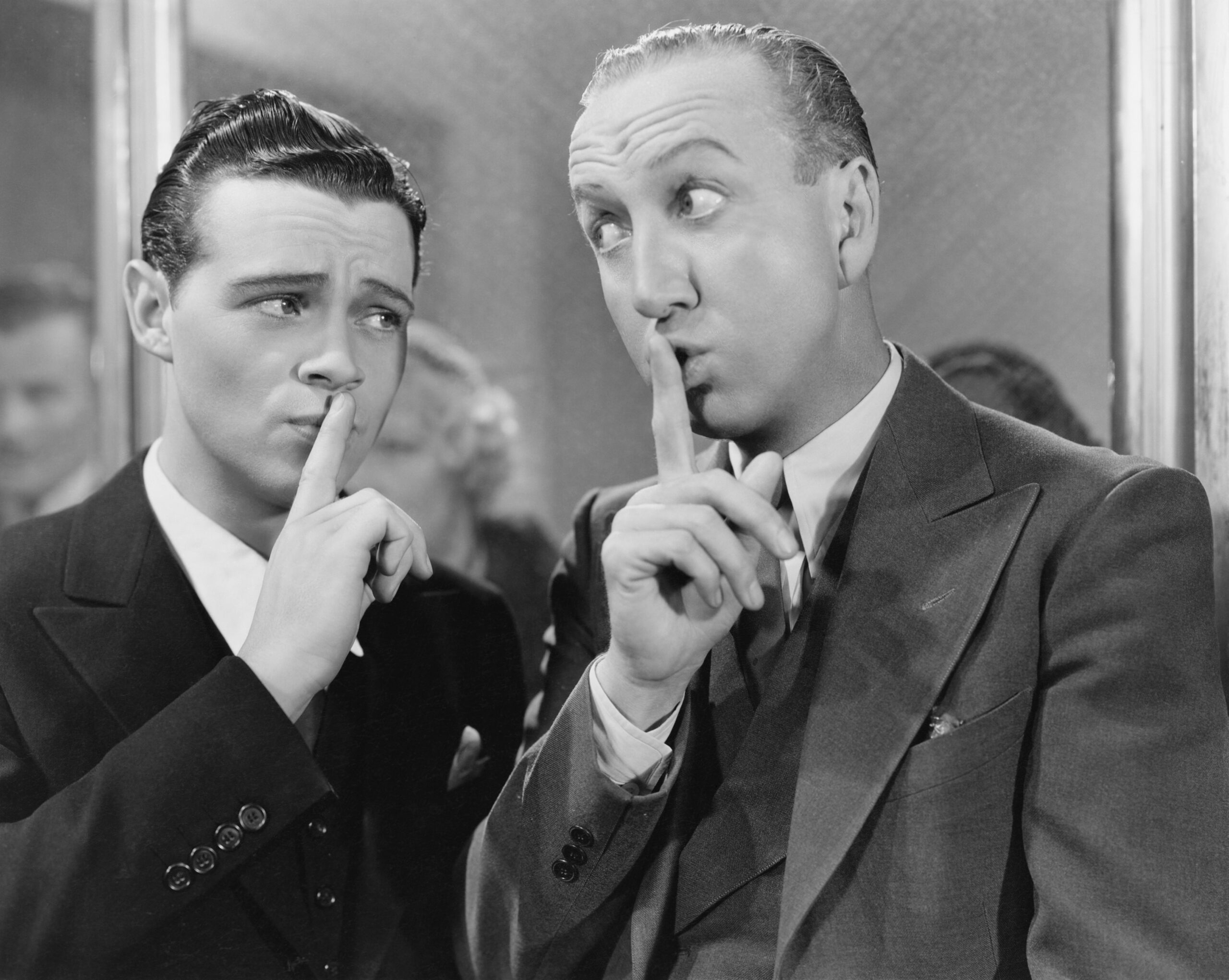
The gates and restricted airspace are only part of Area 51's security. The people working there are another major piece of the system. Employees connected to classified projects can face extensive background checks, security clearances, nondisclosure agreements, and strict limits on what they are allowed to know or discuss. Much of that comes down to compartmentalization, a need-to-know approach that gives workers access only to the information required for their specific role. An engineer assigned to one aircraft might know almost nothing about another project being tested nearby. That makes accidental leaks less likely and makes it harder for outsiders to piece together a complete picture of a sensitive program. Former workers have described spending years on projects they could not discuss with friends, relatives, or even coworkers in other divisions. At Area 51, keeping a secret can be just as important as whatever technology is being developed behind the hangar doors.
15. Area 51's Biggest Secrets May Still Be Happening Right Now
- Time Period: Present
- Status: Classified
- Primary Program or Aircraft: Current Black Programs
After decades of documentaries, books, leaked rumors, and declassified records, the most interesting thing about Area 51 may be what the public still does not know. History gives that idea some weight. The U-2, A-12 Oxcart, and F-117 Nighthawk were all secret programs long before their existence became public knowledge. If that same pattern continues, some of the technologies being tested today may not be revealed for years. Aviation experts have speculated about next-generation stealth aircraft, autonomous combat systems, electronic warfare technology, advanced propulsion research, and other highly sensitive projects, but those possibilities remain exactly that: speculation. What is known is that Groom Lake has repeatedly been used to test groundbreaking aerospace technology away from public view. That makes the final Area 51 mystery less about something hidden decades ago and more about what could be taking shape behind those hangar doors right now.