
Whitehouse.gov

2017 Getty Images / Getty Images News via Getty Images
jurvetson / BY 2.0
WPA Pool / Getty Images
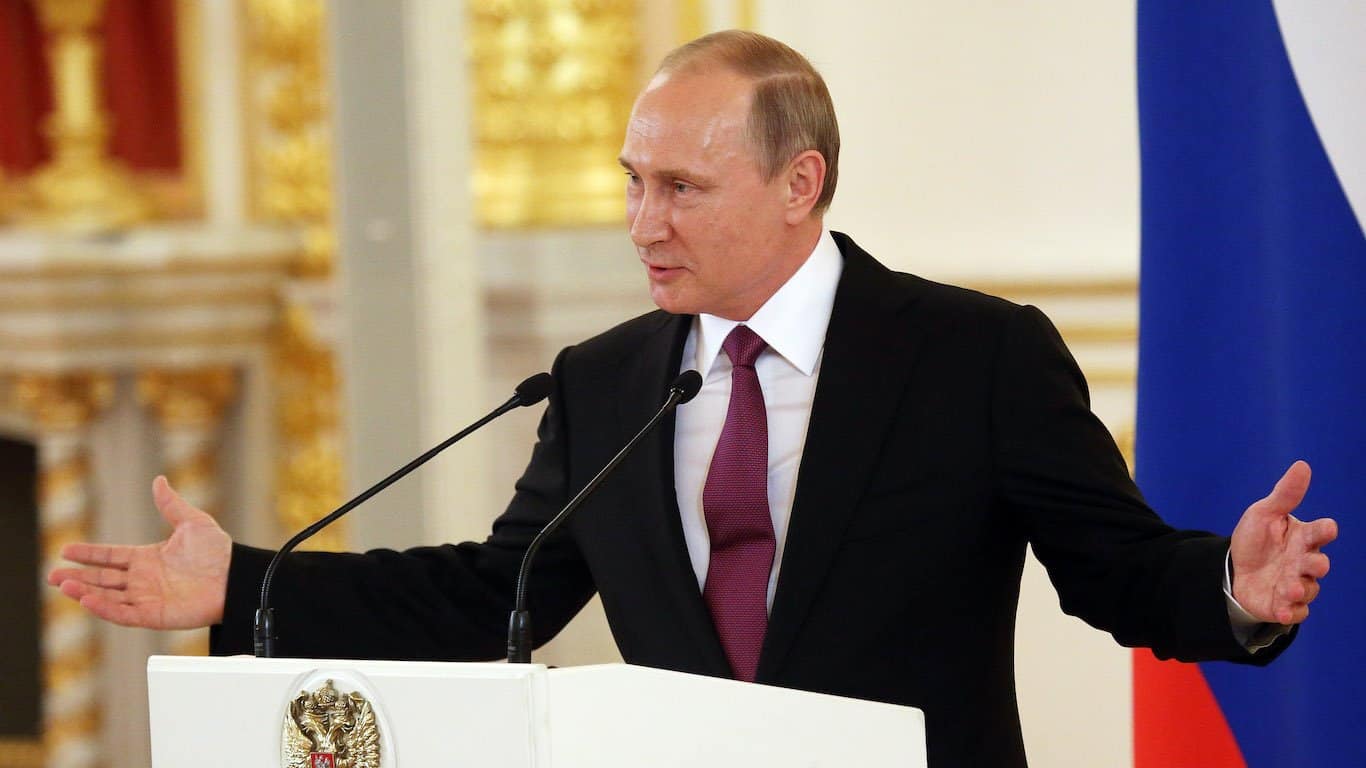
Photo by Mikhail Svetlov / Getty Images
U.S. Navy
Anonymous
Roger Fenton / Hulton Royals Collection via Getty Images
Shutterstock ID: 155262830, Photographer: Keattikorn
Unknown
Vince Musi / The White House, CC0, via Wikimedia Commons
doe-oakridge, Public domain, via Wikimedia Commons
Unknown
Sergey Lvovich Levitsky, Public domain, via Wikimedia Commons
Shutterstock ID: 2292533797, Photographer: Vunishka
Keystone / Hulton Archive via Getty Images
Bundesarchiv_Bild_146-1990-048-29A
Bettmann / Contributor / Getty Images
Unknown
The original uploader was J.J. at English Wikipedia. (see en:Wikipedia:Upload log archive/April 2003); Tonysmith at zh.wikipedia, Public domain, via Wikimedia Commons
Shutterstock ID: 410444335, Photographer: Andrii Lutsyk
pingnews / Flickr

Anonymous





11 Political Leaders Who Survived More Than One Assassination Attempt
Some political leaders have survived one assassination attempt. Others have been targeted repeatedly over years or even decades. But putting an exact number on those attempts gets messy fast. Some counts include abandoned plots that never reached the target, others count only attacks that were actually carried out, and a few famous totals come from interested parties rather than independent historical records.
So this is not a clean historical scoreboard. Instead, these are political leaders who survived multiple documented or widely reported attempts on their lives, including two attempts against Donald Trump during the 2024 presidential campaign. Where the famous numbers are disputed or impossible to verify, we will say so.
We reviewed contemporary reporting, government records, historical archives and other authoritative sources to separate documented attacks from claims that have been repeated so often they eventually started sounding like settled fact.
Here are political leaders who survived repeated assassination attempts and plots:
Donald Trump: The Butler Shooting
On July 13, 2024, former President Donald Trump was speaking at a campaign rally in Butler, Pennsylvania, when 20-year-old Thomas Matthew Crooks opened fire from the roof of a nearby building. Trump was struck in the ear. Rally attendee Corey Comperatore was killed, and two other spectators were seriously wounded.
A U.S. Secret Service counter-sniper shot and killed Crooks. The FBI investigated the shooting as an assassination attempt and potential act of domestic terrorism. Investigators later said Crooks acted alone and found no credible evidence that he had co-conspirators, although the FBI was unable to establish a definitive motive for the attack.
Donald Trump: The West Palm Beach Attempt
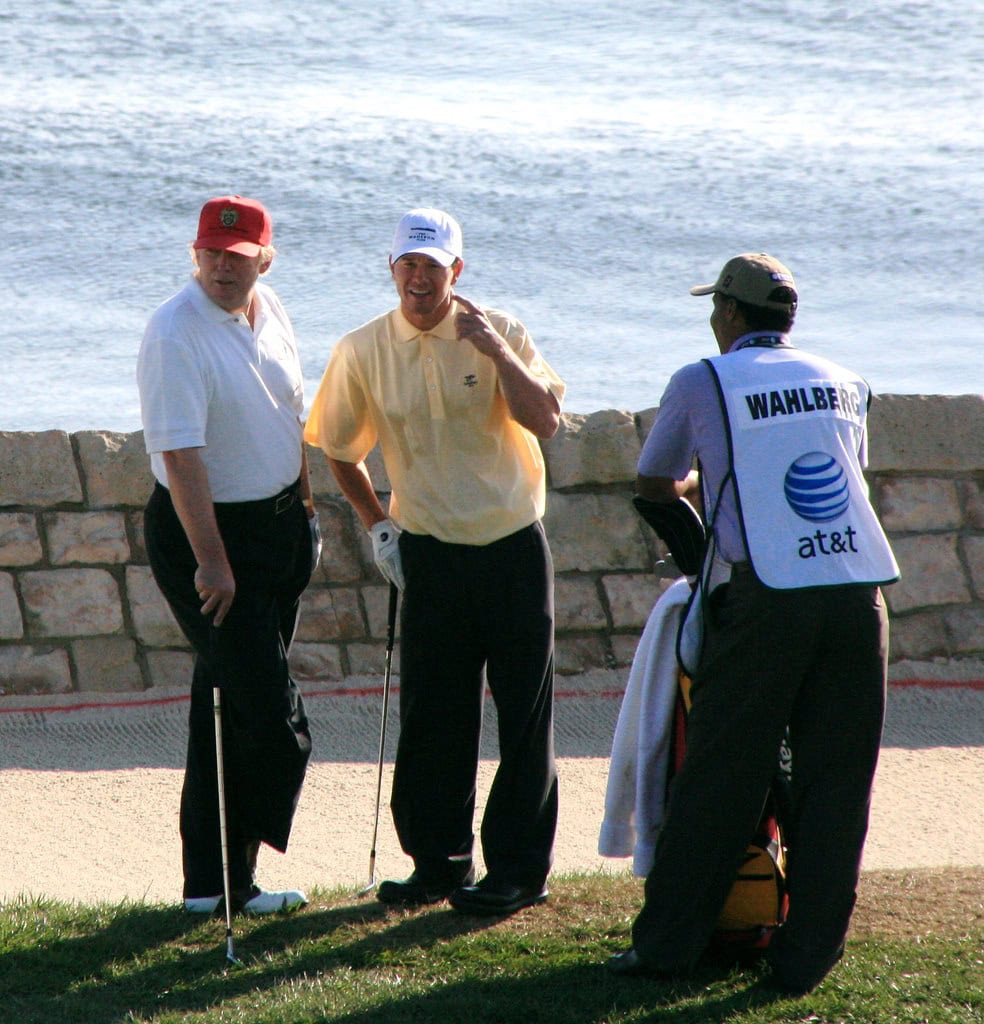
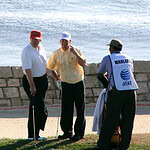
Just over two months later, on September 15, 2024, Trump was playing golf at Trump International Golf Club in West Palm Beach, Florida, when a Secret Service agent spotted a rifle protruding from the tree line near the course. The agent fired toward the position, and the man hiding there fled without firing at Trump.
Authorities arrested Ryan Wesley Routh shortly afterward. Prosecutors said he had positioned himself near the golf course with a scoped rifle and had spent weeks tracking Trump's movements. A federal jury convicted Routh in September 2025 of attempting to assassinate Trump, along with several firearms offenses and assaulting a federal officer.
Vladimir Putin
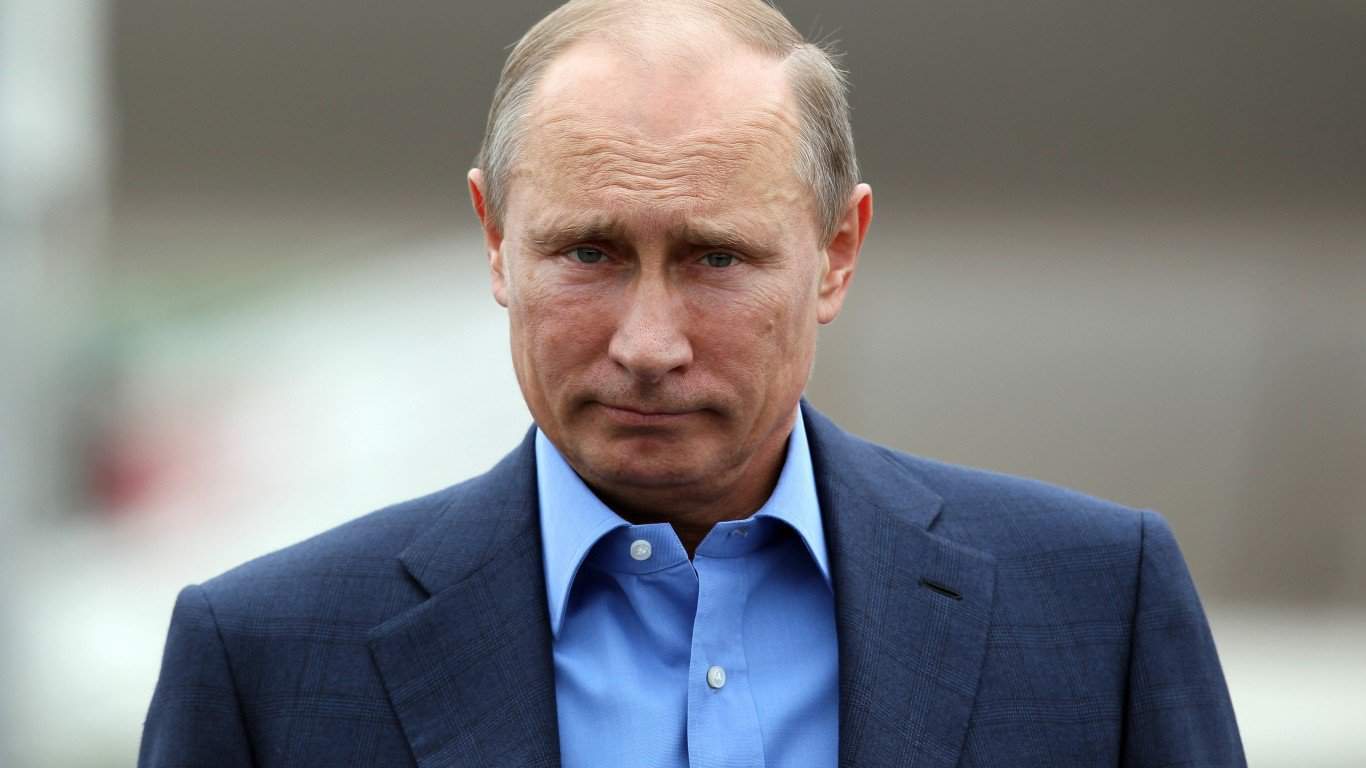
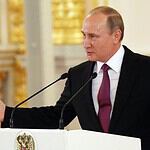
Russian President Vladimir Putin has been the reported target of several assassination plots since coming to power, although there is no reliable public record that allows us to put a definitive number on them. Some cases were announced by Russian or foreign security agencies, while details surrounding others remain limited or disputed.
One of the better-documented cases surfaced in 2001. Azerbaijani officials said they had stopped a plot to kill Putin during his January 2001 visit to Baku. Authorities arrested Iraqi citizen Kyanan Rostam after receiving intelligence about the plot and finding explosives. Rostam was later sentenced to 10 years in prison.
Vladimir Putin
Another case emerged in 2012, days before Putin was expected to win another term as president. Ukraine's SBU security service said it had helped uncover a plot involving men arrested in Odesa after an explosion inside an apartment.
Investigators said the suspects planned to travel to Moscow and attack Putin after the presidential election. Russian political opponents questioned whether the timing of the announcement was politically useful to Putin, but Ukrainian authorities publicly confirmed the investigation. Claims about several other supposed attempts against Putin are much harder to verify, which is why an exact lifetime count should be treated cautiously.
Muammar al-Qaddafi
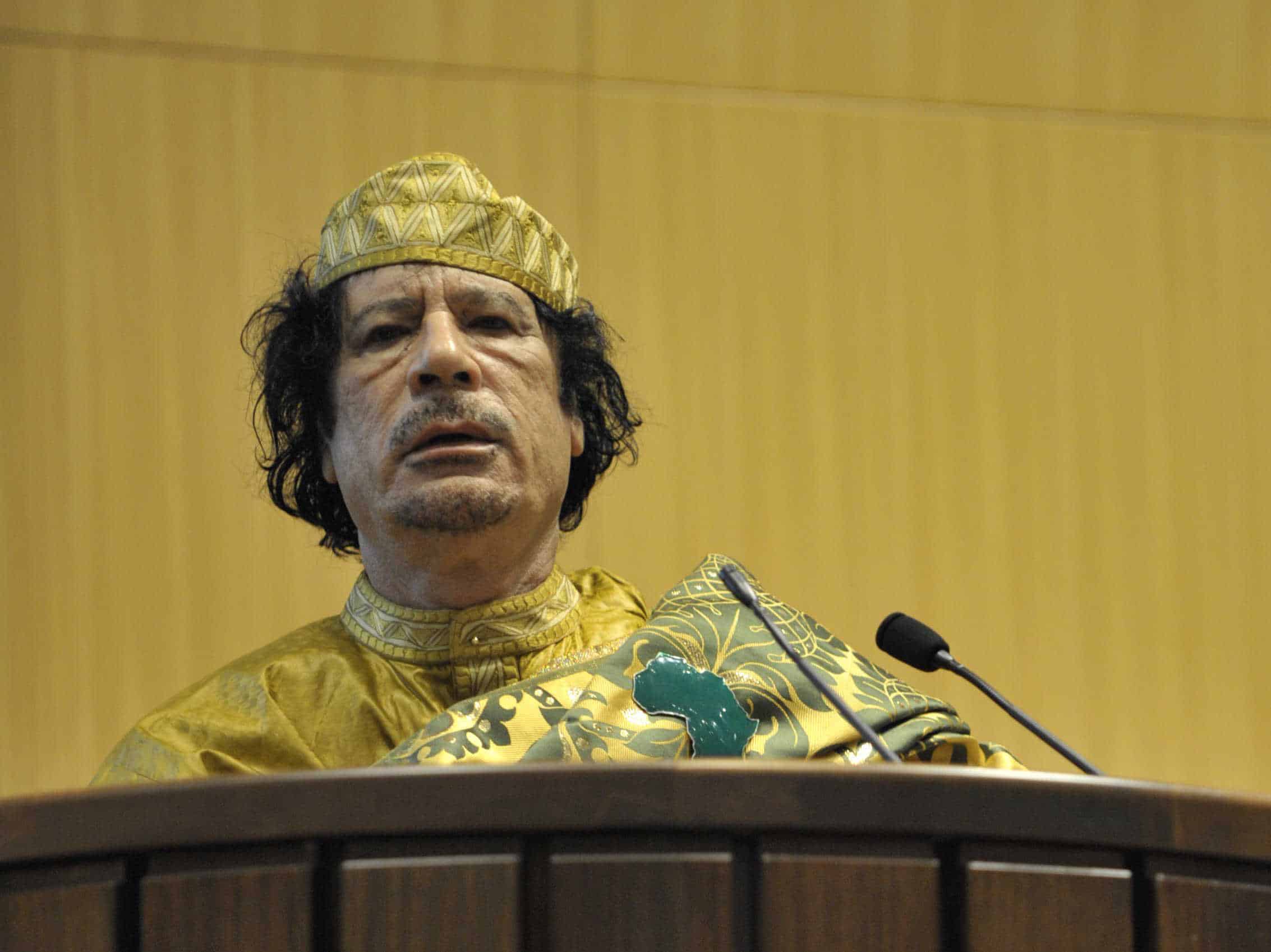
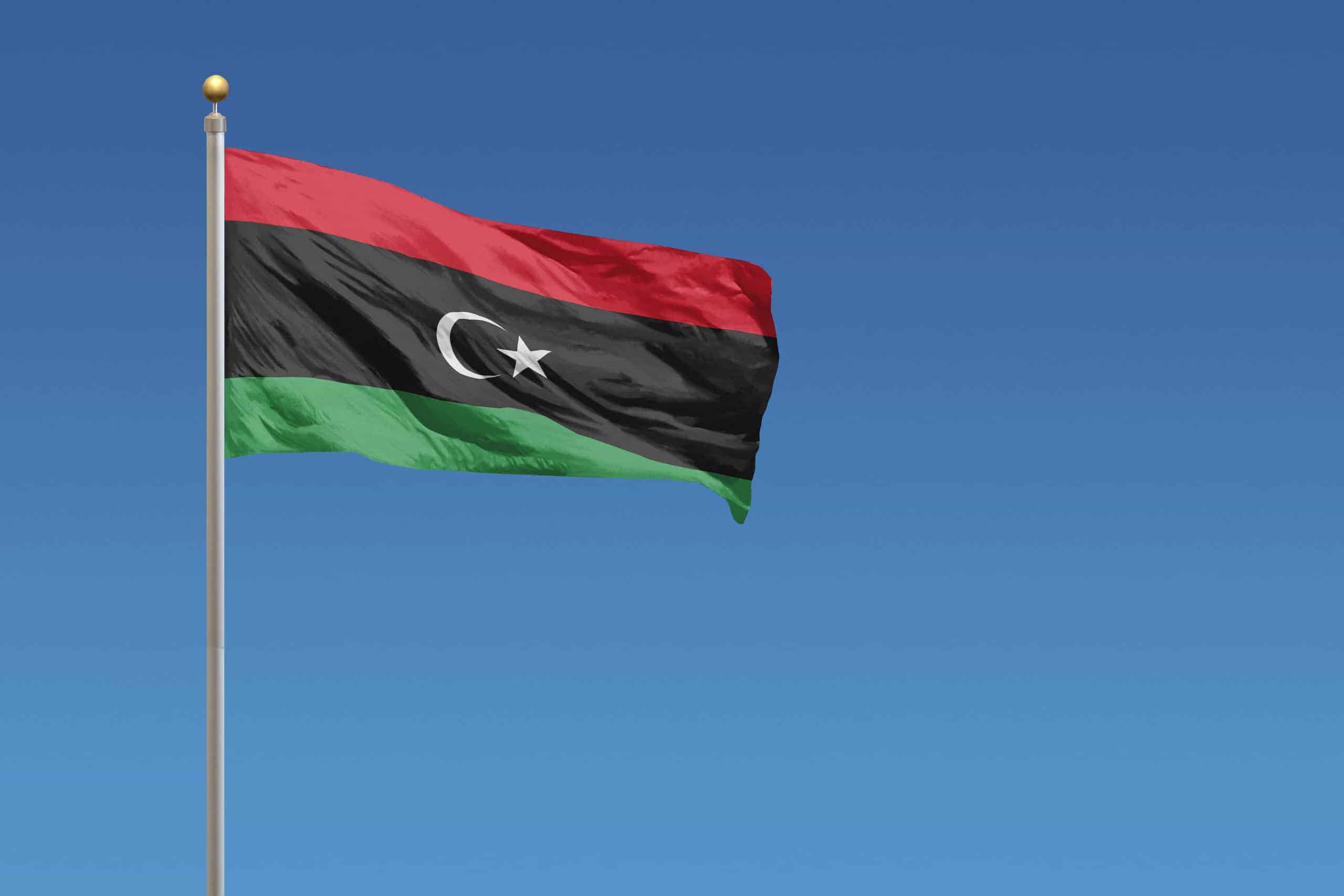
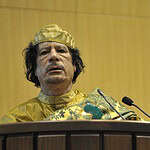
Muammar al-Qaddafi seized power in Libya in a 1969 military coup that overthrew King Idris and remained the country's dominant ruler until the 2011 uprising that ended his regime. More than four decades in power gave Qaddafi plenty of enemies at home and abroad, and he faced coups, armed attacks and reported assassination plots during that time.
One of the most dramatic threats came in April 1986, when the United States launched Operation El Dorado Canyon and bombed targets in Tripoli and Benghazi, including Qaddafi's Bab al-Aziziya compound. President Ronald Reagan publicly described the strikes as a response to Libyan-sponsored terrorism. Contemporary reporting later found that U.S. officials involved in planning the operation also hoped Qaddafi might be killed in the attack. He survived.
Muammar al-Qaddafi
Qaddafi also faced serious threats from inside Libya. In October 1993, military officers connected to the powerful Warfalla tribe took part in a failed coup aimed at overthrowing him. The revolt was crushed, and the regime later executed officers accused of taking part.
Other alleged attempts are murkier. Former British intelligence officer David Shayler claimed that Britain's MI6 had helped finance a failed 1996 plot against Qaddafi, an allegation the British government disputed. Reports of another attack in eastern Libya in 1998 said Qaddafi had been wounded and a bodyguard killed, but the Libyan government denied that the attack happened. The documented record is serious enough without pretending every reported plot can be independently confirmed.
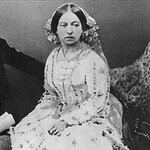
Queen Victoria
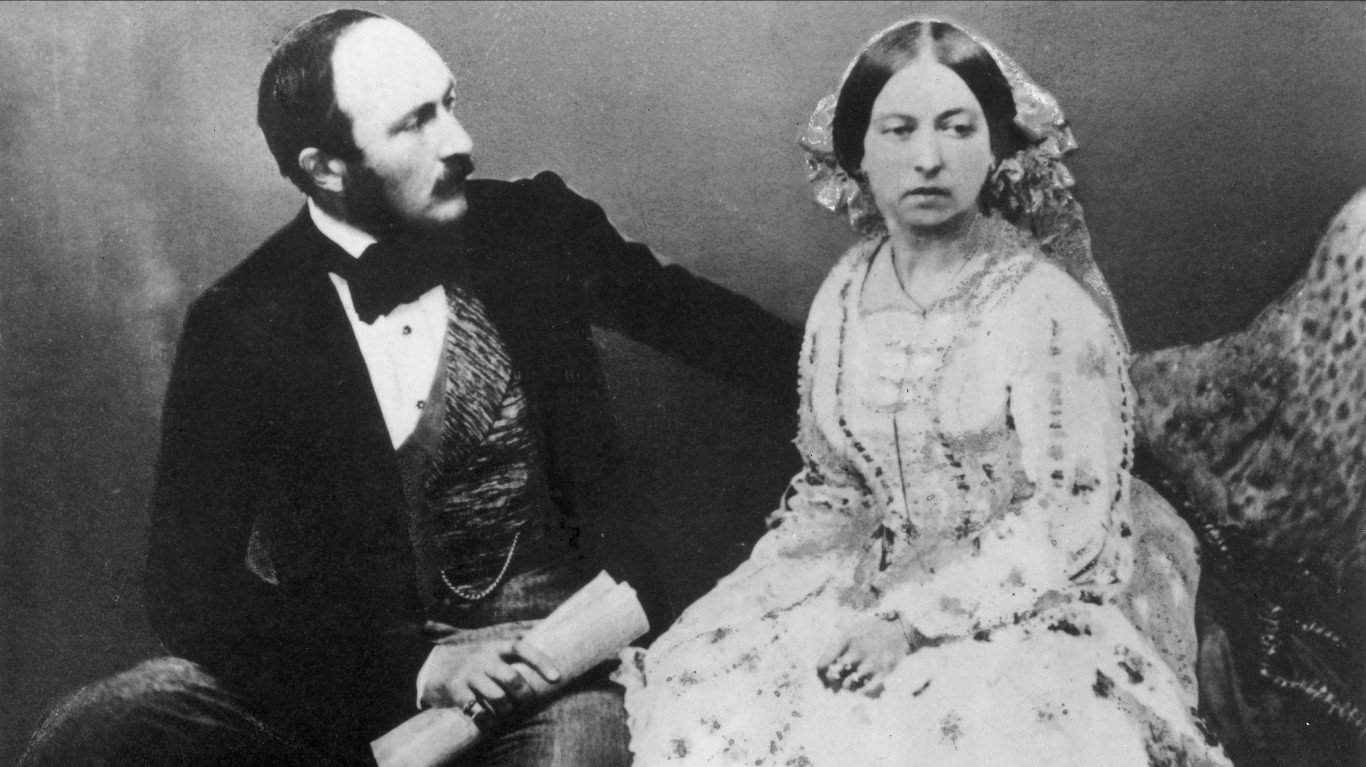
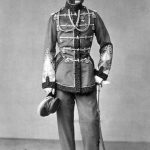
Queen Victoria reigned over the United Kingdom from 1837 until her death in 1901, and repeated attacks became an unfortunate feature of her unusually long reign. The Royal Family's official history says seven attempts were made on her life between 1840 and 1882. Other historians count eight separate incidents because one would-be assassin, John Francis, made two attempts within a matter of days.
Either way, Victoria faced an extraordinary number of attacks. She survived gunfire, weapons that failed to discharge and later an assault in which she was struck with a cane. Rather than retreat permanently from public life, she continued making public appearances, and her response to the attacks helped strengthen her popularity with many of her subjects.
Queen Victoria
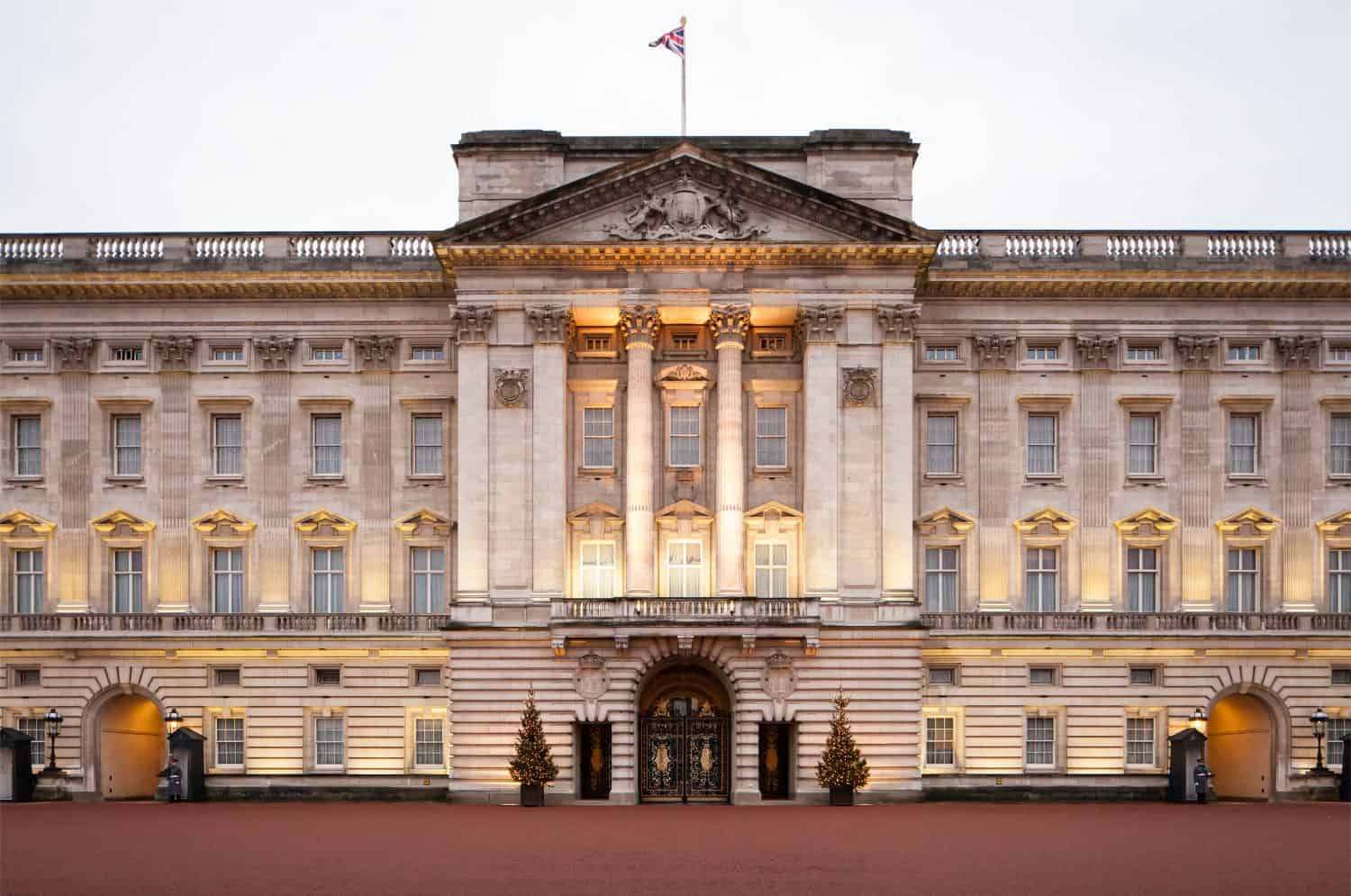
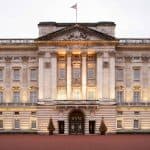
The first attack came on June 10, 1840, when 18-year-old Edward Oxford fired two pistols at Victoria's carriage as she rode with Prince Albert near Buckingham Palace. Victoria was pregnant with their first child at the time. Neither she nor Albert was hit, and Oxford was eventually found not guilty by reason of insanity and confined in an institution.
John Francis targeted her twice in 1842. His pistol apparently failed to fire during the first encounter, and Victoria deliberately went out in a carriage again the following day while police watched the route. Francis returned and fired, but missed. Decades later, Roderick Maclean fired at Victoria outside Windsor railway station in 1882. She survived that attack too.
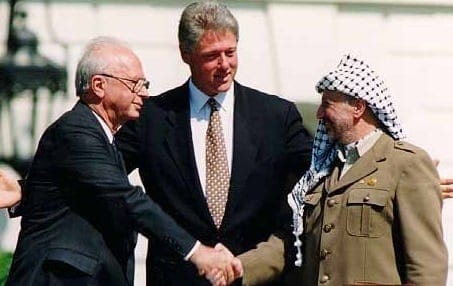
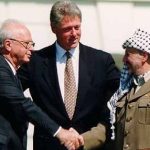
Yasser Arafat
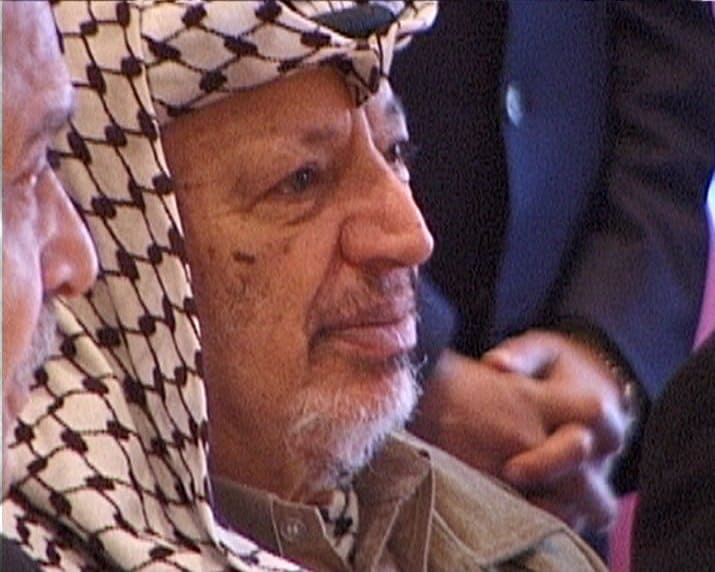
Yasser Arafat led the Palestine Liberation Organization for decades and later became president of the Palestinian Authority. He was a central and deeply polarizing figure in the Israeli-Palestinian conflict, viewed by many Palestinians as the symbol of their national movement while Israel and other critics held him responsible for attacks carried out by the PLO and affiliated groups.
There is strong historical evidence that Israeli forces repeatedly tried to kill him, particularly during the 1982 Lebanon War. Ariel Sharon, who was Israel's defense minister during the invasion, later told CNN that he had ordered Arafat's assassination 13 times during the Lebanon campaign. Other accounts describe bombing operations against suspected Arafat locations and plans to attack aircraft believed to be carrying him.
Yasser Arafat
Arafat died at age 75 in a French military hospital on November 11, 2004, after a sudden illness. His death later became the subject of competing claims about possible poisoning. Swiss researchers said tests were consistent with, but did not prove, poisoning with radioactive polonium-210.
French forensic experts reached a different conclusion and said the evidence did not support poisoning. Russian experts also reportedly found no evidence of polonium poisoning. French magistrates ultimately closed the investigation, and later appeals were unsuccessful. Israel denied involvement in Arafat's death. The available evidence therefore does not establish that he was assassinated.
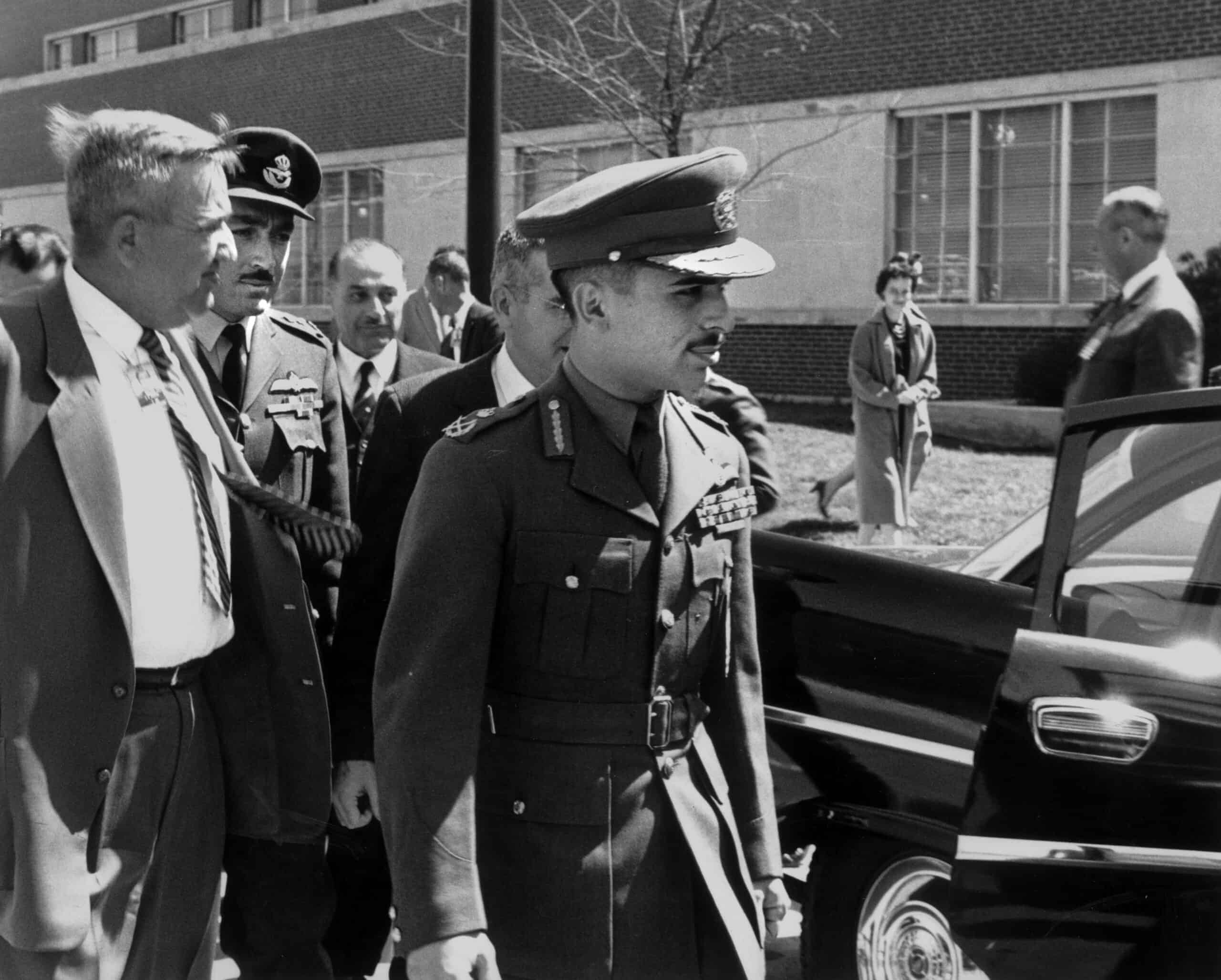
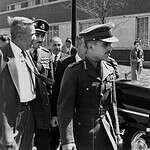
Hussein bin Talal
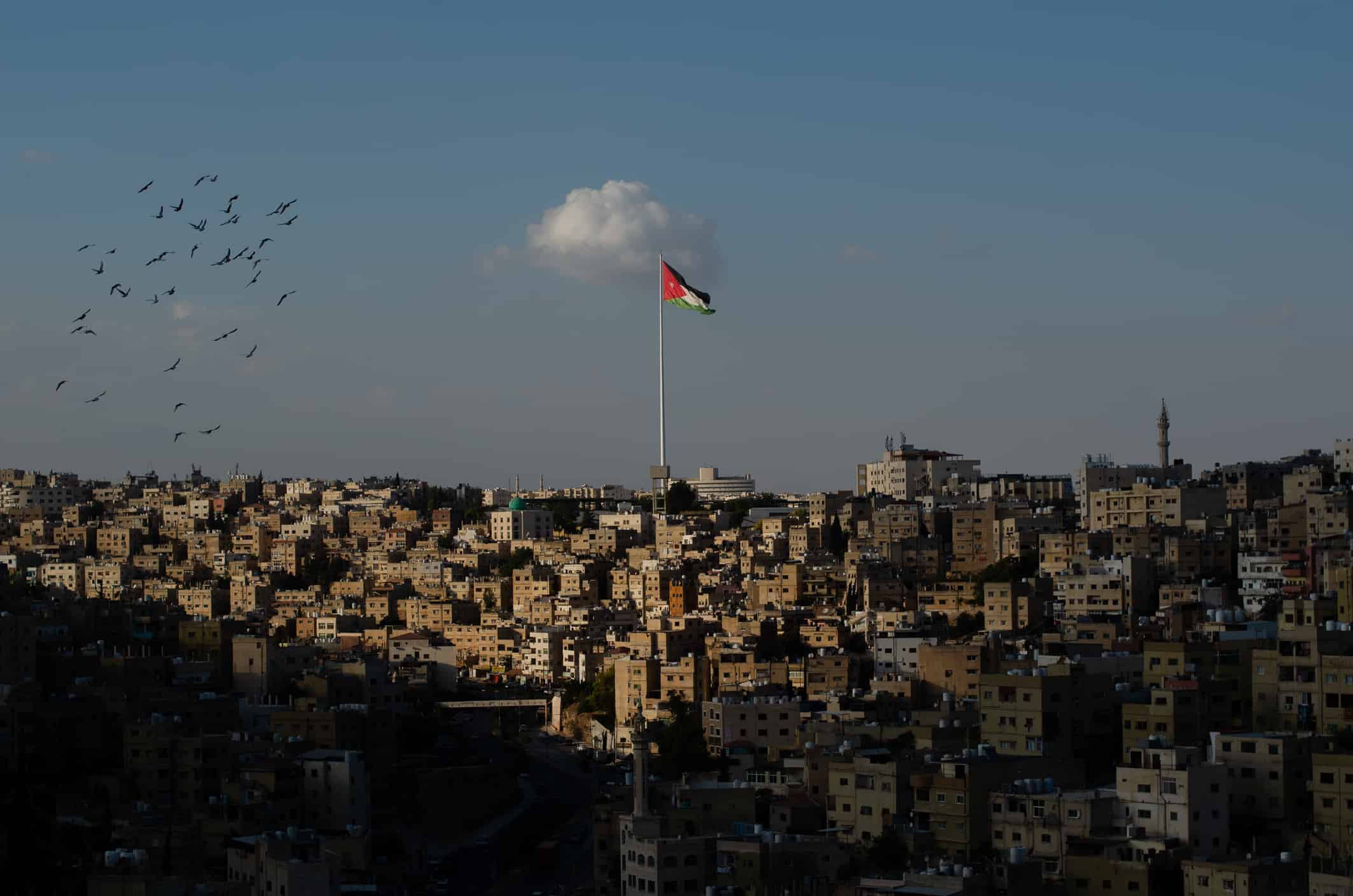
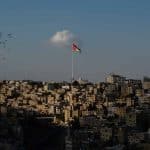
King Hussein ruled Jordan from 1952 until his death in 1999, but he encountered political violence before he ever took the throne. On July 20, 1951, the 15-year-old Hussein was beside his grandfather, King Abdullah I, when a Palestinian gunman assassinated Abdullah at the entrance to the Al-Aqsa Mosque in Jerusalem.
Hussein later recalled that the gunman fired at him as well and that the bullet struck a medal on his uniform and ricocheted away. He was unharmed. It was the first of several close calls in a political career that unfolded during some of the most turbulent decades in modern Middle Eastern history.
Hussein bin Talal
The attempts did not stop after Hussein became king. In 1958, Syrian MiG fighters intercepted the small aircraft he was piloting, forcing him to escape at low altitude. He later described discovering that acid had been substituted for medicine in his nose drops. Another poisoning plot was uncovered after a palace cook tested poison on cats before attempting to use it against the king.
In August 1960, a bomb killed Jordanian Prime Minister Hazza Majali at his office. A second device was reportedly intended to kill Hussein when he arrived at the scene, but the king was delayed and escaped the blast. Hussein eventually acquired the nickname "the survivor king" for good reason.
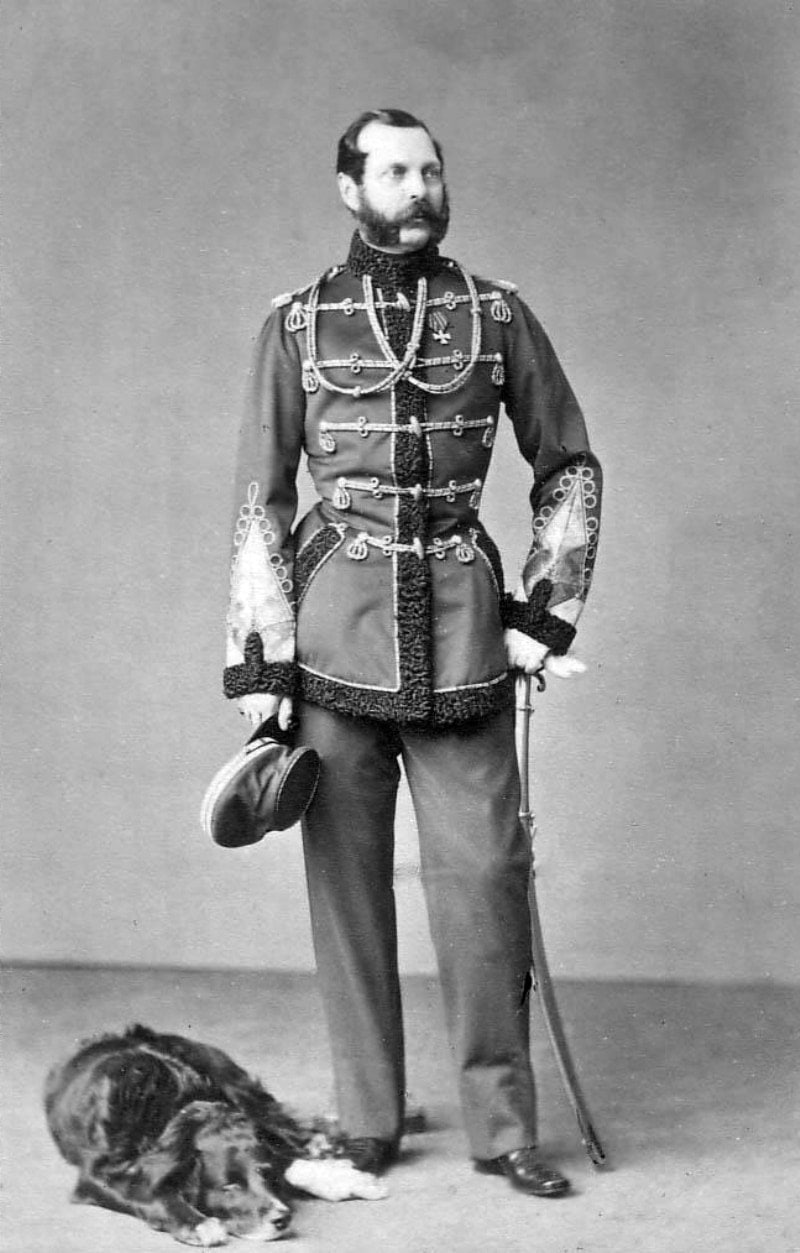
Alexander II of Russia
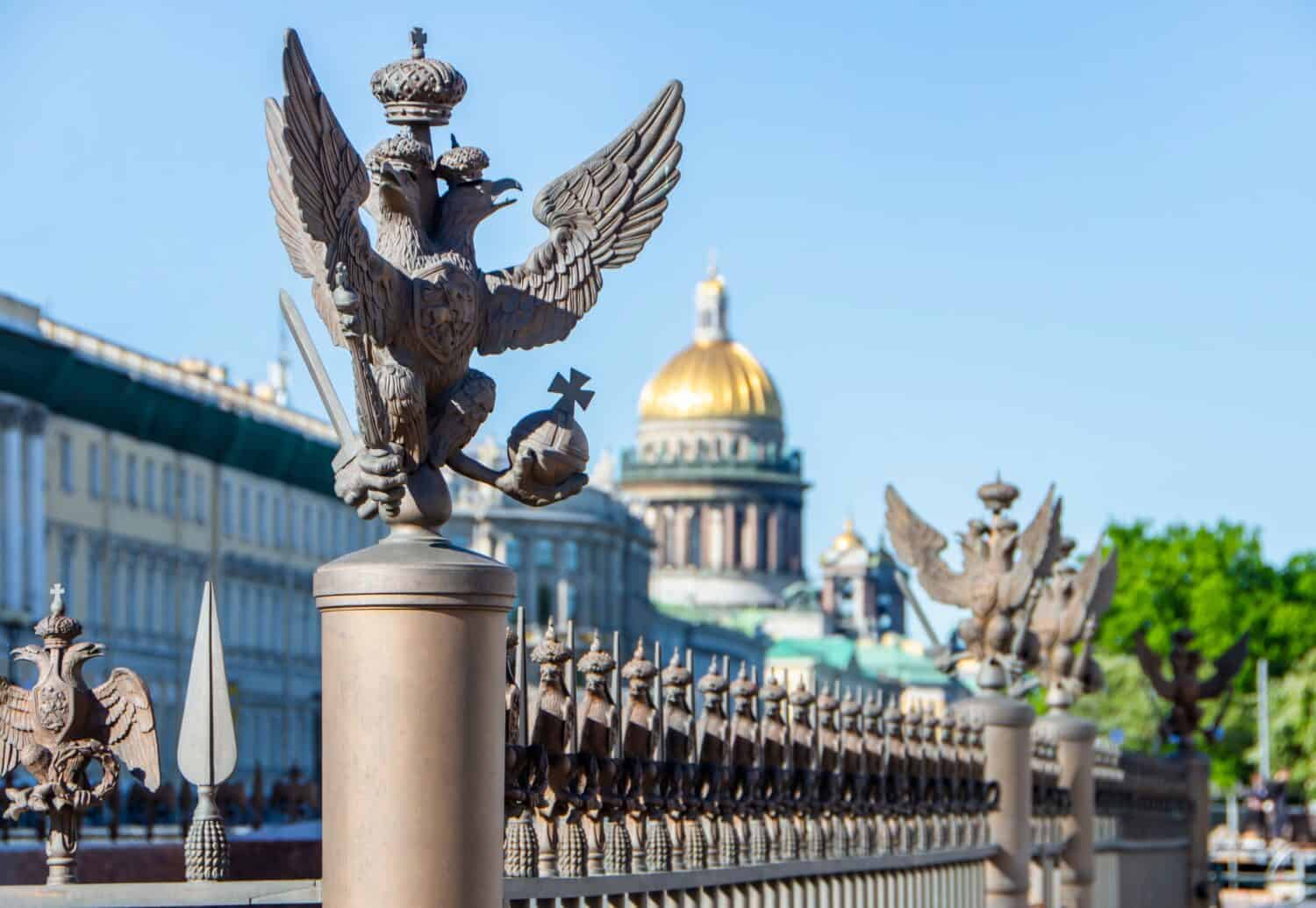
Emperor Alexander II is best remembered for the 1861 emancipation of Russia's serfs, but his reforms did not spare him from revolutionary violence. He survived a string of increasingly sophisticated attacks before assassins finally succeeded in 1881.
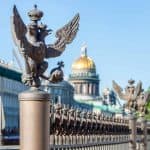
Dmitry Karakozov fired at Alexander near St. Petersburg's Summer Garden in April 1866 and missed. In Paris the following year, Polish nationalist Antoni Berezowski fired at Alexander while he rode in a carriage with French Emperor Napoleon III. That shot missed too. In 1879, Alexander Soloviev fired several shots at the emperor near the Winter Palace but failed to hit him.
Alexander II of Russia
Members of the revolutionary organization People's Will then escalated their campaign. They tried to blow up Alexander's train in 1879, and in February 1880 a bomb exploded inside the Winter Palace, killing guards but missing the emperor.
On March 13, 1881, Alexander's luck finally ran out. Members of People's Will attacked his carriage near the Catherine Canal in St. Petersburg. The first bomb damaged the carriage but did not kill him. After Alexander stepped out, a second attacker threw another bomb at close range. The emperor was mortally wounded and died later that day.
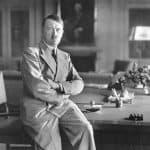
Adolf Hitler
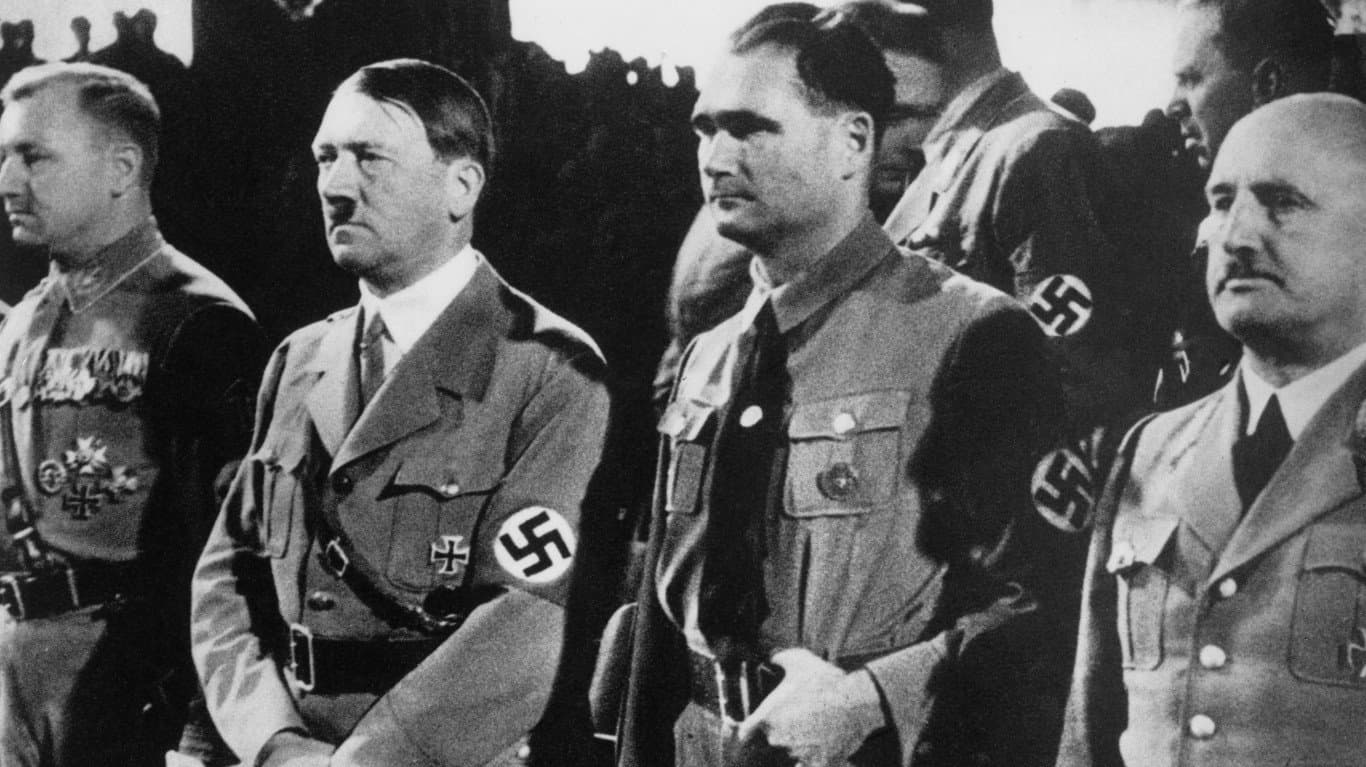
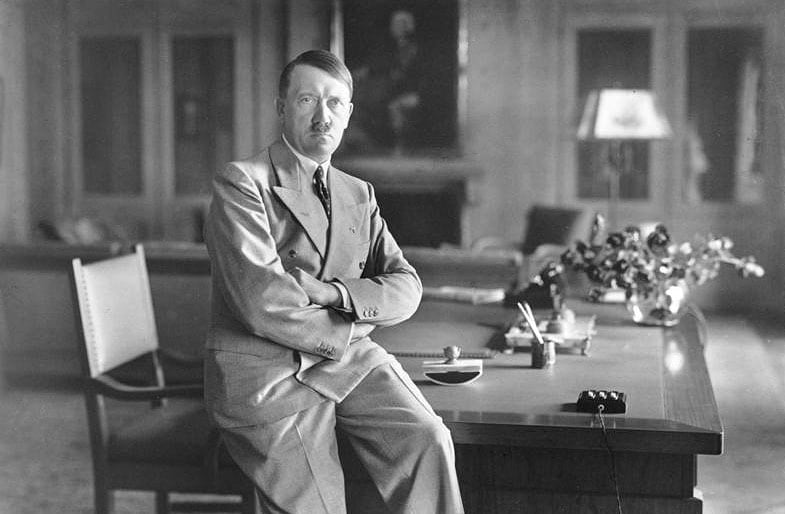
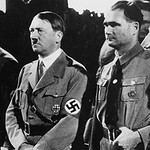
There is no universally accepted count of assassination attempts against Adolf Hitler. Depending on whether historians include plans that were abandoned before an attack could take place, published totals can vary considerably. What is clear is that German civilians and military officers developed numerous plans to kill the Nazi dictator before and during World War II.
One of the closest early attempts came on November 8, 1939, when German carpenter Georg Elser planted a time bomb inside Munich's Bürgerbräukeller beer hall, where Hitler was scheduled to deliver his annual speech commemorating the 1923 Beer Hall Putsch. Hitler unexpectedly left early. The bomb exploded minutes later, killing eight people, but Hitler was already on his way out of Munich.
Adolf Hitler
The most famous attempt came on July 20, 1944. German Army officer Claus von Stauffenberg carried a bomb into a military briefing at Hitler's Wolf's Lair headquarters in East Prussia and left the explosive inside a briefcase near Hitler.
The bomb detonated, but the briefcase had been moved behind a heavy table support that helped shield Hitler from the blast. He survived, and the accompanying coup attempt collapsed. The Nazi regime responded with a sweeping crackdown in which thousands of suspected opponents were arrested and many were executed. Hitler died by suicide in Berlin on April 30, 1945.
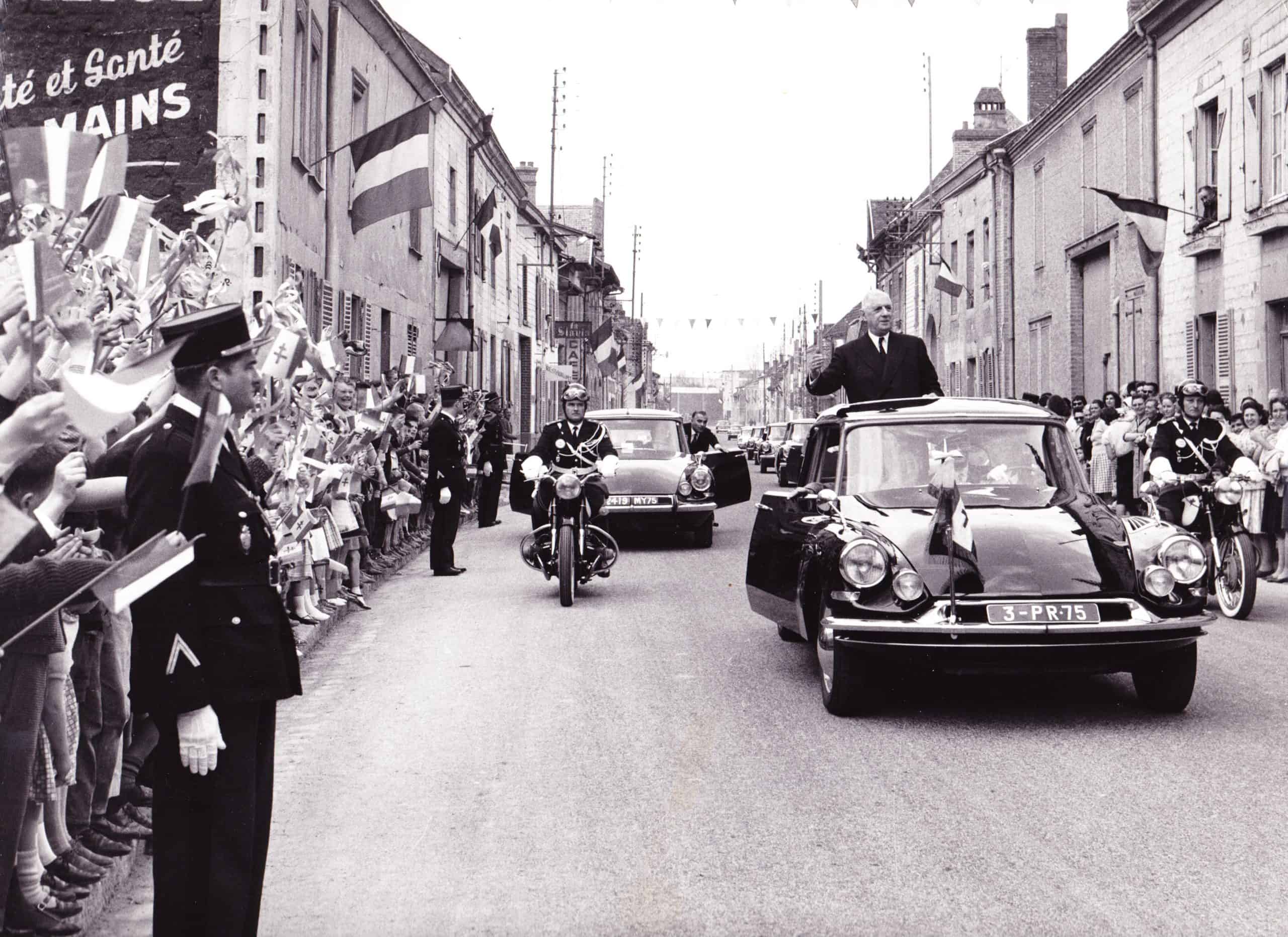
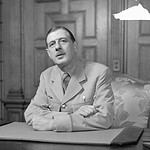
Charles de Gaulle
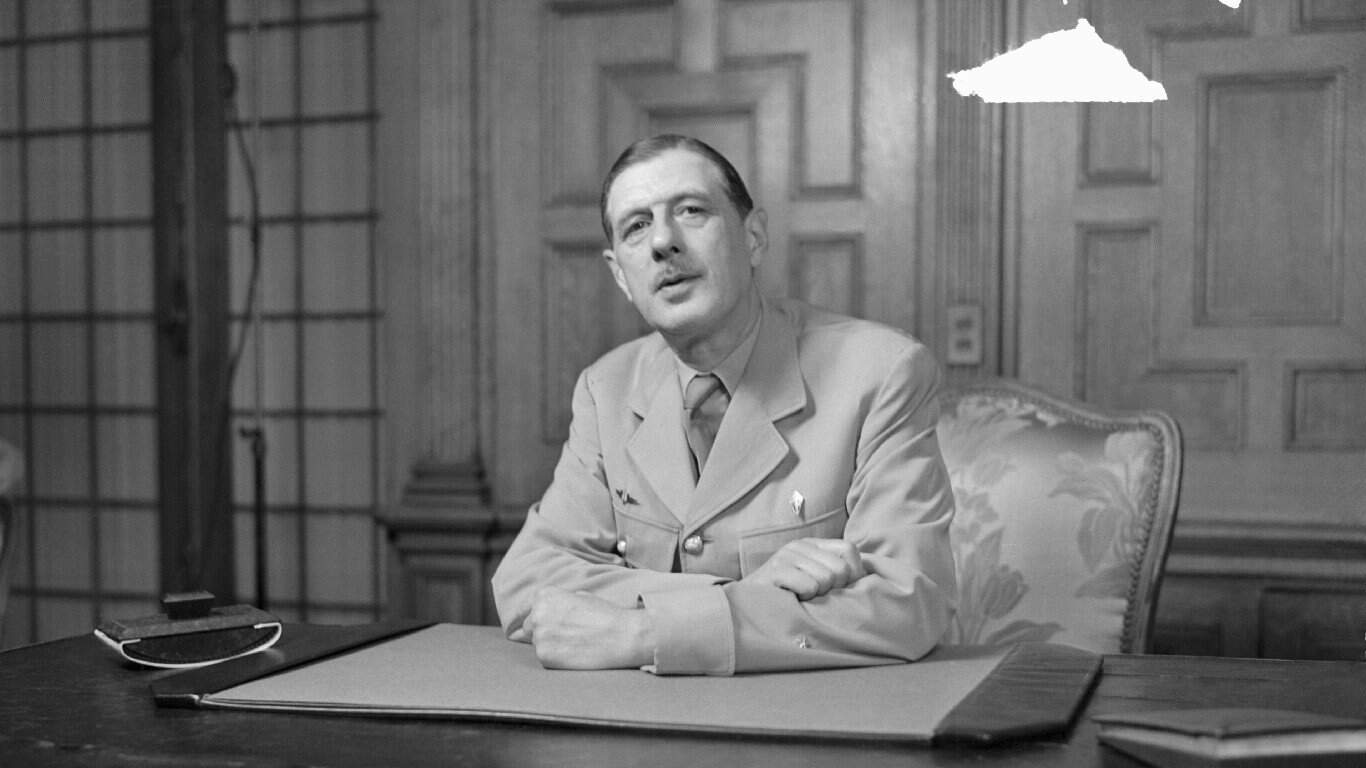
Charles de Gaulle led the Free French movement during World War II and later became the first president of France's Fifth Republic. Historical accounts commonly credit him with surviving roughly 30 assassination attempts, with 31 frequently cited, although there is no simple official ledger that settles every plot included in that total.
Many of the most serious attempts came from the Organisation armée secrète, or OAS, a far-right underground organization that violently opposed Algerian independence and viewed de Gaulle's policy toward Algeria as a betrayal.
Charles de Gaulle
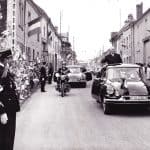
The most famous attack came on August 22, 1962, at Petit-Clamart outside Paris. OAS gunmen opened fire on the presidential Citroën carrying de Gaulle and his wife as they traveled toward the Villacoublay military airfield.
The car was hit repeatedly and its tires were damaged, but the driver kept control and escaped the ambush. De Gaulle and his wife were not injured. The attack became one of the best-known assassination attempts of the 20th century and later helped inspire Frederick Forsyth's novel The Day of the Jackal.
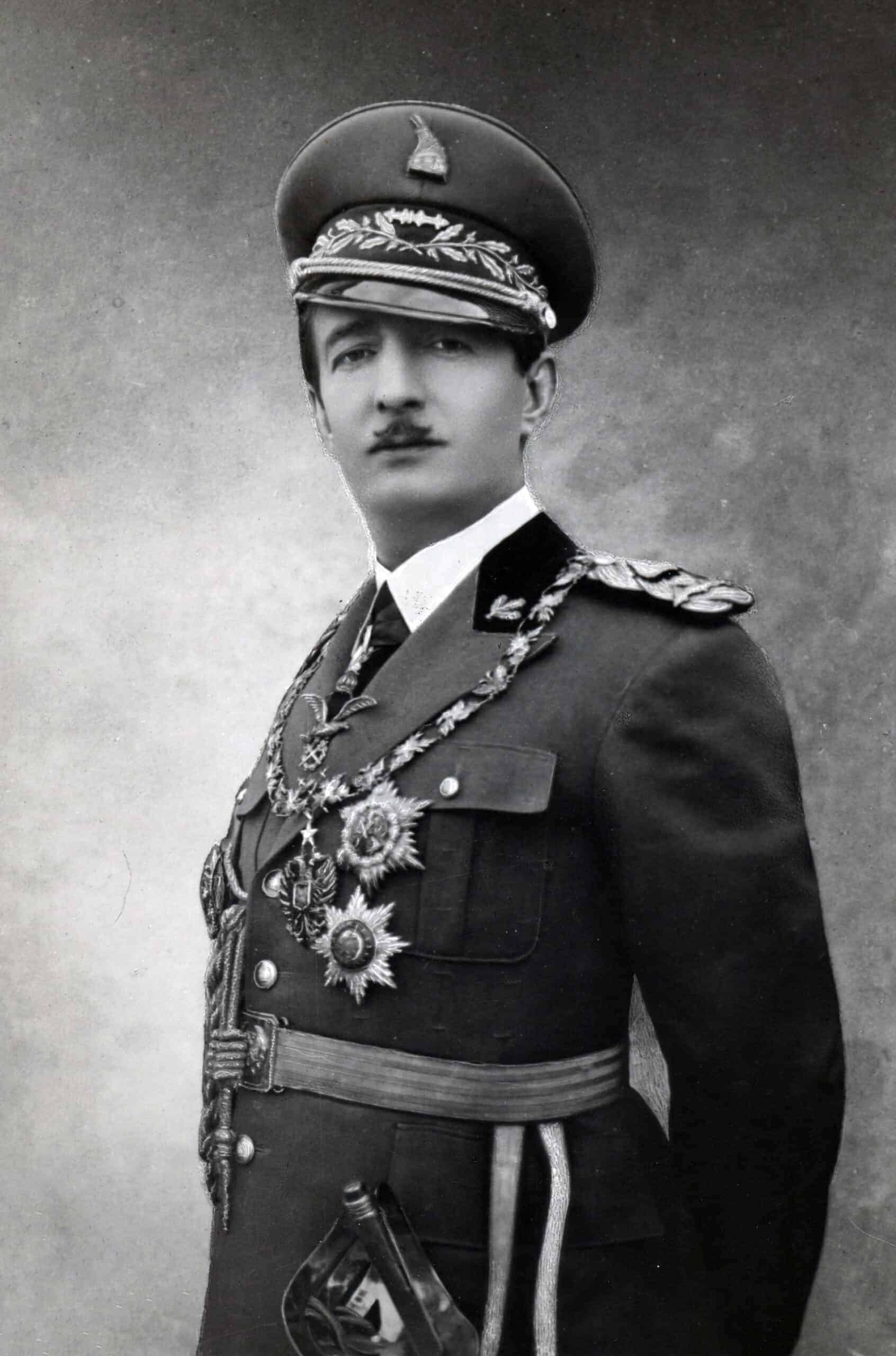
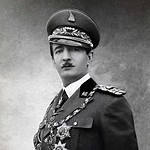
Zog I of Albania
King Zog I is frequently said to have survived more than 50 assassination attempts, with 55 being the number most often repeated. That figure is difficult to document attempt by attempt, so it is safer to treat it as a traditional estimate rather than a verified total.
What is well documented is Zog's turbulent rise through Albanian politics. Born Ahmet Zogu, he became prime minister in 1922, president in 1925 and King of the Albanians in 1928. His increasingly authoritarian government created no shortage of political opponents.
Zog I of Albania
In February 1924, while Zog was prime minister, Beqir Valteri opened fire on him inside Albania's parliament building. Zog was wounded but survived. Political turmoil forced him from the premiership and eventually into exile that summer, although he returned to power before the end of the year.
Another dramatic attack came in Vienna on February 20, 1931. Gunmen opened fire as Zog left the opera after a performance of Pagliacci. His adjutant was killed and another member of his entourage was wounded, but Zog escaped unharmed. He remained king until Italy invaded Albania in April 1939 and forced him into exile.
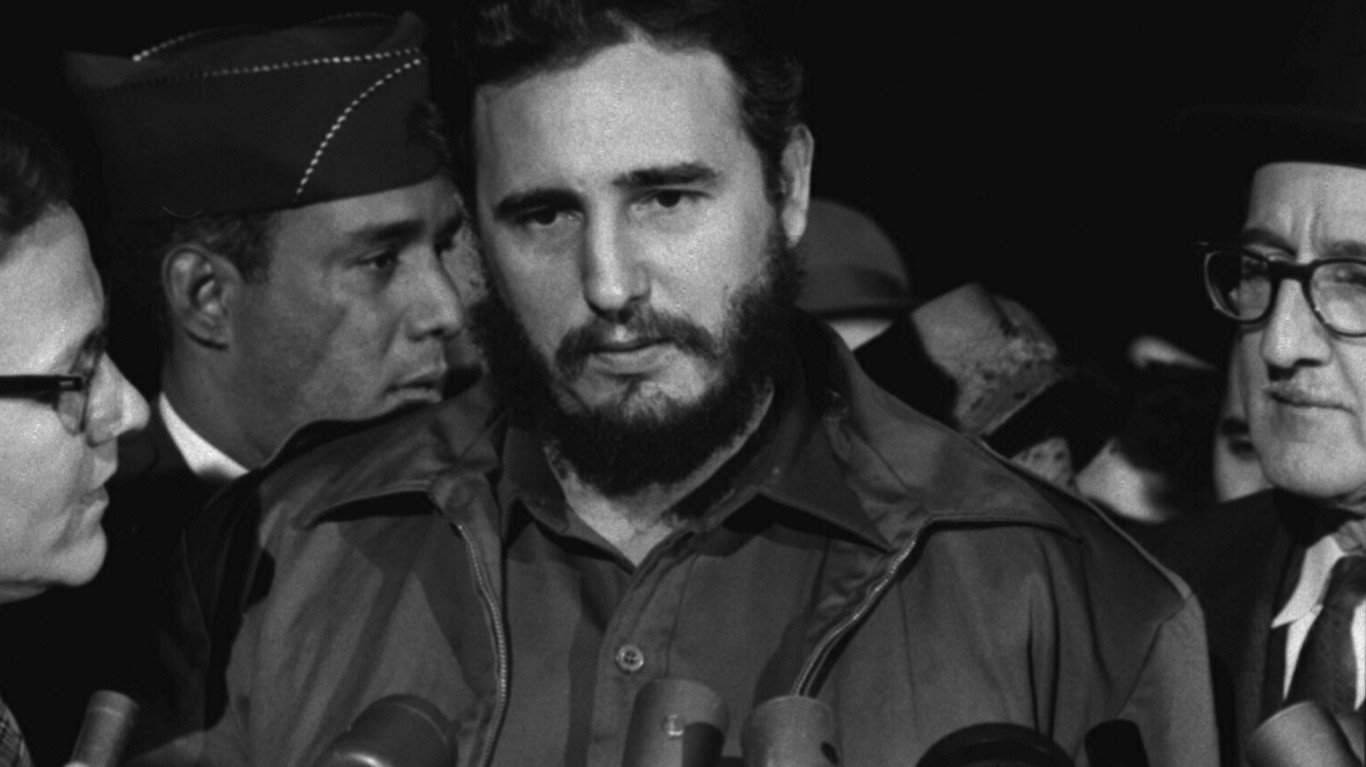
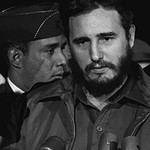
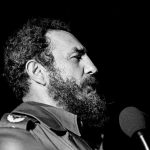
Fidel Castro
Fidel Castro is routinely described as the most targeted political leader in modern history, and one number follows him everywhere: 634 assassination attempts. That figure came from Fabián Escalante, a former senior Cuban intelligence official. It should not be treated as 634 independently verified attacks.
What is beyond dispute is that U.S. officials repeatedly plotted against Castro. A 1975 U.S. Senate investigation known as the Church Committee found concrete evidence of at least eight CIA assassination plots involving Castro between 1960 and 1965. Some never moved beyond planning, while others reached more advanced stages.
Fidel Castro
The documented CIA schemes were strange enough without embellishment. Congressional investigators found plots involving poison pills, firearms, organized-crime figures and other covert methods. Some proposed devices never got anywhere close to being used, which is one reason counting every idea as an "assassination attempt" produces wildly inflated totals.
Castro became Cuba's prime minister after the 1959 revolution that drove Fulgencio Batista from power and later served as president from 1976 until formally stepping down in 2008. He transferred day-to-day authority to his brother Raúl Castro in 2006 because of illness. Fidel Castro ultimately died in Havana on November 25, 2016, at age 90.