
library_of_congress / Flickr

Brigida_Soriano / Getty Images
howardlake / Flickr
Public Domain / Wikimedia Commons

Joe Raedle / Getty Images News via Getty Images
library_of_congress / Flickr
Express Newspapers / Hulton Archive via Getty Images

Christopher Furlong / Getty Images News via Getty Images
AzaToth / Wikimedia Commons
Carl Court / Getty Images

FroggyFrogg / Getty Images
Dan Kitwood / Getty Images News via Getty Images




A History of the World’s Most Infamous Poisonings
Poison has long been one of history’s most fascinating methods of murder, capable of killing silently and sometimes without detection. Oftentimes, the victim is unaware they are being targeted until it is too late. Unlike violent killings, poisoning relies on subtlety, patience, and planning. Various types of toxic substances have been used for nefarious purposes from ancient civilizations to the present day. Poison has been used as a calculated weapon in global political struggles, personal vendettas, and spousal disputes.
Some of the most infamous poisonings involve powerful leaders, while others involve regular people who became unsuspecting victims. In every case, their deaths shocked the world. While some of these ancient cases remain debated or unresolved, advances in science have helped uncover the truth behind many modern-day crimes. Together, these cases reveal just how dangerous poison can be.
24/7 Tempo has compiled a list of history's most famous poisonings by reviewing historical accounts and current news articles, using sources including Britannica. Not all poison deaths were intentional, as you're about to see. Let's dive in.
This post was updated April 28, 2026.
Socrates
- Died: 399 B.C.
The Greek philosopher Socrates was sentenced to death in 399 B.C. after being found guilty of impiety and corrupting the youth of Athens. As required by law, he drank a cup of hemlock, a plant that causes paralysis and slow-onset respiratory failure. According to historical accounts, Socrates remained calm and composed as the poison took effect. His death remains one of the most famous poisonings in history.
Emperor Claudius
- Died: 54 A.D.
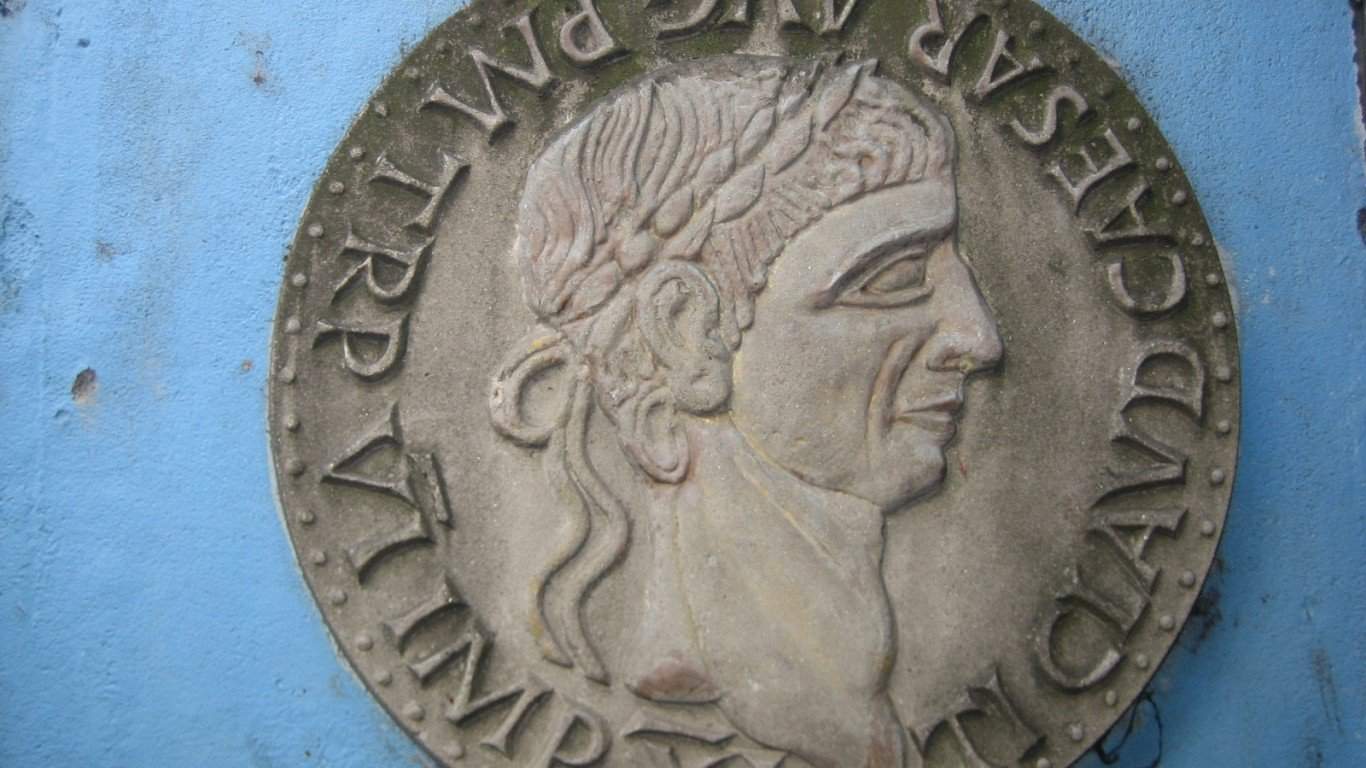
In perhaps one of history's earliest spousal murders, Roman Emperor Claudius is widely believed to have been poisoned by his wife, Agrippina, in 54 A.D. Claudius’s sudden death led historians to suspect that Agrippina used toxic mushrooms to murder her husband and secure the throne for her son, Nero. The incident is often cited as a classic example of political betrayal in ancient Rome.
Beorhtric of Wessex
- Died: 802 A.D.
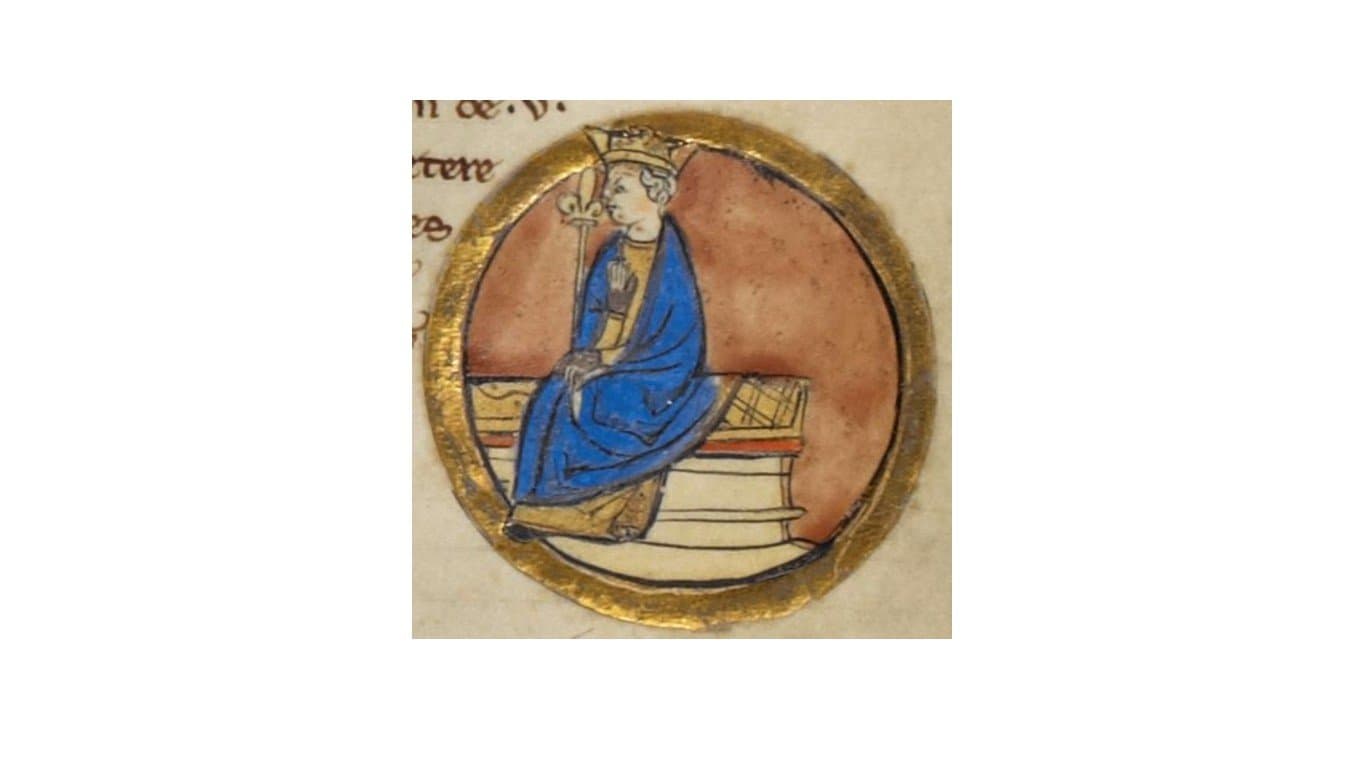
Beorhtric, King of Wessex, is said to have died in 802 A.D. after accidentally ingesting poison. The toxin had reportedly been prepared by his wife, Eadburh, to use against a political rival. The king unknowingly drank it himself, leading to his untimely death. This case stands out as a rare example of an unintended fatal poisoning.
Juan Ponce de León
- Died: 1521
Spanish explorer Juan Ponce de León was fatally wounded in 1521 during an expedition to Florida. He was hit by a poison-tipped arrow by members of the Native American Calusa tribe. Though his death was not instant and he managed to escape to Cuba, the poison from the wound ultimately led to his death.
Olive Thomas
- Died: 1920
Silent film star Olive Thomas died in 1920 after accidentally ingesting a toxic substance. The young actress thought she was taking medication, but instead consumed mercury bichloride, a highly poisonous chemical used in her husband’s topical treatment. She fell seriously ill and died several days later. Her death shocked Hollywood and remains one of the entertainment industry's earliest tragedies.
Eva Braun
- Died: 1945
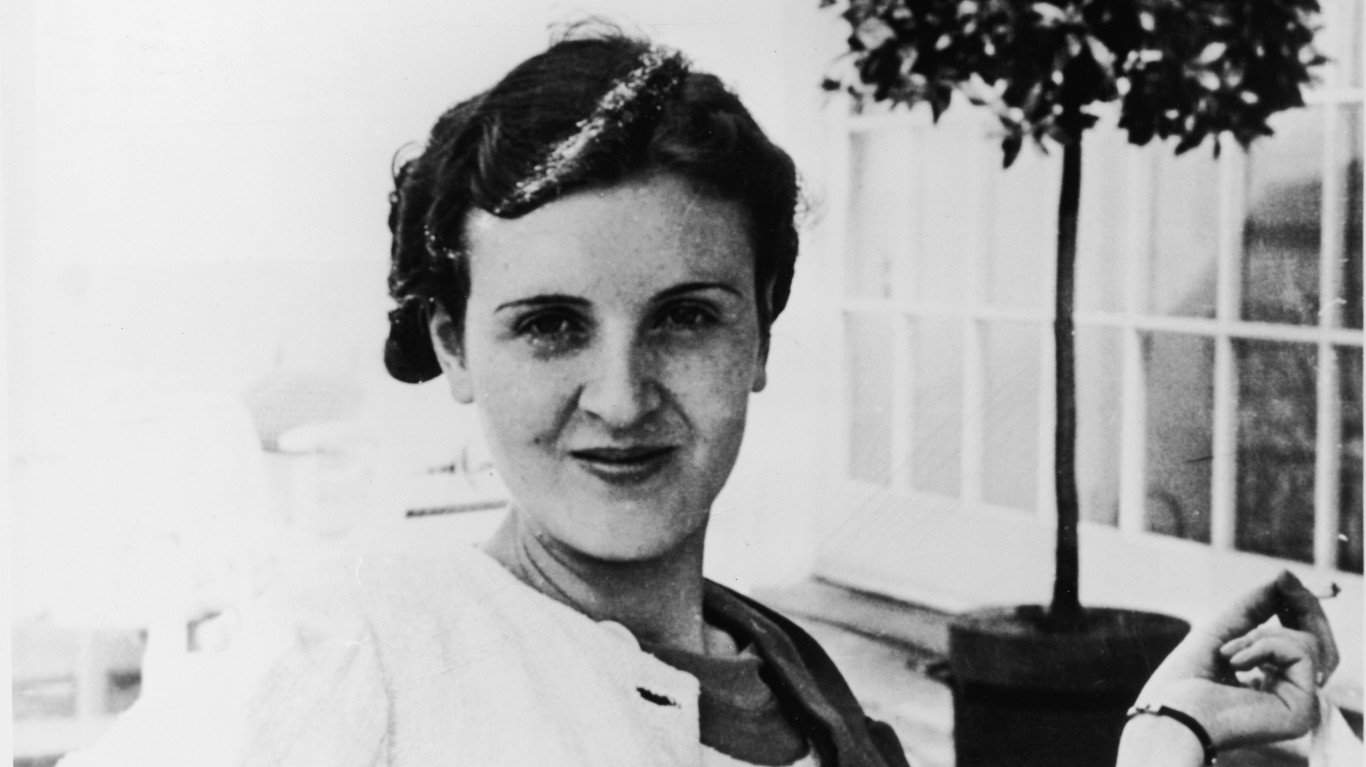
Though the poison that ultimately killed Eva Braun was given to her by her husband, the choice to take it was hers. Braun, long-term companion (and briefly the wife) of German dictator Adolf Hitler, accompanied her husband to the grave at the end of WWII. As Soviet forces closed in on Berlin, Hitler and his compatriots knew they were doomed. Not wanting to be captured alive, Hitler and his wife committed suicide. He shot himself in the head, while Eva Braun swallowed a cyanide capsule. Their deaths marked the final moments of Nazi Germany’s leadership.
Alan Turing
- Died: 1954
Alan Turing, a pioneering mathematician and codebreaker, played a crucial role in deciphering German codes during World War II. He died suddenly in 1954 from cyanide poisoning. His death was officially ruled a suicide, though no one knows for sure if he intended to end his life. Some have suggested it may have been an accidental poisoning due to his chemical experiments.
Georgi Markov
- Died: 1978
In one of the most famous examples of Cold War espionage, Bulgarian dissident Georgi Markov was murdered in London in 1978. The method of poisoning was highly unusual. While Markov waited at a bus stop, an assassin jabbed him in the leg with an umbrella that injected a tiny chemical-filled pellet under his skin. He died within days.
Alexander Litvinenko
- Died: 2006
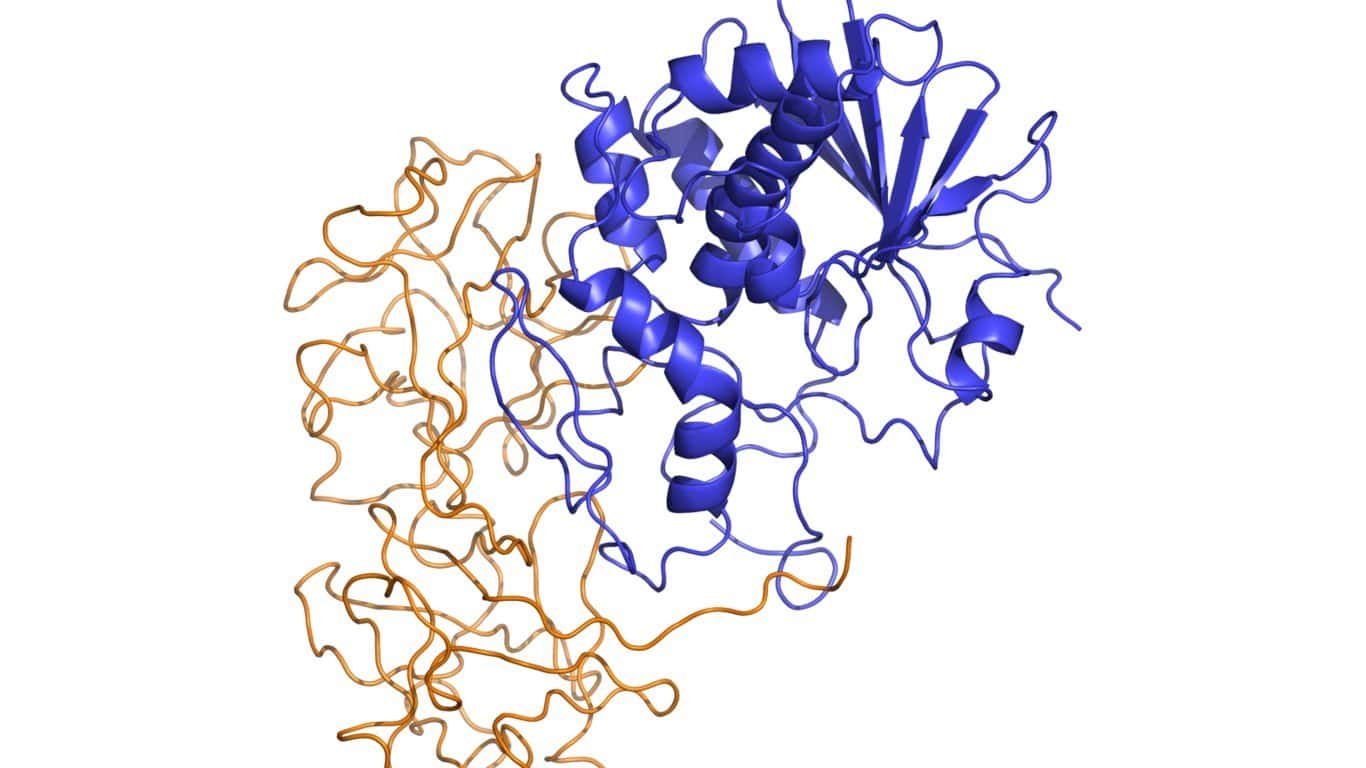
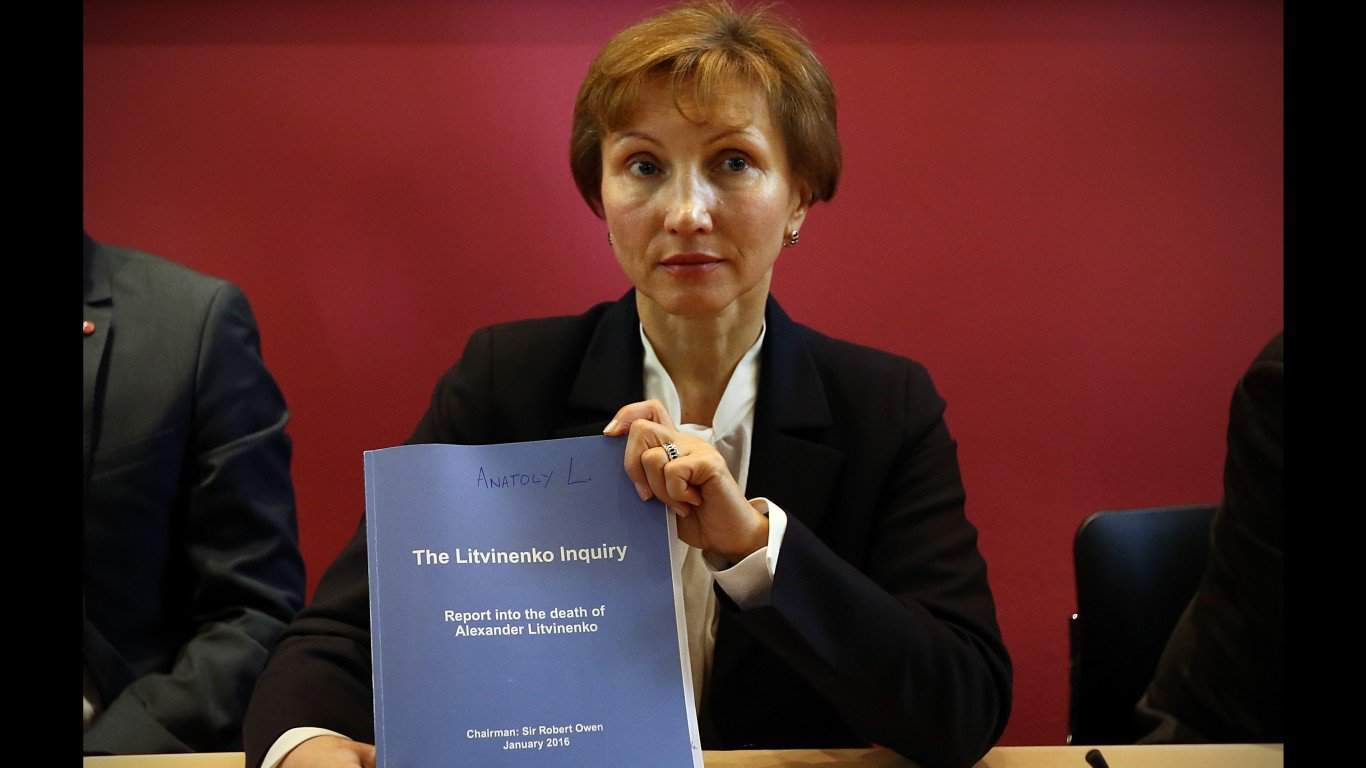
After former Russian agent Alexander Litvinenko attended a London meeting in 2006, he immediately became sick. Litvinenko deteriorated rapidly over several weeks, eventually dying. Investigations later concluded that he had been poisoned with radioactive polonium-210, a rare and highly dangerous substance. The killing was likely carried out by individuals linked to the Russian government.
Garnett Spears
- Died: 2014
In perhaps the most tragic case on our list, Garnett Spears was a five-year-old boy who died in 2014 from salt poisoning. His mother had been secretly administering excessive amounts of salt through his feeding tube over time. She was later diagnosed with Munchausen syndrome by proxy and convicted of his murder. The case is a disturbing example of a rare form of abuse disguised as caregiving.
Dawn Sturgess
- Died: 2018
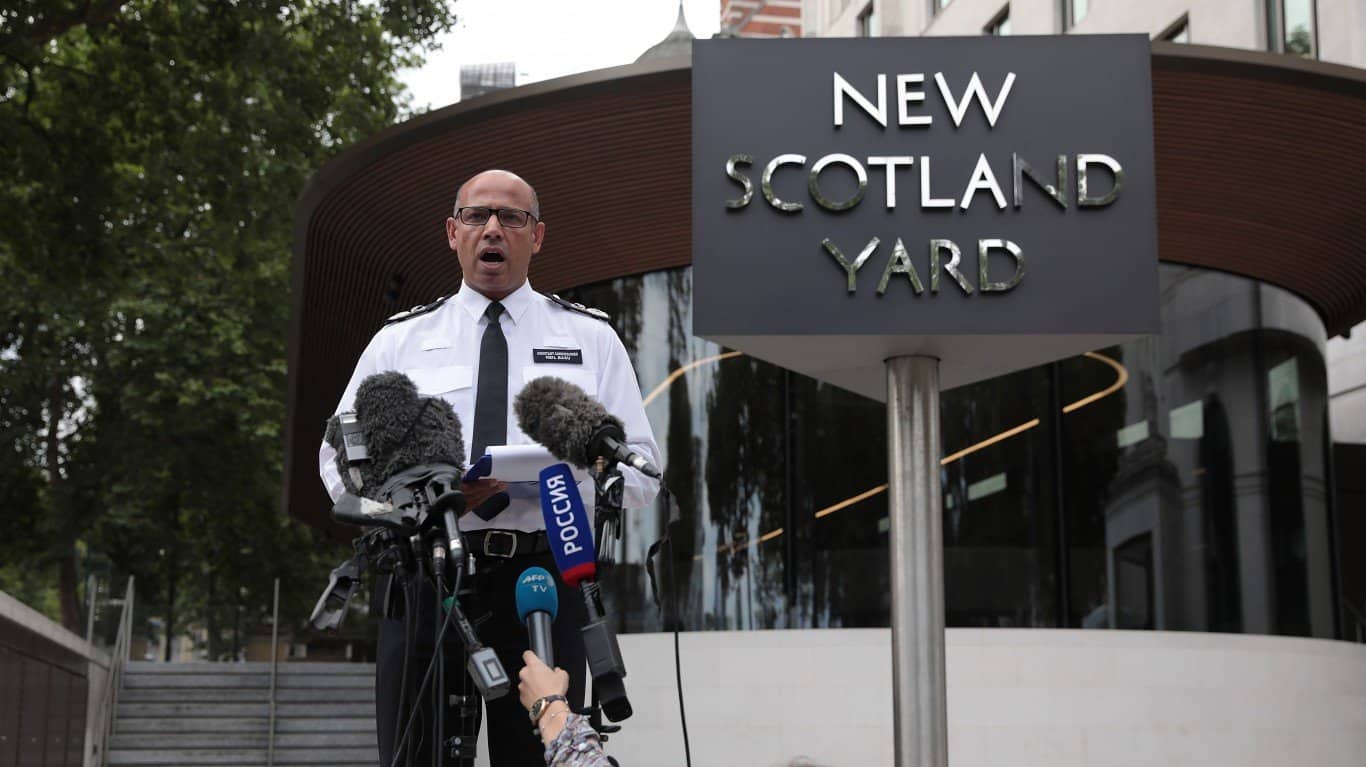
After a nerve agent originally used in an assassination attempt was carelessly discarded in a perfume bottle, it unknowingly led to a tragic 2018 death. The supposed perfume inadvertently ended up in the hands of Charlie Rowley, who gifted it to his girlfriend, Dawn Sturgess. Unaware of the danger, she sprayed the substance directly onto her skin. Sturgess became seriously ill and later died. Her death is a rare example of the unintended consequences of chemical weapons used by civilians.