








Military Mistakes That Unexpectedly Led to Victory
Military history is often shaped as much by mistakes as by strategy. Plans that appear sound on paper can quickly unravel in the chaos of battle, where miscommunication, poor timing, or flawed decisions can change outcomes in unexpected ways.
In some cases, however, what looks like a blunder in the moment ends up contributing to an unlikely victory. From missteps in leadership to tactical errors on the battlefield, these moments reveal how unpredictable warfare can be. In this slideshow, we examine military mistakes that, against the odds, ultimately helped lead to success.
Battle of Agincourt
When talking about any sort of military mistakes, you have to mention Agincourt. This 1415 battle saw a vastly outnumbered English force staring down an estimated 20,000 to 30,000 French soldiers and knights. Despite the English being plagued with disease, lacking supplies, and exhausted from a costly siege in Harfleur, they were able to turn the terrain at Agincourt to their advantage. Muddy fields led to exhausted knights and soldiers. This meant English archers could take their time picking targets. A miscoordinated French assault led to an advanced with tightly-packed formations, making for a target-rich environment. Agincourt is one of history's great upsets, and saw England tipping the scale of power and influence across Europe in their direction for decades in its aftermath.
Battle of Mollwitz
Emperors and kings leading from the front can be great for morale, but spells certain doom if they aren't experienced commanders. Frederick II of Prussia made some grave errors during his first true campaign. Troops were misdeployed, the terrain wasn't accounted for, and and Frederick even ended up fleeing the battlefield when the cavalry routed. However, this isn't where the mistake happened. Prussia's opponents, the Austrians, failed to capitalize on the advantage, and the Prussian infantry and artillery pressed the advantage. While Frederick messed up, his officer corps more than held the line.
Battle of New Orleans
The final battle of the War of 1812 came after the war had officially ended, with the Treat of Ghent signed just over two weeks before the battle started. Communication wasn't instantly delivered during the war, telegraph lines were still a few decades from being the norm as well. That said, the British stumbled into an ill-planned battle that was tactically unnecessary. American positions were well fortified, and the defenders led by future president Andrew Jackson were more than prepared for the British assault. British troops attacked without adequate supplies, intel, and made the fatal mistake of attacking on open ground. What could've been a pointless battle in the footnotes of history ended up turning into a decisive victory fo American morale.
Attack of Pearl Harbor
If you're looking at just the raw numbers, then Pearl Harbor is a tactical victory for Imperial Japan. They inflicted greater casualties, even sinking a few of the United States's vessels. However, despite being a victory intended to bloody America and keep them out of the war, Japan didn't achieve any of its true aims. Not a single one of the American aircraft carriers was sunk. Further, the aftermath of the attack lit a fire in the American population. While Japan thought the attack would keep America out of World War 2, it ended up backfiring spectacularly. Imperial Japan's ambitions were directly quashed in part thanks to the risky gamble it took in targeting the Pacific Fleet. By 1942, the United States would be breaking the Japanese fleet's back at Midway, changing the momentum of the Pacific Theater.
Tet Offensive
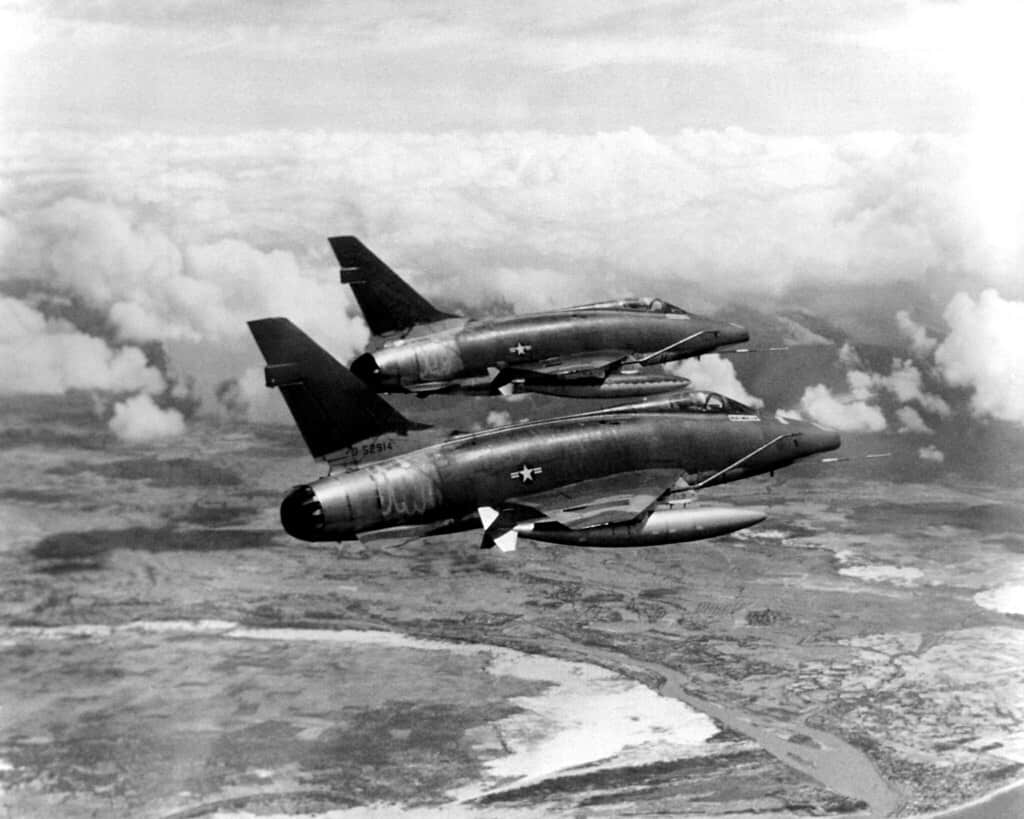
The Vietnam War's 1968 Tet Offensive was a tactical victory for American and South Vietnamese forces. Despite the higher casualties inflicted on the North Vietnamese and Viet Cong, it highlighted a few fatal mistakes in American planning for the war. First, it caught America's top brass completely off-guard, with intelligence completely lacking in the lead up to the attack. The more pressing mistake was just how little America's populace could stomach a brutal, violent war like Vietnam. The Tet Offensive was televised live as part of the evening news in some households, and the North Vietnamese goal of undermining the American military paid off. While the battle itself was a complete mistake militarily for the North Vietnamese, they would see the United States withdraw in 1975.
Battle of the Bulge
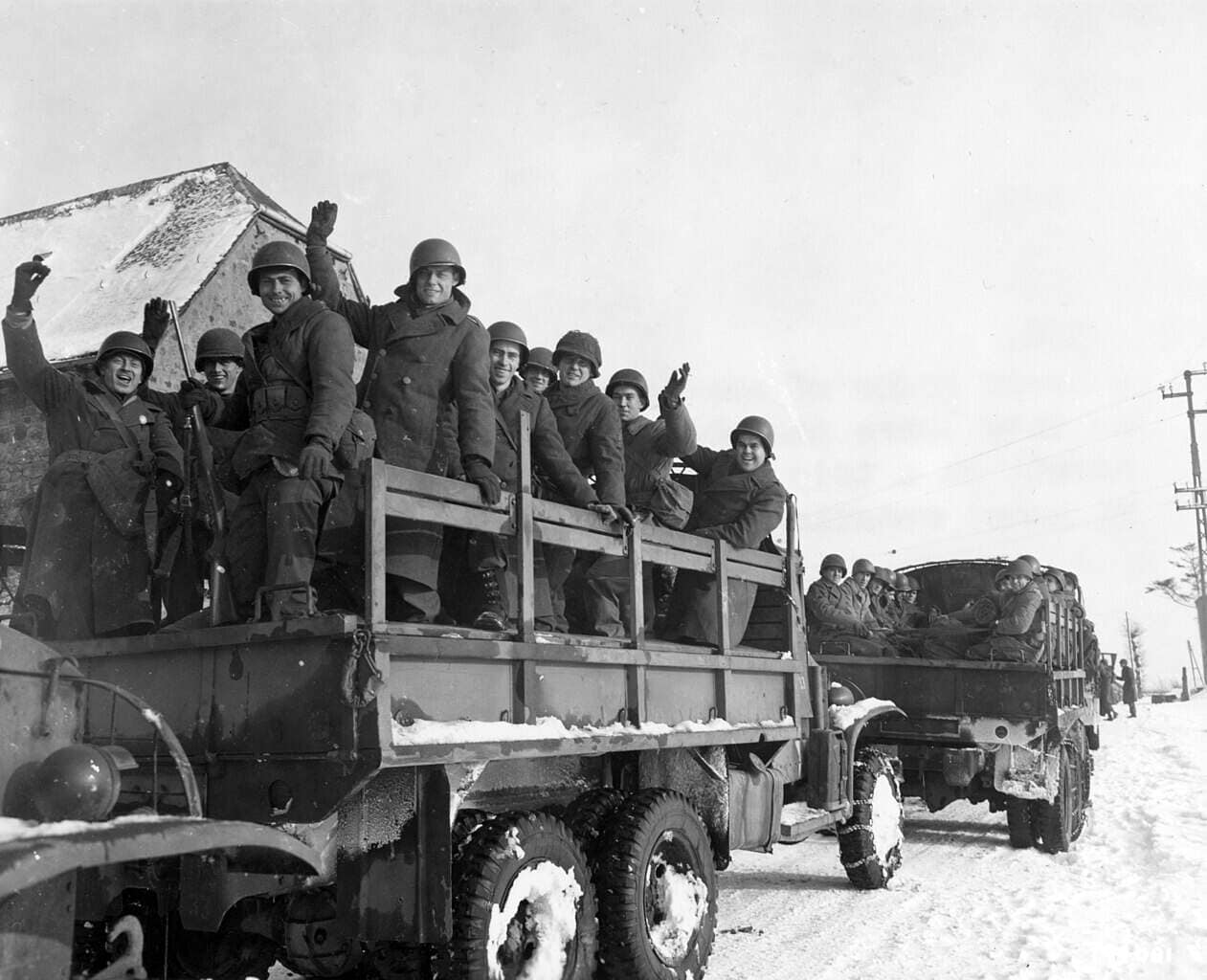
By late 1944, Nazi Germany was on the ropes. Along the Western Front, the Germans took on a risky gamble. The Ardennes Offensive saw German forces dealing with poor logistics, a determined opponent, and operating on a lack of intelligence as far as weather and terrain went. As Germany's last major offensive on the Western Front, it was an unmitigated disaster. While some early successes were noted, by the end of the offensive the Allies were conducting counterattacks. If anything, it accelerated the collapse of the Western Front.
Battle of Gettysburg
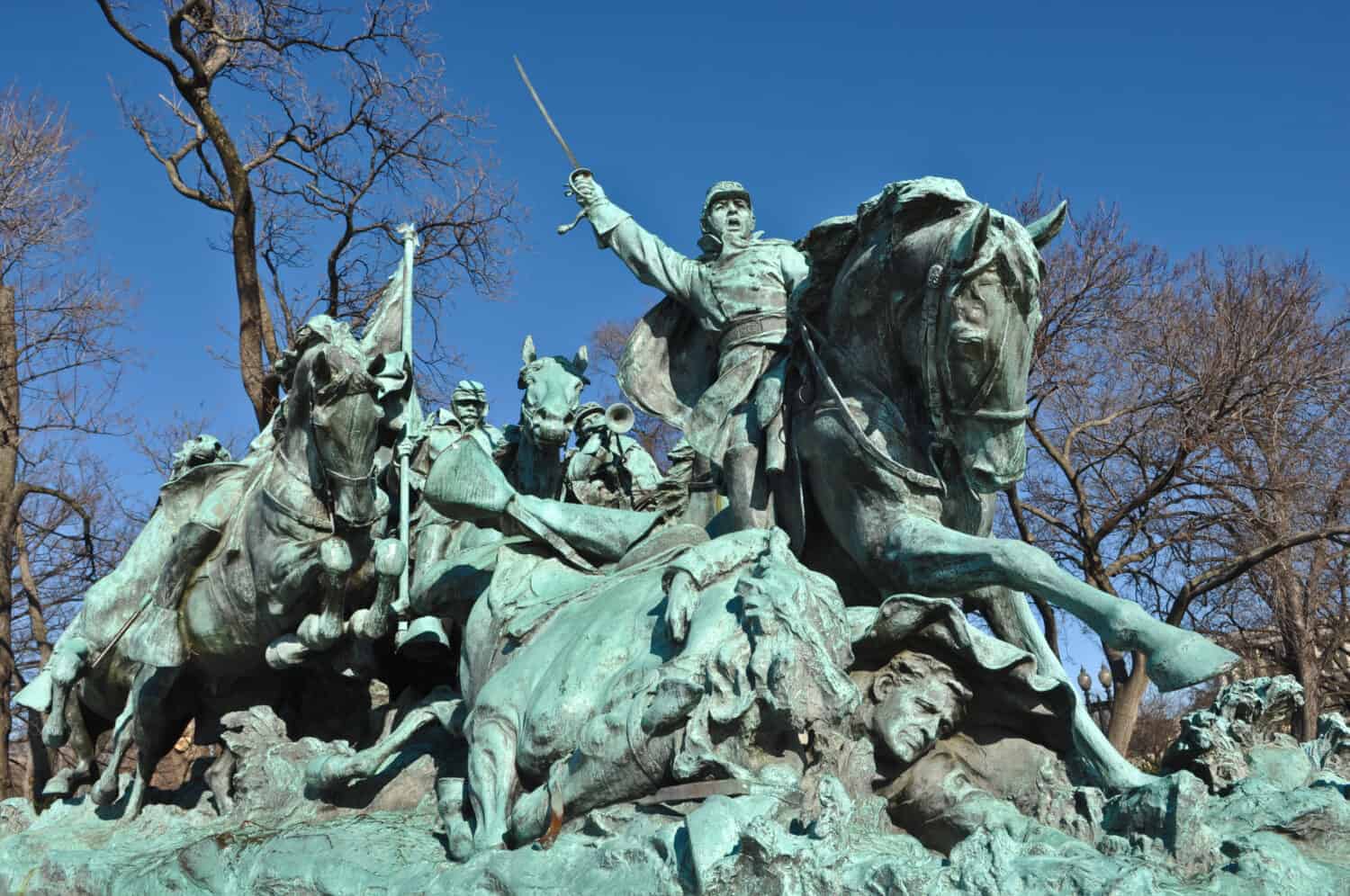
Confederate General Robert E. Lee has something of a pristine reputation since the conclusion of the American Civil War. That said, he made a massive mistake in ordering Pickett's Charge across open ground, vastly misjudging Union strength. Despite the Union's own hangups with command, were able to readily repel the charge, turning the tide of the entire war in its favor. While the Confederacy would doggedly stay in the war for the next two years, Lee's gamble ended up handing the Union a decisive victory.
Siege of Yorktown
Thanks to help from the French, American forces were able to successfully wage a war against the British. This came to a head in 1781 at the Siege of Yorktown. British forces, led under Cornwallis, had their issues with communications and supplies. Their fatal error came from misjudging the French and American naval presence. The Franco-American coalition was quick to capitalize on this, leading to withering naval bombardment. British errors effectively helped the fledgling United States win its independence.
Battle of Vimy Ridge
April 1917, saw German forces engaging the United Kingdom and Canadian troops in what was assumed to be a fairly standard battle. German forces had grown rather comfortable in the assumption that the combined forces of the British and Canadians couldn't contest German defensive lines. That said, German command failed to account for the sheer amount of artillery at the British and Canadian forces' disposal. The Battle of Vimy Ridge lasted a mere three days, compared to some of the longer battles in the war like Verdun or Somme. Germany's planning mistakes allowed the Allies to make a substantial breakthrough, shattering what could've been a continued stalemate.
Battle of Castillon
We started today's list with a French blunder, and we're ending on an English blunder. The Battle of Castillon took place in 1453, nearly 40 years after the French's devastating defeat at Agincourt. This time, it was the English who made a grave mistake, as they advanced on French positions without counter-artillery batteries in position. French artillery tore apart English forces, signaling the end of Hundred Years' War. If the English had deployed artillery of their own, the battle could've had a very different outcome. However, by attacking fortified positions within range of French artillery, they suffered a staggering defeat.