Battles Time Forgot: Conflicts That Defined Eras
War is a haunting memory, for those who fight in it and for the civilians involved. It is something they will never forget and often re-live the horrors of combat years later. And yet, for others who may not have been alive when battles occurred or weren't affected by them, these conflicts often go unacknowledged and forgotten. Many of these wars that shaped history are now overlooked.
We are typically only taught about major wars in school, from the American Revolution and the Civil War to World Wars I and II and the Vietnam War. But these aren't the only wars that have occurred. These are only a minute fraction of what has taken place across the globe. While some may be more significant than others, with more implications and ramifications, every battle has impacted those involved and the surrounding areas.
To determine wars that shaped history but are now overlooked, 24/7 Tempo scoured the internet to find the best historical sources. We collected data from several websites including History.com, History Forum, and the Wilson Center. For this list, we're going with the definition that a "war" is an armed, intense conflict between states, groups, societies, or governments. (You can also learn about the many secret undercover missions during World War II.)
This post was updated on October 10, 2025 to clarify how the Philippine-American War ended, the major players and number of casualties in the Korean War, reasons for the Quasi-War, nations participating in the Boxer Rebellion, Mongol command during the Battle of Ayn Jalut, who fought in the Sonderbund War, installed sultan following the Anglo-Zanzibar War, and the main players in King Philip's War.
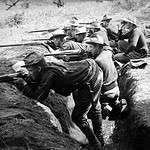
The Philippine-American War
- When It Occurred: 1899 – 1902
- Who Fought: United States and Philippines
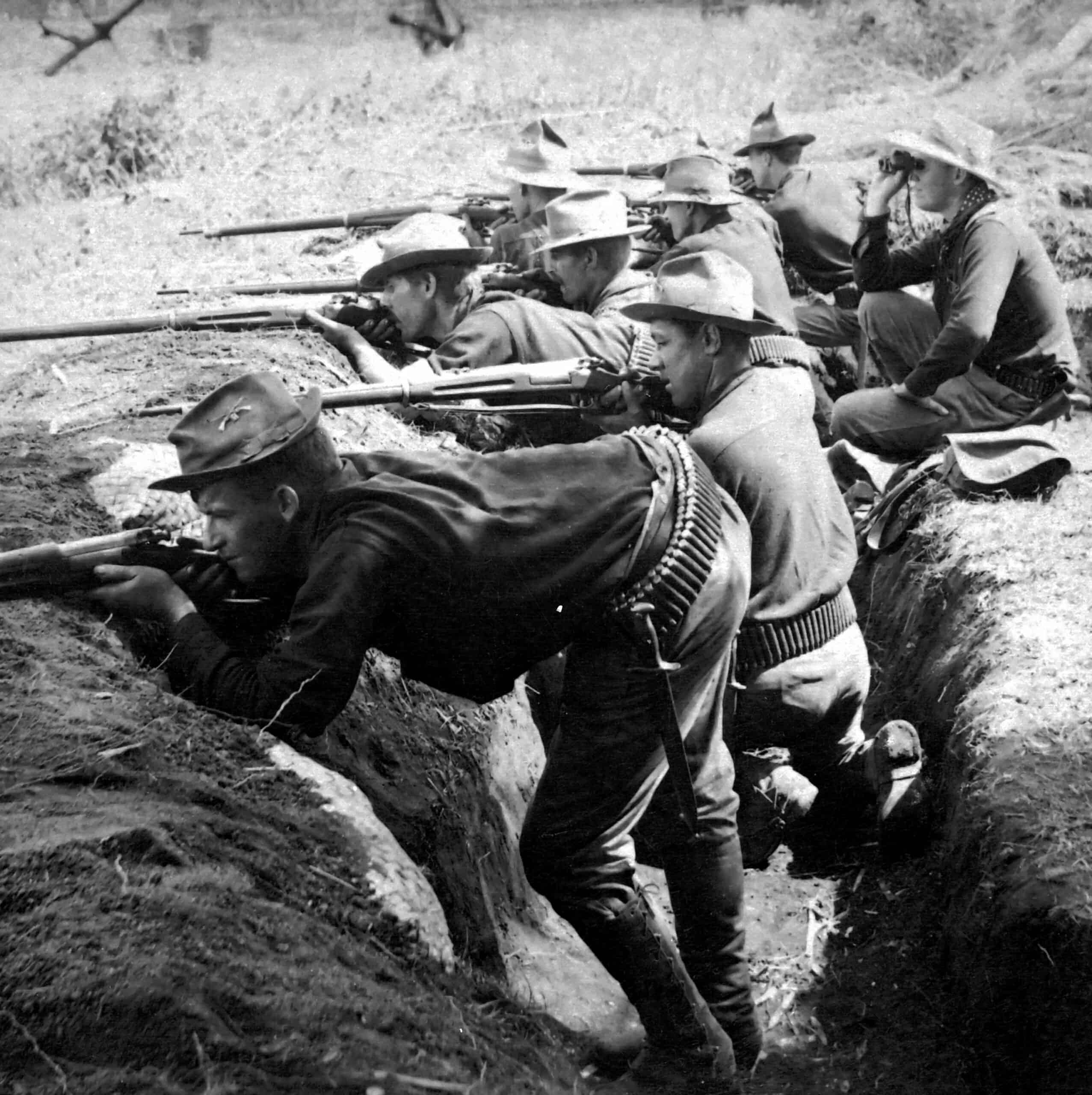
This is a time in history that many people may not remember. It was 1898 when the Treaty of Paris effectively ended the Spanish-American War. As part of the settlement, the U.S. gained ownership of Guam, Puerto Rico, and the Philippines.
All was well except in the Philippines. The Filipinos didn't anticipate that the U.S. would annex them. Instead, they thought they would have their independence. The conflict began after a skirmish in Manila on Feb. 4, 1899.
The Philippine army began with traditional warfare but soon found that they were running out of resources, so they switched to guerilla warfare, and the battle continued for three years. There were many casualties from the fighting and disease.
The war effectively ended after Aguinaldo's capture in 1901 and widespread pacification. Limited self-government (e.g., Philippine Commission, later the Philippine Assembly in 1907) arrived under U.S. rule. Full independence didn't come until 1946 with the Treaty of Manila.
The Korean War
- When It Occurred: 1950-1953
- Who Fought: North Korea (later with China) vs. South Korea (supported by a UN command led by the U.S.)
Many people have heard of The Korean War, but it's rarely covered in depth in class or history books. This conflict is often referred to as "the Forgotten War." This war took place at the very start of the Cold War.
It all began when the communist North Korean People's Army moved across the 38th parallel into what was then the pro-Western Republic of Korea, which would eventually become South Korea. In no time, U.S. troops were called to support the South and battling and warfare went on for the next few years.
The result was the death of between 2–4 million civilians and soldiers. Even today, no formal peace treaty has resulted. The 1953 armistice still stands.
The Quasi War
- When It Occurred: 1798–1800
- Who Fought: United States and France
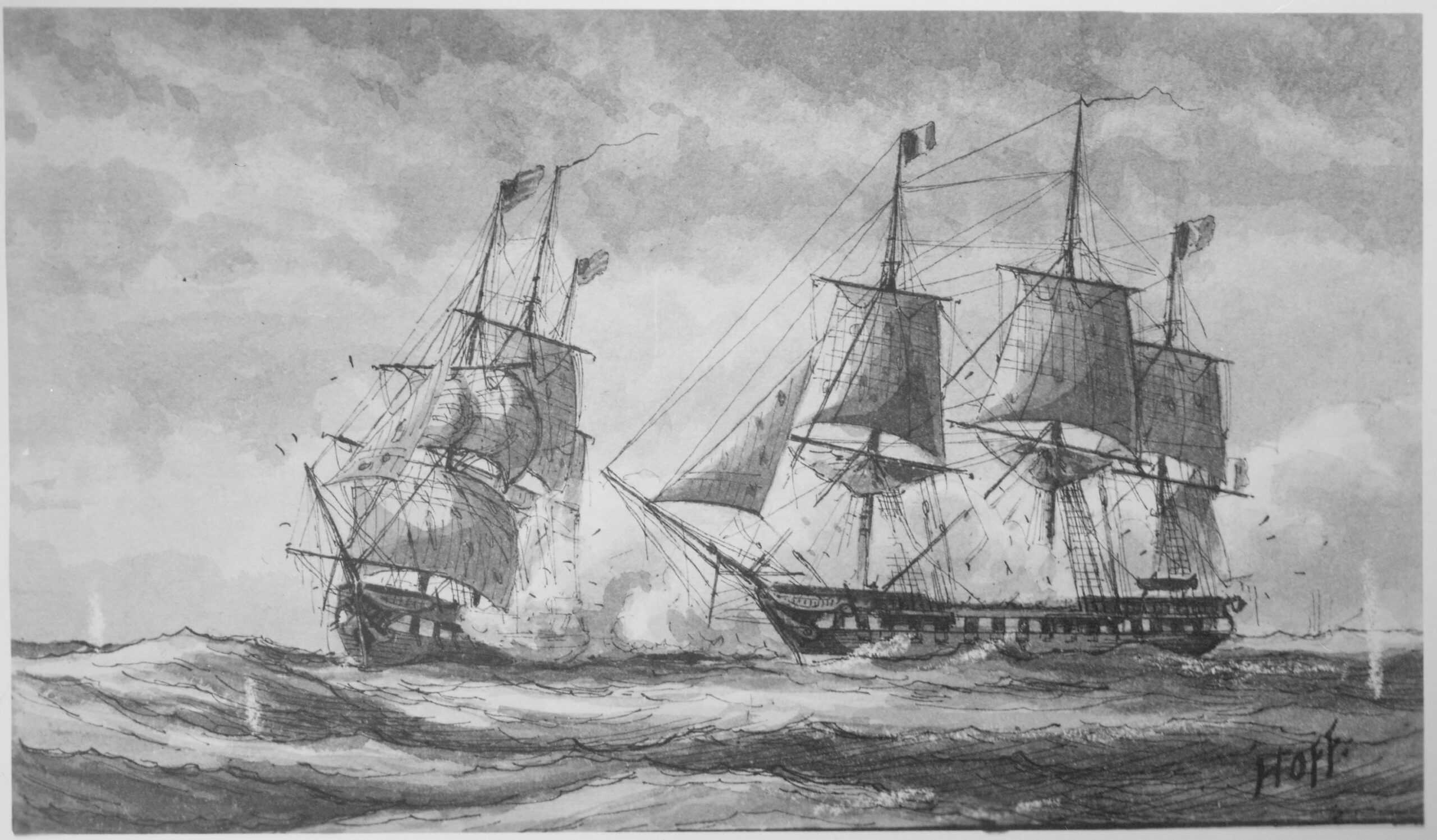
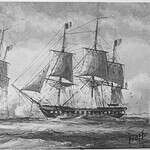
The United States had borrowed money from France to fund the Revolutionary War. Afterward, they were repaying France for years. However, in 1793, when the U.S. was still repaying the loans, King Louis XVI was executed, and France's government was overthrown.
Because of the French Revolution, representatives from America believed France voided the loan agreement, so they stopped sending money to pay off the loans. Then, the U.S. also rescinded the commercial and diplomatic treaties they had set up.However, the main trigger was the XYZ Affair and maritime seizures amid the French Revolutionary Wars.
Starting in 1798, France retaliated by sending privateers to attack U.S. ships. The U.S. fought back by attacking French ships. The battle went on for two years. The result was that the U.S. captured 80 French ships and defeated French vessels.
In 1800, negotiations between the two nations continued, and diplomatic relations improved. However, in the end, more than 300 American ships were captured, and 82 Americans were killed.
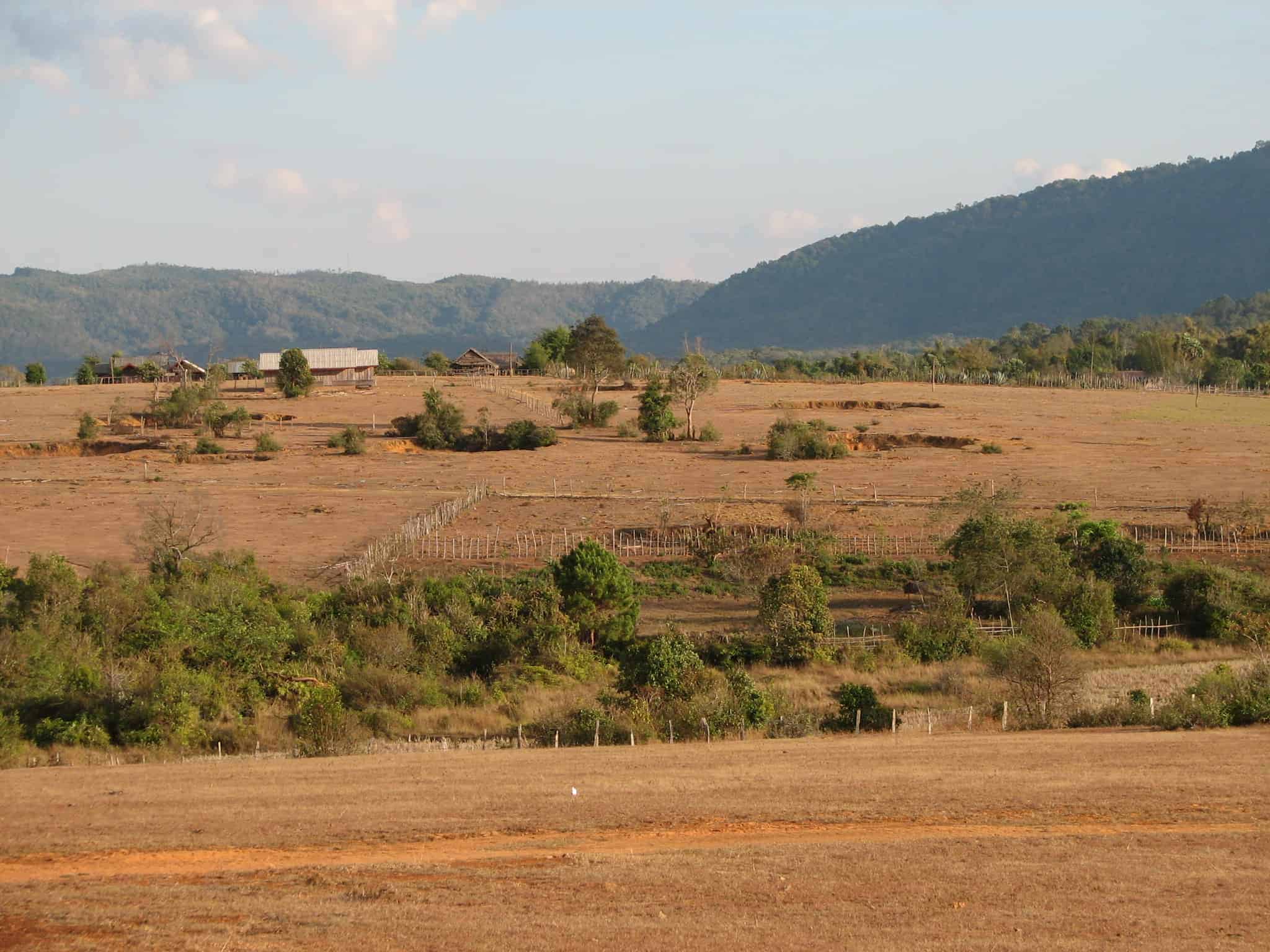
Bombing of Laos
- When It Occurred: 1964-1973
- Who Fought: United States vs. the Pathet Lao and North Vietnamese (using Lao and Hmong allies)
This war is so secret and forgotten that the details have yet to see the light of day. The covert U.S. air campaign was the result of several factors.
It began as an attempt by the CIA to take power from the communist group Pathet Lao, which had been allied with the Soviet Union and North Vietnam during the Vietnam War. The bombings of Laos continued in part due to Dwight D. Eisenhower's past Domino Theory, which he believed would keep communism at bay.
Major bombing occurred under Johnson and Nixon. Most of the bombings targeted North Vietnamese supply routes that went through the Ho Chi Minh Trail and stretched into Laos and Cambodia. The bombings had mostly ceased by 1973.
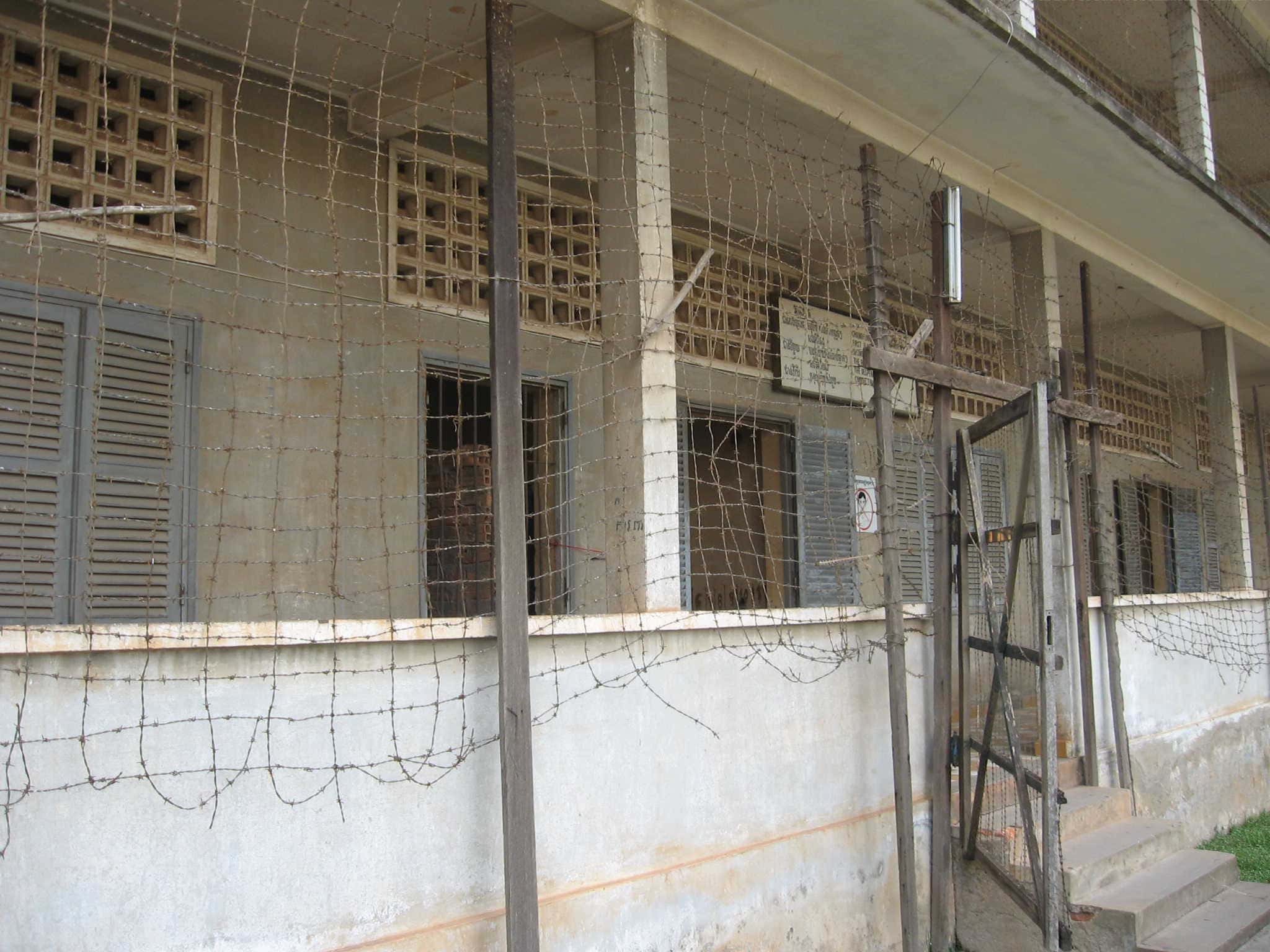
The Cambodian Genocide
- When It Occurred: 1975-1979
- Who Fought: The Khmer Rouge regime under Pol Pot vs. Cambodians
Shortly after the highly publicized bombings of Laos, the Cambodian Genocide occurred at the hands of the Khmer Rouge and Pol Pot.
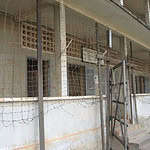
The genocide was due to disease plus the starvation, overworking, and execution of Cambodians while Pol Pot was in power. Many of them were thrown into detention centers that were so dangerous that only a handful survived out of tens of thousands.
Before the genocide, U.S.–South Vietnamese incursions into Cambodia occurred in 1970 targeting North Vietnamese sanctuaries.
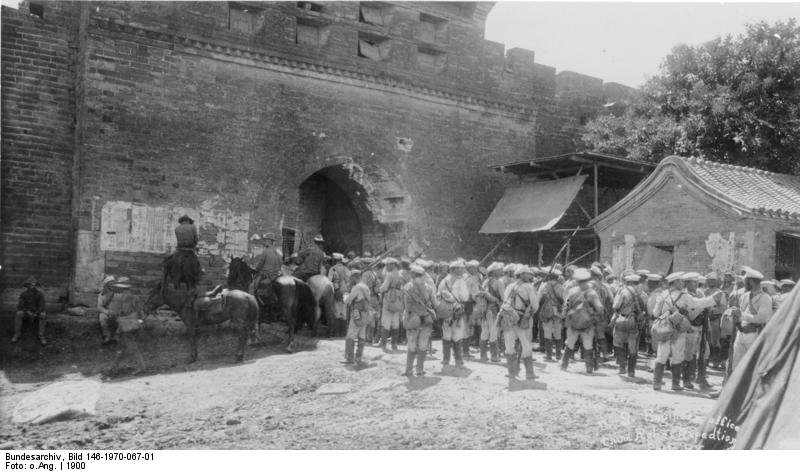
The China Relief Expedition
- When It Occurred: 1900
- Who Fought: The Eight-Nation Alliance (Japan, Russia, Britain, France, U.S., Germany, Italy, Austria-Hungary) vs. the Boxers and Qing forces
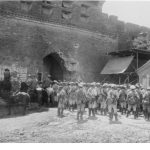
Also known as the Boxer Rebellion, this was a nationalist movement that took place in China as a group called the Fists of Righteous Harmony, also known as the Boxers, were on a mission to drive out all foreign colonizers. As a result, over 900 foreigners in the area fled from the attacks.
To help those foreigners, the United States teamed up with various other nations. The U.S. sent 2,500 soldiers. The pinnacle of the altercation occurred near the city of Beijing, where a multitude of nations fought off the Boxers.
Though it was a relatively brief "war," more than 100 Americans were killed.
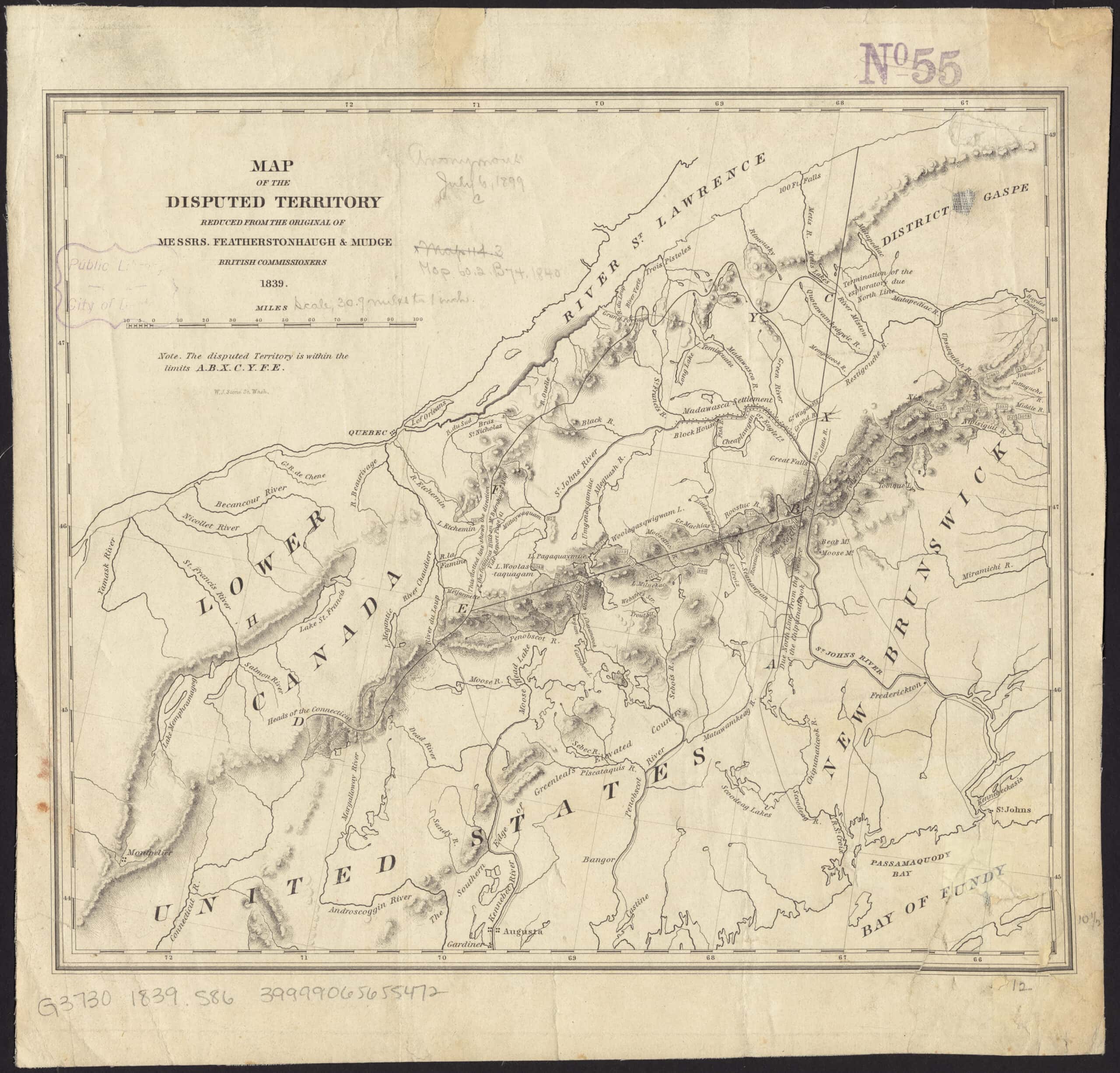
The Aroostook War
- When It Occurred: 1838-1839
- Who Fought: United States and United Kingdom
This small altercation occurred on the border between the state of Maine and the New Brunswick colony in 1838. The issue was that lumberjacks were arrested on both sides of the border because both the U.S. and U.K. forces thought they were harvesting trees on the wrong side.
The "war" itself was brief. While both sides took out their militias and were ready to fight, the issue was resolved diplomatically, and no soldiers were killed.
The Battle of Ain Jalut
- When It Occurred: 1260
- Who Fought: The Mamluks and the Mongols
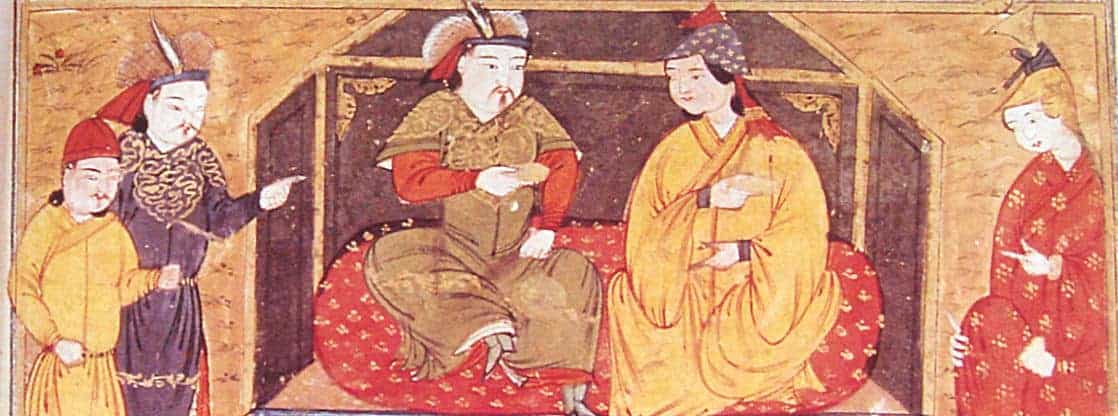
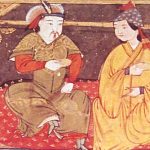
This long-ago battle occurred between the Mamluks, who ruled Egypt and Syria, and the Mongols, who were under Kitbuqa (after Hulagu withdrew). The Mongols sent envoys to Cairo and demanded that the Mamluks surrender.
However, the Mamluks did not want to surrender and instead beheaded the messengers the Mongols sent. Kitbuga went back to Mongolia, but he left behind 10,000 troops. They began raiding towns, and the Mamluks fought back, eventually crushing the Mongols. It was a decisive, hard-fought victory that checked further Mongol advance into the Levant.
U.S. Occupation of Nicaragua
- When It Occurred: 1912-1933
- Who Fought: United States and Nicaragua
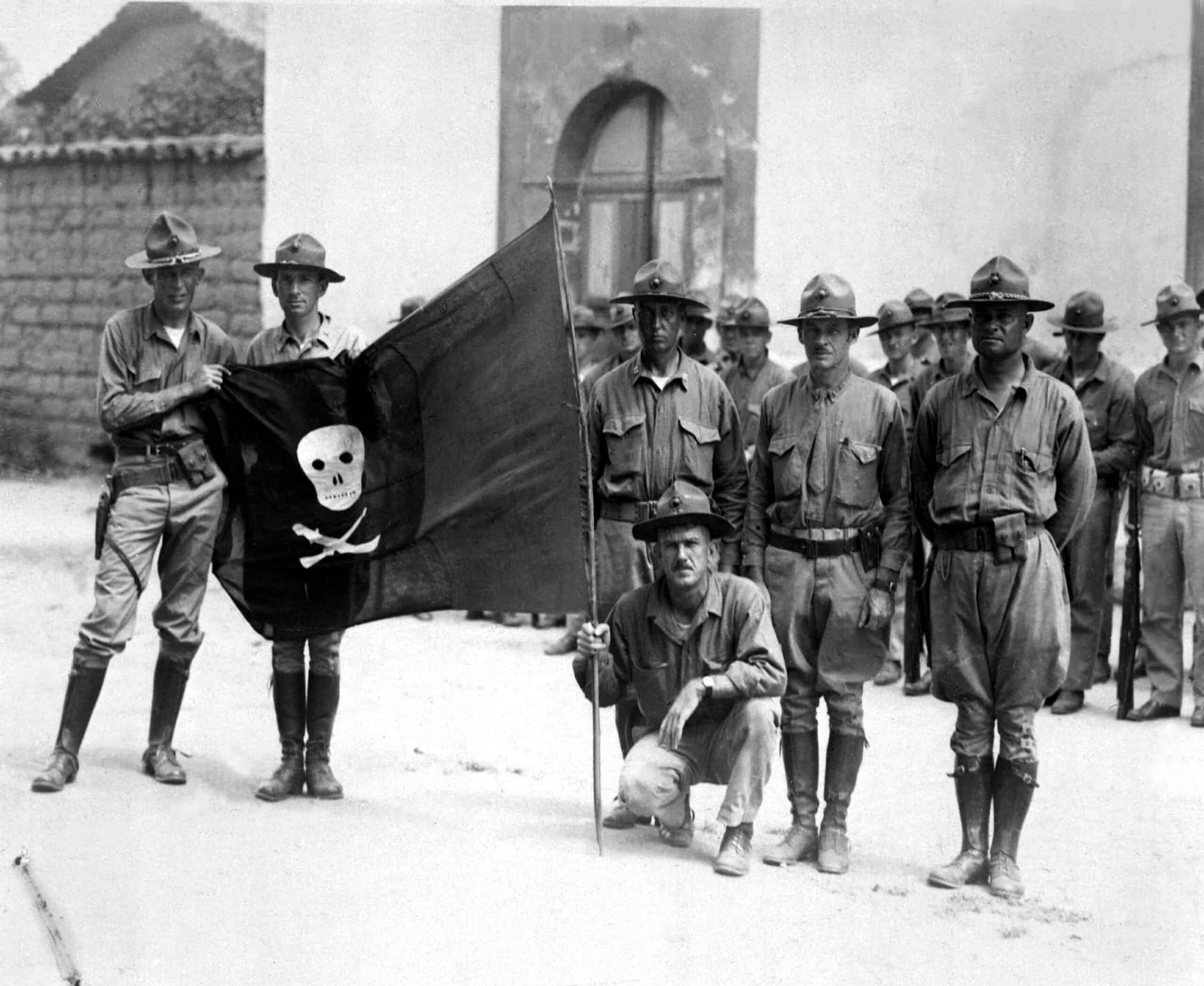
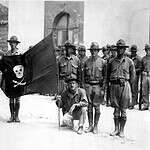
Nicaragua was in chaos as both liberal and conservative groups sought to control the government. Fearing complete destruction, representatives from the American embassy contacted Washington and asked for help to protect the Americans in Nicaragua.
In response, the U.S. sent over 500 soldiers to Nicaragua. The soldiers supported conservative regimes and fought Sandino's insurgency, protecting railroads and U.S.-owned businesses and working to restore stability to the nation. For many years, their plan was successful.
However, in 1927, Nicaragua fell into chaos again. The U.S. soldiers defeated the enemy forces through complex counterinsurgency and protectorate dynamics. They remained in the area until a new president could be installed. The altercation officially ended in 1933, but due to all of the unrest, more than 140 Americans were killed.
Sonderbund War
- When It Occurred: November 3 – 29, 1847
- Who Fought: Swiss federal forces vs. seven Catholic cantons (the Sonderbund)
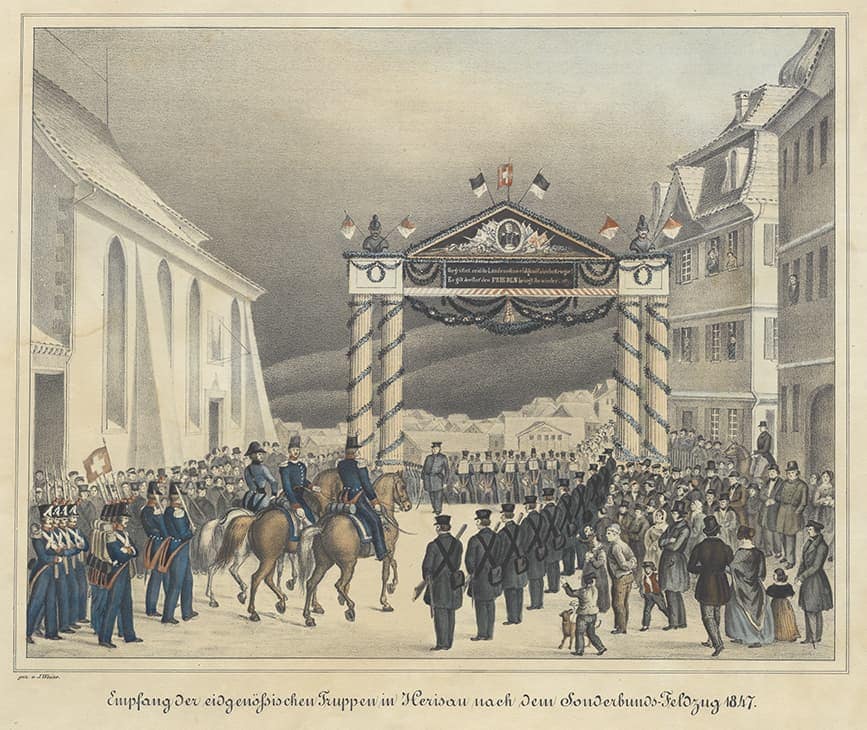
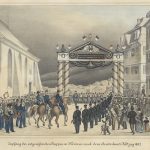
Switzerland is typically known as a country that doesn't get involved in international conflicts, but there was one time when the country was at war with itself. Several Catholic cantons formed a Sonderbund (separatist league) and broke off from the rest of the cantons in the area.
They did so because they wanted to prevent the creation of a centralized government. The battle between the two groups began, continuing for only 26 days before the rebels were defeated. Throughout it all, 89 people were killed.
First Barbary War
- When It Occurred: 1801 – 1805
- Who Fought: United States vs Tripoli
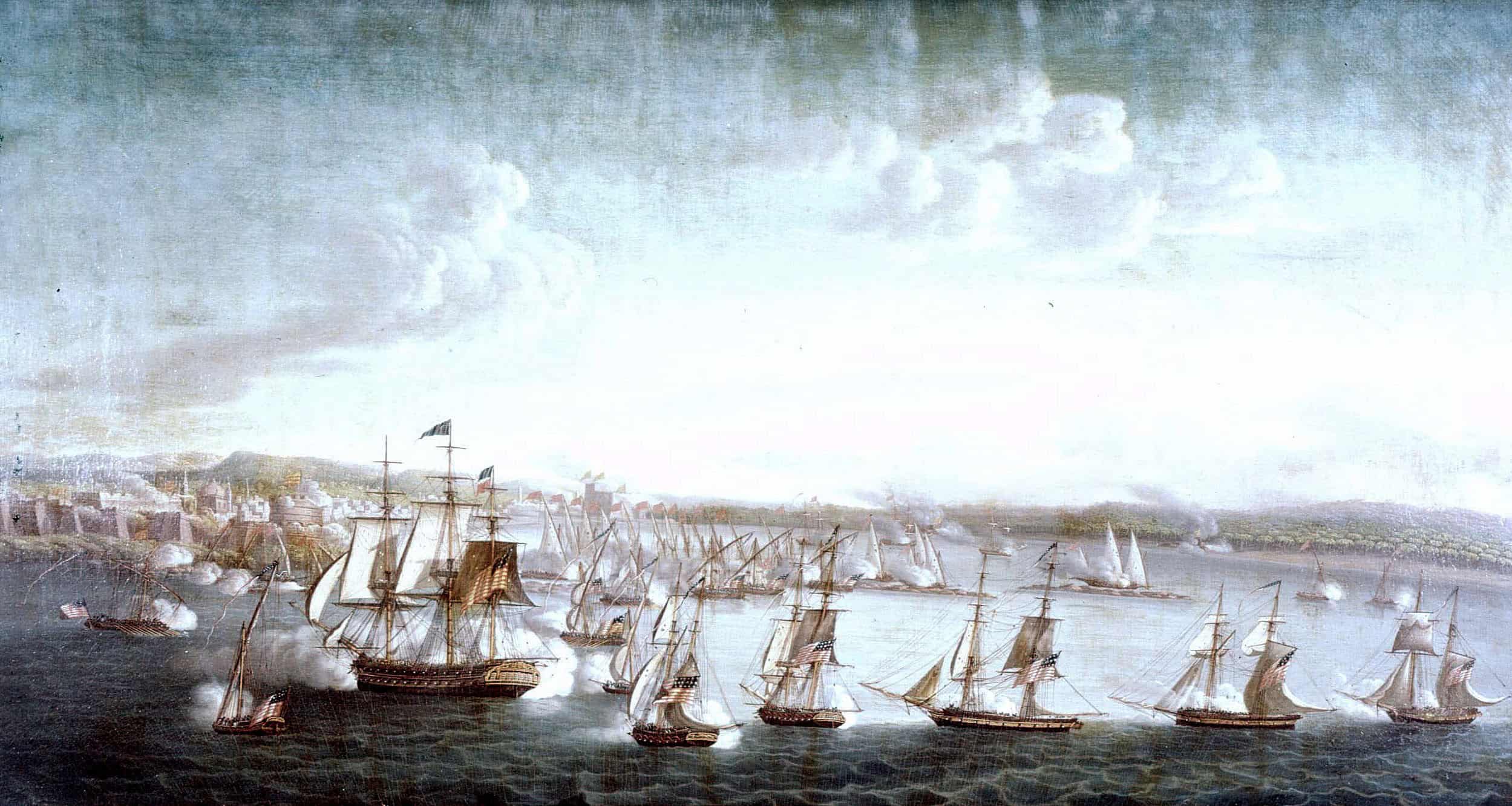
The Barbary States were modern Algeria, Morocco, Libya, and Tunisia. During this time, the Barbary pirates were raiding ships along the Mediterranean and the African coast, and they were taking the crews hostage and ransoming them back to their home country.
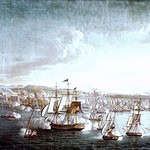
After diplomatic talks fell through, Tripoli (a city in Libya) declared war on the U.S. The battle began in 1801, and during the next three years, the American fleet attacked enemy fleets and blockaded Barbary ports.
Finally, in 1805, American marines attacked and captured the city of Derna. Knowing that the end was near, forces in Tripoli and the U.S. signed a treaty to end the war, and all American prisoners were released.
The 100 Hour War
- When It Occurred: 1969
- Who Fought: El Salvador and Honduras
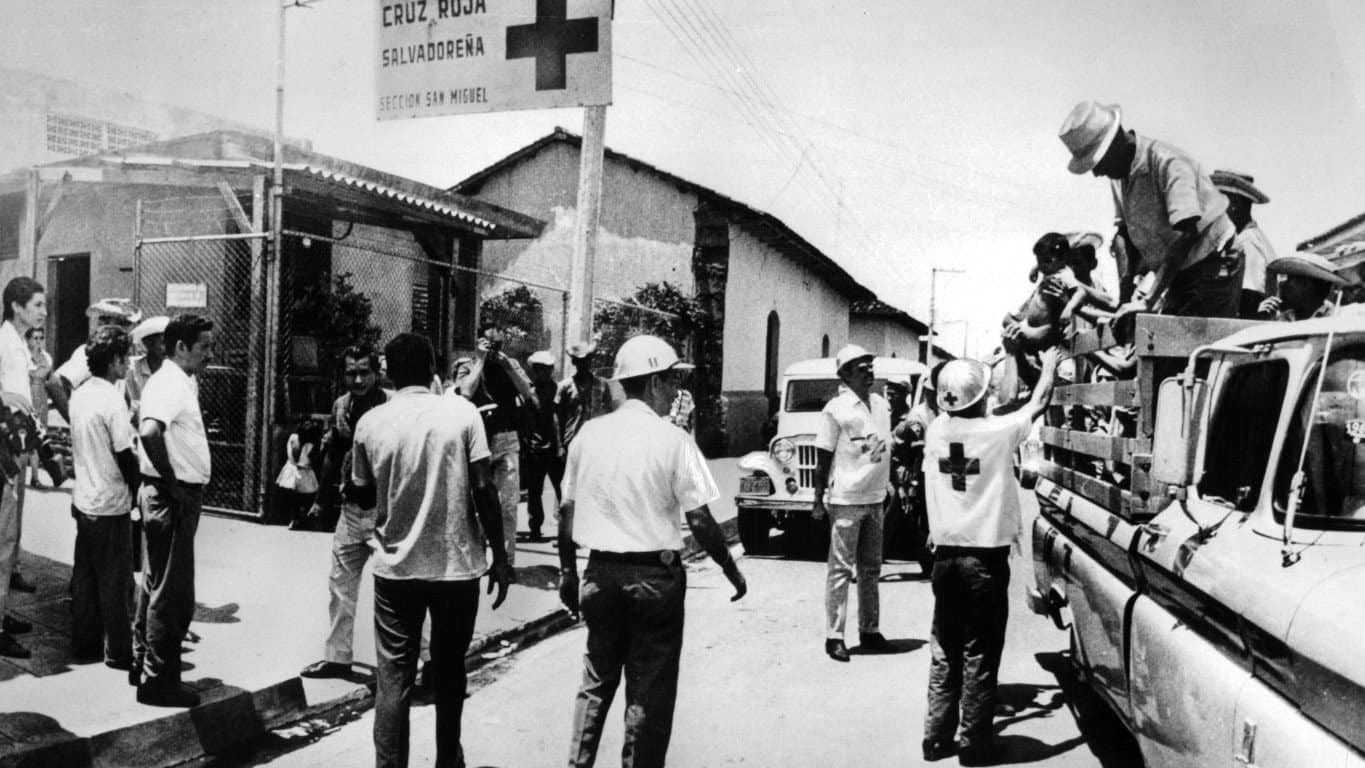
Also known as "the football war," this short battle was the result of a combination of factors that raised tensions between El Salvador and Honduras. The main issue was that the people of Honduras were upset that the citizens of El Salvador were moving to Honduras to take their farmland. As a result, Honduras tried to force the migrants back to El Salvador.
While that situation was already causing incredible tension, what pushed things over the edge was a football (soccer) game between the two countries in which El Salvador was the victor. That angered the people of Honduras.
The combination of events was too much to bear, and the result was an attempted invasion of Honduras by the people of El Salvador. The battle took place over four days, and in the end, there were 2,000 casualties. Finally, both sides reached an agreement.
Anglo-Zanzibar War
- When It Occurred: 1896
- Who Fought: British and Zanzibar
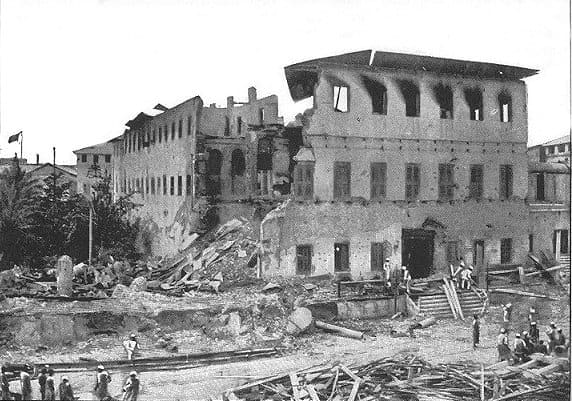
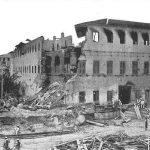
Also known as the shortest war of all time, the Anglo-Zanzibar War is another of the forgotten wars that no one remembers. It lasted only about 38-45 minutes, so unless you're a history buff, it's easy to have missed this in history class.
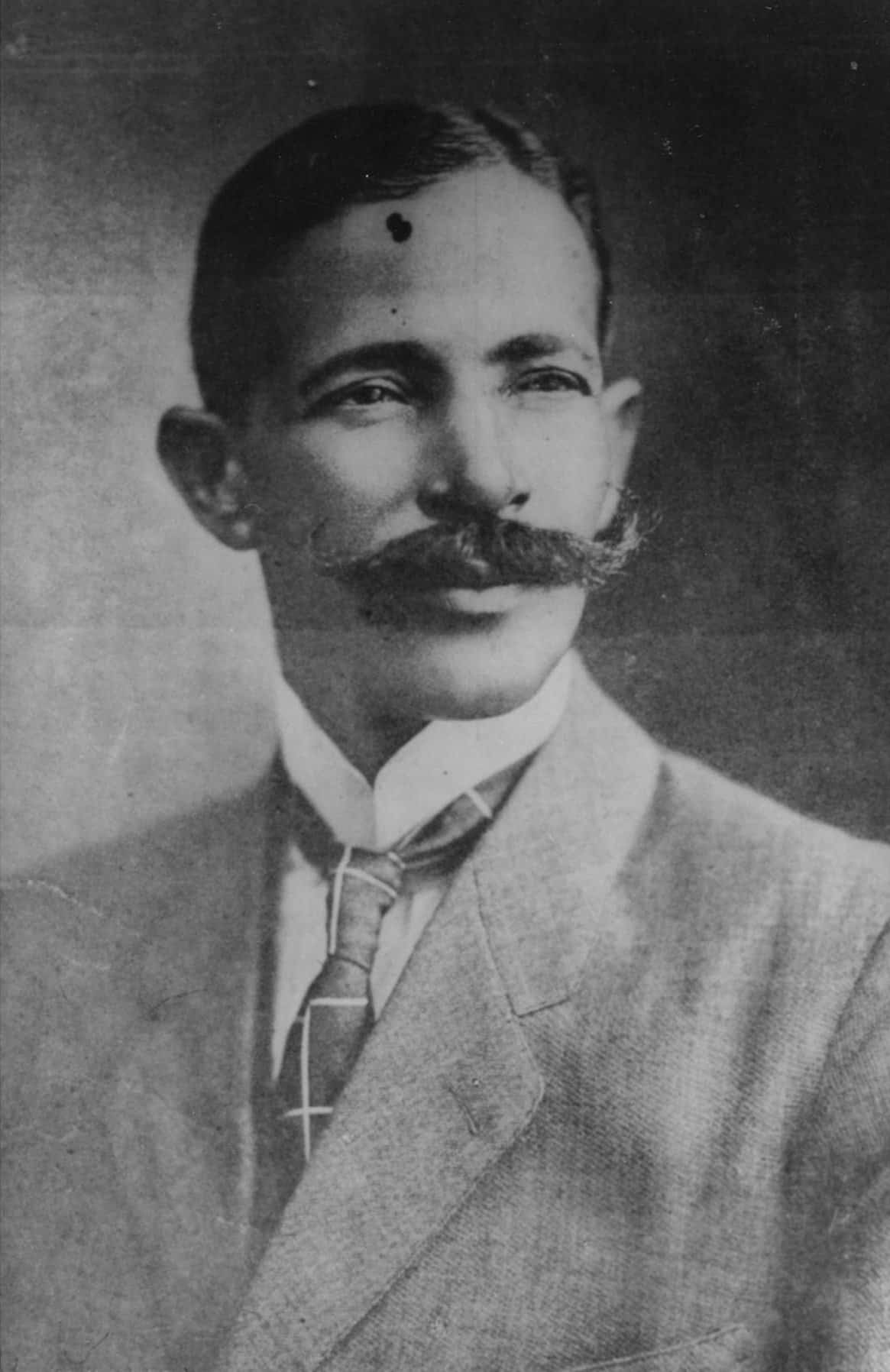
This altercation became a reality after the sudden death of the Sultan of Zanzibar. Without approval, the sultan's nephew, Khalid bin Barghash, declared himself the new permanent ruler.
The problem was that a protection treaty was in place, and all new appointments had to be approved by the British. However, Khalid bin Barghash refused to back down, barricading himself in the palace. He put 2,800 defenders in place for protection.
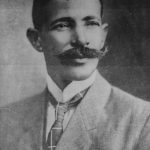
The British tried to intimidate Khalid bin Barghash by bringing in cruisers and gunboats, but he wouldn't back down. Instead, he took his own weapons and aimed them back at the British. Khalid bin Barghash didn't believe the British would fire on him, but they did. After 500 of his men were wounded or killed, he surrendered and then fled into exile. Later that afternoon, the British installed their own sultan, Hamud bin Mohammed.
The United States Intervenes in the Dominican Republic
- When It Occurred: 1916–1924
- Who Fought: United States and Dominican Republic
In 1916, Desiderio Arias, the Dominican Secretary of War, seized power in the Dominican Republic. Fearing what he would do in the area, the U.S. Navy threatened force if he didn't leave. The threat didn't work. Three days later, U.S. Marines occupied to remove Desiderio Arias and impose a U.S. military government.
They eventually helped to stabilize the country, but through it all, 180 Americans were killed. During the chaos, American sugar companies acquired many sugar plantations in the area. Withdrawal followed U.S. policy shifts and local politics (1924 elections).
King Philip's War
- When It Occurred: 1675-1676
- Who Fought: Wampanoag, Narragansett, Nipmuc, and allies vs. New England colonies and Native allies (e.g., Mohegan, Pequot).
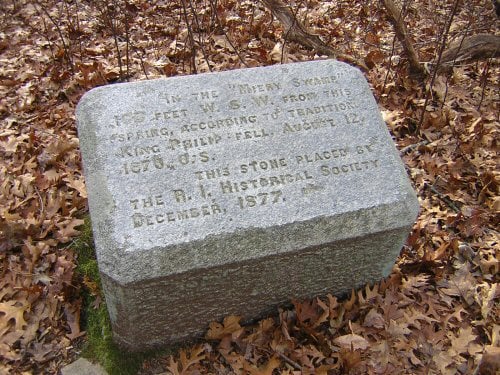
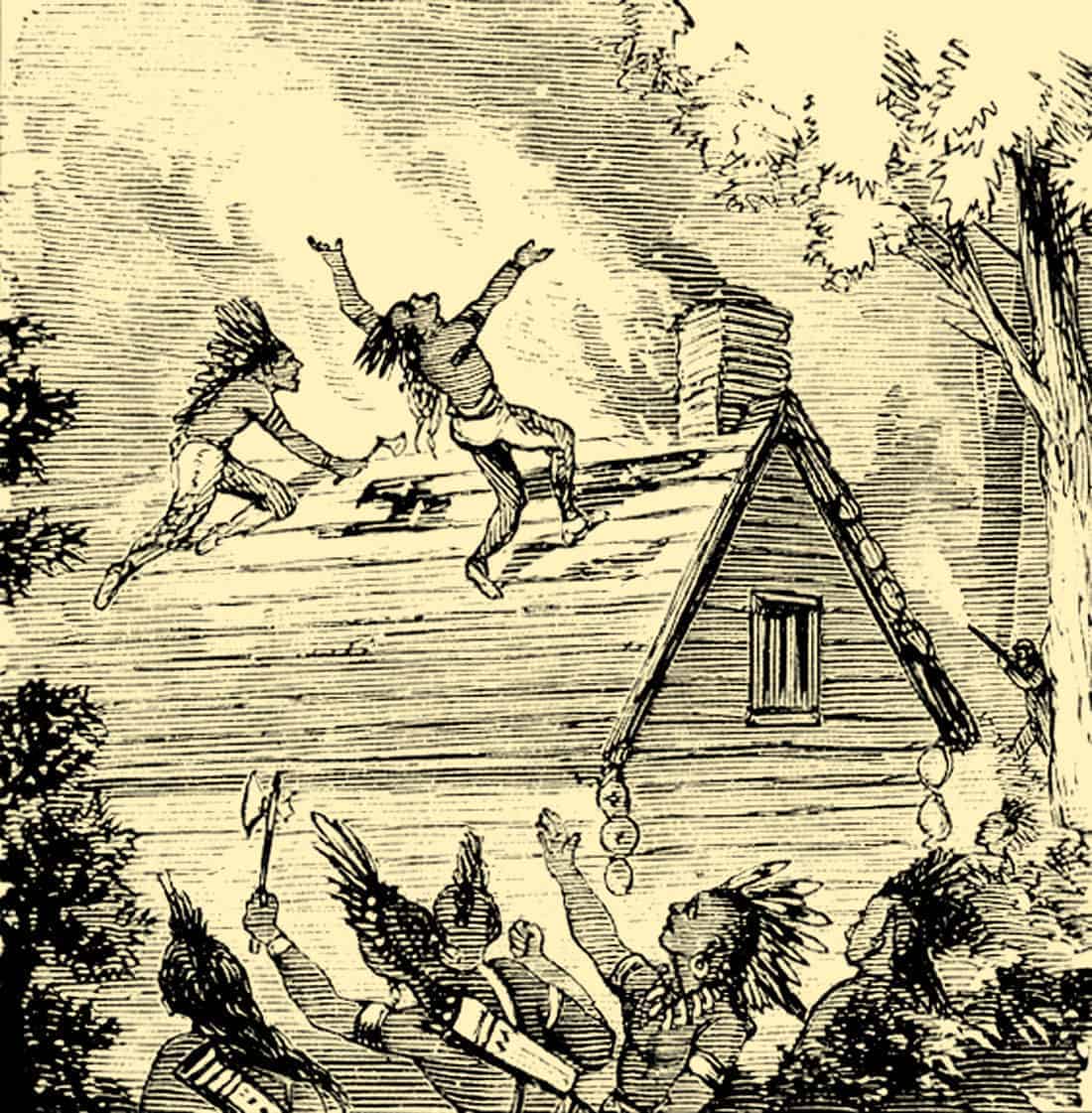
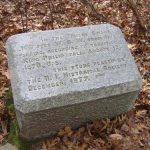
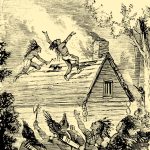
Also known as Metacom's War, this conflict began after Wampanoag Indian Chief Metacom and his tribe folk grew tired of land seizures, legal jurisdiction, tribute, and executions at the hands of the Puritans.
They attacked colonies throughout Rhode Island and Massachusetts. The initial attacks began a series of battles between Metacom and his men and the colonial militia. The war ended with the beheading of Metacom and the death of many of his men.
Queen Anne's War
- When It Occurred: 1702-1713
- Who Fought: Britain vs. France and Spain, with Native allies on both sides
This was one of the many that involved colonists and Native Americans. Queen Anne's War was between the English and French colonists, but it also involved the Indian allies on both sides.
The war occurred in several locations, including Newfoundland, Acadia, New England, and Spanish Florida. There were many casualties, but the war ultimately ended with the Treaty of Utrecht. However, Native polities weren't parties to European treaties, leading to dispossession of their land.
While many forgotten wars no one remembers, many altercations are all too familiar. One of them is the Iraq War, and you can check out 26 haunting images of that war.