
Evening Standard / Hulton Archive via Getty Images

Girish Menon / Shutterstock.com
Michael Ochs Archives / Getty Images

Stefano Chiacchiarini '74 / Shutterstock.com

Ralf Liebhold / Shutterstock.com

Michael Ochs Archives / Michael Ochs Archives via Getty Images

Randy Miramontez / Shutterstock.com

Robert Hale / Shutterstock.com

Jim Dyson / Getty Images

aleksey.const / BY 2.0

Keystone / Hulton Archive / Getty Images
Timothy Norris / Getty Images for Live Nation

Denis Val / Shutterstock.com





12 Iconic Bands With a Legacy Beyond Their Biggest Hits
Some bands are so closely associated with a particular song that it's easy to overlook everything else they accomplished. Whether it's a stadium anthem, a dance floor favorite, or a song that practically defined an entire generation, one enormous hit can sometimes overshadow decades of musical innovation.
From the pioneers of progressive rock to the musicians who helped bring punk into the mainstream, these groups influenced generations of artists, challenged musical conventions, and occasionally reinvented themselves entirely. Some are still recording and performing, while others left behind catalogs that continue to attract new listeners.
Here are 12 legendary bands whose contributions to music extend well beyond their most recognizable songs.
The Alan Parsons Project
Even if you've never owned an Alan Parsons Project album, there's a good chance you've heard their music. The instrumental "Sirius," originally released as the introduction to "Eye in the Sky" in 1982, became synonymous with Michael Jordan and the Chicago Bulls.
Founded by recording engineer Alan Parsons and songwriter Eric Woolfson, the project specialized in meticulously produced concept albums. Parsons had previously worked on Pink Floyd's "The Dark Side of the Moon," which helps explain his extraordinary attention to detail. The partnership ended around 1990, and Woolfson passed away in 2009. Parsons has continued recording and performing under his own name.
The Ramones
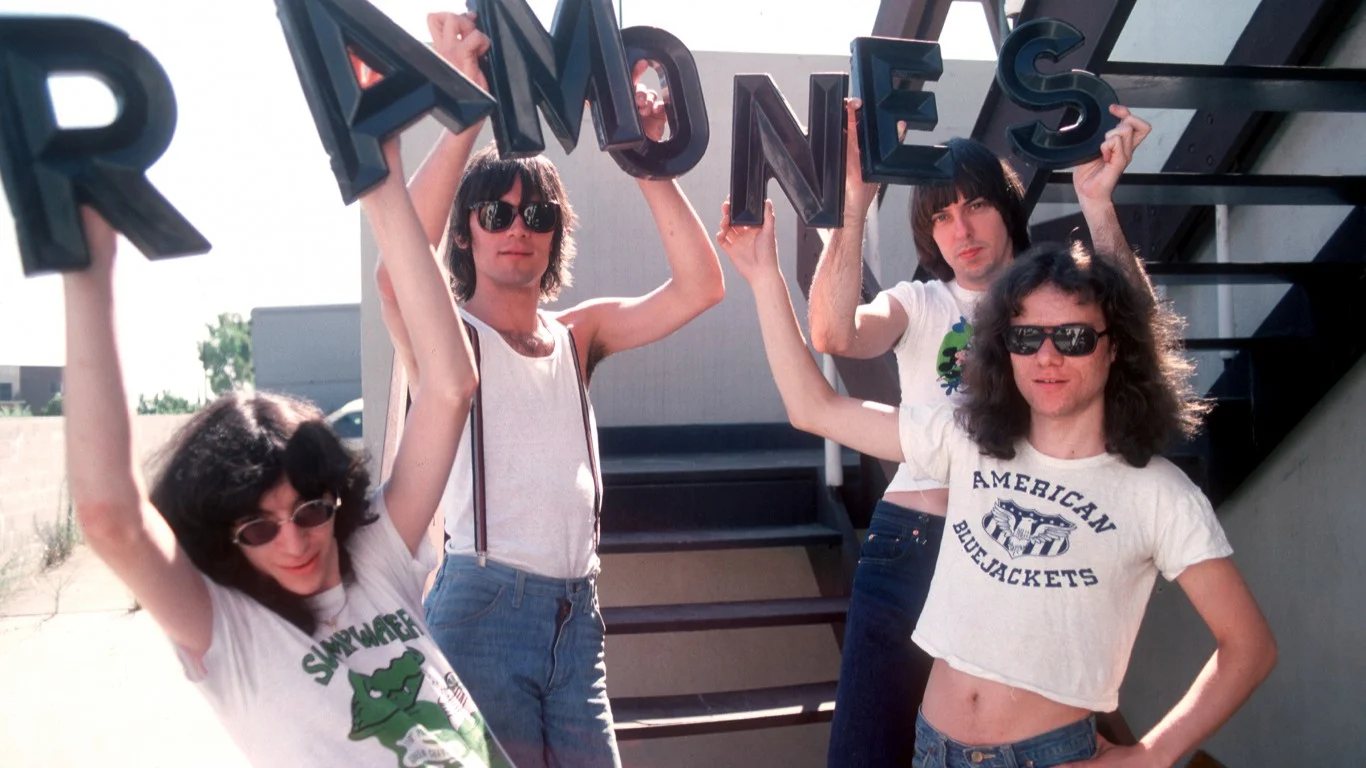
While other rock bands were experimenting with elaborate instrumental solos and songs that stretched beyond ten minutes, the Ramones went in the opposite direction. Their short, fast, and ridiculously catchy songs helped establish the blueprint for punk rock.
Despite never achieving the commercial success of many bands they influenced, the Ramones spent more than two decades touring before playing their final concert in Los Angeles in August 1996. Songs like "Blitzkrieg Bop" and "I Wanna Be Sedated" remain punk staples. Their influence can be heard in countless bands that followed, including Green Day and the Offspring.
ABBA
ABBA became an international sensation after winning the 1974 Eurovision Song Contest with "Waterloo." The Swedish quartet subsequently produced some of the most recognizable pop songs ever recorded, including "Dancing Queen," "Fernando," and "The Winner Takes It All."
Although the group largely went its separate ways in 1982, its music never really disappeared. The success of the "Mamma Mia!" musical and films introduced ABBA to entirely new generations. In 2021, the original members released "Voyage," their first studio album in 40 years. Their groundbreaking London concert experience even allows audiences to watch digital versions of the musicians perform alongside a live backing band.
The Housemartins
The Housemartins didn't spend particularly long together, but the British indie pop group certainly made the most of its time. Formed in Hull, England, in 1983, the band combined infectious melodies with lyrics that frequently explored politics, religion, and social inequality.
Their a cappella rendition of "Caravan of Love" reached No. 1 in the United Kingdom in 1986. After the group disbanded in 1988, Paul Heaton and Dave Hemingway went on to form the Beautiful South. Meanwhile, bassist Norman Cook eventually reinvented himself as Fatboy Slim, becoming one of the biggest names in electronic dance music. Not bad for a band that released just two studio albums.
The Beach Boys
Few bands have ever been so closely associated with a particular lifestyle. Formed in 1961, the Beach Boys practically supplied the soundtrack to the California dream with songs about surfing, hot rods, summer vacations, and teenage romance.
However, their contributions went considerably deeper than songs like "Surfin' U.S.A." Brian Wilson's ambitious production techniques helped transform the possibilities of popular music, particularly with 1966's "Pet Sounds." The album famously influenced the Beatles and remains widely celebrated. Wilson's death in June 2025 marked the passing of one of popular music's most innovative creative minds.
Yes
For a band best known to casual listeners for "Owner of a Lonely Heart," Yes has a remarkably complicated musical catalog. The English group formed in 1968 and helped define progressive rock with elaborate arrangements, unusual time signatures, and exceptional musicianship.
Albums like "Fragile" and "Close to the Edge" established the band's reputation long before its mainstream resurgence in the 1980s. The success of 1983's "90125" demonstrated that Yes could adapt to changing musical tastes without entirely abandoning its identity. Numerous lineup changes haven't prevented the group's music from remaining a cornerstone of progressive rock.
The Monkees
The Monkees began as a group assembled for a television series in 1966. What followed was considerably more successful than anyone could have reasonably anticipated. Songs like "I'm a Believer," "Daydream Believer," and "Last Train to Clarksville" helped turn the television stars into genuine pop sensations.
Although session musicians contributed heavily to their early recordings, the members eventually secured greater creative control over their music. Their 2016 album "Good Times!" celebrated the group's 50th anniversary. In 2026, the band's sole surviving member, Micky Dolenz, celebrated its 60th anniversary with a commemorative tour, accompanied by anniversary releases from Rhino Records.
Radiohead
Radiohead could have spent its entire career trying to replicate the success of "Creep." Instead, the British band repeatedly challenged its audience by experimenting with new sounds, unconventional song structures, and electronic instrumentation.
The transition from the guitar-driven "OK Computer" to the experimental "Kid A" demonstrated just how willing Radiohead was to abandon a proven formula. Although its members spent several years concentrating on other musical projects, the band returned to the stage in November 2025 for its first concerts since 2018. Clearly, audiences hadn't forgotten about them.
The Stooges
Before punk rock had established itself as a distinct genre, Iggy Pop and the Stooges were already making music that sounded remarkably like it. Their aggressive guitar riffs, chaotic performances, and unapologetically raw sound stood in stark contrast to much of the popular music of the late 1960s.
Although albums like "Fun House" and "Raw Power" weren't enormous commercial successes upon their original releases, their influence grew considerably over the following decades. The Stooges reunited in 2003 and were inducted into the Rock & Roll Hall of Fame in 2010. Green Day frontman Billie Joe Armstrong delivered their induction speech, a fitting acknowledgment of the band's influence on punk rock.
The Moody Blues
The Moody Blues initially found success as a rhythm and blues group with "Go Now," but their music took a dramatically different direction during the latter half of the 1960s. Their 1967 album "Days of Future Passed" blended rock instrumentation with orchestral arrangements, producing the enduring classic "Nights in White Satin."
The group subsequently helped establish progressive rock as a major musical movement. Unlike many of their contemporaries, the Moody Blues also found considerable success in the 1980s with songs like "Your Wildest Dreams." Their remarkable longevity and musical evolution earned them a place in the Rock & Roll Hall of Fame in 2018.
Green Day
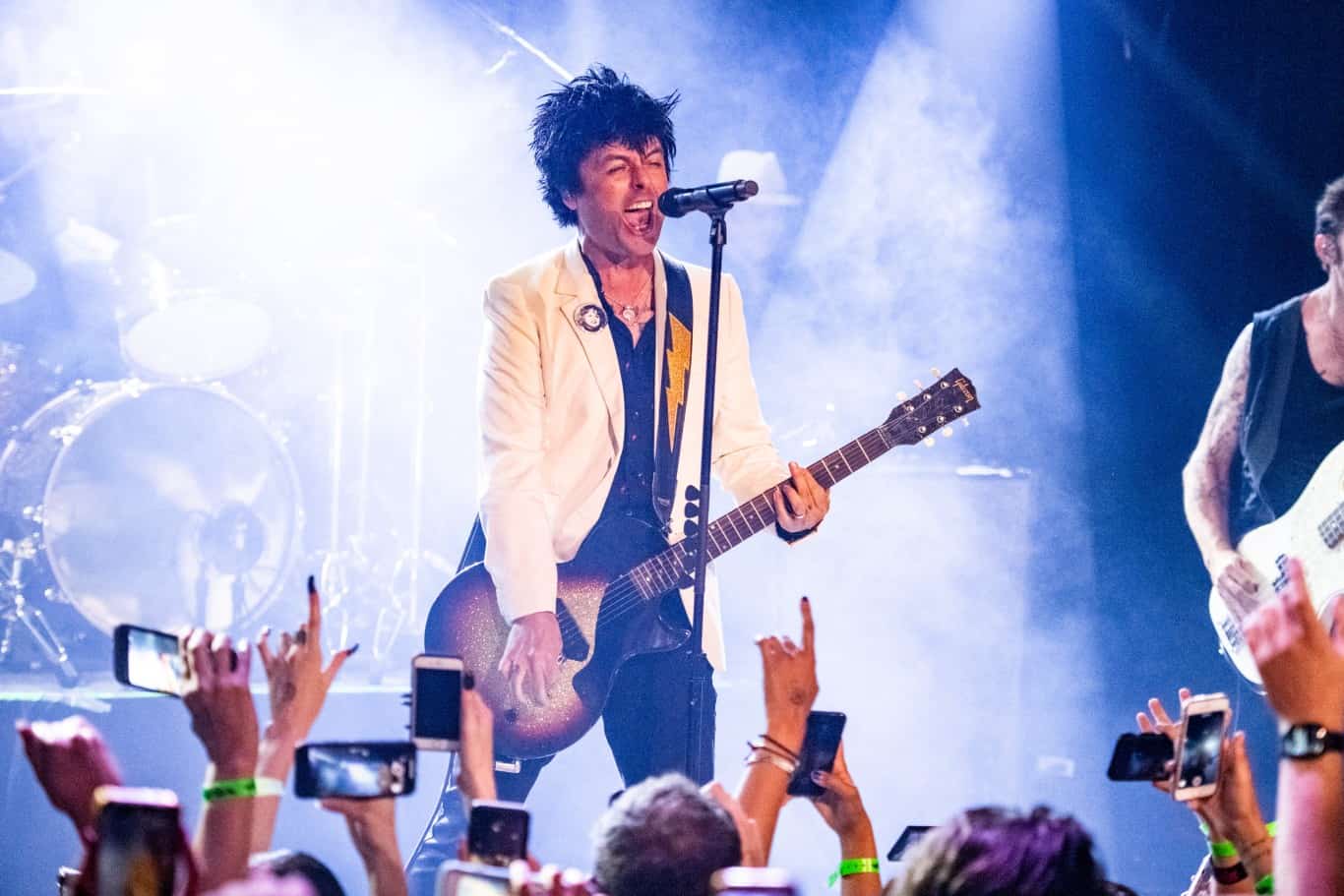
Green Day accomplished something relatively few bands manage to do: they helped define two different eras of mainstream rock. Their 1994 breakthrough album "Dookie" brought punk rock to an enormous new audience, while 2004's "American Idiot" introduced the band to another generation entirely.
The latter album even inspired a Broadway musical, something that probably would have sounded ridiculous to anyone familiar with the group's early punk club performances. Green Day was inducted into the Rock & Roll Hall of Fame in 2015 and released "Saviors" in 2024. Its subsequent worldwide tour demonstrated that the band's appeal extends well beyond 1990s nostalgia.
Camel
While progressive rock giants like Pink Floyd and Genesis became household names, Camel occupied a somewhat quieter corner of the genre. Led by guitarist Andrew Latimer, the English band developed a reputation for atmospheric arrangements, melodic guitar work, and ambitious instrumental compositions.
The group's 1975 instrumental concept album "The Snow Goose" remains one of its most celebrated achievements, alongside 1976's "Moonmadness." After a lengthy interruption in its recording career during the 1980s, Camel returned with "Dust and Dreams" in 1991. Although the band never achieved the same mainstream recognition as some of its contemporaries, its catalog remains well worth exploring for progressive rock fans.