
Fin Costello / Redferns via Getty Images

Michael Ochs Archives / Michael Ochs Archives via Getty Images

2016 Getty Images / Getty Images Entertainment via Getty Images
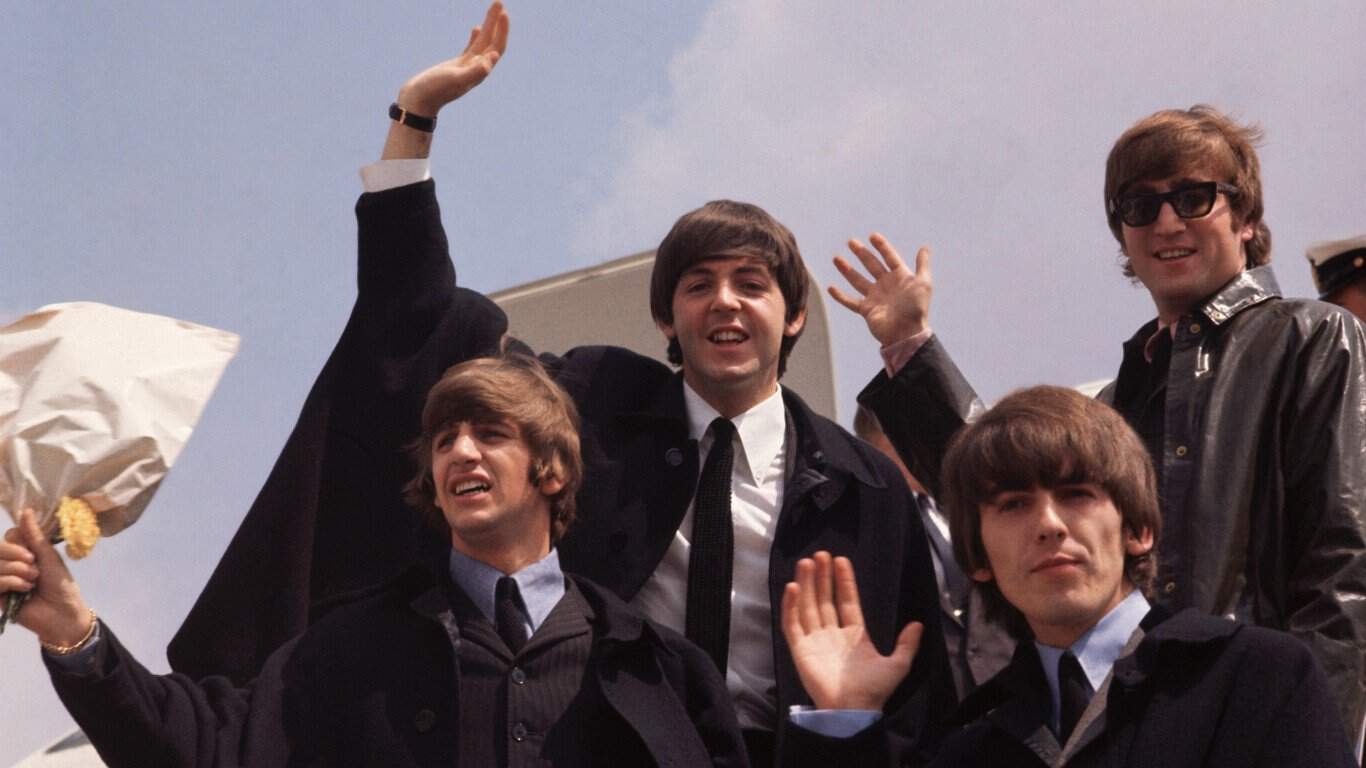
Fox Photos / Hulton Archive via Getty Images
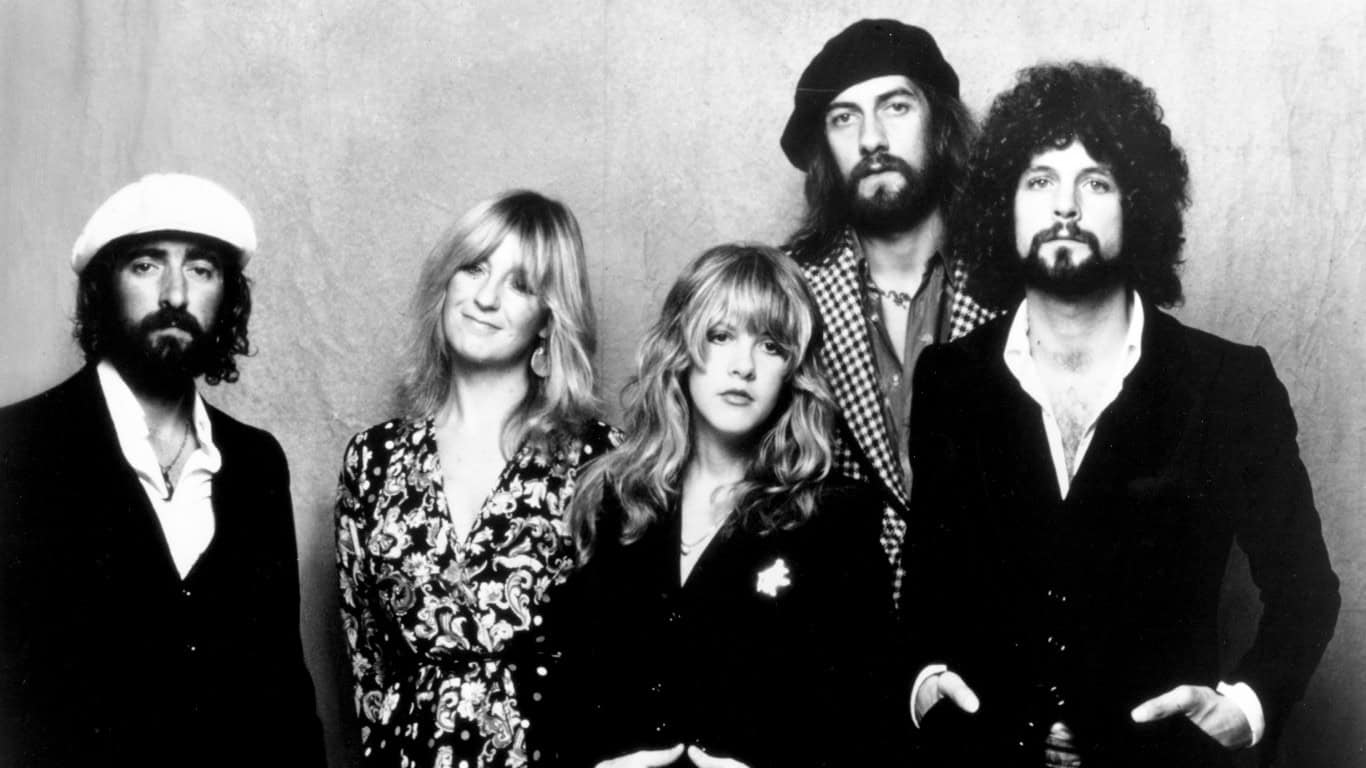
Michael Ochs Archives / Michael Ochs Archives via Getty Images

Trixie Textor / Getty Images
Fin Costello / Redferns via Getty Images

Getty Images / Archive Photos via Getty Images

Graham Wood / Hulton Archive via Getty Images

Keystone Features / Hulton Archive via Getty Images

2014 Redferns / Redferns via Getty Images




10 Famous Bands Whose Classic Lineups Fell Apart
Keeping a successful rock band together might be harder than starting one. You can have sold-out concerts, platinum albums, and millions of fans, but none of that guarantees the people making the music actually enjoy being around each other. Sometimes the bigger a band gets, the harder it becomes to keep everyone on the same page.
Creative disagreements, money disputes, personal relationships, and the pressure of fame have broken apart some of music's most celebrated partnerships. And it doesn't always take a dramatic announcement to bring things crashing down. Sometimes one musician walks away, the others keep going, and the version of the band that everybody remembers is suddenly history.
These 10 famous bands experienced everything from bitter breakups to major lineup changes while their music was still enormously popular. Some eventually reunited, while others never managed to put things back together. A few continued making successful records with different musicians. But in each case, the chemistry that helped make the original or best-known lineup famous eventually came undone.
1. Creedence Clearwater Revival
Creedence Clearwater Revival had one of the most remarkable winning streaks in rock history. Between 1968 and 1972, the California band released seven studio albums, delivering classics such as "Proud Mary," "Bad Moon Rising," and "Fortunate Son." For a while, it seemed like John Fogerty and company could write hit songs almost faster than radio stations could play them.
Behind the scenes, however, things weren't nearly as harmonious. John Fogerty handled most of the songwriting, singing, arranging, and production, a situation that increasingly frustrated the other members. His older brother Tom left in 1971, and the remaining trio released one final album, "Mardi Gras," in 1972. By October, Creedence was finished. The breakup led to years of resentment and disputes, although the original four members did briefly perform together again at Tom's wedding in 1980. It never turned into a proper reunion, and Tom died in 1990. Considering how much music the band produced in just a few years, it's hard not to wonder what might have happened if everyone had managed to work out their differences.
2. Guns N' Roses
Few bands captured the excesses of late-1980s rock quite like Guns N' Roses. Their 1987 debut album, "Appetite for Destruction," turned the Los Angeles group into international stars, with songs such as "Sweet Child o' Mine" and "Welcome to the Jungle" becoming rock radio staples. By the time the ambitious "Use Your Illusion" albums arrived in 1991, the band had become one of the biggest acts in the world.
Unfortunately, the personalities involved were every bit as explosive as the music. Substance abuse, disagreements over creative control, and growing tensions between band members eventually took their toll. Drummer Steven Adler was dismissed in 1990, guitarist Izzy Stradlin left in 1991, Slash departed in 1996, and bassist Duff McKagan followed in 1997. Guns N' Roses didn't officially cease to exist, since Axl Rose continued using the name with different musicians. But the classic lineup was gone. In 2016, Rose, Slash, and McKagan finally reunited onstage, beginning another successful touring chapter. They've continued performing together, including a 2026 world tour. So while the original chemistry fell apart, this is one breakup story that eventually got a substantial second act.
3. The Beatles
It's difficult to overstate just how enormous the Beatles became during the 1960s. John Lennon, Paul McCartney, George Harrison, and Ringo Starr transformed popular music, dominated record charts, and inspired a level of fan obsession that earned its own name: Beatlemania. But behind the groundbreaking albums and extraordinary success, the four musicians were gradually moving in different directions.
The band's final years were complicated by business disagreements, creative differences, and the demands of maintaining their increasingly elaborate recording projects. The death of manager Brian Epstein in 1967 also left a leadership vacuum that became difficult to fill. Lennon privately informed his bandmates that he intended to leave in September 1969, although the decision wasn't immediately made public. McCartney's comments accompanying his first solo album in April 1970 effectively confirmed the breakup to the world. Legal disagreements continued for several years, but the musical partnership was already finished. The Beatles never reunited as a four-piece band. They had changed popular music in less than a decade, yet couldn't find a way to continue making it together.
4. Fleetwood Mac
Fleetwood Mac might be the ultimate example of a band turning personal turmoil into incredible music. Originally formed as a British blues group in 1967, the band underwent several lineup changes before Lindsey Buckingham and Stevie Nicks joined in late 1974. With Christine McVie, John McVie, and Mick Fleetwood already on board, the group developed the distinctive sound that would make it one of the most successful acts of the decade.
Then came "Rumours" in 1977, an enormously successful album created while Buckingham and Nicks were ending their relationship and the McVies' marriage was falling apart. Somehow, the band kept going. It released several more albums, including 1987's "Tango in the Night," before Buckingham departed that year. Fleetwood Mac continued with replacements, and the celebrated lineup reunited for "The Dance" in 1997. But the personal and professional tensions never disappeared entirely. Buckingham was dismissed in 2018, and Christine McVie's death in 2022 left the group's future in serious doubt. The band didn't actually break up at the height of "Rumours," but its most famous lineup was eventually pulled apart by the same complicated relationships that helped inspire its music.
5. Rage Against the Machine
Rage Against the Machine never sounded like a band particularly interested in keeping everyone comfortable. Formed in Los Angeles in 1991, the group combined heavy guitar riffs, rap-inspired vocals, and outspoken political commentary into a sound that was difficult to ignore. By the late 1990s, albums such as "Evil Empire" and "The Battle of Los Angeles" had made the band a major force in alternative rock.
But the same intensity that fueled the music also created serious internal tensions. In October 2000, frontman Zack de la Rocha announced his departure, pointing to problems with the group's decision-making process. The remaining three members eventually teamed up with former Soundgarden singer Chris Cornell to form Audioslave, while Rage Against the Machine went on an extended hiatus. The original quartet reunited in 2007 and returned to touring, with another comeback beginning in 2022. That run was interrupted after de la Rocha suffered an Achilles tendon injury. In January 2024, drummer Brad Wilk announced that the band would not be touring or performing live again. Whether another reunion will ever happen remains uncertain, but their history shows that even a group united by strong ideals can struggle to stay together.
6. Van Halen
For much of the late 1970s and early 1980s, Van Halen seemed practically unstoppable. Eddie Van Halen's guitar playing helped redefine hard rock, while frontman David Lee Roth provided enough charisma and swagger to fill an arena all by himself. Together with bassist Michael Anthony and drummer Alex Van Halen, they delivered hit albums and established themselves as one of America's biggest rock bands.
The group's popularity reached another level with 1984's appropriately titled "1984," which included "Jump," "Panama," and "Hot for Teacher." But tensions between Roth and the Van Halen brothers were growing, particularly over creative direction and Roth's solo ambitions. Roth left in 1985, bringing the band's original recording lineup to an end. Contrary to a common misconception, Van Halen didn't break up. Sammy Hagar stepped in as lead singer, and their 1986 album "5150" became the band's first No. 1 album on the Billboard 200. The Hagar era produced several more chart-topping records. Roth eventually returned for later performances and recordings, but the original lineup never fully reassembled after bassist Michael Anthony's departure. The band effectively came to an end following Eddie Van Halen's death in 2020.
7. Alice in Chains
Seattle's grunge explosion produced some remarkable bands, but Alice in Chains stood apart with a darker, heavier sound and the unmistakable vocal harmonies of Layne Staley and Jerry Cantrell. The band found major success with albums such as "Facelift," "Dirt," and its self-titled 1995 release. By that point, however, the group's future was becoming increasingly uncertain.
Staley's struggles with substance use disorder made recording and touring difficult, and the band gradually became inactive despite its continued popularity. Alice in Chains delivered a memorable "MTV Unplugged" performance in April 1996, followed by its final concert with Staley that July. He died in April 2002, leaving the future of the band uncertain. Rather than immediately replacing him, the surviving members spent years pursuing other projects. They eventually reunited for a benefit concert in 2005 and returned with William DuVall as a vocalist in 2006. The re-formed band subsequently released successful albums, beginning with "Black Gives Way to Blue" in 2009. Alice in Chains didn't experience a conventional breakup at the peak of its success, but the original era came to a tragic end long before the music lost its audience.
8. Sex Pistols
If any band seemed destined to implode, it was probably the Sex Pistols. The British punk group built its reputation on confrontational performances, outspoken lyrics, and a willingness to challenge practically every convention in popular music. Its only studio album, 1977's "Never Mind the Bollocks, Here's the Sex Pistols," became one of punk rock's defining records. By the time it appeared, however, the band was already struggling to hold itself together.
Personnel changes, management disputes, and the increasingly chaotic behavior of bassist Sid Vicious helped push the group toward collapse. The situation reached a breaking point during the Sex Pistols' first American tour. At the final show in San Francisco on January 14, 1978, singer Johnny Rotten, later known as John Lydon, delivered his famous farewell remark questioning whether the audience felt cheated. The band split shortly afterward. The original recording lineup reunited in 1996, and other reunions followed. More recently, Steve Jones, Paul Cook, and Glen Matlock have performed with singer Frank Carter, including shows in 2026. But the explosive original era lasted only a few years, proving that an enormous cultural influence doesn't necessarily require a long career.
9. Pink Floyd
Pink Floyd spent the 1970s building a reputation for ambitious music, elaborate concerts, and albums that demanded considerably more attention than the average three-minute radio single. Records such as "The Dark Side of the Moon," "Wish You Were Here," and "The Wall" helped make the group one of the most successful rock acts in history. Unfortunately, the increasingly grand productions also came with growing disagreements over who was actually running the show.
Roger Waters became the dominant creative force behind much of the band's later material, creating tension with guitarist David Gilmour, drummer Nick Mason, and keyboardist Richard Wright. Wright was pushed out during the making of "The Wall," although he continued performing as a paid touring musician. Waters left in 1985, believing the band should effectively be finished. Gilmour and Mason disagreed. After a legal dispute, they continued recording and touring as Pink Floyd, with Wright eventually returning. The band released "A Momentary Lapse of Reason" in 1987 and "The Division Bell" in 1994. Waters reunited with his former bandmates for a brief Live 8 performance in 2005, but a lasting reconciliation never followed. Pink Floyd's classic lineup had fractured, even though the name continued producing enormously successful music.
10. The Smiths
The Smiths didn't need decades to become one of the most influential British alternative rock bands of their generation. Formed in Manchester in 1982, the group combined Johnny Marr's inventive guitar work with Morrissey's distinctive voice and often sharply observant lyrics. With bassist Andy Rourke and drummer Mike Joyce completing the lineup, the band released four studio albums in just a few years, earning a devoted following along the way.
But by 1987, Marr was exhausted. He had taken on considerable responsibility for the band's business affairs while also dealing with creative disagreements and the pressures of maintaining its momentum. Morrissey and Marr's increasingly strained partnership eventually became impossible to sustain. Marr left in July 1987, and efforts to continue without him went nowhere. The Smiths' final studio album, "Strangeways, Here We Come," arrived that September, after the group had effectively broken up. Unlike several other bands on this list, the Smiths never reunited. In 2024, Marr confirmed that he'd declined a proposed reunion tour. Their original run was remarkably brief, but the music continues to influence new generations of artists. Sometimes five years is all a band needs to leave a lasting mark.